Photo by <a href="https://unsplash.com/@drewfarwell?utm_source=tokyodeepnightlife&utm_medium=referral">Drew Farwell</a> on <a href="https://unsplash.com/?utm_source=tokyodeepnightlife&utm_medium=referral">Unsplash</a>
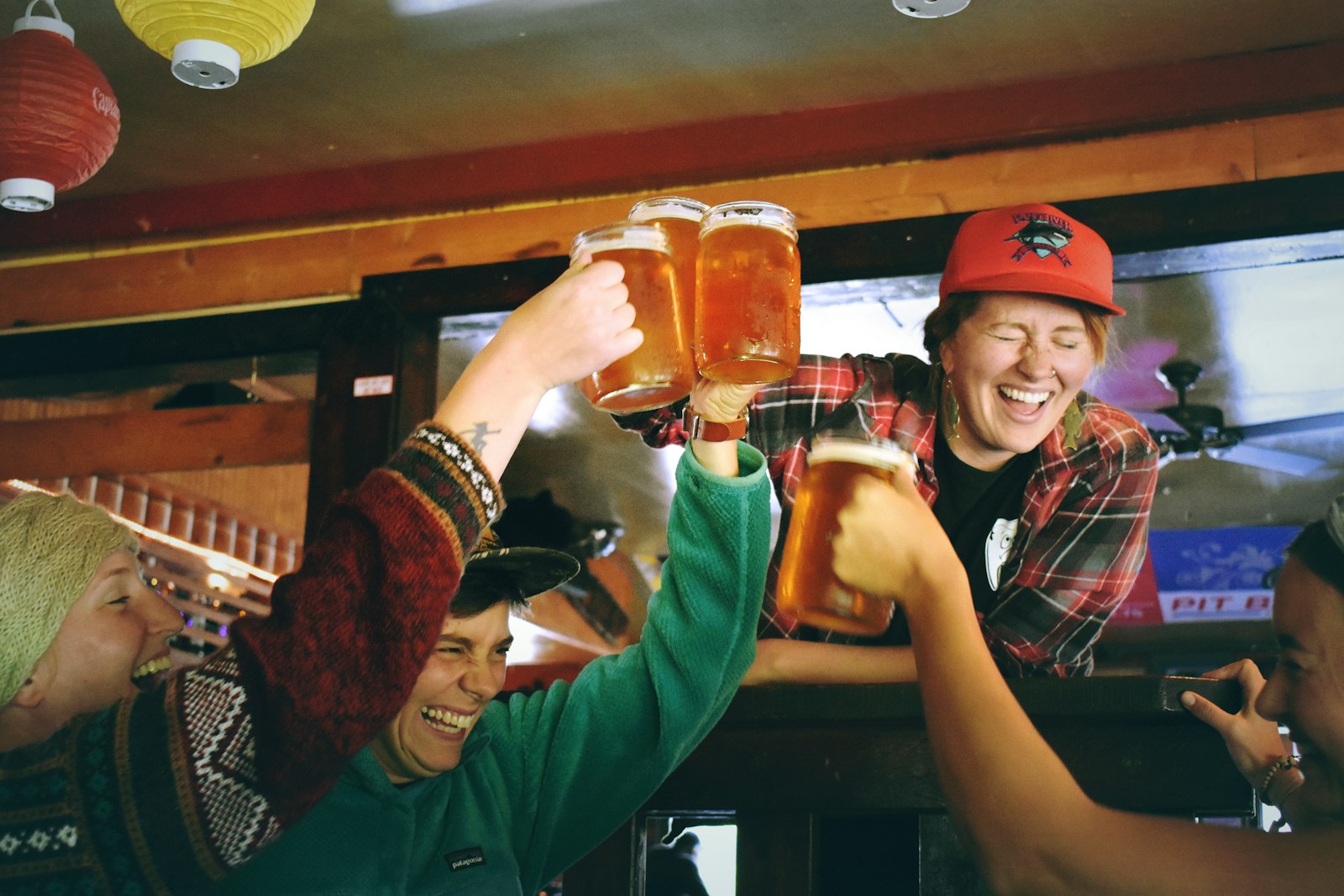
Walk past any izakaya in Tokyo around 8pm on a Friday and you’ll hear it: a long table of coworkers, a round of “kanpai!”, and laughter that gets louder as the beer jugs empty. That’s a nomikai, the Japanese drinking party, and it’s one of the most direct ways to see how people in Japan actually relax together.
Most guides to the nomikai Japanese drinking party are written for expats who just joined a Japanese company and are nervous about their first year-end party. This one is for travelers. We’ll cover what a nomikai is, how the night usually runs, the handful of manners that really matter, and how you can experience one yourself on a trip to Tokyo, even if you don’t know anyone here.
Contents
- What Is a Nomikai?
- How Nomikai Culture Is Changing
- How a Nomikai Japanese Drinking Party Usually Runs
- Nomikai Etiquette: The Rules That Actually Matter
- Useful Japanese Phrases for a Nomikai
- How Can a Visitor Experience a Nomikai?
- Common Mistakes Visitors Make at a Nomikai
- Nomikai FAQ
- What do you do in Tokyo After 10?Join our Tokyo Nightlife Private Tour
- Experience a Real Japanese Night Out in Tokyo
- About the Author
What Is a Nomikai?
“Nomikai” (飲み会) combines nomu, “to drink,” and kai, “gathering.” Put simply, it’s any planned get-together where a group eats and drinks, usually at an izakaya. Coworkers, university clubs, old school friends and neighborhood groups all hold them.
What makes a nomikai different from “going for a drink” in many countries is the structure. There’s usually an organizer, a set start time, a reserved table or private room, a fixed course of food, and a clear beginning and end. People don’t drift in and out. The whole group starts together with a toast and finishes together.
You’ll also hear the joke word nominication, a mix of nomu and “communication.” The idea is that people who are polite and reserved in the office loosen up over drinks and say what they really think. Many Japanese people will tell you that’s where they really got to know their colleagues.
Common Types of Nomikai
Japanese has a name for almost every kind of drinking party. The ones you’re most likely to hear about:
- Kangeikai (歓迎会) – a welcome party for someone new
- Sobetsukai (送別会) – a farewell party when someone leaves or transfers
- Bonenkai (忘年会) – a “forget-the-year” party held in December
- Shinnenkai (新年会) – a New Year party in January
- Uchiage (打ち上げ) – a wrap party after a project, show or event
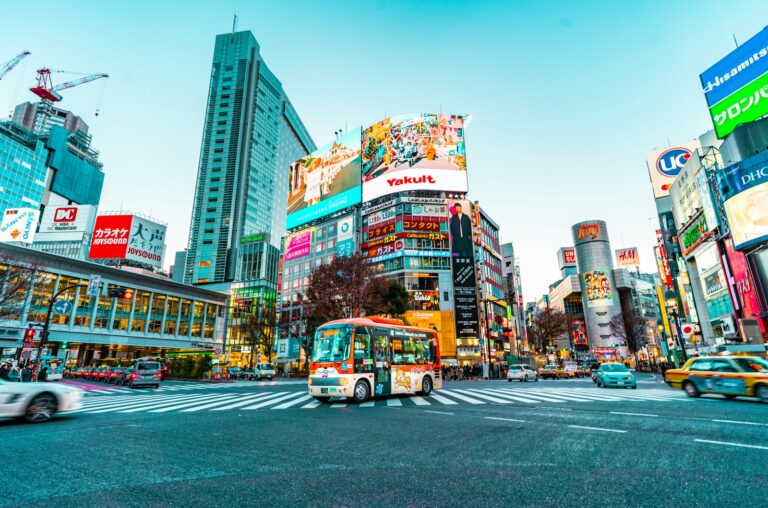
If you visit Tokyo in December, you’ll notice the bonenkai season right away. Izakaya fill up early, groups in suits block the sidewalks around stations, and the last trains get crowded.
How Nomikai Culture Is Changing
The image of salarymen being forced to drink until midnight is out of date. Attitudes toward work drinking parties have shifted a lot, especially since the pandemic. Fewer companies hold big year-end parties than they used to, and younger workers are much more open about skipping them or leaving after the first round.
Pressuring someone to drink now has its own name, aru-hara (alcohol harassment), and it’s taken seriously. Ordering an oolong tea or a non-alcoholic beer is completely normal, and nobody at a modern nomikai should push you to drink.
What hasn’t changed is the social side. People still enjoy a good nomikai with friends, and the rituals of the night are still very much alive.
How a Nomikai Japanese Drinking Party Usually Runs
Every group is a little different, but most nomikai follow the same basic flow.
1. Arrive on Time and Wait to Be Seated
The organizer, called the kanji (幹事), books the table and usually the food course. Show up on time. In a formal setting, the most senior person sits farthest from the door (the kamiza), and the most junior people sit closest to it so they can call staff and pass dishes. Among friends, this matters much less, but it’s polite to let the organizer point you to a seat.
2. The First Drink and the Kanpai
The first order is often beer for the whole table, because it comes out fast. You can say “toriaezu biiru” (“beer for now, to start”), one of the most-used phrases in any izakaya. If you don’t drink, ask for oolong tea or a soft drink instead.
Nobody drinks until everyone has a glass. Then someone, often the organizer or the most senior person, gives a short speech and leads the toast: “Kanpai!” Clink glasses with the people near you. If you’re toasting someone senior, it’s a nice touch to hold your glass slightly lower than theirs.
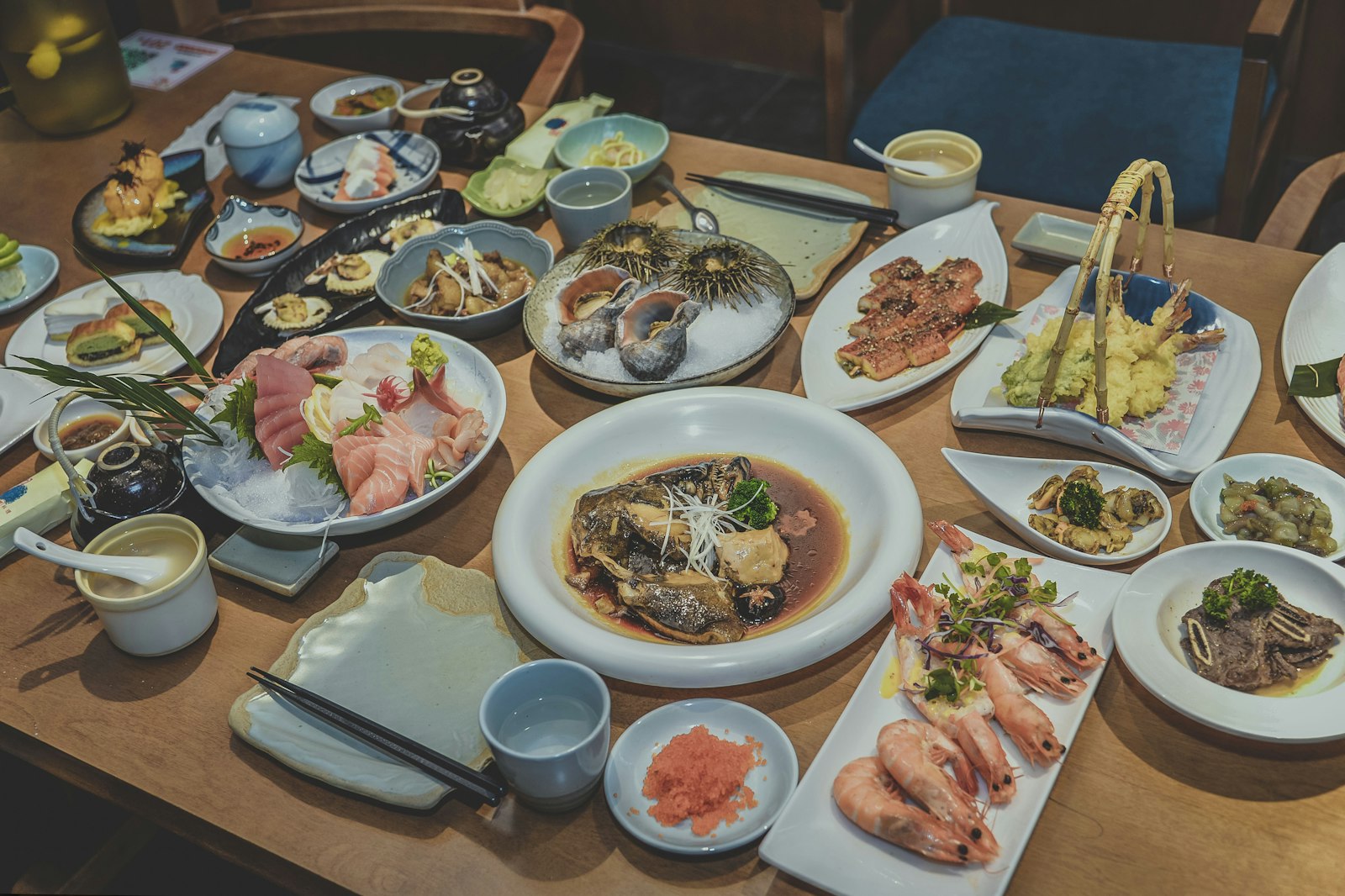
Food at a nomikai is shared. Plates land in the middle of the table and everyone takes a little with their own chopsticks onto a small plate. Typical dishes include edamame, salad, sashimi, karaage (fried chicken), grilled skewers and, in winter, a hot pot. Shortly after you sit down you may also get a small appetizer you didn’t order. That’s the otoshi, a seat charge served as a snack, and it’s a normal part of the bill.
4. Pouring for Each Other
This is the custom that surprises visitors most. At a nomikai, you don’t pour your own drink. You watch the glasses of the people around you and top them up when they get low. When someone pours for you, lift your glass with both hands. Then return the favor.
It sounds like a rule, but in practice it’s a way of paying attention to each other. If your glass is full and you don’t want more, just leave it full. That’s the polite way to say “I’m fine.”
5. The Closing and the Nijikai
A first round (ichijikai) usually lasts about two hours. Many groups book an all-you-can-drink plan, nomihodai, which ends at a fixed time and makes the bill simple. Read our nomihodai explainer before you go so you know what’s included.
At the end, a formal group may do a tejime, a rhythmic group clap that wraps up the event. Then someone asks the question everyone was waiting for: “Nijikai?” The nijikai (二次会) is the second round, often at a smaller bar or a karaoke box. It’s optional, it’s more relaxed, and it’s often where the best conversations happen. Some groups go on to a sanjikai, a third round, and finish with a late bowl of ramen.
Nomikai Etiquette: The Rules That Actually Matter
You’ll find long lists of nomikai etiquette online. Most of it is for office politics. As a guest or a traveler, these are the points that matter:
- Wait for the kanpai. Don’t sip before the toast, even if your drink arrives first.
- Pour for others, not yourself. Keep an eye on your neighbors’ glasses.
- Share the food. Don’t pull a plate toward you and finish it. Take a portion and pass it on.
- Don’t push drinks on anyone. Including yourself. Water and soft drinks are fine.
- Pay attention to the end time. When the organizer says the course is over, it’s over. Don’t order another round.
- Split the bill the way the group does. Many nomikai use a set price per person, collected by the organizer. Have cash ready.
- No tipping. Tipping isn’t part of Japanese restaurant culture.
One more thing: the legal drinking age in Japan is 20. That applies to visitors too.
If you want the full list for izakaya visits in general, our izakaya etiquette guide for foreigners goes into more detail.
Looking for Adult Entertainment Services in Tokyo? Download this
I’ve spent over a decade exploring and studying Japan’s adult entertainment scene firsthand. If you’d like detailed insider information—including how to choose the right shop, what services are available, and tips for avoiding common mistakes—check out our exclusive E-book.
Useful Japanese Phrases for a Nomikai
You don’t need much Japanese to enjoy a nomikai, but a few words go a long way.
| Phrase | Meaning | When to use it |
|---|---|---|
| Kanpai! | Cheers! | The opening toast |
| Toriaezu biiru | Beer to start | The first order |
| Otsukaresama desu | Thanks for your hard work | Greeting people as the party starts |
| Itadakimasu | (said before eating) | When the food arrives |
| Dozo | Please, go ahead | When pouring for someone |
| Mo kekko desu | I’m fine, thank you | Turning down a refill |
| Gochisosama deshita | Thank you for the meal | At the end, or to whoever paid |
“Otsukaresama” is the phrase you’ll hear most. It’s used at the start of almost every work nomikai, and saying it back will get you a smile.
How Can a Visitor Experience a Nomikai?
Here’s the honest problem: a nomikai is a private event. You can’t just buy a ticket. But there are a few good ways to get close to the real thing.
Hold Your Own Nomikai With Your Travel Group
If you’re traveling with friends or family, run your own. Pick an izakaya that takes group bookings, choose a course with nomihodai, and follow the flow above: everyone waits for the toast, you pour for each other, and you finish with “Nijikai?” It’s a fun way to give a group trip a real Japanese night out. Look for places with private rooms or a set course menu, which is how most Japanese groups book.
Sit at the Counter and Talk to the Locals
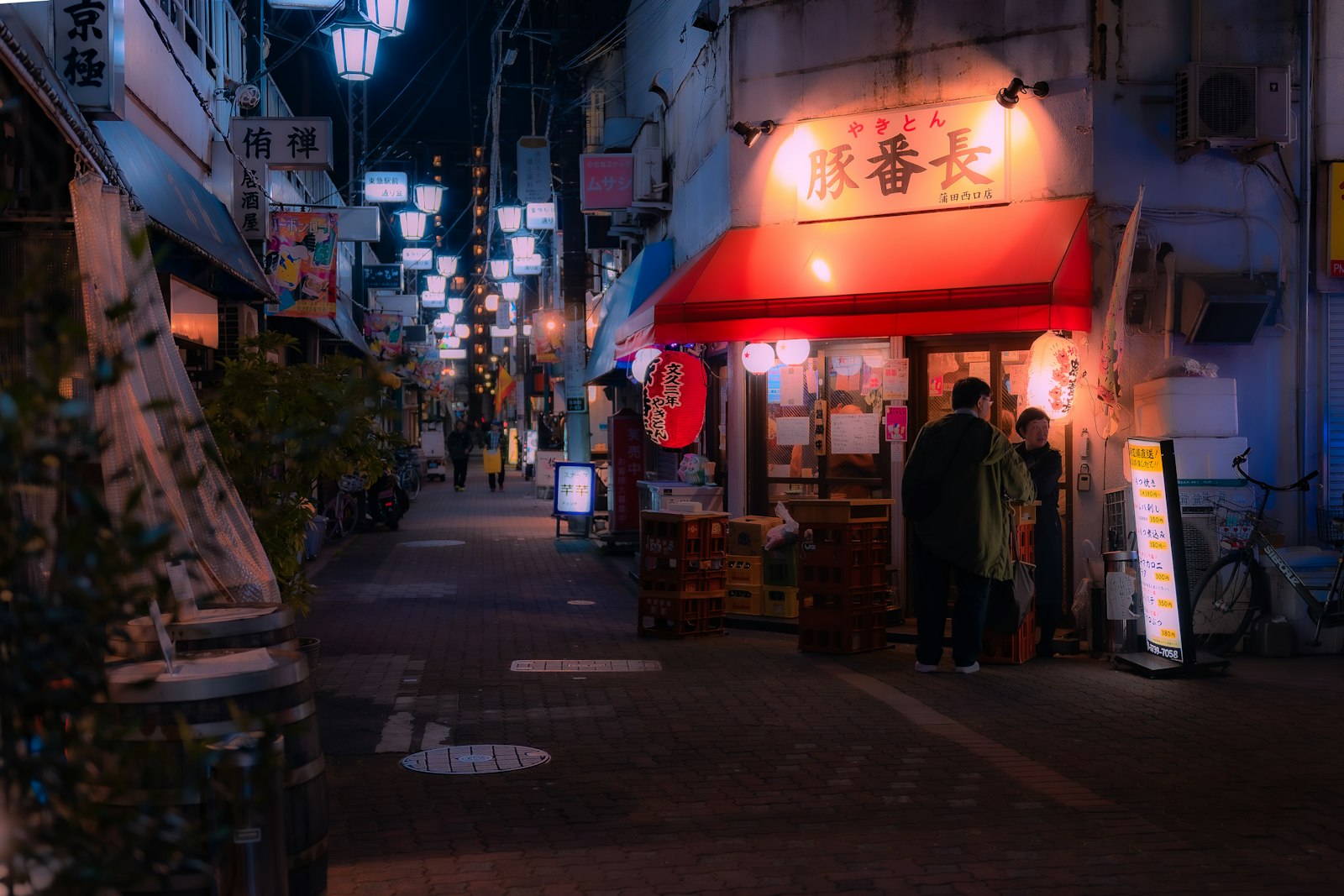
Smaller places with counter seats, such as standing bars and yokocho alleys, are where solo visitors most often end up chatting with Japanese regulars. It isn’t a formal nomikai, but you’ll get the same mood of strangers relaxing over drinks.
Join a Guided Night Out
The easiest option is to go with someone who knows how a Japanese night out works. A local guide can pick the izakaya, order the dishes Japanese people actually eat, explain the customs as they happen, and take you on to a nijikai bar you’d never find on your own. Our Tokyo After 10 nightlife tour is built around this: a few rounds through Tokyo’s izakaya and bars, led by a local who drinks here every week.
Common Mistakes Visitors Make at a Nomikai
A few things often catch first-timers out:
- Drinking too fast in the first hour. With nomihodai and constant refills, it’s easy to lose count. Pace yourself and mix in water.
- Forgetting the otoshi. It isn’t a mistake on the bill. It’s the seat charge.
- Leaving without a word. If you need to go early, tell the organizer, thank them, and settle your share first.
- Missing the last train. Tokyo trains stop around midnight. If the nijikai turns into a sanjikai, know how you’re getting home.
- Treating “bureiko” too literally. Some groups say a party is bureiko, “no rank tonight.” People will relax more, but basic politeness still counts.
Nomikai FAQ
Do I have to drink alcohol at a nomikai? No. Oolong tea, soft drinks and non-alcoholic beer are all normal choices. Join the kanpai with whatever you’re drinking.
How long does a nomikai last? The first round usually runs about two hours, especially with a nomihodai plan. A nijikai can add another hour or two.
Is a nomikai the same as going to an izakaya? Not quite. An izakaya is the place. A nomikai is the event, a planned group gathering that often happens at an izakaya. You can visit an izakaya alone; a nomikai is always a group.
Can tourists join a Japanese nomikai? Not usually by walking in, since they’re private gatherings. You can hold your own with your travel group, or go out with a local guide who can show you how a Japanese night out actually works.
For more background on why drinking plays such a big role in Japanese social life, read our full guide to Japanese drinking culture. The Japan National Tourism Organization also has a useful introduction to dining at a Japanese izakaya.
What do you do in Tokyo After 10?
Join our Tokyo Nightlife Private Tour
You deserve better than overpriced bars and missed opportunities. We’re here for you.
Experience a Real Japanese Night Out in Tokyo
A nomikai Japanese drinking party is less about the drinks and more about the rhythm of the night: the toast, the shared plates, the topped-up glasses, and the moment someone says “Nijikai?” and the whole group heads off into the neon.
You can try it yourself with a little preparation. But if you’d rather have someone who knows the places, the dishes and the unwritten rules, a local guide makes the first night much easier. Join our Tokyo After 10 nightlife tour and spend an evening drinking the way Tokyo does, from the first kanpai to the last stop of the night.