

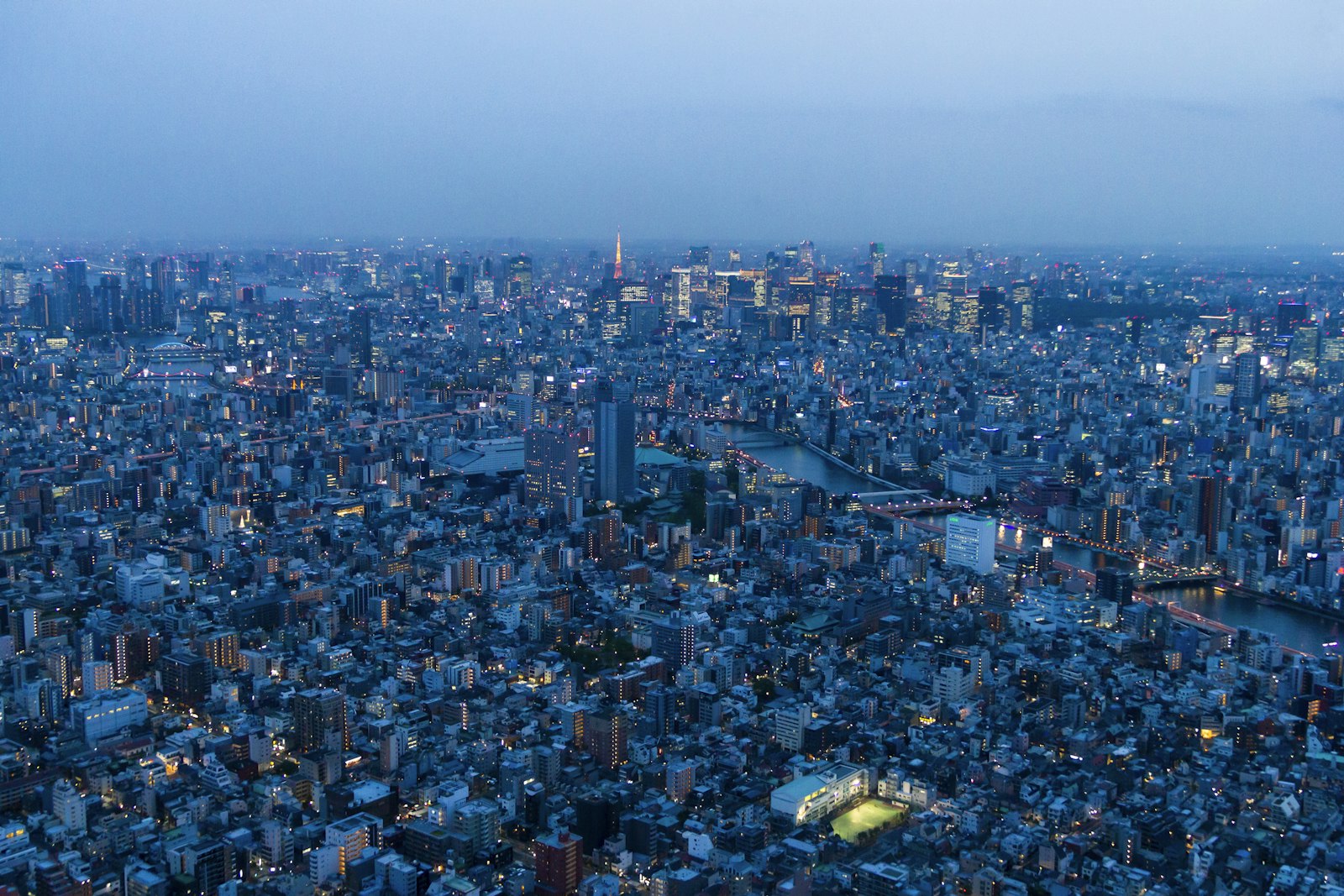
Photo by <a href="https://unsplash.com/@salty_morning?utm_source=tokyodeepnightlife&utm_medium=referral">Maria Krasnova</a> on <a href="https://unsplash.com/?utm_source=tokyodeepnightlife&utm_medium=referral">Unsplash</a>
If you’re expecting Times Square, Tokyo will surprise you. Most Japanese families spend December 31 at home with a bowl of soba and the TV on, and there is no single street party at midnight. But Tokyo New Year’s Eve nightlife is very much alive. It’s just spread out across club countdowns, a projection-mapped government tower, temple bells and the only night of the year when the trains run until morning.
The hard part is timing. The famous Shibuya Scramble Crossing countdown has been called off for years, many small bars close for the holidays, and the city’s rhythm on December 31 is nothing like a normal Friday. Show up at the wrong place at 11:30 pm and you’ll spend midnight behind a police barrier.
This guide covers how the night actually works: the main countdown options, the clubs that go until dawn, the temples worth visiting at midnight, and how to get home. Event details below come from the 2025–26 season, since most 2026–27 plans aren’t announced yet as of late September 2026. Treat them as the usual pattern, and check official sites in December.
Contents
- How New Year’s Eve in Tokyo Really Works
- Why You Shouldn’t Plan Around Shibuya Crossing
- The Big Free Countdown: Happy New Year Tokyo in Shinjuku
- Tokyo Countdown Parties: Clubs That Go Until Dawn
- Midnight at the Temples: Joya no Kane and Hatsumode
- Getting Around: All-Night Trains on New Year’s Eve
- A Sample Route for Tokyo New Year Eve Nightlife
- Tokyo New Year Eve Nightlife Mistakes to Avoid
- What do you do in Tokyo After 10?Join our Tokyo Nightlife Private Tour
- Spend the Rest of Your Trip Like a Local
- About the Author
How New Year’s Eve in Tokyo Really Works
In Japan, the New Year (shogatsu) is the biggest family holiday of the year. December 31 is called omisoka, and the traditional evening is quiet: people eat toshikoshi soba (“year-crossing noodles”) for a long life, watch the NHK music show Kohaku Uta Gassen, then head to a temple or shrine around midnight.
That shapes Tokyo New Year Eve nightlife in a few ways:
- Lots of places close. Many restaurants, independent bars and shops shut from December 31 to January 2 or 3. Chains, hotels and clubs are the most reliable options.
- Midnight is at the temples, not in the streets. The biggest crowds at 12:00 am are at Meiji Jingu, Senso-ji and Zojoji, not in bar districts.
- Clubs are where the party is. If you want a DJ, a crowd and a proper countdown, Tokyo’s nightclubs are the main event.
- The trains run all night. JR East runs overnight service on several lines, which changes how late you can stay out.
The upside: most tourists don’t know any of this. If you plan around it, you’ll have a far better night than the people wandering around Shibuya looking for a party that isn’t there.
Why You Shouldn’t Plan Around Shibuya Crossing
Shibuya used to be the unofficial center of New Year’s Eve in Tokyo, with huge crowds counting down at the Scramble Crossing. That’s over, at least for now. The official Shibuya countdown event was canceled again for 2025–26, the sixth time it has been called off, and the ward actively asks people not to gather around the station at midnight.
For 2025–26, the local measures included:
- The Hachiko statue was fenced off from the morning of December 31 until early on January 1.
- Public drinking was banned around Shibuya Station from 6 pm to 5 am, on top of the area’s existing street-drinking rules.
- Convenience stores near the station temporarily stopped selling alcohol.
- Extra security and police were on hand to keep people moving.
You can still go out in Shibuya. The clubs are open and some of the best countdown parties in the city are there. Just don’t expect a street party, and don’t plan to drink a can of beer on the crossing.
The Big Free Countdown: Happy New Year Tokyo in Shinjuku
The closest thing Tokyo has to an official public countdown is Happy New Year Tokyo, held by the Tokyo Metropolitan Government at the TMG Building’s Citizens’ Plaza in west Shinjuku, about a 10-minute walk from Shinjuku Station’s West Exit.
For 2025–26, the event ran roughly from 10 pm to just after midnight. The centerpiece was projection mapping across the government building’s facade, with visuals directed by artist Mika Ninagawa. Hatsune Miku, Hello Kitty and other Sanrio characters, and Olympic breakdancer Shigekix performed live as the clock ticked toward 2026.
Two things to know:
- It’s free but not walk-in. Entry to the main plaza required advance registration, with a deadline in early December. There was also a satellite viewing area with screens.
- There’s a sunrise bonus. A lottery picked a small number of visitors for early-morning access to the 45th-floor observation deck to watch the first sunrise of the year (hatsuhinode).
The TMG’s official event announcement is the best place to check whether the event returns and when registration opens.
Afterwards, you’re already in Shinjuku, which is handy. Our Shinjuku nightlife guide covers where to go next, although on this night many small bars in Golden Gai and Omoide Yokocho are closed or keep short hours, so have a backup.
Tokyo Countdown Parties: Clubs That Go Until Dawn
If you want a real party, this is where Tokyo New Year Eve nightlife actually happens. Most of the big countdown parties are in Shibuya, and they usually run from late evening until the first trains, or later.
Venues that held countdown parties for 2025–26 included:
- Womb (Shibuya) — One of Tokyo’s best-known clubs, with a countdown that ran from about 10:30 pm to 4:30 am.
- Circus Tokyo (Shibuya) — A smaller, music-first club. Its 2025–26 countdown was headlined by London Elektricity and Makoto.
- OR (Miyashita Park, Shibuya) — A newer club on top of the Miyashita Park complex, with a mix of Japanese and international DJs.
- ZeroTokyo (Shinjuku) — A large club in Kabukicho that brought UK dubstep producer Skream for its countdown.
Tickets for last year’s club countdowns ranged from about ¥3,000 to ¥8,000, with advance tickets cheaper than paying at the door. Lineups and prices change every year, so follow each club’s official site or social media from early December.
A few tips from people who have done this:
- Buy in advance. The popular parties sell out, and door prices jump after midnight.
- Bring your passport. Tokyo clubs check ID at the door, and a photo on your phone usually isn’t accepted.
- Arrive before 11 pm. Lines build fast in the last hour of the year.
For a full rundown of the scene, read our Tokyo clubbing guide, which covers door policies, dress codes and how the clubs differ.
Hotel Bars and Cruises: The Quieter Countdown
Not everyone wants a dance floor at midnight. Tokyo’s luxury hotels run countdown parties with free-flowing drinks, live music and a far calmer crowd. For 2025–26, the Hilton Tokyo in Shinjuku ran a countdown with live jazz, DJs and casino games, and Maduro at the Grand Hyatt Tokyo in Roppongi held a countdown with canapés and free-flow drinks. Expect prices well above a club ticket, and book early. There are also countdown cruises on Tokyo Bay, which leave around 10:30 to 11 pm and return after midnight.
Looking for Adult Entertainment Services in Tokyo? Download this
I’ve spent over a decade exploring and studying Japan’s adult entertainment scene firsthand. If you’d like detailed insider information—including how to choose the right shop, what services are available, and tips for avoiding common mistakes—check out our exclusive E-book.
Midnight at the Temples: Joya no Kane and Hatsumode
This is the part of Tokyo New Year Eve nightlife that most visitors miss, and it’s the most memorable. At midnight, Buddhist temples ring their bells 108 times (joya no kane) to clear away the 108 worldly desires. Shinto shrines open for hatsumode, the first prayer of the year.
Zojoji: Temple Bells with Tokyo Tower Behind
Zojoji, in Shiba Park, is the most photogenic place to be at midnight. The bell is rung 108 times around the turn of the year, with Tokyo Tower lit up directly behind the main gate. Crowds start gathering around 10 pm, and the temple’s own crowd forecast expects the busiest period from 11 pm to 2 am. In some past years, visitors released white balloons carrying their New Year wishes at midnight.
Meiji Jingu: Tokyo’s Biggest Hatsumode
Meiji Jingu, next to Harajuku, is where Tokyo does its first prayer of the year on a massive scale. The shrine traditionally stays open through the night from December 31 into January 1, and it gets millions of visitors over the first days of January. At midnight, the approach is packed and progress toward the main hall is slow, but the atmosphere of thousands of people standing quietly in the forest at 1 am is unforgettable.
Senso-ji: Asakusa’s Lanterns and Food Stalls
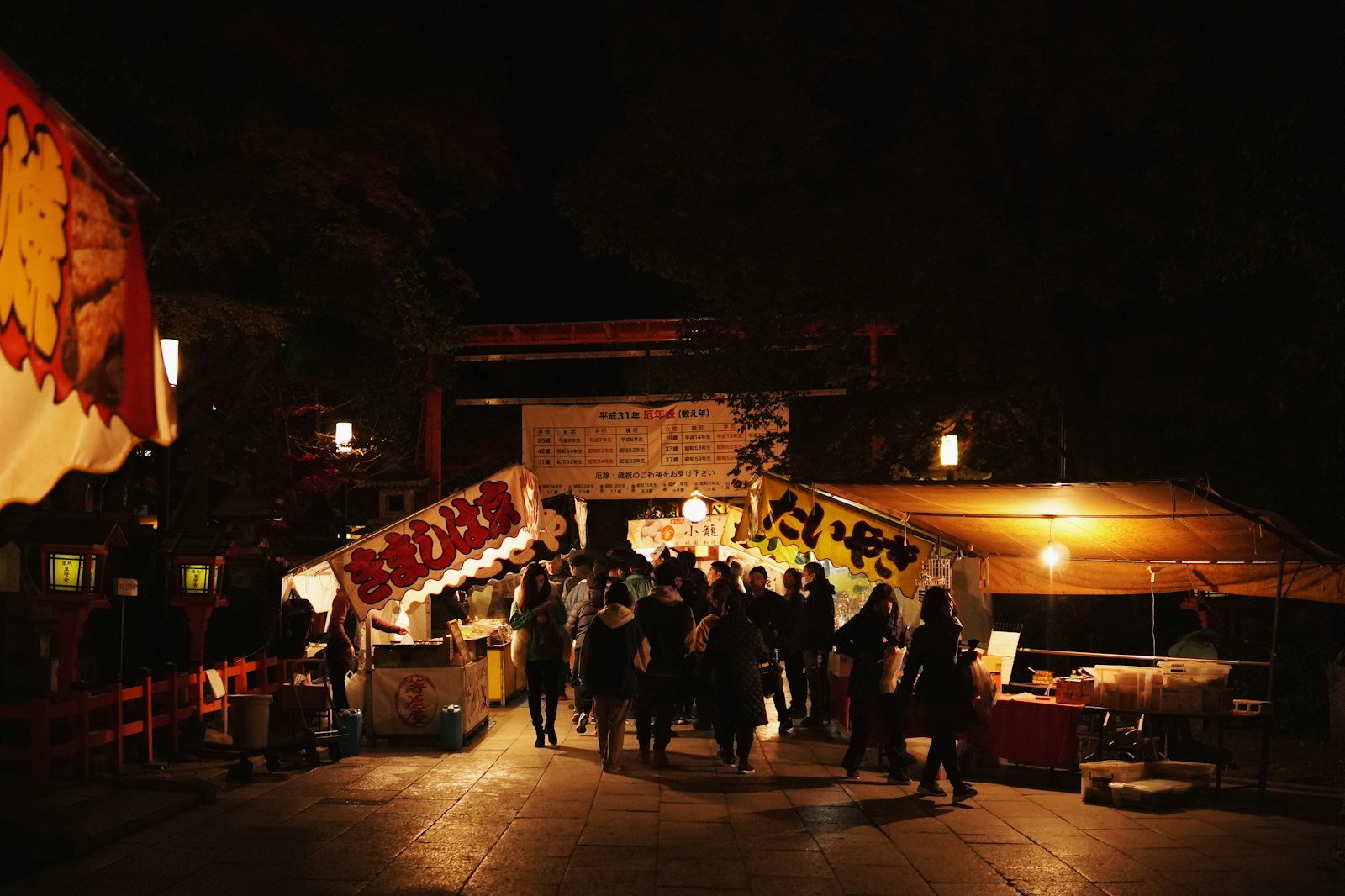
Senso-ji in Asakusa is the liveliest of the three, with food stalls, incense and the lanterns of Nakamise-dori. Expect a huge crowd and a long queue to reach the main hall. If you’d rather skip the queue, the lanterns and the crowd are worth seeing from the edge of the grounds.
The official GO TOKYO page on hatsumode explains the customs, like how to pray and draw an omikuji fortune, so you know what you’re doing when you reach the front.
Getting Around: All-Night Trains on New Year’s Eve
Normally, Tokyo nightlife is shaped by the last train around midnight. Tokyo New Year Eve nightlife is the exception, because the trains keep going.
For 2025–26, JR East ran overnight trains on six Tokyo-area lines:
- The Yamanote Line (both directions)
- The Keihin-Tohoku / Negishi Line between Sakuragicho and Omiya
- The Chuo-Sobu Line (local) between Mitaka and Chiba
- The Chuo Line Rapid between Mitaka and Takao
- The Yokosuka Line between Yokohama and Zushi
- The Sobu Main Line / Narita Line between Chiba and Narita
The Yamanote Line ran roughly every 10 to 25 minutes between about 1 am and 5 am. Tokyo Metro did not run overnight, so if your hotel is only near a subway line, plan to walk from the nearest JR station or take a taxi. Taxis are hard to find right after midnight near Shinjuku, Shibuya and the big shrines, so walk a few blocks away from the crowds before you try to flag one.
Every other night, though, the midnight cutoff applies. Our guide to Tokyo’s last train times covers how to plan a normal night out around them.
A Sample Route for Tokyo New Year Eve Nightlife
If you want a bit of everything, here’s a route that works:
- 7–9 pm: Toshikoshi soba. Eat year-crossing noodles at a soba shop or a hotel restaurant. Book ahead, since many places close early or are fully reserved.
- 9–11 pm: Drinks near your midnight spot. Pick a hotel bar or a chain izakaya that you know is open, close to where you’ll be at midnight.
- 11:30 pm–12:30 am: Midnight. Choose one: the bells at Zojoji, hatsumode at Meiji Jingu, the countdown in Shinjuku, or a club.
- 1–5 am: Keep going. Head to a club in Shibuya or Shinjuku and take an all-night JR train home.
- Around sunrise: Hatsuhinode. The truly committed finish the night by watching the first sunrise of the year.
Don’t try to combine a club countdown with Meiji Jingu at midnight. Crowds and security lines make moving between areas around 12 am far slower than it looks on a map.
Tokyo New Year Eve Nightlife Mistakes to Avoid
- Assuming your favorite bar is open. Many small bars close from December 31 to around January 3. Check the bar’s social media before you go.
- Going to Shibuya Crossing for midnight. There’s no event, public drinking is banned and the area is fenced and heavily policed.
- Leaving tickets until the day. Club countdowns and hotel parties sell out, and the Shinjuku event needs advance registration.
- Relying on the subway after midnight. Only certain JR lines run all night.
- Drinking on the street elsewhere. Shibuya bans street drinking around the station at night, and the holiday crowds make it a bad idea anywhere. Our Tokyo nightlife safety tips cover what to watch for in busy districts, especially on holiday nights.
What do you do in Tokyo After 10?
Join our Tokyo Nightlife Private Tour
You deserve better than overpriced bars and missed opportunities. We’re here for you.
Spend the Rest of Your Trip Like a Local
New Year’s Eve is one night, and most of Tokyo spends it at home or at a shrine. But the nights before and after, when the bars and izakaya are open again, are when the city’s nightlife is at its best. The hard part is knowing which alley to turn down and which tiny bar will welcome a foreigner.
That’s where a local guide comes in. On Tokyo After 10, Kokyo Tours’ private nightlife tour, a guide who lives in Tokyo takes you through the bars, izakaya and backstreets that don’t show up on Google Maps. They’ll order for you, explain what’s going on and get you into places you’d walk past on your own. If you’re in town for the holidays, it’s a good way to see the city after the New Year rush has passed.









