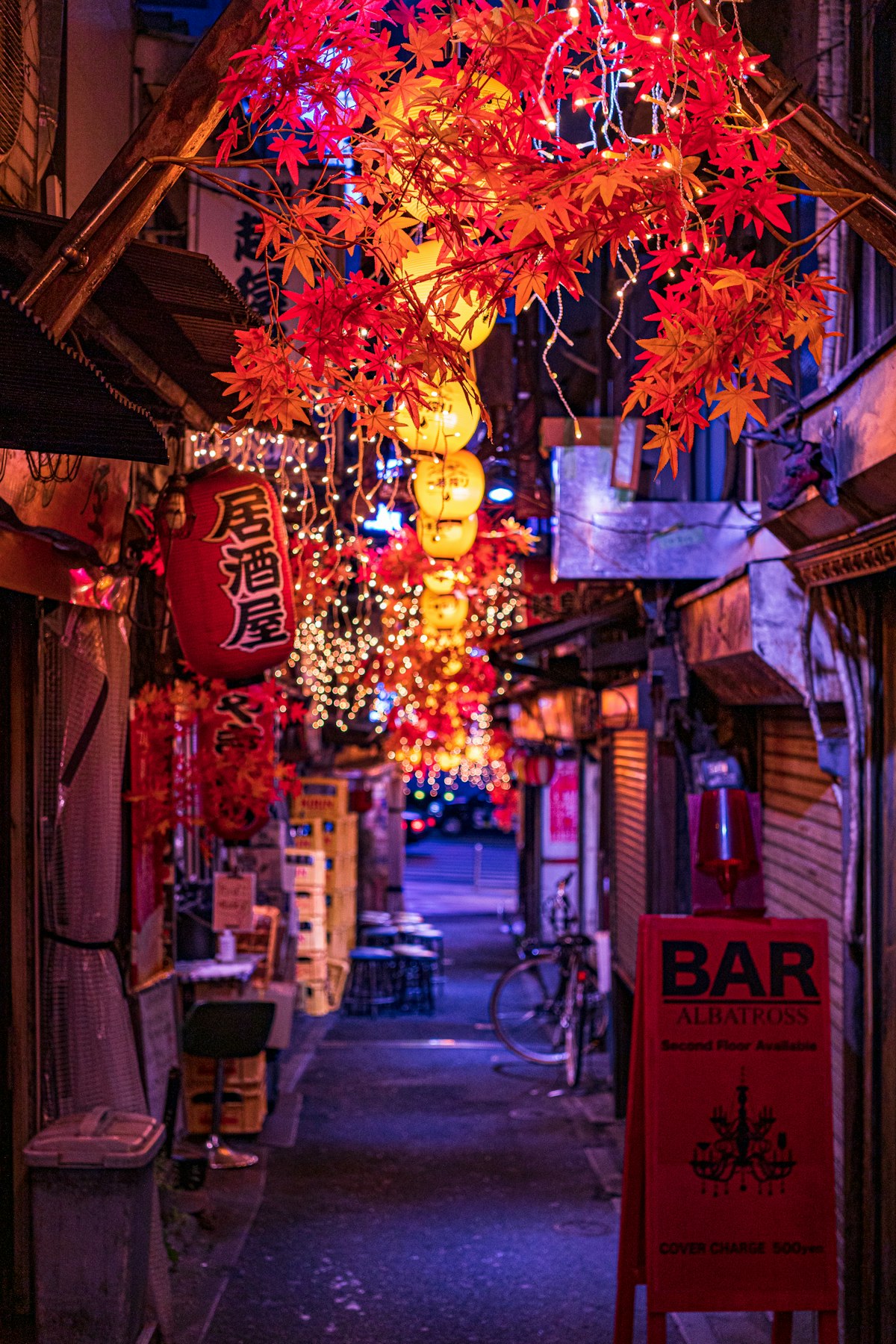
Photo on Unsplash
Step off the bright, glassy concourse of Shinjuku Station’s west exit, turn down a gap between the buildings, and the year seems to drop by half a century. This is Omoide Yokocho—a tangle of lantern-lit alleys in Tokyo where smoke curls off charcoal grills, salarymen hunch over tiny counters, and the whole scene glows the deep amber of postwar Japan. If you’re hunting for the most atmospheric, genuinely old-school corner of Shinjuku, Omoide Yokocho in Tokyo is where the night should start.
This guide covers what the alley actually is, what to order, how much to budget, the unwritten rules that keep you in good standing, and how to make the most of a night in one of the city’s last true time capsules.
Contents
- What Is Omoide Yokocho?
- A Walk Down Memory Lane: The Showa Atmosphere
- What to Eat in Omoide Yokocho
- How Much Does It Cost?
- Omoide Yokocho Etiquette & Tips
- Omoide Yokocho vs. Golden Gai: What’s the Difference?
- Is Omoide Yokocho Touristy or Authentic?
- How to Get There & When to Visit
- Make It Part of a Bigger Night Out
- What do you do in Tokyo After 10?Join our Tokyo Nightlife Private Tour
- Step Into Tokyo’s Memory Lane
- About the Author
What Is Omoide Yokocho?
Omoide Yokocho (思い出横丁) translates to “Memory Lane,” and the name fits. It’s a dense warren of roughly 80 tiny stalls packed into two narrow alleys wedged between the JR train tracks and the west side of Shinjuku Station. Most shops seat fewer than ten people on cramped wooden stools, close enough to your neighbor that conversation is almost mandatory.
The alley’s roots run back to the black markets that sprang up here in the late 1940s, when a row of noren-curtained stalls became the seed of what stands today. Back then it was an illicit drinking quarter with plenty of bars but no toilets—drinkers relieved themselves by the train tracks, which earned the lane its blunt English nickname, “Piss Alley.” Don’t let the name put you off; today it’s one of the cleanest hits of nostalgia in the city, and locals affectionately call it Memory Lane.
A Walk Down Memory Lane: The Showa Atmosphere
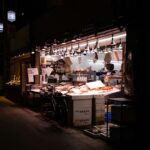
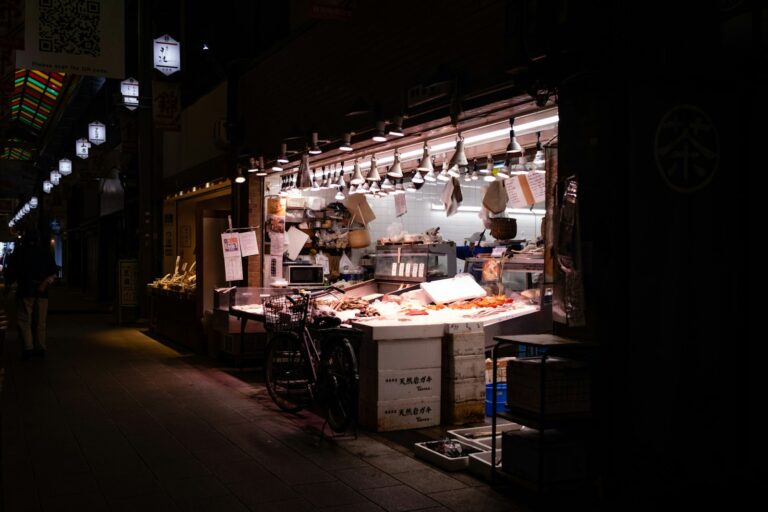
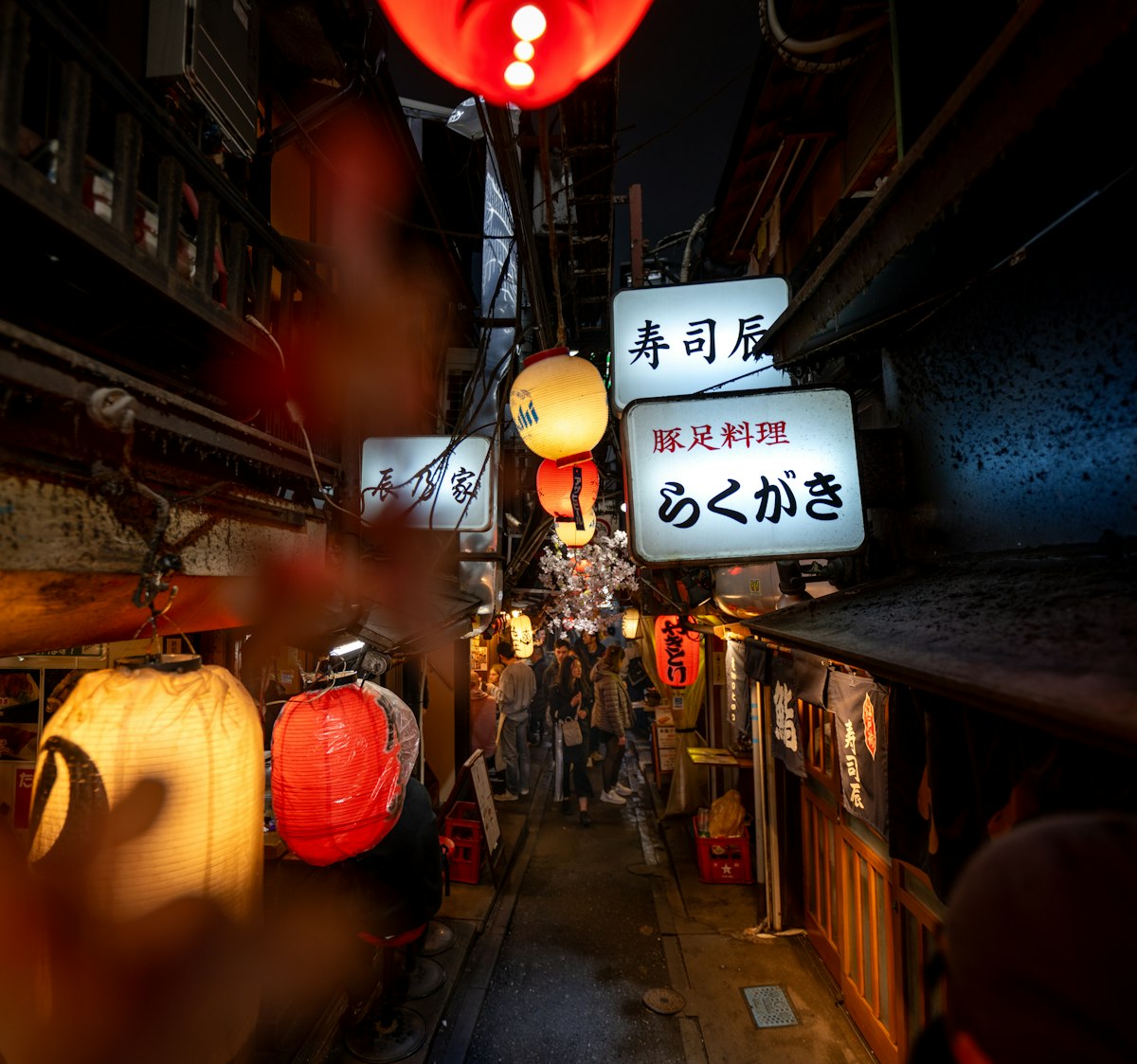
What makes Omoide Yokocho special isn’t any single restaurant—it’s the total sensory immersion. Red paper lanterns string overhead, hand-painted signs crowd every doorway, and the air is thick with charcoal smoke and the sizzle of skewers. The whole place runs on Showa-era nostalgia, the mid-20th-century aesthetic that Tokyo has otherwise largely paved over.
The cramped interiors and shoulder-to-shoulder seating might feel a little uncomfortable at first. Lean into it. That friction is the charm: you’re meant to rub elbows with strangers, point at what looks good, and let the master behind the counter take care of the rest. Few experiences in Tokyo feel this lived-in and unscripted.
What to Eat in Omoide Yokocho
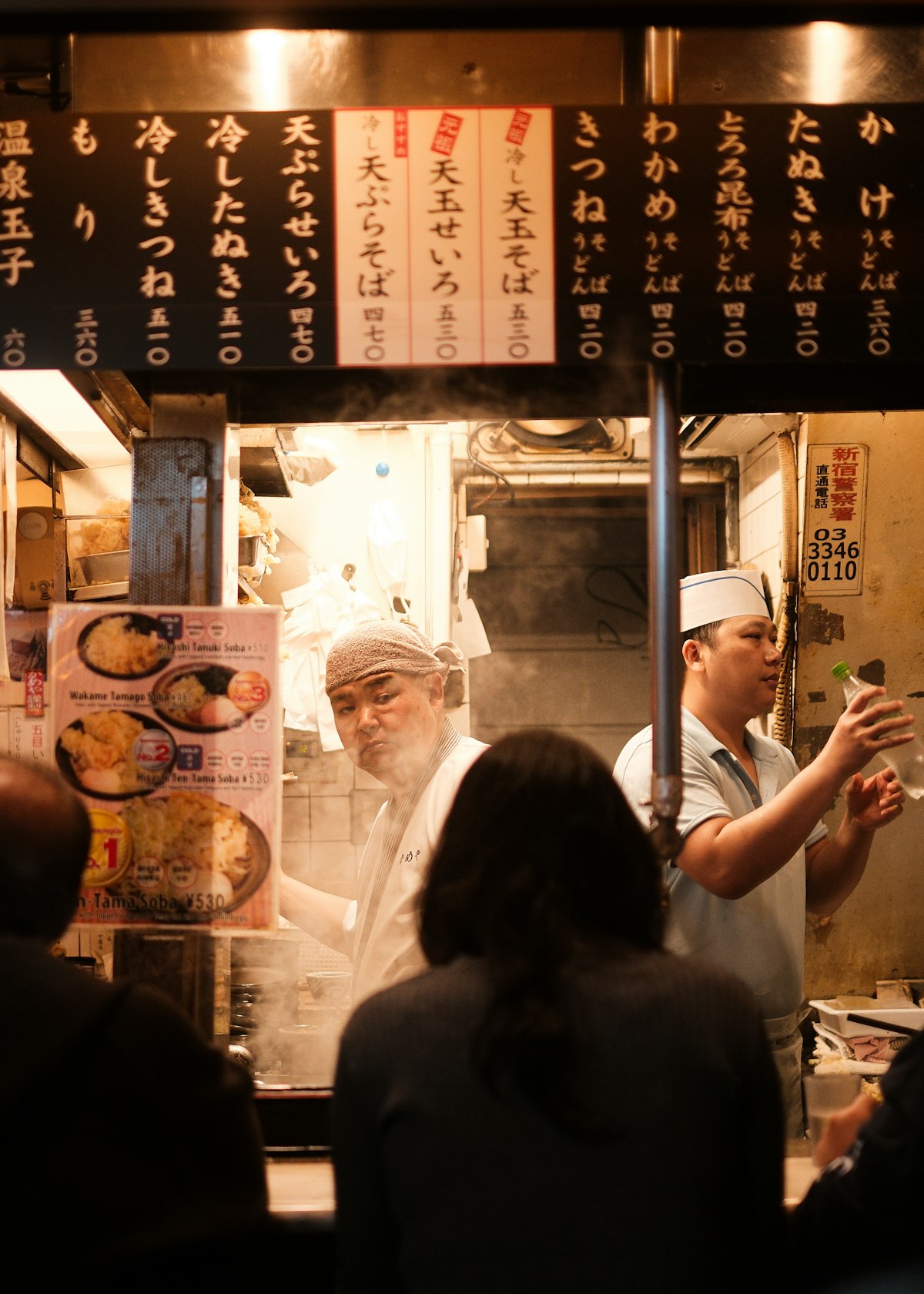
The signature dish here is yakitori—skewers of chicken grilled over charcoal—but the menus reach well beyond it. Many counters specialize in motsuyaki (grilled offal) and slow-stewed dishes that pair perfectly with cold beer or a cup of sake.
Look out for these classics:
- Yakitori — chicken skewers, the alley’s bread and butter; order them salt (shio) or sauce (tare)
- Motsu nikomi — pork or beef offal stewed low and slow in a miso or soy broth, deeply savory
- Kashira — pork cheek, prized for its texture
- Tan — beef or pork tongue, often served with lemon and salt
- Shiro — grilled intestine, a richer, chewier pick for the adventurous
Whichever shop you duck into, you’ll find honest, hearty flavors at fair prices. Pace yourself across two or three stalls rather than filling up at one—bar-hopping the alley is half the fun.
Drinks are simple and cheap. A frosty mug of draft beer, a highball, or a cup of hot or cold sake are the default companions to the smoky food. A few stalls also pour shochu and basic cocktails, but nobody comes to Omoide Yokocho for an elaborate drink list. The point is the pairing: a salty skewer, a cold sip, the hiss of the grill, repeat.
How Much Does It Cost?
Omoide Yokocho is refreshingly affordable. Budget roughly ¥2,000–4,000 per person for a satisfying evening of skewers, a couple of dishes, and a few drinks. Many stalls add a small seat charge (otōshi) of a few hundred yen that comes with a tiny appetizer—this is standard izakaya practice across Japan, not a scam.
One crucial heads-up: most shops are cash only. ATMs that accept foreign cards are easy to find at nearby convenience stores, so pull out enough yen before you sit down to avoid an awkward moment at the counter.
Omoide Yokocho Etiquette & Tips
A few simple habits will make your visit smoother and earn a warm reception:
Carry cash, since cards are rarely accepted. Don’t be thrown by the seat charge—it’s normal. Many counters don’t have English menus, so a friendly point-and-smile, or a quick translation app, goes a long way. Always ask before photographing inside a shop or pointing your camera at staff and other diners; the alley exterior is fair game, but interiors are someone’s workplace. Order at least one drink per person rather than just eating, as these are drinking spots first. And keep in mind the spaces are tiny, so large groups should split across stalls rather than cramming in.
For more on the unspoken rules of a Japanese night out, our guide to Japanese drinking culture and izakaya etiquette is worth a read before you go.
Omoide Yokocho vs. Golden Gai: What’s the Difference?
Visitors often lump Omoide Yokocho together with nearby Golden Gai, and while both are clusters of tiny Showa-era bars, they serve different moods. Omoide Yokocho is a food-first alley—come hungry, eat well, drink alongside it, and soak up the open-air, charcoal-smoke energy. It’s welcoming to first-timers and easy to wander into without a plan.
Golden Gai, a short walk east inside Kabukicho, is drink-first. Its 200-plus micro-bars are each a tightly themed world run by an individual owner, and some still charge a cover or quietly prefer regulars. If Omoide Yokocho is dinner, Golden Gai is the nightcap. Doing both in one evening is the classic Shinjuku move, and the two are close enough to stroll between in minutes.
Is Omoide Yokocho Touristy or Authentic?
It’s a fair question, because the alley’s fame has grown fast. The honest answer is “both.” Yes, you’ll hear plenty of foreign languages and see a few stalls leaning hard into the Instagram crowd with English boards and photo-friendly signage. But the bones of the place are real: many counters are still run by the same families who have grilled here for decades, and on any given night you’ll be sharing the bench with local workers stopping in on their way home.
The trick is to go a few doors past the busiest, flashiest corner stalls and into the quieter ones deeper in the lane. That’s where the prices are fairest and the atmosphere is most genuine. A little curiosity—and a willingness to sit at a counter where no English menu exists—is rewarded with the most memorable food and the warmest welcome.
How to Get There & When to Visit
Omoide Yokocho sits directly beside the West Exit of JR Shinjuku Station, also reachable via Exit C7 or C8 of Seibu-Shinjuku Station. It’s one of the easiest landmarks in the city to find—just follow the train tracks and the smell of charcoal.
The alley comes alive after dark. Aim to arrive between 6 p.m. and 9 p.m., when the lanterns are lit, the grills are firing, and the atmosphere peaks. It can get crowded on weekends, so a weekday evening rewards you with a little more breathing room and easier seats.
Make It Part of a Bigger Night Out
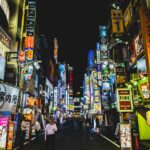
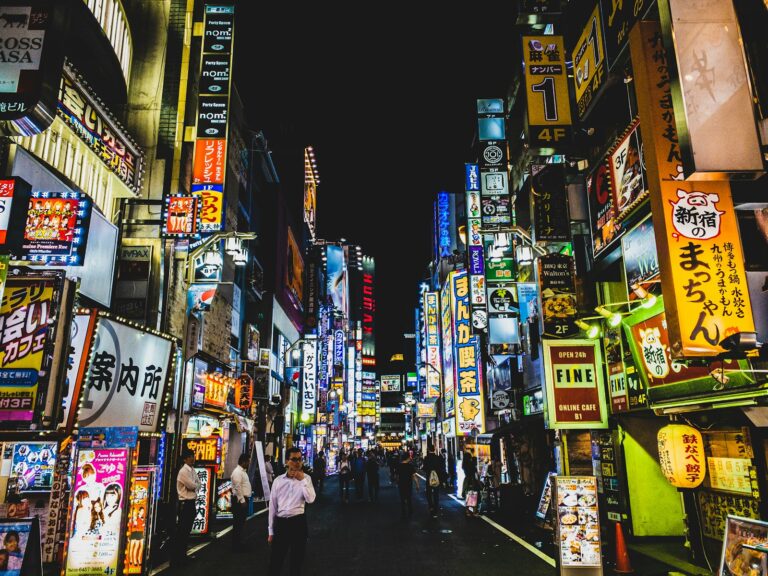
Omoide Yokocho is the perfect opening act. Just minutes away you’ll find Golden Gai’s themed micro-bars and the neon canyons of Kabukicho, which means one evening can easily span retro yakitori, a cocktail in a closet-sized bar, and the full sensory overload of Tokyo’s biggest entertainment district. If you’re planning that route, our Kabukicho nightlife guide and Tokyo nightlife safety guide will help you do it confidently.
Here’s the honest truth: the best stalls in Omoide Yokocho are tiny, Japanese-only, and easy to walk straight past. A local guide knows which master is welcoming to newcomers, what to order, and how to read the room—turning a slightly intimidating alley into the highlight of your trip. Our Shinjuku bar-hopping and nightlife tours are built for exactly this, with small groups and an English-speaking guide who actually drinks here.
What do you do in Tokyo After 10?
Join our Tokyo Nightlife Private Tour
You deserve better than overpriced bars and missed opportunities. We’re here for you.
Step Into Tokyo’s Memory Lane
Omoide Yokocho is one of those rare places that delivers on its name—a few square meters of Tokyo where the past is still cooking on the grill. Bring cash, an empty stomach, and a willingness to squeeze in next to a stranger, and you’ll walk away with the kind of night you’ll be telling people about for years. There’s no dress code, no reservation, and no rush—just good food, cheap drinks, and an atmosphere that money can’t manufacture. And if you’d rather skip the guesswork and let a local lead the way, all the better. Kanpai.