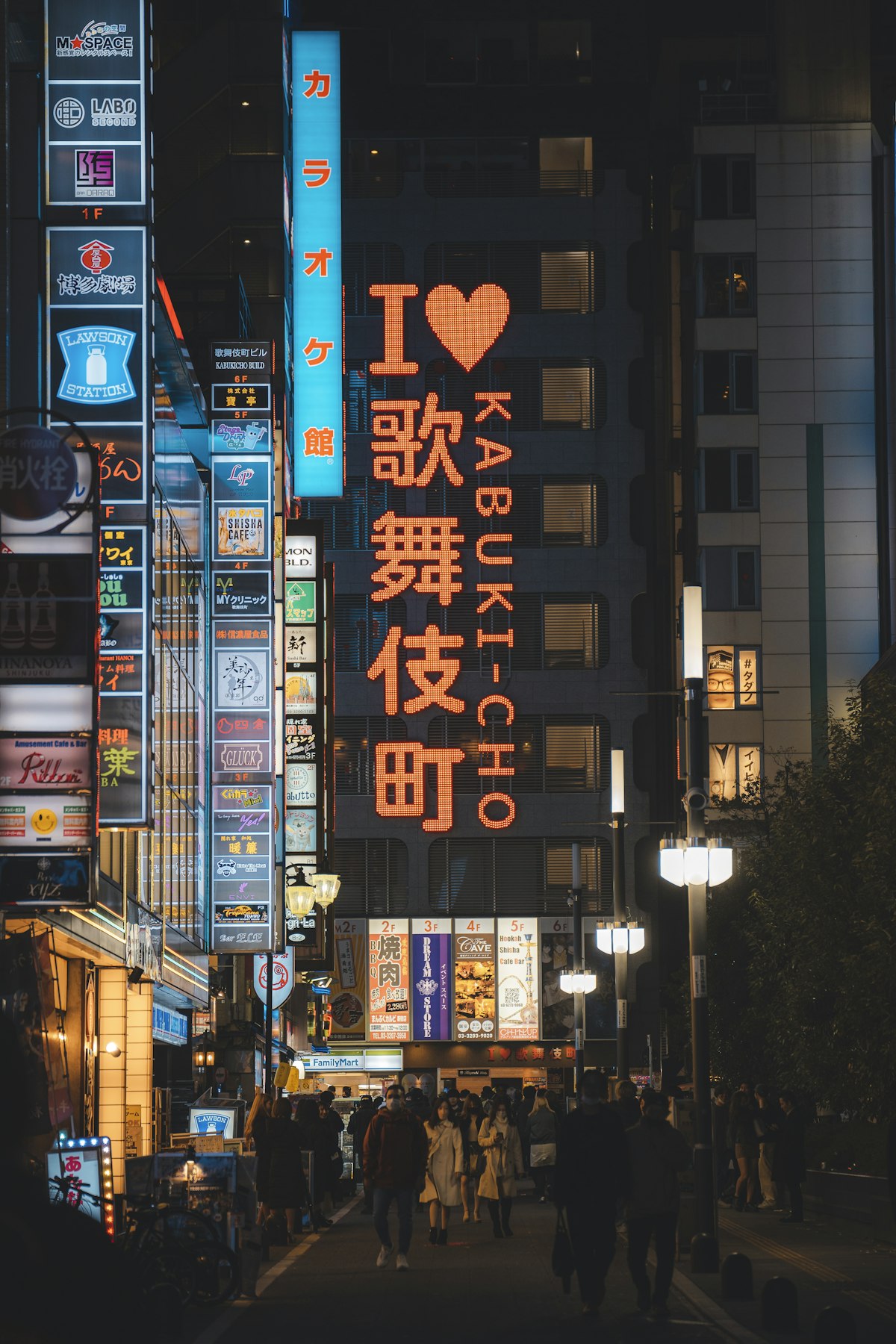
Photo by Intrepid on Unsplash
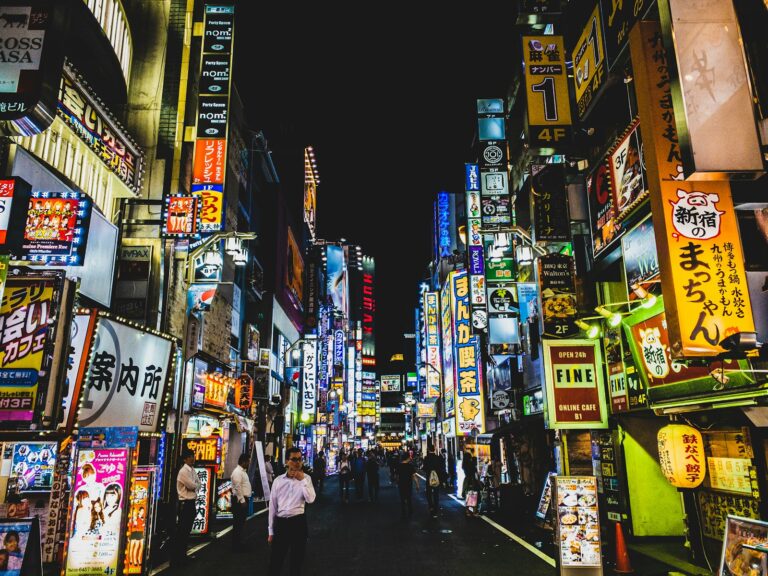
Tokyo after dark is one of the most rewarding experiences in Japan—neon-soaked alleys, tiny bars where the owner remembers your name, and izakayas humming until the first train. It’s also overwhelmingly safe. But there’s one category of trouble that catches more visitors than any other, and it has nothing to do with random street crime: Tokyo nightlife scams. Almost every serious problem foreign travelers run into at night traces back to the same handful of tricks, and once you know how they work, they’re surprisingly easy to sidestep.
This guide breaks down exactly how these scams operate in districts like Kabukicho and Roppongi, the warning signs to watch for, and what to do if you ever find yourself staring at a bill with too many zeros. Think of it as the conversation a local friend would have with you before your first night out.
Contents
- Is Tokyo Nightlife Actually Dangerous?
- The Big Three Tokyo Nightlife Scams
- Red Flags: How to Spot Tokyo Nightlife Scams Before You Sit Down
- What to Do If You’re Being Overcharged
- Smart Habits for a Safe Night Out in Tokyo
- The Easiest Way to Skip the Scams Entirely
- What do you do in Tokyo After 10?Join our Tokyo Nightlife Private Tour
- Skip the Guesswork—Enjoy Tokyo’s Real Nightlife
- About the Author
Is Tokyo Nightlife Actually Dangerous?
Let’s set expectations first, because fear is its own kind of trap. Tokyo remains one of the safest major cities on earth. Violent crime against tourists is rare, you can walk most streets at 3 a.m. without a second thought, and lost wallets are famously returned. The risk at night isn’t getting mugged in a dark alley—it’s getting talked into the wrong door. Nearly all Tokyo nightlife scams rely on that single move.
The vast majority of nightlife complaints from foreign visitors fall into three buckets: rip-off bars that grossly overcharge you, street touts who steer you toward them, and—less common but more serious—drink spiking. None of these are random. They target people who are unfamiliar with the area, often a little tipsy, and reluctant to make a scene. Understanding the playbook behind Tokyo nightlife scams is most of the defense.
The Big Three Tokyo Nightlife Scams
1. Bottakuri: The Rip-Off Bar
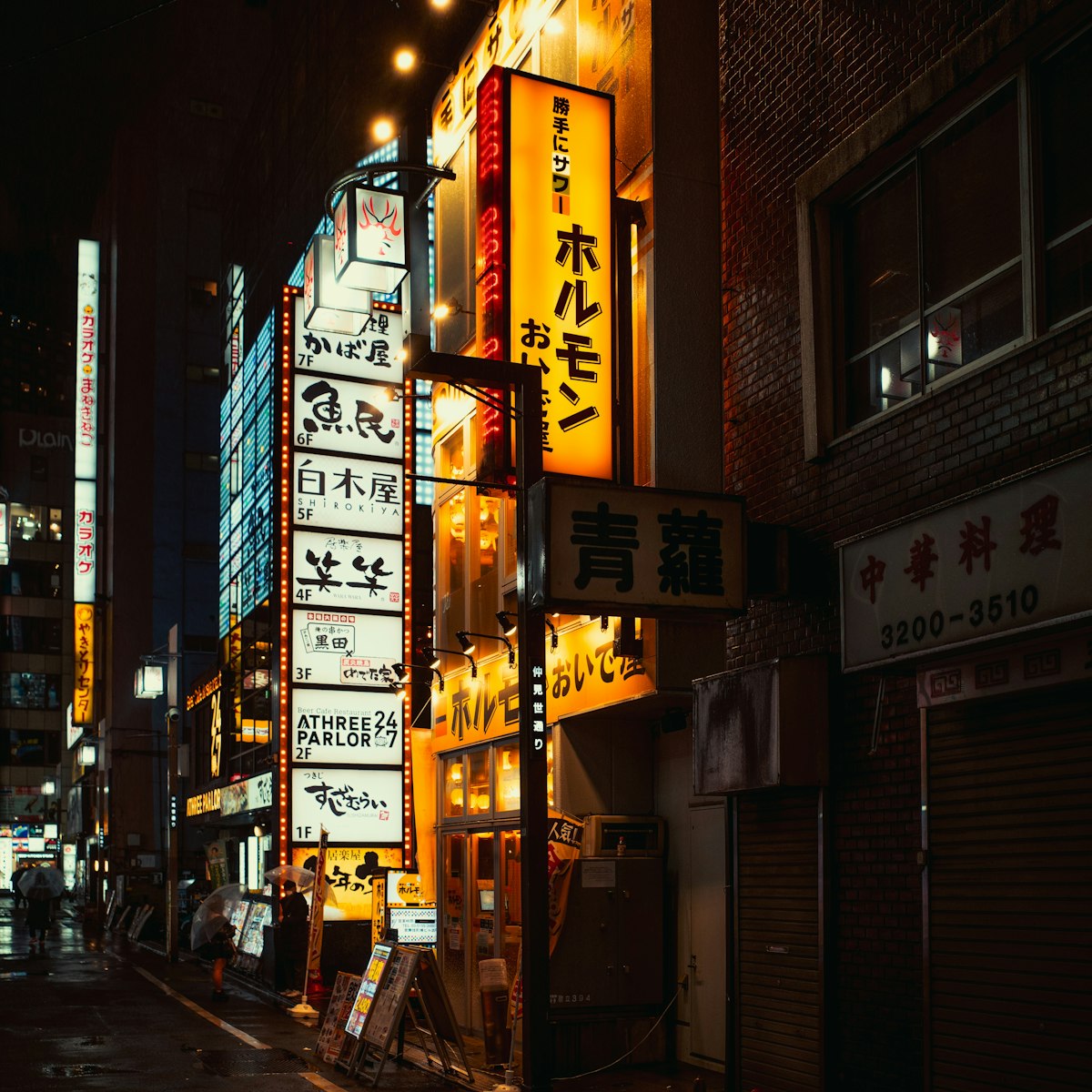
The most common of all Tokyo nightlife scams is bottakuri (ぼったくり), which roughly translates to “rip-off” or “extortion.” Here’s how it plays out: you’re lured into a bar or club that looks ordinary enough, you order a couple of drinks, and when the bill arrives it’s astronomical—think 100,000 to 330,000 yen for what should have cost a fraction of that. Suddenly there are vague “table charges,” “service fees,” and “seating fees” that were never mentioned.
These venues operate in a legal gray zone that makes them frustratingly hard to shut down. Tokyo Metropolitan Police have repeatedly stepped up patrols and public warnings as tourism has surged, and have arrested operators—including several high-profile Kabukicho cases—but new bars open as fast as old ones close. The common thread: rip-off bars almost never appear on Google Maps or legitimate review sites. If you can’t find a place online, that’s not exclusivity. It’s a red flag.
2. Kyakuhiki: The Friendly Tout
You’ll rarely walk into a bottakuri bar by accident. You’re usually guided there by a kyakuhiki (客引き)—a street tout. They’re the people who appear beside you near the station exit or on a busy corner, speaking just enough English to be charming. “Hey friend, where you from?” “I know a good, cheap place.” “Wanna grab a drink? Very popular with foreigners.”
It feels like spontaneous local hospitality. It isn’t. Their entire job is to deliver you to an establishment that pays them per head, and that establishment is the one with the surprise bill. Touting customers is actually illegal in parts of Kabukicho, which tells you everything about how the city views it. The rule of thumb is simple and absolute: never follow anyone who approaches you on the street to a bar, club, or “special” venue. Not the smiling guy, not the woman handing out flyers, not the one who insists his place is different.
3. Drink Spiking and Card Fraud
This is the rarest of the three but the one to take most seriously. In parts of Roppongi and Kabukicho, there have been documented cases of drinks being spiked with sedatives at certain clubs and hostess-style bars. The U.S. Embassy in Tokyo has issued repeated warnings about exactly this, particularly around the Roppongi crossing.
Once a victim is incapacitated, the goal is financial: staff or associates use contactless payment, unlock the victim’s phone via Face ID, guess PINs, and run cards multiple times. In one widely reported 2025 case, a victim lost roughly $20,000 in cryptocurrency after his phone was accessed while he was unconscious. The practical defenses are straightforward—never accept a drink from a stranger, never leave your drink unattended, and consider using a strong PIN instead of biometric unlock when you’re out in these districts.
Red Flags: How to Spot Tokyo Nightlife Scams Before You Sit Down
You don’t need to memorize a manual. A handful of signals will steer you clear of almost every trap:
- Someone approached you first. Legitimate good bars in Tokyo don’t need touts. If a person on the street is selling you on a venue, walk away.
- No prices are posted. Reputable bars display their cover charge and table charge near the entrance. Vagueness is the business model for rip-off bars.
- It’s not online. No Google Maps listing, no reviews, no website, no Instagram. In a city this digitally documented, invisibility is suspicious.
- The pitch is aimed at tourists. “Popular with foreigners,” “English menu, cheap drinks, girls”—this language is bait, not a recommendation.
- You’re being rushed. Touts and door staff create urgency so you don’t have time to think or check your phone. Slow down on purpose.
What to Do If You’re Being Overcharged
Say it happens anyway—you’re handed a bill for 80,000 yen and your stomach drops. Stay calm; panicking is what they’re counting on.
First, do not hand over your phone, and do not let anyone take your card out of your sight. If you feel safe doing so, you can dispute the charge firmly but politely and ask for an itemized bill. Many travelers report that calmly stating you’ll call the police changes the temperature in the room, because the last thing a gray-zone operator wants is official attention. If you genuinely feel threatened, prioritize getting out safely over winning the argument—your wallet is replaceable.
Afterward, report it. You can dial 110 for police in an emergency, and Japan’s consumer hotline 188 (“iyaya”) handles overcharging and consumer disputes. If your card was charged, contact your bank immediately to flag fraudulent transactions—rip-off bars are known to run cards more than once. Reporting matters even if you don’t recover the money, because it’s how these venues eventually get shut down.
Looking for Adult Entertainment Services in Tokyo? Download this
I’ve spent over a decade exploring and studying Japan’s adult entertainment scene firsthand. If you’d like detailed insider information—including how to choose the right shop, what services are available, and tips for avoiding common mistakes—check out our exclusive E-book.
Smart Habits for a Safe Night Out in Tokyo
None of this should scare you away from Tokyo’s nightlife—avoiding Tokyo nightlife scams is mostly about where you point yourself. A few simple habits keep you firmly in the safe lane:
Research your destination before you go, and head straight there rather than wandering into whatever’s flashing. Stick to bars you found yourself online, in a guidebook, or through a trustworthy recommendation. Carry only the cash you plan to spend and one card, not your whole wallet. Travel with a companion when you can, especially in Kabukicho or Roppongi late at night. And keep an eye on your drink the same way you would in any major city in the world.
For broader context on staying safe across the country, the Japan National Tourism Organization maintains official safety guidance worth a quick read before any trip. If you want to go deeper on the etiquette side of a night out, our guide to Japanese drinking culture and izakaya etiquette covers the unwritten rules that help you blend in.
The Easiest Way to Skip the Scams Entirely
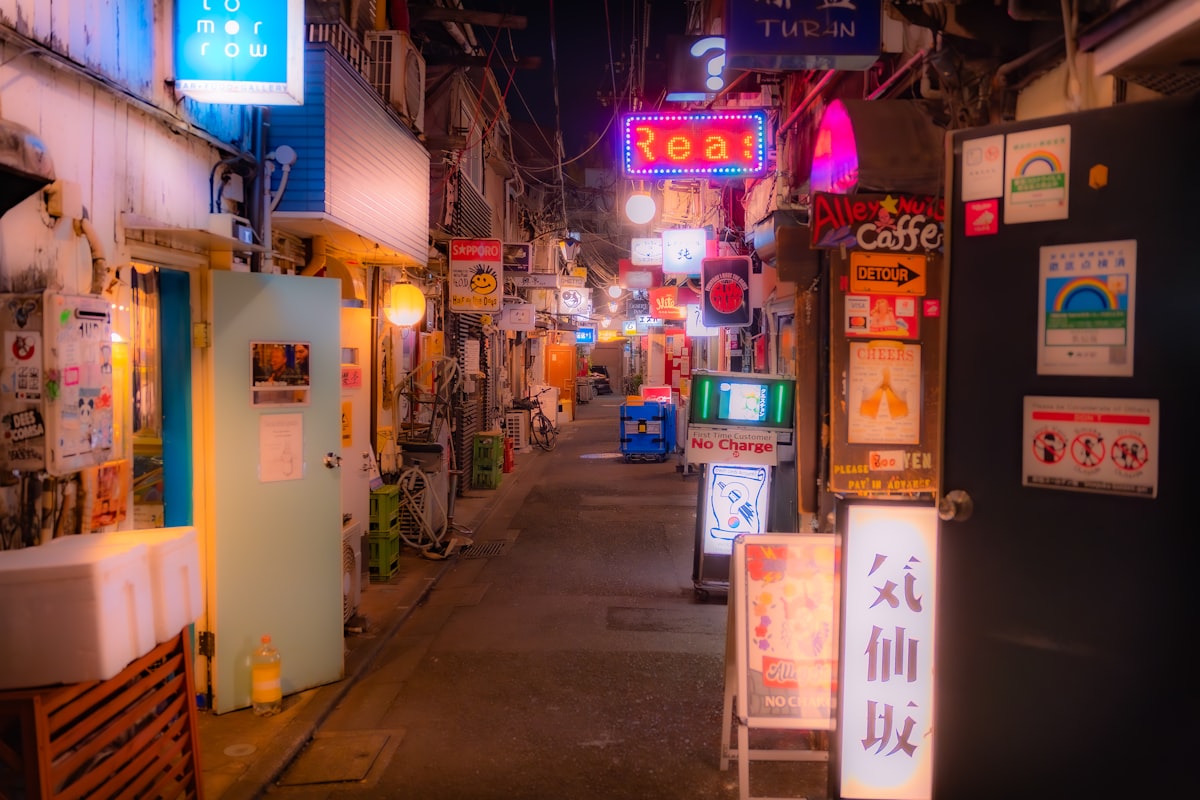
Here’s the honest truth most guides won’t say out loud: the surest way to avoid Tokyo nightlife scams entirely is to not navigate the maze alone on your first night. The bars worth your time in Shinjuku and Golden Gai are often the hardest to find—tiny, unmarked, tucked up a staircase with no English sign—and that same invisibility is exactly what scammers imitate. Telling the two apart takes local knowledge.
That’s where going out with a local guide changes the equation completely. You walk past the touts without a second glance, skip the gray-zone traps, and spend the night in the genuinely good spots—the ones locals actually drink at—without the anxiety of wondering what the bill will say. Our Tokyo bar-hopping and nightlife tours are built around exactly that: small groups, an English-speaking guide who lives here, and a route through the real Tokyo after dark. You can browse all of our evening experiences at Kokyo Tours to find one that fits your night.
What do you do in Tokyo After 10?
Join our Tokyo Nightlife Private Tour
You deserve better than overpriced bars and missed opportunities. We’re here for you.
Skip the Guesswork—Enjoy Tokyo’s Real Nightlife
Tokyo’s nights are worth every bit of the hype, and the Tokyo nightlife scams that occasionally make headlines are entirely avoidable once you know the patterns. Ignore the touts, stick to places you can actually find online, watch your drink and your cards, and you’ll have nothing to worry about. And if you’d rather spend the evening enjoying the city instead of vetting every doorway, let a local lead the way. Either way, here’s to a great—and scam-free—night out in Tokyo.