

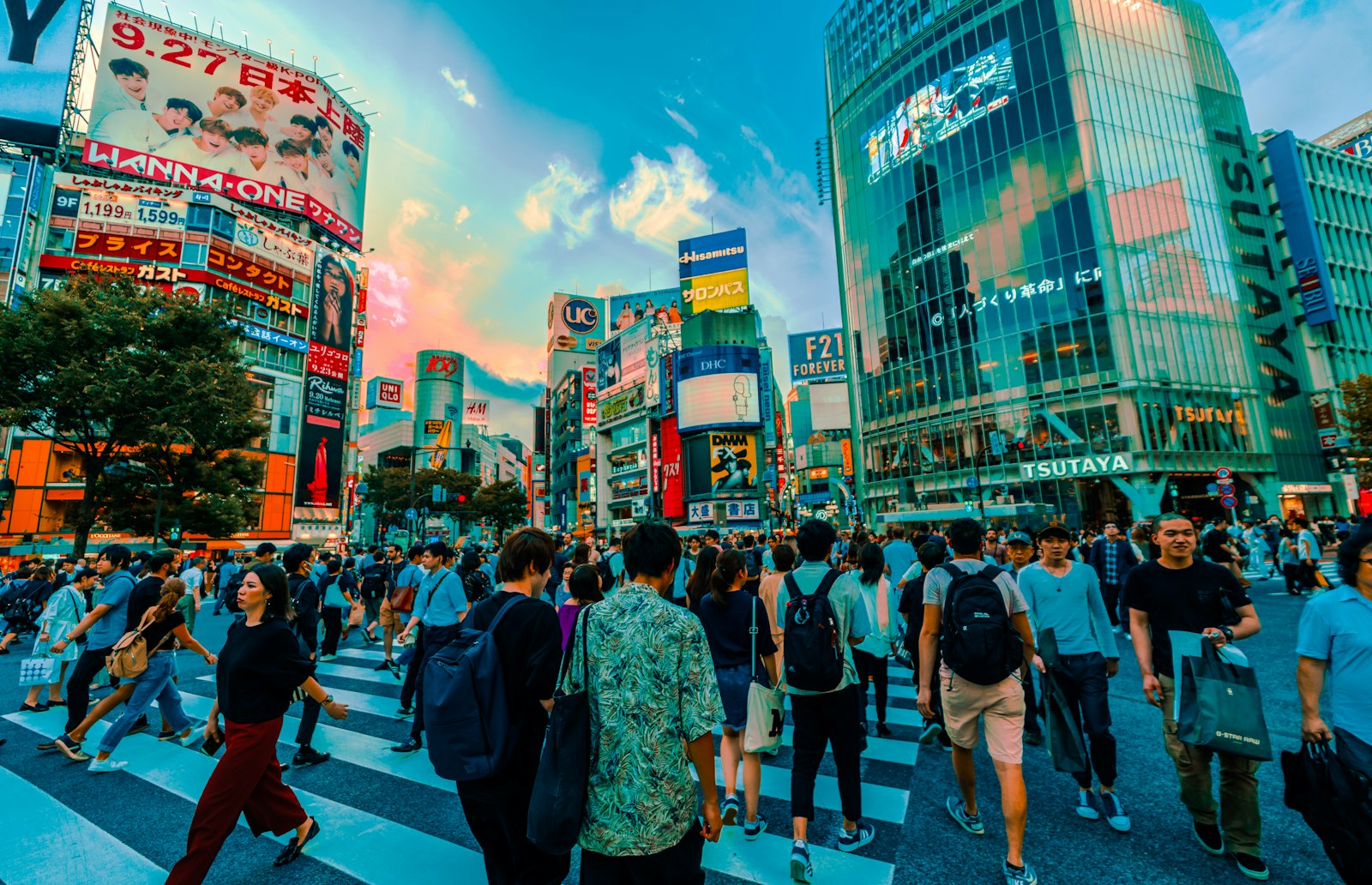
Photo by <a href="https://unsplash.com/@jezar?utm_source=tokyodeepnightlife&utm_medium=referral">Jezael Melgoza</a> on <a href="https://unsplash.com/?utm_source=tokyodeepnightlife&utm_medium=referral">Unsplash</a>
Most first-time visitors worry about the wrong thing. They pack a blazer they never wear, then get stopped at a club door because of their sandals. The Tokyo nightlife dress code is rarely written down, but it’s real. Tokyo just enforces it quietly, through door staff, raised eyebrows and the odd “sorry, full tonight.”
Here’s the short version. For almost everywhere you’ll go at night, smart casual is the safe answer: clean dark jeans or chinos, a collared shirt or plain knit, and closed-toe shoes. Dress up a notch for hotel bars and rooftop lounges. Dress down freely for yakitori alleys and standing bars.
This guide breaks it down venue by venue. It covers what actually gets people turned away, what to wear if you’re hopping between very different spots in one night, and the non-clothing items that matter just as much at the door.
Contents
- Why the Tokyo Nightlife Dress Code Matters More Than You’d Think
- Tokyo Dress Code by Venue Type
- What Gets You Turned Away: The Real Deal-Breakers
- Tokyo Nightlife Dress Code for Men
- Tokyo Nightlife Dress Code for Women
- Dressing for a Night That Moves Between Venues
- What to Bring Besides Your Outfit
- Quick Checklist: Tokyo Nightlife Dress Code at a Glance
- What do you do in Tokyo After 10?Join our Tokyo Nightlife Private Tour
- Skip the Guesswork With a Local Guide
- About the Author
Why the Tokyo Nightlife Dress Code Matters More Than You’d Think
Japan has a phrase borrowed from marketing English: TPO, short for time, place and occasion. It’s the idea that what you wear should match where you are. Nobody expects visitors to know every unwritten rule, but people do notice when an outfit ignores the setting.
That matters at night because many Tokyo venues are small. A cocktail bar might have eight seats. A hostess lounge might seat twenty. When one table looks like it came straight from the beach, the whole room feels it. Staff protect that atmosphere, and the simplest tool they have is the door.
The other reason is that Tokyo simply dresses well. Walk through Ginza or Omotesando on a Friday evening and you’ll see office workers in sharp suits and locals in carefully put-together casual looks. You won’t be thrown out for being plain. But if you want to blend in rather than stand out as a tourist, lean one step smarter than you would at home.
Tokyo Dress Code by Venue Type
The single most useful thing to understand about the Tokyo nightlife dress code is that there is no one rule. There’s a range, and it shifts with the price and size of the venue.
| Venue type | Typical expectation | Safe outfit |
|---|---|---|
| Izakaya, yakitori alleys, standing bars | Anything clean | T-shirt, jeans, sneakers |
| Golden Gai and small neighborhood bars | Relaxed | Casual, but nothing sloppy |
| Cocktail and whisky bars | Smart casual | Collared shirt, dark trousers, leather shoes or clean sneakers |
| Hotel bars and rooftop lounges | Smart casual to smart | Add a jacket (men) or a dress or tailored separates (women) |
| Big nightclubs | Clubwear, no sportswear | Dark jeans, fitted top, clean shoes |
| Hostess clubs and kyabakura | Smart casual | Collared shirt, no shorts or sandals |
Izakaya, Yakitori Alleys and Standing Bars
This is the easy end. At a busy izakaya or a tachinomi (standing bar), you’ll sit next to salarymen in suits and students in hoodies. Nobody cares what you’re wearing as long as it’s clean.
The one practical tip: some izakaya have tatami seating, and you’ll take your shoes off. Wear socks without holes, and skip boots with complicated laces. For the finer points of behavior at the table, our guide to izakaya etiquette for foreigners covers everything from ordering to paying.
Cocktail Bars and Whisky Bars
Tokyo’s serious cocktail bars are where the unwritten dress code is most noticeable. They’re usually quiet, dim and small, and the bartenders often wear white jackets or vests. Nobody will ask you to wear a tie. But shorts, tank tops and flip-flops will feel very out of place, and at some bars they may get you politely refused.
Think “nice dinner out.” A button-up shirt or fine knit, dark trousers or dark jeans, and leather shoes or minimal clean sneakers will work almost anywhere. If you’re planning a proper cocktail crawl, our Tokyo cocktail bar guide lists the bars worth dressing up for.
Hotel Bars and Rooftop Lounges
Luxury hotel bars are the one place where the dress code is often written down, so you don’t have to guess. A good example is the New York Bar on the 52nd floor of the Park Hyatt Tokyo. Its official page asks guests to avoid short pants, beach sandals and sportswear, including training jerseys, tank tops and other sleeveless garments. It also charges a cover of ¥3,300 per person, waived if you arrive between 5:00 pm and 6:30 pm.
That list is a good template for any upscale bar in Tokyo. If the venue is inside a five-star hotel, assume no shorts, no sandals, no sleeveless tops and no athletic wear. Men will feel most comfortable in a jacket, though it’s rarely required. For women, a simple dress, tailored trousers or a skirt with a nice top all work.
Nightclubs
Inside clubs, the Tokyo nightlife dress code is less about formality and more about looking like you came to go out. Big clubs in Shibuya and Roppongi generally turn away sportswear, flip-flops and beachwear. Beyond that, clubwear is wide open: all black, streetwear, going-out dresses and statement pieces are all normal.
Underground techno and house clubs are the most relaxed on style. Dark, comfortable clothes you can dance in are the norm. Mainstream venues aimed at a younger or tourist crowd may care more about looking polished. The best clue is the queue outside. Look at what the people waiting are wearing and match it.
If you’re choosing where to go, our list of the best clubs in Tokyo is sorted by area, which makes it easy to plan your outfit around the neighborhood.
Hostess Clubs, Kyabakura and Girls Bars
These venues sell atmosphere, so they tend to expect guests to look presentable. You don’t need a suit, but a collared shirt, long trousers and proper shoes are a sensible baseline. Shorts and sandals are the most common reason visitors get a cooler reception at the door.
What Gets You Turned Away: The Real Deal-Breakers
Across nearly every venue that enforces a Tokyo nightlife dress code at the door, the same few items cause problems. Avoid these and you’ll clear most doors:
- Beach sandals and flip-flops. This is the most common rejection. Wear closed-toe shoes.
- Sportswear. Tracksuits, training jerseys, gym shorts and running gear read as “not dressed for going out.”
- Shorts at upscale venues. Fine at an izakaya, risky at a hotel bar after dark.
- Sleeveless tops for men. Tank tops are a common no at hotel bars and lounges.
- Dirty or scruffy clothes. Worn-out sneakers and stained T-shirts stand out more in Tokyo than in most cities.
- Large backpacks. Not a dress code rule as such, but tiny bars have no room for them. Leave the day bag at the hotel.
One more thing to know about door decisions: staff rarely say “your outfit is wrong.” You’re more likely to hear that the venue is full or members-only. If that happens, don’t argue. Just try somewhere else.
Tokyo Nightlife Dress Code for Men
Men visiting Tokyo tend to under-pack rather than over-pack. A simple capsule covers almost every venue:
- Dark jeans or chinos with no rips
- Two collared shirts or a mix of Oxford shirts and plain knits
- One lightweight jacket, either a blazer or a clean bomber or overshirt
- Leather shoes or minimal white or black sneakers that are actually clean
With those pieces you can move from a yakitori counter to a hotel bar to a club without going back to change. If you only bring one pair of shoes, make it clean, low-profile sneakers or casual leather shoes. They’re the most versatile option in the city.
Looking for Adult Entertainment Services in Tokyo? Download this
I’ve spent over a decade exploring and studying Japan’s adult entertainment scene firsthand. If you’d like detailed insider information—including how to choose the right shop, what services are available, and tips for avoiding common mistakes—check out our exclusive E-book.
Tokyo Nightlife Dress Code for Women
Tokyo women generally dress up for a night out, so visitors often say they felt underdressed rather than overdressed. That doesn’t mean heels and cocktail dresses everywhere. It means outfits that look deliberate.
- A midi dress, a jumpsuit, or tailored trousers with a nice top will work from cocktail bars to hotel lounges
- Layers are useful, as bars and trains are often heavily air-conditioned in summer
- Comfortable shoes matter more than you’d think. You’ll walk a lot, climb narrow stairs and stand on trains
- A small cross-body bag is easier than a large tote in cramped bars
If you’re hopping between bars in older areas like Golden Gai, skip stilettos. The stairs to second-floor bars there are famously steep and narrow.
Dressing for a Night That Moves Between Venues
A typical Tokyo night often mixes several kinds of venue, each with its own take on the Tokyo nightlife dress code. You might start with skewers under the train tracks, move to a cocktail bar, and end at a club. The trick is to dress for the smartest place on your plan, then adjust down.
A jacket is the easiest tool for this. Wear it into the hotel bar, then take it off for the izakaya. For women, a light blazer or cardigan over a simple dress does the same job.
Also think about the season. Tokyo summers are hot and humid, so breathable fabrics like linen and cotton are worth it. Winters are cold and dry but venues are well heated, so layers you can remove beat one heavy sweater.
What to Bring Besides Your Outfit
A great outfit won’t help if you’re stopped for something else. These items matter as much as clothes:
- Your passport. Japan’s legal drinking age is 20, and many clubs check photo ID at the entrance. WOMB in Shibuya, for example, asks guests to show photo ID at the door. Separately, the Immigration Control and Refugee Recognition Act requires foreign visitors to carry their passport at all times, so keep it on you anyway.
- Cash. Many small bars, izakaya and Golden Gai spots are still cash-only or prefer cash.
- An IC card like Suica or PASMO for trains home.
- A note of your last train. It shapes the whole night. Our Tokyo nightlife for first timers guide covers how to plan around it.
A Note on Tattoos
Tattoos are a common question. Policies in Japan vary widely. Hot springs, public baths and gyms are the places most likely to restrict visible tattoos. For bars and clubs, there’s no single rule, and it’s up to each venue. If you have large visible tattoos, a long-sleeved shirt is the simplest way to avoid an awkward conversation at an upscale door.
Quick Checklist: Tokyo Nightlife Dress Code at a Glance
Before you head out, run through this quick Tokyo nightlife dress code check:
- Closed-toe shoes? Yes, always.
- No sportswear or beachwear? Leave the gym clothes and sandals at the hotel.
- Visiting a hotel bar? No shorts, no sleeveless tops. A jacket helps.
- Going clubbing? Passport in your pocket and cash for entry.
- Tatami izakaya on the plan? Clean socks.
- Not sure? Go one step smarter than you think. You’ll almost never be too dressed in Tokyo.
What do you do in Tokyo After 10?
Join our Tokyo Nightlife Private Tour
You deserve better than overpriced bars and missed opportunities. We’re here for you.
Skip the Guesswork With a Local Guide
The hardest part of Tokyo at night isn’t the outfit. It’s knowing which doors are worth walking through. Many of the best bars have no English sign, some venues aren’t used to foreign guests, and a few areas have places you should simply avoid.
That’s where a local guide changes the night. On our Tokyo After 10 nightlife private tour, a guide who lives here takes you to spots that match your style and budget, tells you in advance what to wear, and handles the conversation at the door. You just show up dressed smart casual and enjoy the night.









