Photo by mos design on Unsplash
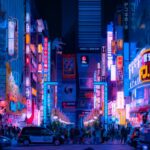
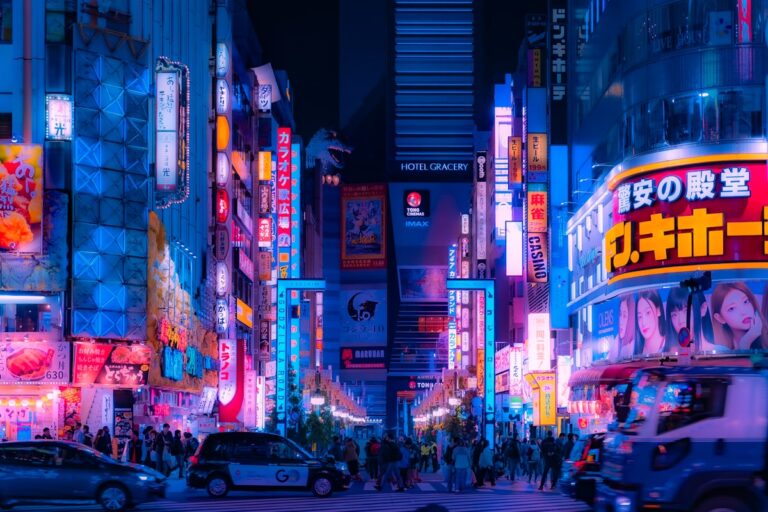
No single neighborhood in Tokyo — or arguably the world — delivers as many ways to spend a night as Shinjuku. Shinjuku nightlife is a layered, loud, beautifully chaotic experience: yakitori smoke drifting through narrow alleys, neon signs stacked five floors high, tiny bars where a stranger becomes a friend after the second round. This is a district that stays awake so you don’t have to.
But Shinjuku is also big enough to eat a tourist whole. The East Exit alone floods tens of thousands of people into the streets after dark. Without a plan — or at least a rough understanding of the terrain — you’ll end up in an overpriced tourist bar wondering what all the fuss was about.
This guide breaks down every corner of Shinjuku nightlife, from the intimate wooden alleys of Golden Gai to the laser-lit chaos of Kabukicho, so you can make the most of whatever kind of night you’re after.
Contents
- What Makes Shinjuku Nightlife Unlike Anything Else
- Golden Gai: 200 Bars Crammed Into Six Alleys
- Omoide Yokocho (Memory Lane): Where Old Tokyo Still Breathes
- Kabukicho: Tokyo’s Entertainment District After Dark
- Shinjuku 3-Chome: Tokyo’s Most Welcoming Bar Scene
- How to Plan Your Shinjuku Night (A Local’s Itinerary)
- Practical Tips for Shinjuku Nightlife
- What do you do in Tokyo After 10?Join our Tokyo Nightlife Private Tour
- Ready to Experience Shinjuku Nightlife Without the Guesswork?
- About the Author
What Makes Shinjuku Nightlife Unlike Anything Else
Shinjuku is Tokyo’s largest entertainment district by volume — and by almost every other measure. On any given Friday night, more than 200,000 people pass through Shinjuku Station alone. The neighborhood radiates out in all directions from that station, each pocket offering something radically different.
What makes Shinjuku nightlife special isn’t one standout spot — it’s the density. You can start the evening in a 50-year-old yakitori stall the size of a closet, move on to a craft beer bar run by a former jazz musician, and end the night dancing in a six-story club, all within a 15-minute walk.
Shinjuku nightlife really warms up around 9pm. By 11pm, the streets are packed. Many bars in Kabukicho stay open until 5am, and a few don’t bother with closing times at all. If you’re planning a big night, pace yourself — Shinjuku will outlast you if you let it.
Golden Gai: 200 Bars Crammed Into Six Alleys
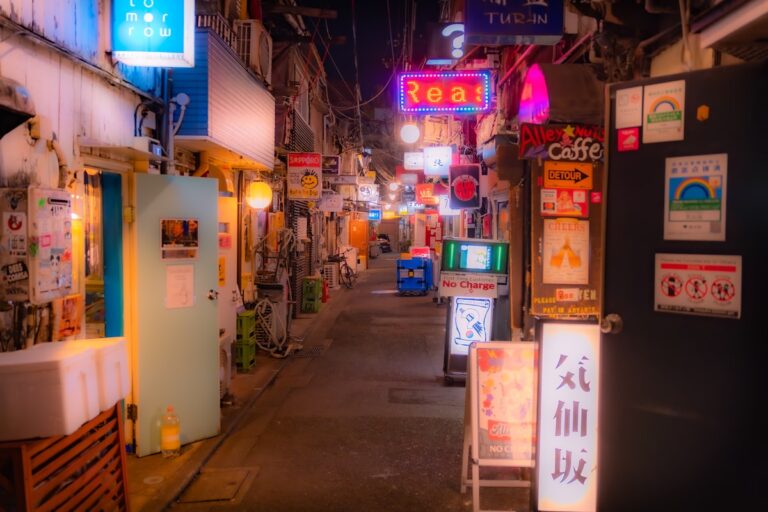
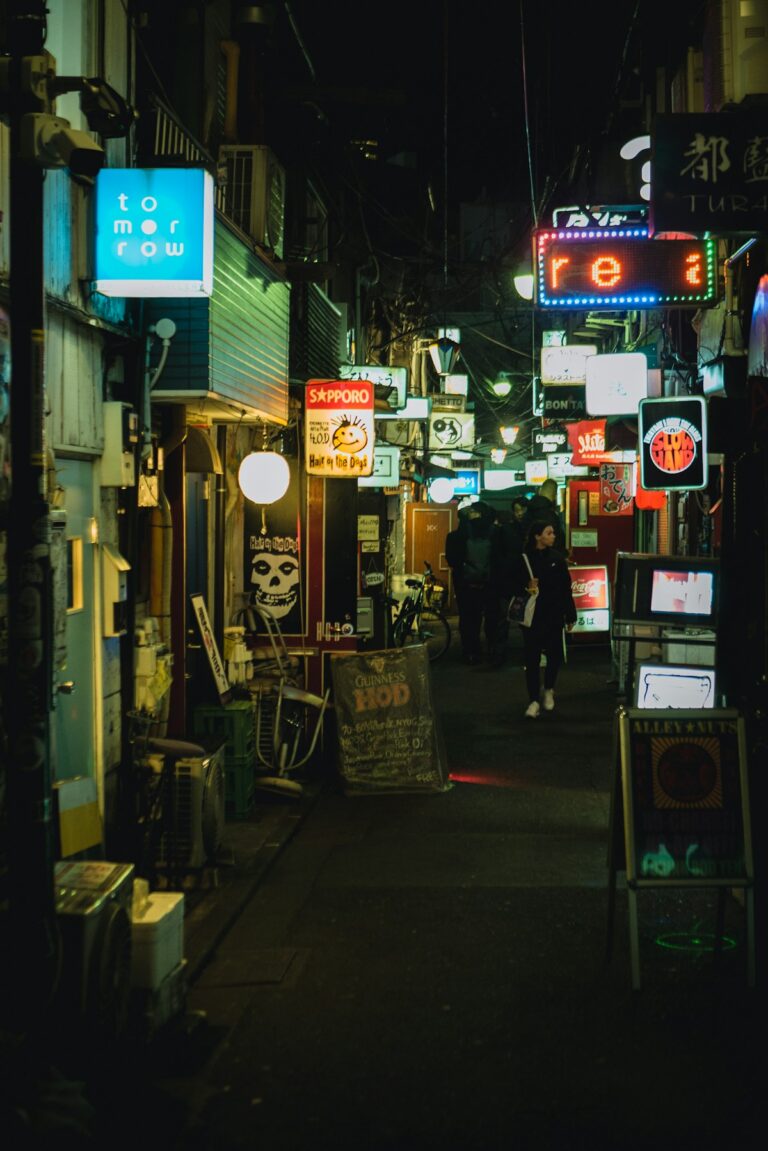
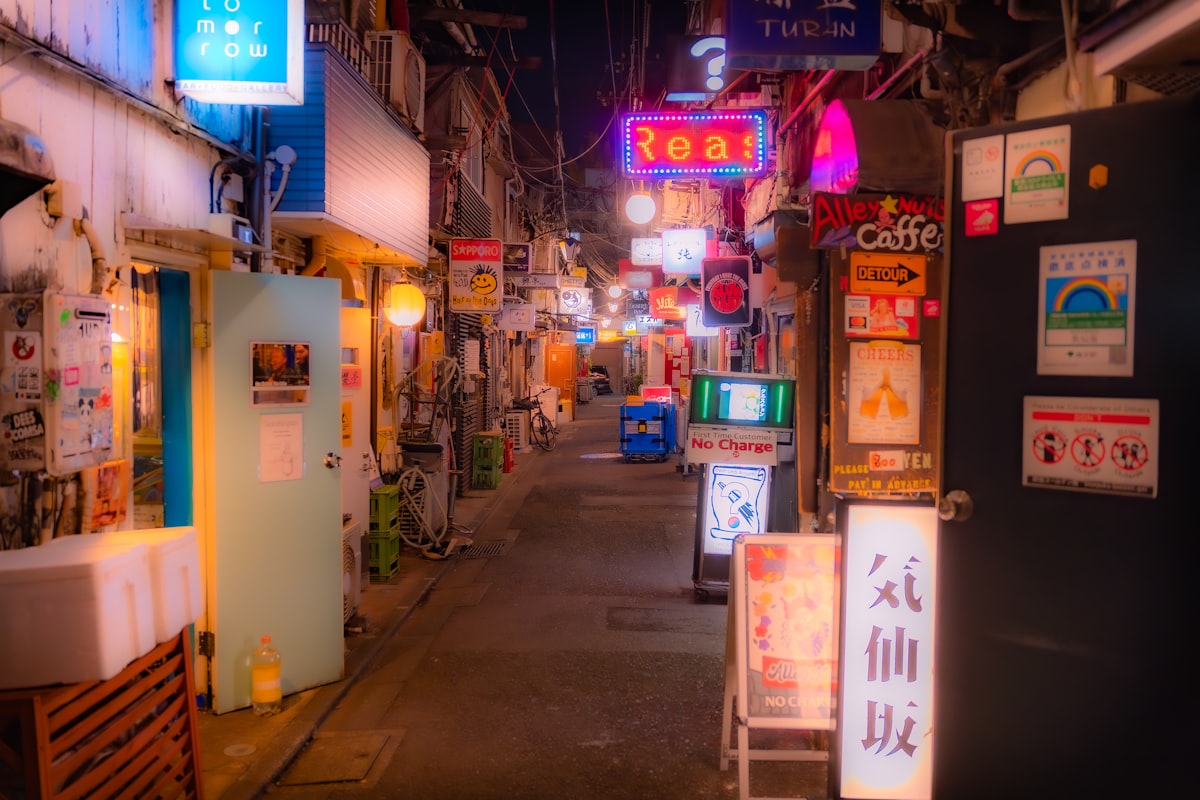
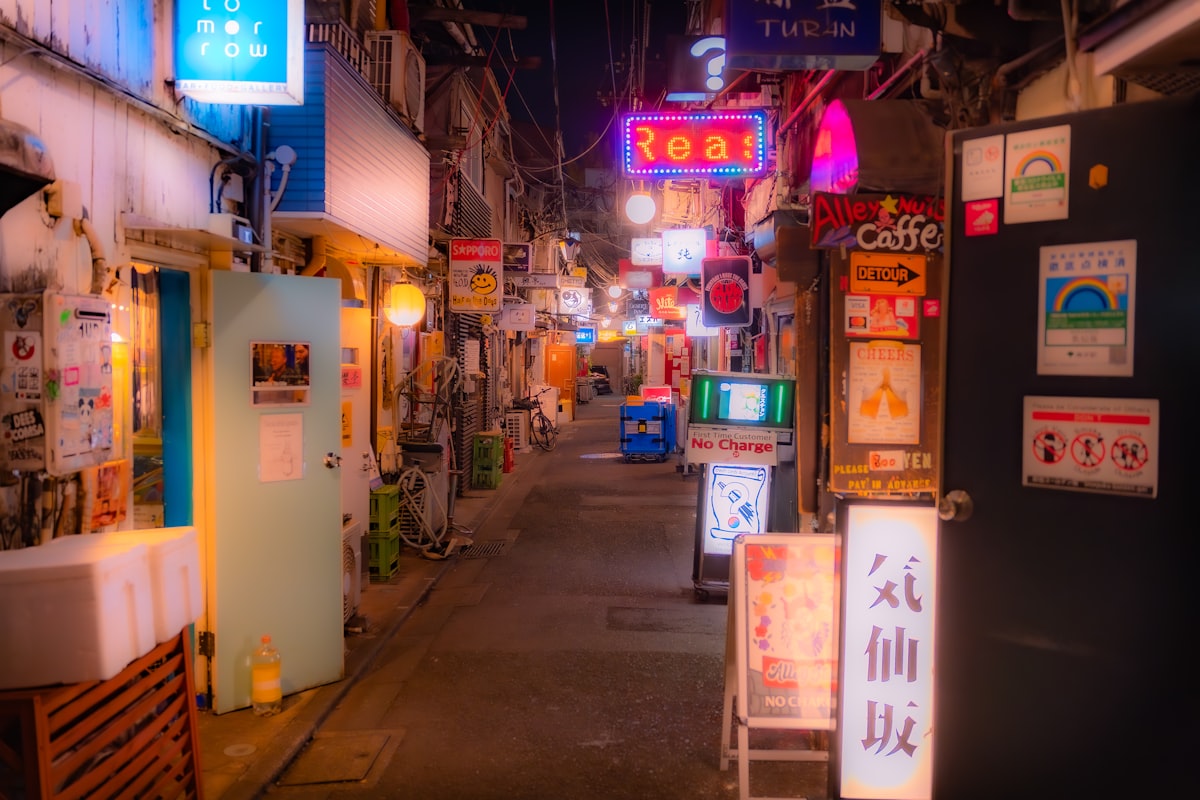
Golden Gai is the part of Shinjuku nightlife that most travelers have heard about first, and for good reason. Tucked behind the east side of Shinjuku’s entertainment district, this tiny grid of six alleys holds over 200 bars, each one barely the size of a living room. Some seat just five people. A few fit more, but not many.
The history here is part of the appeal. Golden Gai developed in the post-war black market era, and while it has been threatened by redevelopment more than once, it has survived largely intact. The bars that line these alleys have accumulated decades of personality: hand-written signs, cassette tape collections, walls papered with photographs of regulars, cats sleeping on the counter. No two bars are remotely alike.
Each bar tends to have a theme or a vibe — blues music, horror films, manga, old cinema posters, classic rock. Many are run by a single owner who doubles as bartender, DJ, and conversationalist. The atmosphere is intimate by default. When a place only holds five people, everyone ends up talking.
What to Expect (and What to Bring)
Most bars in Golden Gai charge a cover fee (seating charge) of ¥500–¥1,000 per person on top of your drinks. It’s displayed on a sign outside — always check before sitting down. Drinks typically run ¥700–¥1,500. Budget around ¥3,000–¥5,000 per bar for a couple of drinks plus the cover.
Cash is strongly preferred. Some bars don’t accept cards at all. Photography inside is unwelcome at most places — the alleys themselves are fine to photograph. “Counter full” is a legitimate notice — with 5-seat capacity, these bars fill fast on weekends. If one is full, the next one is 3 meters away. English is not universal, but many Golden Gai bars welcome foreign visitors enthusiastically. A smile and pointing at what the person next to you is drinking gets you far.
A Few Worth Knowing
Albatross is the rare Golden Gai bar with space to breathe — it spans multiple floors, including a narrow rooftop terrace. Good for first-timers who want to ease in before finding the smaller spots.
Bar Plastic Model is a haven for nostalgia: retro toys, 80s J-pop, and a genuinely welcoming owner who has been pouring drinks here for decades.
Deathmatch in Hell earns its name in decor alone — horror movie memorabilia, eerie lighting — but the owner is famously friendly. One of the most Instagrammed bars in the area, for obvious reasons.
For a full breakdown of the best Golden Gai bars and how to navigate the cover charge system, read our complete guide to Shinjuku Golden Gai bars.
Omoide Yokocho (Memory Lane): Where Old Tokyo Still Breathes
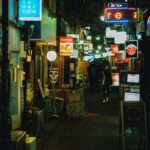
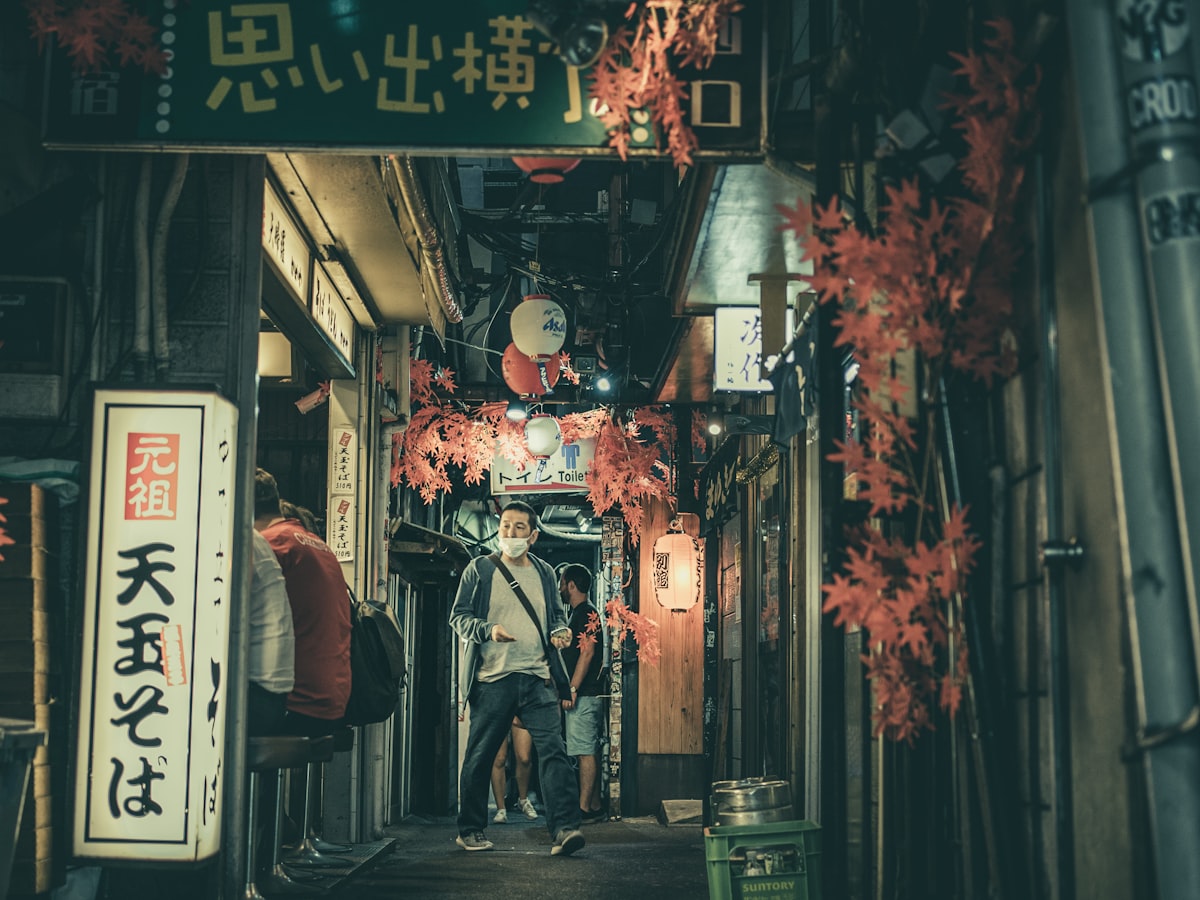
If Golden Gai is intimate and eccentric, Omoide Yokocho is primal. Located just outside Shinjuku Station’s West Exit, this tight alley of yakitori stalls has been feeding and watering Tokyo’s workers since the post-war 1940s. The name translates roughly as “Memory Lane,” and the atmosphere justifies it: charcoal smoke, the sizzle of chicken skewers, paper lanterns casting orange light over red plastic stools squeezed against open-air counters.
There are about 80 stalls in total, most of them specializing in yakitori (grilled chicken skewers) and horumon (grilled offal). These are not refined dining experiences. The stools are low, the ceilings are close, and your clothes will smell like smoke long after you leave. That’s part of the deal.
What you’re paying for is something increasingly rare in modern Tokyo: a genuinely unpolished, uncommercialized slice of how the city used to drink. The stalls are tiny family operations, many passed down through generations. Regulars come back for the same skewers, the same cheap beer, the same conversations with the same owner, year after year.
How to Get a Seat
Omoide Yokocho fills up quickly on weekends, especially between 7–9pm. Arrive early (6:30–7pm) if you want a comfortable seat. Mid-week is notably calmer. Walk the full length of the alley before committing — there are subtle differences between stalls, and some are slightly more foreigner-friendly (menus with photos, owners who speak some English).
Expect to spend ¥2,000–¥4,000 per person for a satisfying evening of skewers and beer. Stick to the classic yakitori sets and order a cold Sapporo or Kirin draft. Don’t overthink it — the simplicity is the point.
Kabukicho: Tokyo’s Entertainment District After Dark
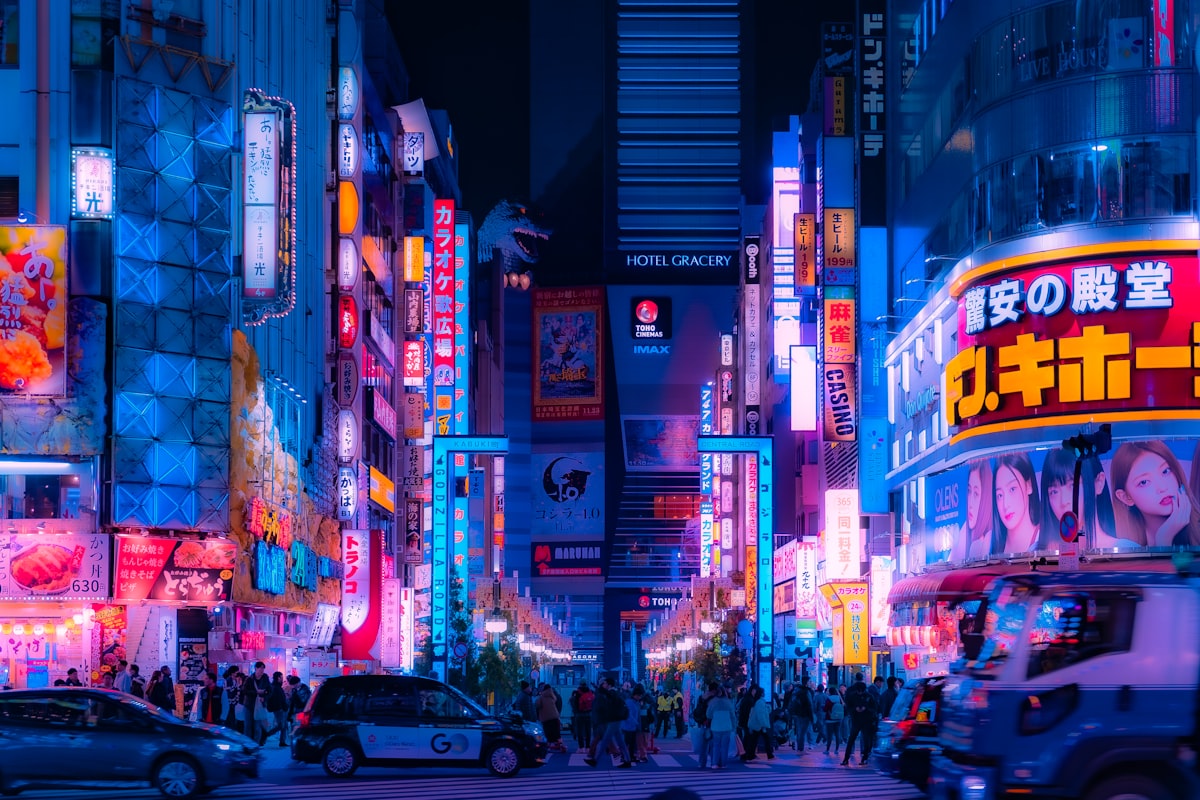
Kabukicho needs no introduction to anyone who has looked up “Tokyo nightlife” even once. Japan’s largest entertainment district occupies the northeast section of Shinjuku, and from about 8pm onward it is loud, bright, and relentlessly alive.
The Kabukicho Tower complex near the main entrance has recalibrated the district’s skyline in recent years, adding international hotel chains to what was previously a district known more for its seedier offerings. But the core character of Kabukicho remains intact: this is a place where the night runs long and the rules are looser than elsewhere.
What to Do Here
Clubs and live venues: Kabukicho has the highest concentration of clubs in Shinjuku, ranging from underground hip-hop nights to mainstream EDM and everything in between. Most don’t hit their stride until midnight.
Themed bars and restaurants: The Samurai Restaurant puts on elaborate stage shows blending taiko, choreographed sword fights, and live music. Loud, theatrical, and unapologetically touristy — but a genuinely entertaining few hours if you’re in the right mood.
Maid cafes: Kabukicho and the neighboring Shinjuku 3-chome area have a dense cluster of maid cafes if you want to experience that corner of Japanese pop culture. Maidreamin is one of the most accessible for first-timers.
The Godzilla Hotel: Hotel Gracery Shinjuku, right in the heart of Kabukicho, has a life-sized Godzilla head mounted on its eighth-floor terrace. It roars and lights up on schedule. You don’t need to stay there to look — the viewing deck at the top of the shopping complex below has a clear line of sight.
A Word on Safety
Kabukicho’s reputation for being sketchy is partly deserved and partly outdated. The district has cleaned up considerably over the past decade, but some precautions still make sense. Avoid the tout-lined alley known as the “host club strip” near the center of the district — if someone is aggressively trying to get you into an establishment, the prices inside will not be what you expect. Stick to venues you’ve looked up beforehand, or follow the lead of a local.
The area is heavily surveilled and police presence is consistent. Violent crime targeting tourists is genuinely rare. The main risk is financial — overpriced drinks and hidden fees in bars you walked into without checking the pricing first.
Shinjuku 3-Chome: Tokyo’s Most Welcoming Bar Scene
A short walk from Golden Gai and Kabukicho sits Shinjuku 2-chome (often referred to by the adjacent 3-chome area) — Tokyo’s well-established LGBTQ+ district, and one of the most welcoming bar scenes in the city for any traveler regardless of orientation.
The bars here are smaller, friendlier, and significantly less intimidating than the neon overload of Kabukicho. Many are run by long-time regulars who treat every first-time visitor as a guest rather than a customer. The music tends toward J-pop, Eurobeat, and nostalgic classics. The cover charges are reasonable, and the vibe skews inclusive rather than exclusive.
Some bars are technically members-only or have a preference for Japanese-speaking patrons, but a large number in the 2-chome area actively welcome international visitors — look for English signs or ask at the door. Bar Gold Finger (women’s nights), Dragon, and Arty Farty are among the more internationally known venues, but the district rewards wandering.
If you’re exploring Shinjuku nightlife and want a quieter, more genuinely social experience with less posturing and fewer cover charges than Golden Gai, 2-chome is consistently underrated.
Looking for Adult Entertainment Services in Tokyo? Download this
I’ve spent over a decade exploring and studying Japan’s adult entertainment scene firsthand. If you’d like detailed insider information—including how to choose the right shop, what services are available, and tips for avoiding common mistakes—check out our exclusive E-book.
How to Plan Your Shinjuku Night (A Local’s Itinerary)
The best Shinjuku nightlife experiences don’t happen in just one area — they move. Here’s a rough itinerary that lets you experience multiple layers of the district without burning out early.
6:30pm — Omoide Yokocho for dinner
Start at the yakitori stalls while they’re still accessible and before the dinner crowd peaks. Order a few skewers, drink one cold beer, and absorb the atmosphere. You don’t need to stay more than 90 minutes.
8:30pm — Golden Gai for drinks
Head east through Kabukicho’s edge to reach Golden Gai. Walk the alleys once before committing. Pick a bar with a style that appeals to you — music, decor, number of seats. Spend 45–60 minutes at each bar; two bars in Golden Gai is a natural pace.
10:30pm — Kabukicho for the late shift
By now Kabukicho is fully alive. If you’re up for dancing, this is when the clubs start building momentum. If you’d rather keep drinking, there are standing bars and casual izakayas on nearly every block.
After midnight — Shinjuku 3-chome to wind down (or keep going)
The 2-chome bars operate late and have a more relaxed register than the Kabukicho clubs. Good for a last drink and conversation before catching a taxi back.
One important note: the last trains from Shinjuku Station leave around midnight to 12:30am depending on the line. If you plan to keep going past that, budget for a taxi or a seat in a 24-hour cafe until the first trains resume around 5am.
Practical Tips for Shinjuku Nightlife
Budget guide: A mid-range Shinjuku nightlife outing runs ¥6,000–¥12,000 per person — dinner at Omoide Yokocho, two bars in Golden Gai with cover charges, and a couple of drinks in Kabukicho. Clubs will add entry fees (typically ¥2,000–¥3,500, often including one drink).
Cash: Carry at least ¥10,000–¥15,000 in cash. Many small bars and yakitori stalls don’t accept credit cards.
Dress code: Shinjuku has no strict dress code outside of a few high-end clubs. Smart casual is fine almost everywhere.
Getting there: Shinjuku Station is served by the JR Yamanote Line, Chuo Line, Sobu Line, Marunouchi Line, and several private railways. It’s a major hub — getting here is rarely the challenge. Leaving at 1am is where taxis become relevant.
Taxis: Metered taxis are abundant in Shinjuku after midnight. They’re not cheap (expect ¥3,000+ for most central Tokyo destinations) but they’re reliable and safe.
Language: A translation app (Google Translate works well with the camera feature) helps in the smaller bars. But don’t be deterred by the language gap — most Golden Gai and Omoide Yokocho owners are used to international visitors and navigate with gestures and goodwill.
What do you do in Tokyo After 10?
Join our Tokyo Nightlife Private Tour
You deserve better than overpriced bars and missed opportunities. We’re here for you.
Ready to Experience Shinjuku Nightlife Without the Guesswork?
Shinjuku nightlife is rewarding precisely because it isn’t straightforward. The best bars don’t have big signs. The most interesting evenings happen when you know which alley to turn down — and which to avoid.
If you’d rather spend your night drinking than navigating, KOKYO Tours Tokyo After 10 Night Tour takes you through the real Shinjuku nightlife after dark with a guide who’s been doing this for years. No tourist traps, no overpriced cover charges by mistake, no ending the night in the wrong bar.
The city rewards curiosity. Come with an open evening and low expectations for sleep — Shinjuku will handle the rest.
Explore more Tokyo nightlife guides at Tokyo Deep Nightlife.