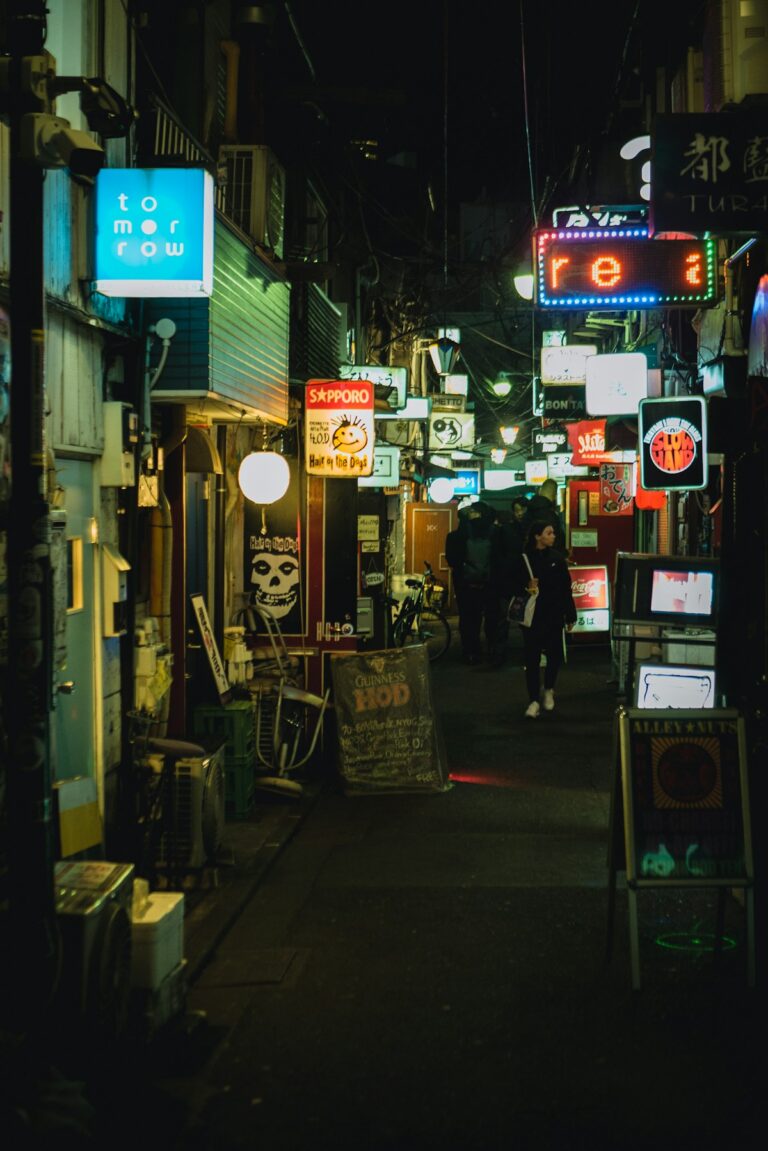
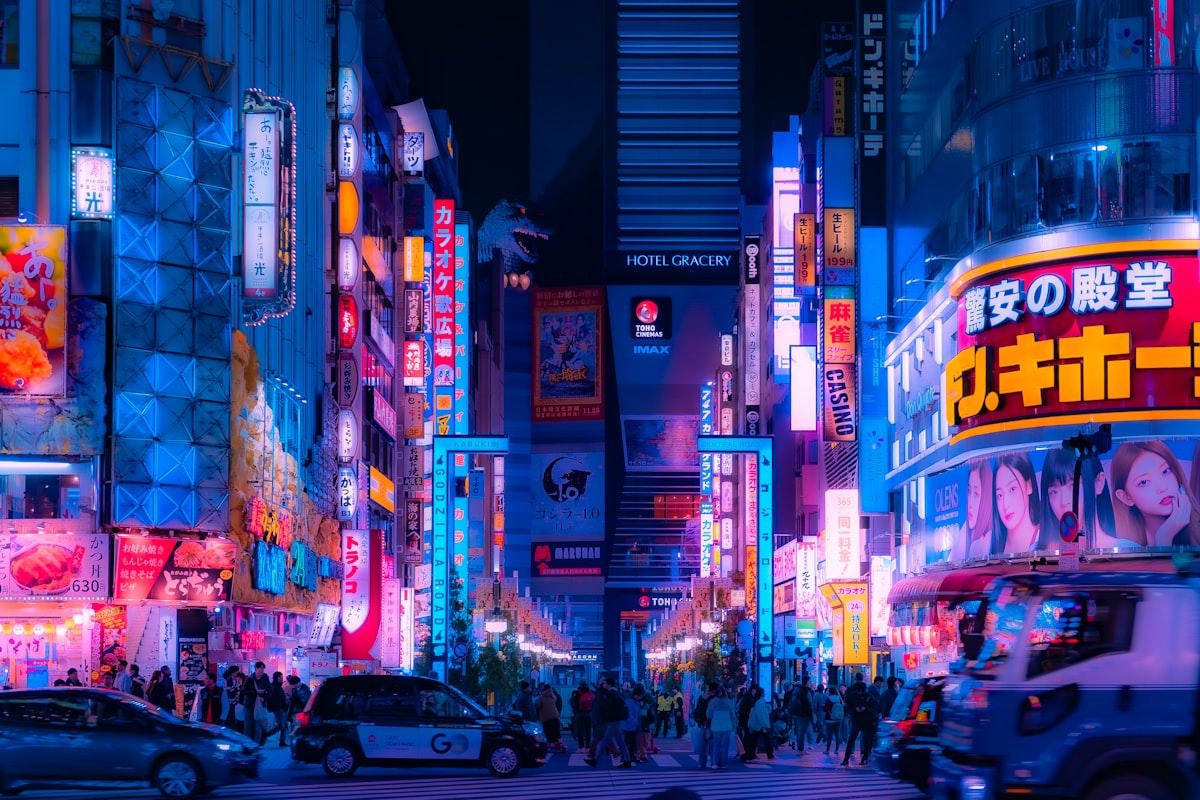
Photo by mos design on Unsplash
Tokyo during the day is impressive. Tokyo at night is something else entirely. As the sun dips below the skyline, a different city emerges — one of glowing alleyways, smoky izakayas, and streets so vivid they barely look real. Whether you’re a first-time visitor or a seasoned Japan traveler, a Tokyo night tour is one of the best ways to experience the capital’s true personality — the side that only comes out after dark.
This guide covers everything you need to know about Tokyo night tours in 2026: the best neighborhoods, what types of tours are available, cultural tips to keep you out of trouble, and how to plan the perfect evening in one of the world’s greatest cities.
Contents
- Why Tokyo Comes Alive After Dark
- What Is a Tokyo Night Tour? Types and What to Expect
- Best Neighborhoods for a Tokyo Night Tour
- Tokyo Night Tour Itinerary: A Perfect Evening Route
- Nightlife Etiquette: What Every Visitor Should Know
- Practical Tips for Exploring Tokyo at Night
- What do you do in Tokyo After 10?Join our Tokyo Nightlife Private Tour
- Skip the Guesswork — Let a Local Show You Tokyo at Night
- About the Author
Why Tokyo Comes Alive After Dark
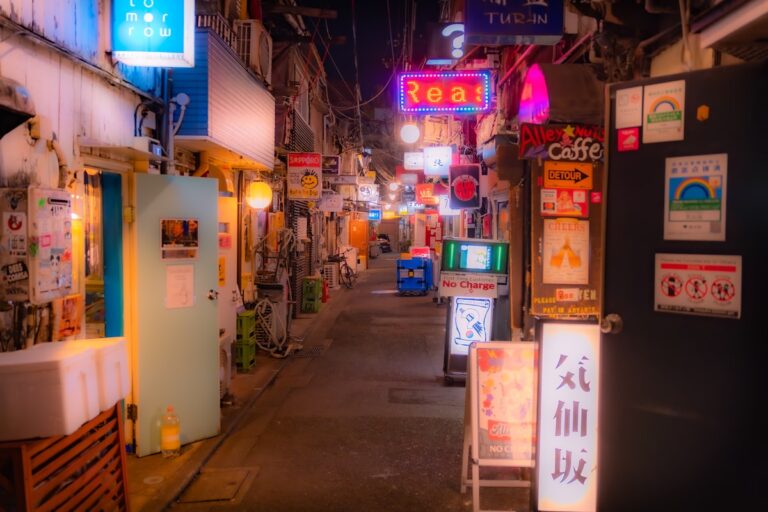
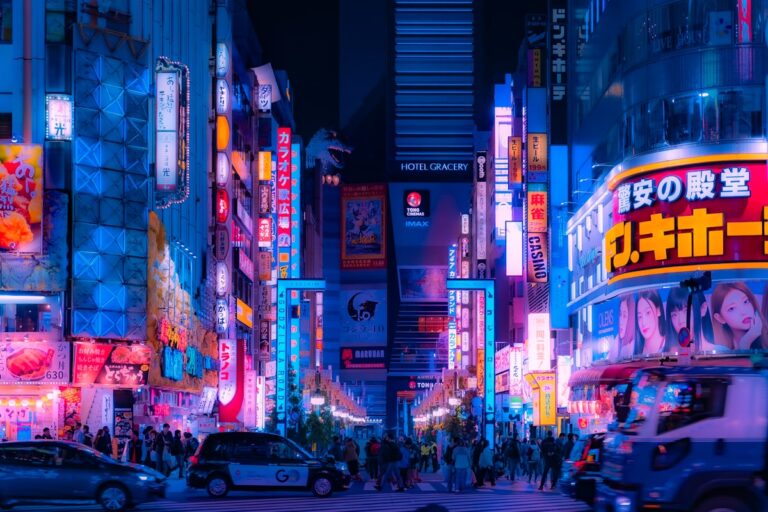
There’s a saying among locals: Tokyo’s real personality doesn’t show up until after 8 PM. And it’s true. The buttoned-up salarymen loosen their ties. The narrow yokocho alleys fill with the sizzle of yakitori and the clink of beer glasses. Neon signs flicker on across entire city blocks, turning neighborhoods like Shinjuku and Shibuya into something that looks straight out of a cyberpunk film.
But here’s the thing most travel blogs won’t tell you — navigating Tokyo at night as a visitor can be genuinely challenging. Many of the best bars hold fewer than ten people. Some don’t have English menus. A few don’t even have signs outside. That’s exactly why a Tokyo night tour with a local guide has become one of the most popular experiences for travelers in recent years. Instead of wandering past hidden gems without ever knowing they’re there, you walk straight in.
What Is a Tokyo Night Tour? Types and What to Expect
A Tokyo night tour is a guided experience — typically lasting 2 to 4 hours — that takes you through the city’s nightlife districts with someone who actually knows them. But not all night tours are the same. Here’s what’s available:
Guided Bar Hopping Tours
This is the most popular format, and for good reason. A local guide leads you through a series of 3 to 5 carefully chosen bars, handling the introductions, explaining the menu, and making sure you don’t accidentally walk into a members-only spot with a ¥10,000 cover charge. Most bar hopping tours focus on specific neighborhoods — Shinjuku’s Golden Gai, Shibuya’s Nonbei Yokocho, or the working-class bars of Shinbashi.
What sets a good bar hopping tour apart is access. Many tiny bars in Tokyo have an unspoken locals-only atmosphere. Walking in with a Japanese guide changes the dynamic completely — doors open, conversations happen, and you end up having the kind of experience that would have been impossible on your own.
Food-Focused Night Tours
Tokyo’s street food and late-night dining scene is legendary. Food-focused Tokyo night tours typically combine eating and walking, visiting spots like yakitori alleys, ramen joints that only open at 10 PM, and standing-only izakayas where the best dishes aren’t on the printed menu. If you care as much about what’s in your glass as what’s on your plate, these tours deliver.
Sightseeing and Photography Night Tours
For travelers who want to capture Tokyo’s neon-soaked aesthetic, photography-focused night tours hit the most visually stunning spots. Think Shibuya Crossing from above, the lantern-lit gates of Sensoji in Asakusa, Tokyo Tower glowing orange against the skyline, and the retro side streets of Shimokitazawa. Guides know exactly which angles and times of night produce the best shots.
Private vs. Group Tours
Group tours (typically 4–8 people) are more affordable and social. Private tours cost more but let you customize the itinerary entirely — want to skip the tourist spots and find the jazz bar where local musicians jam on Tuesday nights? A private guide makes that happen. If this is your first time doing a Tokyo night tour, a small group tour is a great starting point. For repeat visitors who want something specific, private is the way to go.
Best Neighborhoods for a Tokyo Night Tour
Tokyo’s nightlife is spread across several distinct neighborhoods, each with its own character. Here’s where to focus your evening.
Shinjuku: Golden Gai and Kabukicho
Shinjuku is the undisputed king of Tokyo nightlife, and it’s where most Tokyo night tours begin. The area packs two completely different experiences into a few city blocks.
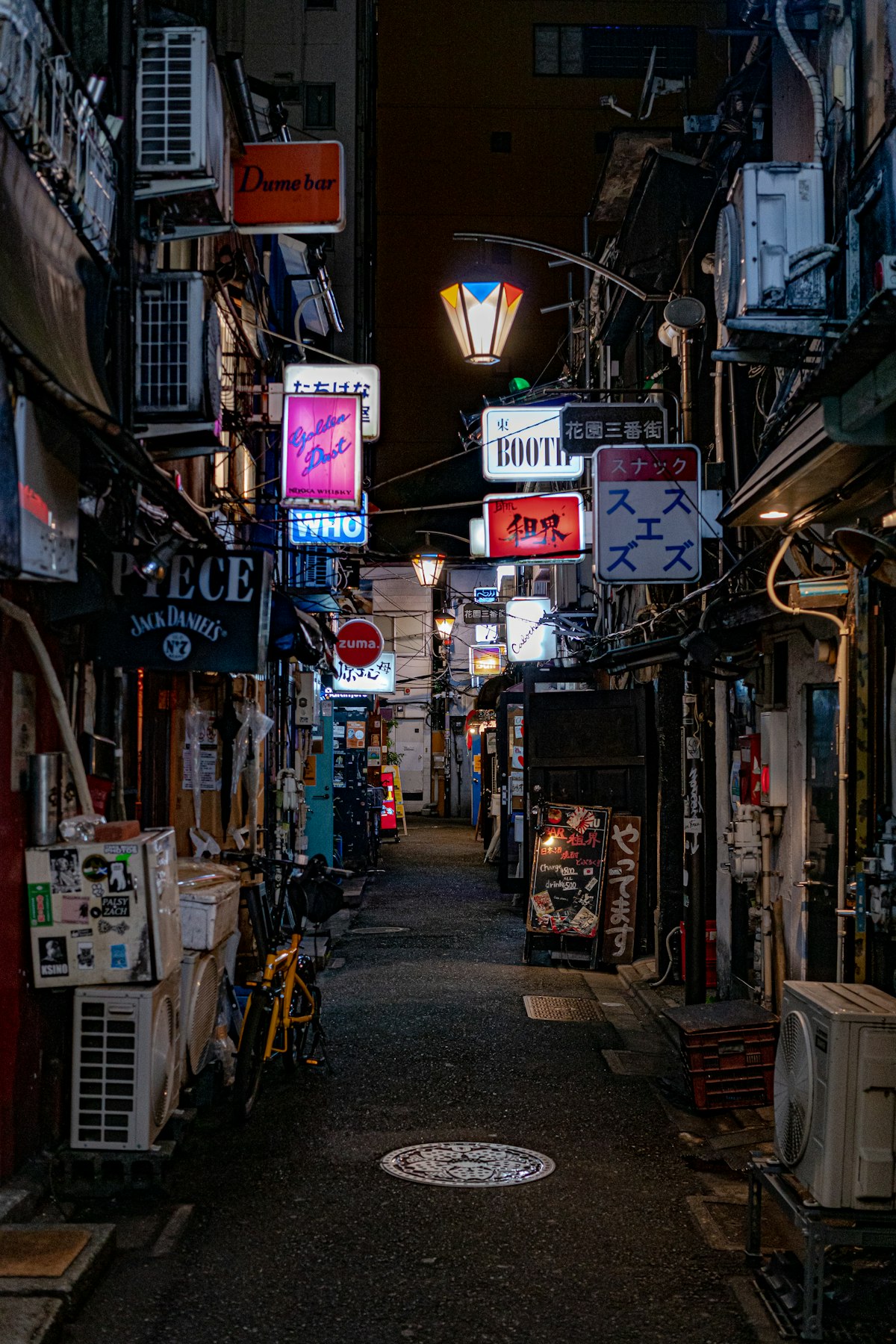
Golden Gai is a network of six narrow alleys containing over 200 tiny bars — most seating just 6 to 10 people. Each bar has a unique theme, from punk rock to jazz to cinema. Some have been run by the same owner for decades. The challenge? Many charge a seating fee (typically ¥500–¥1,500), and a few are selective about who walks in. A guide who knows which doors to knock on makes all the difference here.
Kabukicho is Tokyo’s largest entertainment district, known for its blinding neon, robot restaurants, and towering video screens. While it has a reputation as Tokyo’s red-light district, the main streets are perfectly safe and packed with restaurants, karaoke boxes, and entertainment venues. A good guide helps you find the gems — and avoid the overpriced tourist traps.
Shibuya: Nonbei Yokocho and Center-Gai
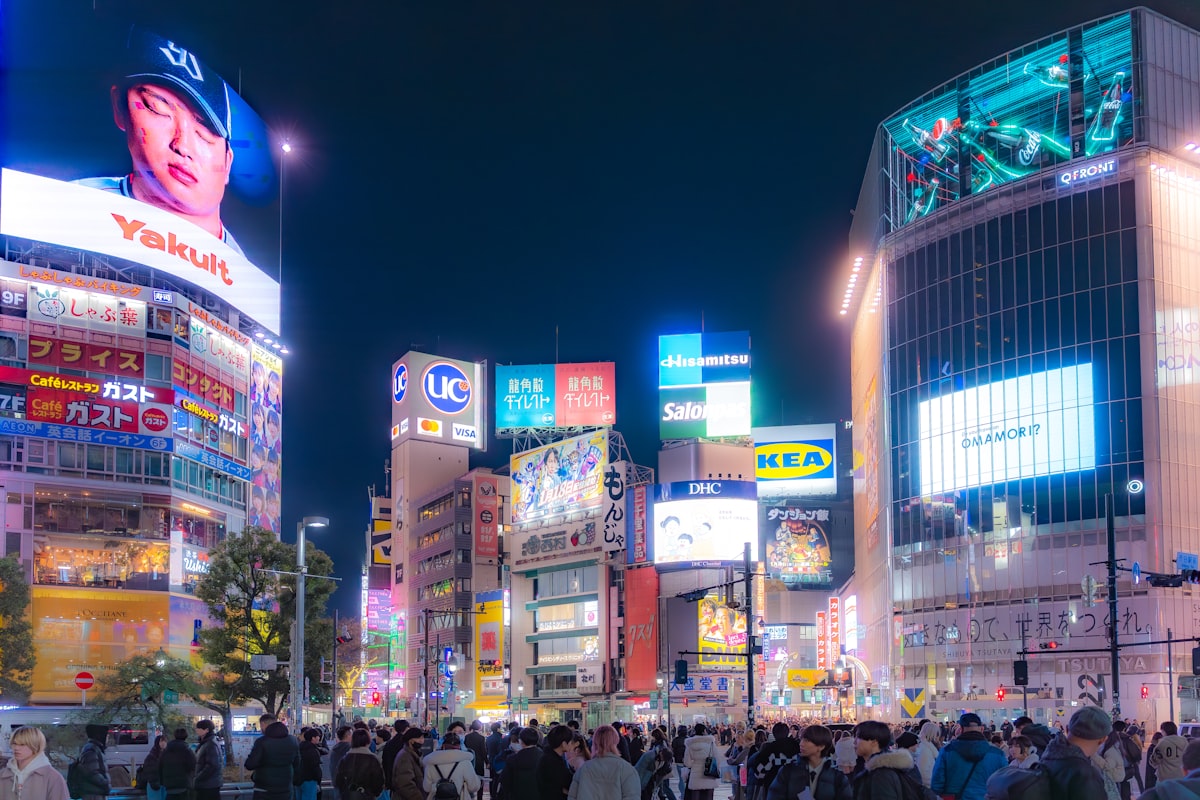
If Shinjuku is loud and neon-drenched, Shibuya is where the younger crowd goes. The neighborhood revolves around the famous Shibuya Crossing — the world’s busiest pedestrian intersection — and radiates outward into a maze of restaurants, clubs, and shopping.
Nonbei Yokocho (“Drunkard’s Alley”) is Shibuya’s answer to Golden Gai. It’s a hidden row of about 40 tiny bars tucked behind the train station, most of which have been there since the post-war era. The vibe is more relaxed and local than Golden Gai, with fewer tourists and cheaper drinks.
Center-Gai and the surrounding streets are where you’ll find izakayas with all-you-can-drink deals, standing bars, and late-night ramen shops. It’s chaotic, crowded, and absolutely electric — especially on Friday and Saturday nights.
Roppongi: Cocktail Bars and Clubs
Roppongi has long been Tokyo’s most international nightlife district. It’s where you’ll find some of the city’s best cocktail bars, high-end lounges, and dance clubs. The area around Roppongi Hills and Tokyo Midtown is polished and upscale, while the streets closer to the main crossing have a grittier, more eclectic energy.
What Roppongi does best is cocktails. Tokyo is globally recognized for its bartending culture — precise, artistic, and incredibly serious. Several bars in Roppongi and nearby Ginza have appeared on World’s Best Bars lists. A cocktail-focused night tour here is essentially a masterclass in Japanese drinking culture.
Asakusa: Sensoji by Night and Hoppy Street
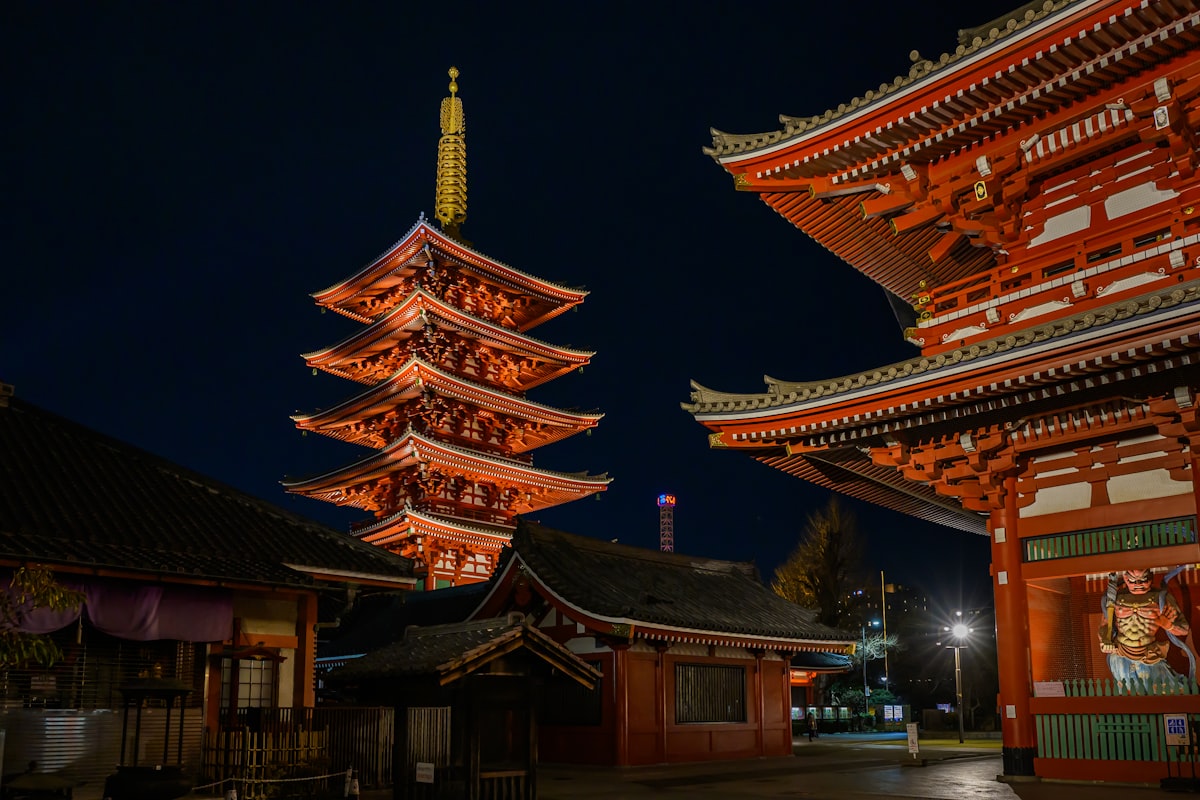
Most visitors see Asakusa during the day, but after dark it transforms into one of the most atmospheric neighborhoods in Tokyo. The Sensoji temple complex — Tokyo’s oldest — is dramatically lit at night with far fewer crowds, making it perfect for photography and quiet contemplation.
Just a few blocks away, Hoppy Street (Hoppy-dori) is a lively strip of open-air izakayas where locals sit on plastic stools, drinking hoppy (a beer-like drink) and eating beef stew. It’s the complete opposite of Roppongi’s polished bars — unpretentious, affordable, and about as authentic as Tokyo nightlife gets.
Akihabara: Otaku Nightlife and Themed Bars
Akihabara — “Electric Town” — is where Tokyo’s nerd culture and nightlife collide. The neighborhood is famous for its anime shops and electronics, but after dark it becomes a playground of themed bars, maid cafés, and retro gaming lounges. For travelers interested in a uniquely Japanese cultural experience (one you absolutely won’t find in any other city), Akihabara at night delivers something completely different.
Tokyo Night Tour Itinerary: A Perfect Evening Route
If you’re planning your own evening or want a sense of what a guided Tokyo night tour covers, here’s a proven route that hits the highlights:
6:30 PM — Start at Shibuya Crossing. Watch the organized chaos of the world’s busiest intersection from the Shibuya Sky observation deck or the Starbucks overlooking the crossing. The view at sunset is unforgettable.
7:15 PM — Dinner in Shibuya. Slip into one of the izakayas along Dogenzaka or explore the restaurant floors of Shibuya Stream. Order a few rounds of small plates — edamame, karaage (fried chicken), and grilled skewers pair perfectly with draft beer or highballs.
8:30 PM — Train to Shinjuku (5 minutes). Head to Shinjuku Station and walk to Golden Gai. Start at one of the foreigner-friendly bars on the outer alleys, then work your way deeper. Two to three bars here is the sweet spot — enough to soak in the atmosphere without rushing.
10:00 PM — Kabukicho exploration. Walk through the neon jungle of Kabukicho, stopping at a standing bar or tachinomiya for a quick drink. If you’re into karaoke, this is the time to book a room — Shinjuku has dozens of karaoke chains open until morning.
11:30 PM — Late-night ramen. End the evening properly with a bowl of ramen. Fuunji (near Shinjuku Station) serves tsukemen that’s worth the line, or head to any of the ramen shops along the east side of the station. There’s no better way to close out a Tokyo night tour.
Nightlife Etiquette: What Every Visitor Should Know
Japanese nightlife has its own set of unwritten rules. Breaking them won’t get you arrested, but knowing them will dramatically improve your experience — and earn you respect from locals and bar owners.
Cover charges are normal. Many small bars in Golden Gai and elsewhere charge a seating fee (otoshi) of ¥300–¥1,500. This usually includes a small appetizer. Don’t take it personally — it’s standard practice, not a tourist tax.
Keep your voice down. This might be the single most important tip. Japanese bars — especially the tiny ones — are intimate spaces. Speaking at the same volume you’d use in a New York bar is the fastest way to get uncomfortable stares. Match the volume of the people around you.
Remove your shoes when asked. Some traditional izakayas and restaurants have tatami seating. If you see shoes lined up at the entrance, follow suit. Wearing clean socks is always a safe bet.
Don’t pour your own drink. In group settings, it’s customary to pour for others and let them pour for you. This small gesture goes a long way with Japanese drinking companions.
Tipping is not expected. In fact, trying to tip at a bar or restaurant in Japan can cause genuine confusion. The price on the menu is the price you pay.
Learn one phrase: “Kanpai!” (乾杯) — It means “cheers” and it’s the universal icebreaker at any bar in Tokyo. Say it with a smile and you’re halfway to making friends.
Looking for Adult Entertainment Services in Tokyo? Download this
I’ve spent over a decade exploring and studying Japan’s adult entertainment scene firsthand. If you’d like detailed insider information—including how to choose the right shop, what services are available, and tips for avoiding common mistakes—check out our exclusive E-book.
Practical Tips for Exploring Tokyo at Night
Getting Around After the Last Train
Tokyo’s trains stop running between midnight and 1:00 AM, which can catch visitors off guard. Here are your options:
Taxis: Available everywhere but expensive — a ride from Shinjuku to Shibuya might cost ¥1,500–¥2,500. Late-night surcharges (20%) kick in after 10 PM.
Ride-hailing apps: Japan’s ride-hailing options are more limited than other countries, but GO Taxi and Uber work in central Tokyo. Having one pre-installed saves time.
Night buses: Limited but useful if your hotel is along a main route. The N buses run through key areas between midnight and 5 AM.
Walk: Central Tokyo is extremely walkable and safe at night. Shinjuku to Shibuya is about a 25-minute walk through interesting neighborhoods — not a bad option after a few drinks.
Just stay out: Many karaoke chains, manga cafés, and 24-hour restaurants make comfortable spots to wait until the first morning trains around 5 AM. This is actually a common strategy among locals too.
Budget and Costs
A typical evening in Tokyo’s nightlife can range widely:
Budget night out: ¥3,000–¥5,000 (a few beers at standing bars, street food, ramen)
Mid-range night out: ¥8,000–¥15,000 (izakaya dinner, 2–3 cocktail bars, late-night food)
Guided night tour: ¥10,000–¥25,000 per person (typically includes guide, some drinks, and food stops)
For a guided Tokyo night tour with a local expert, the price often includes experiences and access you simply can’t get on your own — which makes it excellent value compared to wandering between random bars and hoping for the best.
Safety Tips
Tokyo is consistently ranked as one of the safest major cities in the world, and that extends to nighttime. Violent crime against tourists is extremely rare. That said, a few things to watch for:
Touts in Kabukicho and Roppongi: People on the street inviting you to bars or clubs are almost always steering you toward overpriced venues. A polite “no, thank you” and keep walking.
Drink responsibly: Japan’s drinking culture is welcoming, but pace yourself — Japanese beer and shochu can sneak up on you.
Keep your belongings close: Pickpocketing is rare in Tokyo, but crowded late-night trains and bars are still places to be mindful.
Know your hotel address in Japanese: Save it on your phone. Taxi drivers in Tokyo may not speak English, but they can always read a Japanese address.
Best Seasons and When to Go
Every season offers something different for a Tokyo night tour:
Spring (March–May): Cherry blossom season transforms parks and riverside areas. Night-time hanami (cherry blossom viewing) with food and drinks under illuminated trees is a quintessential Tokyo experience.
Summer (June–August): Festival season brings street food stalls, fireworks, and outdoor beer gardens on department store rooftops. Evenings are warm and humid — perfect for cold beer.
Autumn (September–November): The most comfortable weather for walking. Fewer tourists and beautiful fall colors lit up at temples and gardens.
Winter (December–February): Holiday illuminations turn neighborhoods like Marunouchi and Omotesando into glittering wonderlands. Oden and hot sake at outdoor stalls warm you from the inside.
What do you do in Tokyo After 10?
Join our Tokyo Nightlife Private Tour
You deserve better than overpriced bars and missed opportunities. We’re here for you.
Skip the Guesswork — Let a Local Show You Tokyo at Night
Reading about Tokyo’s nightlife is one thing. Actually navigating it — finding the unmarked doors, ordering off handwritten Japanese menus, knowing which alley leads to the best yakitori in the city — is another experience entirely.
A Tokyo night tour puts you with a local guide who speaks the language, knows the bartenders by name, and can take you to places that don’t appear on any English-language website. Whether you want a deep dive into Golden Gai’s 200+ bars, a food crawl through Shibuya’s hidden izakayas, or a photography walk through neon-lit Kabukicho, the right guide turns a good night into an unforgettable one.
Tokyo waits for no one — but it rewards those who know where to look. Explore our Tokyo night tour options and see the city the way locals do: after dark, drink in hand, with stories you’ll be telling for years.