

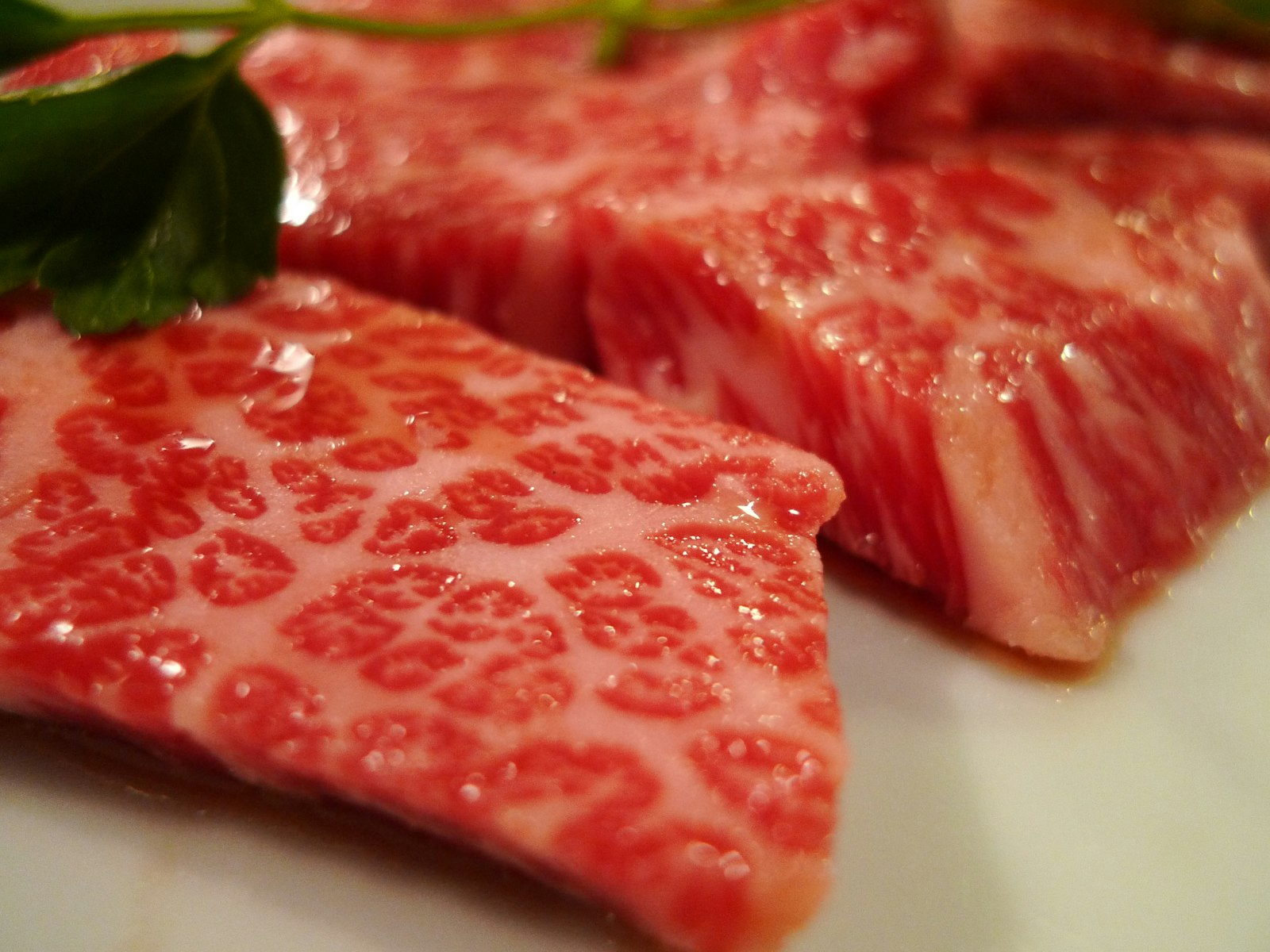
Photo by <a href="https://unsplash.com/@ore_sama?utm_source=tokyodeepnightlife&utm_medium=referral">Mike Choi</a> on <a href="https://unsplash.com/?utm_source=tokyodeepnightlife&utm_medium=referral">Unsplash</a>
Most lists of Tokyo wagyu restaurants give you fifteen steakhouses and leave it there. That misses the point. In Japan, the same marbled beef tastes completely different depending on whether it’s simmered in a sweet soy broth, swished through hot dashi, seared on an iron griddle or grilled over a tabletop fire.
So instead of ranking steakhouses, this guide picks one standout restaurant for each of the five classic Japanese ways to eat beef. Every name, address and price below was checked against the restaurant’s own website or booking page in October 2026. Menus change with the seasons, so confirm before you go — but you’ll know exactly what you’re walking into.
Contents
- Wagyu 101: What You’re Actually Paying For
- How to Eat Wagyu the Japanese Way: 5 Styles Explained
- The 5 Best Tokyo Wagyu Restaurants by Style
- 1. Asakusa Imahan — Sukiyaki Since 1895
- 2. Seryna Roppongi — Kobe Beef Shabu-Shabu
- 3. Ukai-tei Omotesando — Teppanyaki With a View of the Grill
- 4. Jojoen Ebisu Garden Place — Yakiniku 38 Floors Up
- 5. Gyukatsu Motomura Shibuya — The Budget-Friendly Wildcard
- Looking for Adult Entertainment Services in Tokyo? Download this
- How to Choose Among Tokyo Wagyu Restaurants
- Wagyu Dining Etiquette for First-Timers
- Turn Your Wagyu Dinner Into a Night Out
- What do you do in Tokyo After 10?Join our Tokyo Nightlife Private Tour
- Want to Try Several Styles in One Night?
- About the Author
Wagyu 101: What You’re Actually Paying For
“Wagyu” simply means “Japanese cattle.” It covers four native breeds, and the vast majority of what you’ll eat in Tokyo is Japanese Black (Kuroge Wagyu). Kobe, Matsusaka and Omi are regional brands within that world, not separate animals.
What does A5 mean?
The grade on a menu comes from the Japan Meat Grading Association and has two parts:
- The letter (A, B or C) is the yield grade — how much usable meat the carcass produced. It says nothing about taste.
- The number (1 to 5) is the quality grade, judged on marbling, meat color, fat color and texture. The beef gets its lowest sub-score, so a 5 has to excel at everything.
- BMS (Beef Marbling Standard) runs from 1 to 12. A5 covers roughly BMS 8–12, which is why two “A5” steaks can still feel very different.
Is Kobe beef the best wagyu in Tokyo?
Not automatically. Kobe beef is a strictly defined brand: Tajima cattle born and raised in Hyogo Prefecture, with a quality score of 4 or above and BMS 6 or higher, according to the Kobe Beef Marketing & Distribution Promotion Association. That means some Kobe beef is A4, while plenty of non-Kobe beef is A5 with a higher BMS. Order Kobe for the name and the story; order by grade and cut if you only care about what’s on the plate.
One more insider point: very high marbling is rich. Most Japanese diners eat a surprisingly small portion — 100–150 g is a satisfying amount of A5. That’s exactly why the cooking styles below exist. Each one is designed to make that richness work.
How to Eat Wagyu the Japanese Way: 5 Styles Explained
Before the picks, here’s the quick version of each style, so you can choose by mood rather than by hype.
| Style | How it works | Best for |
|---|---|---|
| Sukiyaki | Beef simmered in a sweet soy broth, dipped in raw egg | First-timers, cold evenings |
| Shabu-shabu | Paper-thin slices swished in hot broth, dipped in sauce | Tasting the beef itself, lighter meal |
| Teppanyaki | A chef grills steak on an iron plate in front of you | Special occasions, the “show” |
| Yakiniku | You grill bite-sized cuts over a tabletop grill | Groups, trying many cuts |
| Gyukatsu | Breaded beef cutlet, seared rare on a hot stone | Budget lunch, something different |
The 5 Best Tokyo Wagyu Restaurants by Style
1. Asakusa Imahan — Sukiyaki Since 1895
Asakusa Imahan opened in 1895 (Meiji 28) and is still one of the names Tokyo locals mention first when sukiyaki comes up. The flagship on Kokusai-dori is a short walk from Senso-ji, which makes it an easy dinner after an afternoon of sightseeing in Asakusa.
Sukiyaki here is the Kanto style: the server typically cooks each slice in a sweet warishita broth of soy sauce, mirin and sugar, then hands it to you to dip in beaten raw egg. The egg cools the beef and softens the sweetness. Don’t skip it — it’s the whole point.
- Address: 3-1-12 Nishi-Asakusa, Taito-ku, Tokyo
- Hours: 11:30–21:30 (last order 20:30), open year-round
- Lunch: Sukiyaki or shabu-shabu lunch gozen from ¥5,390. The “Hyakunen Gyudon” beef bowl is ¥2,200 if you just want a taste
- Dinner: Sukiyaki gozen from ¥9,680; the Kobe beef version is ¥22,000. Kaiseki courses run ¥18,700–¥29,700
- Good to know: Prices include tax. A 10% service charge applies to orders over ¥5,500 per person, and a ¥440 appetizer is added to grand-menu orders
Prices from the official Asakusa Imahan English site.
2. Seryna Roppongi — Kobe Beef Shabu-Shabu
If sukiyaki is about the sauce, shabu-shabu is about the beef. Each slice is cut so thin it cooks in a few seconds of swishing through hot broth — the name copies that “shabu shabu” sound. Because nothing masks the meat, it’s the best way to judge marbling for yourself.
Seryna has served Kobe beef shabu-shabu in Roppongi since 1961, and it’s a classic choice for business dinners and anniversaries. Lunch here is one of the more accessible ways into a Kobe beef meal in central Tokyo.
- Address: 3-12-2 Roppongi, Minato-ku, Tokyo (a few minutes’ walk from Roppongi Station)
- Hours: Weekdays 12:00–15:00 and 17:00–22:30; weekends and holidays 12:00–22:30 (last order 21:30)
- Lunch: Beef shabu-shabu lunch ¥7,700; Kobe beef shabu-shabu lunch ¥19,800
- Dinner: Courses from ¥19,800, with Kobe beef shabu-shabu courses from ¥34,100
- Good to know: Listed prices include tax, and a 10% service charge is added
Dip the beef in sesame sauce (goma-dare) or citrusy ponzu. A good habit: try ponzu with the first slices, then switch to sesame as the meal gets richer.
3. Ukai-tei Omotesando — Teppanyaki With a View of the Grill
Teppanyaki is the most theatrical way to eat wagyu in Tokyo. A chef sears the steak on a polished iron plate right in front of you, cuts it into bite-sized pieces and serves it with garlic chips, salt and wasabi. You never touch a knife.
Ukai-tei Omotesando sits on the 5th floor of the Gyre building, a few minutes from Omotesando’s designer shops. It’s dressy, polished and priced accordingly — this is the pick for a birthday or a last-night-in-Japan dinner.
- Address: Omotesando Gyre 5F, 5-10-1 Jingumae, Shibuya-ku, Tokyo
- Lunch: Wagyu lunch course from ¥13,200
- Dinner: All-day “grand” courses from ¥27,500; a limited Kobe beef special course is ¥55,000
- Good to know: Course menus are ordered for two or more people. The website lists slightly different hours on different pages, so check when you book
Ask for counter seats. Watching the chef work is half the experience, and you get each piece the moment it comes off the plate.
4. Jojoen Ebisu Garden Place — Yakiniku 38 Floors Up
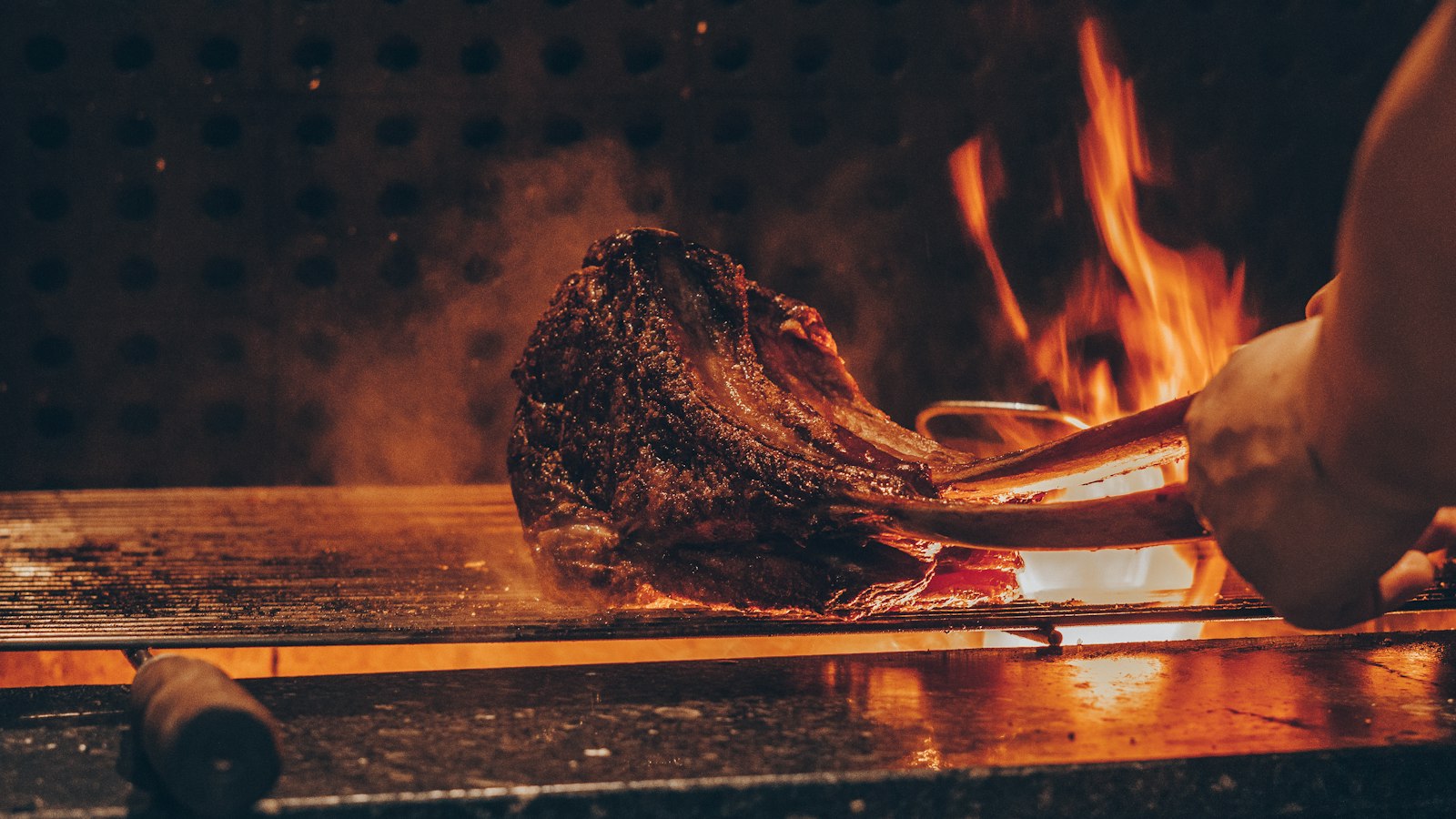
Yakiniku means “grilled meat,” and it’s how Japanese friends actually eat wagyu together. You order a spread of cuts — tongue, short rib (karubi), skirt (harami), loin (rosu) — and grill them yourself, a few pieces at a time.
Jojoen is one of Tokyo’s best-known yakiniku brands, and its Ebisu Garden Place branch sits on the 38th and 39th floors of the office tower, with city views to match. It’s a reliable choice for a group that wants high-quality beef without the formality of a kaiseki course.
- Address: Ebisu Garden Place Tower 38–39F, 4-20-3 Ebisu, Shibuya-ku, Tokyo (about 8 minutes from JR Ebisu Station’s east exit)
- Hours: 11:30–21:30 (last order); lunch until 15:00
- Dinner: Courses at ¥15,000, ¥18,000 and a Chateaubriand course at ¥25,000 (tax included)
Yakiniku tip: start with salted cuts like tongue (tan shio) before moving to sauced ones, so the sweet sauce doesn’t burn onto the grill. And don’t overcook fatty A5 cuts — a few seconds per side is enough.
5. Gyukatsu Motomura Shibuya — The Budget-Friendly Wildcard
Gyukatsu is a breaded, deep-fried beef cutlet, but it arrives almost raw in the middle. You finish each slice yourself on a small hot stone at your seat, to whatever doneness you like. It’s casual, fast and very Tokyo.
Motomura’s Shibuya branch is in a basement a few minutes from the station, and the line is part of the experience. Treat it as the affordable way to try a uniquely Japanese beef dish rather than a wagyu splurge — it’s a great lunch between sightseeing stops.
- Address: Ono Building No. 2 B1F, 3-18-10 Shibuya, Shibuya-ku, Tokyo
- Hours: 11:00–22:00 (last order 21:00), per Tabelog
- Budget: Tabelog lists the average spend at ¥1,000–¥1,999
- Good to know: Expect a queue at peak lunch and dinner times. Go mid-afternoon if you can
Eat the first slice with wasabi and soy sauce to taste the beef, then try the other condiments on the tray.
Looking for Adult Entertainment Services in Tokyo? Download this
I’ve spent over a decade exploring and studying Japan’s adult entertainment scene firsthand. If you’d like detailed insider information—including how to choose the right shop, what services are available, and tips for avoiding common mistakes—check out our exclusive E-book.
How to Choose Among Tokyo Wagyu Restaurants
Quick decision guide:
- Only one wagyu meal on your trip? Sukiyaki at Asakusa Imahan or shabu-shabu at Seryna. Both put the beef first and explain themselves.
- Celebrating something? Teppanyaki at Ukai-tei. Book the counter.
- Traveling as a group? Yakiniku at Jojoen. Everyone grills, everyone shares.
- On a budget? Gyukatsu Motomura for lunch, or Imahan’s ¥2,200 beef bowl.
A money-saving trick that works at almost every high-end restaurant in Tokyo: go at lunch. Imahan, Seryna and Ukai-tei all run lunch menus that start at roughly half the price of their dinner courses.
Wagyu Dining Etiquette for First-Timers
Japanese beef restaurants are relaxed with foreign guests, but a few habits will make the meal smoother:
- Book ahead. Evening tables fill up, especially on weekends. Ukai-tei asks for course bookings at least three days in advance.
- Read the small print on prices. Many Tokyo restaurants add a 10% service charge on top of the listed price, and some add a small table charge. That’s normal, not a scam.
- Let the staff cook. At sukiyaki and teppanyaki restaurants, the server or chef usually handles the cooking. Wait to be shown before you grab the tongs.
- No tipping. Service charge, where it applies, is already on the bill. Leaving cash on the table can cause confusion.
- Pair it with sake. A crisp junmai cuts through rich marbling beautifully. If you’re new to it, our Japanese sake guide for beginners explains what to order.
For the basics of eating and drinking out in Japan more generally, see our izakaya etiquette guide for foreigners — most of the same rules apply at beef restaurants too.
Turn Your Wagyu Dinner Into a Night Out
A great wagyu dinner tends to finish around 21:00, which in Tokyo is just the start of the evening. Ebisu, Roppongi and Shibuya all have excellent bars within walking distance of the restaurants above. If you want to keep eating, our Tokyo food tour at night guide maps out what to try next, from yakitori alleys to late-night ramen.
What do you do in Tokyo After 10?
Join our Tokyo Nightlife Private Tour
You deserve better than overpriced bars and missed opportunities. We’re here for you.
Want to Try Several Styles in One Night?
Choosing between sukiyaki, yakiniku and teppanyaki is the hardest part of planning a wagyu meal — and booking popular Tokyo wagyu restaurants in Japanese can be a hassle on top of that. If you’d rather not pick just one, the Tokyo All Wagyu Beef Food Tour takes you through several wagyu dishes with a local guide who handles the ordering, explains the cuts and grades, and knows which spots are worth the queue.
It’s an easy way to taste the difference between styles in a single evening, then decide which one deserves a full dinner later in your trip. Browse more guided experiences at Kokyo Tours.









