

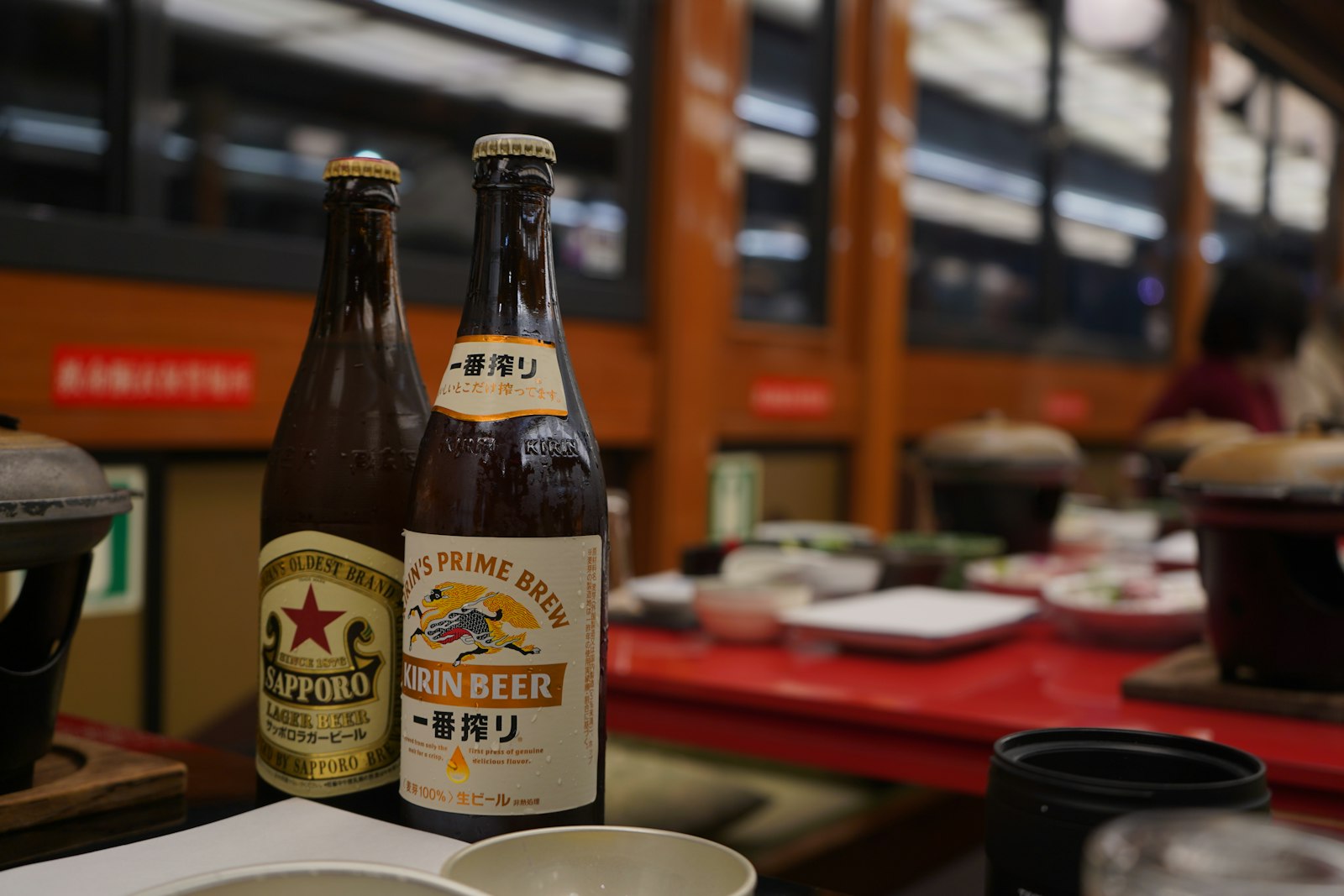
Photo by <a href="https://unsplash.com/@yosuke_ota?utm_source=tokyodeepnightlife&utm_medium=referral">Yosuke Ota</a> on <a href="https://unsplash.com/?utm_source=tokyodeepnightlife&utm_medium=referral">Unsplash</a>
Walk into any izakaya in Japan and you’ll find a sake list that looks like it was written in code: junmai ginjo, honjozo, nama, a number with a plus or minus sign next to it. Most visitors point at something random, or play it safe with a beer. This Japanese sake guide for beginners is here to fix that.
You don’t need to memorize a textbook. You need about six words, one number, and a rough idea of what you like. By the end of this guide you’ll know the main types of sake, how to read a label well enough to predict the flavor, how to pick your first bottle, and how to order and drink sake in Japan without feeling like a tourist.
Contents
- What Is Sake? The Basics Every Beginner Should Know
- Types of Sake: The Core of Any Japanese Sake Guide for Beginners
- How to Read a Sake Label
- How to Choose Your First Sake
- How to Drink Sake: Temperature, Glassware and Food
- How to Order Sake in Japan
- Storing Sake at Home
- Japanese Sake Guide for Beginners: FAQ
- What do you do in Tokyo After 10?Join our Tokyo Nightlife Private Tour
- Taste Sake the Way Locals Do
- About the Author
What Is Sake? The Basics Every Beginner Should Know
Start with the name. In English, “sake” means Japanese rice wine. In Japanese, sake (酒) is the general word for alcohol, and the drink you’re thinking of is usually called nihonshu (日本酒), literally “Japanese alcohol.” Ask for “sake” in a bar in Japan and you’ll almost always get the right thing, but saying nihonshu makes it unambiguous.
Sake is made from just four ingredients: rice, water, yeast and koji — a mold (Aspergillus oryzae) grown on steamed rice. It’s often called “rice wine,” but the way it’s made is closer to beer, because the starch in rice has to be converted into sugar before yeast can ferment it.
What makes sake unusual is that both steps happen in the same tank at the same time. Koji turns starch into sugar while yeast turns that sugar into alcohol. Brewers call this multiple parallel fermentation, and it’s the reason sake typically ends up around 15–16% alcohol without any distillation — stronger than wine, gentler than spirits.
Sake vs. Shochu: Don’t Mix Them Up
The other Japanese drink you’ll see on every menu is shochu. Shochu is distilled, can be made from sweet potato, barley, rice or other bases, and is often drunk on the rocks, with water or in a highball. Sake is brewed and never distilled. If a menu has two long lists of Japanese drinks, one is almost always sake and the other shochu.
Types of Sake: The Core of Any Japanese Sake Guide for Beginners
Here’s the part that scares people off — and it’s much simpler than it looks. Japanese labeling rules sort premium sake into a group called tokutei meisho-shu (“special designation sake”). Everything else is futsushu, or regular table sake.
Two questions decide where a premium sake sits:
- Was distilled alcohol added? If not, the name includes junmai (“pure rice”).
- How much was the rice polished? This is the seimaibuai, or polishing ratio.
Question 1: Junmai or Not?
A junmai sake is made only from rice, koji, water and yeast. Other grades may add a small amount of brewer’s alcohol — capped at 10% of the weight of the rice — before pressing.
This isn’t a trick to water things down. Brewers add it because it pulls aroma out of the mash and gives a lighter, crisper finish. Junmai styles tend to taste fuller and more rice-forward; non-junmai styles often taste cleaner and more fragrant. Neither is “better.” They’re just different.
Question 2: How Polished Is the Rice?
Before brewing, each grain of rice is milled down to remove the outer layers, which contain proteins and fats that can create rough or funky flavors. What’s left is the starchy core.
The polishing ratio tells you how much of the grain remains. A label that says 60% means 40% of each grain was milled away. Lower number = more polishing = more work and more rice per bottle.
As a rule of thumb, heavily polished sake tastes lighter, more delicate and often fruity (think melon, pear or apple). Less polished sake tastes richer, earthier and more savory.
The Main Types of Sake at a Glance
| Type | Brewer’s alcohol added? | Polishing ratio | What to expect |
|---|---|---|---|
| Junmai | No | No legal minimum | Full-bodied, savory, rice-forward |
| Honjozo | Yes (small amount) | 70% or less | Light, dry, easy-drinking |
| Tokubetsu Junmai / Tokubetsu Honjozo | No / Yes | 60% or less, or a special brewing method | A step up in refinement from the standard grade |
| Junmai Ginjo | No | 60% or less | Fragrant and fruity, with more body |
| Ginjo | Yes | 60% or less | Fragrant, fruity, light |
| Junmai Daiginjo | No | 50% or less | Elegant, aromatic, very smooth |
| Daiginjo | Yes | 50% or less | Delicate, perfumed, clean finish |
The takeaway: ginjo and daiginjo are about polishing (and aromatic, carefully brewed sake), while junmai is about ingredients. That’s why the two words can appear together.
One more tip most beginner guides skip: a higher grade doesn’t automatically mean a better match for you. Plenty of experienced drinkers prefer a well-made junmai with dinner over an expensive daiginjo, because it stands up to food.
Other Words You’ll See on Sake Menus
These terms sit on top of the grade and describe how the sake was made or handled:
- Nama (namazake) — unpasteurized. Fresh, lively, sometimes a little fizzy. Must be kept cold.
- Nigori — cloudy sake with some rice solids left in. Usually creamy and on the sweeter side. Give the bottle a gentle tilt before pouring.
- Genshu — undiluted. Most sake has water added before bottling; genshu doesn’t, so it’s often 17–20% alcohol.
- Shiboritate — freshly pressed, released soon after brewing. Bright and punchy.
- Koshu — aged sake. Amber-colored, with notes of caramel, nuts or soy.
- Kimoto / Yamahai — traditional methods of building the yeast starter. Expect more acidity, depth and earthy, savory character.
- Sparkling sake — carbonated in the bottle or tank. Often low in alcohol and sweet, which makes it a popular first sake.
How to Read a Sake Label
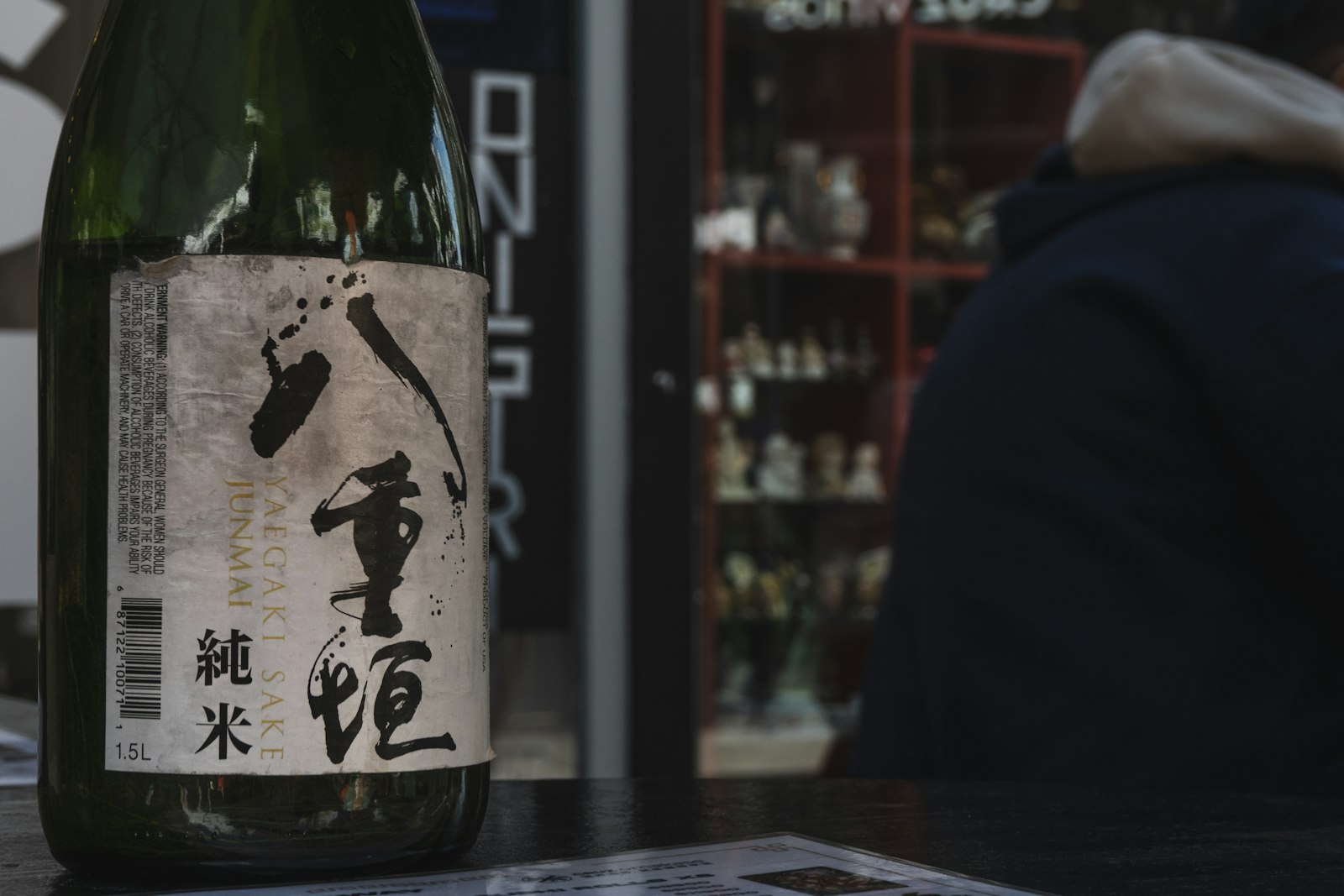
A sake label can tell you a lot about the flavor before you open the bottle. Even if you can’t read Japanese, look for these clues (they’re often printed in numbers or on the back label):
- Grade — the type names from the table above, e.g. 純米吟醸 (junmai ginjo) or 大吟醸 (daiginjo).
- Seimaibuai (精米歩合) — the polishing ratio, written as a percentage.
- Nihonshu-do (日本酒度) — the Sake Meter Value (SMV). A positive number (+3, +8) generally means drier; a negative number (−2, −5) generally means sweeter. Around ±0 is neutral.
- Alcohol (アルコール分) — usually 15–16%. Higher suggests genshu; lower (8–13%) often signals a sweet or sparkling style.
- Rice variety — names like Yamada Nishiki, Omachi or Gohyakumangoku are sake-specific rice strains.
The SMV is useful but not perfect. Acidity changes how sweet a sake feels, so a +5 with high acidity can taste sharper than you’d expect. Treat it as a hint, not a verdict.
How to Choose Your First Sake
This is where a Japanese sake guide for beginners should get practical. Start with what you already drink.
If you like white wine — especially aromatic styles like Sauvignon Blanc or Riesling — start with a junmai ginjo or ginjo. The fruit and floral notes will feel familiar.
If you like red wine, craft beer or whisky — try a junmai, kimoto or yamahai style. They have more body, acidity and savory depth.
If you prefer sweet drinks or don’t drink much — look for nigori or sparkling sake. They’re approachable and often lower in alcohol.
If you want the “wow” moment — try a junmai daiginjo, chilled, in a wine glass. This is the style that converts most skeptics.
Brands You’ll See Everywhere
You don’t need a sommelier to find a solid first bottle. A few widely distributed brands are easy to spot in Japan and abroad:
- Dassai — from Asahi Shuzo in Yamaguchi Prefecture. The brewery focuses only on junmai daiginjo, and its bottles are labeled by polishing ratio (Dassai 45, for example, means rice polished to 45%).
- Hakkaisan — from Hakkaisan Brewery in Minamiuonuma, Niigata. A classic example of the clean, dry style Niigata is known for.
- Kubota — from Asahi-Shuzo in Nagaoka, Niigata (a different company from Dassai’s brewery, despite the similar name). Kubota helped popularize the crisp, dry tanrei karakuchi style.
These are a good baseline. Once you know whether you like them, you’ll have a reference point for exploring small regional breweries — the jizake, or local sake, that makes drinking in Japan so rewarding.
Try Before You Buy
The fastest way to learn is a tasting flight — three small glasses side by side. Many sake bars in Japan offer them, and comparing a junmai, a ginjo and a nigori in one sitting will teach you more than any chart. We’ve rounded up places to do exactly that in our guide to Japanese sake tasting in Tokyo.
Looking for Adult Entertainment Services in Tokyo? Download this
I’ve spent over a decade exploring and studying Japan’s adult entertainment scene firsthand. If you’d like detailed insider information—including how to choose the right shop, what services are available, and tips for avoiding common mistakes—check out our exclusive E-book.
How to Drink Sake: Temperature, Glassware and Food
Hot Sake vs. Cold Sake
Sake is one of the few drinks served anywhere from ice-cold to piping hot, and Japanese has names for each step:
| Name | Approx. temperature | Style |
|---|---|---|
| Yukibie (snow-chilled) | 5°C / 41°F | Very cold |
| Hanabie (flower-chilled) | 10°C / 50°F | Chilled |
| Suzubie (cool-chilled) | 15°C / 59°F | Lightly cool |
| Jo-on / hiya | ~20°C / 68°F | Room temperature |
| Hitohada-kan (skin-warm) | 35°C / 95°F | Body temperature |
| Nurukan (lukewarm) | 40°C / 104°F | Gently warm |
| Jokan (warm) | 45°C / 113°F | Warm |
| Atsukan (hot) | 50°C / 122°F | Hot |
A useful rule for beginners: serve aromatic sake cold, and rich sake warm. Ginjo and daiginjo lose their delicate fruit aromas when heated, so drink them chilled. Junmai, honjozo, kimoto and yamahai styles often open up when warmed, becoming rounder and more savory.
One word of caution: on menus, hiya traditionally means room temperature, not cold. If you want it chilled, ask for reishu (冷酒).
The idea that hot sake is only for cheap sake is outdated. A good warm junmai on a winter night is one of the best things you can drink in Japan.
Cups and Glassware
You’ll see sake served in a few different vessels:
- Tokkuri and ochoko — a small ceramic flask and tiny cups, the classic setup for warm sake.
- Masu — a square wooden box, once used as a measuring cup. The wood adds a cedar aroma.
- Mokkiri — a glass set inside a masu or saucer and filled until it overflows. It’s a gesture of generosity. Drink from the glass first, then pour the overflow back in.
- Wine glass — increasingly common for premium chilled sake, because it concentrates aroma.
Pairing Sake with Food
Sake is built for food. It’s low in acidity compared to wine and rich in umami, so it pairs with things wine struggles with: soy sauce, miso, raw fish, pickles and salty snacks.
A few easy pairings to start:
- Sashimi and sushi — a crisp, dry junmai ginjo or honjozo.
- Yakitori, grilled fish, oden — a warm junmai.
- Fried food (karaage, tempura) — a dry, chilled honjozo to cut the oil.
- Cheese — surprisingly good with aged koshu or a rich yamahai.
How to Order Sake in Japan
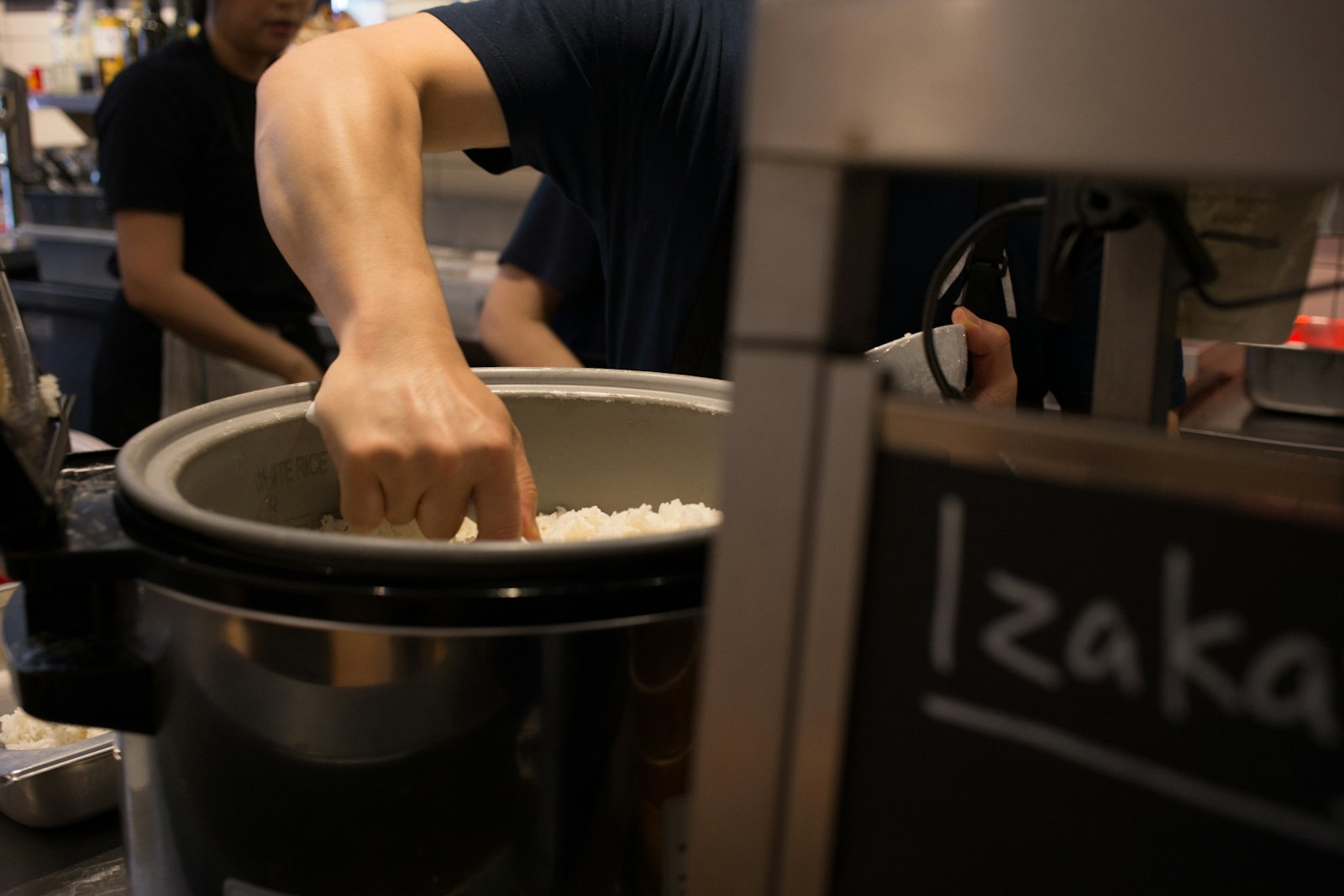
The best place to put this Japanese sake guide for beginners to work is an izakaya counter. A few words and habits go a long way.
Useful Words and Sizes
- Nihonshu kudasai — “Sake, please.”
- Atsukan / nurukan de — “Hot / warm, please.”
- Reishu de — “Chilled, please.”
- Osusume wa? — “What do you recommend?” (the single most useful phrase in any sake bar)
- Karakuchi / amakuchi — dry / sweet. Telling the staff which you prefer is usually all they need.
Sake is traditionally measured in go (合), about 180 ml. You’ll see ichi-go (one go) on menus, and many bars also sell half-go or smaller glasses. Retail bottles come in 720 ml (yongo-bin) and 1.8 liters (issho-bin).
Sake Etiquette in a Nutshell
- Pour for others, not yourself. When someone’s cup is empty, refill it. When someone pours for you, lift your cup slightly with both hands.
- **Say *kanpai*** before the first sip.
- Pace yourself. At 15%+ alcohol, sake catches up with people who drink it like beer.
- Expect a small table charge. Many izakaya add an otoshi — a small appetizer and seat charge. Here’s what the otoshi charge is and why you pay it.
For the full rundown of izakaya manners, from ordering to paying, see our izakaya etiquette guide for foreigners.
Where Beginners Should Drink Sake
- Izakaya — the most natural place. Menus often list sake by prefecture, and staff are used to recommending.
- Sake bars — specialist bars with long lists, tasting flights and staff who know every bottle.
- Kakuuchi — liquor stores with a standing corner where you can drink by the glass. Cheap, casual and great for trying unfamiliar labels. Learn more in our guide to kakuuchi, Tokyo’s sake shop bars.
- Breweries — some sakagura offer tours or tastings. Regions like Niigata, Hyogo’s Nada district and Kyoto’s Fushimi district are famous for sake, but check each brewery’s booking rules before you go.
Storing Sake at Home
Sake is less forgiving than wine. A few basic rules:
- Keep it cool and out of light. Sunlight and heat quickly dull the flavor.
- Refrigerate namazake at all times — it’s unpasteurized.
- Drink it fresh. Most sake is meant to be enjoyed within months of release, not cellared for years (koshu is the exception).
- Once opened, refrigerate and finish it within a few weeks for the best flavor.
Japanese Sake Guide for Beginners: FAQ
Is sake a wine, a beer or a spirit? None of the three, strictly. It’s brewed like beer, drunk a bit like wine, and has its own category. The “rice wine” label is just a convenient shorthand.
What is the best sake for a total beginner? A chilled junmai ginjo is the safest bet if you like wine; nigori or sparkling sake if you prefer something sweet.
Should sake be served hot or cold? Both are correct. Aromatic styles (ginjo, daiginjo) are best chilled. Rich styles (junmai, honjozo) often shine warm.
Does expensive sake always taste better? No. Price usually reflects polishing and labor. The best sake is the one that suits your taste and your food.
Can I learn more from an official source? Yes. The Japan Sake and Shochu Makers Association publishes English guides on sake types and brewing, and Japan’s National Tax Agency oversees the labeling standards for special designation sake.
What do you do in Tokyo After 10?
Join our Tokyo Nightlife Private Tour
You deserve better than overpriced bars and missed opportunities. We’re here for you.
Taste Sake the Way Locals Do
Reading about sake gets you halfway there. The rest happens at a counter, with a glass in front of you and someone explaining why this bottle from a small brewery tastes nothing like the last one.
That’s the hard part to do alone. The best sake spots in Tokyo are often tiny, Japanese-only menus with no photos, tucked into alleys you’d walk straight past. If you’d rather skip the guesswork, our Tokyo After 10 nightlife private tour takes you through the local bars and izakaya where you can put this guide to use — with a local who can order for you, translate the menu, and help you find the sake you’ll be looking for long after your trip ends. Kanpai.









