

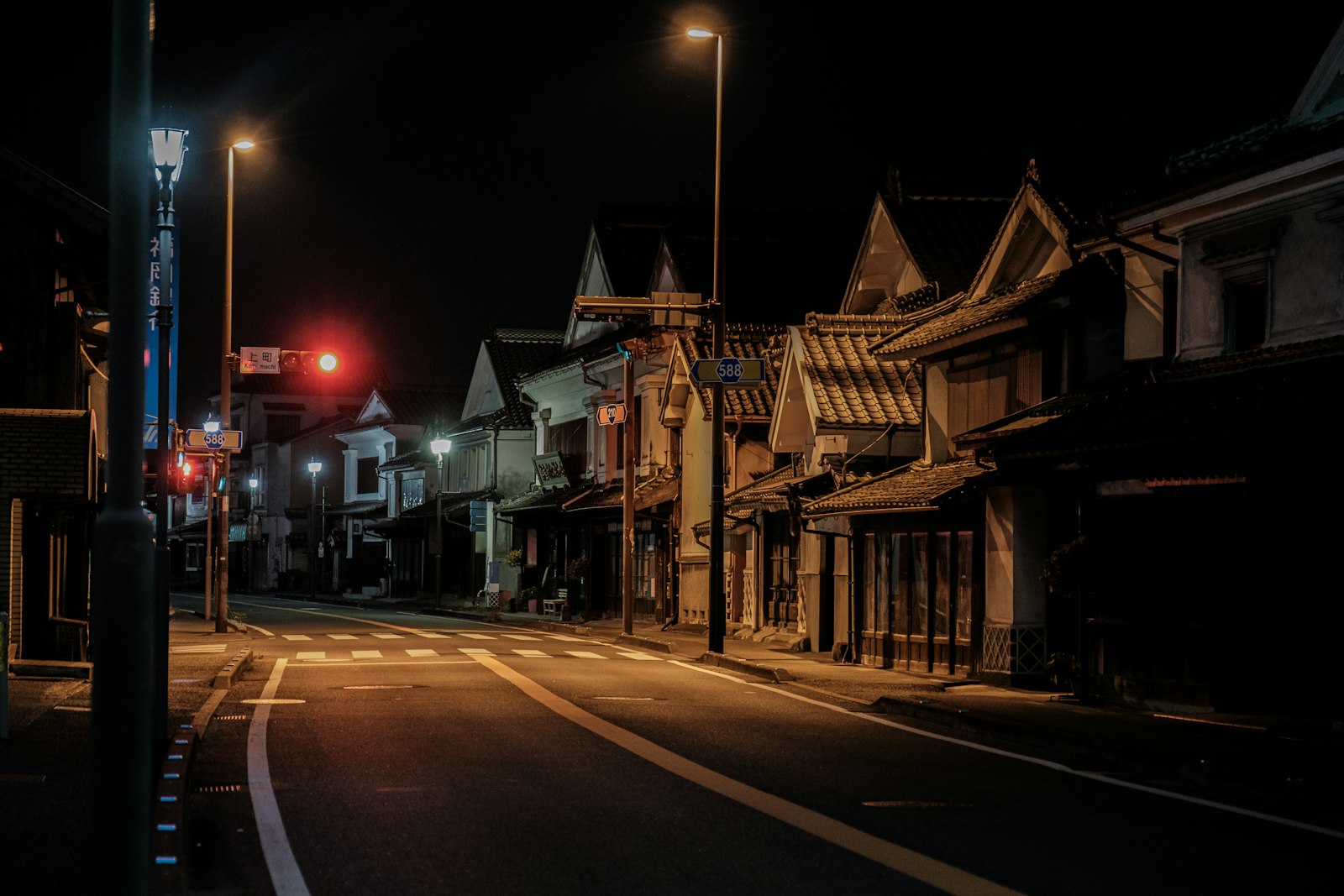
Photo by <a href="https://unsplash.com/@nichiyoshi?utm_source=tokyodeepnightlife&utm_medium=referral">Nichika Sakurai</a> on <a href="https://unsplash.com/?utm_source=tokyodeepnightlife&utm_medium=referral">Unsplash</a>
Shimokitazawa doesn’t do neon towers or bottle service. It does basement stages, guitar amps you can feel in your chest, and bars small enough that the person pouring your beer will ask what band you came to see. If Shinjuku is Tokyo’s loud night out, Shimokita (as locals call it) is the one with a record collection.
This guide to Shimokitazawa nightlife covers the three things the neighborhood does best: live music in tiny venues, craft beer, and the cluster of small bars around its theaters. We checked every venue name and address below against an official page or a ticketing listing. Small venues change hours and prices often, so where we couldn’t confirm a detail, we left it out. Check before you go.
Contents
- Why Shimokitazawa Nightlife Feels Different
- Shimokitazawa Live Houses: Where Tokyo’s Indie Bands Play
- Shimokitazawa Craft Beer: Where to Drink Between Sets
- Theater Alleys and Small Bars
- BONUS TRACK and the New Shimokita
- How to Plan Your Shimokitazawa Nightlife Route
- Is Shimokitazawa Nightlife Right for You?
- What do you do in Tokyo After 10?Join our Tokyo Nightlife Private Tour
- Explore Tokyo Nightlife With a Local Guide
- About the Author
Why Shimokitazawa Nightlife Feels Different
Shimokitazawa sits in Setagaya Ward, a few stops west of Shibuya and Shinjuku. Two private railways cross here, the Odakyu Line and the Keio Inokashira Line, so it’s a short ride from either hub. That’s close enough to pop over for one gig, and far enough that the crowd is mostly people who live nearby.
The neighborhood built its reputation in the 1980s and 1990s, when small theaters and live houses opened in quick succession. The Suzunari theater opened in 1981, the Honda Theater followed in 1982, and the basement rock clubs came soon after. Those rooms are still running, and they still set the tone.
What you’ll notice on a night out here:
- The scale is tiny. Most bars seat a dozen people or fewer. The live houses hold a couple of hundred at most.
- Music comes first. People plan their night around a show, then drink before and after it.
- It’s walkable. Nearly everything in this guide is within a few minutes of the station.
- It’s relaxed. You won’t find the touts that work the streets around Kabukicho. Shimokita is one of the easier Tokyo neighborhoods to explore without a plan.
If you’re still choosing where to base yourself, our breakdown of the best neighborhoods for nightlife in Tokyo compares Shimokitazawa with the bigger districts.
Shimokitazawa Live Houses: Where Tokyo’s Indie Bands Play
A “live house” is the backbone of Shimokitazawa nightlife. It’s Japan’s name for a small music venue, usually underground, with a stage, a standing floor and a bar at the back. Shimokitazawa has an unusually dense cluster of them, and this is the main reason to come at night.
How a live house night works
Most nights feature several bands on one bill, each playing a set of around 30 minutes. Doors usually open in the early evening, and shows often finish well before the last train. The format is very consistent:
- Buy a ticket. Popular shows sell in advance through Japanese ticketing sites. Smaller bills often have door tickets too.
- Pay the drink charge. At the door you’ll usually pay a separate one-drink fee on top of the ticket. You get a token or coin to swap at the bar.
- Tell them who you came for. Staff may ask which band you’re there to see. It’s how bands get credited for bringing an audience. If you just wandered in, any name on the bill is fine.
Expect to see a lot of local rock, punk, indie and pop acts you’ve never heard of. That’s the point. A cheap ticket on a random weeknight is how most regulars found their favorite band.
Shelter
Shelter is the name most music fans know. It’s a basement room run by LOFT PROJECT, the company behind Shinjuku’s famous LOFT, and it marks its 35th anniversary in 2026. Bills lean toward rock, punk and indie, with shows on most nights.
Address: B1 Senda Building, 2-6-10 Kitazawa, Setagaya-ku. The current schedule is on the official Shelter page.
Club Que
Club Que opened in 1994 and sits two floors underground near the station. It’s a long-running indie and alternative venue, and it also hosts DJ nights. Bring your passport, since ID checks are common at live houses that serve alcohol.
Address: B2F Big Ben Building, 2-5-2 Kitazawa, Setagaya-ku. It’s about a three-minute walk from Shimokitazawa Station.
Basement Bar and Three
These two venues share the same basement floor on the east side of the station. Basement Bar is a simple room with a bar and a corner stage. Three sits right next to it. Because they’re side by side, it’s easy to check both schedules and pick whichever bill sounds better that night.
Address: Calabash Building B1, 5-18-1 Daizawa, Setagaya-ku.
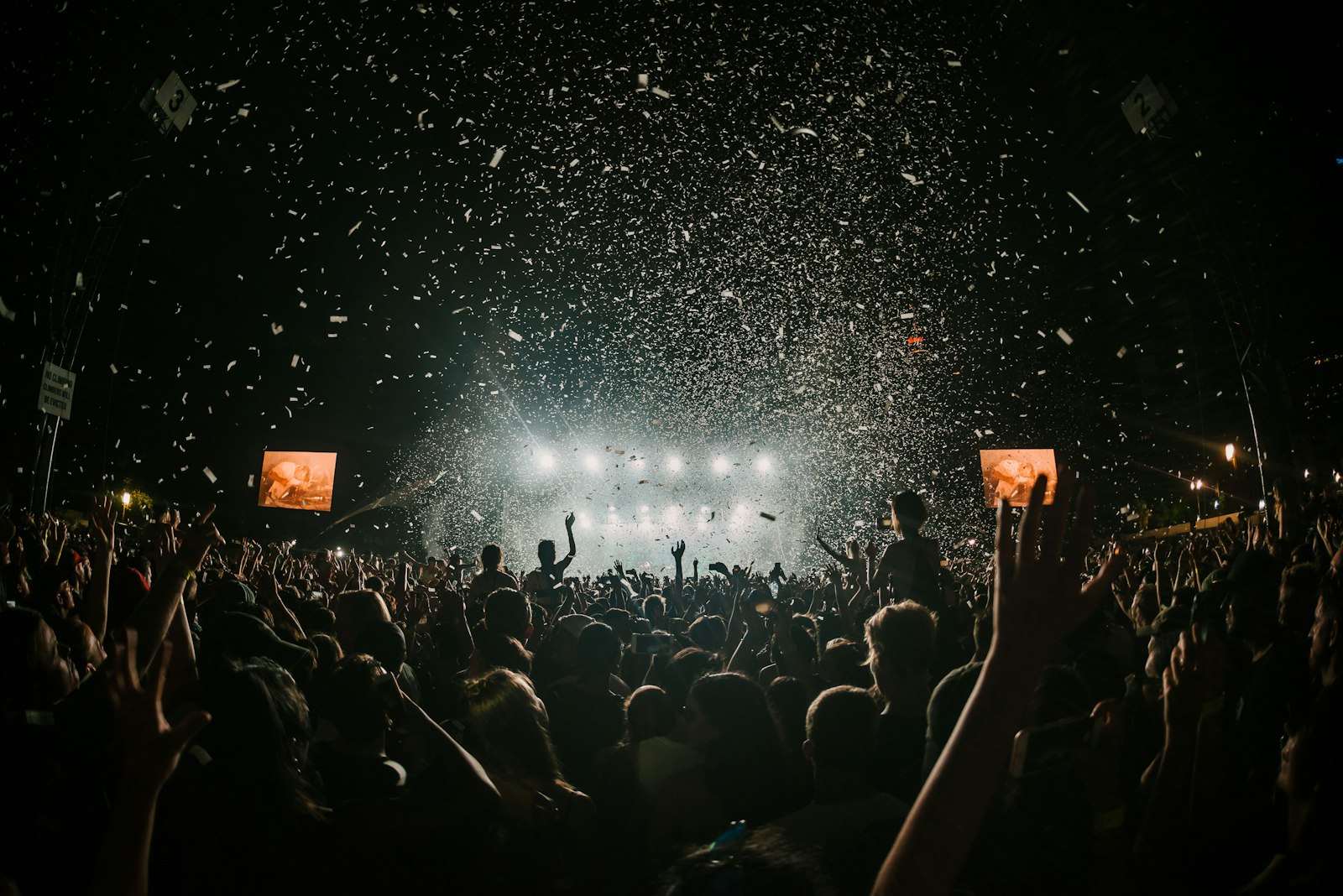
Shimokitazawa Craft Beer: Where to Drink Between Sets
The second pillar of Shimokitazawa nightlife is beer. The neighborhood has a cluster of bars pouring Japanese craft beer, and they fit naturally around a gig: one before doors, one after the encore. If you want to compare the scene with the rest of the city, our guide to craft beer bars in Tokyo at night covers other districts.
Tap & Growler
Tap & Growler is a beer-to-go specialist that also works well as a bar. It runs 18 Japanese taps plus one overseas tap, and you can buy a glass growler and have it filled to take away. The inside is non-smoking, with a smoking spot by the entrance. It opens in the mid-afternoon, which makes it a good first stop.
Address: Iijima Building 1F, 2-33-6 Kitazawa, Setagaya-ku.
Ushitora
Ushitora has been one of the neighborhood’s best-known craft beer names for more than a decade. The Ushitora brand also brews its own beer, and you’ll find it alongside guest taps from breweries around Japan. It’s a no-reservations place, so arrive early on weekends.
Shimokita Craft Beer Fest
Twice a year, the area in front of the station turns into an open-air beer festival. The Shimokita Craft Beer Fest is organized by the local shopping street association, and entry is free. You buy a reusable cup for ¥300 with your first beer and pay per pour after that. The 2026 fall edition runs October 10–12 in the station plaza and the open space along the Shimokita Senrogai. If your trip lines up with a spring or autumn edition, it’s the easiest way to sample a lot of Japanese breweries in one place.
Theater Alleys and Small Bars
Live music isn’t the whole story of Shimokitazawa nightlife. Shimokitazawa is also Tokyo’s small-theater district, and its bar culture grew up around the actors and crews.
Suzunari Yokocho
The Suzunari theater sits on the second floor of a converted apartment building. Below it is Suzunari Yokocho, a short row of tiny bars and snack spots. It’s the kind of place where you’ll be sitting knee to knee with regulars. Order a drink, keep the conversation friendly, and you’ll usually be welcomed.
Some of these bars add a small seating charge or a snack you didn’t order. That’s normal in Japan, not a scam. Our explainer on the otoshi charge at Japanese bars covers what to expect.
The Honda Theater area
The Honda Theater opened in 1982 and is the largest of the Honda group’s theaters in the area. After a performance, the surrounding streets fill with people heading to izakaya and bars nearby. It’s a good time to join in, since the crowd is relaxed and in a talking mood.
Looking for Adult Entertainment Services in Tokyo? Download this
I’ve spent over a decade exploring and studying Japan’s adult entertainment scene firsthand. If you’d like detailed insider information—including how to choose the right shop, what services are available, and tips for avoiding common mistakes—check out our exclusive E-book.
BONUS TRACK and the New Shimokita
For years, the Odakyu Line ran on the surface through Shimokitazawa. When the tracks were moved underground, a strip of land about 1.7 km long opened up. It’s being redeveloped as the Shimokita Senrogai (“railway street”), and it has changed the feel of the neighborhood’s south side.
The best-known part is BONUS TRACK, a small complex of shops and eateries that opened in April 2020. It sits about a five-minute walk from Shimokitazawa Station, roughly halfway to Setagaya-Daita Station. Its buildings mix small shops with homes above, set around a shared courtyard.
BONUS TRACK is more of an early-evening spot than a late-night one. It’s a good place to start a Shimokitazawa nightlife crawl with a snack and a drink, then head north to the live houses.
How to Plan Your Shimokitazawa Nightlife Route
Here’s a simple route that works for most first-timers:
- Late afternoon: Walk the south side and BONUS TRACK while shops are still open.
- Early evening: Grab a first beer at a craft beer bar near the station.
- Doors open: Head to a live house. You don’t need to stay for the whole bill. Two or three bands is plenty.
- After the show: Finish in a small bar, such as one of the spots in Suzunari Yokocho.
Shimokitazawa nightlife tips
- Bring cash. Many small bars and live house doors still prefer cash, though cards are increasingly accepted.
- Carry ID. Your passport is the safest choice for venues that check age.
- Check schedules a few days ahead. Weekend shows at the bigger live houses can sell out.
- Watch the clock. Shimokita is easy to get to and easy to lose track of time in. Check the timetable for the Odakyu or Inokashira Line before you settle in. Our guide to Tokyo’s last train times explains how to plan around them.
- Keep it quiet outside. People live above many of these bars and venues. Don’t hang around in the street after a show.
Is Shimokitazawa Nightlife Right for You?
Shimokitazawa suits travelers who like music, beer and small rooms. If you want a dance floor that runs until morning or a big-city skyline, you’ll be happier in Shibuya, Roppongi or Shinjuku.
But if you want a night that feels like you’ve stepped into someone’s local scene, it’s hard to beat. You’ll hear bands you can’t find on streaming yet. You’ll drink beer from breweries that don’t export. And you’ll probably end up talking to someone at the bar who tells you which venue to try next time.
What do you do in Tokyo After 10?
Join our Tokyo Nightlife Private Tour
You deserve better than overpriced bars and missed opportunities. We’re here for you.
Explore Tokyo Nightlife With a Local Guide
Shimokitazawa is one of the easier Tokyo neighborhoods to explore on your own. The harder part is everything else: knowing which small bars welcome first-timers, how charges work, and where to go when the night is just getting started.
If you’d rather spend your evening enjoying it than searching for it, our Tokyo After 10 nightlife private tour pairs you with a local guide who takes you to bars and spots that rarely show up in guidebooks. It’s a good way to get your bearings on your first night, so you can head out on your own with confidence for the rest of your trip.









