

Photo by <a href="https://unsplash.com/@domsson?utm_source=tokyodeepnightlife&utm_medium=referral">Julien</a> on <a href="https://unsplash.com/?utm_source=tokyodeepnightlife&utm_medium=referral">Unsplash</a>
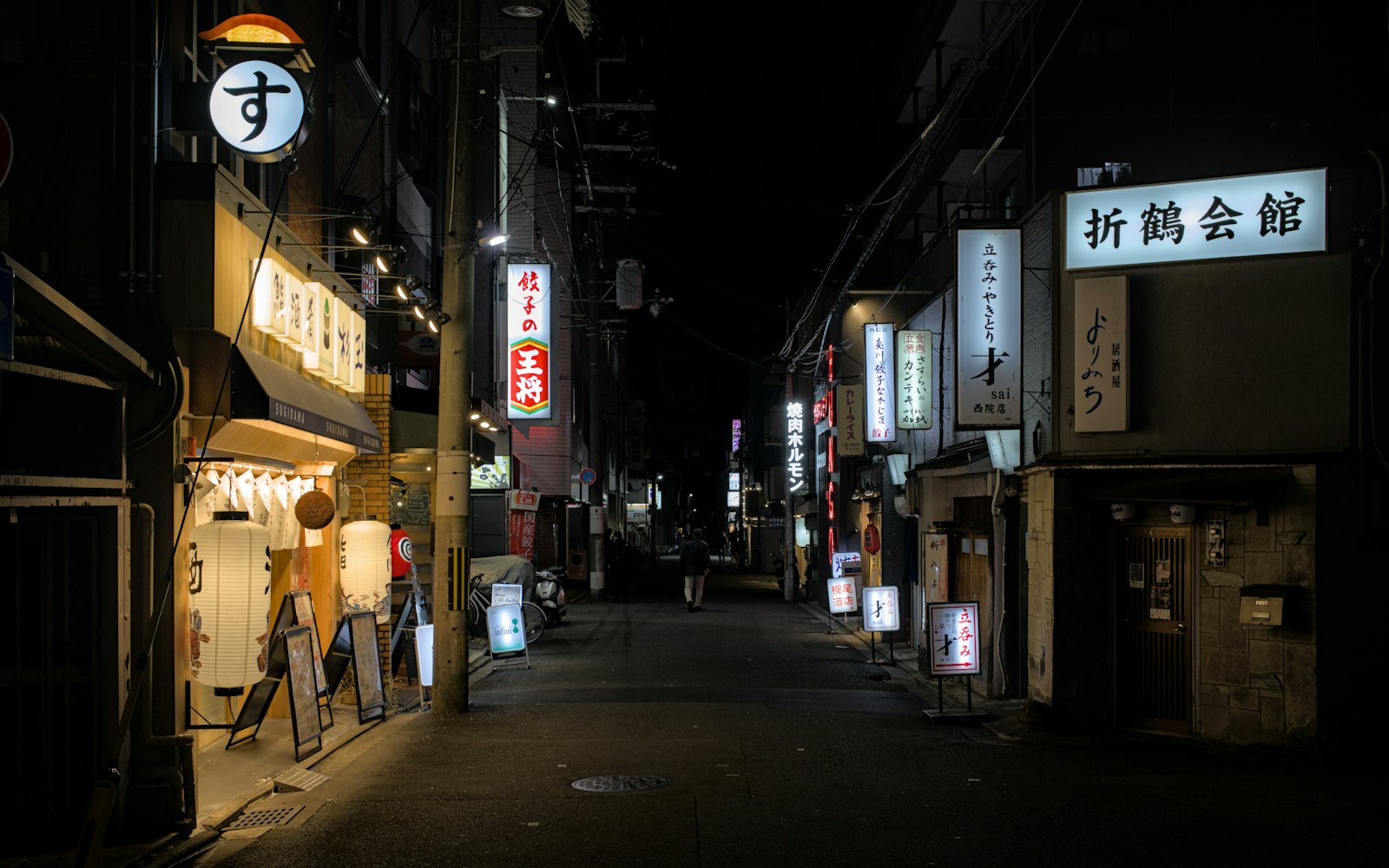
Most visitors see Ueno in daylight. They come for the park, the museums and the zoo, then take the train somewhere “more exciting” for dinner. That’s a mistake. Once the shops along Ameyoko pull down their shutters, the strip between Ueno and Okachimachi stations turns into one of Tokyo’s most rewarding places to drink, and Ueno bar hopping is the best way to see it.
The drinking here is cheap, loud and very old-school. Plastic stools spill into the alleys, skewers smoke over charcoal, and some counters are already pouring at 7am. This guide walks you through how the area works, which spots are worth your time, and how to string them into a crawl without wasting money or getting lost.
Contents
- Why Ueno Bar Hopping Feels Different from Shinjuku or Shibuya
- How Ameyoko’s Drinking Scene Works
- Ueno Bar Hopping Etiquette and Money Tips
- 5 Ameyoko Izakaya and Standing Bars for Your Ueno Bar Hopping Route
- 1. Daitoryo (大統領): The Offal Classic
- 2. Tachinomi Kadokura (立飲みカドクラ): Ham Katsu and Cheap Highballs
- 3. Tachinomi Takioka (立飲み たきおか): The 7am Standing Bar
- 4. Jizakana Yatai Hamachan Ueno (地魚屋台 浜ちゃん 上野店): Seafood Izakaya
- 5. Uogashi Uomaru Honten (魚河岸 魚○本店): The 24-Hour Finish
- Looking for Adult Entertainment Services in Tokyo? Download this
- A Sample Ueno Bar Hopping Route
- Ending the Night: Shime and a Walk Through Ueno
- Common Mistakes on an Ameyoko Bar Crawl
- What do you do in Tokyo After 10?Join our Tokyo Nightlife Private Tour
- Explore Ueno’s Hidden Bars with a Local Guide
- About the Author
Why Ueno Bar Hopping Feels Different from Shinjuku or Shibuya
Ameyoko grew out of a black market that formed after World War II, and the street still runs on that energy. It stretches for about 500 meters along the JR tracks between Ueno and Okachimachi, with roughly 400 shops packed in (counts vary a little depending on who’s counting). By day, you’ll find dried fish, spices, sneakers and discount chocolate. By night, the izakaya take over.
Three things set Ueno apart:
- It starts early. Locals here don’t wait for 9pm. Plenty of bars open in the morning, and the first crowds of the evening show up by late afternoon.
- It’s compact. Most of the places in this guide are a two- or three-minute walk from each other, so moving between bars costs you nothing but a few steps.
- It’s cheap. Standing bars and casual izakaya around Ameyoko commonly fall in the ¥1,000–¥2,000 range per person on Tabelog, Japan’s main restaurant review site. Compare that with the cover charges in Roppongi or Ginza.
The area also has a mixed crowd. You’ll stand next to retirees on their third highball, office workers loosening their ties and groups of students splitting a plate of fried ham. Conversations between strangers happen far more easily here than in a polished cocktail bar.
If you’re comparing districts, our guide to the best bar hopping routes in Tokyo by area puts Ueno side by side with Shinjuku, Shibuya and the rest.
How Ameyoko’s Drinking Scene Works
Before you walk in anywhere, it helps to know the three types of places you’ll run into.
Tachinomi (Standing Bars)
A tachinomi is a bar with no seats, or very few. You stand at a counter or a tall table, order a drink and a small plate or two, and leave when you’re done. Turnover is fast, prices are low and nobody expects you to stay long. That makes tachinomi the backbone of any Ueno bar crawl. For a deeper look at how they work, see our Tokyo tachinomi standing bar guide.
Izakaya Under and Along the Tracks
The JR line runs on an elevated viaduct above Ameyoko, and the spaces under and beside it are packed with izakaya. Many have open fronts or tables set out on the street. These are sit-down places, but the mood is still casual: you order as you go, and nobody minds if you have one round and move on.
Motsu-yaki and Nikomi Joints
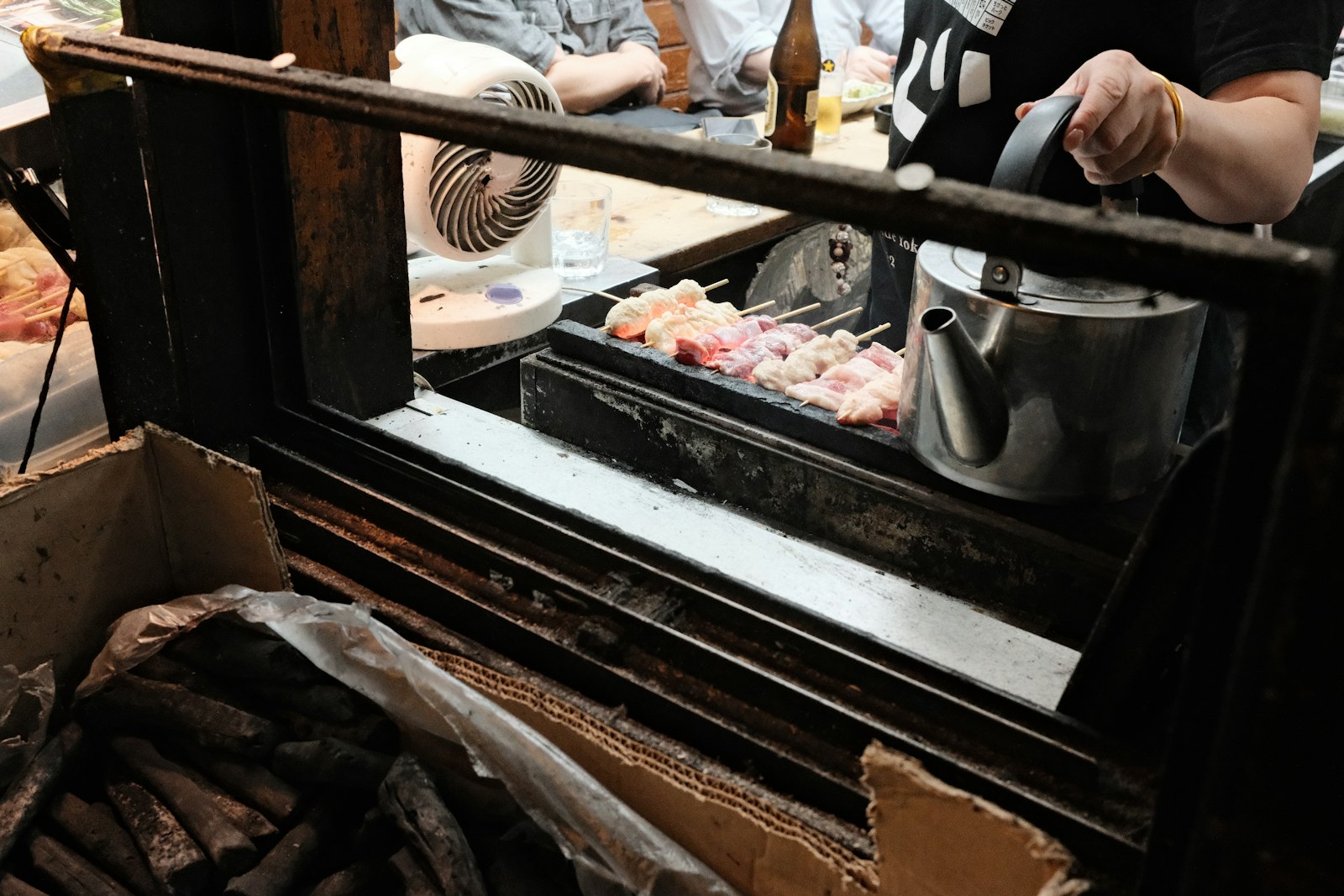
Ueno is offal country. Motsu-yaki (grilled offal skewers) and nikomi (offal slow-stewed in miso or soy broth) are the classic drinking foods here. If you’ve never tried them, Ueno is the place to start. The cooking has been refined over decades, and the prices are low enough that experimenting costs almost nothing.
Ueno Bar Hopping Etiquette and Money Tips
The rules in Ueno are relaxed, but a few habits will make your night smoother.
- Carry cash. Several of the places below don’t take credit cards, and some don’t take any cashless payment at all. Bring a few thousand yen in notes and coins.
- Expect a table charge at some sit-down spots. Many izakaya add a small per-person charge, sometimes with a little appetizer called otoshi. It’s normal, not a scam. Our explainer on the otoshi charge in Japanese bars covers what to expect.
- Order a drink first. At a standing bar, the first thing you say should be your drink. “Nama, kudasai” (a draft beer, please) works anywhere.
- Don’t camp. At tachinomi especially, one or two drinks and a plate is a normal visit. Leaving after 30 minutes is completely fine. That’s the whole point of bar hopping.
- Mind the drinking age. It’s 20 in Japan, and some places will ask.
- Smoking rules vary. Some old-school bars still allow smoking inside. If that bothers you, check the door or ask before settling in.
For a fuller list of dos and don’ts, read our izakaya etiquette guide for foreigners.
5 Ameyoko Izakaya and Standing Bars for Your Ueno Bar Hopping Route
All the places below sit in the Ueno 6-chome and 7-chome blocks around Ameyoko and the station. Addresses, hours and budgets come from Tabelog and other Japanese listing sites at the time of writing. Hours in this area do change, so check before you go, especially on holidays.
1. Daitoryo (大統領): The Offal Classic
If one bar defines drinking in Ueno, it’s Daitoryo. The name means “The President,” and the place has been serving motsu for more than 70 years. Its signature is uma no nikomi, a stew of horse offal that has been on the menu since the shop opened. The grilled offal skewers are the other reason people come.
It opens at 10am, so you can start here in the late morning if you want to do Ueno the way some locals do. There are two branches close together, so make sure you’re heading to the right one.
- Main shop: 6-10-14 Ueno, Taito-ku, Tokyo
- Annex (shiten): 6-13-2 Ueno, Taito-ku, Tokyo
- Opens: 10:00, daily
Insider tip: If you’re nervous about offal, order the nikomi first. The stewed version is softer and milder than the grilled cuts, and it’s what the regulars rate most.
2. Tachinomi Kadokura (立飲みカドクラ): Ham Katsu and Cheap Highballs
Kadokura is a standing bar about a minute’s walk from Ueno Station, and it fills up fast in the evening. The house specialty is ham katsu, thin ham breaded and deep-fried, and there’s a version stuffed with potato salad that has its own following. Beef tendon stew and grilled skewers round out the menu.
It’s a perfect first or second stop. You can have a drink and a couple of plates and be out again in 30 minutes. Tabelog lists the budget at ¥1,000–¥1,999 per person.
- Address: Forum Aji Building 1F, 6-13-1 Ueno, Taito-ku, Tokyo
- Hours: 11:00–22:00 Sunday to Thursday and holidays (last order 21:30); 11:00–23:00 Friday, Saturday and the day before a holiday (last order 22:30)
- Closed: No regular closing day
3. Tachinomi Takioka (立飲み たきおか): The 7am Standing Bar
Takioka is the bar that shows you how early Ueno starts. It opens at 7am, and it’s not unusual to see people having a beer before lunch. The atmosphere is pure shitamachi (old downtown Tokyo): no frills, cheap drinks and a menu of small plates you can point at.
It’s cash only. Tabelog lists no credit cards, e-money or QR payments, so have coins ready. The budget is ¥1,000–¥1,999 per person.
- Address: 6-9-14 Ueno, Taito-ku, Tokyo
- Opens: 07:00 (closing time varies by day, so check before a late visit)
- Payment: Cash only
4. Jizakana Yatai Hamachan Ueno (地魚屋台 浜ちゃん 上野店): Seafood Izakaya
When you need a break from offal, Hamachan is the seafood stop. “Jizakana” means regional fish, and that’s the focus here, with seafood plates at casual izakaya prices. It works well as a mid-crawl stop where you can actually sit down.
- Address: FIT’S Building 1F, 6-9-13 Ueno, Taito-ku, Tokyo
- Hours: 11:30–23:00 (last order 22:00)
- Closed: New Year holidays
- Payment: Credit cards not accepted
5. Uogashi Uomaru Honten (魚河岸 魚○本店): The 24-Hour Finish
Uomaru sits on the first floor of the Fundes Ueno building, in the section known as Ueno Sanchoku Inshokugai (the “direct-from-producer food street”). It’s open 24 hours, which makes it the safe last stop when everything else is closing.
Tabelog lists a seating charge of ¥399 per person before tax, and cards aren’t accepted.
- Address: Fundes Ueno 1F, 7-2 Ueno, Taito-ku, Tokyo
- Hours: Open 24 hours
- Charge: ¥399 per person (excluding tax)
- Payment: Credit cards not accepted
Looking for Adult Entertainment Services in Tokyo? Download this
I’ve spent over a decade exploring and studying Japan’s adult entertainment scene firsthand. If you’d like detailed insider information—including how to choose the right shop, what services are available, and tips for avoiding common mistakes—check out our exclusive E-book.
A Sample Ueno Bar Hopping Route
Here’s how to put the five places together into one evening. Everything is within a short walk, so the route matters less than the order.
- Around 17:00 — Daitoryo. Start with nikomi and a beer while the after-work crowd is still arriving. This is your offal stop.
- Around 18:00 — Tachinomi Kadokura. Stand at the counter for ham katsu and a highball. Keep it short.
- Around 19:00 — Tachinomi Takioka. One more round at a standing bar to feel the full shitamachi atmosphere.
- Around 20:00 — Hamachan. Sit down, switch to seafood and sake, and slow the pace a little.
- Late — Uomaru. Since it never closes, this is where you end up when the other bars stop serving.
Keep an eye on the clock if you’re taking the train home. Kadokura’s last order is 21:30 on most nights, and the last trains leave earlier than many visitors expect, so check your line’s final departure before the third round.
Budget tip: At standing bars, you can usually get away with ¥1,000–¥2,000 per stop. Five stops at that pace adds up to a full night out for less than a single cocktail-bar visit in some parts of Tokyo.
Ending the Night: Shime and a Walk Through Ueno
In Japan, a night of drinking traditionally ends with shime, a final dish that “closes” the evening. Ramen is the classic choice, but a bowl of rice or noodles at an izakaya counts too. Ueno has no shortage of late-night ramen counters around the station, so follow your nose.
If you have energy left, walk off the drinks around Shinobazu Pond at the edge of Ueno Park. It’s quieter after dark and a good contrast to the noise of Ameyoko. The Tokyo Metropolitan Government’s official tourism site, GO TOKYO, has an overview of the Ueno area if you want to plan a daytime visit as well.
Common Mistakes on an Ameyoko Bar Crawl
A few things trip up first-timers every time:
- Only drinking on the main street. The busiest stretch of Ameyoko is full of tourists. Some of the best counters are in the side streets and under the tracks, a few steps away from the crowd.
- Staying too long at the first stop. Ueno bar hopping works because each place is small and cheap. If you spend three hours at the first izakaya, you’ve missed the point.
- Going without cash. This is the most common problem. Several bars in this guide are cash only.
- Arriving too late. Unlike Shinjuku or Roppongi, many Ueno bars close by 22:00 or 23:00. If you show up at 22:30, half the street will be closing.
- Not trying the local food. Offal and nikomi are what Ueno does best. Give them a chance.
What do you do in Tokyo After 10?
Join our Tokyo Nightlife Private Tour
You deserve better than overpriced bars and missed opportunities. We’re here for you.
Explore Ueno’s Hidden Bars with a Local Guide
The places in this guide are a great start, and you can absolutely do them on your own. But the bars that make Ueno special are often the ones with no English menu, no sign you can read and a regular crowd that’s been coming for decades. Walking in alone can feel intimidating, and it’s easy to end up at the same tourist-facing spots everyone else finds.
A local guide changes that. With Tokyo After 10, our private nightlife tour, you go with someone who knows which doors to open, what to order and how to fit in with the regulars. You get to see the side of Tokyo that doesn’t show up on Google Maps, and you skip the guesswork.
Whether you go solo or with a guide, give Ueno an evening. Once you’ve stood at an Ameyoko counter with a skewer in one hand and a highball in the other, you’ll understand why locals never left.









