

Photo by <a href="https://unsplash.com/@franckpl?utm_source=tokyodeepnightlife&utm_medium=referral">Juan Francisco Pineda Lopez</a> on <a href="https://unsplash.com/?utm_source=tokyodeepnightlife&utm_medium=referral">Unsplash</a>
You sit down at an izakaya, order a beer, and a small bowl of simmered daikon or potato salad appears in front of you. You didn’t ask for it. Then the bill arrives with a line for a few hundred yen you can’t quite place. So what is the otoshi charge at a Japan bar, and is it a scam?
Short answer: no. The otoshi (お通し) is a small appetizer served automatically when you sit down, and its price works as a per-person table charge. It is normal, it is usually modest, and almost every local drinker pays it without a second thought. This guide explains how it works, how it differs from the “charge” at small bars, what it typically costs, and the few situations where you can reasonably say no.
Contents
- What Is the Otoshi Charge at a Japan Bar?
- Why Japanese Bars and Izakaya Charge Otoshi
- How Much Does Otoshi Cost?
- Otoshi vs Seat Charge: Understanding the Japan Bar Charge System
- Can You Refuse Otoshi?
- When a Charge Isn’t Otoshi: Spotting a Real Rip-Off
- How to Avoid Otoshi and Seat Charges (If You Really Want To)
- Otoshi FAQ
- What do you do in Tokyo After 10?Join our Tokyo Nightlife Private Tour
- Drink Without the Guesswork
- About the Author
What Is the Otoshi Charge at a Japan Bar?
Otoshi is a small dish the staff bring out with your first drink, before you have ordered any food. You don’t choose it. The kitchen decides, and it often changes daily or with the season. In the Kansai region (Osaka, Kyoto, Kobe) the same thing is usually called tsukidashi (突き出し).
The dish itself comes with a fixed charge, added to your bill once per person. In practice, that makes otoshi a cover charge dressed up as food. You are paying partly for the snack and partly for the seat.
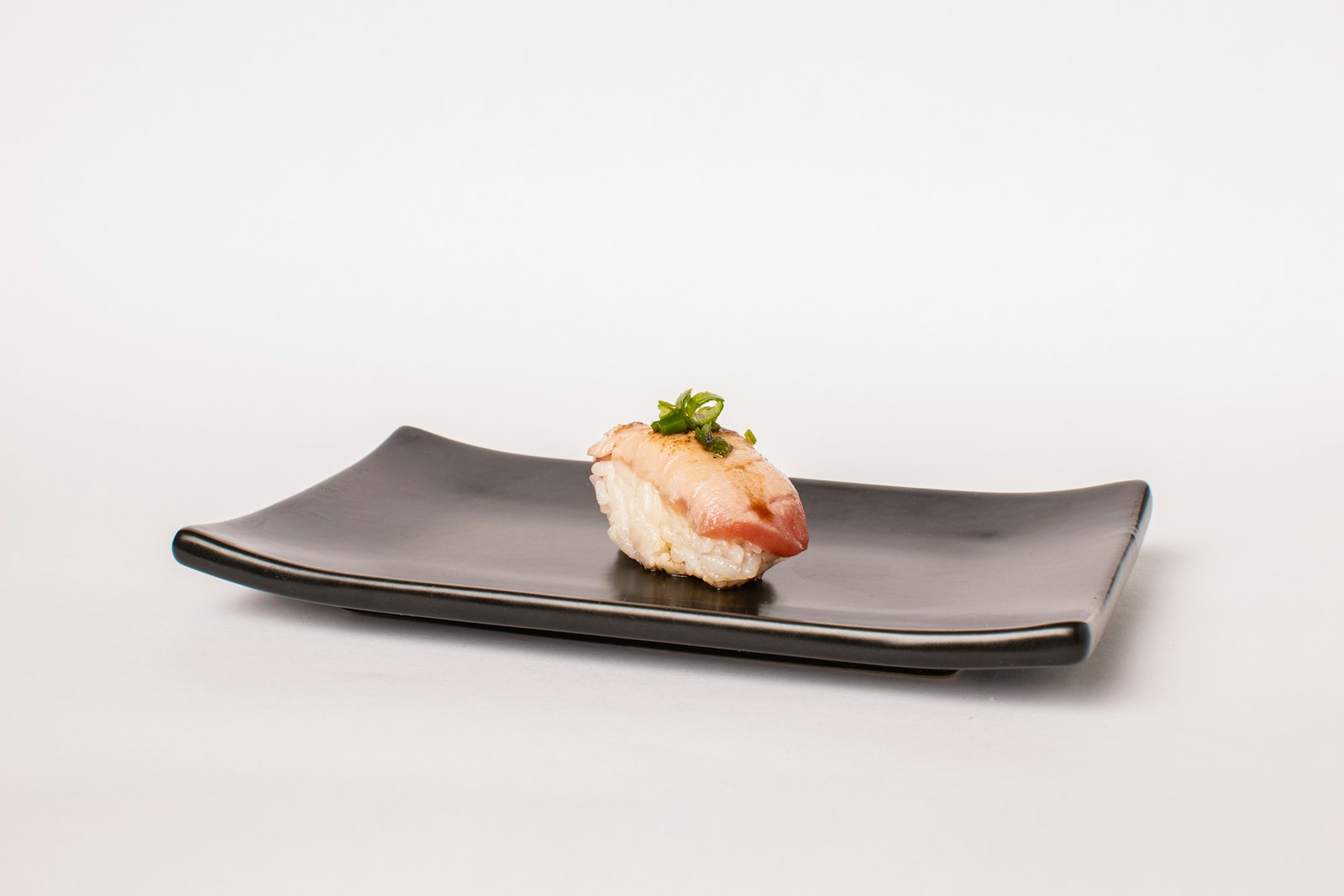
Typical otoshi dishes include:
- Simmered vegetables or tofu in dashi
- Japanese potato salad or a small cabbage salad
- Edamame or pickles (tsukemono)
- Marinated fish, or shiokara (salted, fermented squid) at more old-school places
The name is often traced to the verb tōsu (通す), meaning to show a guest to their seat, the idea being that the dish marks your order as “passed through” to the kitchen. Wherever the word came from, the function is easy to see. Food takes a while, and a small plate keeps your first drink company while you wait.
Why Japanese Bars and Izakaya Charge Otoshi
To a visitor, paying for something you never ordered feels odd. From the owner’s side, it makes more sense.
It replaces tipping. Japan has no tipping culture, so the small margins a Western bar might cover through tips have to come from somewhere. A modest per-person charge is one of the ways small places stay afloat.
It covers the seat, not just the food. Many izakaya and bars are tiny, sometimes eight or ten seats. A customer who nurses one beer for two hours takes up a seat that could have turned over. The otoshi guarantees a baseline from everyone who sits down.
It’s a welcome gesture. At a good izakaya, the otoshi says something about the kitchen. Some places put real effort into it, and regulars notice.
If you want the broader picture of how a night at an izakaya flows, from the first “kanpai” to asking for the bill, our izakaya etiquette guide for foreigners covers the unwritten rules.
How Much Does Otoshi Cost?
Otoshi pricing isn’t regulated or standardized, but English-language guides that track restaurant charges in Tokyo report fairly consistent ranges:
- Chain izakaya: roughly ¥300–400 per person
- Independent izakaya: roughly ¥300–500 per person
- Upscale izakaya and kappo restaurants: ¥500 to ¥1,000 or more
For most travelers, the otoshi adds a few hundred yen per person per venue. Where it adds up is on a bar-hopping night. Four stops, each with its own otoshi or seat charge, can easily add a couple of thousand yen to your evening. That isn’t a problem, but it’s worth knowing before you plan to have “just one drink” at five places.
Otoshi vs Seat Charge: Understanding the Japan Bar Charge System
Here’s where many visitors get confused. The otoshi is most common at izakaya, places where you eat and drink. Small bars often use a different system, simply called a charge (チャージ) or seat charge (席料, sekiryō). The effect on your bill is similar, but there’s usually no food involved.
The “Charge” at Small Bars
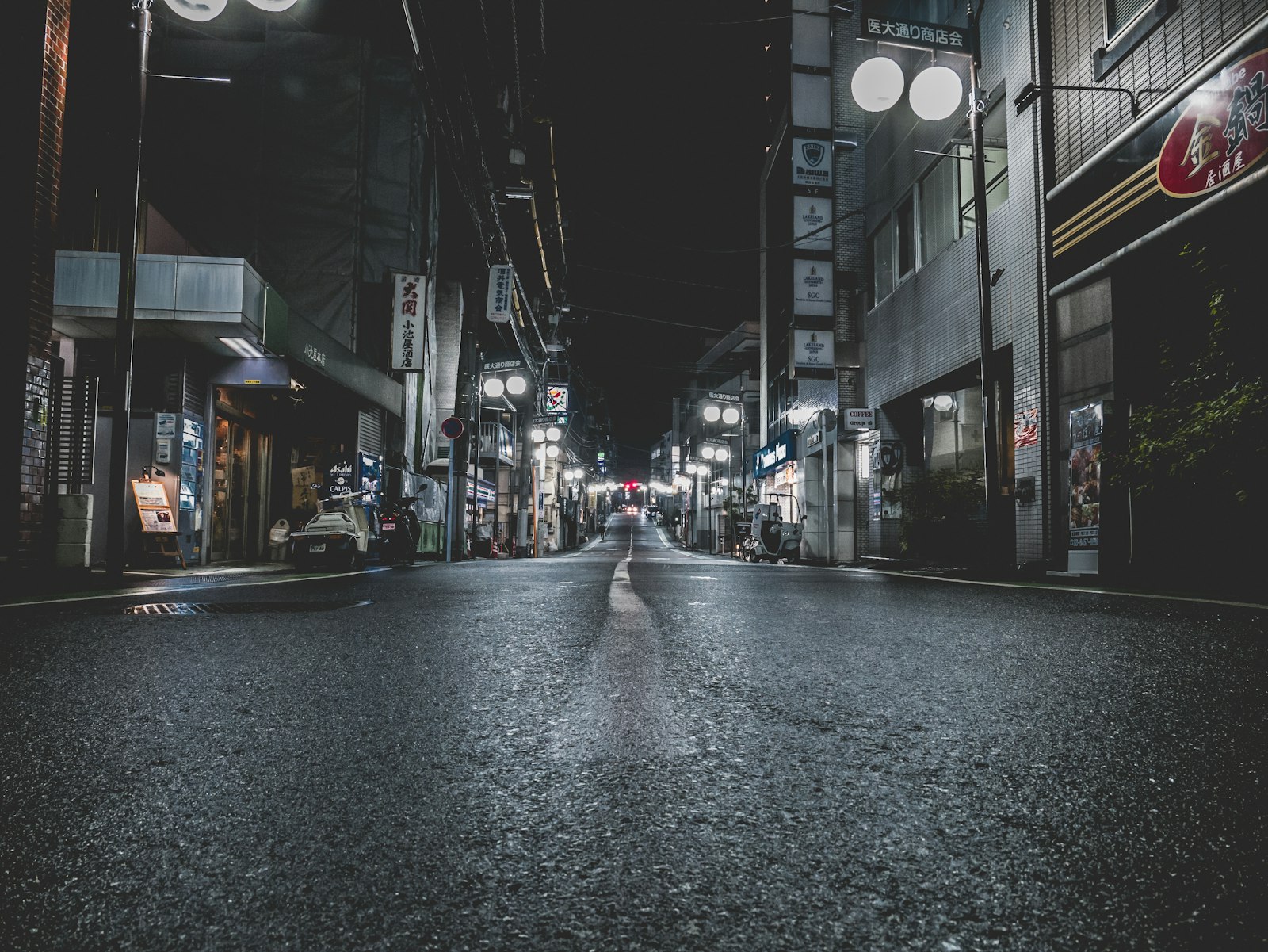
At counter bars, especially in areas packed with tiny venues, you’ll see “charge ¥1,000” or similar written on a sign by the door. It’s a flat fee per person for taking a seat, added on top of your drinks. Tokyo guides commonly put the typical range at ¥500–1,000, with hotel bars and Ginza lounges sometimes charging ¥1,500 or more. Some bars bring a small snack with it; many don’t.
Golden Gai in Shinjuku is the classic example. Most of its bars post a cover charge that commonly falls between ¥500 and ¥1,500, and some waive it entirely to attract visitors. Our Golden Gai guide explains how to read those signs and pick a bar that suits you.
Other Charges You May See on the Bill
Otoshi and seat charges aren’t the only extras. A few others show up often enough to be worth knowing:
- Service charge (サービス料): Common at hotels and high-end restaurants, usually 10–15% of the food and drink total.
- Late-night surcharge (深夜料金): Some chain restaurants and izakaya add around 10–15% for customers who stay after 10 p.m.
- Consumption tax: 10% for dining in. Since 2021, businesses in Japan have been required to display tax-inclusive prices, so menu prices should already include it, but older menus and handwritten boards sometimes still list pre-tax prices.
Snack bars and hostess-style venues work differently again, usually with a set price for a block of time. If you walk into one, ask about the time limit and what the set includes before you order.
Looking for Adult Entertainment Services in Tokyo? Download this
I’ve spent over a decade exploring and studying Japan’s adult entertainment scene firsthand. If you’d like detailed insider information—including how to choose the right shop, what services are available, and tips for avoiding common mistakes—check out our exclusive E-book.
Can You Refuse Otoshi?
Sometimes, yes, but timing matters and the answer depends on how the venue handles it.
Japanese lawyers commenting on the issue have made a fairly clear distinction. If the otoshi charge is explained when you enter or clearly shown on the menu or a sign, sitting down means you’ve accepted it, and you’re expected to pay. If there was no notice at all and you decline the dish before eating it, there’s a reasonable case that you never agreed to buy it. But if you eat it, you have effectively accepted it, and you’ll owe the charge.
In practice, the lawyer’s view we found also admits that nobody takes a few hundred yen to court. The realistic options look like this:
- Ask as you sit down. At some independent shops, saying “Otoshi wa daijōbu desu” (I’ll skip the otoshi) before anything arrives will work. Once the dish is on the table, it rarely does.
- Expect a “no” at many places. Plenty of izakaya treat otoshi as a condition of the seat. Pushing back after you’ve been seated mostly just makes the evening awkward.
- Mention allergies right away. You usually can’t choose your otoshi, but kitchens will often swap it for something safe if you tell them about an allergy or dietary restriction when you sit down.
Our honest advice is to treat otoshi as part of the price of the seat, the same way you’d treat a cover charge anywhere else. It’s rarely worth the friction.
When a Charge Isn’t Otoshi: Spotting a Real Rip-Off
A ¥400 bowl of simmered daikon is not a scam. A ¥20,000 “table charge” you were never told about is.
The legitimate charge system in Japan is transparent in one important way. The numbers are small and, at most reputable places, written somewhere. Trouble usually starts in a different setting entirely. A street tout brings you somewhere, there’s no price list, and the bill arrives with charges nobody mentioned. That’s the classic bottakuri pattern in nightlife districts like Kabukicho, and it has nothing to do with otoshi.
A few habits keep you safe:
- Never follow a street tout into a bar. Legitimate bars in Tokyo don’t need to recruit on the pavement.
- Look for posted prices. A sign or menu showing the charge and drink prices is a good sign.
- Ask before you sit. “Chāji wa ikura desu ka?” (How much is the charge?) is a completely normal question.
For more on how these rip-offs work and how to avoid them, see our guide to preventing bottakuri in Kabukicho.
If something does go wrong, Japan’s National Consumer Affairs Center runs a Consumer Hotline for Tourists at 03-5449-0906. It covers problems with restaurants and bars, and takes calls in English and several other languages on weekdays from 10 a.m. to 12 p.m. and 1 p.m. to 4 p.m. (closed weekends, national holidays and December 29 to January 3).
How to Avoid Otoshi and Seat Charges (If You Really Want To)
Otoshi is a small cost, but if you’re on a tight budget or planning a long night, there are ways to keep extras down:
- Try a standing bar (tachinomi). Many standing bars skip the otoshi and seat charge, which is part of why they’re so popular for a cheap first drink.
- Look for bars with no-charge signs. Some small bars, including a few in Golden Gai, advertise “no charge” to attract visitors.
- Choose places where you’ll stay longer. A single otoshi feels expensive if you leave after one drink, and reasonable if you stay for dinner. Picking fewer venues and settling in makes the charge a small part of the bill.
- Check chain menus. Larger chains often print the otoshi price, and some let you decline it if you ask before it’s served.
For budget-friendly drinking, our tachinomi standing bar guide lists how these places work and what to expect.
Otoshi FAQ
Is otoshi a tip?
Not exactly, but it plays a similar role. Japan doesn’t have tipping, and the otoshi or seat charge helps small places cover costs that tips might cover elsewhere. You don’t need to leave anything extra on top.
Do all bars in Japan charge otoshi?
No. Otoshi is most common at izakaya. Small bars more often use a flat seat charge instead, standing bars frequently skip both, and many cafés, restaurants and fast-food places don’t charge either.
Is the otoshi charge per person or per table?
Per person. A group of four will usually see four otoshi on the bill.
What if I don’t like the otoshi dish?
You still pay for it. Think of it as the price of the seat, with a snack included. If you have an allergy, tell the staff when you sit down so they can swap it.
How do I say “no otoshi” in Japanese?
Try “Otoshi wa daijōbu desu” as you’re seated. It’s polite, but don’t be surprised if the answer is no.
What do you do in Tokyo After 10?
Join our Tokyo Nightlife Private Tour
You deserve better than overpriced bars and missed opportunities. We’re here for you.
Drink Without the Guesswork
Once you understand the otoshi charge at a Japan bar, it stops feeling like a mystery line on the bill and starts feeling like what it is: the small, honest price of a seat at someone’s counter. The harder part for most visitors isn’t the charge. It’s knowing which doors to walk through, which bars welcome first-timers, and which alleys are worth the detour.
That’s where a local guide helps. On our Tokyo After 10 nightlife private tour, a guide who drinks in these neighborhoods takes you to bars that welcome foreign guests, explains the charges before you sit down, and handles the Japanese so you can focus on the night.









