Photo by <a href="https://unsplash.com/@saimun81?utm_source=tokyodeepnightlife&utm_medium=referral">Simon Hermans</a> on <a href="https://unsplash.com/?utm_source=tokyodeepnightlife&utm_medium=referral">Unsplash</a>
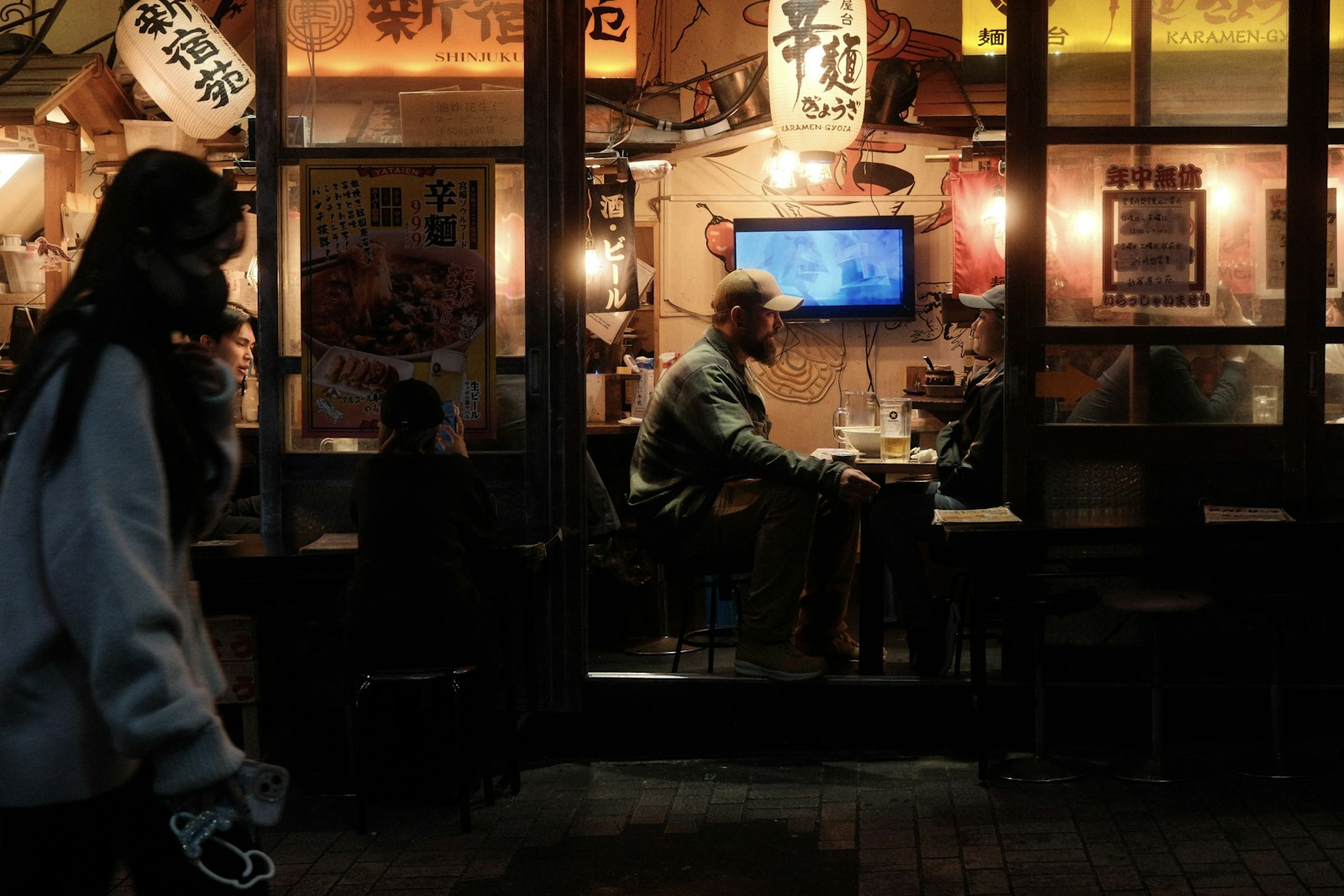
You’ve just sat down at an izakaya with Japanese friends or colleagues. Glasses arrive, and nobody touches theirs. Everyone is waiting for one word: kanpai. The Japanese drinking toast kanpai looks simple, but it’s the moment that officially starts the night, and the small details around it (who speaks, how high you hold your glass, who pours next) are where visitors usually stumble.
This guide walks you through the whole ritual in the order it happens, from the first beer order to the closing hand-clap. You’ll get the exact Japanese phrases to use at each stage, what’s genuinely expected of you as a foreigner, and what you can safely ignore.
Contents
- What Does Kanpai Mean?
- The Japanese Drinking Toast Kanpai, Step by Step
- Kanpai Etiquette After the Toast: Pouring and Refills
- Essential Japanese Drinking Toast Phrases (Kanpai and Beyond)
- Not Drinking Alcohol? You Can Still Kanpai
- Variations on the Japanese Drinking Toast
- Where You’ll Hear “Kanpai” Most in Tokyo
- Common Kanpai Mistakes (and How to Avoid Them)
- Frequently Asked Questions
- What do you do in Tokyo After 10?Join our Tokyo Nightlife Private Tour
- Raise Your Glass With Someone Who Knows the Way
- About the Author
What Does Kanpai Mean?
乾杯 (kanpai) is written with two characters: 乾, meaning “dry,” and 杯, meaning “cup.” Literally, it’s “dry the cup,” which is close to the English “bottoms up.”
In practice, nobody expects you to drain your glass. The word works exactly like “cheers”: a group signal that the drinking (and the conversation) can begin. Taking a sip, or even just touching the glass to your lips, is completely normal.
Pronunciation: say it kahn-pie, with even stress on both syllables. You’ll often see it spelled “kampai” in English, because the n sounds closer to m before a p. Both spellings refer to the same word.
The Japanese Drinking Toast Kanpai, Step by Step
Here’s how a typical Japanese drinking toast (kanpai) plays out at a dinner, nomikai (drinking party) or casual night out.
1. Order the first drink together
The first order is usually placed for the whole table at once. You’ll hear the classic line:
- **とりあえずビール (toriaezu biiru)** — “Beer for now, to start.”
Ordering your first drink at the same time as everyone else matters, because the toast waits until every glass is on the table. If you don’t drink beer, that’s fine: order a highball, oolong tea or a soft drink in the same round. For more on ordering, see our guide on how to order drinks in a Japanese bar.
2. Don’t drink until the toast
This is the single most important rule. Even if your glass arrives first and the beer is getting warm, wait. Starting before kanpai reads as impatient, a bit like starting to eat before the host sits down.
3. Someone leads the toast
At a casual dinner with friends, anyone can call out “kanpai!” once all drinks have arrived. At a work party or formal event, there’s usually a designated person who leads the toast. This role is called **乾杯の音頭 (kanpai no ondo)**, roughly “leading the toast,” and it’s typically given to someone senior or to the guest of honor.
They may say a few words first: thanking everyone, mentioning the occasion, and then raising their glass. A short version you’ll hear constantly:
- **お疲れ様です!乾杯!(Otsukaresama desu! Kanpai!)** — “Thanks for your hard work! Cheers!”
4. Raise, clink gently, then sip
When the word is said, everyone lifts their glass, repeats “kanpai!” and clinks with the people within reach. Then take a sip and set your glass down. Many people follow the first sip with a small round of applause, especially at work events.
5. Watch your glass height
At a relaxed table of friends, nobody’s checking. But at a business dinner, you’ll notice junior people tilting their glass so that its rim touches slightly below the rim of a senior person’s glass. It’s a quiet gesture of respect.
You don’t have to get this perfect as a visitor, but doing it once with your host or boss earns you a lot of goodwill. Holding the glass with one hand and lightly supporting the base with the other adds to the effect.
6. Clink softly
Japanese toasts are enthusiastic in voice, gentle in contact. A light tap is enough, especially with thin beer glasses or small sake cups. If the table is long, nobody expects you to walk around and clink every glass; raising yours toward the far end with eye contact counts.
Kanpai Etiquette After the Toast: Pouring and Refills
The toast is only the opening. What happens next is just as much a part of Japanese drinking etiquette.
Pour for others, not yourself
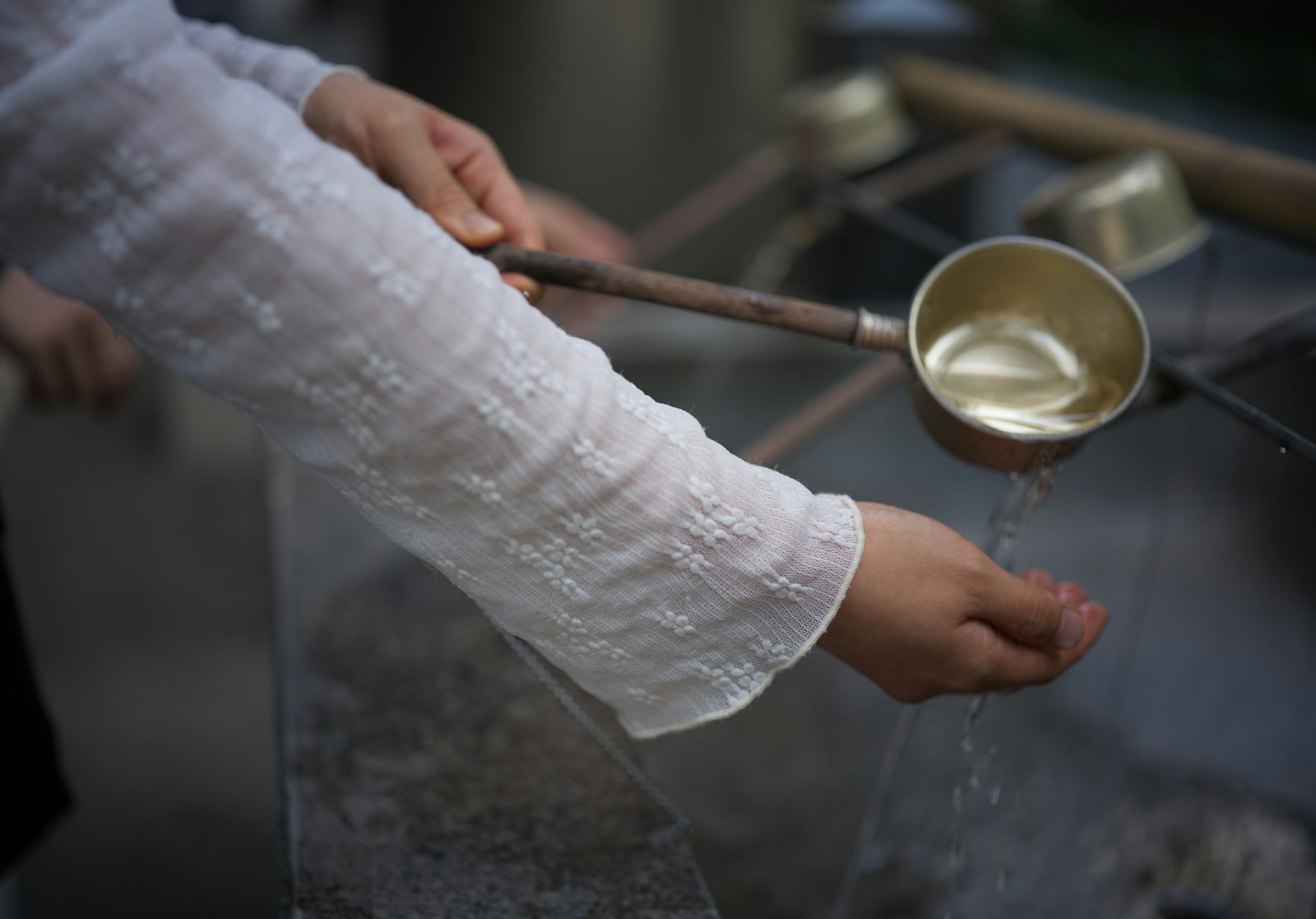
When drinks come in shared bottles (large bottles of beer or flasks of sake), the custom is to pour for the people around you and let them pour for you. Pouring for others is called **お酌 (oshaku)**. Topping up your own glass while someone else’s is empty can look a bit self-centered at a formal table.
When pouring, hold the bottle with both hands, or with your right hand while your left lightly supports it.
How to receive a pour
When someone offers to pour for you:
- Lift your glass slightly toward the bottle, ideally holding it with both hands.
- If your glass is nearly full, take a quick sip first to make room. This shows you appreciate the gesture.
- Say thank you: **ありがとうございます (arigatou gozaimasu), or more casually すみません (sumimasen)**, which works as both “sorry” and “thanks.”
Then return the favor when you notice their glass running low.
The “full glass” signal
Here’s a tip that saves a lot of awkwardness. In many groups, an empty glass is an invitation for someone to refill it. If you want to slow down, leave some drink in your glass. A glass that’s still partly full sends the message without you having to say a word.
Seconds, rounds and the end of the night
Most nights out move from the first venue to a second one, the **二次会 (nijikai)**. Nobody is obligated to join; leaving after the first round is normal. If you want to understand how a work drinking party actually flows, from seating to the second venue, our guide to the nomikai, Japan’s drinking party covers it in detail.
Essential Japanese Drinking Toast Phrases (Kanpai and Beyond)
Here are the phrases that cover most of a night out, in the order you’re likely to need them.
| Japanese | Romaji | Meaning | When to use it |
|---|---|---|---|
| とりあえずビール | toriaezu biiru | “Beer to start” | First group order |
| 乾杯! | kanpai! | “Cheers!” | The toast |
| お疲れ様です | otsukaresama desu | “Thanks for your hard work” | Before or instead of kanpai, especially after work |
| 〇〇に乾杯! | [name] ni kanpai! | “A toast to [name]!” | Toasting a person or occasion |
| いただきます | itadakimasu | “I humbly receive” | Before eating, or when accepting a drink |
| ありがとうございます | arigatou gozaimasu | “Thank you” | When someone pours for you |
| おかわり / もう一杯お願いします | okawari / mou ippai onegaishimasu | “Another one, please” | Ordering a refill |
| もう大丈夫です | mou daijoubu desu | “I’m fine, thanks” | Politely declining a refill |
| ごちそうさまでした | gochisousama deshita | “Thank you for the meal/drinks” | When leaving, especially if someone treated you |
| お先に失礼します | osaki ni shitsurei shimasu | “Excuse me for leaving first” | Leaving before others |
A note on “otsukaresama”: among colleagues and friends who’ve just finished work, otsukaresama! often replaces kanpai entirely, or the two get combined into one shout. It acknowledges everyone’s effort and is one of the most useful words you can learn for any Japanese drinking occasion.
A word you should not use
In some European countries people say “chin chin” when toasting. Avoid it in Japan: chinchin is a childish slang word for male genitals. It usually gets a laugh, but probably not the one you wanted.
Not Drinking Alcohol? You Can Still Kanpai
You don’t need alcohol to take part in the Japanese drinking toast. Kanpai is about the shared moment, not the contents of the glass. Toasting with oolong tea, a soft drink or non-alcoholic beer is completely normal in Japan, and nobody will think twice about it. What matters is having something in your glass when the toast happens and raising it with everyone else.
If someone offers you alcohol, a short, friendly explanation is all you need:
- **お酒は飲めないんです (osake wa nomenain desu)** — “I can’t drink alcohol.”
- **今日はソフトドリンクにします (kyou wa sofuto dorinku ni shimasu)** — “I’ll have a soft drink today.”
Pressuring people to chug drinks (ikki, “in one go”) has been widely criticized in Japan, and in most adult settings today a polite “no thank you” is respected.
Looking for Adult Entertainment Services in Tokyo? Download this
I’ve spent over a decade exploring and studying Japan’s adult entertainment scene firsthand. If you’d like detailed insider information—including how to choose the right shop, what services are available, and tips for avoiding common mistakes—check out our exclusive E-book.
Variations on the Japanese Drinking Toast
Toasting with sake
Beer is the default first drink, but toasting with sake is a long-standing tradition, especially at weddings, New Year gatherings and other celebrations. In 2013, Kyoto City even passed an ordinance encouraging people to make their opening toast with local sake. It carries no penalties; it’s a gentle nudge to support local brewers, and many other municipalities followed with similar “kanpai ordinances”.
Sake cups (ochoko) are small, so they get refilled often, which makes the pouring etiquette above even more relevant.
Kenpai: the memorial toast
There’s one occasion when you should not say kanpai. At funerals and memorial gatherings, the toast is called **献杯 (kenpai)**, meaning “offering a cup.” It’s said quietly, glasses are raised but not clinked, and there’s no applause afterward. If you’re ever invited to one, simply follow the people around you.
Tejime: the closing hand-clap
At work parties and formal events, the evening often ends with a synchronized clap called **手締め (tejime)**. The most common version is a single clap (ippon-jime) or a rhythmic sequence of claps (sanbon-jime). Someone leads, everyone joins in, and that’s the signal that the party is officially over. Just watch and copy the leader.
Where You’ll Hear “Kanpai” Most in Tokyo
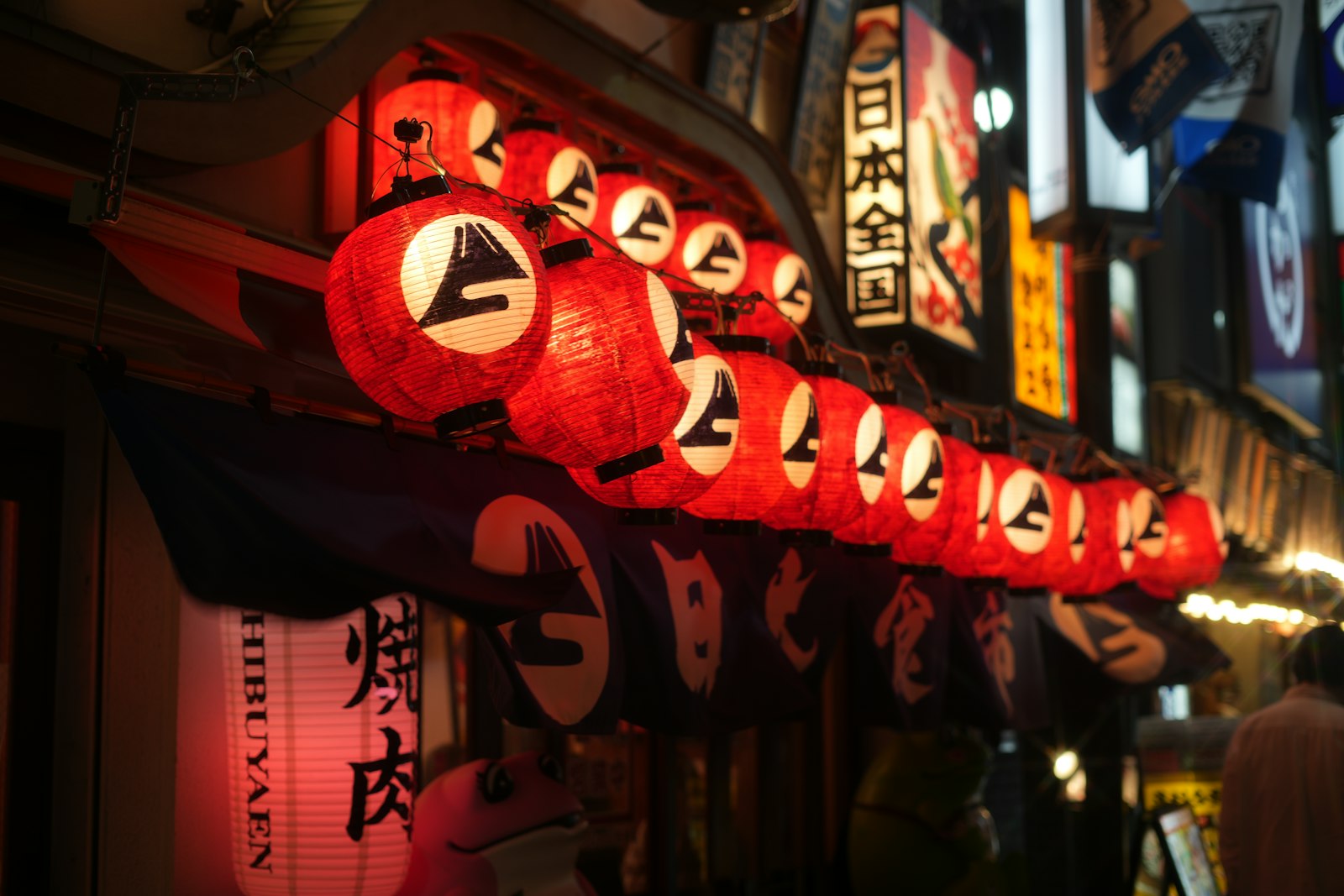
Kanpai happens anywhere people drink together, but some settings come with more ritual than others:
- Izakaya — Japanese gastropubs and the most common setting. Expect a group beer order, a toast, then shared plates. Our izakaya etiquette guide for foreigners explains the table charge, ordering system and more.
- Year-end and New Year parties — bounenkai in December and shinnenkai in January. These are often the most formal toasts of the year, with a speech before kanpai.
- Tiny bars and yokocho alleys — In a six-seat bar, the toast often includes the bartender and the stranger next to you. A friendly “kanpai” to the person beside you is one of the easiest ways to start a conversation.
- Hanami (cherry blossom viewing) — Outdoor picnic drinking in spring, usually in large, loud groups.
To understand the bigger picture of why drinking together carries so much social weight in Japan, read our explainer on Japanese drinking culture.
Common Kanpai Mistakes (and How to Avoid Them)
- Drinking before the toast. Wait, even if it feels like forever.
- Draining your glass because “kanpai means dry cup.” It doesn’t need to be emptied. Sip at your own pace.
- Filling your own glass first. Pour for your neighbors, and they’ll pour for you.
- Leaving your glass empty when you want to stop. Leave a little in it instead.
- Saying kanpai at a memorial. Use kenpai, quietly, with no clinking.
- Overthinking it. Japanese hosts generally appreciate a visitor who makes the effort, and they forgive small mistakes. A confident “kanpai!” with a smile goes further than perfect glass height.
Frequently Asked Questions
Is it “kanpai” or “kampai”?
Both. The Japanese word is 乾杯, and it’s romanized as kanpai in standard Hepburn spelling. “Kampai” reflects how it sounds, since the n becomes closer to m before p.
Do I have to finish my drink after kanpai?
No. Despite the literal meaning “dry the cup,” a sip is all that’s expected.
Is it rude to drink before kanpai?
At a group meal, yes, it’s considered impolite. Wait for every drink to arrive and for the toast to be called.
Can I toast with water?
Tea, soft drinks and non-alcoholic beer are all fine. Some people avoid toasting with plain water because water toasts are associated with farewells, so if you have the option, order tea or a soft drink instead.
Should I say kanpai when drinking alone at a bar?
There’s no need. Kanpai is a shared gesture. That said, if the bartender or the person next to you raises a glass toward you, return it with a smile and a “kanpai.”
What do you do in Tokyo After 10?
Join our Tokyo Nightlife Private Tour
You deserve better than overpriced bars and missed opportunities. We’re here for you.
Raise Your Glass With Someone Who Knows the Way
Knowing the Japanese drinking toast, kanpai, gets you through the first five seconds of a night out. The rest (finding the izakaya with no English sign, ordering what locals actually drink, knowing which tiny bar welcomes newcomers) is where most visitors get stuck.
That’s what our Tokyo After 10 nightlife private tour is for. A local guide takes you into the alleys and small bars that don’t show up on Google Maps, handles the ordering and etiquette, and makes sure your first kanpai in Tokyo is with people who are glad you came.
For general travel information about Japan’s food and drink culture, visit the Japan National Tourism Organization.