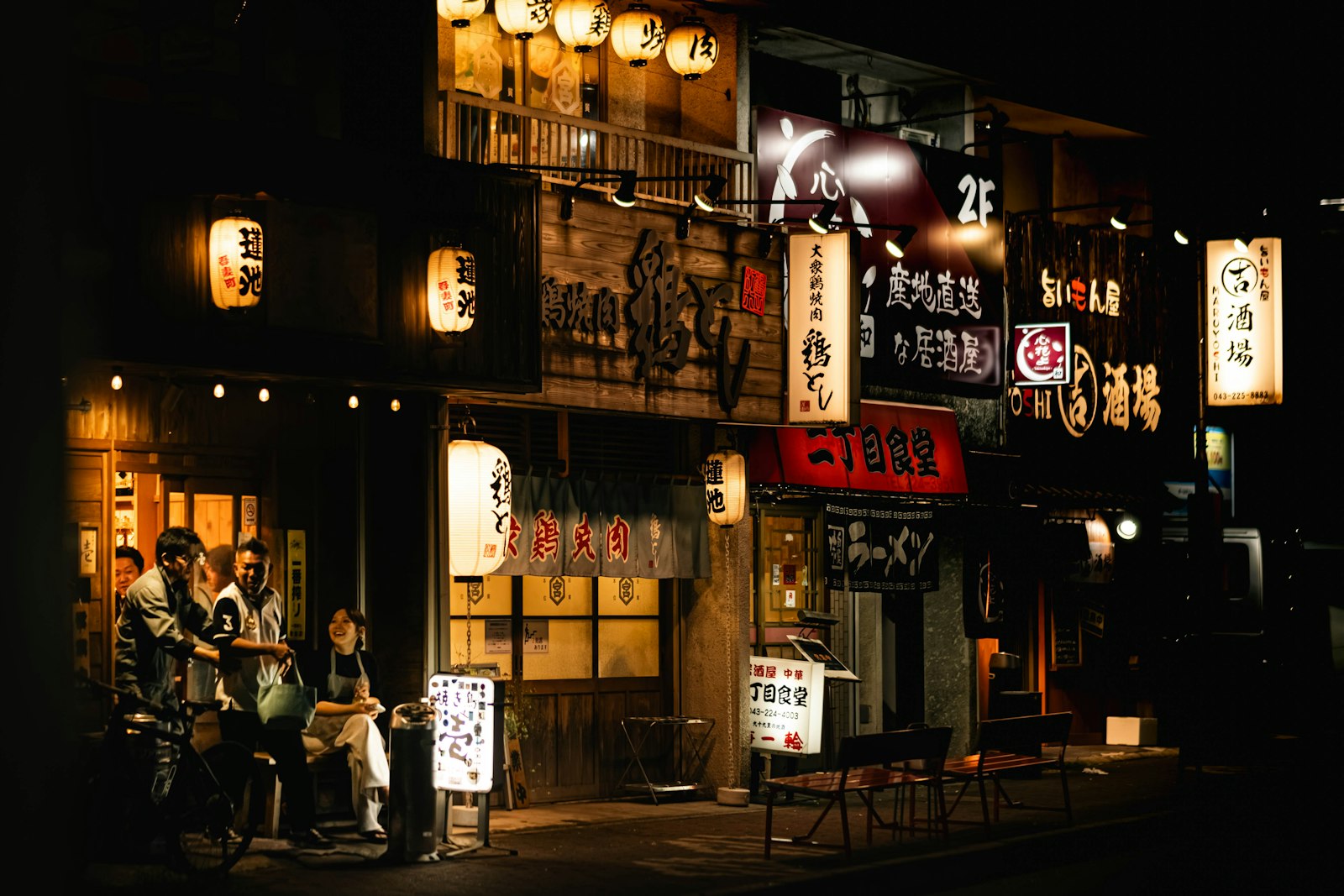
Photo by <a href="https://unsplash.com/@frankhme?utm_source=tokyodeepnightlife&utm_medium=referral">Frank Huang</a> on <a href="https://unsplash.com/?utm_source=tokyodeepnightlife&utm_medium=referral">Unsplash</a>
Walk into any Tokyo convenience store after 11pm and you’ll notice a small shelf near the register lined with tiny bottles and cans, each promising to save you from tomorrow. These are Japanese hangover cure drinks, and for millions of office workers heading to a nomikai (work drinking party), grabbing one is as routine as checking the last train time.
But which ones are worth your ¥200? What’s a drink and what’s actually a medicine? And when should you drink them, before or after? This guide walks through the bottles you’ll really find at a konbini, what’s in them, what the evidence says, and what Japanese drinkers reach for the morning after.
Contents
- Why Japanese Hangover Cure Drinks Are Everywhere
- The Main Japanese Hangover Cure Drinks at the Konbini
- Hangover Food and Drinks Japanese People Swear By
- How to Use Japanese Hangover Cure Drinks: A Simple Timeline
- When to Skip the Konbini and Go to a Drugstore
- Do Japanese Hangover Cure Drinks Actually Work?
- Quick Konbini Hangover Shopping List
- What do you do in Tokyo After 10?Join our Tokyo Nightlife Private Tour
- Drink Smarter in Tokyo With Someone Who Knows the Night
- About the Author
Why Japanese Hangover Cure Drinks Are Everywhere
Japan has a drinking culture built around groups. Office parties, year-end bonenkai, and all-you-can-drink plans mean many people drink more than they planned to, with work the next morning. If you want the bigger picture, our guide to Japanese drinking culture explained for visitors covers the rituals behind it.
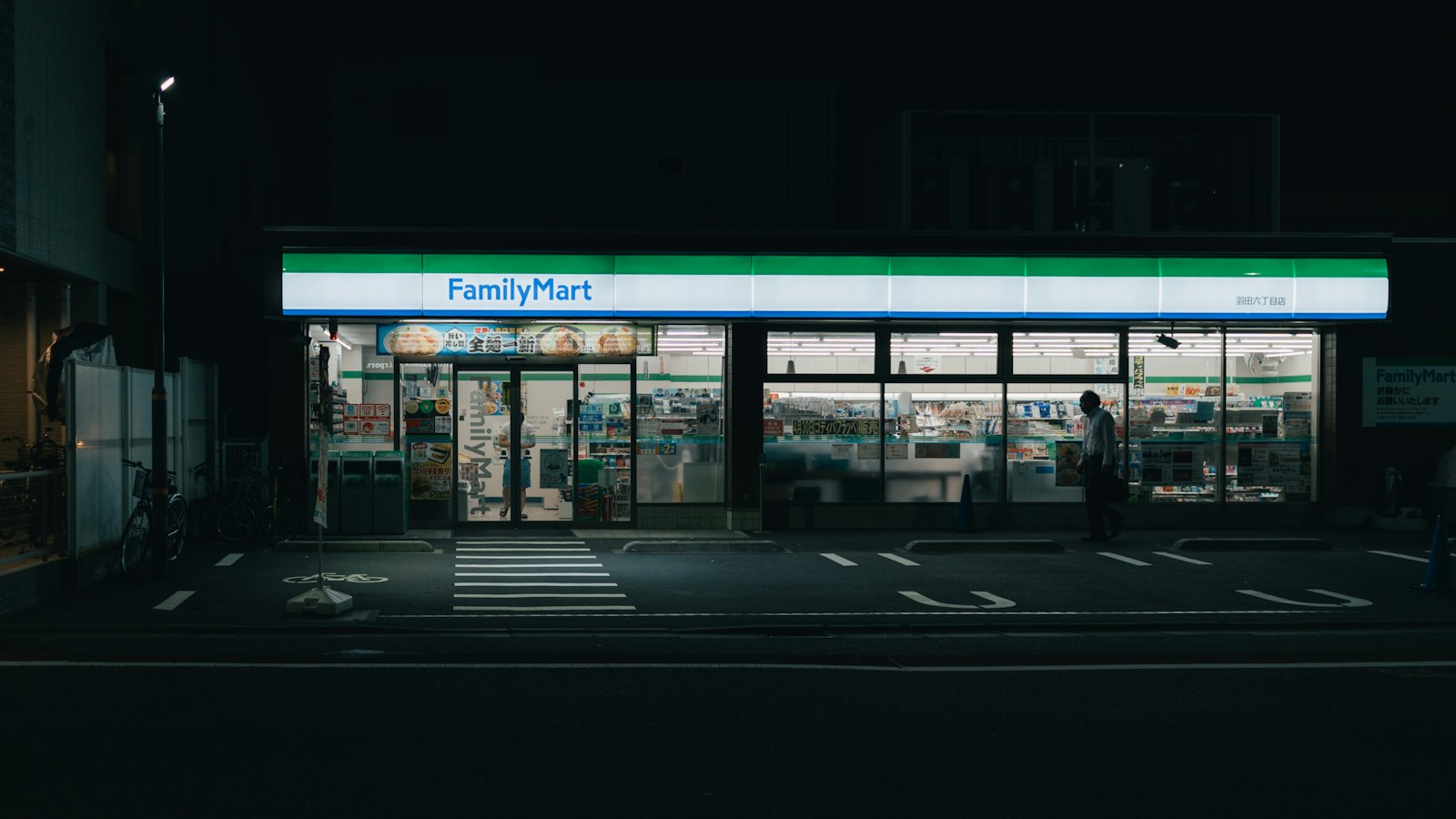
The market answered with a whole category of small “pre-drinking” and “after-drinking” products. You’ll see them stacked by the counter at 7-Eleven, FamilyMart and Lawson, especially from November through January, which is party season.
One thing most foreign visitors miss: these products fall into different legal categories in Japan.
- Soft drinks (food category): sold anywhere, no pharmacist needed. Most konbini hangover drinks are in this group.
- **Quasi-drugs (shitei iyaku-bubun-hin)**: products with approved, mild effects, labeled 指定医薬部外品.
- OTC medicines: labeled 第2類医薬品 or 第3類医薬品, and mostly sold at drugstores.
That label matters. A drink in the food category can’t legally claim to cure anything, which is why the packaging talks about “energy” and “support” rather than hangovers.
The Main Japanese Hangover Cure Drinks at the Konbini
Ukon no Chikara (ウコンの力): The Classic Turmeric Shot
If you only remember one name, make it this. Ukon no Chikara (“the power of turmeric”) is made by House Wellness Foods and has been on sale since May 2004. The small silver-and-gold bottle is the drink most Japanese people picture when they hear “drink before drinking.”
The standard Ukon Ekisu Drink (turmeric extract drink) comes in a 100ml bottle, with a suggested retail price of ¥190 before tax as of its 2024 renewal. In October 2024 the brand also released Ukon no Chikara AFTER, a green-apple-flavored version designed to be easy to drink after eating. According to House Wellness Foods’ press release, it contains bisacurone (400μg), curcumin (10mg), four B vitamins, licorice extract and 30mg of GABA, with a reference price of ¥230 before tax. There is also a stronger Ukon no Chikara Super line.
When locals drink it: usually 15 to 30 minutes before the first beer.
The honest take: curcumin is poorly absorbed by the body, and no large, reliable study has proven that turmeric drinks prevent hangovers. Think of it as a ritual with a pleasant side of B vitamins, not a shield.
Hepalyse (ヘパリーゼ): The Liver-Extract Option
Hepalyse is Zeria Pharmaceutical’s brand, and it’s the other big name on the shelf. Here’s the key detail that trips up visitors: the bottles in a convenience store are the Hepalyse W series, which is classified as a soft drink (food). These contain liver extract, and some versions add turmeric extract and vitamins.
The pharmacy versions, such as Hepalyse Drink II, are separate products classified as OTC medicines. They contain liver hydrolysate and B vitamins and are sold at drugstores. Same brand, different shelf, different rules.
When locals drink it: before drinking, or the next morning when they feel drained.
The honest take: the idea that liver extract “strengthens” your liver is mostly marketing. As Japanese hangover cure drinks go, Hepalyse is popular because of habit and branding as much as science.
Pocari Sweat (ポカリスエット): The Morning-After Hero
Ask a Japanese friend what they actually drink when they wake up hungover, and the answer is often Pocari Sweat. This mild, slightly sweet ion drink from Otsuka Pharmaceutical is in nearly every konbini fridge and vending machine in the country.
Unlike the turmeric and liver shots, Pocari Sweat targets the one hangover cause that’s well understood: dehydration. Alcohol makes you urinate more, and you lose water and electrolytes overnight. Sip it slowly rather than chugging a whole bottle on an empty stomach.
Aquarius from Coca-Cola is the main alternative and sits right next to it on the shelf.
OS-1 (オーエスワン): For When It’s Really Bad
OS-1 is an oral rehydration solution from Otsuka Pharmaceutical Factory. It’s approved by Japan’s Consumer Affairs Agency as a Food for Special Dietary Use for people with mild to moderate dehydration, for example from vomiting, diarrhea, or heavy sweating. It comes in 500ml and 280ml bottles and a jelly version.
It tastes saltier than Pocari Sweat because it’s built for rehydration, not refreshment. It isn’t meant for everyday hydration, so save it for a genuinely rough morning. You’ll find it most reliably at drugstores.
Hangover Food and Drinks Japanese People Swear By
The bottled drinks get the attention, but many locals rely on simple food from the same konbini shelves.
Shijimi Miso Soup (しじみの味噌汁)
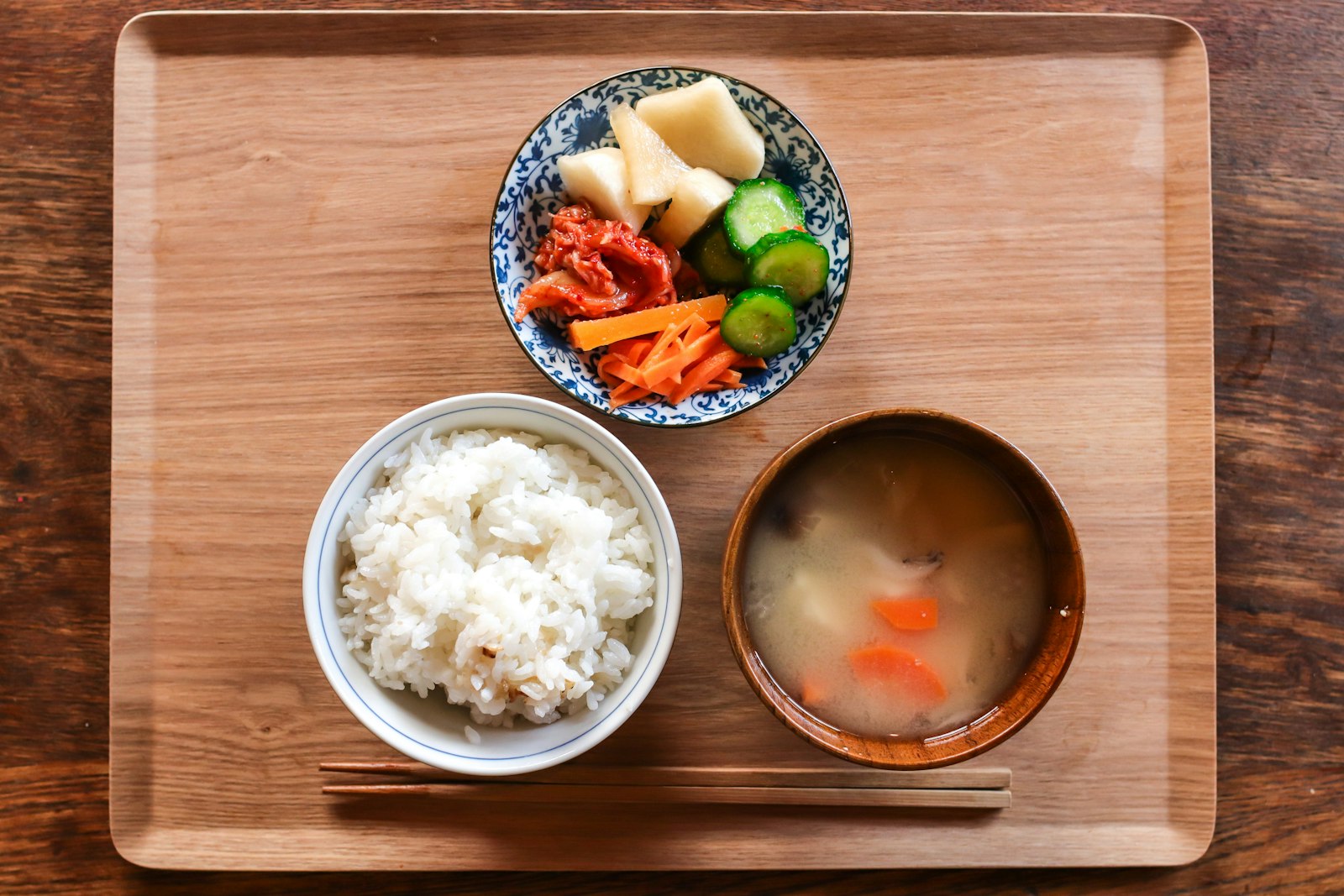
Miso soup with shijimi, tiny freshwater clams, is Japan’s most traditional hangover food. Shijimi contain ornithine, an amino acid often linked to liver support in Japanese marketing. The evidence that clam soup cures hangovers is thin. What it does do well is give you warm liquid, salt and something gentle on your stomach. Look for instant cups near the cup noodles in most konbini.
Umeboshi (Pickled Plum)
Salty, sour umeboshi show up in onigiri (rice balls) in every convenience store. Many Japanese drinkers grab an ume onigiri the morning after because it’s easy on the stomach and replaces some salt.
Grapefruit Juice and Green Tea
Grapefruit juice is a common Japanese recommendation for the morning after, mostly for vitamin C and fluids. Unsweetened green tea is another hydration staple, though it contains caffeine, so balance it with water.
How to Use Japanese Hangover Cure Drinks: A Simple Timeline
Here’s how a Tokyo local might use these products across one big night out.
Before you go out (5 to 7pm)
- Eat something real. Drinking on an empty stomach is the biggest mistake visitors make.
- If you want to join the ritual, drink an Ukon no Chikara or Hepalyse W about 15 to 30 minutes before your first drink.
During the night
- Alternate alcohol with water or oolong tea. Every izakaya has ūron-cha, and ordering it is completely normal.
- Be careful with all-you-can-drink deals. Our explainer on what nomihodai is and how it works shows why those 90-minute plans catch so many people out.
On the way home
- Stop at a konbini for a bottle of Pocari Sweat or water and drink half before bed.
- The classic Tokyo finisher is a bowl of ramen, called shime. It’s delicious, though the salty broth won’t help your hydration. If you’re going anyway, here are some late-night ramen shops in Tokyo open past 4am.
The next morning
- Pocari Sweat or water first, then shijimi miso soup or an ume onigiri.
- If you’re nauseous or your stomach hurts, visit a drugstore rather than a konbini (see below).
Looking for Adult Entertainment Services in Tokyo? Download this
I’ve spent over a decade exploring and studying Japan’s adult entertainment scene firsthand. If you’d like detailed insider information—including how to choose the right shop, what services are available, and tips for avoiding common mistakes—check out our exclusive E-book.
When to Skip the Konbini and Go to a Drugstore
Convenience stores are great for drinks, but regulated stomach medicines are mainly sold at drugstores like Matsumoto Kiyoshi, where a pharmacist or registered seller can help you. Two names are worth knowing:
- Solmack (ソルマック): a Taiho Pharmaceutical line of liquid stomach tonics. Solmack 5 is a quasi-drug whose approved uses include nausea from a hangover or drinking too much.
- Taisho Kampo Stomach Medicine (liquid): a traditional herbal (kampo) medicine. Metropolis reports the liquid version uses two formulas, goreisan and oren-gedoku-to, and is aimed at hangover-related nausea.
Show the staff a translation of your symptoms and they’ll point you to the right product. If you have a liver condition, take regular medication, or feel seriously unwell, ask a pharmacist or doctor first.
Do Japanese Hangover Cure Drinks Actually Work?
Honestly: not in the way the packaging suggests. According to the U.S. National Institute on Alcohol Abuse and Alcoholism, there is no cure for a hangover other than time, and the only way to avoid one completely is not to drink, or to keep your intake to a minimum. The popular remedies you see online haven’t been scientifically proven to work.
So where do Japanese hangover cure drinks fit?
- Rehydration drinks (Pocari Sweat, OS-1): the most useful, because dehydration really does make hangovers worse.
- Turmeric and liver-extract drinks: weak evidence. They may help a bit or may not, and they won’t undo a heavy night.
- Stomach medicines: can genuinely ease nausea and stomach discomfort, which are approved uses for some products.
There’s also a cultural side. Downing an Ukon no Chikara outside the station with your coworkers is a small bonding ritual. Trying it yourself is a fun bit of Japan. Just don’t treat it as permission to keep up with a salaryman who’s been training for 20 years.
One more rule: the legal drinking age in Japan is 20, and that applies to visitors too. See our guide to the Japanese drinking age for details.
Quick Konbini Hangover Shopping List
| What to buy | Category | When | Why |
|---|---|---|---|
| Ukon no Chikara | Soft drink | Before drinking | Japanese ritual, turmeric and B vitamins |
| Hepalyse W | Soft drink | Before or after | Liver extract and vitamins |
| Pocari Sweat / Aquarius | Soft drink | Before bed, morning | Fluids and electrolytes |
| Water or oolong tea | Soft drink | All night | Pace yourself between drinks |
| Shijimi miso soup (instant) | Food | Morning | Warm, salty, gentle on the stomach |
| Ume onigiri | Food | Morning | Easy carbs and salt |
What do you do in Tokyo After 10?
Join our Tokyo Nightlife Private Tour
You deserve better than overpriced bars and missed opportunities. We’re here for you.
Drink Smarter in Tokyo With Someone Who Knows the Night
The best hangover cure is a night where you drank well, not just a lot: good food between rounds, bars that pour properly, and someone who knows when it’s time for the last stop. That’s hard to plan in a city where the best places hide on the fourth floor of a building with no English sign.
If you’d rather spend your night enjoying Tokyo than guessing, our Tokyo After 10 nightlife private tour pairs you with a local guide who’ll take you through izakaya, hidden bars and late-night food at a pace that leaves you feeling good the next morning. Pick up a Pocari Sweat on the way home anyway.