Curious about Tokyo’s legendary red-light districts but worried about safety or not knowing where to go? You’re in the right place. As someone who’s written extensively for Tokyo Deep Nightlife and spent many neon-lit evenings wandering these vibrant streets, I’ve got you covered. Let’s jump into the glow and grit of Tokyo’s night, where intrigue meets caution—and every corner tells a story.
Contents
- Why Tokyo’s Red Light Areas (Kabukichō & Beyond) Fascinate Foreign Tourists
- 4 Tokyo Red Light District Neighborhoods Worth the Visit
- Staying Safe in Tokyo’s Red-Light Districts: Essential Tips
- What to Expect: Entertainment Experiences for Foreign Tourists
- Getting Around & Making the Most of Your Night Out
- About the Author
Why Tokyo’s Red Light Areas (Kabukichō & Beyond) Fascinate Foreign Tourists
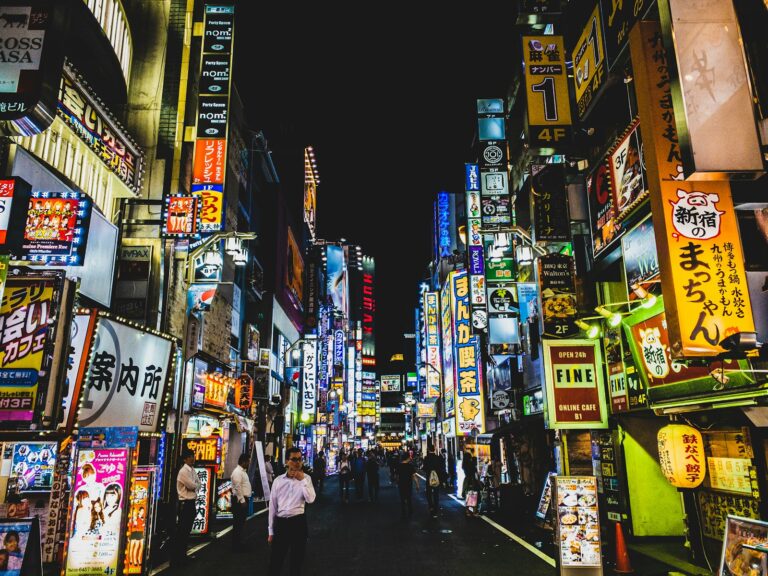
Tokyo has a nightlife reputation unlike any other city. If you’ve seen it in anime, movies, or even Instagram reels, you know the feeling—Tokyo’s neon nights look like nowhere else on Earth. Kabukichō in Shinjuku, alone, boasts over 3,000 bars, clubs, love hotels, host/hostess clubs, massage parlors, and pachinko halls—earning the nickname “Sleepless Town.”
Foreign tourists are drawn to it for several reasons:
- The Visual Overload: Giant neon gates, glowing signboards stacked on top of each other, Godzilla looming over the Toho Cinema building—it’s a photographer’s dream and an Instagram goldmine.
- Strange and Surreal Experiences: Soaplands with themed rooms, love hotels with sci-fi pods, and host clubs where good looks and charm are currency.
- Cultural Curiosity: Unlike Amsterdam’s famous red-light district, Japan’s nightlife has stricter rules, unspoken codes, and subtlety mixed with spectacle.
It’s not just Kabukichō, though. Shibuya’s Maruyamachō area is lined with love hotels, and in the northeast of Tokyo sits Yoshiwara—once Japan’s most famous licensed pleasure quarter during the Edo period. Each has its own vibe and stories, and foreign tourists are increasingly curious about what’s behind the glowing façades.
Looking for Adult Entertainment Services in Tokyo?
I’ve spent over a decade exploring and studying Japan’s adult entertainment scene firsthand. You’ll get to know all about Japanese adult entertainments including rules and how to enjoy you wouldn’t find on your own.
4 Tokyo Red Light District Neighborhoods Worth the Visit
Tokyo has more than one nightlife area that could be considered a “red-light district.” Some are flashy, some are discreet, and some carry deep historical weight. Here are the five most significant ones foreign tourists should know about:
1. Kabukichō (Shinjuku)
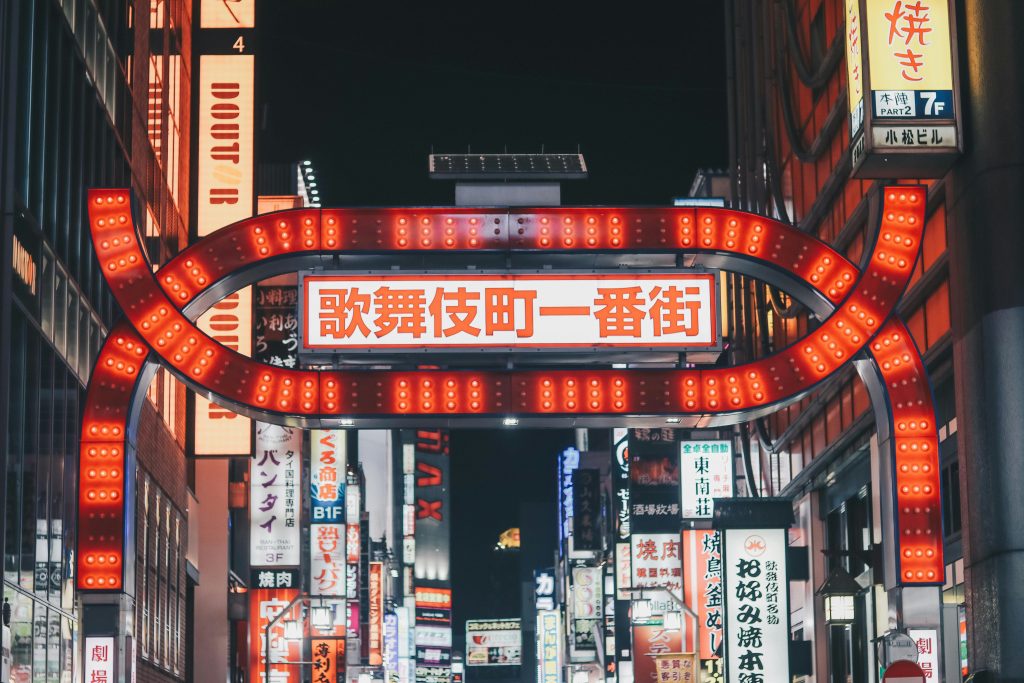
This is the red-light district, the one that gets all the press. Kabukichō is a sensory explosion: neon gates, love hotels stacked in bizarre architecture, pachinko parlors, karaoke boxes, and more than 3,500 adult-oriented establishments.
It’s where you’ll find host and hostess clubs, soaplands, and the infamous “bottakuri” scam bars that lure foreigners in with touts on the street. Still, it’s also a safe place to just wander, provided you avoid the pushy touts and don’t follow strangers into clubs. For a safer dive, head toward Golden Gai or Omoide Yokocho, which both border Kabukichō and are far more foreigner-friendly.
2. Golden Gai (Edge of Kabukichō)
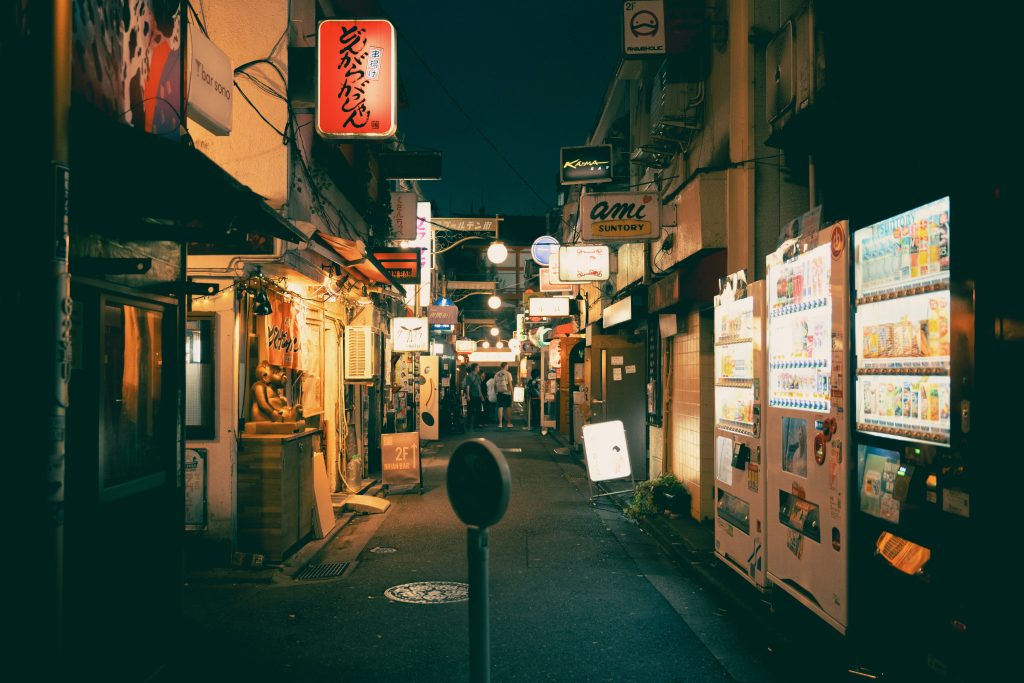
Golden Gai isn’t technically a red-light zone, but it’s closely tied to Kabukichō and worth a visit on the same night. It’s a series of narrow alleys filled with around 200 tiny bars, many of which seat fewer than ten people. Some are foreigner-friendly, while others may politely ask you to move along.
The charm is in the intimacy—bartenders share stories, regulars chat you up, and the vibe feels like stepping back into post-war Tokyo. For nightlife that’s less about sex and more about storytelling, this is the place. We cover it fully in our Golden Gai Guide.
3. Shibuya – Maruyamachō Love-Hotel Strip
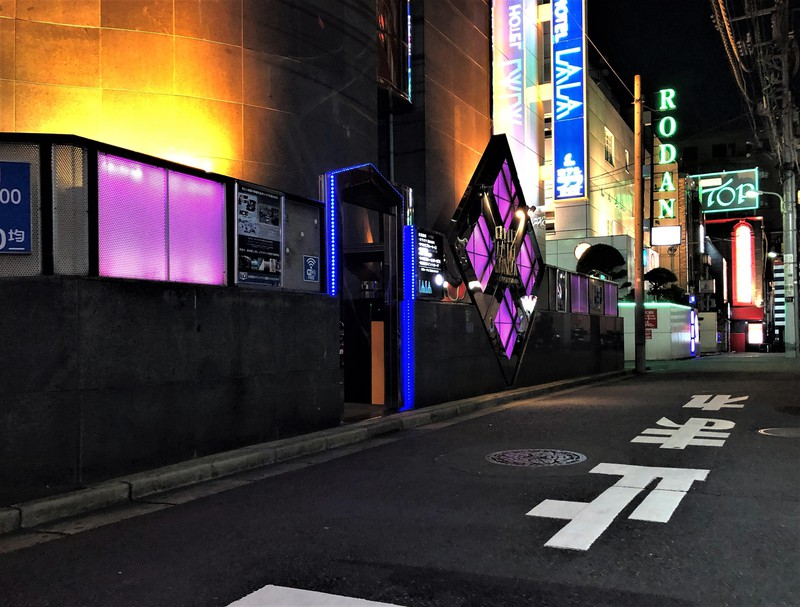
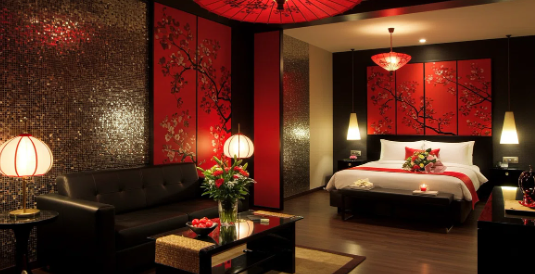
Just a ten-minute walk from Shibuya Station, Maruyamachō is lined with love hotels. These hotels are typically used by couples who want privacy in a city where tiny apartments rarely allow for it. The rooms are themed, quirky, and sometimes outlandish—think castles, neon futurism, or jungle rooms.
For foreign tourists, this area offers a glimpse into Japan’s unique dating culture. You don’t need to use the hotels to appreciate the area—it’s a fascinating district to walk through, especially late at night when the glowing hotel signs light up the alleys.
4. Yoshiwara (Historic Red-Light District in Taitō)
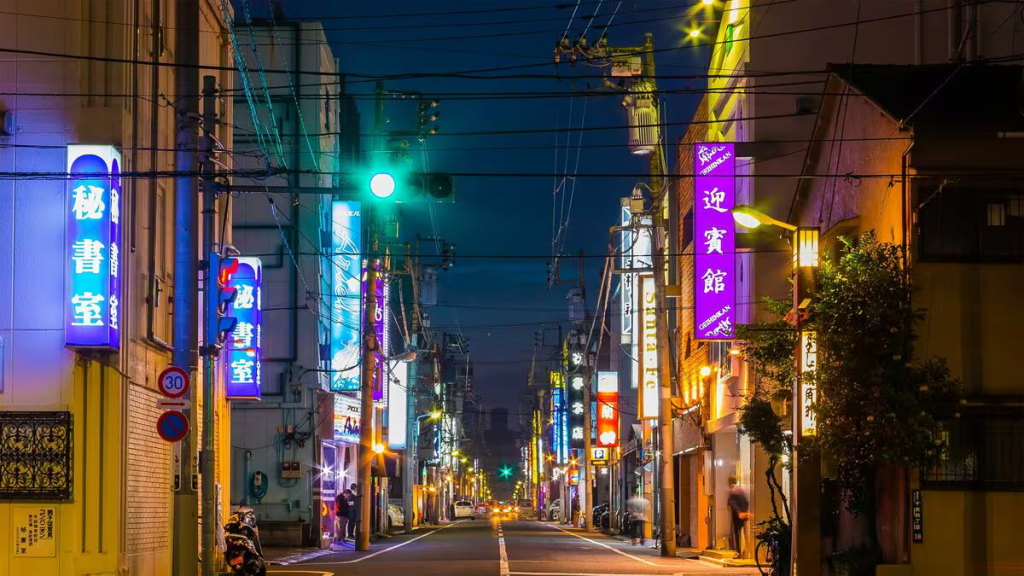
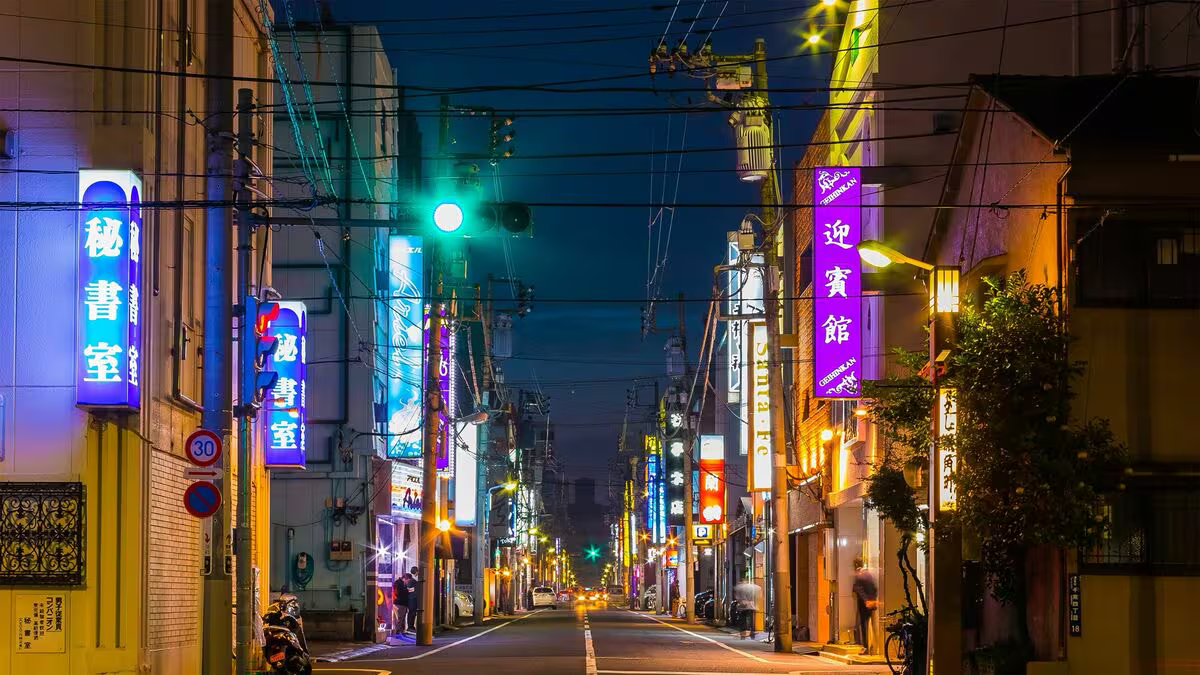
Yoshiwara is Tokyo’s most historic red-light district, dating back to the 1600s. Once the licensed pleasure quarter of Edo, it was the inspiration for countless ukiyo-e prints, kabuki plays, and literature. Unlike Kabukichō’s chaotic neon, Yoshiwara feels subdued and almost hidden, located northeast of Asakusa in Taitō ward.
Today, Yoshiwara is still lined with soaplands and “fashion health” shops. It’s less tourist-oriented—foreigners rarely stumble here unless they know exactly where they’re going. Most establishments are Japanese-only, English is rarely spoken, and photography is frowned upon. That said, for history buffs and adventurous travelers, Yoshiwara offers a glimpse into a side of Tokyo most tourists never see.
Staying Safe in Tokyo’s Red-Light Districts: Essential Tips

Is Tokyo safe? Absolutely—compared to most cities, even its red-light districts are relatively low-risk. But there are a few important things every foreign tourist should know:
Avoid touts:
Street touts in Kabukichō are notorious for luring tourists into scam bars with promises of cheap drinks or pretty women. Once inside, you’ll get hit with a massive bill and possibly intimidation if you refuse to pay.
Stick to reputable spots:
Bars in Golden Gai or guided nightlife tours are much safer bets than wandering into random clubs.
Don’t flash cash
Carry only what you need, split it between wallets, and leave your passport locked up at your hotel.
Respect “Japanese Only” signs:
Some venues won’t serve foreigners, and trying to force your way in won’t end well.
What to Expect: Entertainment Experiences for Foreign Tourists
Tokyo’s nightlife isn’t just about sex—it’s about spectacle, intimacy, and a kind of urban theater. Here’s a taste of what foreign tourists often encounter:
- Host and Hostess Clubs: Spend money for conversation, attention, and charisma. No sex—just charm, ego boosts, and expensive champagne.
- Love Hotels: Weird and wonderful, from jungle rooms to cyberpunk pods. Even if you don’t rent one, wandering the love-hotel alleys is fascinating.
- Soaplands & Massage Parlors: Adult services that exist in legal gray areas. For tourists, these are harder to access due to language and policy restrictions.
- Golden Gai Bars: An antidote to Kabukichō’s chaos—small, intimate, and perfect for cultural immersion.
- Retro Theaters & Burlesque Shows: Old-school Japanese entertainment that mixes humor, sensuality, and nostalgia.
Each of these venues gives a different perspective on Tokyo after dark, and part of the fun is figuring out which side of the city you want to explore.
Getting Around & Making the Most of Your Night Out
Navigating Tokyo’s nightlife districts isn’t as simple as bar-hopping in New York or Berlin. Here’s how to make the most of it:
- Stay near a major station: Shinjuku, Shibuya, or Ueno will keep you close to the action and let you grab a taxi or last train easily.
- Set a budget: Drinks can add up fast, especially in host clubs. Decide in advance how much you’re willing to spend.
- Mix it up: Start with street food or izakaya in Omoide Yokocho, move into Golden Gai for bar-hopping, then stroll Kabukichō for the neon spectacle.
- Know your last train: Trains stop around midnight. If you miss it, budget for a taxi—or plan to stay out until 5 AM.
- Balance high and low: Pair flashy Kabukichō nights with quieter explorations in Yoshiwara or Golden Gai to get a fuller picture of Tokyo nightlife.
For deeper itineraries, check out our Tokyo Nightlife Guide for suggested routes and bar-hopping maps.
Final Thoughts
Tokyo’s red-light districts are as complex as they are colorful. From the neon chaos of Kabukichō to the historic quiet of Yoshiwara, each area offers a unique window into Japanese nightlife culture. For foreign tourists, the trick is balancing curiosity with caution—knowing where to go, what to avoid, and when to join a guided experience for safety.
Handled wisely, a night in Tokyo’s red-light district can be one of the most unforgettable parts of your trip. Just keep your eyes open, your wallet safe, and your sense of adventure intact.