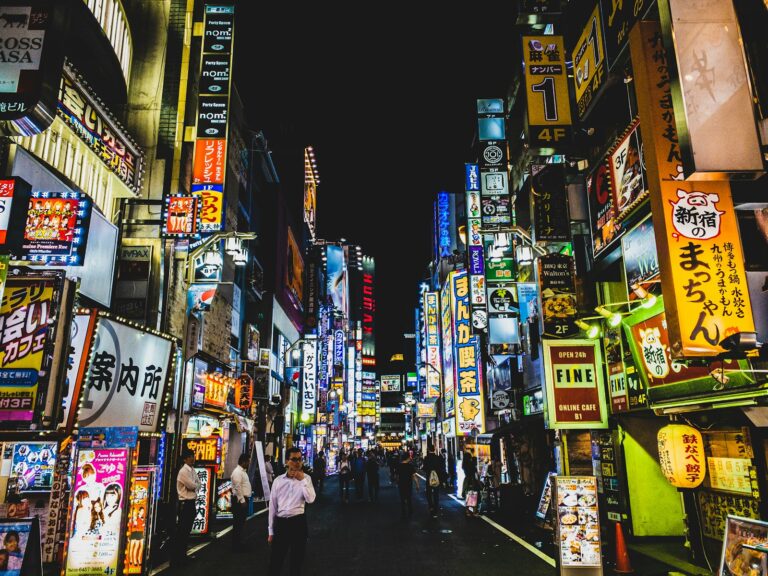

If you’ve wandered through Shinjuku’s Kabukicho after 9 p.m. and stared up at those neon towers wondering what actually happens inside, this hostess club Tokyo guide is written for you. Hostess clubs — kyabakura to locals — are one of the most misunderstood corners of Japanese nightlife, and the gap between how they’re portrayed in movies and how they actually work is enormous. Done right, a visit is a uniquely Japanese form of hospitality. Done wrong, it’s a fast way to burn through your travel budget and end your night arguing over a bill.
This guide cuts through the mystery. We’ll cover what a hostess club really is, how the pricing actually breaks down, the unspoken etiquette that separates welcome guests from ejected ones, and the specific areas and venues that are foreigner-friendly in 2026.
Contents
- What Is a Hostess Club, Really?
- Where to Find Hostess Clubs in Tokyo
- Can Foreigners Even Get In?
- How Hostess Club Pricing Actually Works
- Hostess Club Etiquette: The Unwritten Rules
- How to Avoid Kabukicho Scams (This Is the Important Part)
- A Typical First-Timer Night, Start to Finish
- Should You Actually Go?
- What do you do in Tokyo After 10?Join our Tokyo Nightlife Private Tour
- Skip the Guesswork — Go With a Local Guide
- About the Author
What Is a Hostess Club, Really?
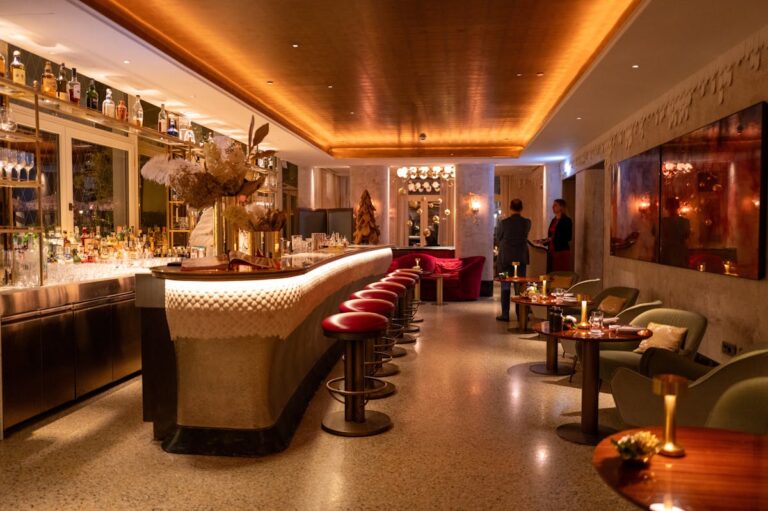
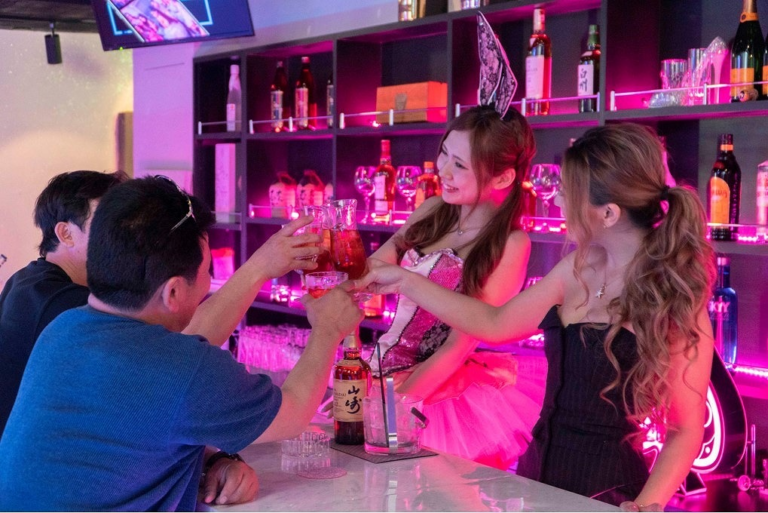
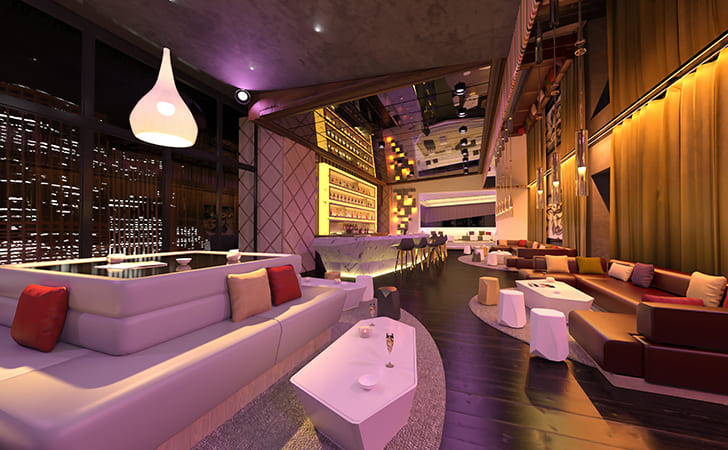
A hostess club is a licensed entertainment venue where (mostly male) guests pay for the time, conversation, and attention of female hosts. You sit at a table, one or more hostesses join you, pour your drinks, light the occasional cigarette, play simple games, and above all — talk with you. That’s the entire product. No dancing, no loud EDM, no dark corners. The Japanese word kyabakura is a contraction of “cabaret club,” and the experience sits somewhere between a members’ lounge, a karaoke bar, and a very expensive conversation.
It’s important to be clear about one thing: hostess clubs are not brothels. Physical contact with hostesses is strictly forbidden, and any staff who suggests otherwise is breaking the rules of the house (and, in most cases, the law). What you’re paying for is omotenashi — the Japanese art of attentive hospitality — turned into a nightly performance.
The closest Western analogue doesn’t really exist. A bottle-service table at a New York lounge comes closest in price point, but not in tone. In a hostess club, the hostess is the experience, not a bottle or a DJ.
Hostess Club vs Host Club vs Girls Bar
Quick vocabulary, because the signs outside will confuse you:
- Hostess club (kyabakura) — female hosts, male customers. The focus of this guide.
- Host club — male hosts, female customers. A different world, and a popular entry point for women curious about this side of Tokyo nightlife.
- Girls bar — counter-style bar with female staff serving drinks and chatting. Much cheaper, much more casual, and a great low-stakes way to test the waters.
- Snack bar — a small neighborhood bar run by a “mama-san” with a loyal local crowd. Often the friendliest and cheapest option.
If the prices in this guide make you wince, a girls bar or snack bar is the budget-friendly cousin you’re actually looking for.
Where to Find Hostess Clubs in Tokyo
Three neighborhoods dominate the scene, and each has its own personality.
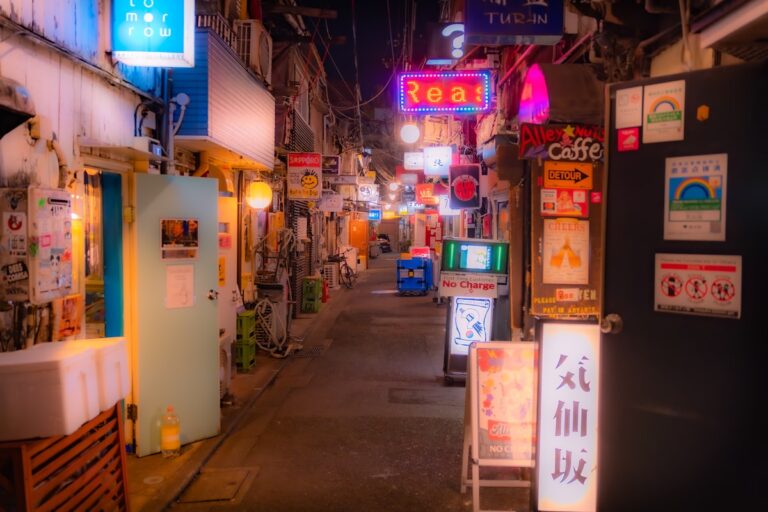
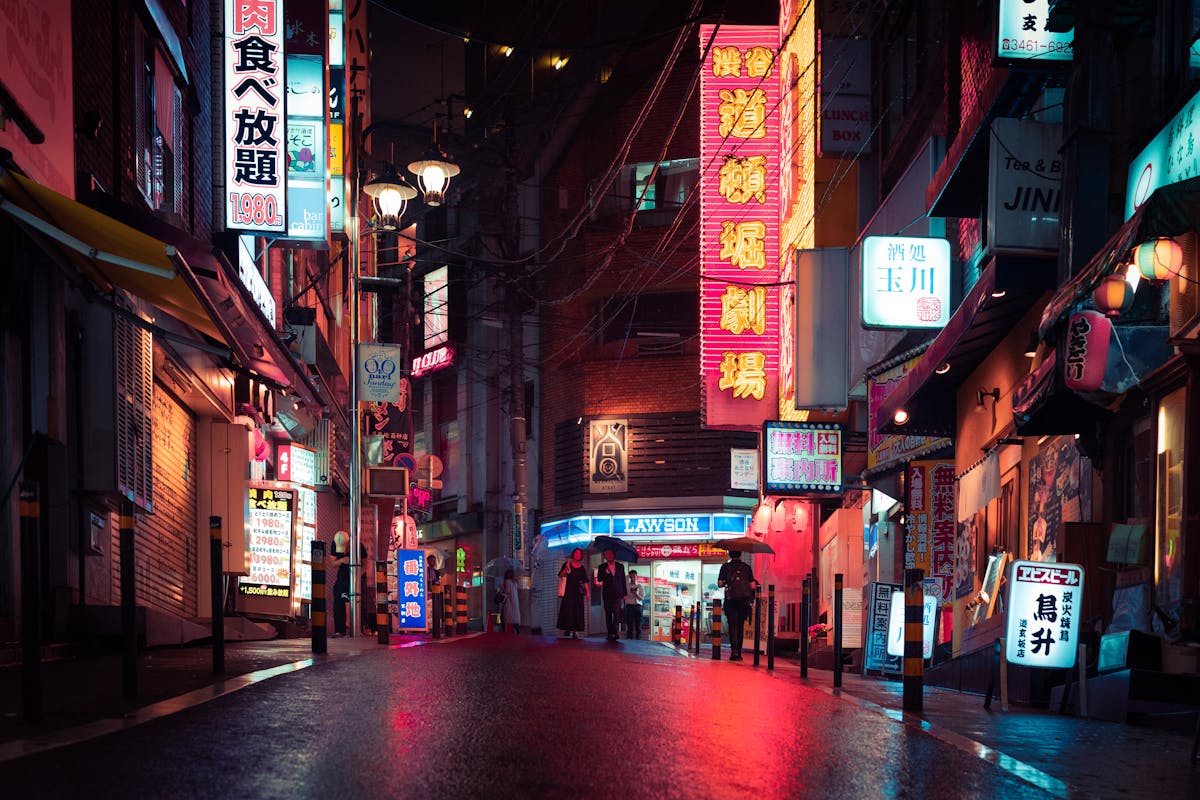
Kabukicho (Shinjuku). The biggest and most famous hostess district in Japan, sitting just east of Shinjuku Station. Kabukicho has everything from budget kyabakura charging ¥3,000 per hour up to premium venues. It is also, famously, where foreigners get in trouble — touts on the street (catch) pulling tourists into scam venues. Rule one for Kabukicho: never, ever follow a tout.
Roppongi. The default international district. More English-speaking staff, more foreigner-friendly clubs, and a higher baseline price. If this is your first time and Japanese isn’t your strength, Roppongi is usually the safer starting point.
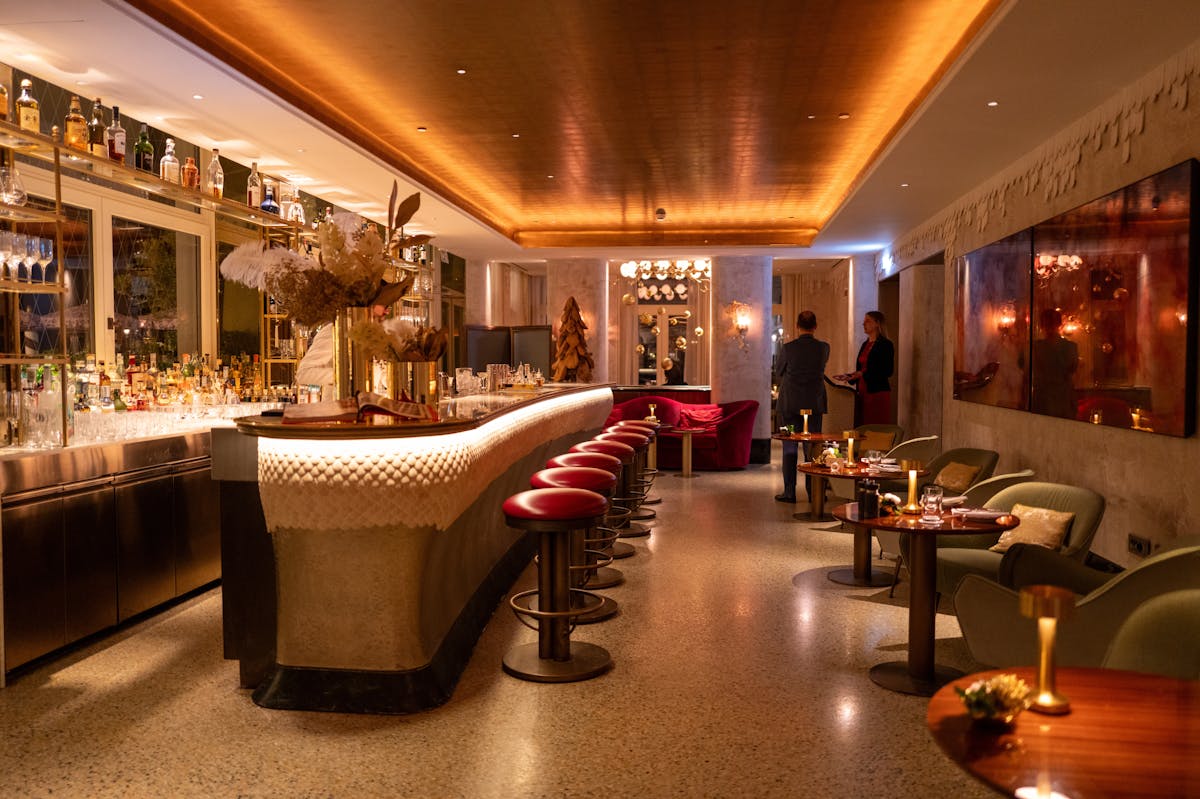
Ginza. The old-money option. Ginza hostess clubs are where salarymen expense ¥100,000+ nights; many are members-only or effectively closed to walk-in foreigners. Beautiful, legendary, and almost certainly not where a first-time visitor should start.
Can Foreigners Even Get In?
Here’s the honest answer: it depends on the venue. A hostess’s job is conversation, so if you can’t speak Japanese, many traditional kyabakura will politely turn you away — not out of rudeness, but because they literally cannot deliver the product. This is the single most common surprise for first-time visitors.
The good news is that a growing number of clubs specifically cater to international guests. These venues hire English-speaking Japanese hostesses, or staff from the Philippines, China, Korea, and Eastern Europe. Roppongi is the densest cluster, but foreigner-friendly spots exist in Kabukicho as well — you just have to know where to look, or go with someone who does.
A practical tip: look for venues that openly advertise an “English menu” or an “English-speaking staff” sign. A laminated English price sheet at the door is one of the strongest green flags you can find.
How Hostess Club Pricing Actually Works
Pricing is where most foreigners get burned, so read this section twice. A hostess club bill is almost never a single number — it’s a stack of fees that add up quickly.
Set charge (base hourly fee). The core fee for simply occupying a seat. At a standard Kabukicho kyabakura, this runs roughly ¥3,000–¥8,000 per hour per person. Roppongi foreigner-friendly clubs typically start higher. Ginza is a different galaxy.
Table / seat charge. Sometimes bundled into the set charge, sometimes listed separately. Always ask.
Drink charges. Your drinks, plus the hostess’s drinks. Offering your hostess a drink is part of the ritual, and she’ll thank you warmly — but each of those drinks gets added to your bill (typically ¥1,000–¥2,000 each). A smart strategy is to let her order just one or two across an hour.
Nomination fee (shimei). If you want a specific hostess to stay at your table, you pay a nomination fee of roughly ¥1,000–¥3,000. On a first visit this is usually optional.
Service charge. An additional 10–30% added to the subtotal.
Consumption tax. Japan’s 10% sales tax on top of everything else.
Credit card surcharge. Many venues add 10–20% if you pay by card. Bring cash when you can.
A realistic one-hour visit for one person at a mid-tier Kabukicho venue might look like this: ¥5,000 set + ¥2,000 in drinks + 20% service + 10% tax ≈ ¥9,240. Add a nomination fee, a second drink round, or an extra 30 minutes and you’re past ¥13,000 fast. Ginza can easily hit ¥50,000–¥100,000 per person for a full evening.
The golden rule: ask for the total price in writing before you sit down. A legitimate club will happily show you.
Hostess Club Etiquette: The Unwritten Rules
Japanese nightlife runs on unspoken codes, and hostess clubs have more of them than most places. Break them and you’ll feel it in the room instantly. Follow them and you’ll have one of the best nights of your trip.
Don’t touch. Physical contact with hostesses is strictly forbidden. No arm around the shoulder, no hand on the knee, nothing. Touching is the single fastest way to be asked to leave, and in serious cases the police are called. Treat the hostess as you would a new colleague at a work dinner.
Let her pour your drink. In Japan, pouring your own drink is slightly gauche in formal company. Your hostess will pour for you — that’s part of the performance. You can return the favor, but don’t race her to the bottle.
Offer her a drink — sometimes. Drinks for the hostess are part of the culture, but they’re also a revenue line. One or two across the hour is generous and normal. Ten is how you spend ¥30,000 without noticing.
Keep the conversation light. Work, travel, food, your impressions of Tokyo, her recommendations for the neighborhood. Avoid heavy politics, personal probing, or anything you wouldn’t say at a first dinner party.
Tipping is not a thing. Japan does not tip. The service charge on the bill covers it. Pressing cash into a hostess’s hand is awkward, not generous.
Phones down, photos off. Taking photos of hostesses or the interior is almost universally banned. Respect it.
Pay promptly when you decide to leave. When you signal for the bill, review it carefully, pay, and go. Lingering after payment feels strange to staff.
How to Avoid Kabukicho Scams (This Is the Important Part)
If you only remember one thing from this hostess club Tokyo guide, remember this: never, ever follow a street tout in Kabukicho. The classic scam runs like this — a friendly man (often a foreigner himself) approaches on the street, promises a cheap drink, walks you down an alley and into an upstairs venue, and ninety minutes later you’re handed a bill for ¥150,000 with men at the door who’d rather you didn’t leave without paying. Tokyo police and local media report on these cases every month. They are not rare.
Real protection rules:
- Walk in on your own, ideally to a venue you researched before leaving the hotel.
- Confirm the full pricing structure in writing — set fee, service %, tax, card surcharge — before you sit down.
- Avoid any venue without an exterior price sign or a clear street-level entrance.
- Bring cash and a conservative budget cap. Leave your secondary card at the hotel.
- Go with someone who knows the district. This last point is the single biggest difference between a great night and a disaster.
A Typical First-Timer Night, Start to Finish
Here’s what a smooth, well-run hostess club visit actually feels like, so you know what to expect.
You arrive around 9 or 10 p.m. The doorman greets you and confirms how many in your party and how long you’d like to stay (the system is explained upfront — set charges are by the hour or the half-hour). You’re walked to a small booth, usually a low table with cushioned seating. A waiter brings hot towels, a small snack, and a drinks menu.
Within a minute or two a hostess sits beside you, introduces herself, asks what you’d like to drink, and starts the conversation. At a good club she’ll read your mood: chatty if you’re chatty, low-key if you’re tired. She’ll ask where you’re from, how long you’re in Tokyo, what you’ve eaten, what you think of the city. Every ten or fifteen minutes a new hostess might rotate in — this is normal and part of the format.
Toward the end of your hour, the waiter quietly asks whether you’d like to extend or close the bill. You look at your watch, decide, and pay. You walk out into the Kabukicho neon a few thousand yen lighter and, if everything went well, with the slightly surreal satisfaction of having experienced something that doesn’t exist anywhere else in the world.
Should You Actually Go?
Honestly? It depends on what you’re after. If you want loud music, dancing, and meeting other travelers, a hostess club is the wrong call — go to a Shibuya club or an izakaya crawl instead. If you want a high-energy Japanese cultural experience where the entire point is quiet, attentive conversation in a room that looks like a 1980s film set, and you’re willing to pay for it, then yes — it’s worth doing once.
For most first-time visitors who are curious but not sure, the sweet spot is actually a girls bar or a friendly snack bar in Shinjuku’s Golden Gai or Omoide Yokocho. You get the conversational warmth, the staff attention, and the local atmosphere for a fraction of the price. Think of it as the tasting menu before you commit to the full kyabakura degustation.
What do you do in Tokyo After 10?
Join our Tokyo Nightlife Private Tour
You deserve better than overpriced bars and missed opportunities. We’re here for you.
Skip the Guesswork — Go With a Local Guide
The honest truth is that Tokyo’s nightlife districts are not designed for first-time visitors to navigate alone. The venues that give you the best experience are rarely the ones with the loudest signs on the street, and the venues with the loudest signs are often the ones you should avoid. A local guide cuts through all of it in an hour.
At Kokyo Tours we run small-group and private Tokyo nightlife tours built specifically for foreign visitors who want to experience the after-dark side of the city without the stress of figuring it out alone. Our guides speak English, know which doors are open to international guests and which to avoid, and can translate both the menus and the social codes in real time.
If you’d rather spend your night enjoying Tokyo than decoding it, that’s exactly what we’re here for.