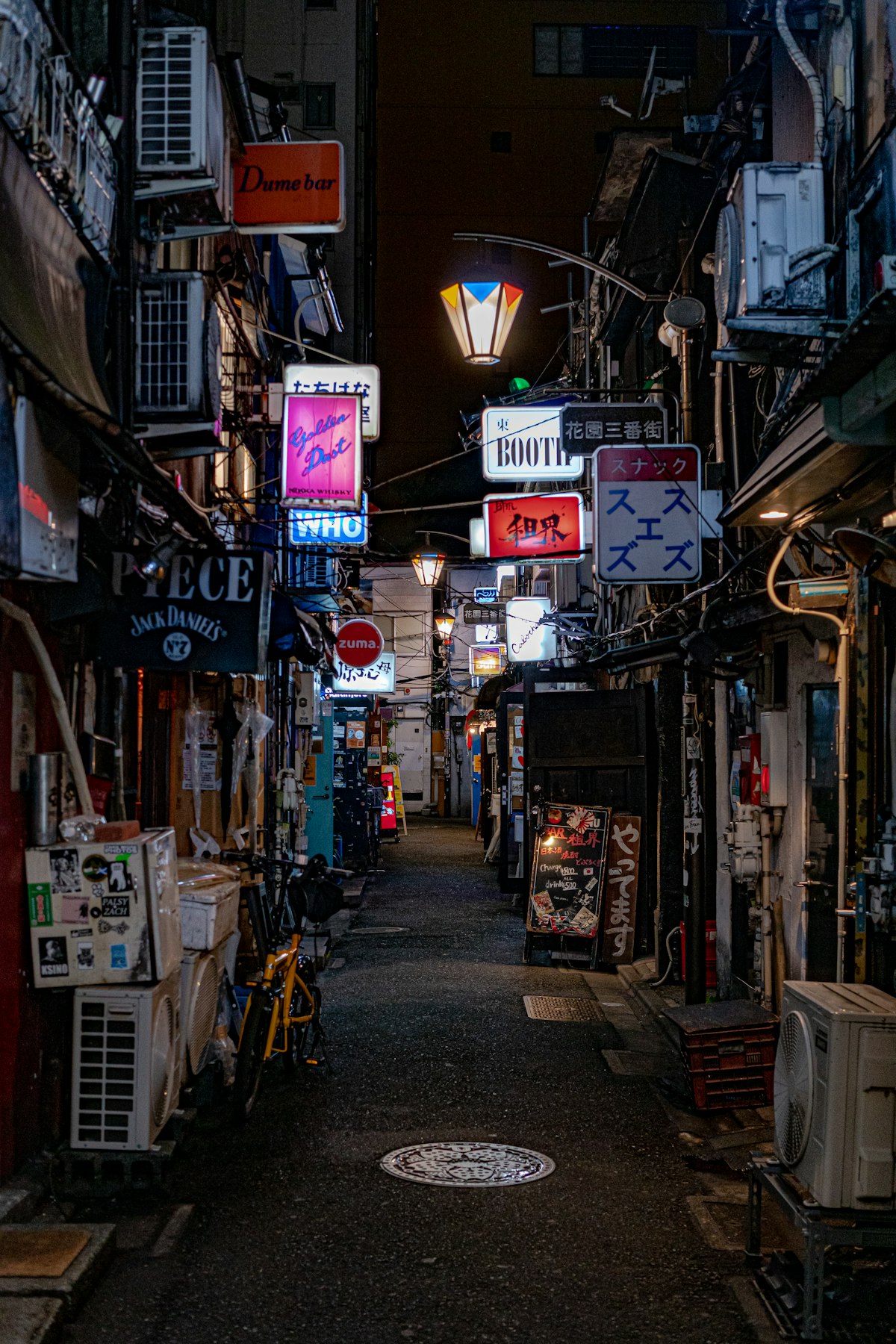
Photo by Marcel Ardivan on Unsplash
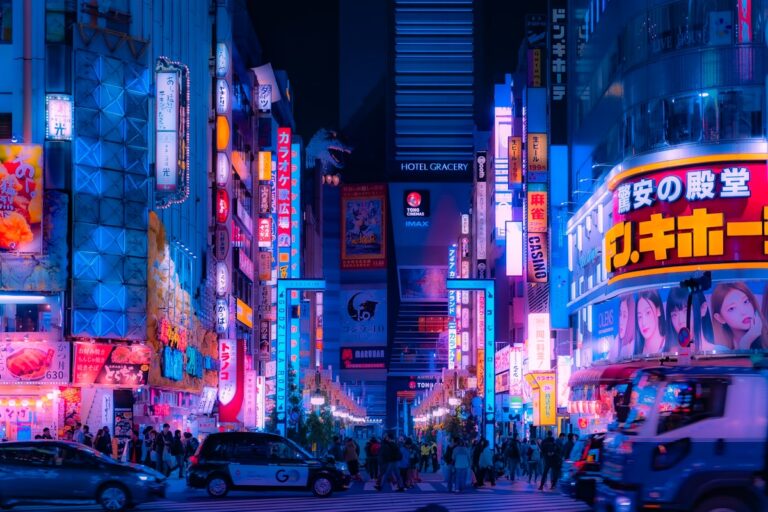
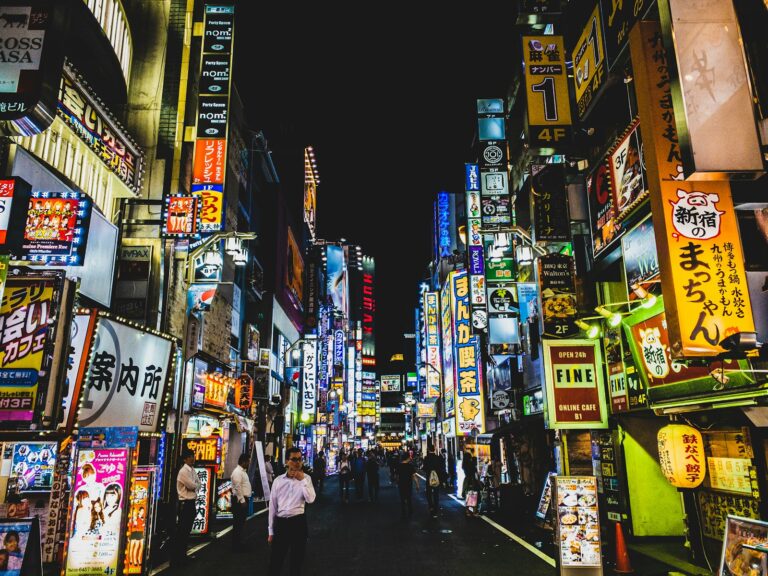
Tucked behind Shinjuku’s neon-drenched main streets, Golden Gai is a maze of six narrow alleys holding over 200 tiny bars — each one barely bigger than a walk-in closet. For first-time visitors, it can feel equal parts thrilling and intimidating. Where do you start? Which doors are you actually allowed to open? And how do you avoid accidentally spending ¥15,000 on three drinks?
This guide breaks down everything you need to know about Shinjuku Golden Gai bars — from picking your first spot to closing out the night with a bowl of ramen around the corner. Whether you’re visiting Tokyo for the first time or coming back to explore deeper, these Golden Gai bars reward those who show up with a little preparation and a lot of curiosity.
Contents
- What Makes Golden Gai Special?
- Before You Go — Practical Essentials
- How to Actually Enjoy Shinjuku Golden Gai Bars (Not Just Survive Them)
- Golden Gai Etiquette — The Unwritten Rules
- 5 Shinjuku Golden Gai Bars Worth Finding on Your First Visit
- Solo vs Group — Two Different Experiences
- After Golden Gai — Late-Night Eats Nearby
- What do you do in Tokyo After 10?Join our Tokyo Nightlife Private Tour
- Skip the Guesswork — Let a Local Show You Around
- About the Author
What Makes Golden Gai Special?
A Brief History — From Black Market to Bar District
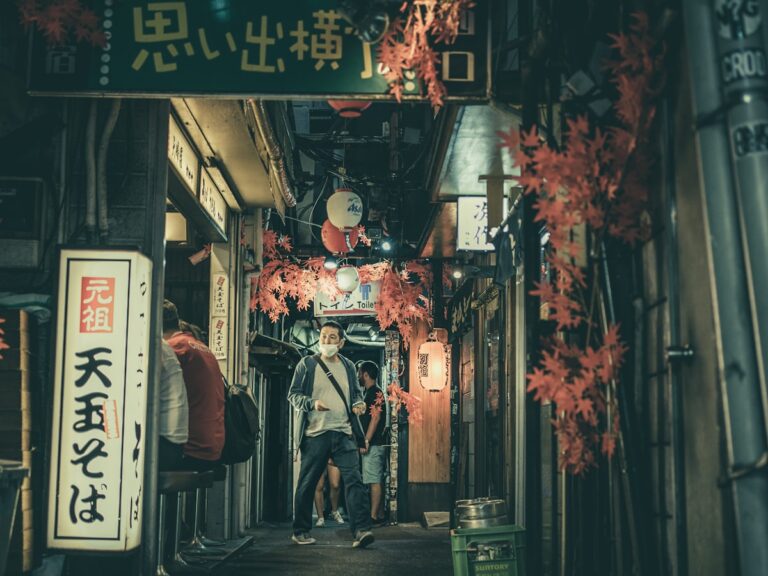
Golden Gai started as a postwar black market in the late 1940s. When the rest of Tokyo was rebuilding into the modern metropolis it is today, this pocket of Kabukicho refused to change. The cramped wooden structures that once housed illegal stalls gradually became drinking spots, attracting writers, filmmakers, musicians, and artists who couldn’t afford — or didn’t want — the polished bars elsewhere in the city.
That countercultural DNA still runs through Golden Gai today. Walk into any of the Shinjuku Golden Gai bars on a given night and you might end up sitting next to an indie filmmaker, a jazz musician between sets, or a retired salary man who’s been coming to the same spot for 30 years. It’s one of the last places in central Tokyo where the city’s postwar character is still physically visible.
What Golden Gai Looks Like Today
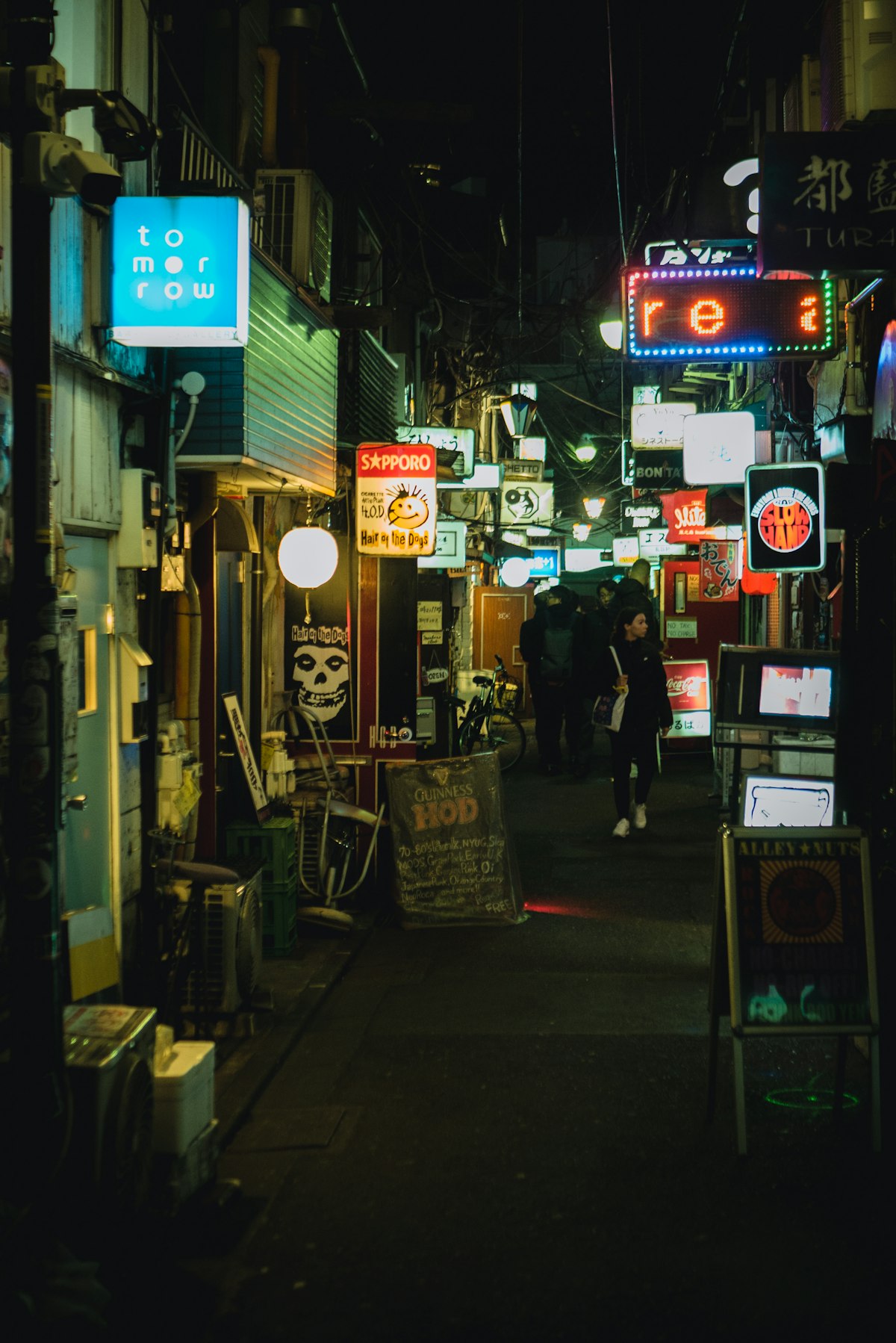
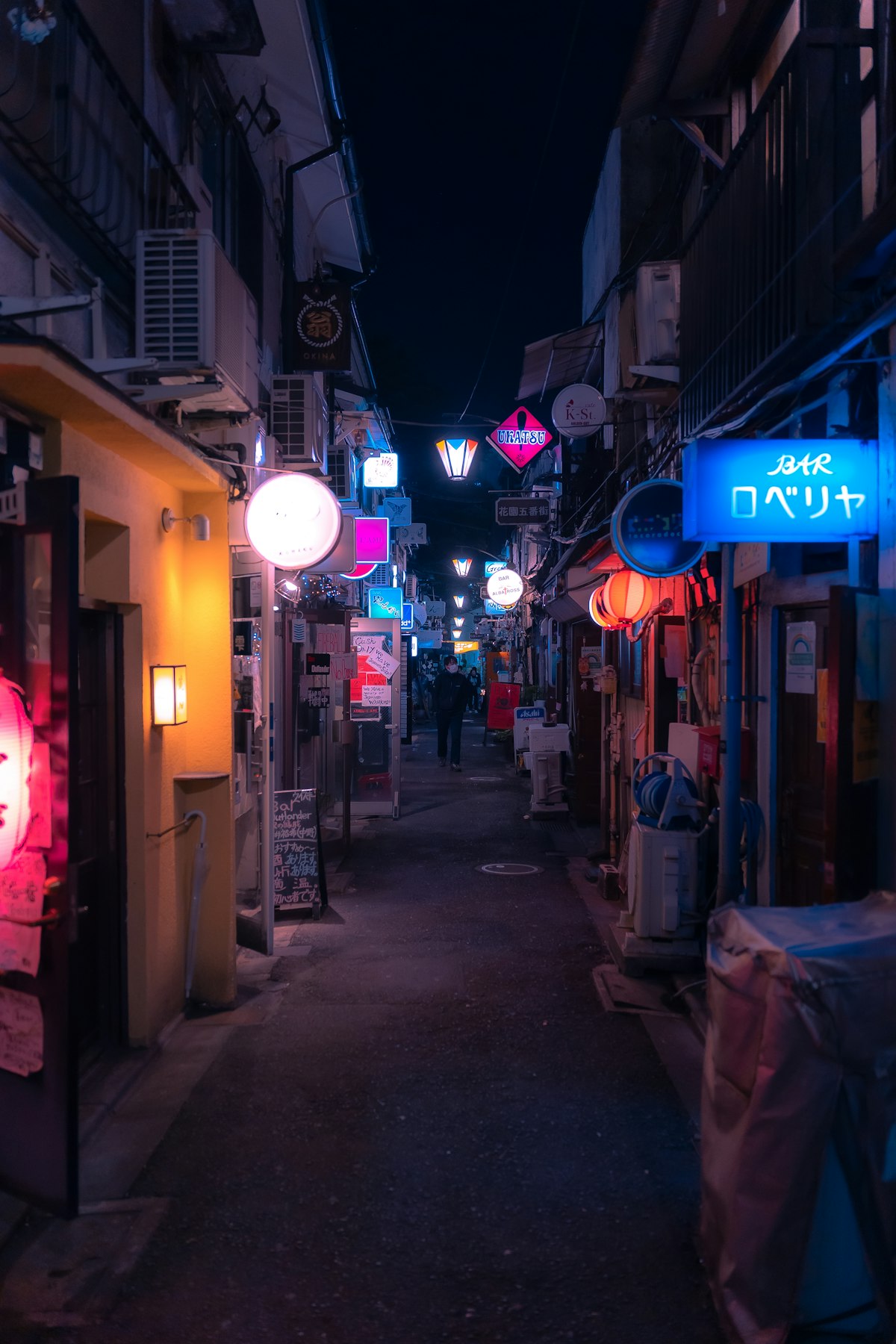
The area is made up of six interconnected alleys, each lined with two-story wooden buildings. Most bars occupy just the ground floor — a counter with five to ten stools, shelves of bottles behind the bartender, and walls covered in whatever the owner is passionate about. Some have a second-floor bar reached by a steep, narrow staircase.
During the day, Golden Gai looks like a forgotten film set. Signs are unlit, doors are closed, and the alleys are quiet. The transformation happens around 8 PM, when the lanterns flicker on and the area fills with the hum of conversation and clinking glasses. By 10 PM on a Friday or Saturday, the alleys are shoulder-to-shoulder with people peeking through doorways and debating which bar to try next.
Before You Go — Practical Essentials
How to Get There
Golden Gai sits in the Kabukicho district, just east of Shinjuku Station. The most straightforward route is to take the East Exit from Shinjuku Station and walk about 5 minutes north, past the Kabukicho entrance arch. You’ll find Golden Gai at 1 Chome Kabukicho, Shinjuku — look for a cluster of narrow alleys between Hanazono Shrine and the main Kabukicho strip.
Best Time to Visit (Day of the Week Matters)
Most Shinjuku Golden Gai bars open around 8 PM and stay open until the early morning hours. Weeknights (Monday to Thursday) are quieter, with fewer tourists and more regulars. Weekends (Friday and Saturday) bring the crowds — arrive by 8:30 PM to get ahead of the rush. Sunday is hit-or-miss.
How Much Money to Bring
Cash is essential. The vast majority of Shinjuku Golden Gai bars are cash-only. Expect to spend ¥3,000 to ¥6,000 per bar — cover fee (¥500–¥1,500) plus drinks (¥600–¥1,200 each). For a full evening of bar-hopping (3–4 bars), budget around ¥10,000 to ¥15,000 per person.
How to Actually Enjoy Shinjuku Golden Gai Bars (Not Just Survive Them)
Start With a Tourist-Friendly Bar
Not every bar in Golden Gai welcomes walk-ins, especially from foreigners. Look for English menus outside, a “Tourists Welcome” sign, or a friendly wave from the bartender. Well-known starting points include Albatross G, The Open Book, and Kenzo’s Bar.
How to Bar-Hop Like a Regular
Check before entering — if every seat is taken, move on. Greet the bartender with “konbanwa.” Spend 30–45 minutes per bar. Pay as you leave by saying “okaikei” or making an X gesture.
What to Order When You Have No Idea
Highball (ハイボール) — whiskey and soda, always under ¥800. Beer (ビール) — ask for “nama biiru.” Shochu (焼酎) — a distilled spirit; ask “osusume wa?” for a recommendation. For a deeper dive, see our guide to Japanese drinking culture.
Talking to Owners and Locals
The bartenders are the personality of their bar — many have been running their spot for decades. Use Google Translate, gestures, and ask about the bar’s theme (music, film, literature). That question alone will open up the whole evening.
Golden Gai Etiquette — The Unwritten Rules
Nearly every one of the Shinjuku Golden Gai bars charges a cover fee (“otoshi”), usually ¥500–¥1,500, which includes a small snack. Always confirm before sitting. Shinjuku Golden Gai bars and alleys have a strict no-photography policy — always ask “shashin OK?” first. Keep voices low, leave bulky bags at your hotel, and never block a doorway.
Looking for Adult Entertainment Services in Tokyo? Download this
I’ve spent over a decade exploring and studying Japan’s adult entertainment scene firsthand. If you’d like detailed insider information—including how to choose the right shop, what services are available, and tips for avoiding common mistakes—check out our exclusive E-book.
5 Shinjuku Golden Gai Bars Worth Finding on Your First Visit
Albatross G — multi-story, antique chandeliers, rooftop terrace. A perfect first stop. La Jetée — a cinephile’s paradise named after Chris Marker’s legendary film. The Open Book — a standing bar lined floor-to-ceiling with books. Kenzo’s Bar — warm hospitality and great conversation. Bar Plastic Model — vintage memorabilia, classic vinyl, effortlessly cool.
Solo vs Group — Two Different Experiences
Shinjuku Golden Gai bars are among the few nightlife spots in the world that might actually be better as a solo experience — you’re more approachable and bartenders engage more readily. Pairs work well for groups; four or more gets tricky in the tiny spaces.
After Golden Gai — Late-Night Eats Nearby
Omoide Yokocho is 5 minutes west — yakitori and ramen in an old-Tokyo atmosphere. Fuunji serves Tokyo’s best tsukemen. Or grab an onigiri from any convenience store — it might be the most satisfying bite of your trip.
What do you do in Tokyo After 10?
Join our Tokyo Nightlife Private Tour
You deserve better than overpriced bars and missed opportunities. We’re here for you.
Skip the Guesswork — Let a Local Show You Around
Exploring Shinjuku Golden Gai bars on your own is incredible, but it can also be overwhelming. A local guide who knows the bartenders personally can walk you straight into the bars you’d never find alone. You’ll learn the stories behind the bars, pick up Japanese drinking etiquette in real time, and spend your evening actually enjoying Golden Gai instead of standing outside guessing which door to open. KOKYO Tours Tokyo After 10 Night Tour — led by locals who’ve been navigating these alleys for years.
Planning your Tokyo nightlife adventure? Read more of our Tokyo nightlife guides for insider tips on the best bars, izakayas, and hidden spots across the city.