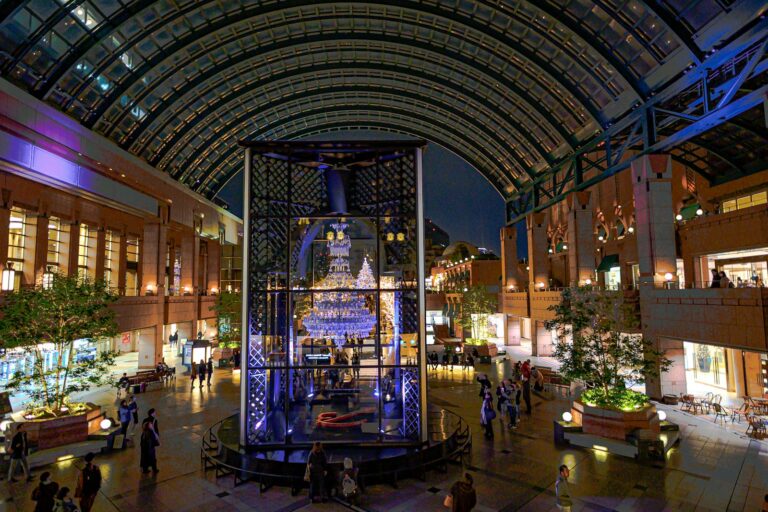
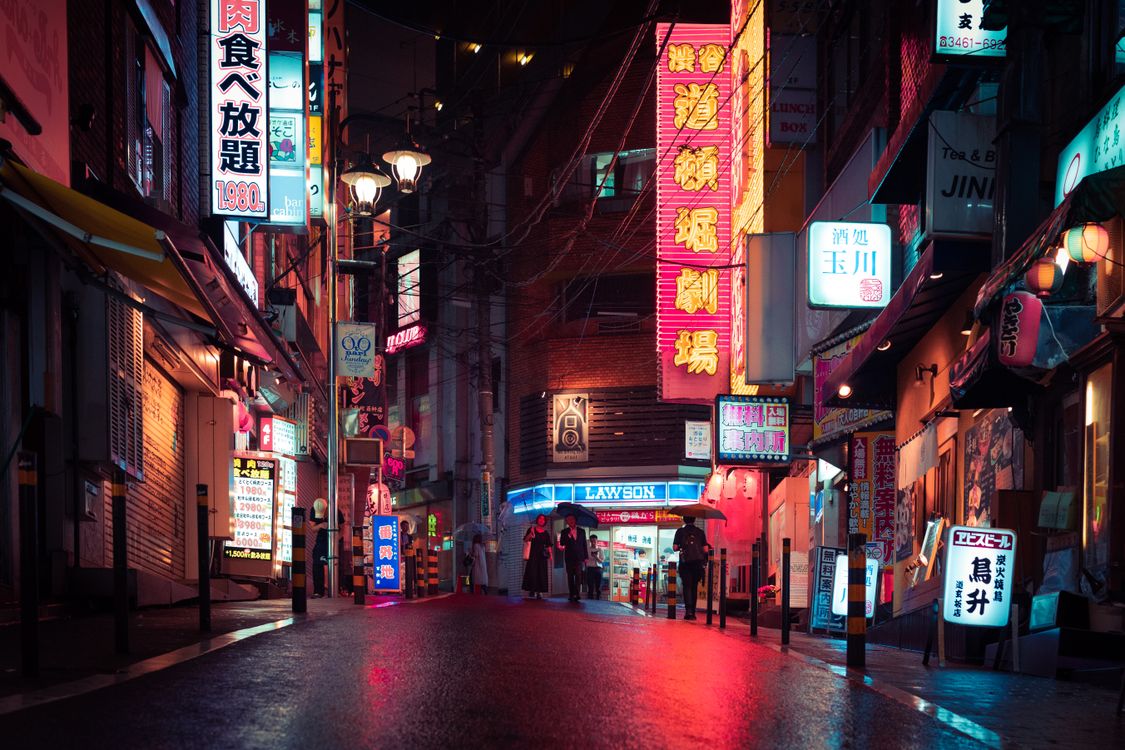
Tokyo doesn’t sleep — it just changes costumes. When the sun sets, the city transforms into a neon-drenched playground where tiny bars hide behind unmarked doors, observation decks reveal a sea of light stretching to the horizon, and back-alley ramen shops serve some of the best bowls you’ll ever taste. If you’re wondering what to do in Tokyo at night, the honest answer is: almost too much.
This guide covers the best Tokyo night activities — from iconic experiences every visitor should try to insider spots that most travel blogs won’t mention. Whether you’re into craft cocktails, street food, jaw-dropping city views, or karaoke until 5 AM, there’s a nighttime Tokyo waiting for you.
Contents
- What to Do in Tokyo at Night: Start with the Views from Above
- Explore Tokyo’s Best Nightlife Districts
- Bar-Hop Through Golden Gai
- Eat Your Way Through Yokocho Alleys
- Sing Your Heart Out at Karaoke
- Chase the Best Late-Night Ramen
- Experience an Izakaya Like a Local
- Walk Across Shibuya Crossing After Dark
- Discover Tokyo’s Craft Cocktail Scene
- Catch a Live Music Show
- Soak in a Late-Night Onsen or Sento
- Visit a Late-Night Shrine or Temple
- Practical Tips: What to Know Before Going Out in Tokyo at Night
- Make the Most of Your Night in Tokyo
- About the Author
What to Do in Tokyo at Night: Start with the Views from Above
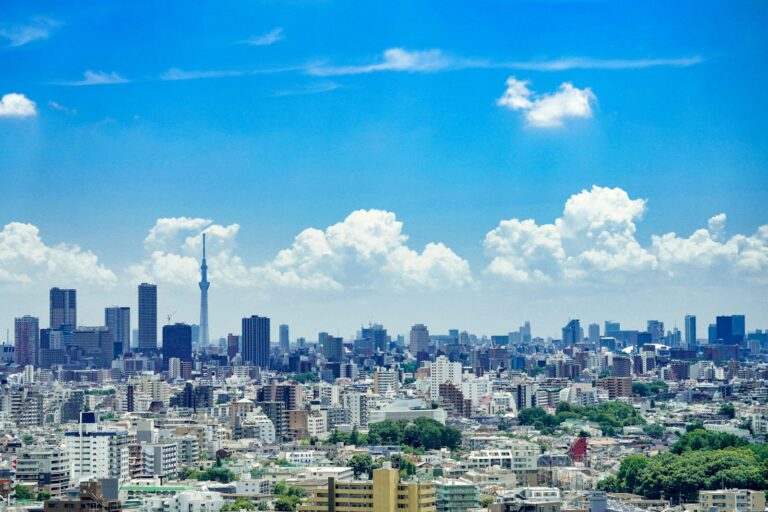
Few cities reward you for looking down the way Tokyo does. The skyline at night is a vast ocean of twinkling lights, punctuated by the orange glow of Tokyo Tower and the color-shifting LED display of Tokyo Skytree.
Shibuya Sky
The open-air rooftop observation deck on the 46th floor of Shibuya Scramble Square is the best night view in Tokyo right now. At 229 meters up, you’re standing on a glass-edged platform with 360-degree views — Shinjuku’s skyscrapers to the north, Tokyo Tower and the bay to the south, and on clear nights, Mount Fuji’s silhouette to the west. Book tickets online in advance (¥2,000) to skip the often lengthy queue. The last entry is at 9:00 PM, but try to arrive around sunset to watch the city transition from golden hour to full neon glow.
Tokyo Skytree
At 350 meters (Tembo Deck) and 450 meters (Tembo Galleria), Skytree offers the highest observation point in the city. The nighttime view from here is genuinely different from Shibuya Sky — you’re looking out over the older, lower-rise neighborhoods of eastern Tokyo, which creates a carpet of warm light that stretches endlessly. Tickets start at ¥2,100 for the Tembo Deck.
Tokyo Tower’s Top Deck
Tokyo Tower’s main observation deck (150m) is often less crowded at night than Shibuya Sky. The advantage here is proximity to the tower’s own illuminated structure — you’re inside an icon looking out. The Top Deck tour (250m, ¥3,000) includes a guided experience with projection mapping and is worth it for first-time visitors.
Insider tip: If you’d rather skip the admission fee, head to the free observation deck at the Tokyo Metropolitan Government Building in Shinjuku. It’s open until 11:00 PM and the views are excellent — especially of Shinjuku’s neon-lit streets below.
Explore Tokyo’s Best Nightlife Districts
One of the first decisions when figuring out what to do in Tokyo at night is which neighborhood to head to. Tokyo’s nightlife is spread across distinct districts, each with its own personality. Knowing which one matches your mood saves you from wandering into the wrong scene.
Shinjuku — The Beating Heart of Tokyo Nightlife
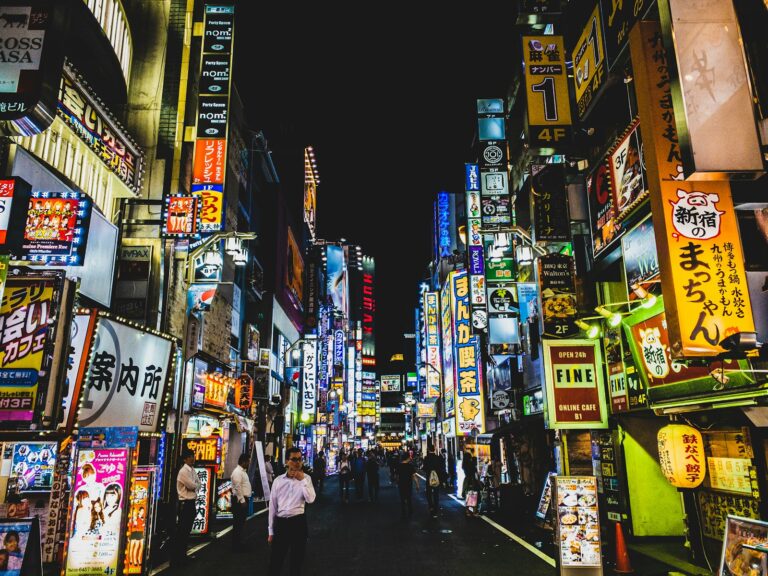
Shinjuku is where Tokyo’s nightlife energy is most concentrated. Within walking distance, you’ll find everything from sophisticated hotel bars to rowdy izakaya alleys to the chaotic neon canyons of Kabukicho. Start at the east exit of Shinjuku Station and let the lights pull you in.
What to prioritize: Golden Gai (covered below), Omoide Yokocho for late-night yakitori, and a walk through Kabukicho’s main street just for the sheer sensory overload — even if you don’t stop at any of the venues.
Shibuya — Younger, Louder, Later
Shibuya skews younger and trendier. The area around Center Gai and Dogenzaka is packed with izakaya chains, karaoke boxes, and clubs. For a more relaxed vibe, head to Nonbei Yokocho (“Drunkard’s Alley”), a tiny strip of traditional bars tucked behind the Shibuya Mark City building — it’s Shibuya’s answer to Golden Gai but far less touristy.
Roppongi — International and Late-Night
Roppongi has long been Tokyo’s most international nightlife district. If you’re looking for clubs that stay open until morning or bars where English is the default language, this is your spot. The area around Roppongi Crossing and the streets behind the Almond café are the main zones.
A word of caution: Roppongi’s main strip has more aggressive touts than anywhere else in Tokyo. As a general rule, if someone on the street is inviting you into a bar, walk past. The best spots don’t need to pull people off the sidewalk.
Shimokitazawa — The Local’s Pick
Most “Tokyo at night” guides skip Shimokitazawa entirely, which is exactly why it’s worth visiting. This bohemian neighborhood a few minutes from Shibuya is packed with tiny live music venues, craft beer bars, vintage shops that stay open late, and some of Tokyo’s best curry restaurants. The vibe is more Austin than Shinjuku — laid-back, creative, and refreshingly unpretentious.
Bar-Hop Through Golden Gai
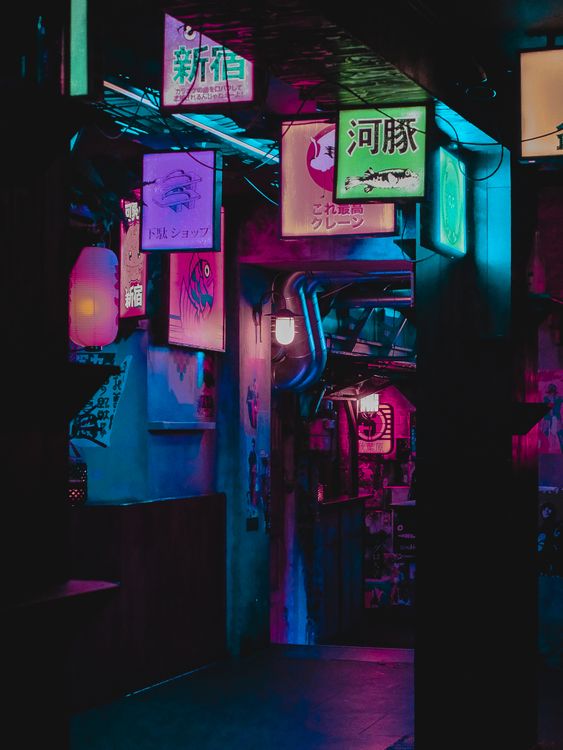
Golden Gai is a labyrinth of six narrow alleys in Shinjuku packed with roughly 200 tiny bars, most seating fewer than ten people. Each bar has its own theme, personality, and regular crowd — one might specialize in jazz vinyl, another in horror movies, another in whiskey from a single Scottish distillery.
How to approach it: Many Golden Gai bars charge a cover (typically ¥500–¥1,500 per person), which is standard and not a scam. Check for signs on the door indicating whether the bar welcomes new visitors — some are members-only or regulars-only, and that’s perfectly fine. Just move to the next door.
Pro tips for Golden Gai:
- Go on a weeknight if you want to actually talk to the bartender and other patrons. Weekends can get shoulder-to-shoulder in the alleys.
- Start around 9:00 PM. Many bars don’t open until 8:00 PM and things don’t pick up until later.
- Bring cash. Most Golden Gai bars don’t accept cards.
- Two to three bars in one night is the sweet spot. Linger, don’t rush.
If navigating Golden Gai on your own feels intimidating — and it can for first-timers — a local guide who knows the bartenders makes the difference between peeking through windows and actually having a memorable night.
Eat Your Way Through Yokocho Alleys
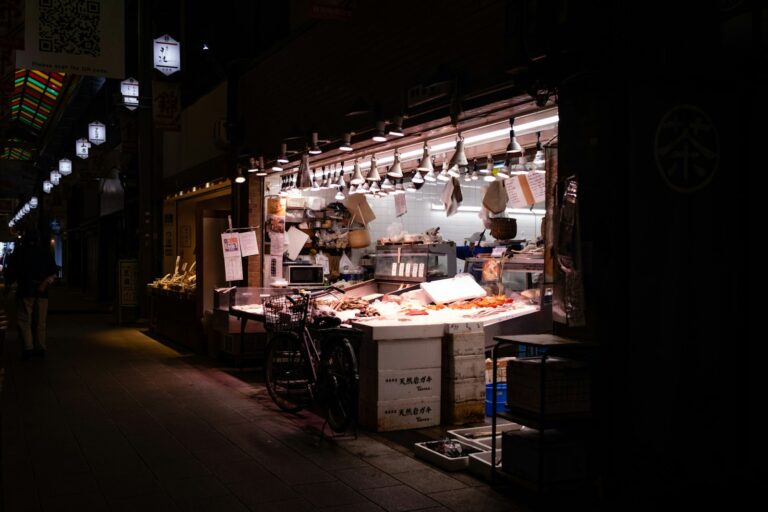
Yokocho (横丁) literally means “side street,” but in Tokyo it refers to narrow alleyways lined with tiny food and drink stalls. These are where you’ll find some of the most authentic — and affordable — eating and drinking in the city.
Omoide Yokocho (Memory Lane / Piss Alley)
Located right next to Shinjuku Station’s west exit, Omoide Yokocho is a collection of roughly 80 tiny stalls specializing in yakitori (grilled chicken skewers) and other grilled meats. The smoke, the cramped seating, the cold beer — it’s an experience you can’t replicate at a proper restaurant. Most skewers run ¥100–¥300 each.
Ebisu Yokocho
A more modern take on the yokocho concept, Ebisu Yokocho is a covered arcade of about 20 small restaurants. The crowd here tends to be local professionals in their 20s and 30s, and the food quality is consistently high across the board. It’s a great spot to start the evening with food before heading elsewhere.
Suzunari Yokocho (Shimokitazawa)
Shimokitazawa’s yokocho is one of the newer additions to the scene, part of the neighborhood’s redevelopment. It’s less well-known among tourists, which means you’ll be drinking alongside locals. The food stalls range from Thai street food to natural wine bars.
Sing Your Heart Out at Karaoke
If you’re still deciding what to do in Tokyo at night, karaoke should be near the top of your list. Karaoke in Japan is nothing like karaoke in the West. Here, you rent a private room with your group, order drinks from a menu, and sing without anyone judging you (except your friends). It’s one of the most fun things to do in Tokyo at night, whether you’re a serious singer or completely tone-deaf.
Where to go: Big chains like Karaoke Kan, Big Echo, and Joysound are everywhere and reliably good. For something more upscale, try Fioria in Ginza, which offers high-end sound systems and a cocktail menu. Most chains offer “all-you-can-drink” packages (nomihoudai) that include unlimited drinks for a fixed price — typically ¥1,500–¥2,500 for two hours.
Timing tip: Karaoke is cheapest during “free time” packages that start around midnight and run until 5:00 AM. You’ll often pay less for five hours overnight than for two hours in the evening. It’s also a practical way to pass the time if you’ve missed the last train.
Chase the Best Late-Night Ramen
Ask anyone who’s been here what to do in Tokyo at night, and late-night ramen will come up within the first minute. There’s a reason ramen shops are busiest after midnight in Tokyo. A steaming bowl after a night out isn’t just food — it’s a ritual. Here are the late-night spots that justify staying out past the last train.
Fuunji (Shinjuku) — Famous for their tsukemen (dipping noodles) with an intensely concentrated fish-and-pork broth. There’s usually a line, but it moves fast. Open until 9:00 PM on most nights, but nearby Shinjuku has plenty of 24-hour options.
Ichiran (multiple locations) — The solo ramen experience. You sit in an individual booth, customize your bowl on a paper form, and eat in peaceful solitude. It’s open 24 hours at most locations and is perfect for a post-midnight solo meal.
Ramen Street (Tokyo Station) — Located in the underground shopping area beneath Tokyo Station, this collection of eight ramen shops represents different regional styles from across Japan. Open until 11:00 PM — not technically late-night, but a solid option if you’re in the area.
Local’s secret: Head to any neighborhood with a cluster of salarymen stumbling out of izakaya around midnight, and you’ll find a ramen shop nearby with a line out the door. Follow the locals. They know which bowl is worth waiting for.
Experience an Izakaya Like a Local
An izakaya is Japan’s version of a pub — a casual restaurant where food and drinks are ordered to share. If you do one thing on this list, make it an izakaya night. It’s the most authentic way to experience how Japanese people actually spend their evenings.
What to order: Start with a beer (draft beer is “nama biiru”) and edamame — this is the universal izakaya opener. From there, try yakitori, karaage (fried chicken), agedashi tofu, and whatever the seasonal special is. Most izakaya menus have pictures, and many in tourist areas have English menus.
Etiquette to know:
- You’ll receive an otoshi (a small appetizer you didn’t order) with your first drink. This is essentially a table charge (¥300–¥500) and is completely normal.
- Pouring your own drink is fine, but pouring for others first is a nice cultural gesture.
- When you’re ready to leave, say “okaikei onegaishimasu” (the check, please) or make an X with your fingers to catch the server’s attention.
For a deeper dive into izakaya culture with someone who can translate the menu and introduce you to dishes you’d never order on your own, a Tokyo night tour with a local guide turns a good evening into an unforgettable one.
Walk Across Shibuya Crossing After Dark

Shibuya Crossing is impressive during the day, but at night it becomes something else entirely. The massive video screens, the streams of people crossing from all directions, the wall of light — it’s the single most “Tokyo” moment you can have. Walk across it at least once, then find a spot above to watch the choreography from a bird’s-eye view.
Best viewing spots: The Starbucks on the second floor of Shibuya Tsutaya (facing the crossing) is the classic spot, though it gets crowded. For a more elevated view, the Shibuya Sky observation deck or the Mag’s Park rooftop on the adjacent building offer excellent perspectives.
Discover Tokyo’s Craft Cocktail Scene
Tokyo consistently ranks among the world’s best cities for cocktails, and the bar scene here is defined by an obsessive attention to detail. Bartenders in Tokyo don’t just make drinks — they perform them.
Must-visit bars:
- Bar High Five (Ginza) — No menu. Bartender Hidetsugu Ueno asks what you like and creates something perfect. Reservations strongly recommended.
- Gen Yamamoto (Azabu-Juban) — An omakase-style cocktail experience using seasonal Japanese ingredients. Only eight seats.
- SG Club (Shibuya) — Two floors: a casual grill bar upstairs and a speakeasy-style cocktail bar downstairs. Run by award-winning bartender Shingo Gokan.
Budget-friendly option: If ¥2,000+ cocktails aren’t in the budget, standing bars (tachinomi) serve drinks from ¥300–¥500 and are genuinely fun. They’re scattered throughout Shinjuku, Ueno, and Shinbashi.
Catch a Live Music Show
Tokyo’s live music scene is vibrant and wildly diverse. On any given night, you can find everything from jazz in a basement club to punk rock in a 50-person venue.
For jazz: Blue Note Tokyo (Aoyama) is the famous choice, but locals prefer the more intimate Pit Inn (Shinjuku), which has been running since 1965. Cover charges at Pit Inn are a fraction of Blue Note’s prices.
For indie and rock: Shimokitazawa has the highest concentration of small live houses. Check venues like Shelter, 440, and THREE for nightly shows. Most charge a modest entry fee (¥1,500–¥2,500) that includes a drink.
For electronic music: Shibuya’s clubs like WOMB and Contact are solid choices, while the Roppongi area has larger venues. Check event listings on Resident Advisor for what’s happening during your visit.
Soak in a Late-Night Onsen or Sento
For something completely different from the usual list of what to do in Tokyo at night, consider a hot bath. A soak after a long day of exploring is one of life’s great pleasures, and several Tokyo bathhouses stay open late or even 24 hours.
Thermae Yu (Shinjuku) — A modern onsen facility right in Kabukicho, open until 9:00 AM the next morning. It uses natural hot spring water pumped from underground and has multiple bath types, saunas, and rest areas. It’s also a clever budget hack: for about ¥2,000, you get a bath, a place to rest, and you save on a hotel room for one night.
Sento (public bathhouses) — For a more local experience, neighborhood sento are scattered throughout Tokyo. Most charge just ¥520 (the city-regulated price) and close around midnight. They’re not fancy, but they’re as authentic as it gets.
Visit a Late-Night Shrine or Temple
Tokyo’s shrines and temples take on a completely different character at night. Without the daytime crowds, you can experience a moment of genuine stillness in the middle of one of the world’s busiest cities.
Meiji Jingu — While the inner shrine closes at sunset, the forested approach along the gravel path is open and hauntingly beautiful at night. The transition from neon Harajuku to the dark, silent forest feels almost surreal.
Hanazono Shrine (Shinjuku) — Located right at the edge of Golden Gai, this shrine is illuminated at night and offers a striking contrast to the bars just meters away. It’s the perfect palate cleanser between your second and third drink.
Practical Tips: What to Know Before Going Out in Tokyo at Night
Last train: Tokyo’s trains stop running between midnight and 1:00 AM, depending on the line. The first trains resume around 5:00 AM. If you miss the last train, your options are: take a taxi (expensive, but safe), stay out until morning (the bars and karaoke places are ready for you), or use a manga café or capsule hotel as a rest spot.
Safety: Tokyo at night is remarkably safe by global standards. Walking alone at night — even in entertainment districts — is generally fine. The main things to watch out for are overcharging at bars (particularly in Roppongi and Kabukicho) and touts aggressively pushing nightlife venues. If a price isn’t clearly posted, ask before sitting down.
Cash: Many small bars, ramen shops, and yokocho stalls are cash-only. Carry at least ¥5,000–¥10,000 in cash for a night out. 7-Eleven ATMs accept most international cards.
Seasonal highlights: If you’re visiting during specific seasons, look out for winter illuminations (November–February) throughout the city, cherry blossom night viewing (late March–early April) at spots like Chidorigafuchi and Meguro River, and summer festivals (natsu matsuri) with food stalls and fireworks (July–August).
Make the Most of Your Night in Tokyo
When it comes to what to do in Tokyo at night, the possibilities are almost endless. Tokyo after dark is one of those experiences that’s hard to fully capture in a guide — there’s always another hidden bar, another alley you haven’t turned down, another local who wants to teach you a drinking game you’ve never heard of. The best nights in Tokyo tend to be the ones that go off-script.
That said, having someone who knows the territory makes a real difference — especially in places like Golden Gai or the maze of izakaya in Shinjuku where the best spots don’t have English signs. If you want to skip the guesswork and dive straight into the good stuff, Kokyo Tours’ local guides lead small-group night tours that cover the bars, food, and culture that make Tokyo after dark unforgettable.
Whatever you choose, don’t make the mistake of going back to your hotel early. Tokyo saves its best for after sunset.