Photo on Pexels
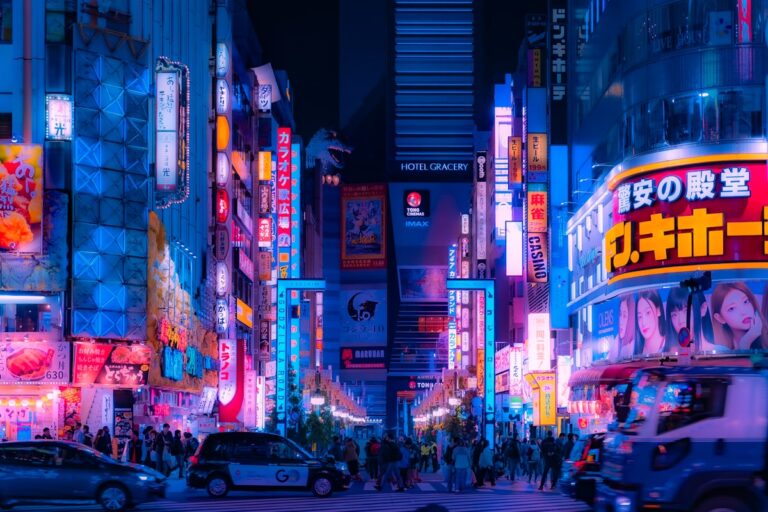
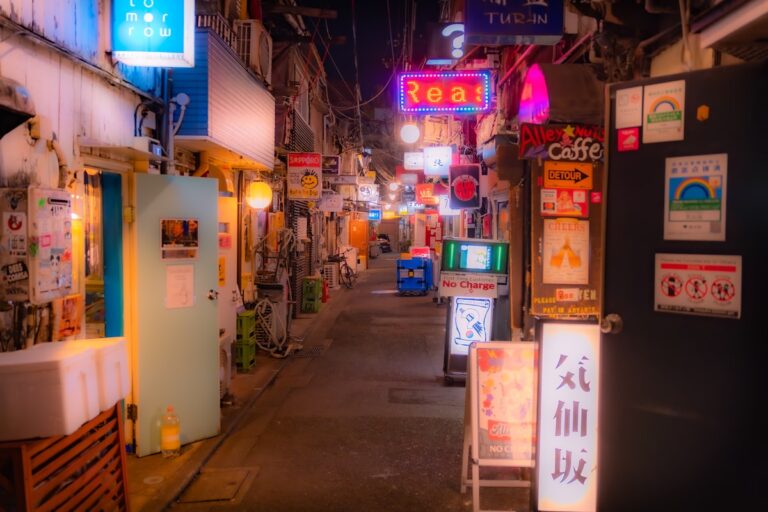
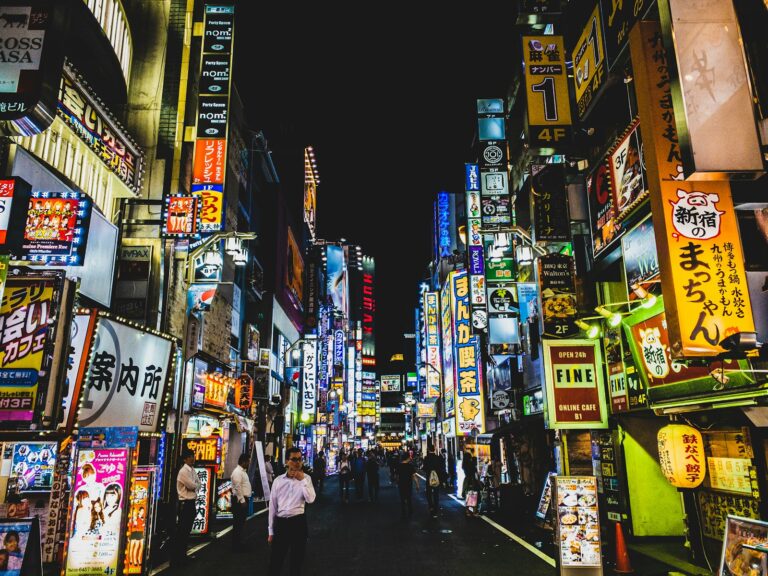
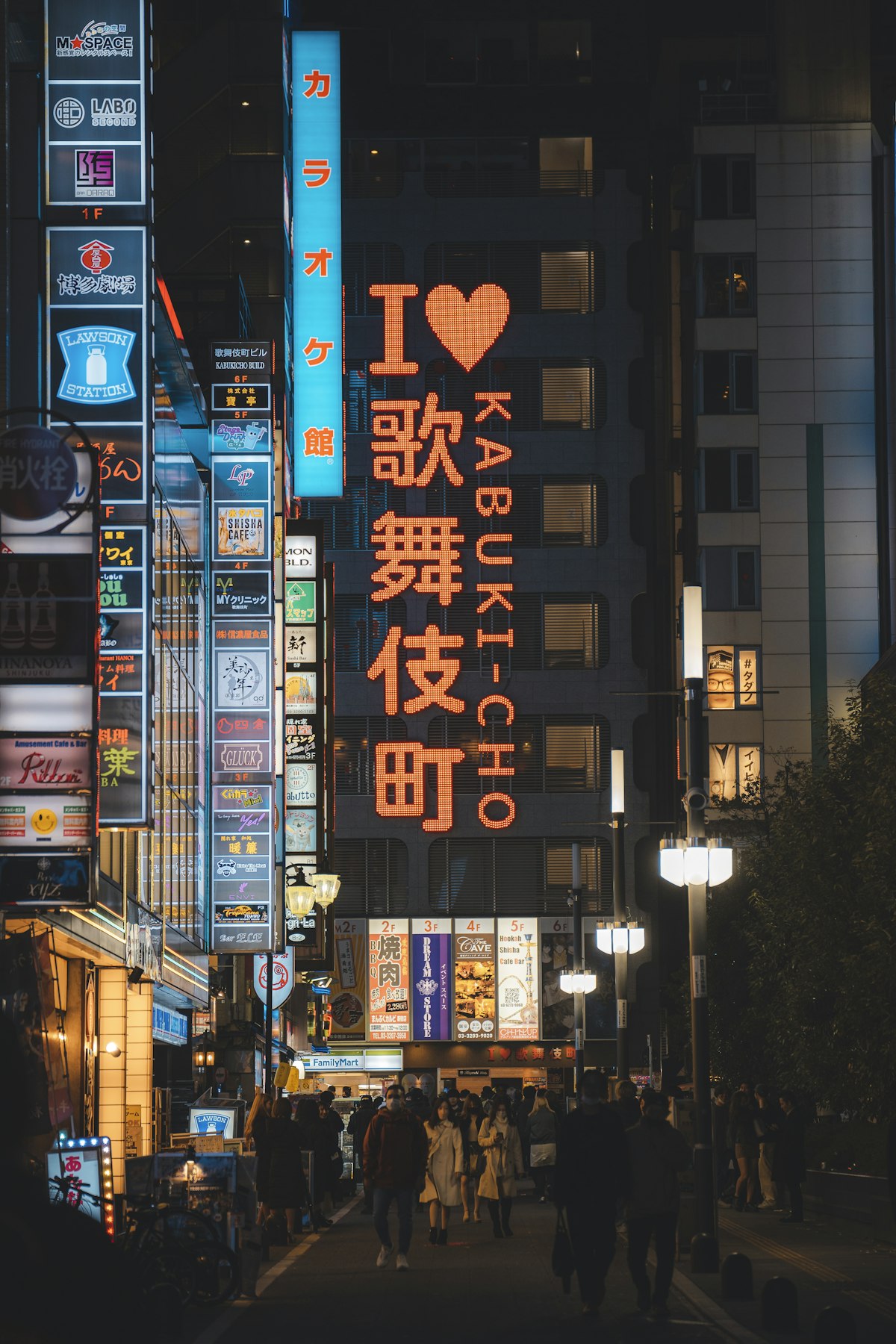
Kabukicho is electric. Towers of neon signs stacked ten stories high, narrow alleys buzzing with laughter, and the unmistakable energy of a district that never sleeps — it’s everything you imagined Tokyo nightlife would be. But here’s the Kabukicho scams tourists warning that every visitor needs before stepping foot into Shinjuku’s entertainment quarter: this place has a well-earned reputation for separating travelers from their money, and the tactics are getting more sophisticated every year.
Japan is one of the safest countries on the planet, which is precisely why so many visitors let their guard down in Kabukicho. That gap between expectation and reality is exactly what scammers exploit. A promised ¥3,000 all-you-can-drink deal can quietly balloon into a ¥300,000 nightmare before you finish your second beer. And the people running these operations are professionals — they’ve been perfecting their approach for decades.
This guide is your complete Kabukicho scams tourists warning — breaking down how these scams actually work, what the latest tricks look like in 2025 and 2026, and most importantly, what you can do to enjoy Kabukicho’s legitimate nightlife scene without becoming someone’s payday.
Contents
- What Makes Kabukicho a Scam Hotspot?
- The Most Common Kabukicho Scams Tourists Should Be Warned About
- Real Kabukicho Scams Tourists Warning Signs to Watch For
- 7 Rules to Stay Safe in Kabukicho at Night
- What to Do If You Get Scammed in Kabukicho: A Tourists’ Warning Action Plan
- Safe Ways to Experience Kabukicho Nightlife
- What do you do in Tokyo After 10?Join our Tokyo Nightlife Private Tour
- Final Thoughts — Don’t Let Scams Ruin Kabukicho for You
- About the Author
What Makes Kabukicho a Scam Hotspot?
Kabukicho sits just east of Shinjuku Station, one of the busiest rail hubs on Earth. Roughly 3.5 million people pass through that station daily, and a significant chunk of them — tourists and locals alike — wander into Kabukicho after dark. That constant flow of foot traffic creates an ideal hunting ground for bad actors.
The district packs thousands of bars, restaurants, karaoke joints, host and hostess clubs, and entertainment venues into a remarkably small area. Most of them are completely legitimate. But scattered among them are establishments specifically designed to overcharge unsuspecting customers, particularly foreign visitors who don’t read Japanese and may not understand local pricing norms.
Why Tourists Are the Primary Targets
Foreign tourists make attractive targets for a few specific reasons. There’s the language barrier — menus in rip-off bars are often in Japanese only, or the prices listed aren’t the prices you’ll actually pay. There’s the cultural hesitation — many visitors feel uncomfortable causing a scene or refusing to pay in a foreign country, even when they know the charges are fraudulent. And there’s the departure factor — tourists are leaving Japan soon, making them unlikely to file a police report or pursue the matter further.
Tokyo Metropolitan Police have publicly acknowledged that scams targeting foreign tourists have been rising in step with Japan’s tourism boom. Street-level warning broadcasts now play in English around Kabukicho, specifically telling visitors not to follow touts. That alone should tell you something about the scale of the problem.
The Most Common Kabukicho Scams Tourists Should Be Warned About
Understanding the specific tactics is core to any Kabukicho scams tourists warning. Knowing these methods helps you spot them before you’re stuck with an inflated bill. Here’s what’s actually happening on the ground right now.
Bottakuri (Rip-Off Bars) — The Classic Trap
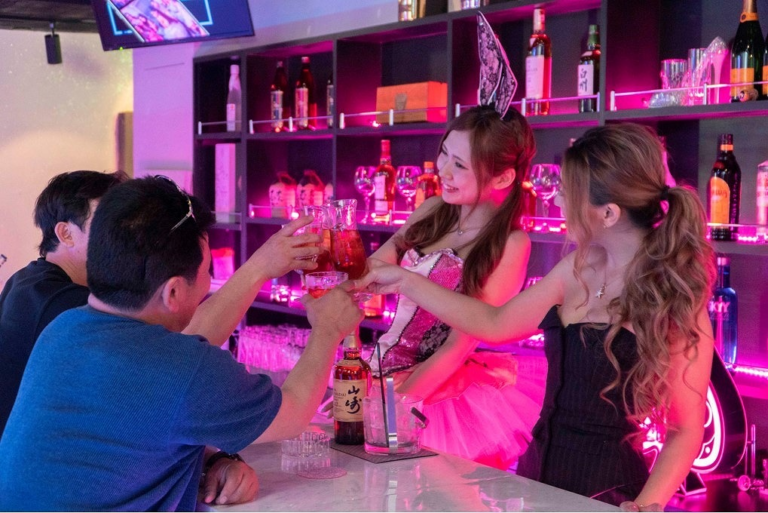
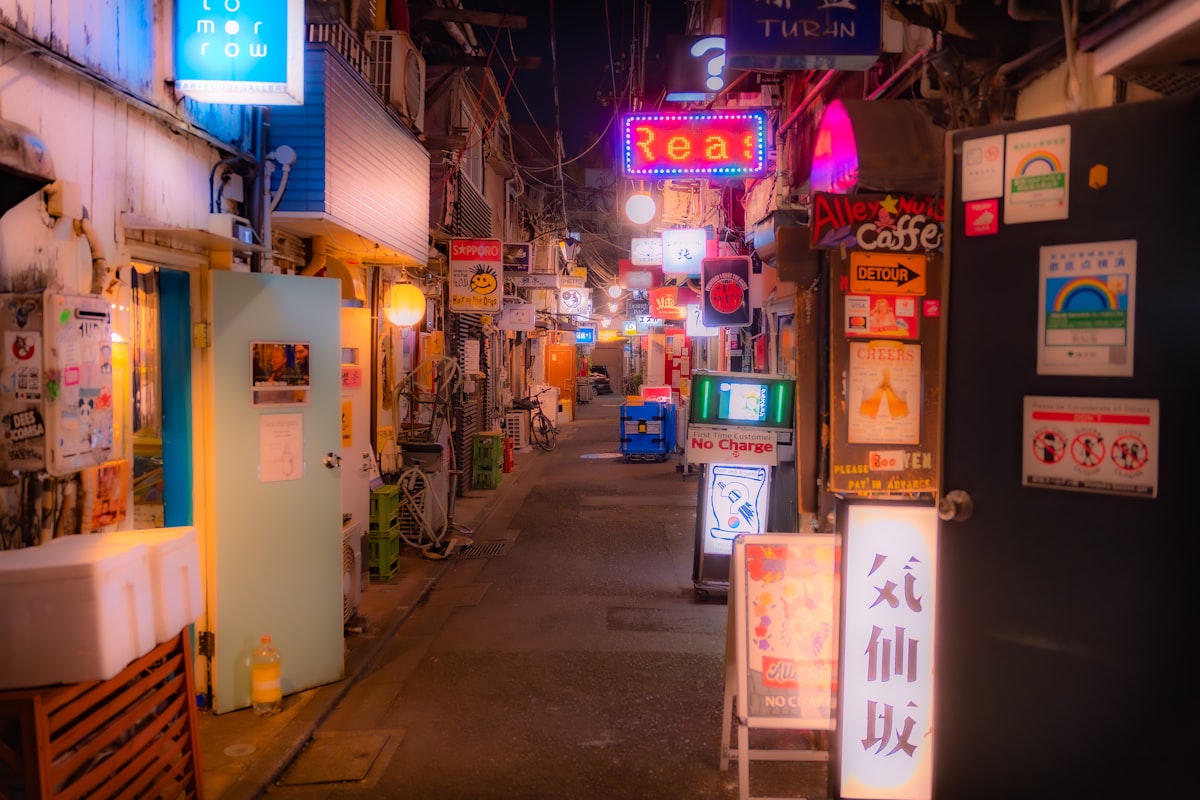
Bottakuri (ぼったくり) translates roughly to “rip-off” and it’s the scam Kabukicho is most notorious for. The setup is straightforward: a tout on the street promises cheap drinks — usually something like “¥1,000 all-you-can-drink for one hour!” — then leads you to a bar tucked away on an upper floor of a nondescript building.
Once you’re seated and have ordered, the trap springs. Hidden charges start piling up: a ¥5,000 “seating fee” per person, a ¥3,000 “ice charge,” a ¥2,000 “weekend surcharge,” a ¥10,000 “service fee.” By the time the bill arrives, a group of four can be looking at ¥100,000 to ¥300,000 (roughly $700–$2,000 USD) for a few drinks in a dingy room. Staff may become physically intimidating if you refuse to pay, blocking the exit or raising their voices.
Fake Chain Restaurant Staff
One of the more clever tactics to emerge in recent years involves touts posing as employees of well-known, trusted restaurant chains. They’ll approach you near popular establishments like Torikizoku, a nationwide izakaya chain known for its rock-bottom prices, and say something like: “Sorry, Torikizoku is full right now, but we have a sister location just around the corner with the same menu.”
There is no sister location. They’re steering you to an unrelated rip-off bar. The familiar brand name lowers your defenses just enough to follow along. This trick is particularly effective because Torikizoku genuinely does get packed on weekend nights, so the story sounds plausible.
Drink Spiking and Credit Card Fraud
The most alarming development in recent years goes beyond overcharging. Reports have surfaced of drinks being spiked at illegitimate bars, leaving customers incapacitated. While the victim is unconscious or disoriented, staff have been known to run credit cards multiple times or, in extreme cases documented by media reports, use Face ID on the victim’s phone to access mobile payment apps and cryptocurrency wallets. One widely reported case involved a tourist losing the equivalent of $20,000 from a cryptocurrency account accessed via their phone while they were passed out.
The “Friendly Local” Setup
Someone approaches you on the street or in a convenience store — friendly, speaks decent English, and suggests grabbing a drink together. They might say they’re a student who wants to practice English, or they just got off work and want to celebrate. They’re genuinely pleasant company for the first 15 minutes, and then they suggest heading to a bar they “know.”
The “friendly local” is either working with the bar (earning a commission for every customer they deliver) or is themselves running the scam. This one works because it doesn’t feel like a sales pitch — it feels like a spontaneous social encounter, which is what travel is supposed to be about. That emotional appeal is exactly what makes it effective.
Real Kabukicho Scams Tourists Warning Signs to Watch For
No Kabukicho scams tourists warning would be complete without teaching you what to look for in real time. Not every interaction in Kabukicho is a scam — far from it. But knowing the red flags helps you distinguish the genuine encounters from the setups.
Red Flags on the Street
Anyone who approaches you unsolicited in Kabukicho after dark should immediately raise your awareness. Street solicitation is actually illegal in Shinjuku, though enforcement is inconsistent. Specific warning signs include: people holding laminated menus or flyers offering drink deals, anyone claiming a well-known restaurant is “full” and offering an alternative, invitations in English from strangers to visit a specific bar, and anyone physically guiding you by the arm or shoulder toward a venue.
If you hear English-language warnings being broadcast from street-level speakers, you’re in an area where scam activity is concentrated. Pay attention to those announcements — the Tokyo Metropolitan Government installed them for good reason.
Red Flags Inside the Venue
If you do end up in an unfamiliar bar, watch for these signs: no menu with prices posted, or a menu where prices are suspiciously vague (“market price,” etc.); the venue is on an upper floor with no street-level signage; staff are evasive when you ask about specific prices; you’re being pressured to order quickly; the bar has no reviews on Google Maps, or the reviews that exist are overwhelmingly negative with words like “scam” or “rip-off.”
Legitimate bars in Japan almost always display their pricing clearly, either on a physical menu at the entrance or on a visible sign outside. Transparency about costs is deeply embedded in Japanese business culture — so a place that hides its prices is already telling you something.
7 Rules to Stay Safe in Kabukicho at Night
Any solid Kabukicho scams tourists warning comes down to prevention. These aren’t hypothetical suggestions — they’re practical rules that will dramatically reduce your risk of getting scammed.
1. Never follow a street tout. This is the single most important rule. If someone on the street is trying to bring you to a bar, the answer is always no. Legitimate bars in Kabukicho don’t need to drag customers in off the street — they have Google reviews, Instagram pages, and walk-in traffic.
2. Google the bar before you go in. Take 30 seconds to search the venue on Google Maps. If it has zero reviews, or a cluster of 1-star reviews mentioning overcharging, walk away. Legitimate bars will have a digital footprint — reviews, a website, social media presence.
3. Check the menu and prices before ordering. Ask to see a menu with prices clearly listed before you sit down or order anything. In Japanese, you can say “メニューを見せてください” (menyuu wo misete kudasai). If the staff hesitate or claim “it’s a set price, don’t worry,” leave immediately.
4. Carry limited cash and protect your cards. Bring enough for the night — ¥10,000 to ¥20,000 is reasonable — but leave extra cash and unnecessary cards at your hotel. If the worst happens, you’ve capped your potential losses.
5. Don’t accept drinks from strangers. This applies everywhere, but especially in Kabukicho. If you didn’t see your drink poured or opened, don’t drink it. If you need to use the restroom, take your drink with you or order a fresh one when you return.
6. Stay on the ground floor. Rip-off bars are almost always on upper floors of buildings where they’re hidden from street view and where you can’t easily walk out. Stick to bars with street-level entrances where you can see the atmosphere before committing.
7. Go with a group, and share your location. Solo travelers are the easiest targets. If you’re exploring Kabukicho’s nightlife, go with friends or fellow travelers, and share your live location with someone who isn’t with you, just in case.
What to Do If You Get Scammed in Kabukicho: A Tourists’ Warning Action Plan
Even cautious travelers who’ve read every Kabukicho scams tourists warning out there can end up in a bad situation. If it happens, here’s exactly what to do.
Step 1 — Refuse to Pay and Stay Calm
If you’re presented with an outrageous bill, state clearly and firmly that you will not pay the inflated charges. You are under no legal obligation to pay fraudulent fees. Say “払いません” (haraimasen — “I won’t pay”) or simply “No.” Stay calm and avoid escalating physically, but be firm. Many bottakuri operations are counting on your embarrassment and desire to avoid confrontation — don’t give them that leverage.
If you feel physically threatened or are being prevented from leaving, move immediately to Step 2.
Step 2 — Call 110 or Find a Koban
Call 110 — Japan’s emergency police number. The operator may not speak fluent English, but stating “Kabukicho” and “scam” or “help” will convey the message. Alternatively, walk to the nearest koban (交番), the small police boxes scattered throughout Japanese neighborhoods. There is a koban very near the main Kabukicho gate, and officers there are accustomed to handling these exact situations.
When police arrive or you reach a koban, show them any receipts, photos of the menu, or the bar’s location on your phone. Police involvement alone is often enough to get the charges reduced or dropped entirely, as the bar operators know they’re operating illegally.
Step 3 — Contact the Japan Visitor Hotline
The Japan National Tourism Organization (JNTO) operates the Japan Visitor Hotline at 050-3816-2787, available 24 hours a day, 365 days a year, with support in English, Chinese, Korean, and Japanese. They can provide guidance, help you communicate with police, and advise on next steps including how to dispute credit card charges.
You should also contact your credit card company as soon as possible to dispute any fraudulent charges and request a chargeback. Document everything — take photos of the venue entrance, any receipts, and note the exact address and floor number.
Safe Ways to Experience Kabukicho Nightlife
After reading this Kabukicho scams tourists warning, you might be wondering whether Kabukicho is worth visiting at all. It absolutely is. The overwhelming majority of establishments in the district are legitimate businesses run by honest people, and the area offers nightlife experiences you simply won’t find anywhere else in the world.
How to Find Legitimate Bars
The key is being intentional about where you go rather than wandering in blind. Research bars in advance using Google Maps, Tabelog (Japan’s leading restaurant review site), or recommendations from trusted travel blogs. Look for venues with consistent positive reviews, clear pricing on their websites or storefronts, and ground-floor locations you can scope out before entering.
Some safe starting points in the Kabukicho area include the well-known chain izakayas (Torikizoku, Ushio, Uotami — the real ones, not the impostors), standalone craft beer bars with English menus, and the growing number of themed bars and cafes along Kabukicho’s main streets that cater openly to international visitors.
Why a Local Guide Makes All the Difference
Here’s something most travel blogs won’t tell you: the best bars in any Japanese neighborhood aren’t the ones with big signs and English menus. They’re the tiny, 8-seat spots tucked away on side streets where the master has been pouring drinks for 20 years and the regulars treat you like family the moment you walk in.
The catch is that finding those places on your own — especially in Kabukicho, where the legitimate gems and the tourist traps sit side by side — requires either years of local experience or a guide who has it. A nightlife tour with a local guide takes the guesswork (and the risk) out of the equation entirely. You get to experience the authentic, exciting side of Kabukicho nightlife while completely bypassing the scam ecosystem. Your guide knows which alleys to walk down, which doors to open, and which establishments to skip.
If navigating Kabukicho on your own feels like too much of a gamble, having someone who actually lives here show you around is the smartest investment you can make for your Tokyo nightlife experience. Check out Kokyo Tours’ nightlife experiences to see what a guided night in Shinjuku actually looks like.
What do you do in Tokyo After 10?
Join our Tokyo Nightlife Private Tour
You deserve better than overpriced bars and missed opportunities. We’re here for you.
Final Thoughts — Don’t Let Scams Ruin Kabukicho for You
We hope this Kabukicho scams tourists warning has been useful. Kabukicho’s reputation for scams is real, but it shouldn’t keep you away from one of the most vibrant entertainment districts on the planet. The scams target a very specific profile: solo travelers, people who follow touts, and visitors who don’t do any research beforehand. By reading this guide, you’ve already removed yourself from that profile.
Stick to the rules outlined above, trust your instincts, and remember that legitimate bars in Japan pride themselves on transparency and hospitality. The real Kabukicho — the one beyond the touts and rip-off bars — is a place where you can have some of the most memorable nights of your trip to Japan.
Just make sure those memories are the kind you actually want to keep.
Planning a night out in Tokyo? Explore Kokyo Tours for guided nightlife experiences that take you straight to the best spots — no scams, no guesswork, just authentic Tokyo after dark.