Photo by mos design on Unsplash
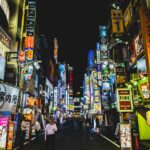
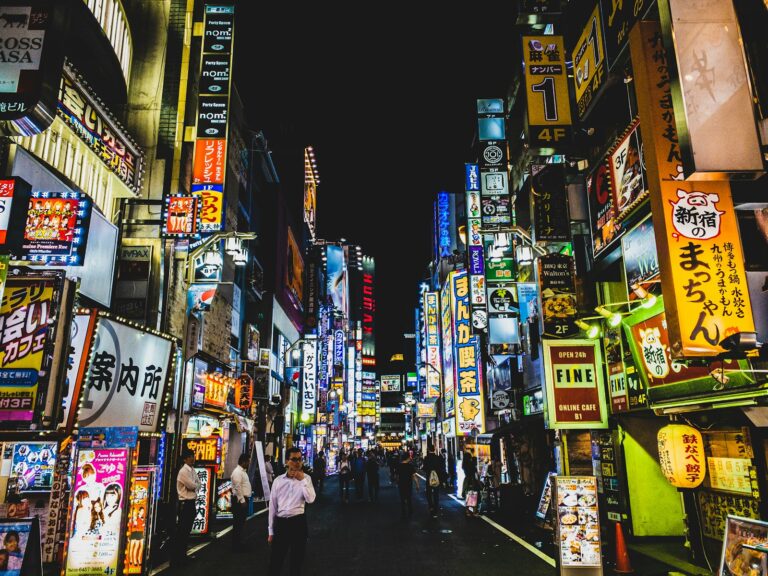
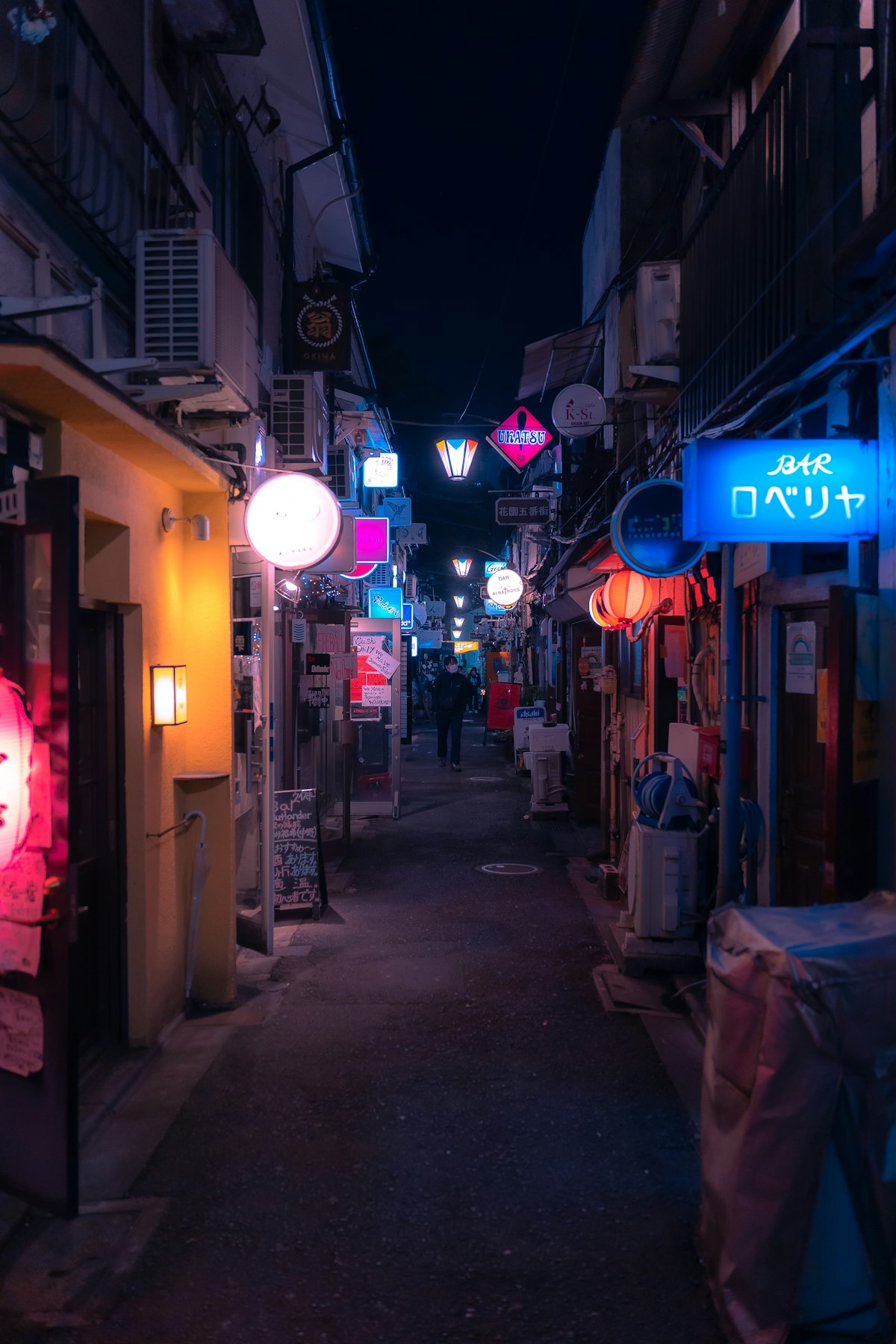
Step off the bright sidewalks of Yasukuni-dori, slip into a narrow lane behind Hanazono Shrine, and the city changes character within ten paces. The neon thins out, the buildings shrink to two stories, and suddenly you’re standing in Golden Gai Shinjuku — six tangled alleys packed with over 200 tiny bars, each one barely bigger than a parking space. This is where Tokyo goes when it wants to drink quietly with strangers, argue about jazz records, and remember what the city looked like before the high-rises arrived.
For first-time visitors, Golden Gai Shinjuku can feel exhilarating and a little intimidating in equal measure. Doors are unmarked. Some bars welcome tourists; others don’t. Cover charges hide on small printed signs you can easily miss. This complete guide to Golden Gai Shinjuku covers everything you actually need — how to get there, when to go, what it costs, the etiquette that locals wish more travelers knew, and a hand-picked list of bars from the 200-plus options that are worth your night.
Contents
- What Is Golden Gai Shinjuku?
- How to Get to Golden Gai Shinjuku (Access & Directions)
- When to Visit Golden Gai Shinjuku: Hours, Crowds & Best Time to Bar-Hop
- How Golden Gai Shinjuku Works: Cover Charges, Drinks & Pricing
- Golden Gai Shinjuku Etiquette: 7 Rules Every Traveler Should Know
- 8 Must-Visit Bars in Golden Gai Shinjuku (Hand-Picked from 200+)
- Albatross G — The One With the Chandeliers
- Open Book — A Bar Disguised as a Library
- Bar Araku — Budget-Friendly & Foreigner-Welcoming
- Kenzo’s Bar — A Warm Welcome for International Guests
- Death Match in Hell — For Punk & Metal Fans
- Bar Plastic Model — A Showa-Era Time Capsule
- Champion — The Karaoke Free-for-All
- La Jetée — A Cinephile’s Hideaway
- Golden Gai Shinjuku Traveler Precautions: What to Watch Out For
- What to Eat Around Golden Gai Shinjuku
- What do you do in Tokyo After 10?Join our Tokyo Nightlife Private Tour
- Skip the Guesswork: How to Make the Most of Your Golden Gai Shinjuku Night
- About the Author
What Is Golden Gai Shinjuku?
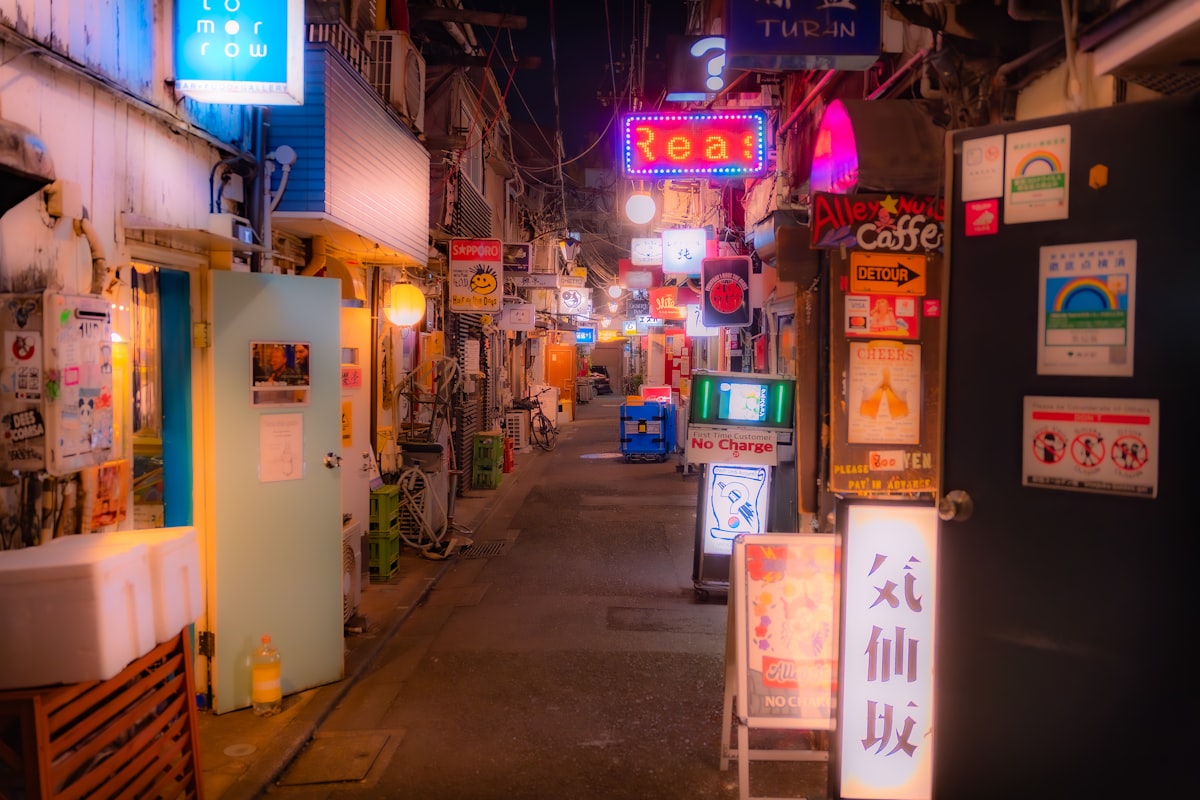
Golden Gai Shinjuku is a small enclave of six post-war alleyways tucked into the eastern edge of Shinjuku, just behind Hanazono Shrine and a short walk from Kabukicho. Inside roughly the area of a single city block, you’ll find somewhere between 200 and 280 bars — the exact number drifts up and down as places open, close, and pass between owners. Most bars seat between five and twelve people. A few seat three.
The neighborhood started as a black market in the chaotic years after World War II and gradually transformed into a watering hole for writers, filmmakers, journalists, and artists. That history is still woven into the place. Director Wim Wenders shot scenes here. Quentin Tarantino reportedly drew inspiration from Golden Gai Shinjuku for parts of Kill Bill. Today’s clientele is a mix of regulars who’ve been coming for decades, young Tokyoites discovering it for the first time, and international travelers who heard a friend mention an alley full of tiny bars.
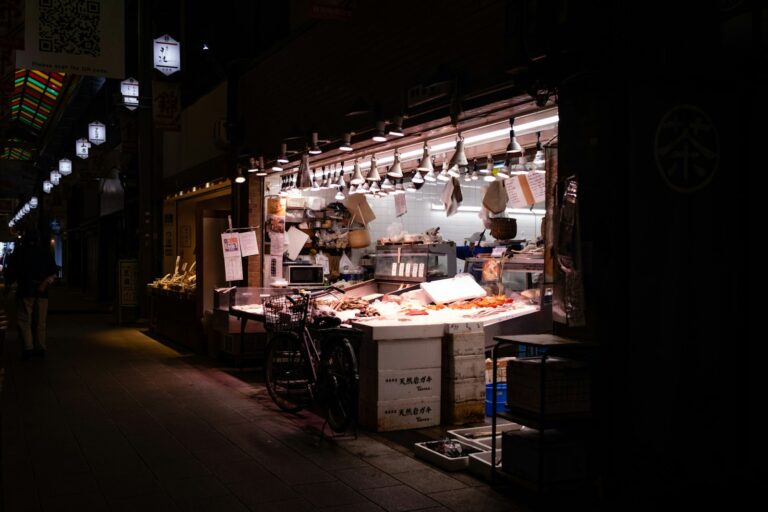
What makes Golden Gai Shinjuku different from the polished cocktail lounges in Ginza or the sleek dining rooms of Roppongi is texture. The buildings lean. The signs are hand-painted. Bars open onto staircases barely wider than a person. Each one has a personality so specific that walking from door to door is almost like flipping through a record collection — punk rock here, jazz vinyl next door, an entire room dedicated to French New Wave cinema across the alley.
How to Get to Golden Gai Shinjuku (Access & Directions)
The simplest route to Golden Gai Shinjuku is from Shinjuku Station, the world’s busiest train station. Take the East Exit and walk roughly 10 minutes northeast along Yasukuni-dori. You’ll pass the entrance to Kabukicho on your left; keep going until you reach Hanazono Shrine. Golden Gai sits directly behind the shrine — look for the low wooden archways and the cluster of narrow alleyways between the shrine and the Shinjuku Ward Office.
If you’re coming from a different line, Shinjuku-sanchome Station (Marunouchi, Fukutoshin, and Toei Shinjuku lines) is actually closer to Golden Gai Shinjuku. Exit E1 puts you about a 5-minute walk from the alleys, which is handy if you’re staying somewhere in central Tokyo.
By taxi, simply ask for “Golden Gai” or “Hanazono Jinja” — drivers know both. A cab from the station-area hotels typically runs ¥600–¥900.
When to Visit Golden Gai Shinjuku: Hours, Crowds & Best Time to Bar-Hop
Most bars in Golden Gai Shinjuku don’t open until 8:00 PM, and a fair number wait until 9:00 PM or later. Show up at 6 PM and you’ll be wandering empty alleys wondering if you’ve made a mistake. The sweet spot is between 9:00 PM and 1:00 AM, when the neighborhood comes fully alive and the conversations start to blur between bars.
A few practical timing notes for visiting Golden Gai Shinjuku:
- Weeknights (Tuesday through Thursday) are the best for atmosphere — quieter, with more chance to talk to the bartender or strike up a conversation with a regular.
- Friday and Saturday nights are louder and busier, with longer waits at the popular spots and more first-time visitors.
- Sundays are unpredictable. Some bars take the night off; others stay open and feel almost private.
- Most bars stay open until 3:00 AM or later, with a handful pushing through to dawn.
Avoid the dead window between 6 and 8 PM unless you specifically want to take photos of empty alleys. The visual is striking, but you won’t find much actually open.
How Golden Gai Shinjuku Works: Cover Charges, Drinks & Pricing
Here’s the part that trips up most first-time visitors to Golden Gai Shinjuku: nearly every bar charges a seating fee, sometimes called otoshi or “table charge.” This typically runs ¥500 to ¥1,500 per person, and it’s separate from your drinks.
The cover charge often comes with a small snack — a bowl of nuts, edamame, or a tiny stew — but the real point is that it’s the price of entry. Some bars post the charge clearly on the door; others bury it in fine print on a chalkboard. A few bars advertise “no cover for tourists” deals, which are clearly marked. If you don’t see a sign, ask before sitting down. A simple “Charge wa ikura desu ka?” (“How much is the cover?”) is perfectly polite.
Drink pricing is generally reasonable for central Tokyo:
- Beer: ¥600–¥1,000
- Highball or shochu drinks: ¥700–¥1,200
- Cocktails: ¥900–¥1,500
- Whisky (Japanese): ¥1,000–¥2,500 depending on the brand
Plan on spending roughly ¥2,000–¥3,500 per bar if you stay for one drink, more if you settle in. Bar-hopping three places in a night is a comfortable pace; four or five is ambitious. Most bars accept cash only, so hit a 7-Eleven ATM before you arrive — Shinjuku is full of them.
Golden Gai Shinjuku Etiquette: 7 Rules Every Traveler Should Know
This is where Golden Gai Shinjuku earns its mixed reputation among foreign visitors. The bars are tiny, the regulars are loyal, and the social rules are more delicate than at a typical izakaya. Most of the friction between tourists and bar owners comes down to a handful of unspoken expectations. Get these right and you’ll be welcomed back. Ignore them and you may be politely (or not so politely) shown the door.
1. Look for the “Tourists Welcome” sign. Some bars are members-only or strongly local-leaning. Many proudly display English signs, photos of foreign customers, or a list of available languages. Start with these.
2. Don’t take photos inside, ever, without permission. This is the single fastest way to get kicked out. Photographing the alley exteriors is fine; photographing inside a bar — especially other customers — is not. Always ask before snapping anything indoors.
3. Keep your group small. Golden Gai Shinjuku bars seat 5–12 people. Showing up with a group of six will usually mean someone else has to leave so you can sit down. Many bars actively turn away groups larger than four. Solo travelers and pairs have the easiest time.
4. Order at least one drink per person. Splitting a single beer between two people is considered rude. Everyone who sits down orders.
5. Don’t overstay when it gets busy. When new customers arrive and the bar fills up, it’s customary to finish your drink and move on. This rotation is part of how the neighborhood works.
6. No cologne, no strong perfume. In a bar that seats six, fragrance fills the room. Many regulars are sensitive to it.
7. Bar-hop, but ask for recommendations. Bartenders genuinely enjoy pointing you to a friend’s bar down the alley. Asking “What bar should I try next?” is one of the warmest ways to interact with a Golden Gai Shinjuku veteran.
A final note: tipping is not expected and can feel awkward. A sincere “gochisousama deshita” (thank you for the drink) when you leave goes much further.
8 Must-Visit Bars in Golden Gai Shinjuku (Hand-Picked from 200+)
With more than 200 bars crammed into six alleys, choosing where to start is the hardest part of a Golden Gai Shinjuku night. The list below skews toward bars that consistently welcome international visitors, post their cover charges clearly, and have enough character to be worth the visit even if the rest of the alley is empty. Each one represents a different mood. For a deeper dive into individual venues, our Shinjuku bar-hopping guide breaks down even more options across the surrounding districts.
Albatross G — The One With the Chandeliers
Albatross G is one of the larger bars in Golden Gai Shinjuku and a popular first stop for newcomers. Inside, ornate chandeliers and red velvet upholstery give it the feel of a Victorian parlor that wandered into the wrong neighborhood. The cover charge is around ¥500, and they serve a solid range of cocktails and Japanese whiskies. There’s also a tiny rooftop area with a view down onto the alleys — rare in Golden Gai, where most bars are too small to have any kind of upstairs space.
Open Book — A Bar Disguised as a Library
If you’re a reader, Open Book is the most photogenic argument for visiting Golden Gai Shinjuku. Bookshelves cover every wall, the ceiling is low, and the bar counter holds maybe eight people. The signature drink is a lemon sour made with hand-squeezed lemons. Cover charge is around ¥700, and the staff often speak some English. It’s the kind of place where you might end up discussing Murakami with a stranger for an hour.
Bar Araku — Budget-Friendly & Foreigner-Welcoming
Bar Araku built a reputation in recent years as one of the most welcoming bars for first-time international visitors. They frequently offer no-cover-charge deals for tourists, drinks start around ¥600, and the bartenders speak English. The drink menu is simple — beer, highballs, basic cocktails — but the vibe is casual and conversation-friendly.
Kenzo’s Bar — A Warm Welcome for International Guests
Kenzo-san has been a fixture in Golden Gai for years, and his bar is a reliably warm spot for solo travelers. He’ll often greet you at the door, point out the menu, and check in throughout the night. Cover charge is moderate (¥500–¥1,000) and the drink list covers everything from sake to a small selection of Japanese whiskies. Good for travelers who want to start the night with a smooth introduction.
Death Match in Hell — For Punk & Metal Fans
The name is the warning. This is a tiny, music-themed bar where the soundtrack runs from punk to thrash metal to hardcore, often at a volume that makes conversation a contact sport. The walls are covered in band posters and album sleeves. Cover charge is around ¥1,000. If you came to Golden Gai Shinjuku looking for atmosphere with an edge, this is the bar.
Bar Plastic Model — A Showa-Era Time Capsule
Bar Plastic Model is built around a single aesthetic: 1980s Japan, frozen in amber. Plastic model kits line the shelves, City Pop and 80s J-pop play through the speakers, and the cocktails come with names referencing anime and old TV shows. Cover charge is around ¥800. Best in the late evening when the room fills with Showa-era nostalgia and conversations turn to what people were watching when they were nine.
Champion — The Karaoke Free-for-All
Champion is technically just outside the heart of Golden Gai Shinjuku, on the corner of the main entrance, but it’s part of any complete tour. It’s a ¥600-per-song karaoke bar with no cover, no pretense, and a steady mix of Japanese salarymen, international students, and curious travelers shouting their way through Queen and Spitz. Not subtle. Not trying to be.
La Jetée — A Cinephile’s Hideaway
Named after the 1962 French film, La Jetée is a tiny, candle-lit bar run for decades by the late Tomoyo Kawai, now continued by her staff. The cover is around ¥1,500 and the drinks aren’t cheap, but the atmosphere — film posters, low light, jazz on the speakers, conversations about movies — is unlike anywhere else in Tokyo. Wim Wenders himself was a regular. Reserve through a guide or local contact when possible.
Golden Gai Shinjuku Traveler Precautions: What to Watch Out For
Golden Gai Shinjuku is one of Tokyo’s safer nightlife districts — there’s no street touting like in Kabukicho a few blocks over, and violent crime is essentially unheard of. That said, a handful of issues catch travelers off guard.
- Surprise cover charges. A bar might look casual but have a ¥2,000 cover. Always check the door sign or ask before sitting. If a bar refuses to disclose the charge upfront, walk away.
- “Members only” doors. Some bars genuinely are members-only. The sign is usually in Japanese, but the body language at the door — a hand wave, a polite “sumimasen” — is unambiguous. Don’t take it personally; move on.
- Cash-only reality. Many bars don’t accept cards. Bring ¥10,000–¥15,000 in cash per person for a comfortable two-to-three-bar night.
- Photography restrictions. Repeat offenders get banned from individual bars and sometimes whole alleys. The “no photos inside” rule is taken seriously.
- The tout problem on Yasukuni-dori. Once you cross back onto the main street, the touts of nearby Kabukicho can be aggressive. Never follow a tout into an unknown bar — this is the single most common scam pattern in Shinjuku and can result in inflated bills running into the hundreds of thousands of yen. Stick to bars you walked into yourself, especially within the Golden Gai Shinjuku alleys themselves where touting is essentially forbidden.
- Last trains. Most Tokyo trains stop running around midnight to 1:00 AM. Either plan to leave by 11:30 PM, or commit to staying until the trains restart at 5:00 AM. Taxis are an option but expensive after midnight.
- Smoking. Many Golden Gai Shinjuku bars still allow indoor smoking. If you’re sensitive, ask before sitting down — some bars have shifted to smoke-free, but it’s far from universal.
For more on navigating Shinjuku’s wider after-dark landscape, our guide to Shinjuku nightlife for first-time visitors covers the surrounding districts and how Golden Gai Shinjuku fits into a full evening. We’ve also covered izakaya etiquette and Japanese drinking culture in a separate explainer if you want to brush up before stepping into your first bar.
What to Eat Around Golden Gai Shinjuku
Most Golden Gai Shinjuku bars serve only light snacks — nuts, edamame, dried squid, a small bowl of stew. They’re drinking establishments first. For real food, the surrounding blocks are some of Tokyo’s best late-night eating.
- Nagi Ramen (Golden Gai) — A small ramen shop tucked above one of the alley entrances, famous for niboshi (sardine-broth) ramen. Open until early morning.
- Omoide Yokocho (“Memory Lane”) — A 5-minute walk west, this is Golden Gai Shinjuku’s smokier, grittier sibling. Yakitori, motsuni stews, and small open-kitchen counters. Good for a pre-bar dinner.
- Dongara-Gassyan — Specializes in Osaka-style kushi-katsu (deep-fried skewers). Solid for a substantial bite mid-bar-hop.
- Lawson and 7-Eleven on Yasukuni-dori — Don’t underestimate convenience-store onigiri at 2 AM. It’s a Tokyo nightlife rite of passage.
If late-night food is half the reason you came, our Tokyo late-night eats guide maps out the best post-bar stops within walking distance.
What do you do in Tokyo After 10?
Join our Tokyo Nightlife Private Tour
You deserve better than overpriced bars and missed opportunities. We’re here for you.
Skip the Guesswork: How to Make the Most of Your Golden Gai Shinjuku Night
Golden Gai Shinjuku rewards travelers who lean in. Talk to the bartender. Ask what they’re drinking. Order something off-menu. Move on to a second bar even if the first one was great — the magic of the neighborhood is in the contrasts between rooms. A Showa-era plastic-model bar followed by a literature-themed bar followed by a punk dive is the kind of arc that’s only possible in Golden Gai Shinjuku.
That said, navigating 200-plus bars in your first hour, in Japanese, with cash you’ve never used before, can be a lot. If you’d rather skip the guesswork and start the night already inside a bar that’s expecting you, joining a guided Golden Gai Shinjuku bar-hopping tour is the simplest way in. A good guide knows which bars are welcoming tonight, which are quiet, which have the cover charge waived, and how to get you into spots that don’t always open their doors to first-timers.
Our Shinjuku Golden Gai bar-hopping tour is designed exactly for this — small groups, English-speaking local guides, and a route through Golden Gai Shinjuku that hits multiple bars in a single evening. For a broader after-dark experience that pairs Golden Gai with other Shinjuku highlights, see all Tokyo nightlife tours by Kokyo Tours. It’s a soft landing into a neighborhood that, on a good night, is one of the most memorable few hours you can spend in Tokyo.
Whether you go on your own or with a guide, the rule is the same: arrive after 9, bring cash, leave the camera in your bag, and let the alleys do the rest. Golden Gai Shinjuku has been welcoming strangers for almost 80 years. With a little preparation, it’ll welcome you, too.
Useful external resources: the Official Tokyo Travel Guide entry on Shinjuku Golden Gai and the Japan National Tourism Organization site for broader Tokyo travel planning.