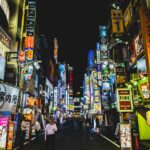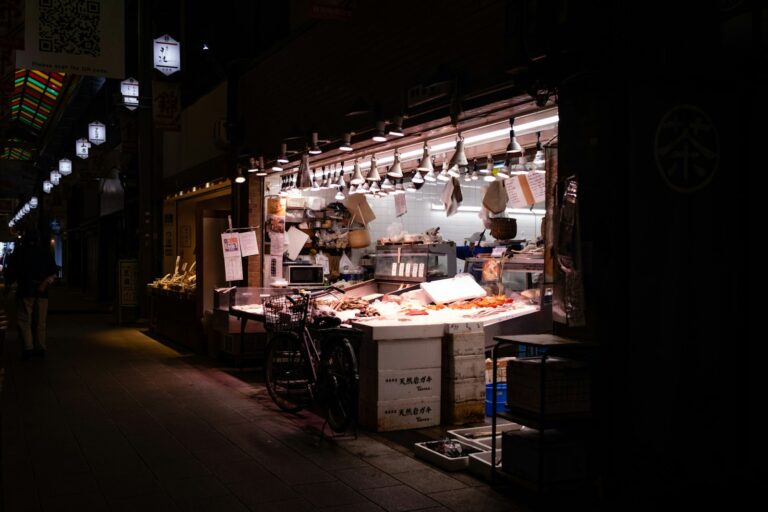
Photo by <a href="https://unsplash.com/@mosdesign?utm_source=tokyodeepnightlife&utm_medium=referral">mos design</a> on <a href="https://unsplash.com/?utm_source=tokyodeepnightlife&utm_medium=referral">Unsplash</a>
If you land in Tokyo not speaking a word of Japanese and want a drink at 2am, Roppongi nightlife is the path of least resistance. It’s the one district in the city built, from the ground up, around people who aren’t from here — English menus, English-speaking door staff, clubs that don’t blink when six nationalities show up at the same table.
That accessibility is also why Roppongi has the most polarized reputation of any nightlife area in Tokyo. Ask ten travelers and you’ll get five “best night of my trip” stories and five warnings about touts and inflated bills. Both are true, and the difference between the two outcomes comes down to about six decisions you make before midnight.
This guide walks through those decisions: which Roppongi bars and clubs are worth your time, what they actually cost, when to arrive, and the specific street behavior that separates a great night from an expensive one. Every venue below was checked against its own website — no recycled listicle entries for places that closed three years ago.
Contents
- Why Roppongi Is Tokyo’s Most Foreigner-Friendly Nightlife District
- How Roppongi Nightlife Is Laid Out
- The Best Roppongi Bars for International Visitors
- Roppongi Clubs: How the Door Actually Works
- What a Night of Roppongi Nightlife Actually Costs
- Roppongi Nightlife Safety: The Honest Version
- Start Earlier: Roppongi Before the Bars Fill Up
- Getting Home After the Last Train
- Roppongi Nightlife Etiquette: Six Habits That Mark You as a Good Guest
- Roppongi vs Shinjuku vs Shibuya: Which Night Is Yours?
- See Roppongi With Someone Who Already Knows the Doors
- What do you do in Tokyo After 10?Join our Tokyo Nightlife Private Tour
- Roppongi Nightlife FAQ
- About the Author
Why Roppongi Is Tokyo’s Most Foreigner-Friendly Nightlife District
Roppongi’s international character isn’t a marketing angle — it’s history. The area grew up around foreign embassies and, after the war, an American military presence, and the bars and clubs that opened here were serving non-Japanese customers from day one. Decades later, the muscle memory remains.
What that means practically:
- English is the default, not an accommodation. Door staff, bartenders, and club promoters switch to English without being asked.
- Solo travelers aren’t strange here. In most of Tokyo, walking into a bar alone and talking to strangers reads as odd. In Roppongi it’s the norm.
- The crowd mixes. Embassy staff, finance expats, tourists, and Tokyoites who specifically want an international night out all end up in the same rooms.
- Late hours are standard. Clubs run to 5am; several bars go later.
The trade-off: Roppongi is not where you go for a quiet, hyper-local Tokyo evening. If that’s what you want, you’re better off in the alleys of Shinjuku — our Shinjuku nightlife guide covers that side of the city. Roppongi is loud, mixed, and unapologetically commercial. Go in wanting that and it delivers.
How Roppongi Nightlife Is Laid Out
Almost all Roppongi nightlife happens within a ten-minute walk of one intersection.
Roppongi Crossing is where Roppongi-dori meets Gaien-Higashi-dori, directly above Roppongi Station (Tokyo Metro Hibiya Line and Toei Oedo Line). Stand under the expressway here and you can see the entrance to most of the district’s nightlife in every direction. The big clubs cluster in the blocks northwest of the crossing, toward Roppongi 7-chome.
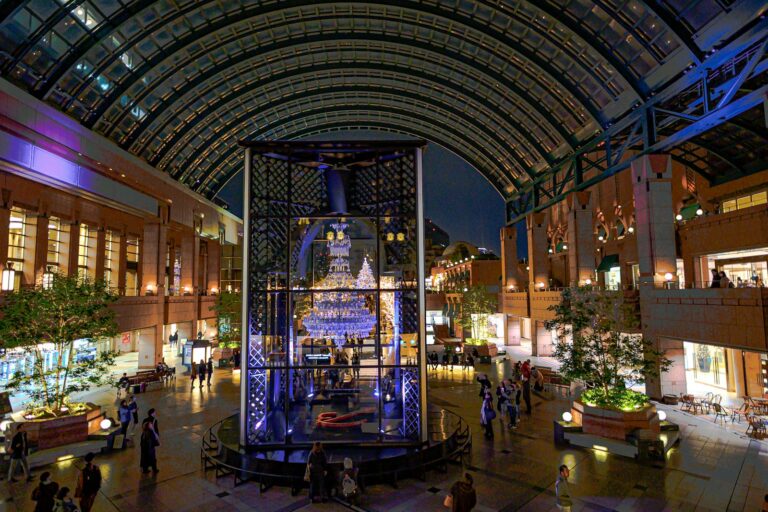
Roppongi Hills, five minutes southwest, is the polished end — hotel bars, observation decks, art museums, and dining that closes at a civilized hour. This is where you start an evening, not where you end one.
Nishi-Azabu and Azabu-Juban, a walk or a short taxi ride away, are quieter and more expensive. Locals who’ve aged out of the Roppongi Crossing scene drink here.
One geographic warning that matters: the streets immediately around Roppongi Crossing are also where street touts operate hardest. More on that below, because it’s the single thing most likely to ruin your night.
The Best Roppongi Bars for International Visitors
Roppongi bars split into three rough categories, and knowing which is which is half of planning a night here — proper pubs, high-energy shot bars, and hotel lounges. Here’s one verified pick from each, so you can build a night that escalates properly instead of peaking too early.
Hobgoblin Roppongi — The Reliable Opener
Tokyo’s best-known British pub opened during the 2002 World Cup and has been the default meeting point for English-speaking Tokyo ever since. It’s on the 1st floor of the Aoba Roppongi Building at 3-16-33 Roppongi, Minato-ku, and it does exactly what a British pub should: fish and chips, homemade pies, bangers and mash, a Sunday roast from noon, a long bar, two free dart boards, and five big screens carrying Premier League, rugby, F1, UFC, and AFL.
Hours are 5:00pm–midnight Monday to Friday and noon–midnight on weekends and holidays, with the kitchen closing at 11:00pm. Eat here. A meal before the drinking starts is the cheapest insurance you can buy for a Roppongi night.
Geronimo Shot Bar — Where the Night Changes Gear
Two floors up at 7-14-10 Roppongi (Yamamuro Building, 2F), Geronimo is a Roppongi institution and a completely different proposition. It’s a shot bar in the fullest sense: a drum that gets beaten when someone buys a round for the whole room, a monthly leaderboard for the people who do it most, and a 15-shot challenge that earns you a brass plaque on the wall and a t-shirt.
It opens at 6:00pm on weekdays and 7:00pm on weekends and runs until 5:00am. Happy hour is 6:00–9:00pm on weekdays, 7:00–9:00pm on weekends — arrive inside that window and you’ll spend a fraction of what you would at midnight. The staff have a reputation for out-drinking the customers, which should tell you what kind of room you’re walking into.
Maduro at Grand Hyatt Tokyo — The Grown-Up Option
If shots and dart boards aren’t the night you had in mind, Maduro is the counterweight. It’s a jazz lounge and whiskey bar on the 4th floor of the Grand Hyatt Tokyo at 6-10-3 Roppongi, reachable through the hotel’s 6th floor or via the 4th floor of Roppongi Hills West Walk.
Live music runs nightly from international artists, and there’s an extensive whiskey and cigar list. Open 7:00pm–12:30am, until 1:30am Fridays and Saturdays, with last food orders at 11:00pm. Budget for the cover: ¥2,750 at a table, ¥1,650 at the counter, tax included. Dress code is smart casual, and note that smoking is permitted at all seats — worth knowing if that’s a dealbreaker for you.
Roppongi Clubs: How the Door Actually Works
Clubs are the reason a lot of people seek out Roppongi nightlife in the first place, and they operate on rules that catch first-timers off guard.
V2 TOKYO
The most visible name in Roppongi clubbing, at 7-13-7 Roppongi in the Tower of Vabel (1F and B1F), roughly a minute’s walk from Roppongi Station. Open daily 21:00–05:00.
The door pricing is published and worth knowing before you queue: men pay ¥2,000 on weekdays including one drink, or ¥4,000 on weekends including two drinks. Women enter free, all day. A dress code is enforced and the venue states outright that it may refuse entry to anyone not meeting it, and photo ID is required at the door.
SEL OCTAGON TOKYO
The other heavyweight, a short walk from the crossing in Roppongi 7-chome, known for large-scale EDM events. Entry pricing varies by event, so check what’s on before you go rather than assuming a flat door fee.
Sel Octagon’s entry rules are stricter than most and stated explicitly: 20 and over only, with photo ID checked for every single guest. It must be a physical passport, driver’s licence, or residence card — photos on your phone, photocopies, and expired documents are all refused. The dress code bans track pants, sweatshirts, shorts, tank tops, and sandals, and visible tattoos, including fashion tattoos, are not permitted.
Four Things to Know Before You Queue
- Carry your actual passport. Not a photo. Not your hotel key card. Japanese venues are serious about this and will turn you away at the door.
- The legal drinking age in Japan is 20, and clubs enforce it hard regardless of what’s legal at home.
- Tattoo policies are real. Sel Octagon’s is explicit; others vary. If you have visible ink, check the venue’s site or plan to cover up.
- Don’t arrive at 10pm expecting a party. Roppongi clubs fill up between midnight and 2am. Arrive early and you’ll be paying a cover to stand in an empty room.
For a deeper look at navigating clubs when you don’t have a group with you, our guide to Tokyo nightclubs for solo travelers covers the etiquette in more detail.
What a Night of Roppongi Nightlife Actually Costs
Rough per-person budgets, assuming you pay your own way and don’t order bottle service:
| Style of night | Realistic spend |
|---|---|
| Pub dinner and a few pints | ¥4,000–7,000 |
| Bar hopping, three or four venues | ¥8,000–15,000 |
| Hotel lounge with cover and cocktails | ¥8,000–14,000 |
| Club entry plus drinks until close | ¥8,000–20,000 |
| Any of the above plus a taxi home | add ¥3,000–8,000 |
The variable that blows this up isn’t the venues themselves — it’s ending up somewhere you didn’t choose. Which brings us to the part most Roppongi nightlife guides skip.
Roppongi Nightlife Safety: The Honest Version
Tokyo is one of the safest major cities in the world, and the core of Roppongi nightlife is well-lit with a visible police presence. The risk here isn’t violent crime. It’s a specific, well-documented commercial scam, and Roppongi is its epicenter.
The U.S. Embassy in Japan has issued repeated advisories to American citizens about drink-spiking in Roppongi and Kabukicho, with reports concentrated around the Roppongi Crossing area. The pattern described in those advisories is consistent: a victim is drawn into a bar, drinks something they didn’t watch being poured, loses several hours, and wakes up to find their credit cards have been used for large charges. Related reports include inflated bills, extortion, and assault.
The common entry point in nearly every case is the same: a stranger on the street offering to take you somewhere.
So the rule is simple and non-negotiable:
- Never follow a street tout. Not to a “cheap bar,” not to a “girls bar,” not to a club with “no cover for you, my friend.” Every legitimate venue in this article has a published address you can walk to yourself.
- Watch your drink get poured, and don’t leave it unattended.
- Never accept a drink from a stranger you’ve just met.
- Ask for the price before you order if you’re anywhere with no visible menu. If the answer is vague, leave.
- Don’t club alone if you can help it, and tell someone where you’re going.
- Use a credit card with fraud alerts, and check your statement the next morning.
None of this should scare you off Roppongi. The venues with real websites, real addresses, and staff at the door are not the problem. The problem is exclusively the guy on the sidewalk who wants to walk you somewhere. Our Tokyo nightlife scams and safety guide breaks down the full range of tactics if you want the detail.
Looking for Adult Entertainment Services in Tokyo? Download this
I’ve spent over a decade exploring and studying Japan’s adult entertainment scene firsthand. If you’d like detailed insider information—including how to choose the right shop, what services are available, and tips for avoiding common mistakes—check out our exclusive E-book.
Start Earlier: Roppongi Before the Bars Fill Up
One of the genuinely underrated things about Roppongi nightlife is that it gives you something to do from 6pm onward, which most nightlife districts don’t.
Tokyo City View on the 52nd floor of Roppongi Hills Mori Tower is open 10:00–22:00 with last admission at 21:30. It’s the best-value skyline view in this part of Tokyo and puts Tokyo Tower dead center in the frame.
Mori Art Museum, in the same building, runs 10:00–22:00 — genuinely open late, unlike almost every museum on earth — with last admission 30 minutes before closing. The exception is Tuesdays, when it closes at 17:00. Together with the Suntory Museum of Art and the National Art Center nearby, it forms the Roppongi Art Triangle, and you can knock one out before dinner without rushing.
Doing this makes your whole night better, not just longer. You eat properly, you arrive at the bars around 9pm when happy hours are still live, and you hit the clubs at midnight when they’re actually full — instead of drinking from 7pm and being finished before the good part starts.
Getting Home After the Last Train
Roppongi Station sits on the Tokyo Metro Hibiya Line and the Toei Oedo Line. Like the rest of Tokyo’s network, both stop running around midnight — the precise last departure depends on your line and direction, so check the timetable on the day rather than trusting a number from a blog.
This creates the classic Roppongi decision point. Around 11:30pm you either head for the station, or you commit to staying out until roughly 5am when the trains restart. There is no comfortable middle, and taxis between midnight and 5am carry a late-night surcharge that makes a cross-city ride genuinely expensive.
Decide which one you’re doing before you order that midnight round. If you’re committing to the long night, our rundown of what to do in Tokyo after 10pm has options for filling the 3am-to-5am stretch.
Roppongi Nightlife Etiquette: Six Habits That Mark You as a Good Guest
Roppongi nightlife is forgiving of foreigners, but that isn’t the same as having no standards.
- Don’t be loud on the street. Inside the venue, be as loud as you like. On the pavement at 3am in a residential-adjacent district, keep it down.
- Pay attention to the seating charge. Many Japanese bars add a otoshi or table charge. It’s normal and not a scam — just factor it in.
- Tipping isn’t a thing. Don’t leave cash on the bar. It creates confusion, not goodwill.
- Take your shoes seriously at the door. Sandals and flip-flops will get you refused at most clubs.
- Ask before photographing people. Especially inside clubs and bars. Many venues ban photography outright.
- Carry some cash. Card acceptance is widespread but not universal, and a few smaller bars are still cash-only.
Roppongi vs Shinjuku vs Shibuya: Which Night Is Yours?
| Roppongi | Shinjuku | Shibuya | |
|---|---|---|---|
| Crowd | International, mixed ages | Local-heavy, all types | Young, Japanese-dominant |
| English | Easiest in Tokyo | Patchy | Patchy |
| Style | Clubs, pubs, hotel lounges | Tiny bars, alleys, chaos | Clubs, izakaya, big groups |
| Solo-friendly | Very | Depends on the bar | Less so |
| Best for | Meeting people from everywhere | Deep local atmosphere | High-energy young crowd |
If you only have one night in Tokyo and you want to talk to people, Roppongi. If you want the Tokyo you saw in photographs — narrow alleys, six-seat bars, no English menu — go to Shinjuku’s Golden Gai instead. Most people who stay a week end up doing both.
See Roppongi With Someone Who Already Knows the Doors
Everything in this guide is doable on your own. Plenty of people navigate Roppongi nightlife with nothing but a map and good instincts.
But there’s a category of experience that a first-time visitor structurally can’t reach alone: the bar where the owner needs to recognize you, the club where knowing the promoter changes what door you walk through, the judgment call about which street to skip at 1am. That’s local knowledge, and it doesn’t fit in an article.
If you’d rather not spend your one night in Tokyo guessing, our Tokyo After 10 nightlife private tour puts you with a guide who drinks in these districts every week — someone who handles the language, reads the room, and walks past the touts without breaking stride. You get the night you’d have had if you lived here.
Either way: eat first, watch your drink, ignore anyone who approaches you on the street, and decide about the last train before midnight. Do those four things and Roppongi nightlife is one of the most enjoyable nights out in Asia.
What do you do in Tokyo After 10?
Join our Tokyo Nightlife Private Tour
You deserve better than overpriced bars and missed opportunities. We’re here for you.
Roppongi Nightlife FAQ
Is Roppongi safe at night? Yes, with one specific caveat. Violent crime is rare and there’s a visible police presence. The real risk is drink-spiking and inflated-bill scams, which almost always start with a street tout inviting you somewhere. Choose your own venues and the risk drops close to zero.
What time does Roppongi nightlife get going? Roppongi bars fill from around 8–9pm. Clubs don’t get busy until midnight and peak between 1am and 3am. Most clubs run until 5am.
Do I need to speak Japanese for a night out here? No. Roppongi nightlife is the most English-friendly in Tokyo by a wide margin.
How much should I budget? ¥8,000–15,000 per person for a full night of Roppongi bars, more if you’re clubbing and taking a taxi home.
Is there a dress code? For clubs, yes — no shorts, tank tops, track pants, or sandals, and some venues refuse visible tattoos. Bars are relaxed. Hotel lounges like Maduro ask for smart casual.
Can I get in without my passport? No. Clubs check photo ID for every guest and will not accept a phone photo or a photocopy. Bring the physical document.
Venue details in this article were verified against each venue’s official website in August 2026. Roppongi turns over quickly — hours and door prices change, so confirm before you go.
Further reading: the Japan National Tourism Organization has official visitor information for Roppongi Hills and the Mori Art Museum.