Photo by <a href="https://unsplash.com/@darwiiiin?utm_source=tokyodeepnightlife&utm_medium=referral">Darwin Vegher</a> on <a href="https://unsplash.com/?utm_source=tokyodeepnightlife&utm_medium=referral">Unsplash</a>
Most people arrive in Kabukicho with two contradictory ideas in their head: that it’s Tokyo’s most exciting night out, and that it’s the one neighborhood where something might actually go wrong. Both are half-true, and this Kabukicho nightlife guide exists to sort out which half is which.
Here’s the short version. Violent crime here is genuinely rare — this is still Tokyo. The real risk is your wallet, and it almost always follows the same script: someone talks to you on the street, you end up in a bar you didn’t choose, and the bill at the end doesn’t match anything you were shown. Avoid that one sequence and Kabukicho becomes what it is for the locals who drink here every week — a dense, loud, weirdly friendly few blocks with more to do per square meter than anywhere else in Japan.
Contents
- What Kabukicho Actually Is (And What It Isn’t)
- Kabukicho: What to Do, Zone by Zone
- What to Do in Kabukicho Before It Gets Dark
- Where to Eat and Drink in Kabukicho
- The One Rule That Prevents Almost Every Kabukicho Problem
- How Tourists Actually Lose Money in Kabukicho
- A Sensible Kabukicho Night, Hour by Hour
- Practical Etiquette Worth Knowing
- If Something Goes Wrong
- Why Going With a Guide Changes the Calculation
- Kabukicho Nightlife Guide: Frequently Asked Questions
- What do you do in Tokyo After 10?Join our Tokyo Nightlife Private Tour
- Skip the Guesswork
- About the Author
What Kabukicho Actually Is (And What It Isn’t)
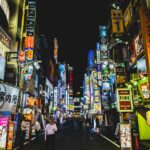
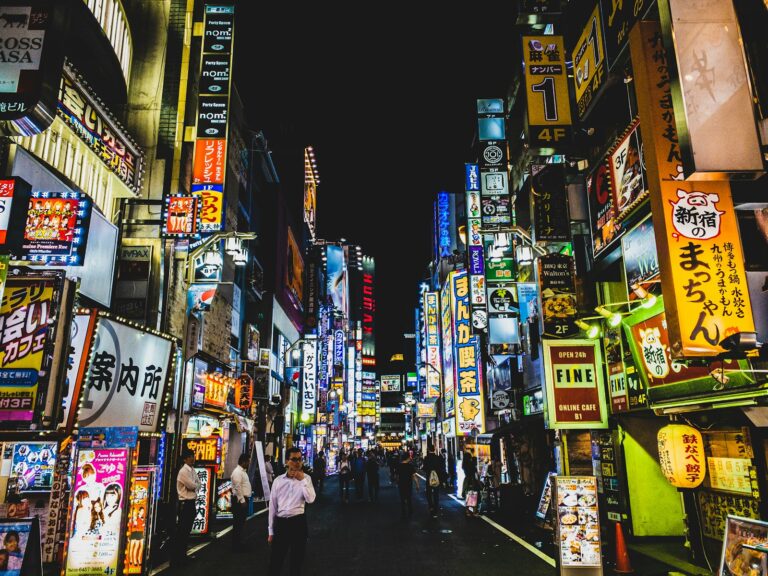
Kabukicho sits just northeast of Shinjuku Station, in the north-central part of Shinjuku ward. It’s Japan’s largest entertainment district — a grid of maybe a dozen blocks holding hundreds of restaurants, izakaya, karaoke boxes, cinemas, game centers, love hotels, host and hostess clubs, and bars stacked six floors high in buildings the size of a parking space.
What it isn’t: a lawless zone. The area is heavily policed, blanketed in security cameras, and busy with ordinary Japanese office workers eating dinner well past midnight. Families walk through it in the afternoon. The redevelopment of the last decade — most visibly the arrival of a 225-meter entertainment tower on the district’s north side — has pulled a lot of Kabukicho toward the mainstream.
But the older economy is still there, layered on top of the new one. Multi-floor buildings mean you often can’t see the venue you’re being invited into from the street. That opacity is where the money problems live, and it’s the single structural fact worth understanding before you go.
Kabukicho: What to Do, Zone by Zone
The most useful thing to carry into the district isn’t a list of bars — it’s a rough mental map. Kabukicho isn’t uniformly anything. It has distinct textures block to block.
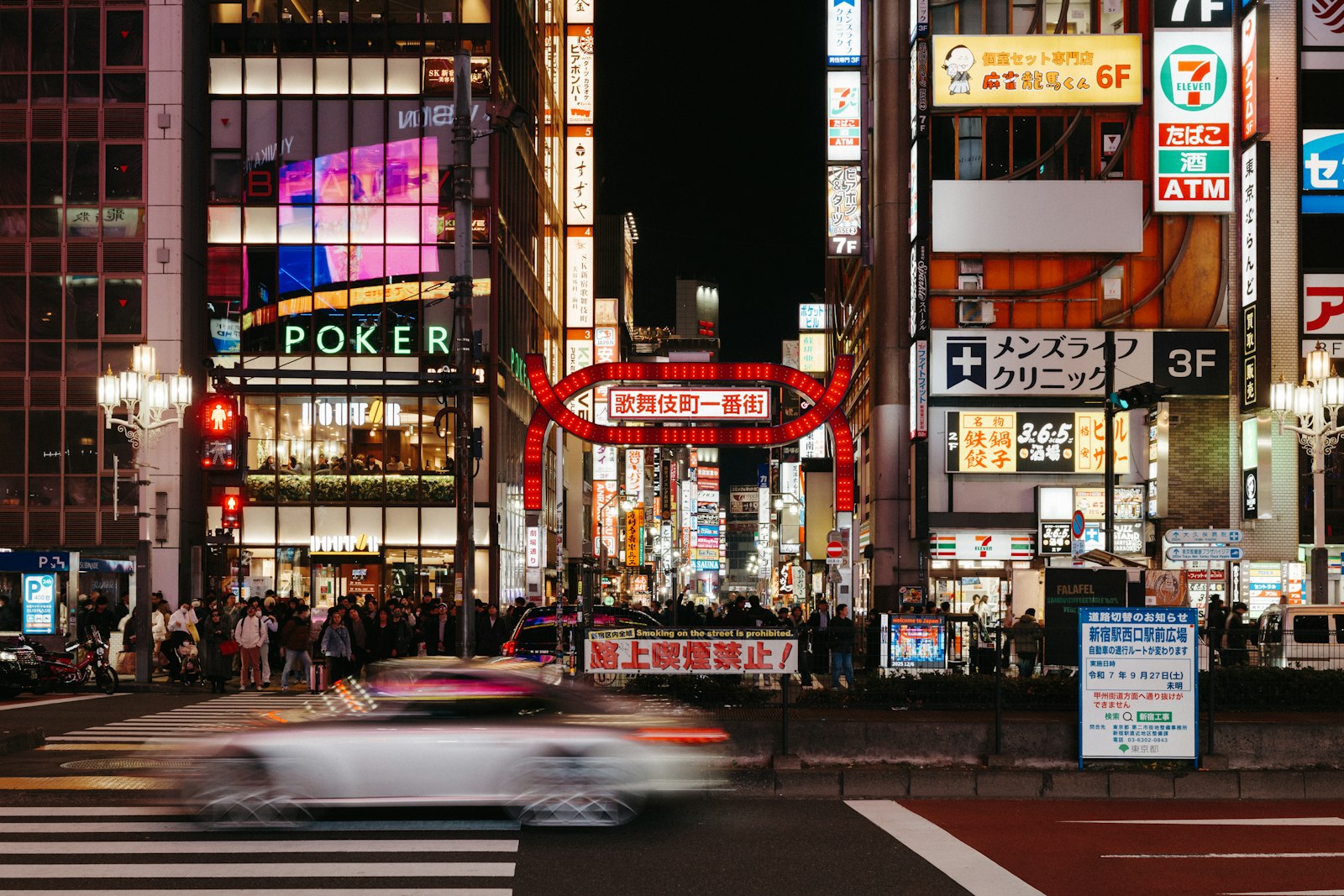
Kabukicho Ichiban-gai (the main gate street). The wide, red-arched entrance street everyone photographs. Bright, crowded, packed with chain izakaya and ramen shops. Completely fine at any hour.
The Tokyu Kabukicho Tower area (north end). The newest, most tourist-legible part of the district. Corporate, transparent pricing, English signage.
Golden Gai (east edge, across Hanazono-dori). Six narrow alleys of tiny bars. Technically adjacent to Kabukicho rather than in it, but nobody makes that distinction on a night out.
The interior side streets. Narrower lanes lined with building entrances and floor directories in Japanese only. This is where touts concentrate and where the vast majority of tourist billing disputes originate.
North of Shokuan-dori. Past the district’s northern boundary the character shifts again and gets less predictable after midnight. There’s no reason for a first-time visitor to end up here.
If you spend your evening in the first three zones and treat the fourth with skepticism, you’ve handled about ninety percent of the safety question. Our companion piece on what to do in Kabukicho during the day and at night breaks the daytime side of the district down in more detail.
What to Do in Kabukicho Before It Gets Dark
Arriving around 5pm is the move most travelers skip and then regret. The district looks completely different in daylight, the touts haven’t started their shift, and you get your bearings before the crowds arrive.
See the Godzilla Head
Godzilla’s head sits on the eighth-floor terrace of the Shinjuku Toho Building, roughly 50 meters above street level, glowering down over the district. Installed in 2015 and modeled on the 1992 film design, it roars and breathes smoke on the hour during the afternoon. You can see it for free from Godzilla Road below, and the terrace is accessible to guests of the hotel occupying the building’s upper floors.
Explore Tokyu Kabukicho Tower
The 48-story tower that opened in April 2023 is the easiest, lowest-friction entry point to the district. On the second floor, Shinjuku Kabuki Hall (Kabuki Yokocho) is a food hall themed around Japanese festival culture, with counters serving regional dishes from around the country. The third floor holds namco TOKYO, a game center with claw machines and anime tie-ins. Several basement levels house ZEROTOKYO, one of Japan’s largest nightlife complexes, alongside a Zepp live music hall. Everything here has posted prices and staff used to foreign visitors.
Duck into Hanazono Shrine
A few minutes east, Hanazono Shrine is a working Shinto shrine that has been on this land far longer than the neon has. Walking from a game center into a quiet shrine courtyard in under five minutes is one of the more honest experiences Tokyo offers.
Stock Up at the 24-Hour Don Quijote
The Kabukicho branch of Don Quijote is a chaotic multi-floor discount store open around the clock. It’s the default late-night stop for snacks, medicine, and souvenirs — and a genuinely useful landmark for navigating back to a known point.
Where to Eat and Drink in Kabukicho
Golden Gai
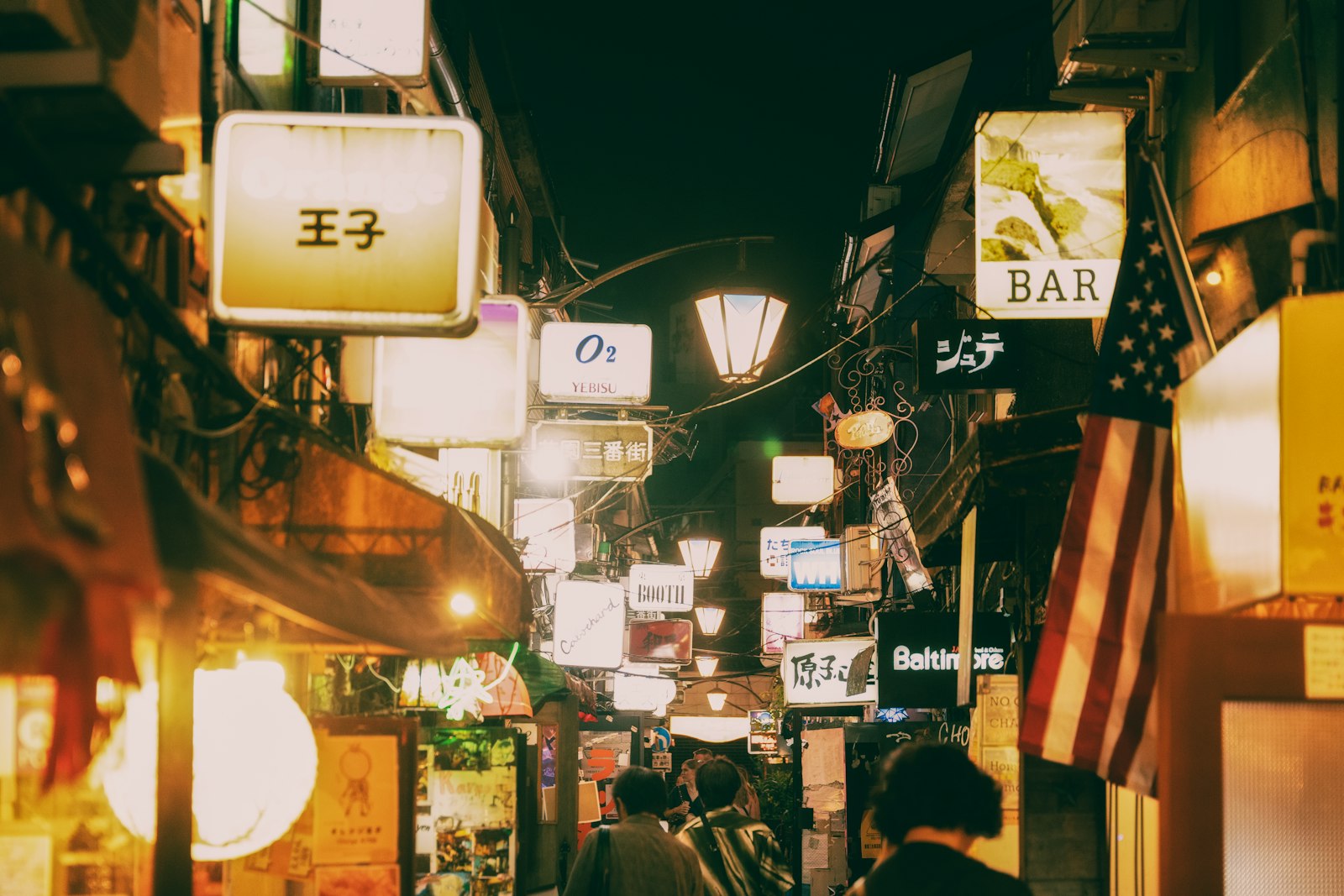
Six alleys, more than two hundred bars, most seating five to ten people. Each has a personality — jazz, punk, horror film, one specific manga series. The etiquette is straightforward once you know it: most bars charge a seating fee, commonly around ¥500–¥1,500 per person (a handful of the fancier ones charge considerably more), and that fee is usually posted on or beside the door. If it isn’t posted, ask before you sit. Many bars are cash only. You’re expected to have a drink or two and move on rather than camp for three hours.
Some bars welcome foreign visitors enthusiastically; a few post signs saying they’re for regulars. Neither is rudeness — it’s a scene where the owner is the entire staff and the room holds eight people. Our complete guide to Golden Gai covers which alleys to start in and how to read the door signage.
Omoide Yokocho
Just west of Kabukicho on the other side of Shinjuku Station, Omoide Yokocho is a cramped lane of yakitori and motsu-yaki counters, smoke hanging in the air, salarymen elbow to elbow with tourists. It’s one of the best-value dinners in Shinjuku and among the easiest places to eat well without speaking Japanese. Our first-timer’s guide to Omoide Yokocho explains ordering and the seating-fee conventions there.
Regular Izakaya Inside Kabukicho
The unglamorous truth is that a lot of the best eating in Kabukicho happens in ordinary chain and independent izakaya on the main streets — places with plastic food models, laminated photo menus, and prices printed on the wall. These are safe, cheap, and exactly where Japanese people actually go. Ground-floor and second-floor venues with visible interiors and posted menus are the reliable category.
The One Rule That Prevents Almost Every Kabukicho Problem
Never enter a venue because a stranger on the street invited you in.
That’s it. That single rule eliminates the overwhelming majority of the bad stories you’ve read. Street touting is prohibited in this part of Shinjuku, which means anyone doing it is already operating outside the rules — and a business that recruits customers illegally is not a business that will honor a price you assumed.
The touts are persistent and often genuinely charming. They speak good English, they’re friendly, they’ll walk beside you for half a block. Some will claim to work for a bar you’ve heard of, or offer a flat “all you can drink for ¥3,000” that sounds reasonable. A firm “no thank you” without breaking stride is all that’s required — nobody will follow you.
Choose your venue first, in advance or on the spot, from the street. Walk in on your own. That’s the whole defense.
How Tourists Actually Lose Money in Kabukicho
Understanding the mechanics makes the warning signs obvious.
The unposted price. You’re led into a bar on the fifth floor. No menu appears, or the menu has no prices. Drinks are poured. The bill arrives with a table charge, a service charge, a “designation fee,” and a per-drink price you were never shown. Because you agreed to nothing specific, there’s nothing to dispute.
The companion charge. Someone sits down with you and joins the conversation. That company is a billed service, often at a per-30-minute rate, and it’s frequently the largest single line on the final bill. In legitimate hostess clubs and girls bars, this system is explained up front and the rates are posted. In the venues touts feed, it isn’t.
The card swipe. You object to the total. Staff become insistent, your card is taken, and the charge goes through — sometimes for far more than the stated amount. Disputing an in-person, PIN-entered transaction from abroad afterward is difficult.
The drink you didn’t watch. Rare, but documented: drinks spiked in unlicensed venues, followed by card charges made while the victim was incapacitated. Watching your drink get poured is the same precaution you’d take in any nightlife district worldwide.
The common thread is that all four require you to be somewhere you didn’t independently choose. We’ve documented specific patterns and recent cases in our Kabukicho scams warning for tourists.
Looking for Adult Entertainment Services in Tokyo? Download this
I’ve spent over a decade exploring and studying Japan’s adult entertainment scene firsthand. If you’d like detailed insider information—including how to choose the right shop, what services are available, and tips for avoiding common mistakes—check out our exclusive E-book.
A Sensible Kabukicho Night, Hour by Hour
If you take one thing from this Kabukicho nightlife guide, make it the shape of the evening rather than any specific bar.
5:00–7:00pm. Arrive in daylight. Godzilla head, Tokyu Kabukicho Tower, a walk through Ichiban-gai to orient yourself. Withdraw cash at a convenience store ATM — take what you plan to spend and not much more.
7:00–9:00pm. Dinner. Omoide Yokocho for yakitori, Kabuki Yokocho for variety and comfort, or an izakaya on a main street. This is the friendliest window of the entire night.
9:00–11:30pm. Golden Gai. Two or three bars, one drink each, seating fee confirmed at each door. Peak atmosphere, still very manageable.
11:30pm onward. Decision point. Either commit to a club with posted door pricing, head to karaoke, or call it. The district’s character sharpens after midnight, and the density of touts on the interior streets goes up.
Getting home. Trains stop running around midnight to 1am — check your last train before you start drinking. After that, take a taxi from a marked stand or use an app rather than flagging one on a side street. Keep your hotel’s address written in Japanese on your phone.
Practical Etiquette Worth Knowing
- Carry cash. Small bars, Golden Gai, and older izakaya are frequently cash only. ATMs at 7-Eleven and Lawson accept foreign cards 24 hours.
- Bring ID. Bars and clubs can and do ask for passport ID. A photo isn’t always accepted — carry the physical document or a residence card.
- Don’t photograph people. Especially staff, hosts, and hostesses. Street scenes are fine; pointing a camera into a doorway is not.
- Keep your voice down outside. Noise on the street is what triggers friction, far more than anything you’d do inside a bar.
- Smoking is regulated. Street smoking is restricted in Shinjuku; use designated areas. Many bars still allow indoor smoking.
- Tipping isn’t a thing. Anyone asking for a tip is running something else.
- Solo is normal. Plenty of people drink alone in Golden Gai and it’s a good way to end up in conversation.
If Something Goes Wrong
Police: 110. Fire and ambulance: 119. Both work from any phone, free of charge.
Find a koban. Neighborhood police boxes are staffed around the clock, and there’s one inside Kabukicho itself. Walking into a koban is a completely ordinary thing to do — Japanese people use them for directions and lost umbrellas. If a venue is pressuring you over a bill, saying you want to go to the police station is usually enough to end the situation on its own.
Japan Visitor Hotline: 050-3816-2787. The Japan National Tourism Organization runs this line 24 hours a day, 365 days a year, in English, Chinese, Korean, and Japanese, covering emergencies, medical guidance, and general tourist trouble. Full details are on JNTO’s official hotline page.
If a bill is wrong, don’t hand over your card. Say you’ll pay in cash, state clearly what you agreed to, and ask for police involvement if the venue refuses. Once the card is out of your hands, your options narrow sharply.
Why Going With a Guide Changes the Calculation
Everything above is doable on your own — this Kabukicho nightlife guide is written on the assumption that you might. Plenty of travelers have a perfect night here with nothing but common sense.
What a local guide actually buys you isn’t safety in the dramatic sense. It’s access. The bars worth drinking in are frequently the ones that look most closed off: no English sign, a heavy door, eight seats, an owner who’s been pouring drinks in the same room for thirty years. Walking into those cold, without the language, usually doesn’t work. Walking in with someone the owner knows is a completely different evening.
It also removes the decision fatigue. You stop evaluating every doorway and every stranger and just enjoy the neighborhood.
Kokyo Tours runs Tokyo After 10, a small-group and private nightlife tour through Shinjuku’s bar scene led by guides who drink in these places on their own time. There’s also a group tour version if you’d rather meet other travelers than have a guide to yourself.
Kabukicho Nightlife Guide: Frequently Asked Questions
Is Kabukicho safe for tourists? Yes, with the caveat that the risk is financial rather than physical. Violent crime against visitors is rare. Billing disputes at venues entered via street touts are common. Choose your own venues and the risk drops close to zero.
Is Kabukicho safe for solo women? The main streets are well-lit, busy, and heavily surveilled, and solo women walk through them constantly. The same rule applies with extra weight: don’t follow anyone off the main street, and don’t accept an escort you didn’t ask for.
What time is best to visit Kabukicho? Between 6pm and 11pm you get the full neon atmosphere with the fewest complications. First-timers should arrive before dark to get oriented.
Do I need to speak Japanese? No. The tower, chain izakaya, and many Golden Gai bars handle English fine. A translation app covers the rest.
How much should I budget? Dinner and a few bars comfortably lands in the ¥5,000–¥15,000 range per person depending on where you drink. Clubs and hostess-style venues cost considerably more, and you should confirm the pricing structure before you sit down.
Can I bring kids to Kabukicho? During the day, yes — the tower, game centers, and shrine are all family-friendly. After dark, no.
What do you do in Tokyo After 10?
Join our Tokyo Nightlife Private Tour
You deserve better than overpriced bars and missed opportunities. We’re here for you.
Skip the Guesswork
Kabukicho rewards people who show up with a plan and punishes people who wander in and let someone else make their decisions. That’s really the whole lesson of this guide.
If you’d rather not build the plan yourself, Kokyo Tours puts you next to someone who already knows which door to open — and, more usefully, which ones to walk past.