Photo by <a href="https://unsplash.com/@hktram0311?utm_source=tokyodeepnightlife&utm_medium=referral">HANVIN CHEONG</a> on <a href="https://unsplash.com/?utm_source=tokyodeepnightlife&utm_medium=referral">Unsplash</a>
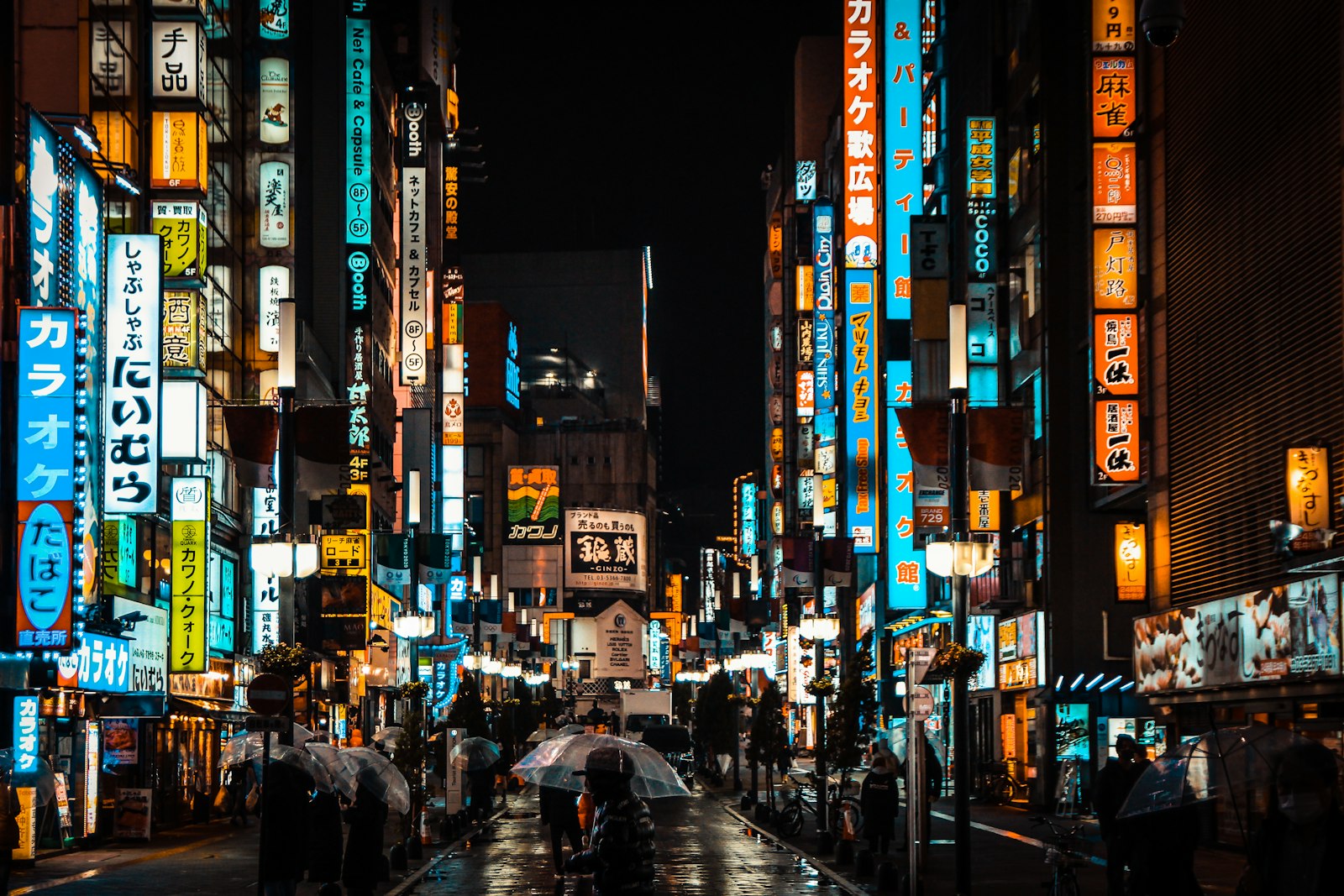
Almost everything written in English about the kyabakura experience for foreigners is written by people trying to sell you a seat. You get the same tidy paragraphs every time: conversation-focused, no physical contact, omotenashi hospitality. All true. None of it tells you what it actually feels like to sit on a sequined sofa in Kabukicho at 10pm while a woman you met four minutes ago asks, in careful English, whether you prefer dogs or cats.
That’s the part first-timers want to know. Is it fun? Is it awkward? Does the language barrier kill it? Are you being scammed the entire time?
This is a walk through the night as it actually unfolds — the door, the first ten minutes, the rotation, the bill, and the moments that genuinely surprise foreign visitors. If you want the mechanics of the pricing system and the vocabulary in detail, our hostess club etiquette and pricing guide covers that ground. This piece is about the experience.
Contents
- What You’re Actually Buying
- The Door: The Ten Minutes That Decide Your Night
- Sitting Down: The Part Nobody Prepares You For
- Does the Language Barrier Ruin the Kyabakura Experience for Foreigners?
- What It Costs, and Why the Bill Startles People
- The Awkward Parts Nobody Mentions
- The Kyabakura Experience for Foreigners: Who Enjoys It, Who Should Skip It
- A Better First Night: The Short Checklist
- Frequently Asked Questions
- What do you do in Tokyo After 10?Join our Tokyo Nightlife Private Tour
- If You’d Rather Not Do This Cold
- About the Author
What You’re Actually Buying
A kyabakura — short for “cabaret club” — sells you time and attention. You pay for a block of minutes. During those minutes, a hostess sits with you, pours your drinks, and holds a conversation designed to make you feel like the most interesting person in the room.
That is the entire product. There is no physical contact and no sexual service; both are prohibited by law and by the venues themselves. If someone at the door implies otherwise, you’re being steered toward something that isn’t a kyabakura at all.
Understanding this reframes everything about the night. You’re not buying a date, and you’re not buying a bar tab. You’re buying a performance of hospitality, delivered by a professional, priced by the clock. Foreigners who go in expecting romance leave disappointed. Foreigners who go in expecting a very good bartender who sits down leave delighted.
The Door: The Ten Minutes That Decide Your Night
Everything that goes wrong at a kyabakura goes wrong before you sit down.
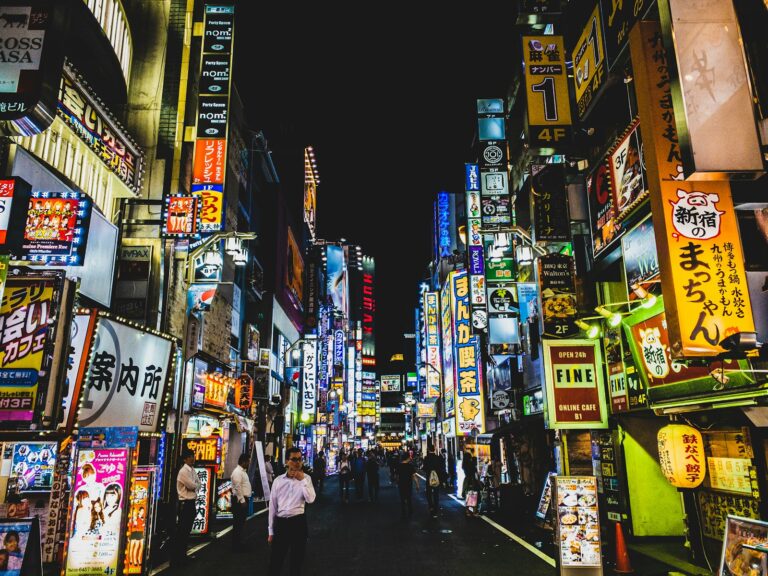
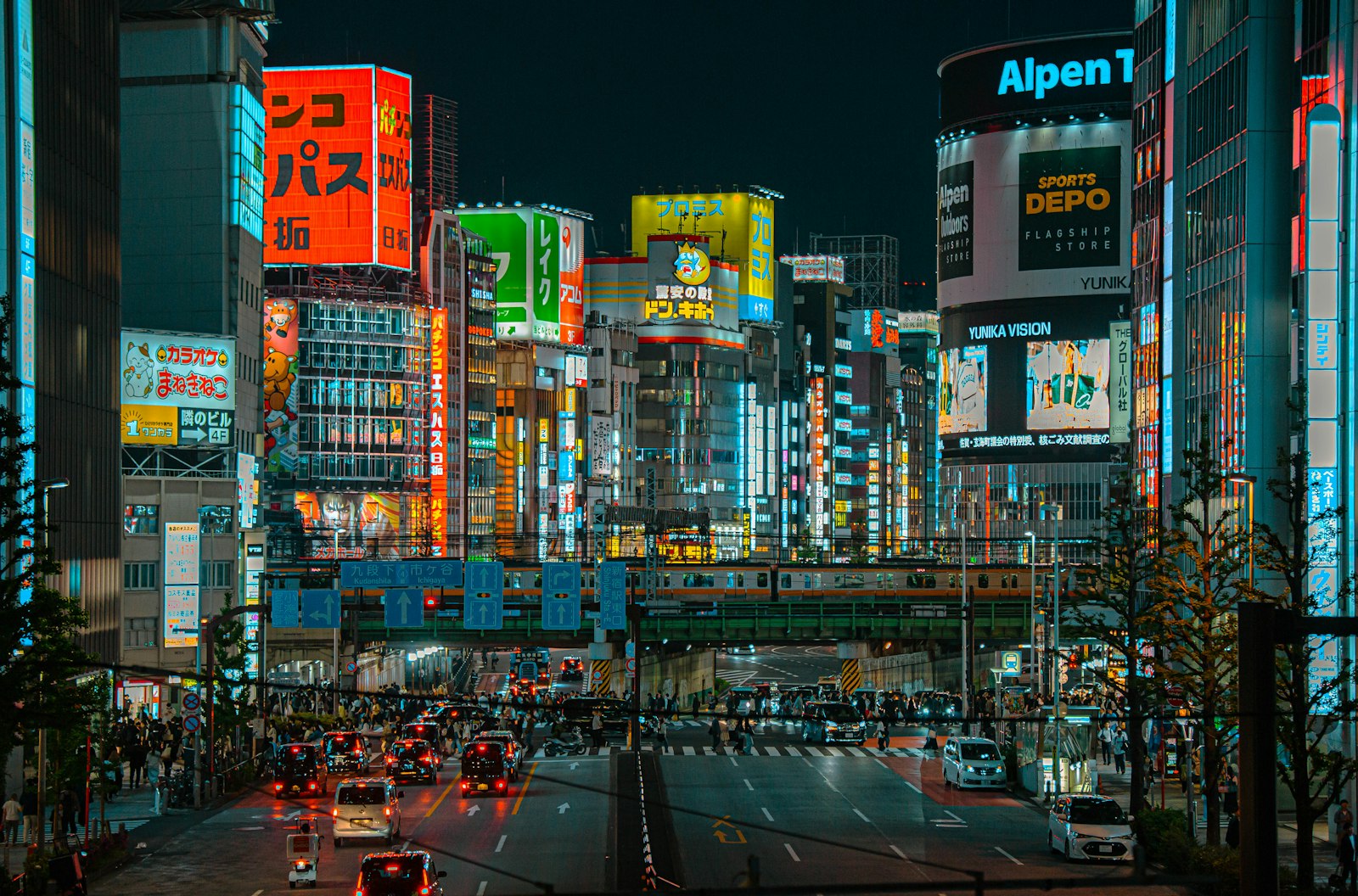
Walk through Kabukicho after 8pm and men will approach you with laminated cards and warm English. These are touts, and in Shinjuku they are the single most reliable route to a bad night. The venue they walk you to is not the venue on the card, and the price they quote is not the price on the bill. Our breakdown of how Kabukicho scams actually work is worth five minutes of your time before you go out.
The counter-move is embarrassingly simple: before you sit down, ask for the total. Not the hourly rate — the total, for the time you intend to stay, including tax, service charge, and your drinks. A legitimate venue answers with a number, often by turning a laminated price sheet toward you. A venue that can’t answer is telling you something.
Then, a small thing that matters more than it should: ask whether English is okay. Many kyabakura are staffed entirely in Japanese and are not equipped to host you — that’s not hostility, it’s just a business built for local regulars. Areas with more international traffic, like Roppongi, have a higher concentration of venues used to foreign guests. Asking at the door saves everyone an uncomfortable hour.
Sitting Down: The Part Nobody Prepares You For
You’re shown to a small table. An oshibori — hot towel — arrives within seconds. Your first drink arrives before you’ve finished deciding what you wanted. And then a hostess sits down beside you, not across from you, and the night begins.
The first surprise for most foreign visitors is the sheer velocity of the hospitality. She’ll open your drink, mix it, adjust the ice, hand it to you, and start a conversation before you’ve settled into the seat. Your glass will never be more than half empty. If you light a cigarette in a smoking venue, a lighter appears from somewhere. It is attentive to a degree that feels almost aggressive for the first ten minutes, and then stops registering entirely.
The second surprise is the conversation itself. It is not deep. It’s not supposed to be. Where are you from, how long in Japan, what did you eat today, can you use chopsticks, do you like Japanese girls — the questions are light and slightly formulaic, and they’re a professional skill, not a personality. A good hostess can find something to talk about with anyone for fifteen minutes. Watching someone be genuinely excellent at that is more entertaining than it sounds.
The rotation
Here’s the mechanic that confuses foreigners more than any other. Unless you’ve nominated someone, hostesses rotate. Roughly every fifteen to twenty minutes, the woman you’ve been talking to stands, thanks you, and is replaced by someone else. Over an hour you’ll typically meet three or four different hostesses.
This is not rejection. It is not a sign you did something wrong. It’s the standard structure of the floor, and it exists so that every guest meets several cast members and every cast member circulates. First-timers routinely misread the first swap as failure and spend the rest of the night self-conscious about it.
If you’d rather stay with one person, that’s what a shimei (nomination) is for — an in-venue nomination keeps a specific hostess at your table for an additional fee. It’s a normal request, not a bold one.
Does the Language Barrier Ruin the Kyabakura Experience for Foreigners?
This is the question that decides whether the kyabakura experience is worth it for foreigners, so here’s the unvarnished answer: the language barrier does not ruin it, but it changes what you’re buying.
With Japanese, you’re buying conversation. Without it, you’re buying atmosphere plus effort — the shared project of two people trying to communicate, which is genuinely fun for about forty minutes and starts to thin out after ninety.
What actually happens without Japanese:
- Translation apps come out within five minutes. Everyone does this. Nobody finds it awkward. Hostesses at foreigner-accustomed venues are extremely practiced at it.
- Photos carry the night. Your camera roll becomes the conversation. Where you’ve been in Japan, your dog, your city, your food.
- Games fill the gaps. Simple drinking games and dice games exist precisely because they need no shared language.
- Energy substitutes for vocabulary. Being warm and visibly engaged matters far more than being fluent.
A handful of phrases genuinely improve the experience: kanpai (cheers), oishii (delicious), kirei (beautiful — a normal compliment here), mou ippai (one more drink), and okaikei onegaishimasu (the check, please). That last one is the most useful phrase in Japanese nightlife.
If forty minutes of goodwill-plus-Google-Translate doesn’t sound like your idea of a night out, a girls bar is the lower-pressure, lower-cost alternative — you sit at a counter, the staff member is behind the bar, and the whole thing feels closer to a normal drink.
What It Costs, and Why the Bill Startles People
The bill is where the good mood usually goes to die, and it’s almost always because of the same structural misunderstanding: the set charge is the entry fee, not the price.
A kyabakura bill is assembled from layers. The set charge buys your block of time. Extensions are billed per additional block. Your own drinks may or may not be included. Nomination costs extra. And the big one — the drink you buy for the hostess is a separate line item, often several thousand yen, and hostesses are commissioned on those drinks. When she asks whether she can have something, that is a sales moment, however charmingly delivered. Saying no is completely acceptable.
Add a service charge and consumption tax on top of the subtotal, and a bill that “should” have been ¥8,000 is comfortably ¥15,000.
Realistic ranges, based on what venues publish and what visitors report:
- Foreigner-oriented first-visit sets in Shinjuku: advertised from around ¥7,000 for roughly 40 minutes, often all-inclusive, with repeat visits at roughly double that
- A normal, unremarkable night at a mid-range venue: around ¥15,000–¥25,000 per person with a couple of drinks and one extension
- Ginza and the high end: ¥70,000–¥100,000 and upward is entirely possible
Two practical habits: bring cash, because card acceptance is inconsistent and some venues add a surcharge, and decide your walk-away time before you arrive. The single most expensive word at a kyabakura is “sure” — said to an extension, at 1am, four drinks in.
Looking for Adult Entertainment Services in Tokyo? Download this
I’ve spent over a decade exploring and studying Japan’s adult entertainment scene firsthand. If you’d like detailed insider information—including how to choose the right shop, what services are available, and tips for avoiding common mistakes—check out our exclusive E-book.
The Awkward Parts Nobody Mentions
An honest account has to include these.
The transactional flicker. At some point in the night — usually around the second rotation — you’ll clock that the warmth is professional. It’s a small, slightly deflating moment. Most people move past it quickly by deciding to enjoy the craft rather than believe the fantasy. Some people can’t, and for them a kyabakura will never be fun.
The contact question. Asking a hostess for her LINE or Instagram is common in Japan but sits at the edge of the rules, varies by venue, and pushing after a soft deflection is the fastest way to sour the table. Treat a non-answer as an answer.
The pace of drinking. Your glass is refilled continuously and you will lose track. This is not a trap so much as physics. Ask for water — omizu kudasai — early and often.
The exit. Hostesses often walk guests to the door or the elevator and wave until it closes. It’s a genuinely lovely piece of choreography, and it also makes it socially harder to leave. Decide you’re leaving before you announce it.
The Kyabakura Experience for Foreigners: Who Enjoys It, Who Should Skip It
You’ll probably enjoy a kyabakura if: you’re curious about how Japan’s hospitality industry works at close range, you’re comfortable being the less-fluent person in a conversation, you like the theatre of a well-run room, and you can treat ¥15,000–¥20,000 as an experience rather than a bar tab.
You should probably skip it if: you’re hoping it leads somewhere romantic, you’re on a tight budget, you dislike ambiguity in pricing, or you want a deep conversation. On the last point — an izakaya or a Golden Gai counter will give you more real human connection for a fifth of the price.
The people who come away happiest tend to be the ones who went in treating it as cultural fieldwork: a licensed, highly systematized, distinctly Japanese form of entertainment that has no clean equivalent anywhere else. Approached that way, it’s fascinating. Approached as a shortcut to intimacy, it’s an expensive letdown.
A Better First Night: The Short Checklist
- Go with someone. Solo is normal, but a first visit is easier and more fun with a friend.
- Never follow a tout. Choose the venue yourself, or arrive with a booking.
- Confirm the total price out loud before sitting. Time, drinks, tax, service — all of it.
- Ask about English at the door, not after the first drink lands.
- Bring cash, and more than you plan to spend.
- Set a hard end time and say “okaikei onegaishimasu” when you reach it.
- Expect the rotation. It isn’t personal.
- Say no to the expensive drink if you don’t want it. It’s a normal answer.
Standard consumer advice for travellers in Japan applies here too — the Japan National Tourism Organization publishes general safety and trouble-reporting guidance, and the National Police Agency is the right escalation point if you’re ever genuinely defrauded rather than merely surprised.
Frequently Asked Questions
Is a kyabakura legal? Yes. Kyabakura are licensed entertainment venues. Conversation and drink service are the product; sexual services are not offered and are not permitted.
Can I go without speaking Japanese? Yes, but choose your venue for it. Ask at the door whether English is okay, and expect translation apps to do real work. Roppongi and a subset of Shinjuku venues are the most accustomed to foreign guests.
Will I be scammed? Not if you choose the venue yourself and confirm the total before sitting down. Nearly every horror story involving foreign visitors starts with following a street tout.
Can I go alone? Yes — solo guests are completely normal and, at some venues, the majority.
How long should a first visit be? One set, plus at most one extension. Sixty to ninety minutes is the sweet spot before the novelty and the bill both start working against you.
What should I wear? Smart casual. A collared shirt and clean shoes clear the bar at most venues; shorts, sandals, and tank tops don’t.
What do you do in Tokyo After 10?
Join our Tokyo Nightlife Private Tour
You deserve better than overpriced bars and missed opportunities. We’re here for you.
If You’d Rather Not Do This Cold
The honest truth about the kyabakura experience for foreigners is that the quality of your night is decided almost entirely by which door you walk through — and that’s the one thing a first-time visitor has no way to judge from the street. Two venues fifty metres apart in Kabukicho can deliver a genuinely charming evening and a ¥60,000 lesson respectively.
That’s the specific problem a local guide solves. On our Tokyo After 10 nightlife tour, you go in with someone who knows which venues are used to foreign guests, can confirm the price structure in Japanese before anyone sits down, and can translate when the conversation gets past dogs-versus-cats. You still get the experience. You just skip the part where you’re guessing.
Either way — go in knowing what you’re buying, set your limit, and enjoy the show for what it is.