

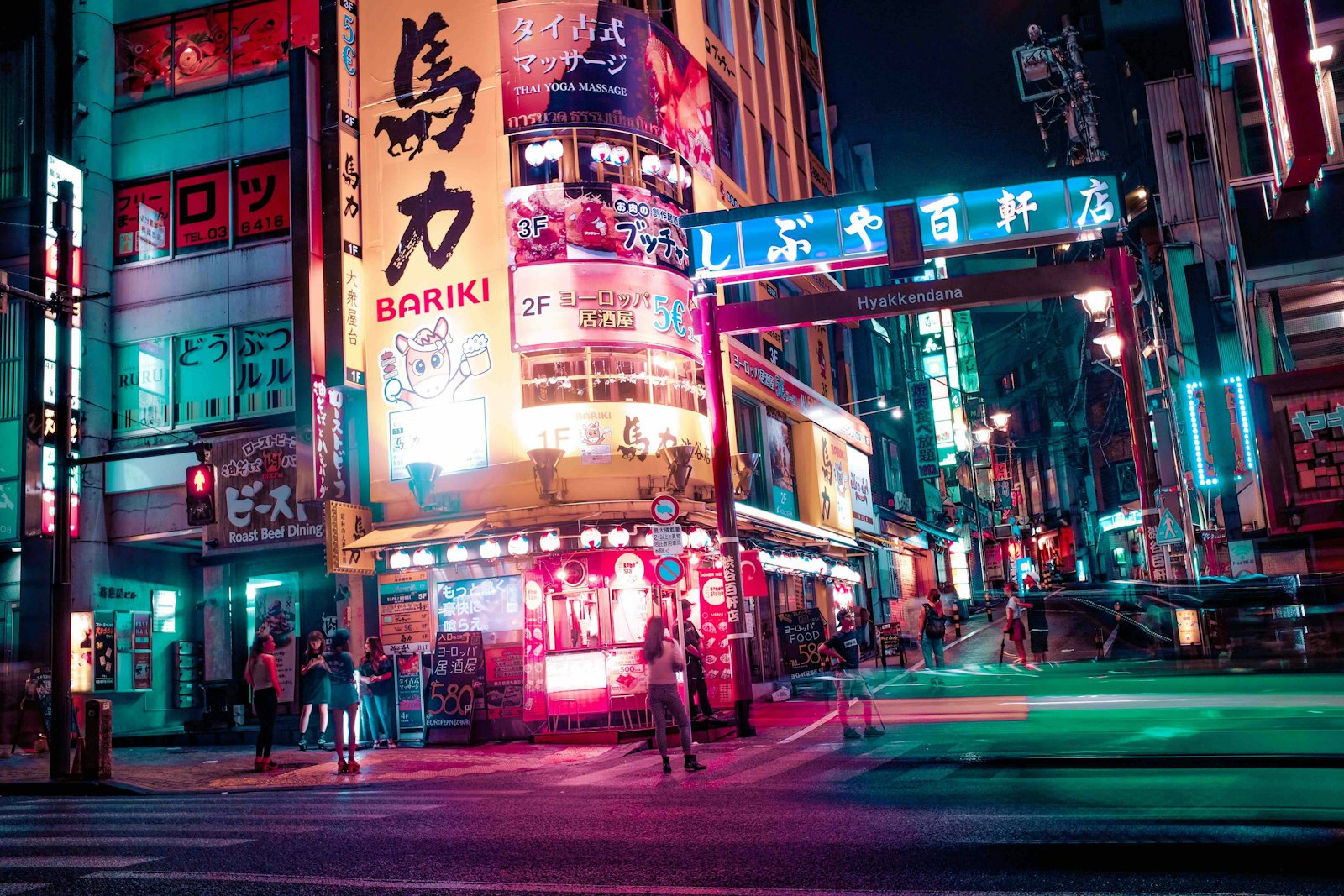
Photo by <a href="https://unsplash.com/@agk42?utm_source=tokyodeepnightlife&utm_medium=referral">Alex Knight</a> on <a href="https://unsplash.com/?utm_source=tokyodeepnightlife&utm_medium=referral">Unsplash</a>
Tokyo has a reputation as one of the safest big cities in the world, and at night that reputation mostly holds. Still, a few Tokyo nightlife safety tips make a real difference for first-time visitors. People walk home alone at 2 a.m., leave their phones on café tables and fall asleep on the train without a second thought.
But “safe” doesn’t mean “nothing can go wrong.” The problems foreigners actually run into in Tokyo after dark are rarely violent. They’re about money, alcohol and misunderstandings: a bar bill with an extra zero, a friendly stranger who leads you up the wrong staircase, or a missed last train at 12:40 a.m.
This guide collects the advice we give friends before their first big night out. It also covers the manners side, because much of staying out of trouble in Japan comes down to knowing how things work. Read it once and you’ll know what to watch for and what to ignore, so you can spend your energy enjoying the night.
Contents
- Is Tokyo Safe at Night? The Honest Answer
- Tokyo Nightlife Safety Tips for Entertainment Districts
- Tokyo Nightlife Safety Tips for Bars and Clubs: Watch Your Drink
- Carry Your Passport and Keep Your Valuables Close
- Tokyo Nightlife Etiquette: Manners That Keep You Out of Trouble
- Getting Home Safely: Last Trains, Taxis and Late Nights
- What to Do If Something Goes Wrong
- A Quick Checklist Before Your Night Out
- What do you do in Tokyo After 10?Join our Tokyo Nightlife Private Tour
- Enjoy Tokyo After Dark With Someone Who Knows the Streets
- About the Author
Is Tokyo Safe at Night? The Honest Answer
Yes, by global standards Tokyo is very safe at night. Street robbery and random violence are rare, the streets are well lit, and trains and convenience stores stay busy until late. Solo travelers, including women, regularly go out alone.
The risks are concentrated in a few specific places and situations:
- Entertainment districts such as Kabukicho in Shinjuku and Roppongi, where touts and some dishonest bars target visitors
- Late at night after a lot of drinks, when judgment slips and bills get harder to read
- Anything involving a stranger who approached you first and wants to take you somewhere
The core idea behind every tip in this guide: in Tokyo, the danger to your wallet is far higher than the danger to your body. Protect your money and your judgment and most nights will go smoothly.
Tokyo Nightlife Safety Tips for Entertainment Districts
Most visitors will pass through at least one of Tokyo’s big nightlife hubs. These areas are fun, crowded and generally fine to walk through. The trouble starts when you let someone else choose where you drink.
Never follow a street tout
The single most useful piece of advice: do not follow anyone who approaches you on the street offering a bar, a club, a “show” or cheap drinks. In Japanese these people are called kyakuhiki. Street touting is restricted in Tokyo, so anyone doing it is already working outside the rules.
Touts in Kabukicho and Roppongi often speak good English and may be foreign themselves. The pitch is friendly and specific: “All-you-can-drink, 3,000 yen, one hour.” What you get is a tiny room, a price list you never saw, and a bill that can run into tens or hundreds of thousands of yen.
A polite “No, thank you” and walking on is enough. You don’t need to explain or argue. Tokyo touts rarely follow people far, and a busy main street is never more than a few steps away.
Choose bars yourself, not through a stranger
Good bars in Tokyo don’t need someone on the street to bring customers in. Choose places from reviews you’ve read, recommendations from your hotel, or venues with clear prices posted outside.
Be cautious with:
- Doors on upper floors with no menu or prices visible anywhere
- Places where a stranger you met minutes ago insists on “their friend’s bar”
- Venues that won’t show you a price list before you order
We go into specific tricks and warning signs in our guide to Tokyo nightlife scams. If Shinjuku is on your plan, the Kabukicho nightlife safety guide explains how to enjoy that area without walking into the obvious traps.
Understand the bill before you sit down
Many legitimate Japanese bars and izakaya add charges that surprise first-timers. A seating charge, sometimes served with a small appetizer called otoshi, is normal. So is a service charge at more upscale places. These aren’t scams, just part of how the business works.
The difference between a normal extra and a scam is transparency. Before you settle in, ask: “Is there a table charge? How much is one drink?” Honest staff will answer right away, often by pointing at a menu. If they dodge the question, finish up and leave.
A few habits help:
- Pay attention to each round rather than running an open tab you never check
- Keep the menu or take a photo of the prices
- Pay with a credit card where possible, which leaves a record if you need to dispute a charge later
Tokyo Nightlife Safety Tips for Bars and Clubs: Watch Your Drink
Drink spiking is uncommon in Tokyo, but it has been reported, mostly around a small number of bars in Roppongi that target tourists. The standard precautions are simple and cost you nothing.
- Don’t accept drinks from strangers unless you watched the bartender make and hand them over
- Don’t leave your drink unattended. If you step away, order a fresh one when you come back
- Watch your own pace. Japanese highballs and chu-hi can be stronger than they taste, and sake adds up quickly
- Stick with friends you arrived with, especially in clubs, and agree on a meeting point
If you or a friend suddenly feel far more drunk than you should, or lose time you can’t account for, leave the venue straight away with someone you trust and get help. Don’t sign anything or hand over a card to “settle up” in that state.
Also remember that the legal drinking age in Japan is 20. Some clubs check ID at the door, so bring the identification discussed below.
Carry Your Passport and Keep Your Valuables Close
Foreign tourists in Japan are required by law to carry their passport at all times. Police checks on the street are not common for tourists, but they do happen in nightlife areas. If you can’t show your passport, you may be asked to go to a police station until your identity is confirmed. That’s a bad end to any night.
Some practical Tokyo nightlife safety tips for your belongings:
- Keep your passport in a zipped inner pocket or a small cross-body bag, not a back pocket
- Carry the cash you plan to spend that night, plus one card, and leave the rest at your hotel
- Keep your phone charged. It’s your map, your translator and your way to call for help
- Save your hotel’s address in Japanese so you can show it to a taxi driver
Pickpocketing is rare compared with many cities, but crowded train platforms and packed clubs are where it happens when it does.
Looking for Adult Entertainment Services in Tokyo? Download this
I’ve spent over a decade exploring and studying Japan’s adult entertainment scene firsthand. If you’d like detailed insider information—including how to choose the right shop, what services are available, and tips for avoiding common mistakes—check out our exclusive E-book.
Tokyo Nightlife Etiquette: Manners That Keep You Out of Trouble
Plenty of friction between visitors and locals at night has nothing to do with crime. It comes from not knowing the unwritten rules. Following them makes you welcome in small bars, and it keeps a fun night from becoming an awkward confrontation.
Keep your voice down on the street and trains
Tokyo nightlife is lively inside the bars and surprisingly quiet outside them. Many famous drinking alleys sit right next to homes. Shouting on the street or singing on the last train draws real annoyance from residents and staff.
On trains, avoid phone calls and keep conversations at a low volume. You’ll see plenty of tipsy salarymen on late trains, but you rarely hear them.
Don’t drink on the street in Shibuya
Drinking outside a convenience store used to be a common sight in Shibuya. Since October 2024, Shibuya Ward bans drinking in public spaces around Shibuya Station from 6 p.m. to 5 a.m., every day of the year. The zone includes Center Gai and the Maruyamacho club district, so check the signs before you open a can. Nippon.com has a clear explanation of the Shibuya ordinance.
There’s no fine attached to the ban, but patrols do ask people to stop. It’s easier to drink inside the bar you came for.
Smoking, tipping and taking photos
- Smoking: Many Tokyo wards ban smoking while walking. Use designated smoking areas, which are often near stations. Indoors, most restaurants and bars are non-smoking, though some small bars still allow it. Look for a sign or ask.
- Tipping: There’s no tipping culture in Japan. Leaving extra money can cause confusion. A sincere “gochisousama deshita” (thank you for the meal) on your way out goes much further.
- Photos: Ask before photographing people, staff or the inside of small bars. Some tiny bars ban photos completely, and many regulars value their privacy.
Small bars also have their own customs: some only welcome regulars, some charge a seating fee, some expect you to order at least one drink per person. For a deeper look, read our guide to izakaya etiquette for foreigners.
Getting Home Safely: Last Trains, Taxis and Late Nights
One of the most overlooked Tokyo nightlife safety tips is simply planning how you’ll get home. Tokyo’s trains don’t run all night.
Know your last train
Most train lines in Tokyo run their last services roughly between midnight and 12:30 a.m., and the exact time depends on the line and station. Trains start again around 5 a.m. Check the last train from your station to your hotel before your first drink, and set an alarm 30 minutes earlier.
Transfer times are what catch people out. The last train on your first line may leave on time, but the connecting line may already have stopped. Our guide to Tokyo last train times covers how to plan around this.
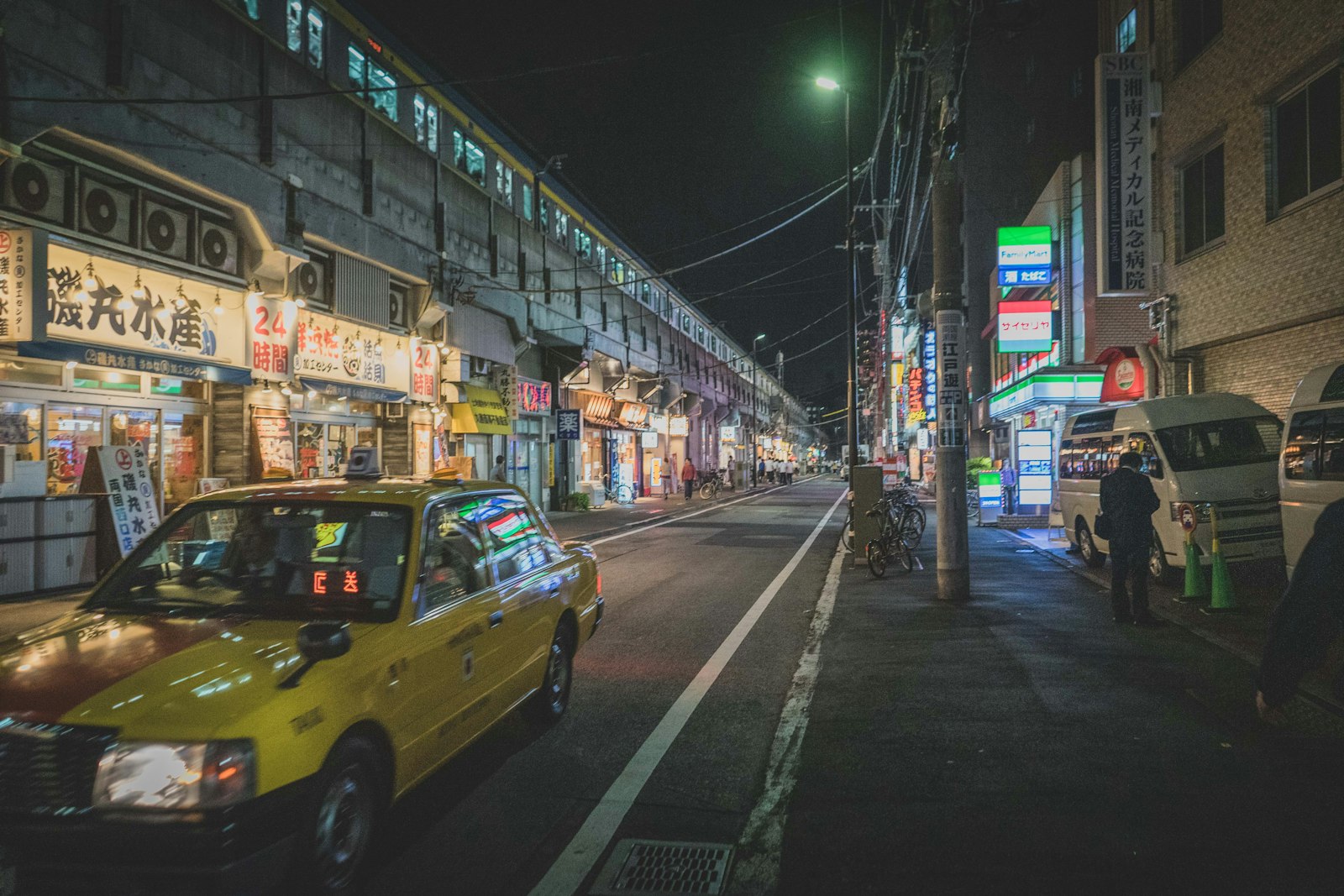
Taking a taxi late at night
Tokyo taxis are safe, metered and honest. Drivers don’t expect tips. Note that fares include a late-night surcharge of about 20% between 10 p.m. and 5 a.m., so a long ride across the city can get expensive.
A few tips:
- Use a taxi stand or a ride-hailing app rather than accepting rides from people who approach you
- The rear left door opens automatically, so don’t slam it
- Show your hotel’s address in Japanese, or a pin on your map app
If you’d rather stay out until the first train, you won’t be alone. Many locals do this on weekends, heading to a karaoke room, a 24-hour diner or a ramen shop until service resumes.
What to Do If Something Goes Wrong
Even with every precaution, things occasionally go sideways. Here’s what to know.
Emergency numbers in Japan
According to the Japan National Tourism Organization’s emergency guide:
- Police: 110
- Fire and ambulance: 119
- Japan Visitor Hotline: 050-3816-2787, available 24 hours a day, 365 days a year, with support in English, Chinese and Korean
Save these numbers in your phone before you head out.
Use a koban
A koban is a small neighborhood police box, and you’ll find them near most major stations and nightlife areas. If you’re lost, have lost something, or are in a dispute over a bill, walk to the nearest koban. Officers may not speak much English, but they deal with this situation regularly and can help with translation apps.
If you’re overcharged
If a bill is far higher than what you were told, stay calm. Don’t hand over your card or let staff walk you to an ATM. Say you’d like to call the police, or that you’ll settle it at the koban. Legitimate businesses won’t have a problem with that. Dishonest ones often lower the bill or back off quickly.
A Quick Checklist Before Your Night Out
Run through these Tokyo nightlife safety tips before you leave the hotel:
- Passport on you, most cash and cards left behind
- Phone charged, hotel address saved in Japanese
- Last train time checked, including transfers
- Emergency numbers saved: 110, 119 and the Japan Visitor Hotline
- A plan to ignore street touts, however friendly they sound
- Prices confirmed before ordering at every new bar
What do you do in Tokyo After 10?
Join our Tokyo Nightlife Private Tour
You deserve better than overpriced bars and missed opportunities. We’re here for you.
Enjoy Tokyo After Dark With Someone Who Knows the Streets
Put all of this together and the picture is reassuring. Tokyo at night isn’t dangerous. It’s just hard to read from the outside. The best bars are hidden up narrow staircases, the rules aren’t written in English, and the people most eager to “help” on the street are usually the ones to avoid.
If you’d rather skip the guesswork, a local guide takes care of all of it. On our Tokyo After 10 nightlife private tour, a guide who lives in the city takes you to trusted bars with clear pricing, handles the Japanese, explains the etiquette as you go and makes sure you know how you’re getting home. You get the fun of Tokyo nightlife without worrying about the bill or the last train.









