

Photo by <a href="https://unsplash.com/@trapnation?utm_source=tokyodeepnightlife&utm_medium=referral">Andre Benz</a> on <a href="https://unsplash.com/?utm_source=tokyodeepnightlife&utm_medium=referral">Unsplash</a>
You’ve picked a club, checked the lineup and timed your dinner around it. Then the bouncer asks for ID, and you hand over a driver’s license from home or a photo on your phone. That’s where a lot of first nights in Tokyo end. If you’re looking up the rules on Tokyo club entry age and ID for a foreigner, the short version is simple: be 20 or older, carry your original passport, and dress clean rather than flashy.
The longer version matters, because each club writes its own door policy and they don’t all say the same thing. Below, we go through what the law requires, what two of Tokyo’s best-known clubs actually publish on their FAQ pages, and the small details that quietly get people turned away.
Contents
- Tokyo Club Entry Age and ID for a Foreigner: The Quick Answer
- Tokyo Club Age Limit: Why 20 Is the Number
- Tokyo Club ID Requirements: What Works for Foreigners
- Tokyo Club Dress Code: Clean, Not Fancy
- Other Door Rules Foreigners Often Miss
- Timing Your Night: The Last Train Problem
- FAQ: Tokyo Club Entry Age and ID for a Foreigner
- What do you do in Tokyo After 10?Join our Tokyo Nightlife Private Tour
- Skip the Guesswork: Go Out with Someone Who Knows the Doors
- About the Author
Tokyo Club Entry Age and ID for a Foreigner: The Quick Answer
Here’s the checklist for a normal late-night club event in Tokyo:
- Age: 20 or older. This applies to everyone, whatever your home country’s drinking age is.
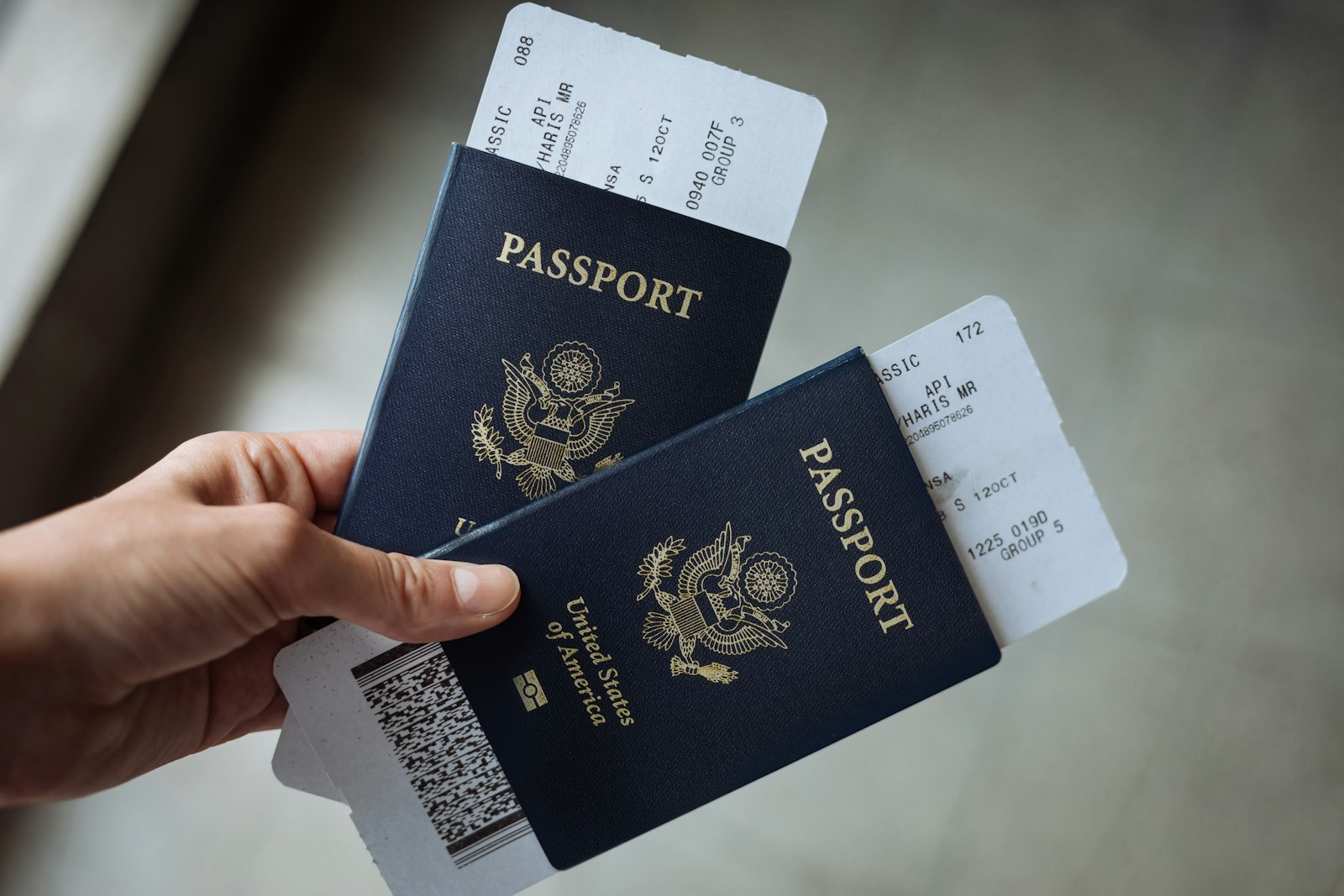
- ID: Your original passport. It’s the one document every club list we checked includes, and it’s the one a visitor is sure to have.
- Clothes: Clean, casual and closed-toe. Beach sandals and flip-flops are the item most often named as a reason for refusal.
- Cash and coins: Some ¥100 coins for the lockers, plus a way to pay the door charge.
- Plan for the night: Many clubs don’t allow re-entry, so once you’re in, you’re in.
Each of these has a few exceptions, and those are covered below.
Tokyo Club Age Limit: Why 20 Is the Number
Japan’s drinking age is 20, and clubs enforce it
Japan lowered the age of adulthood to 18 in 2022, but the legal drinking age stayed at 20. Because clubs make their money on alcohol, the standard Tokyo club age limit for late-night events is 20+.
You can see this in the clubs’ own wording. WOMB in Shibuya states on its official FAQ that “guests under the age of 20 are not permitted to enter WOMB’s late-night events,” and that a valid photo ID is required for age verification at the entrance. ZEROTOKYO in Kabukicho says the same on its FAQ page: no entry for anyone under 20.
If you’re 18 or 19 and travelling from a country where you can drink legally, that doesn’t carry over. The door staff aren’t being difficult with you personally. They’re protecting the venue’s license.
The late-night license behind the rule
Venues that serve alcohol and offer entertainment after midnight operate under a specific license in Japan’s entertainment business law (the fueiho). Under that framework, people under 18 aren’t allowed in from 10pm onward. Add the drinking age on top, and you get the 20+ rule you’ll meet almost everywhere after dark.
Daytime and early events can be different
Some clubs occasionally run earlier events with different age rules. WOMB notes that these events, when they happen, have their age restriction clearly stated on the event page. If you’re under 20 and want to see a club space, look for a daytime or early-evening event and read that specific page. Don’t assume the regular night allows it.
Some doors are stricter than the law
A few venues, mostly the more upscale lounges and VIP-focused clubs, run an informal older crowd policy on top of the legal minimum. These aren’t usually written down, and they can change from night to night. If you’re 20 or 21 and get refused at a high-end spot even with valid ID, that’s likely the reason. Don’t argue. Head to a bigger mainstream club instead.
Tokyo Club ID Requirements: What Works for Foreigners
This is where most foreign visitors run into trouble. Your home ID may be perfectly valid where you come from and still not be on the club’s list.
Bring your original passport
Here’s what the two official FAQs we checked list as accepted ID:
- WOMB: driver’s license, passport, or My Number Card (Japan’s national ID card).
- ZEROTOKYO: driver’s license, passport, or Basic Resident Registration Card.
The only document a short-term visitor is sure to have that’s on both lists is the passport. That’s why any guide to Tokyo club entry age and ID for a foreigner, ours included, tells you to bring it.
Both clubs list “driver’s license” without saying whether a foreign license counts. Door staff need to read the birth date quickly and recognise the document, and a license from abroad is easy for them to turn down. Don’t stake your night on it.
Photocopies and phone photos
Neither of the FAQs above says a copy is acceptable, and in practice doors want the real document they can hold and compare against your face. A photo of your passport on your phone is easy to refuse. Bring the original.
If you’re nervous about carrying your passport around at night, keep it in a zipped inside pocket rather than a back pocket. Once you’re inside, it goes in the locker with your other things or stays on you, depending on your comfort level.
Non-photo ID needs backup
Both WOMB and ZEROTOKYO say that if you show an ID without a photo (like a Japanese health insurance card), you’ll need a second document with your name and photo. For visitors this rarely comes up, but it’s worth knowing if your plan B is a card without a picture.
If you live in Japan
Residents often carry a residence card (zairyu card) instead of a passport. It’s widely used as ID in daily life, but note that neither of the two FAQ lists above names it specifically. If you’re a resident, check the club’s own list before you go, or carry your passport as a backup. It takes two minutes and saves an awkward conversation at the door.
For a wider look at staying safe with cards, cash and documents at night, see our Tokyo nightlife safety tips for foreigners.
Tokyo Club Dress Code: Clean, Not Fancy
Tokyo’s big clubs are more relaxed about clothing than many visitors expect. What they care about is that you look tidy and safe on a crowded dance floor.
What the clubs actually say
- WOMB: “There is no special dress code,” but staff can refuse entry if they consider your outfit inappropriate for a public venue. For safety, beach sandals may also be prohibited in summer.
- ZEROTOKYO: No special dress code either, though clearly inappropriate clothing can be refused. Beach sandals are specifically named as not allowed.
So “no dress code” doesn’t mean “anything goes.” It means there’s no formal standard, and the door makes a judgement call.
A safe outfit that works almost everywhere
- Clean jeans or trousers
- A plain T-shirt, shirt or simple jacket
- Closed shoes or clean sneakers
- A small bag, or no bag at all
That outfit will get you into the large techno and house clubs and most mainstream venues. Upscale lounges and VIP-style clubs in Roppongi and Ginza lean more toward smart casual. There, a collared shirt or a neat dress and proper shoes are the safer bet.
What gets people turned away
- Flip-flops and beach sandals
- Swimwear or beach-style outfits
- Dirty or muddy shoes
- Sports jerseys and gym wear (at stricter venues)
- Large backpacks or suitcases
For a venue-by-venue breakdown beyond clubs, including bars and lounges, see our full Tokyo nightlife dress code guide.
Looking for Adult Entertainment Services in Tokyo? Download this
I’ve spent over a decade exploring and studying Japan’s adult entertainment scene firsthand. If you’d like detailed insider information—including how to choose the right shop, what services are available, and tips for avoiding common mistakes—check out our exclusive E-book.
Other Door Rules Foreigners Often Miss
Tickets and door charges
Most clubs sell tickets both in advance and at the door. WOMB, for example, says you can buy a ticket at the entrance on the night for most events, with the door price listed on each event page. Popular international DJ nights can sell out, so buy ahead for the big ones. Holding a ticket doesn’t replace ID, though. You’ll still be checked at the door.
No re-entry
WOMB states plainly that re-entry isn’t permitted, and many other clubs work the same way. Stepping out for a cigarette or to grab cash from a convenience store can mean paying again or not getting back in. Sort out cash before you join the line.
Lockers and coins
Large clubs usually have coin lockers, and they often take ¥100 coins. WOMB notes that its lockers are limited in number. Arrive with a pocketful of coins and travel light. If you’re carrying shopping or luggage, drop it at your hotel or a station locker first.
Cameras and filming
ZEROTOKYO asks that cameras and recording equipment be stored in the coin lockers before entry. Many clubs restrict filming on the dance floor, and rules can change by event. Phone snaps are often tolerated, but read the signs and follow staff instructions. Never film people without asking.
Water and drinks
Free tap water at the bar isn’t standard in Japan the way it is in some countries. Expect to buy water or soft drinks. And as with other bars in Japan, tipping isn’t part of the culture, so you don’t need to add anything to your drink orders.
Timing Your Night: The Last Train Problem
Clubs in Tokyo get busy late, often after 11pm or midnight, while the last trains leave around midnight. That gap shapes the whole night. You either commit to staying until the first train in the morning, or you budget for a taxi home.
If you’re planning which side of that line to land on, our guide to Tokyo last train times for nightlife lays out the options. And if you haven’t picked a venue yet, start with our list of the best clubs in Tokyo by area.
FAQ: Tokyo Club Entry Age and ID for a Foreigner
Can I enter a Tokyo club at 18 or 19 as a foreigner? Not for regular late-night events. The 20+ rule applies to everyone regardless of nationality. Some clubs occasionally hold daytime or early events with different age limits, and the event page will say so.
Will my home country’s driver’s license work as ID? Don’t rely on it. Club FAQs list “driver’s license” without saying a foreign one is accepted, and door staff can refuse documents they don’t recognise. Bring your passport.
Can I show a photo of my passport instead? It’s easy to be refused. Bring the original.
Is there a strict dress code at Tokyo clubs? Usually not a formal one at the big clubs, but staff can refuse outfits they think are inappropriate. Avoid flip-flops, beachwear and dirty shoes, and you’ll be fine at most places.
Can I leave and come back in? Often not. WOMB, for example, does not allow re-entry. Check before you step out.
What do you do in Tokyo After 10?
Join our Tokyo Nightlife Private Tour
You deserve better than overpriced bars and missed opportunities. We’re here for you.
Skip the Guesswork: Go Out with Someone Who Knows the Doors
Getting into a Tokyo club as a foreigner is easy once you know the rules: be 20+, carry your passport, dress clean, and bring coins. What’s harder is knowing which venues suit your taste, which doors are strict on a given night, and where to go before and after.
That’s where a local guide helps. On our Tokyo After 10 nightlife private tour, a guide who goes out in these neighbourhoods takes you through the bars and late-night spots that fit what you’re after. No standing outside a door trying to work out the rules alone.









