

Photo by <a href="https://unsplash.com/@emranyousof?utm_source=tokyodeepnightlife&utm_medium=referral">Emran Yousof</a> on <a href="https://unsplash.com/?utm_source=tokyodeepnightlife&utm_medium=referral">Unsplash</a>
Walk through Golden Gai on a weekend night and you’ll often hear more English than Japanese. A few decades ago that would have been unthinkable. This was a district of writers, film people and regulars who knew every mama-san by name. Today, many bars post their prices in English, and travel guides treat the district as a must-see. For Shinjuku Golden Gai, foreigners have become the core customers rather than the exception.
So what happened? Why did a cluster of tiny, cramped, slightly shabby bars become one of the most wanted night stops for visitors to Tokyo? And is the boom good for the place, or is it wearing it down?
This article looks at the numbers, the history and the friction behind the trend, then turns all of it into practical advice for your own night out.
Contents
- Shinjuku Golden Gai and Foreigners: The Numbers Behind the Boom
- How a Black Market Became a Magnet for Foreign Tourists
- Why Foreign Visitors Fall for Golden Gai
- The Other Side: Friction Between Golden Gai Tourists and Regulars
- Is Golden Gai Foreigner Friendly in 2026? How to Read the Doors
- What the Trend Means for Your Visit
- Frequently Asked Questions
- What do you do in Tokyo After 10?Join our Tokyo Nightlife Private Tour
- Skip the Guesswork: See Golden Gai With a Local
- About the Author
Shinjuku Golden Gai and Foreigners: The Numbers Behind the Boom
There’s no official headcount of who drinks in Golden Gai. The bars are independent, and many are run by a single person. Still, several data points line up and tell a clear story.
More than half the customers are from overseas
In 2019, the Japanese inbound-tourism trade site Honichi Lab reported that more than half of the customers visiting Shinjuku Golden Gai were foreign tourists. Since then, foreign travel writers have described nights where foreigners outnumbered Japanese in the bars, and some small bars had no Japanese guests at all.
That’s an unusual ratio for a Tokyo nightlife area. Most izakaya streets, even in busy districts, are still mostly local on an ordinary weeknight.
Shinjuku is where visitors go first
The neighborhood around Golden Gai is already the busiest stop for international travelers in Tokyo. According to a 2018 Tokyo Metropolitan Government survey cited by Nippon.com, 56% of foreign travelers surveyed had visited the Shinjuku-Okubo area. Golden Gai sits about five minutes on foot from Shinjuku Station’s east exit, right next to Kabukicho, so it picks up a steady flow of people who are already in the area.
Overall visitor numbers keep climbing
The wider trend adds more fuel. Japan welcomed a record 42.68 million international visitors in 2025, up 15.8% from the previous year and about 10 million more than in 2019, according to Japan Data on Nippon.com. More visitors in Tokyo means more people searching for the “real” side of the city after dark, and Golden Gai is the first name that comes up.
Night walks are what visitors want
A 2018 survey by the Development Bank of Japan (also reported by Honichi Lab) asked foreign visitors what they wanted to do at night in Japan. The top answer was strolling through entertainment districts. Eating and drinking at casual izakaya also made the top ten. Golden Gai lets you do both in the space of a few hundred meters.
How a Black Market Became a Magnet for Foreign Tourists
Part of the appeal is the story. Visitors who read even a little about Golden Gai find a history that sounds made up, and it isn’t.
- 1945: After the war, a black market grew up around Shinjuku Station. It was later moved north to where Golden Gai is today.
- 1958: Japan’s anti-prostitution law took effect. Many places in the area had been unlicensed brothels with rooms upstairs, and they turned into small bars.
- 1970s: The district became a hangout for writers, filmmakers, editors and actors. Its reputation as an intellectual, slightly closed-off drinking spot dates from this time.
- 1980s: During the bubble economy, developers tried to buy up the land. Many owners refused to sell, and the alleys survived largely intact.
- 2016: On April 12, a fire badly damaged several buildings in the district. It was a sharp reminder of how fragile the old wooden buildings are.
You can read a longer version of this story in Nippon.com’s history of Golden Gai, from black market to drinking spot.
The physical layout has barely changed through all of this. Nippon.com counts more than 280 tiny bars, most of them about 10 to 15 square meters, along six east-west lanes and one north-south lane. Other sources put the number at “over 200” or “nearly 300,” which tells you how often bars open, close and change hands. The district also has two separate merchants’ associations, one covering the north side and one the south, which is part of why there’s no single official rulebook.
Why Foreign Visitors Fall for Golden Gai
Numbers explain the traffic. They don’t explain the affection. Going by what travelers write about the area, the reasons tend to fall into six groups.
1. The scale feels unreal
Most bars seat somewhere between five and ten people. You sit shoulder to shoulder with strangers, and the bartender is an arm’s length away. For travelers used to big pubs or loud clubs, that closeness is the whole point. It feels like being let into someone’s living room.
2. It looks like the Tokyo they imagined
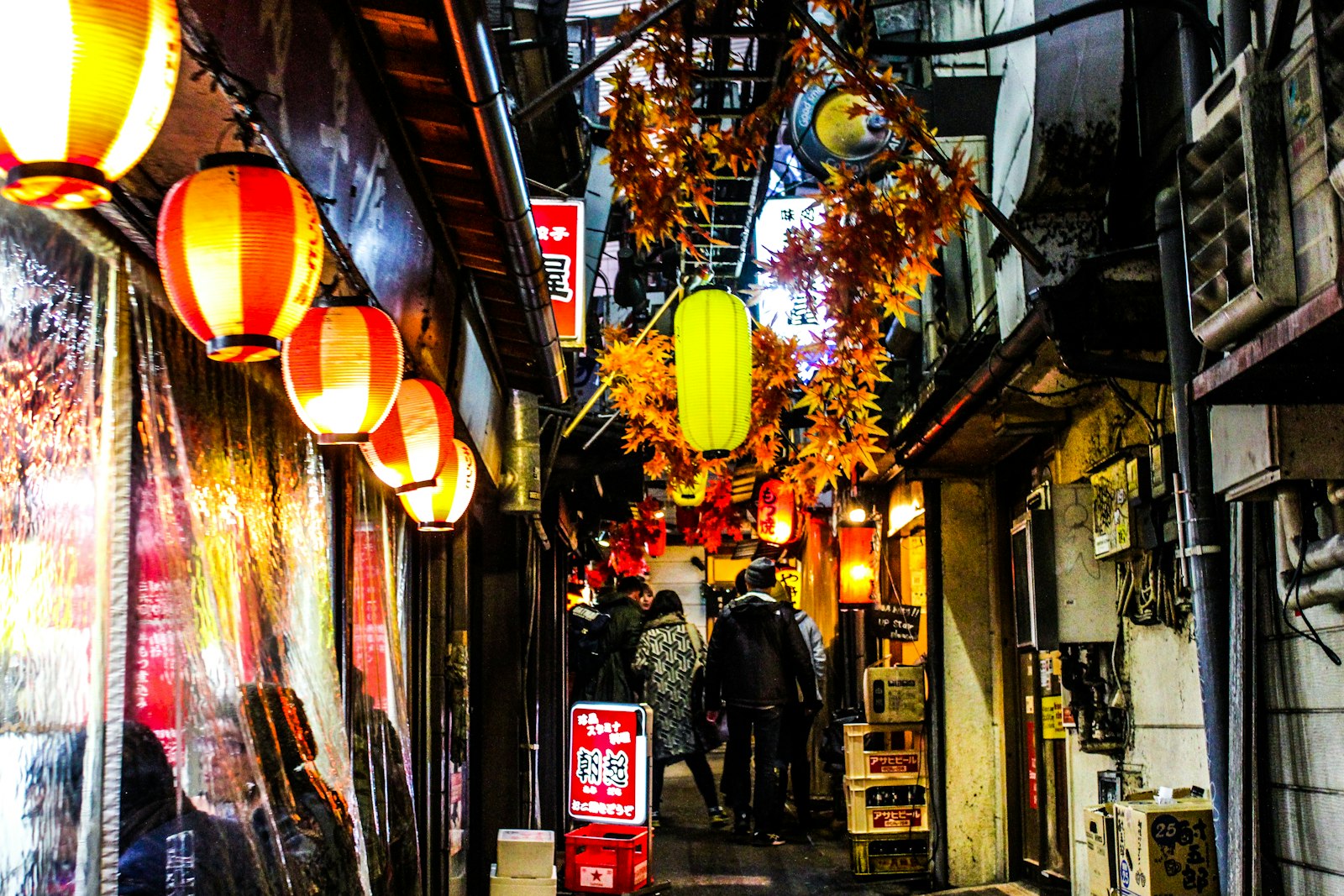
Low wooden buildings, hand-painted signs, cables overhead and red lanterns. Golden Gai looks like the Tokyo of old films and of a thousand travel photos. In a city full of glass towers, it’s one of the few places where the postwar streetscape is still standing and still in use.
3. Every bar has a theme and an owner
There’s no chain store in Golden Gai. Each bar reflects the person behind the counter. You’ll find bars built around film, punk, horror, books, records or a single type of spirit. Visitors who like to collect experiences treat each bar like a small, separate world.
4. Bar hopping is built into the format
Because seats are scarce, regulars move on after a drink or two. That rhythm suits travelers perfectly. You can see four or five bars in a night without feeling you’ve missed something, and Golden Gai bar hopping has become a way of showing off a trip, almost like a stamp rally.
5. Talking to the bartender is the experience
In a tiny bar, the person pouring your drink is also the host. Some younger owners speak English, and they like hearing where guests are from. For a solo traveler, that’s rare in Tokyo. You can walk in alone and end up in a three-language conversation with the person next to you.
6. A new generation of owners opened the doors
Nippon.com notes that as ownership passed to a new generation, the district began drawing “a much more varied range of customers,” including foreign visitors and office workers out on their own. Newer owners were more willing to post prices in English and to welcome walk-ins. That change, more than any marketing, is why Golden Gai became foreigner friendly.
The Other Side: Friction Between Golden Gai Tourists and Regulars
It would be easy to write only about the charm. But Golden Gai is a working neighborhood with limited space, and the tourist wave has brought real problems. Knowing them makes you a better guest.
Why some bars say “no foreigners” or “regulars only”
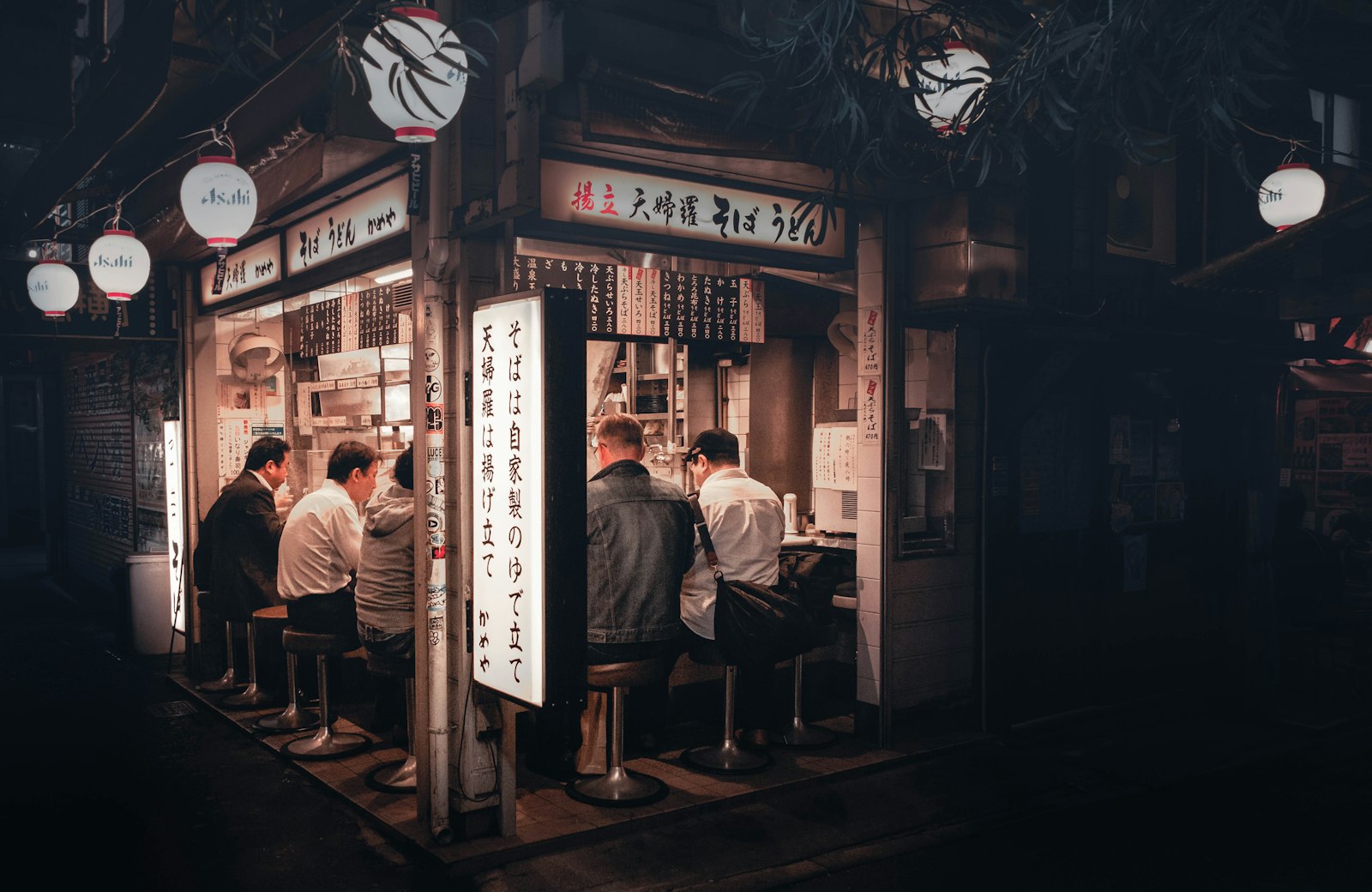
For Shinjuku Golden Gai foreigners on a first visit, the most common worry is being turned away. You’ll still see some doors marked “members only,” “regulars only,” or, less often, a sign that says foreigners aren’t welcome. Travel writers who have visited agree these bars are a small minority. The reason is usually practical, not personal. A bar with seven seats can’t survive if it fills up with people who order one drink and leave, while the regulars who come twice a week can’t find a seat.
That doesn’t make the signs pleasant. It does mean the right response is to move on, not to argue. There are plenty of bars with English menus and open doors right next to them.
Cover charge confusion
Most Golden Gai bars charge a seat fee, often called a cover or table charge. Nippon.com’s 2018 guide put the typical range at ¥500 to ¥1,000, and more recent guides report ¥700 to ¥2,000. Some bars that target tourists post “no charge” signs instead. Our explainer on the otoshi charge and seat fees at Japanese bars covers why this system exists across Japan, not just here.
Problems happen when visitors don’t expect the fee. Honichi Lab listed guests refusing to pay a cover charge they didn’t know about as one of the issues bar owners struggle with.
“Tourism pollution” in a tiny space
The same Honichi Lab report described other behavior that owners said they had to deal with:
- Bringing in food and drinks bought elsewhere and consuming them in the bar
- Singing and dancing loudly in the lanes
- Staying for hours on a single drink
- Littering and spitting in the alleys
None of these are specific to foreigners. But in a district where a dozen loud people can fill an entire lane, the effect is magnified.
Rising prices for a tiny piece of land
The boom shows up in property prices too. Gendai Business reported in May 2024 that a 3-tsubo plot (about 10 square meters) in Golden Gai sold at auction for ¥80,000,001, more than ten times the base price of ¥7.75 million. When land becomes that valuable, rents follow, and that puts pressure on bars to turn seats over faster. It’s one more reason cover charges exist.
Looking for Adult Entertainment Services in Tokyo? Download this
I’ve spent over a decade exploring and studying Japan’s adult entertainment scene firsthand. If you’d like detailed insider information—including how to choose the right shop, what services are available, and tips for avoiding common mistakes—check out our exclusive E-book.
Is Golden Gai Foreigner Friendly in 2026? How to Read the Doors
The short answer: yes, for the most part, as long as you follow the house rules. The trick is reading each bar before you walk in.
Signs that a bar welcomes you
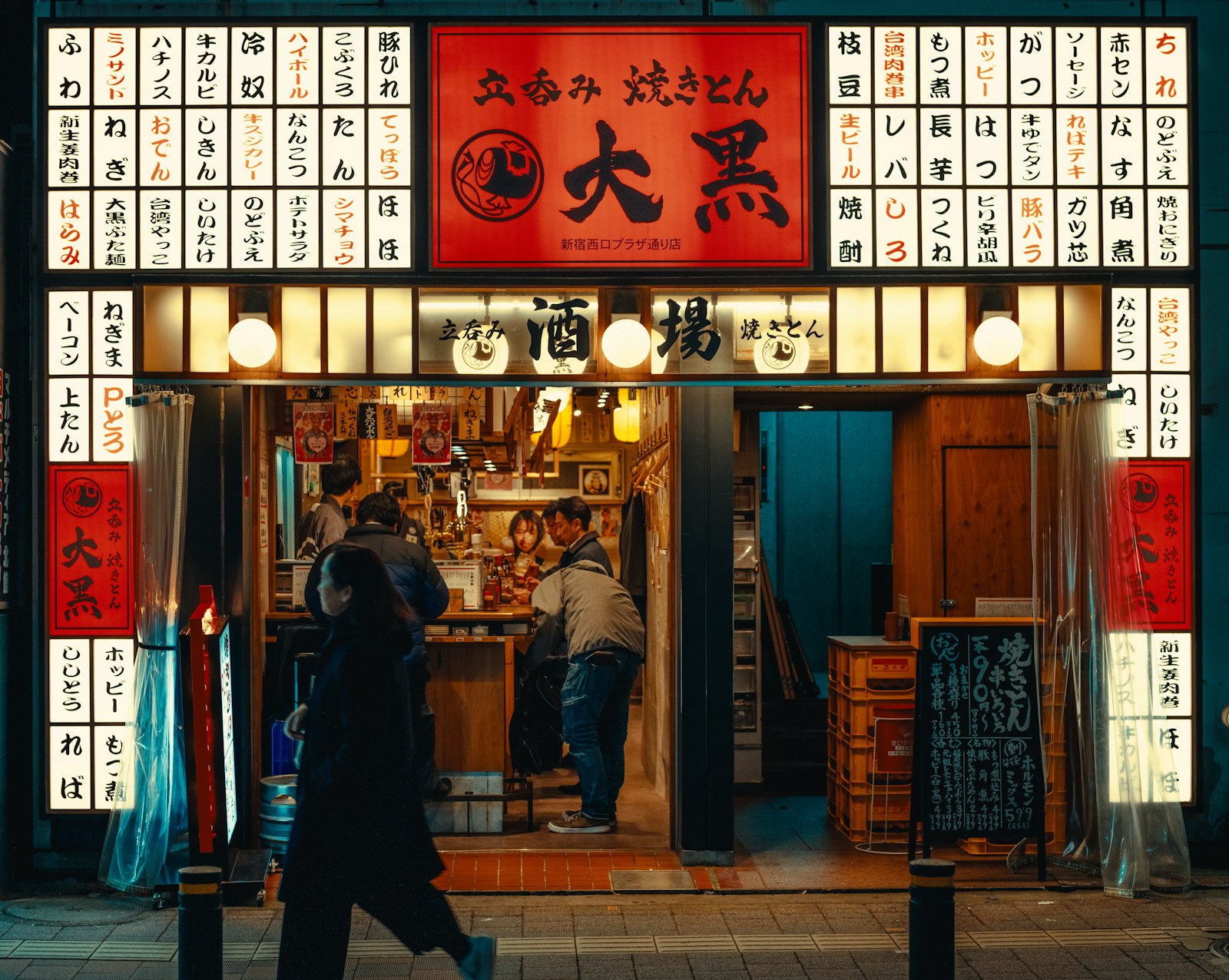
- An English menu or price list on the door. This is the clearest signal, and many bars now post one.
- “Cover charge” or “No charge” written in English. It means the owner expects visitors and wants to avoid surprises.
- An open door or window. Bars that want walk-ins tend to leave a view inside.
If you want more ways to spot welcoming places across the city, see our guide on how to find English friendly bars in Tokyo.
Signs to move on
- A closed door with only Japanese text and no prices
- “Members only” or “regulars only” in any language
- A full bar where you’d have to stand in the doorway
House rules most owners appreciate
- Come in small groups. Two or three people is ideal. Groups of five or more often won’t fit, and some bars refuse them outright.
- Check the charge before you sit. It’s normal and polite to ask.
- Order a drink per person, and order again if you stay. One drink for an hour is the habit owners complain about most.
- Ask before taking photos inside. Other guests are often regulars who didn’t come to be on social media.
- Keep your voice down in the lanes. Sound carries in alleys this narrow, and the bars on either side are trying to run quiet counters.
What the Trend Means for Your Visit
Put all of this together and a few clear takeaways emerge for Shinjuku Golden Gai foreigners and first-time visitors.
Expect to share the space with other travelers. If you’re hoping to sit among only Japanese regulars, you may need to look harder or go with someone who knows the bars. The most visible places on the main lanes are, by now, mostly visited by tourists.
Budget per bar, not per night. A cover plus one or two drinks adds up fast when you visit four bars. Planning on a few thousand yen per stop is realistic, and it keeps the night from turning into an argument at the register.
Pair it with a neighbor. Golden Gai works well as one part of a Shinjuku evening rather than the whole night. If you’re deciding where else to go, our comparison of Golden Gai vs Omoide Yokocho breaks down how the two alleys differ in mood, food and price.
Want the full map and bar-by-bar breakdown? Our complete Golden Gai Shinjuku guide covers access, lane layout and how to plan a bar-hopping route.
Frequently Asked Questions
Can foreigners go to Golden Gai?
Yes. Most bars accept foreign guests, and many actively welcome them with English menus and signs. A small number are reserved for regulars or members, and it’s best to respect that and try another door.
Do I need to speak Japanese in Golden Gai?
No. Many bartenders speak some English, and price lists are often posted in English. A few words of Japanese, like “konbanwa” (good evening) and “kanpai” (cheers), always go down well.
How much is the cover charge in Golden Gai?
It varies by bar. Published guides report ranges from about ¥500 to ¥2,000, and some tourist-focused bars charge nothing. Check the door or ask before you sit down.
Is Golden Gai a tourist trap?
Not in the sense of overpriced fakes. The bars are genuine and independently run. What has changed is the crowd: on popular nights, you’ll meet many more Golden Gai tourists than locals.
Is Golden Gai safe?
It’s generally a relaxed area. The bigger risk in Shinjuku is in the touts on the streets of nearby Kabukicho, not in the small bars of Golden Gai. Stick to bars that post prices clearly.
What do you do in Tokyo After 10?
Join our Tokyo Nightlife Private Tour
You deserve better than overpriced bars and missed opportunities. We’re here for you.
Skip the Guesswork: See Golden Gai With a Local
Golden Gai is one of the few places in Tokyo where a few square meters can hold an entire evening of conversation. The flip side is that it’s easy to waste a night on crowded tourist bars or doors that won’t open, especially if it’s your first visit.
If you’d rather walk in with someone who knows which owners love meeting travelers and which bars locals actually drink in, our Tokyo After 10 nightlife private tour takes you through Shinjuku’s back alleys with a local guide. You get the stories, the introductions and the bar etiquette handled, and you can spend the night actually enjoying Golden Gai.









