

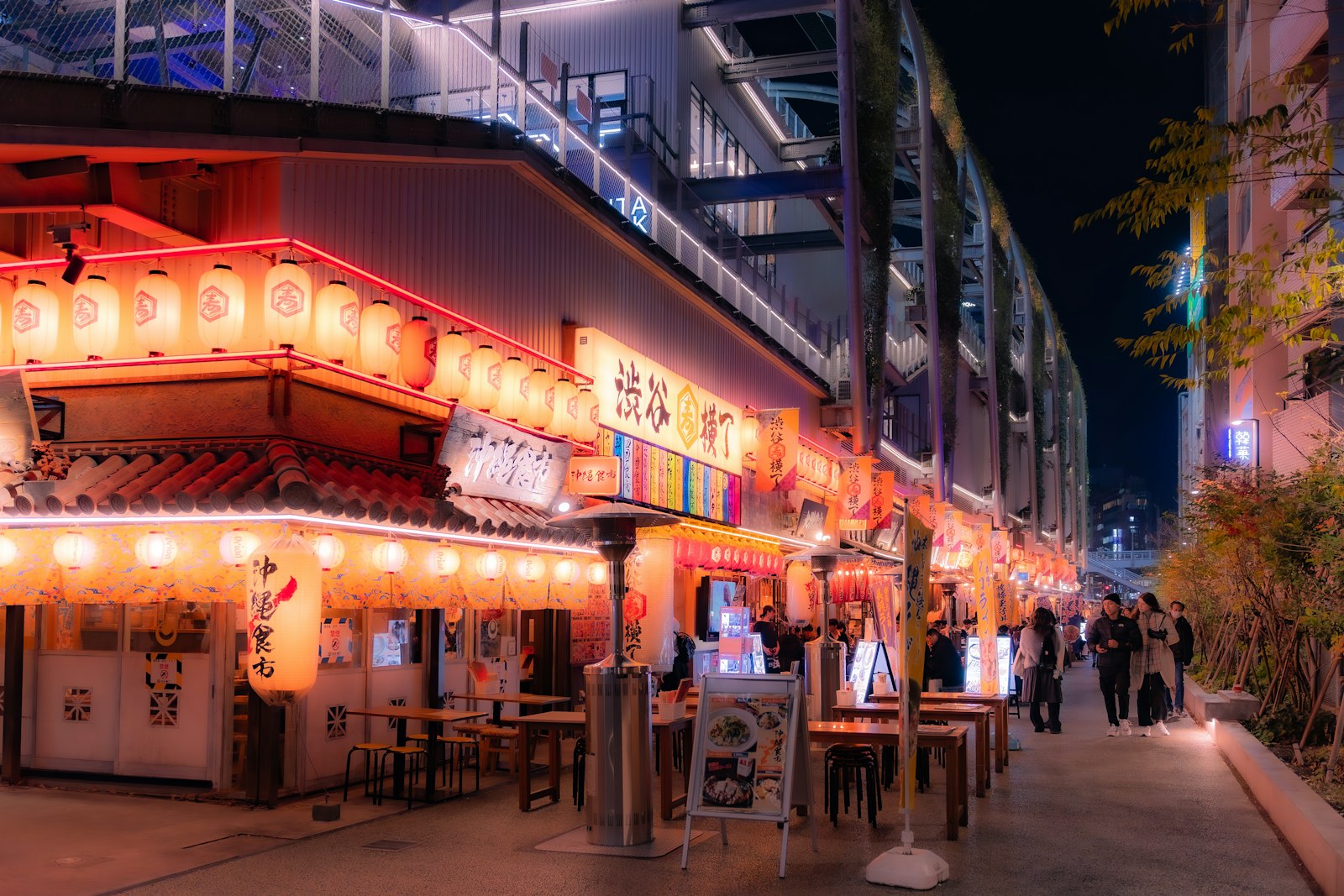
Photo by <a href="https://unsplash.com/@mosdesign?utm_source=tokyodeepnightlife&utm_medium=referral">mos design</a> on <a href="https://unsplash.com/?utm_source=tokyodeepnightlife&utm_medium=referral">Unsplash</a>
Most first-time visitors walk straight past Tokyo standing bars. There’s no host at the door, no English sign, and a wall of salarymen in suits leaning on a counter. It looks like a members-only club. It isn’t. A tachinomi (立ち飲み, literally “standing drinking”) is the cheapest, friendliest and most honest way to drink in this city, and once you’ve done it once you’ll keep looking for the next one.
This guide skips the theory and goes straight to the places. Every bar below was checked against current listings before publishing: name, neighbourhood and, where we could confirm it, the address. We left out anything we couldn’t verify.
Contents
- What Makes a Standing Bar Good for Foreigners?
- The Easiest Tokyo Standing Bars for First-Timers
- Shinjuku Sanchome: Tokyo Standing Bars for Sake and Offal
- Ebisu and Shibuya: Standing Bars With Style
- Old-School Tachinomi Where Tokyo Still Drinks Like 1960
- How to Walk Into a Tokyo Standing Bar Without Feeling Lost
- Building a Standing Bar Crawl
- What do you do in Tokyo After 10?Join our Tokyo Nightlife Private Tour
- Want Someone to Open the Door for You?
- About the Author
What Makes a Standing Bar Good for Foreigners?
Not all Tokyo standing bars are equally easy to walk into. When we picked these ten, we looked for four things:
- A system you can figure out without Japanese. Ticket bars, cash-on-delivery counters and picture menus beat handwritten wall menus.
- No surprise charges. Many sit-down izakaya add an otoshi (a small appetiser you didn’t order, charged as a seat fee). Most standing bars don’t. If you’ve been confused by this before, our explainer on what the otoshi charge is and why you pay it clears it up.
- A crowd that doesn’t mind newcomers. Some counters are tiny and fiercely regular. We prioritised places where a stranger slots in naturally.
- Something you can’t get at home. Offal skewers, sake from 80 different bottles, a ¥330 cocktail in Ginza.
If you want the full cultural primer first, including the “senbero” idea of getting tipsy for ¥1,000, read our tachinomi guide for foreigners. This article is the shortlist.
The Easiest Tokyo Standing Bars for First-Timers
Start here if you’ve never done this before. These two run on systems designed for people who don’t want to negotiate a menu.
1. 300 BAR (Ginza and Yurakucho)
The concept fits in one line: everything costs ¥330 including tax. Beer, wine, cocktails, food. You buy tickets at the front counter (minimum three on entry, buy ten and the eleventh is free), then hand them over at the bar. There’s no cover charge, and unused tickets don’t expire, so you can come back another night.
The ticket system is the reason it works so well for visitors. You never need to ask what something costs, and the bill can’t surprise you. Shared standing tables also mean groups merge easily, which is half the fun.
- 8-chome branch: Ginza Suga Bldg B1F, 8-3-12 Ginza, Chuo-ku
- 5-chome branch: Fazenda Bldg B1F, 5-9-11 Ginza, Chuo-ku
- 300 BAR NEXT: Murasaki Bldg B1F, 1-2-14 Yurakucho, Chiyoda-ku
Opening times differ by branch and day, with late finishes on Fridays and Saturdays. Check before you go.
2. Tasuichi (Shibuya)
Tasuichi is half Japanese standing bar, half sports bar. Screens hang around the room, drinks and izakaya plates are cheap, and on match nights it gets loud. It’s long been a regular stop for travellers and expats in Shibuya, so you won’t be the only non-Japanese speaker in the room.
- Address: 33-14 Udagawacho, Shibuya-ku
- Best for: a rowdy first drink before heading deeper into Shibuya
Of all the Tokyo standing bars on this list, it’s the one where you’re most likely to end up talking to strangers.
Shinjuku Sanchome: Tokyo Standing Bars for Sake and Offal
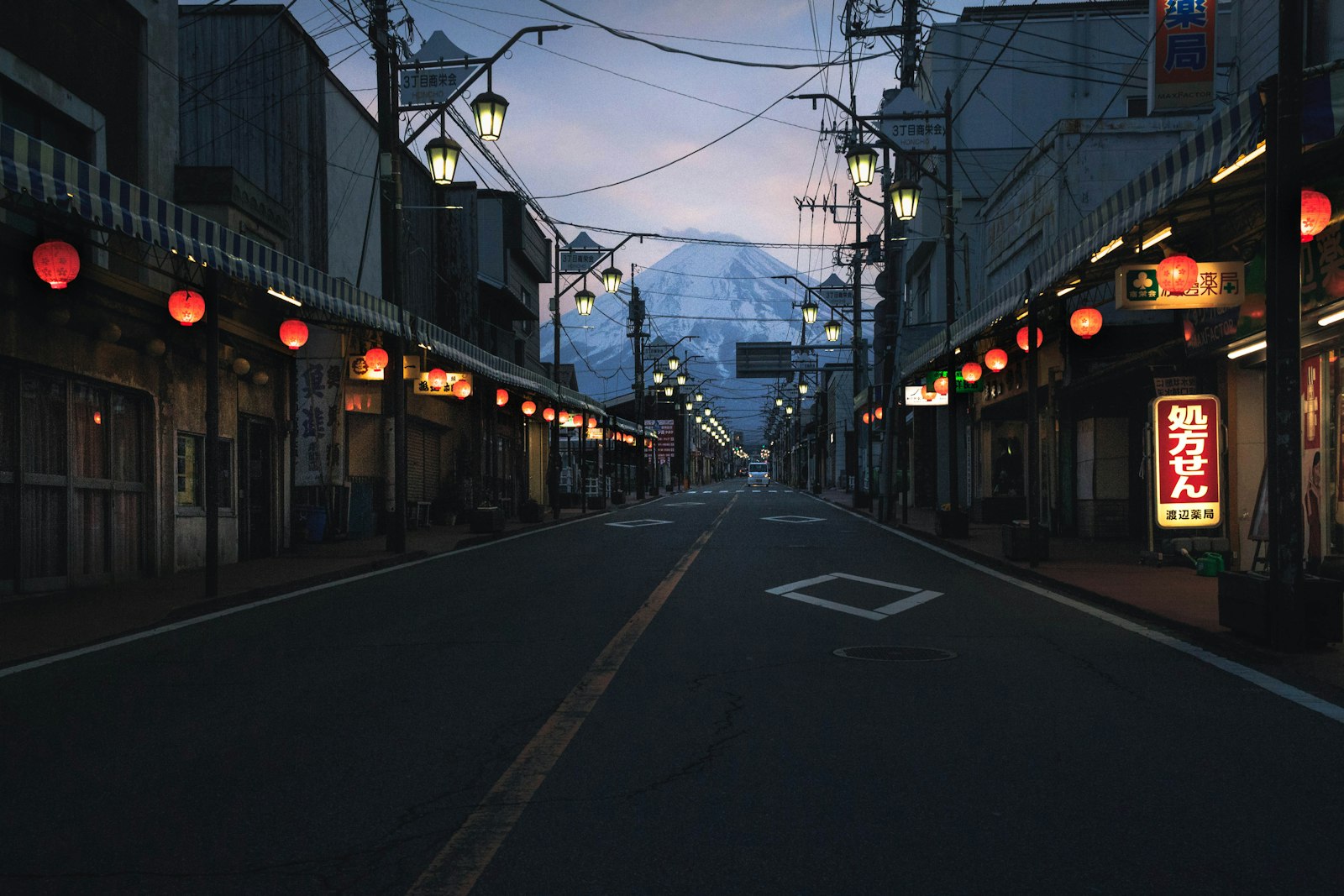
Shinjuku Sanchome is where locals go when they want to avoid Kabukicho. It’s a short walk east of the main station, and it has one of the densest clusters of standing bars in the city.
3. Nihonshu Stand Moto
A basement bar built around one idea: Japanese sake by the glass, and lots of it. The lineup regularly runs past 80 labels, which makes it one of the best places in Tokyo to taste your way through styles without committing to a full bottle. Food is simple: pickles and small plates designed to go with sake.
- Address: Hakuho Bldg B1, 5-17-11 Shinjuku, Shinjuku-ku
- Nearest station: Shinjuku-sanchome
- Hours: weekdays from mid-afternoon; weekends from midday, closing earlier in the evening
It’s small and fills quickly after work. Arrive close to opening if you want counter space. New to sake? Tell the staff whether you like it dry (karakuchi) or sweet (amakuchi) and let them choose.
4. Nihon Saisei Sakaba
A Showa-era-style offal counter built around a U-shaped bar. This is where you try the parts of the pig you’ve never eaten: boiled tongue (yude-tan), liver, spleen, oesophagus. The skewers come off the grill fast and the tongue is the dish everyone talks about.
- Address: Marunaka Bldg 1F, 3-7-3 Shinjuku, Shinjuku-ku
- Best for: adventurous eaters who want a proper motsuyaki experience
Some cuts are labelled in Japanese only. Pointing at what the person next to you is eating is completely acceptable.
Ebisu and Shibuya: Standing Bars With Style
5. Fujiya Honten (Shibuya Sakura Stage)
Fujiya Honten is a Shibuya standing-bar institution with roots going back over a century. The original basement bar in Sakuragaoka closed for redevelopment, and the business reopened in January 2024 inside the new Shibuya Sakura Stage complex. The ground floor is a standing-only wine bar; the basement is a sit-down bistro.
- Address: Shibuya Sakura Stage, 1-4 Sakuragaokacho, Shibuya-ku (Shibuya side, Block A)
- Access: about 5 minutes on foot from Shibuya Station
- Closed: Sundays and public holidays
It’s one of the more polished Tokyo standing bars, cleaner than the old shop, which makes it an easy step in for anyone nervous about smoky counters.
6. Tachigui Sakaba Buri (Ebisu)
Buri is one of the most photogenic standing bars in Tokyo. The walls are lined with colourful one-cup sake (single-serve glass jars), so you can work through several breweries in one evening. The crowd skews young, and it fills early.
- Address: 1-14-1 Ebisu-nishi, Shibuya-ku
- Hours: evenings until late (listed as 5pm–3am daily)
It’s a bit of a walk from Ebisu Station, which helps keep it from feeling like a tourist bar.
Looking for Adult Entertainment Services in Tokyo? Download this
I’ve spent over a decade exploring and studying Japan’s adult entertainment scene firsthand. If you’d like detailed insider information—including how to choose the right shop, what services are available, and tips for avoiding common mistakes—check out our exclusive E-book.
Old-School Tachinomi Where Tokyo Still Drinks Like 1960
These are the places that make the trip. They’re less polished, cash only in most cases, and you’ll often be the only foreigner there. That’s the point.
7. Tachinomi Ryoma (Shimbashi)
Shimbashi is salaryman territory, and Ryoma is one of the standing bars that made the area’s tachinomi boom. The walls are stacked with bottles, including more than 100 kinds of shochu, and spirits that cost well over ¥1,000 elsewhere come out much cheaper here. The fatty tuna (nakaochi) is generous for the price.
- Address: ALC Bldg 1F, 2-13-3 Shimbashi, Minato-ku
- Payment: cash only
If you’ve never had shochu, this is the place to start. Ask for it rokku (on the rocks) or oyuwari (with hot water).
8. Akitaya (Hamamatsucho)
Founded in 1929, Akitaya is a motsuyaki (grilled offal) shop where the overflow drinks standing outside on beer crates turned into tables. Smoke pours out of the grill, and on a warm evening the pavement is full of office workers.
- Address: 2-1-2 Hamamatsucho, Minato-ku
- Access: about 1 minute from Daimon Station, 3 minutes from JR Hamamatsucho
- Hours: late afternoon to around 9:30pm (earlier on Saturdays); closed Sundays, holidays and the third Saturday
It closes early by Tokyo standards, so make it your first stop, not your last.
9. Tachinomi Kadokura (Ueno / Ameyoko)
Right in the Ameyoko market area, about a minute from Ueno Station. Kadokura opens late in the morning and stays busy all day, which makes it one of the few Tokyo standing bars you can visit before dinner without it feeling empty. The signature is the ham katsu, including a layered “mille-feuille” version with cheese.
- Access: 1 minute from JR Ueno Station
- Hours: from 11am daily, until 10pm (11pm Fridays, Saturdays and the night before holidays)
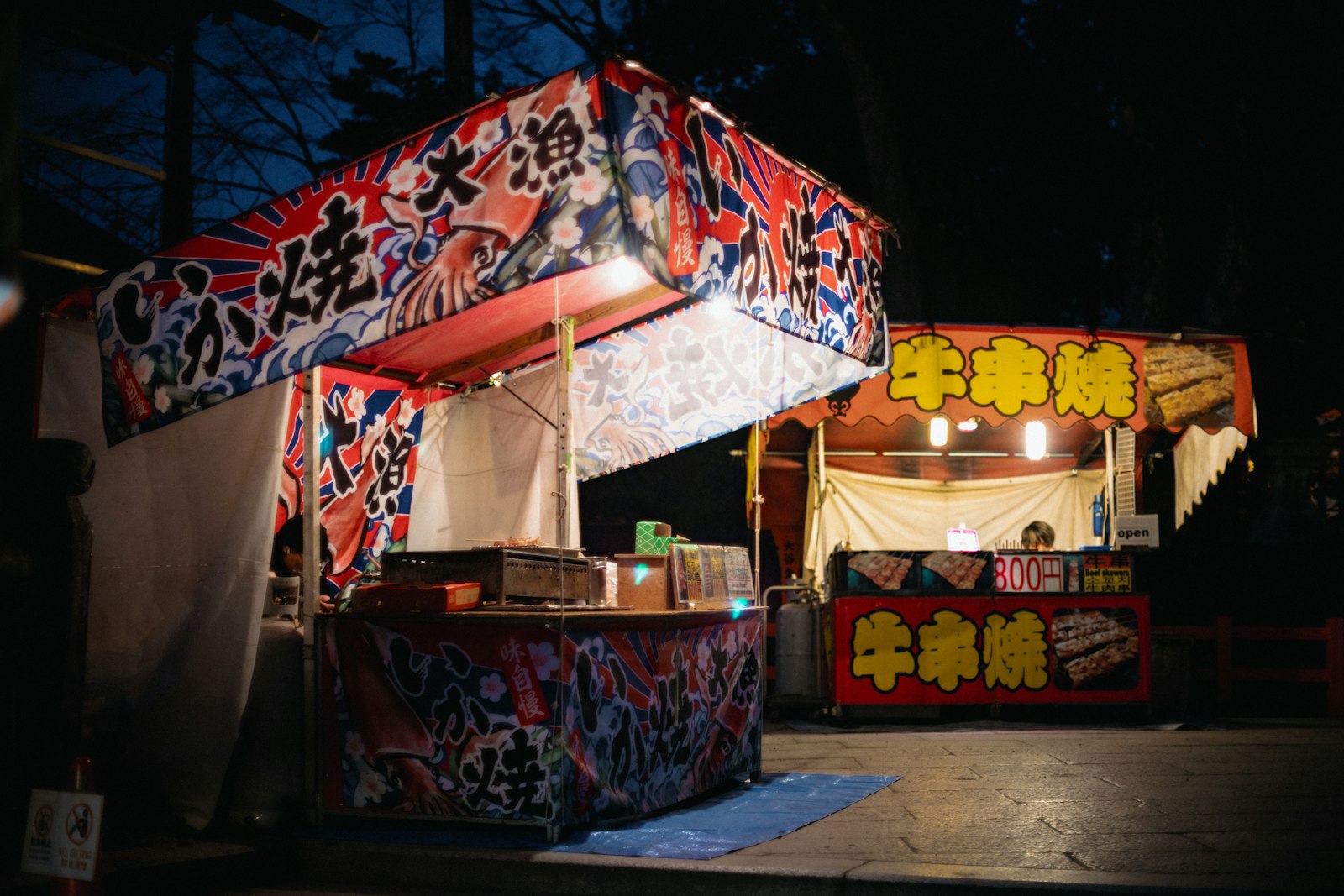
Ameyoko itself is worth an hour. After dark the street-food stalls double as drinking spots.
10. Kanemasu (Kachidoki)
Kanemasu is the outlier on this list: a tiny standing counter run by a former Kyoto-cuisine chef, serving seafood and wagyu that would cost several times more at a sit-down restaurant. The sushi box is the dish people queue for. It was named one of Tabelog’s Top 100 standing bars in 2025.
- Address: Kachidoki View Tower 1F, 1-8-1 Kachidoki, Chuo-ku
- Access: 1 minute from Kachidoki Station (Oedo Line, exit A4a)
- Payment: cash only
- Closed: Wednesdays and Sundays; it keeps daytime and early-evening hours, so check before going
Expect a wait. It’s worth it.
How to Walk Into a Tokyo Standing Bar Without Feeling Lost
The basics take two minutes to learn:
- Find a gap and stand in it. If space is tight, a small nod and “sumimasen” is enough. People shuffle along.
- Watch how others pay. Some bars want cash as each drink arrives (look for a small tray or basket in front of each person). Others run a tab you settle at the end.
- Order a drink first, then food. “Nama biru” (draft beer) or “haibōru” (highball) works almost anywhere.
- Carry cash. Plenty of Tokyo standing bars, including several on this list, don’t take cards. Small notes and ¥100 coins make life easier.
- Keep it short. Tachinomi are designed for one or two drinks, then on to the next. Staying three hours at a busy counter is the one thing that will earn you looks.
For the exact phrases, see our guide to how to order in a Japanese bar. And if a bar that sells sake by the bottle catches your eye, it may be a kakuuchi, a liquor shop where you drink at the counter. Our kakuuchi guide explains how those work.
Most of these habits carry over from sit-down drinking, so the Japan National Tourism Organization’s izakaya dining guide is useful background too.
Building a Standing Bar Crawl
Tokyo standing bars are built for hopping. A few combinations that work:
- Ginza to Shimbashi: start at 300 BAR, walk south to Tachinomi Ryoma. Easy, flat, and both are close to the Yamanote Line.
- Shinjuku Sanchome double: sake at Nihonshu Stand Moto, then offal and highballs at Nihon Saisei Sakaba. They’re a few minutes apart.
- Shibuya to Ebisu: wine at Fujiya Honten, then one-cup sake at Buri. One stop on the Yamanote Line, or a 20-minute walk.
- Early start in Ueno: ham katsu at Kadokura in the afternoon, then wander Ameyoko as the stalls light up.
Remember that Akitaya and Kanemasu close early. Plan around them, not the other way round.
What do you do in Tokyo After 10?
Join our Tokyo Nightlife Private Tour
You deserve better than overpriced bars and missed opportunities. We’re here for you.
Want Someone to Open the Door for You?
Everything above is doable on your own. But the best standing bars in Tokyo are often the ones without an English sign, a website or even a name on the door, and those are hard to find from a list.
On our Tokyo After 10 nightlife private tour, a local guide takes you to the counters they actually drink at, handles the ordering, and explains what’s on your skewer before you bite into it. If you’d rather spend your night drinking than translating menus, it’s the easiest way to do it.









