

Photo by <a href="https://unsplash.com/@kugedo6060?utm_source=tokyodeepnightlife&utm_medium=referral">Shigeki Wakabayashi</a> on <a href="https://unsplash.com/?utm_source=tokyodeepnightlife&utm_medium=referral">Unsplash</a>
A Tokyo maid cafe is one of those experiences that sounds strange from the outside and turns out to be surprisingly fun once you’re sitting at the table. A waitress in a frilly uniform welcomes you “home,” draws a cat on your omelette rice in ketchup, and gets the whole room to chant a spell over your drink. It’s theatre, and you’re part of the cast.
The catch for foreign visitors is that very little of this is explained in advance. How much does it cost? Will anyone speak English? Can you take photos? What if you just want a coffee? This guide answers those questions with information we checked against the cafes’ own websites, and it skips anything we couldn’t confirm.
Contents
- What a Tokyo Maid Cafe Actually Is
- Is a Maid Cafe Good for Foreigners?
- Two Tokyo Maid Cafe Chains Built for International Visitors
- How Much a Tokyo Maid Cafe Costs
- Maid Cafe Rules Every Foreign Visitor Should Know
- Beyond Akihabara: A Butler Cafe in Ikebukuro
- Tips for Your First Maid Cafe Visit
- Keep the Night Going With a Local
- What do you do in Tokyo After 10?Join our Tokyo Nightlife Private Tour
- FAQ: Tokyo Maid Cafes for Foreigners
- About the Author
What a Tokyo Maid Cafe Actually Is
A maid cafe is a themed cafe where the staff play characters. Guests are treated as “master” or “princess” returning to their mansion, and the maids stay in that role for your whole visit. The first permanent one, Cure Maid Cafe, opened in Akihabara in March 2001, and the format has since spread across Japan and overseas.
What you’re paying for is the interaction, not the food. Expect:
- A greeting ritual as you walk in, and a short explanation of the house rules
- “Magic” over your food and drinks, usually a chant like moe moe kyun with heart-shaped hands that you’re invited to join
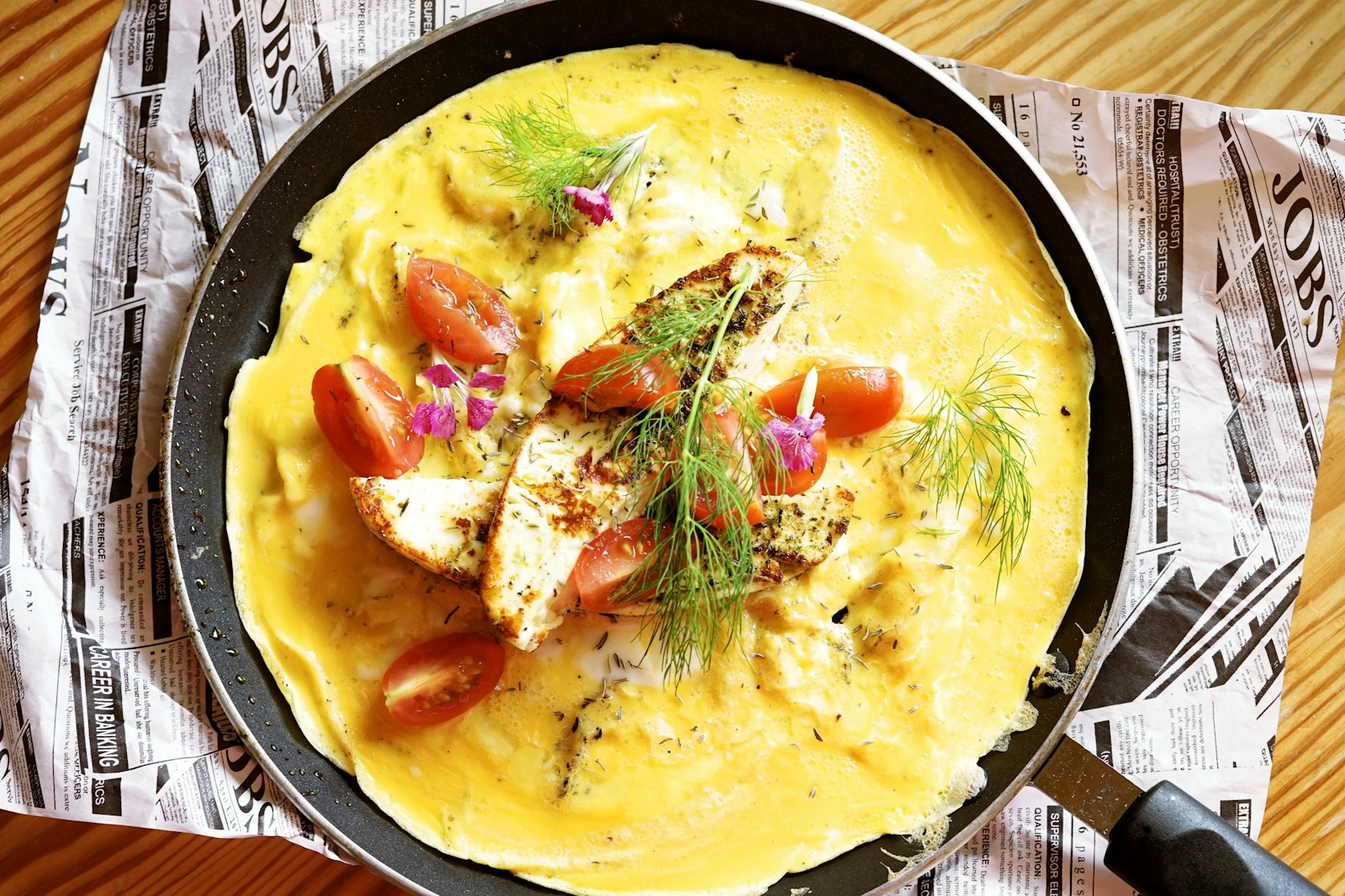
- Drawings in ketchup or syrup on omelette rice, desserts and latte foam
- Cheki, the instant photo you can buy with a maid of your choice, decorated by hand
- Stage performances at some cafes, with songs and dances at set times
None of this is adult entertainment. The bigger chains welcome families, couples and solo travellers, and you’ll see plenty of children and grandparents at weekend lunchtimes. If you’re curious how maid cafes compare with Tokyo’s other character-driven venues, our roundup of themed cafes in Tokyo at night puts them side by side.
Is a Maid Cafe Good for Foreigners?
Yes, as long as you pick the right Tokyo maid cafe. The large chains in Akihabara have built their business around international visitors. Smaller independent cafes are often Japanese-only and run on regulars, which can make a first visit feel awkward.
Here’s what makes a maid cafe easy for foreigners:
- English booking online. You can reserve a time slot in advance and avoid the queue.
- A clear price system. A fixed hourly entry fee plus one order, rather than a menu you have to decode.
- Staff used to tourists. They’ll walk you through the chant and the rules with gestures if needed.
- Card and mobile payment. You don’t need to arrive with a stack of cash.
The two chains below tick all four boxes, and between them they cover most of the Tokyo maid cafe scene a visitor will see, which is why we recommend them for a first visit.
Two Tokyo Maid Cafe Chains Built for International Visitors
at-home cafe (Akihabara)
at-home cafe describes itself as the number one maid cafe for global visitors, and it runs 13 cafes across Tokyo, Osaka and Nagoya. In Akihabara alone there are five cafes in its main building, one inside Don Quijote and two in the Akiba Cultures Zone building. According to the company, every maid takes English lessons when she joins, though how much English you get will depend on who serves you.
The pricing works as an admission fee for one hour plus one drink or a set order. For foreign visitors, the most useful option is the priority ticket you can book in English on the official at-home cafe site. It covers priority entry at your chosen time (or within 30 minutes of it), a food or dessert, a soft drink, a cheki photo with a hand-drawn design, and a photo holder to take home.
A few things to know before you buy:
- Tickets are valid only at the location you booked. The main building assigns your floor on the day, and it’s shown at the elevator.
- Sales are final. Standard tickets are non-refundable, so double-check your date.
- Groups of five or more may be split across tables when it’s busy.
- The visit is one hour. If service runs slow, the cafe says it may extend your time without charge.
Main building: Mitsuwa Building 3F–7F, 1-11-4 Sotokanda, Chiyoda-ku Hours: weekdays 11:00–22:00, weekends and holidays 10:00–22:00
Maidreamin (Akihabara, Shinjuku, Shibuya, Ikebukuro)
Maidreamin is the chain to choose if you want the most transparent pricing or you’re not staying near Akihabara. It has 11 shops in the Tokyo area: seven in Akihabara plus branches at Shinjuku East Exit, Shinjuku, Shibuya and Ikebukuro’s Sunshine-dori. It runs as a cafe by day and serves alcohol in the evening.
The price system is published on Maidreamin’s official charge page, and all prices include tax. You pay an entry fee every hour, plus food and drink:
| Guest | Entry fee per hour |
|---|---|
| Adult | ¥880 |
| Age 60 and over | ¥440 |
| University / vocational student | ¥660 |
| Junior high / high school student | ¥550 |
| Elementary school student | ¥330 |
| Younger children | Free |
Student rates require a student ID. Maidreamin puts a typical spend at around ¥1,500–¥3,500 per person, depending on what you order. If your food arrives late, the chain says it won’t charge you for the extra time.
Payment is the easiest of any maid cafe we looked at. Maidreamin accepts cash, Visa, Mastercard, JCB, American Express, Diners, UnionPay, Alipay and WeChat Pay, along with Japanese apps such as PayPay. English-language booking is on its global site.
If you want one branch to aim for, the Idol Street shop is on the 4th floor of the Kyoeki Sotokanda 1st Building, 4-4-2 Sotokanda, Chiyoda-ku. It opens 11:30–23:00 on weekdays and 10:30–23:00 on weekends and holidays, which makes it a good late option.
How Much a Tokyo Maid Cafe Costs
The entry fee is only the starting point. Every Tokyo maid cafe requires at least one order per person per hour, and the extras are where the bill grows. A realistic one-hour visit for one adult looks like this:
- Entry fee: under ¥1,000 at the big chains
- One drink: required at minimum, often decorated or “charmed” at the table
- Food or dessert: omelette rice and parfaits are the classics
- Cheki photo: optional, but it’s the souvenir most people remember
Set menus bundle these together and usually work out cheaper than ordering each item separately. Budget roughly ¥2,000–¥3,500 per person for a full first visit with food and a photo. Staying a second hour means paying the entry fee and a new order again, so most visitors leave after one.
Looking for Adult Entertainment Services in Tokyo? Download this
I’ve spent over a decade exploring and studying Japan’s adult entertainment scene firsthand. If you’d like detailed insider information—including how to choose the right shop, what services are available, and tips for avoiding common mistakes—check out our exclusive E-book.
Maid Cafe Rules Every Foreign Visitor Should Know
Most problems foreigners run into at a Tokyo maid cafe come from rules nobody explained. These are the ones that matter.
No photos of the maids or other guests
You can usually photograph your own food and drink. You cannot photograph or film the maids or other customers. at-home cafe bans video, audio recording and photos of maids and guests outright. If you want a picture with a maid, that’s what the paid cheki is for.
No touching, no personal questions
The maids are performers at work. Physical contact is not allowed, and asking for a maid’s real name, social media or contact details will get you a polite but firm refusal. Stay inside the fantasy and everyone has a better time.
Play along with the chant
You’ll be asked to make a heart with your hands and say the magic words over your drink. It feels silly for about three seconds. Joining in is part of the experience, and the maids will happily walk you through it.
Watch the clock
Time is counted from when you sit down. Staff will let you know when your hour is nearly up and ask whether you’d like to extend.
Beyond Akihabara: A Butler Cafe in Ikebukuro
If the high-energy Tokyo maid cafe isn’t your style, Tokyo has the reverse: a cafe where butlers in tailcoats serve you. Swallowtail opened in 2006 and calls itself the world’s first butler cafe. It sits in a basement styled as a Western mansion near Otome Road in Ikebukuro, a street known for shops aimed at female anime fans.
The mood is calm and formal rather than playful. Tea time runs 10:30–18:15 and dinner 18:30–21:15. Reservations are made through the cafe’s website, and walk-ins depend on cancellations. You can ask for an English menu, but the butlers serve in Japanese. Photography and phone use are not allowed inside, so plan to put your phone away for the whole visit.
Address: Showa Building B1F, 3-12-12 Higashi-Ikebukuro, Toshima-ku
Tips for Your First Maid Cafe Visit
- Book ahead on weekends. Saturday and Sunday afternoons bring the longest queues in Akihabara. An online reservation saves a lot of standing around.
- Go with the chains, not street touts. Akihabara’s main streets have staff handing out flyers for smaller “concept cafes,” where pricing is often far less clear. Stick to cafes you’ve researched. Our Tokyo nightlife scams and safety guide covers the warning signs.
- Check the bill before you pay. At reputable cafes it will match the menu. If you see charges you don’t recognise, ask before paying.
- Bring kids at lunchtime. A daytime Tokyo maid cafe visit is family-friendly at the big chains, and Maidreamin has reduced fees for children.
- Pair it with an anime night. A Tokyo maid cafe usually closes well before the bars do. If you want to stay in the otaku world after dark, our guide to anime bars in Tokyo picks up where the cafes leave off.
For a closer look at Akihabara’s classic venues, including Cure Maid Cafe and a few smaller themed spots, read our first-timer’s guide to maid cafes in Akihabara. The Japan National Tourism Organization’s Akihabara page is useful background on the neighbourhood itself.
Keep the Night Going With a Local
A Tokyo maid cafe makes a great afternoon or early-evening stop, but it’s only one side of the city’s after-dark culture. Once the cafes wind down, Tokyo’s real nightlife moves into tiny bars, smoky alleys and back-street counters that never show up on a map.
If you’d rather explore that side with someone who knows where to go, our Tokyo After 10 nightlife private tour pairs you with a local guide who handles the Japanese, the ordering and the etiquette. You just enjoy the night.
What do you do in Tokyo After 10?
Join our Tokyo Nightlife Private Tour
You deserve better than overpriced bars and missed opportunities. We’re here for you.
FAQ: Tokyo Maid Cafes for Foreigners
Do maid cafes in Tokyo speak English? The big chains are your best bet. at-home cafe says every maid takes English lessons when she joins, and both at-home cafe and Maidreamin offer English booking websites. Expect simple English, with plenty of gestures.
How much does a Tokyo maid cafe cost? At Maidreamin, adults pay a ¥880 entry fee per hour plus at least one order. Most visitors spend around ¥2,000–¥3,500 for an hour with food, a drink and a photo.
Can I take photos inside a maid cafe? Usually only of your own food and drink. Photos and video of the maids and other guests are prohibited. Buy a cheki if you want a picture with a maid.
Are maid cafes OK for women and families? Yes. The major chains are family-friendly, and many guests are women, couples and tourists with children.
Do I need to make a reservation? Not always, but booking a Tokyo maid cafe ahead is a good idea on weekends. at-home cafe and Maidreamin both take bookings online in English.









