Photo by 潇 文 on Unsplash
Most visitors do Asakusa in the middle of the day, shuffle through the crowds at Kaminarimon, and leave by 3pm. They miss the best version of the neighborhood entirely. An Asakusa night tour hands you the same iconic streets with the tour buses gone, the lanterns lit, and a completely different rhythm to the evening.
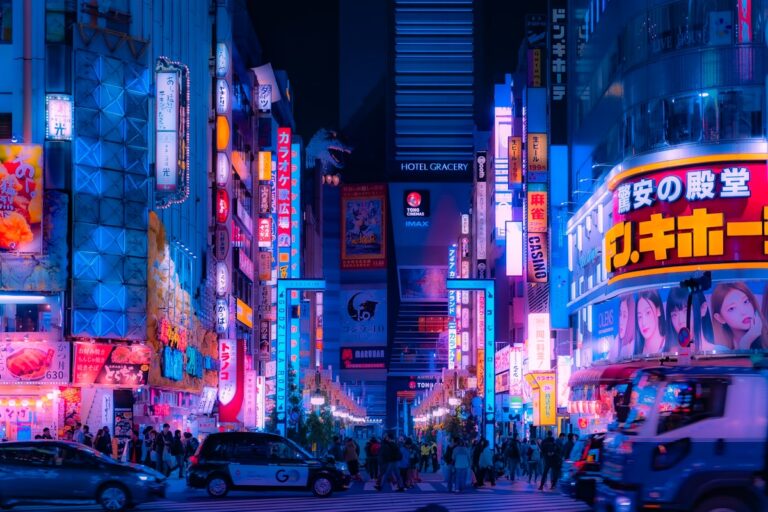
Here’s what most guides won’t tell you: Asakusa after dark isn’t about clubs or neon. It’s about a 1,400-year-old temple glowing against a black sky, a riverside that mirrors the Skytree, and backstreet izakaya where locals actually drink. This guide walks you through exactly what to do on an Asakusa night tour, when to arrive, how to string it all together, and how to get home before the last train.
Contents
- Why Asakusa at Night Beats Asakusa by Day
- Illuminated Senso-ji and Kaminarimon After the Crowds Leave
- Nakamise Street at Night: Shutters, Murals and Silence
- Sumida River, Tokyo Skytree and the Best Night Views
- A Sumida River Night Cruise: The View From the Water
- Hoppy Street and the Backstreet Izakaya After Dark
- How to Plan Your Asakusa Night Tour
- Should You Book a Guide or Go It Alone?
- What do you do in Tokyo After 10?Join our Tokyo Nightlife Private Tour
- The Perfect Way to End the Night
- About the Author
Why Asakusa at Night Beats Asakusa by Day
The daytime version of Asakusa is genuinely lovely, but it’s also loud, packed, and hot for most of the year. The temple grounds can feel like a train platform at rush hour. At night, that same space empties out and slows down.
A few things change after sunset that make the neighborhood worth a second trip:
- The crowds disappear. By 7pm the day-trippers are gone, and you can actually stand in front of Kaminarimon without waiting your turn for a photo.
- Everything is lit. Senso-ji, its pagoda, and the Kaminarimon lantern are illuminated until around 11pm, so the architecture reads far more dramatically than under flat daylight.
- The river comes alive. The Sumida reflects the Skytree and the passing dinner boats, doubling every light on the water.
- The bars open up. Hoppy Street and the backstreet izakaya fill with a local, unhurried crowd rather than tour groups.
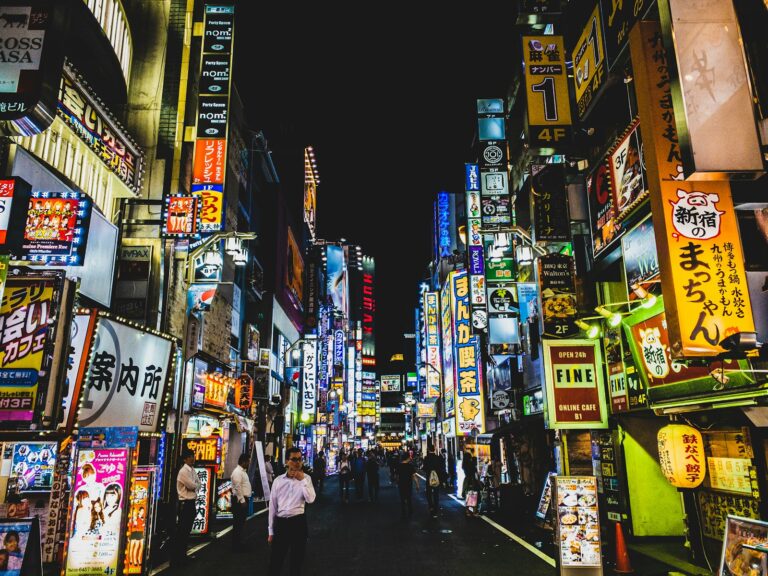
Asakusa is also one of the calmer, safer corners of Tokyo nightlife. There are no aggressive touts the way there are in parts of Kabukicho. That makes a self-guided or small-group Asakusa night tour feel relaxed rather than guarded, and it’s a big part of why an Asakusa night tour suits first-time visitors and families.
Illuminated Senso-ji and Kaminarimon After the Crowds Leave
Start where everyone starts, but three hours later than they do. Kaminarimon — the “Thunder Gate” — anchors the entrance to Senso-ji, and its enormous red lantern is Asakusa’s most recognizable symbol. After dark it’s spotlit and, for once, unobstructed.
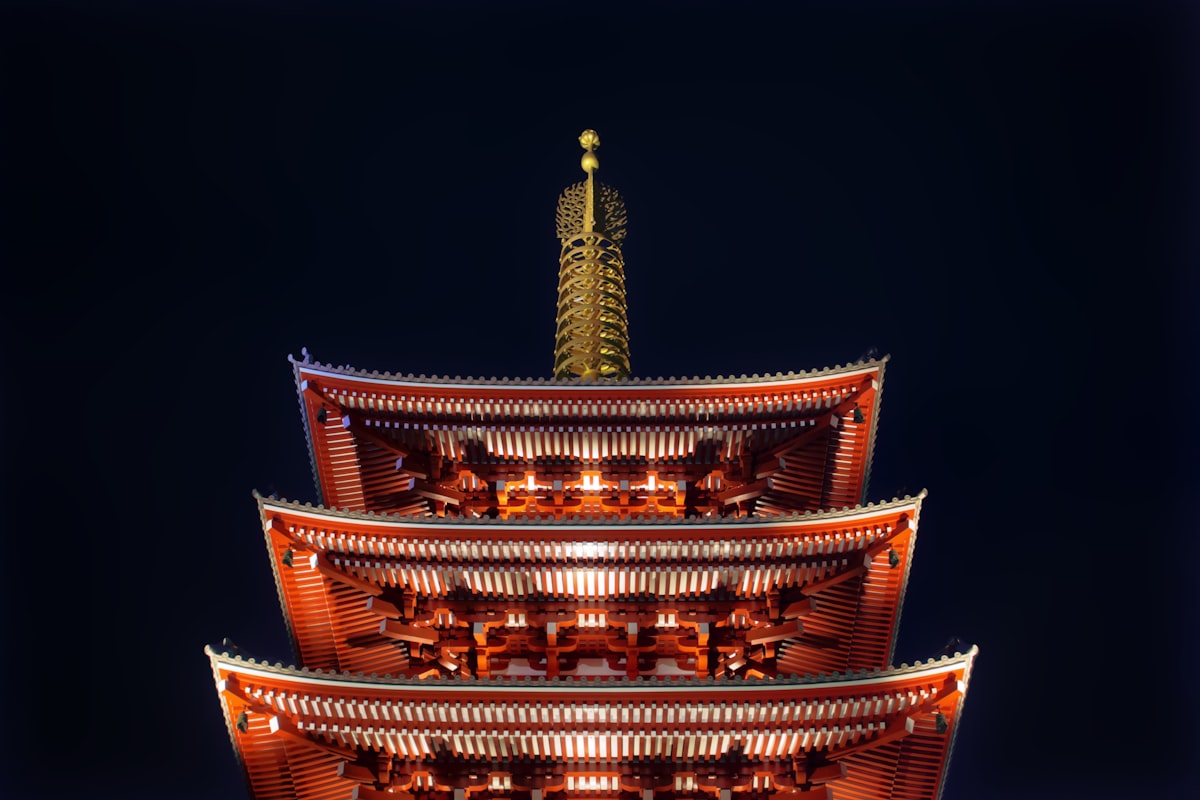
Walk through the gate and the whole temple complex opens up in front of you, floodlit and quiet. The main hall, the ornate gates, and the five-story pagoda all stay illuminated into the late evening. According to the official Senso-ji temple site, the grounds themselves never close, so you’re free to wander the outer precinct at your own pace even after the halls shut.
A few things to know so you time it right:
- The temple buildings are lit until roughly 11:00pm, then the lights go off.
- The inner main hall closes to entry around 5:00pm (later in summer), but the outdoor viewing is the real draw at night anyway.
- Blue hour — the 20 to 30 minutes just after sunset — gives you a deep-blue sky behind the warm-lit pagoda. It’s the single best window for photos.
This is also the stretch of an Asakusa night tour where a little context pays off. The temple’s founding legend, the meaning of the guardian statues in the gate, and the incense ritual at the cauldron all land differently when someone explains them on the spot. For many travelers, the illuminated temple is the moment that defines the entire Asakusa night tour.
Nakamise Street at Night: Shutters, Murals and Silence
Between Kaminarimon and the temple runs Nakamise-dori, a 250-meter arcade of souvenir and snack stalls that by day is one of the most congested lanes in Tokyo. At night it transforms completely.
The shops pull down their shutters, but here’s the insider detail: those shutters are painted with a continuous mural of traditional Tokyo scenes — festivals, samurai, seasonal landscapes. You literally cannot see this artwork during opening hours because the shops are open. After closing, the whole street becomes an open-air gallery, lit by overhead lanterns and almost completely empty.
Walk it slowly. The lanterns glow amber, your footsteps echo, and you get a version of Nakamise that maybe one visitor in fifty ever sees. It’s one of the quietest, most cinematic moments of any Asakusa night tour, and it costs nothing at all.
Sumida River, Tokyo Skytree and the Best Night Views
From the temple, it’s a flat 10-minute walk east to the Sumida River. This is where Asakusa’s old-Tokyo character collides with the ultra-modern skyline, and the contrast is the whole point.
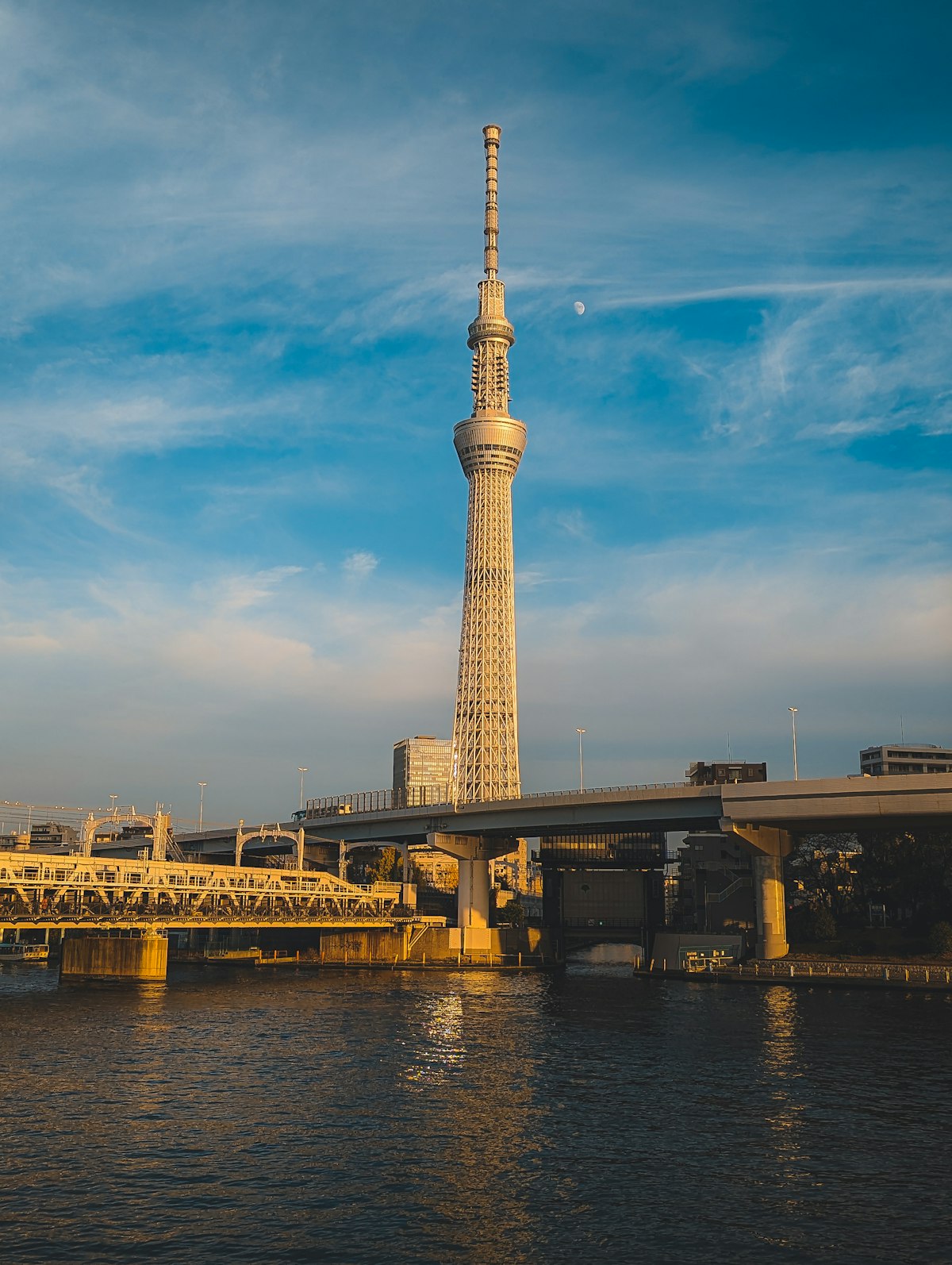
Across the water, the Tokyo Skytree runs a nightly illumination that rotates between color themes, and the river doubles the whole scene in its reflection. A few spots to aim for:
- Sumida Park, along the west bank, gives you an unobstructed Skytree view framed by riverside trees and passing yakatabune (traditional roofed dinner boats).
- The Azumabashi bridge area lines up the Skytree, the golden Asahi Beer Hall sculpture, and the water in a single frame — one of Tokyo’s most photographed night compositions.
- The rooftop terraces near Asakusa Station offer a higher vantage if you want the temple and the tower together.
If you’re building a broader itinerary, it’s worth pairing this stretch with our roundup of the best Tokyo night view spots to see how the Asakusa panorama stacks up against Tokyo Tower, Shibuya, and the observation decks.
A Sumida River Night Cruise: The View From the Water
Walking the riverbank is great. Getting out onto the water is better. A Sumida River night cruise is the single most underrated thing to do in Asakusa after dark, because it reframes everything you’ve just walked past.
From the river, the temple district, the illuminated bridges, and the Skytree all line up from angles you simply can’t reach on foot. The bridges over the Sumida are individually lit, and each one slides past as you glide toward Tokyo Bay. On a clear night you get the historic Asakusa skyline behind you and the modern waterfront ahead.
This is exactly the experience our private night cruise from Asakusa is built around — a small-group boat that pushes off near the temple and takes in the Sumida bridges, the Skytree, and the bay lights without the crowds of a big commercial ferry. If the highlight of your Asakusa night tour is going to be one thing, make it the water.
For DIY travelers, public water buses also run in the evening, though schedules thin out after 8pm, so check the last departure before you commit.
Hoppy Street and the Backstreet Izakaya After Dark
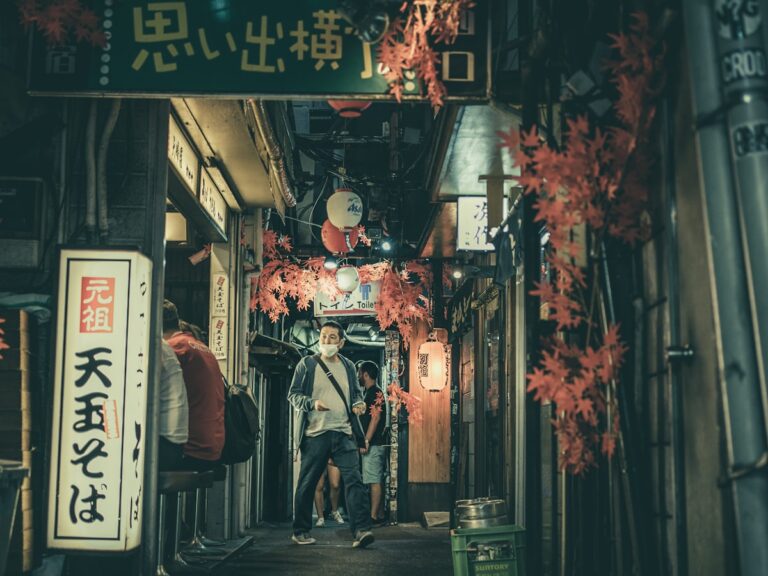
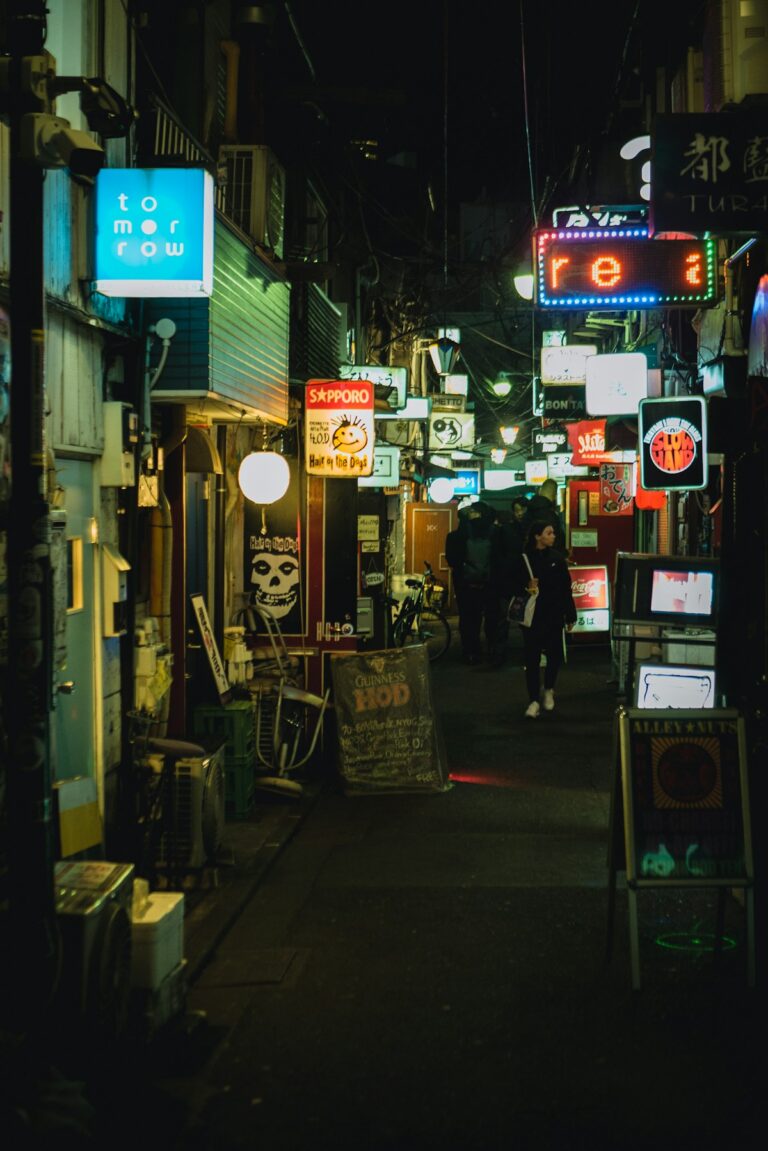
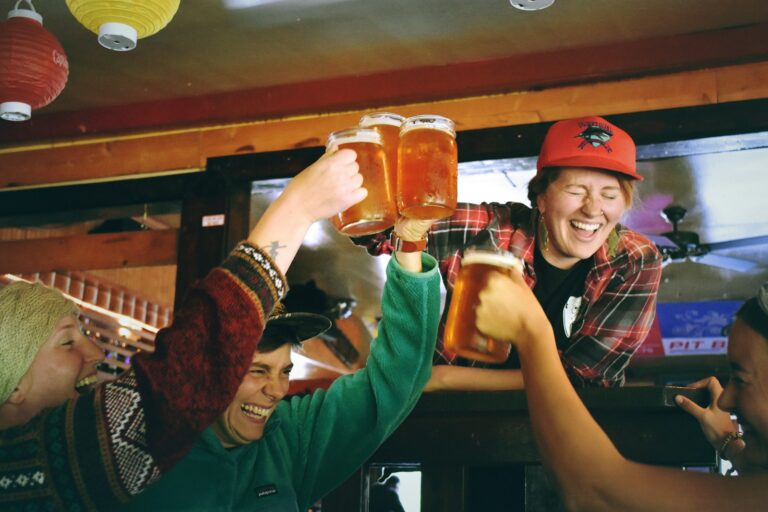
Once you’ve had your fill of temples and river views, it’s time to eat and drink where the locals do. Walk a few minutes west of Senso-ji and you’ll hit Hoppy Street (Hoppy-dori), a lantern-lit run of open-fronted izakaya named after Hoppy, the near beer-flavored drink that’s been an Asakusa working-class staple for decades.
This is old-school Tokyo drinking — plastic stools, grill smoke, and prices from another era. What to order and expect:
- Hoppy, of course: you get a bottle of the malt soda and a glass of shochu to mix it yourself. Refills of the shochu (“naka”) are cheap.
- Motsu-nikomi (slow-simmered beef or pork offal stew), a Hoppy Street signature that’s richer and better than it sounds.
- Yakitori and grilled skewers, plus seasonal small plates chalked on the wall in Japanese.
- Counters where a solo traveler can strike up a conversation with the person next to them — this is normal, not intrusive, here.
If you’ve never navigated a Japanese pub before, the etiquette can feel opaque — when to order, how the bill works, whether to pour your own drink. Our guide to Japanese drinking culture breaks down the unwritten rules so you can settle in like a regular instead of hovering awkwardly at the door.
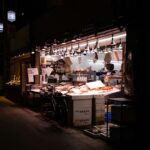
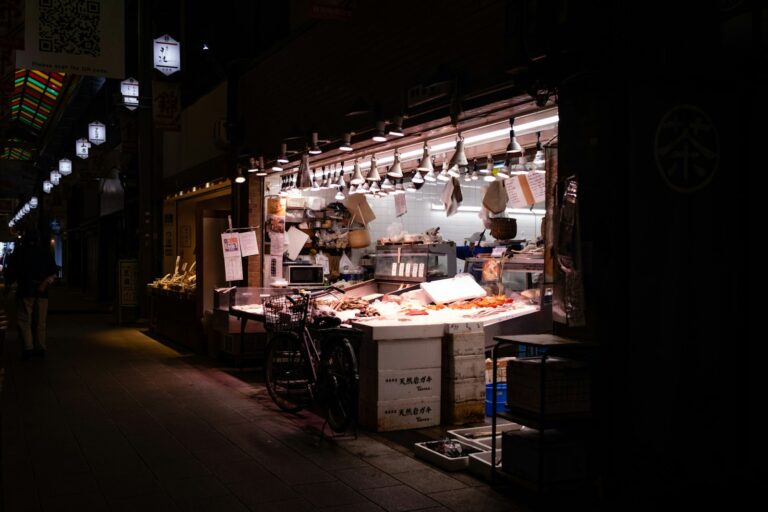
Beyond Hoppy Street, the surrounding backstreets hide tiny standing bars, retro kissaten-turned-drinking-spots, and a couple of legendary fishmongers that flip into sake counters after dark. This is the deep end of an Asakusa night tour, and it’s where a local guide earns their keep — these places rarely have English menus or online listings.
How to Plan Your Asakusa Night Tour
Here’s how to string a great Asakusa night tour together into one smooth evening, plus the practical details that make or break the night.
Timing and Route
A relaxed self-guided loop looks like this:
1. Arrive around 6:00–6:30pm. You’ll catch blue hour at Senso-ji and beat the dinner rush at the bars.
2. Kaminarimon and Senso-ji for the illumination (30–45 min).
3. Nakamise Street on the walk back out, shutters down and quiet (15 min).
4. Sumida River and Azumabashi for Skytree views, or board a night cruise (30–90 min).
5. Hoppy Street and the backstreets for dinner and drinks (open-ended).
The whole core route is walkable and flat. You can compress it into two hours or stretch it across an entire evening.
Getting There
Asakusa is served by four lines: the Tokyo Metro Ginza Line, the Toei Asakusa Line, the Tobu Skytree Line, and the Tsukuba Express (Asakusa Station a short walk away). From Shibuya or central Tokyo you’re looking at roughly 25–35 minutes. The Ginza Line drops you closest to Kaminarimon. For official area and access details, the Tokyo tourism board’s Asakusa night guide is a reliable reference.
Budgeting
Asakusa is refreshingly affordable compared with Tokyo’s flashier nightlife districts:
- Temple, Nakamise, and riverside walks: free.
- Hoppy Street dinner and drinks: roughly ¥2,000–4,000 per person for a proper spread and a few rounds.
- Sumida River cruise: varies widely — public water buses are budget-friendly, while a private small-group boat is the splurge that’s worth it.
The Last Train
This is the one thing that trips people up. Asakusa’s lines mostly stop running around midnight, and the last connections back to Shibuya or Shinjuku can be earlier than you expect once you factor in transfers. Don’t get so comfortable on Hoppy Street that you miss it — a late-night taxi across town isn’t cheap. Our Tokyo last train guide covers exact cutoffs and your fallback options if you cut it too close.
Should You Book a Guide or Go It Alone?
You can absolutely do an Asakusa night tour on your own — the temple and river stretches are safe, walkable, and free. Where a guide changes the experience is the parts that don’t show up on Google Maps. Think the story behind Senso-ji, the unmarked izakaya with no English menu, the timing tricks for the best light, and getting straight onto the water instead of puzzling over ferry schedules.
If you’d rather keep the evening flexible and range beyond Asakusa into the wider city after dark, our Tokyo After 10 private night tour lets you build a custom route with a local who reads the room and adjusts on the fly.
What do you do in Tokyo After 10?
Join our Tokyo Nightlife Private Tour
You deserve better than overpriced bars and missed opportunities. We’re here for you.
The Perfect Way to End the Night
Asakusa after dark is one of Tokyo’s genuinely magical experiences — the glow of a 1,400-year-old temple, a quiet mural-lined arcade, the Skytree shimmering across the Sumida, and a lantern-lit izakaya where a stranger becomes a drinking buddy. It’s calmer, cheaper, and more authentic than the neon districts, and it rewards anyone willing to show up after the day crowds leave.
If you want the standout moment of the evening handed to you, get out on the water. Our private Sumida River night cruise from Asakusa puts you right beneath the illuminated bridges and the Skytree with a local crew — the easiest way to turn a good night in Asakusa into an unforgettable one.