Photo by mos design on Unsplash
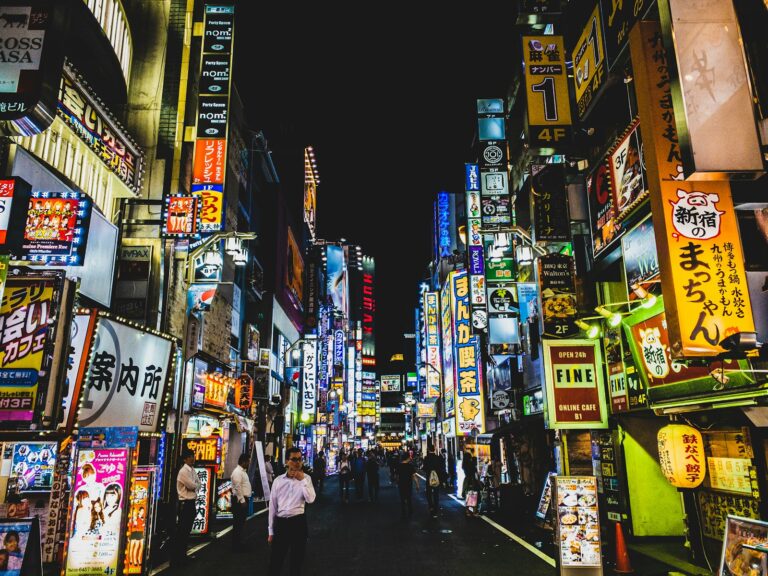
If you’re trying to figure out what to do in Kabukicho, here’s the first thing to know: this isn’t only a nightlife district. Tokyo’s most famous entertainment quarter runs on a full 24-hour clock, and the daytime version is genuinely different from the after-dark one. A roaring Godzilla, a sky-high tower full of arcades and theaters, retro yakitori alleys, hidden shrines — there’s far more here than neon and bars.
This guide breaks down 12 real things to do, split into day and night, with the practical details most listicles skip. If you only have a few hours, treat the day list and the night list as two separate visits.
For a broader orientation to the neighborhood before you dive in, our complete Kabukicho area guide covers the layout, history, and etiquette in more depth.
Contents
Kabukicho What to Do by Day
Daytime Kabukicho is safe, walkable, and surprisingly family-friendly. Deciding what to do here by day is easy. The touts are asleep, the light is good for photos, and the big attractions charge no cover.
1. Meet the Godzilla Head at Hotel Gracery
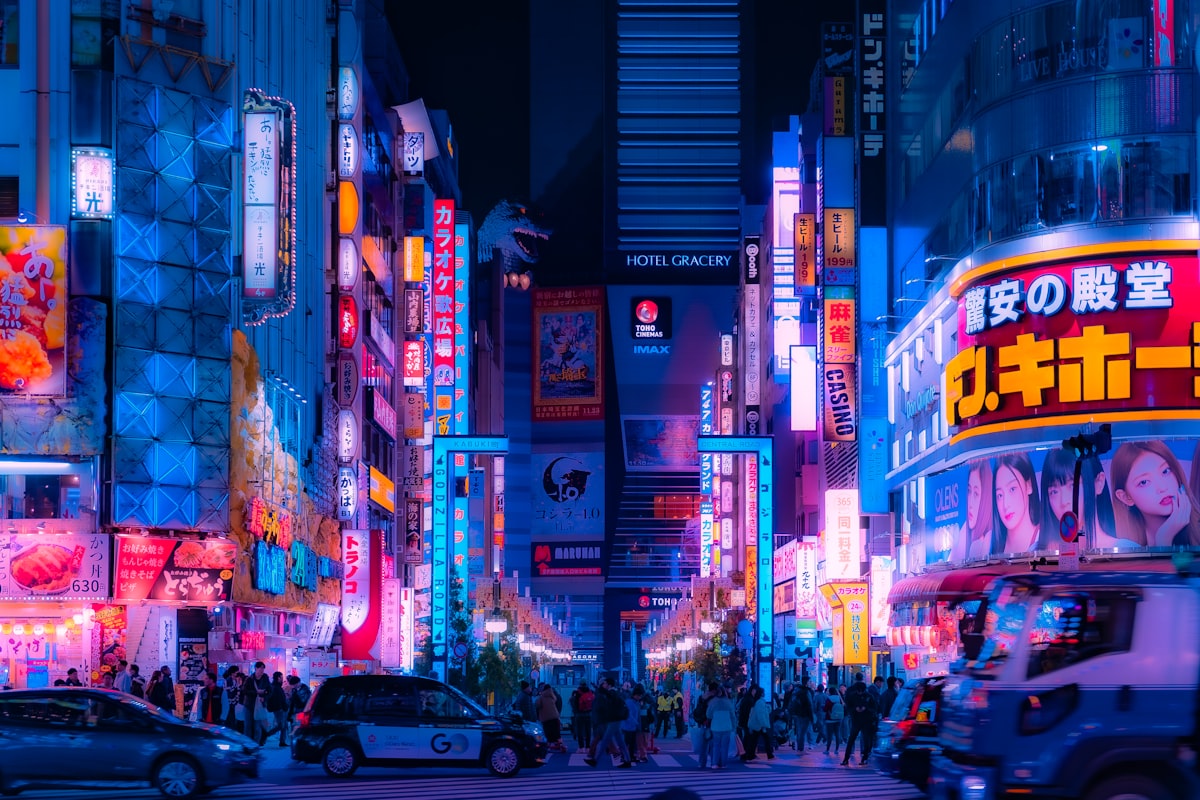
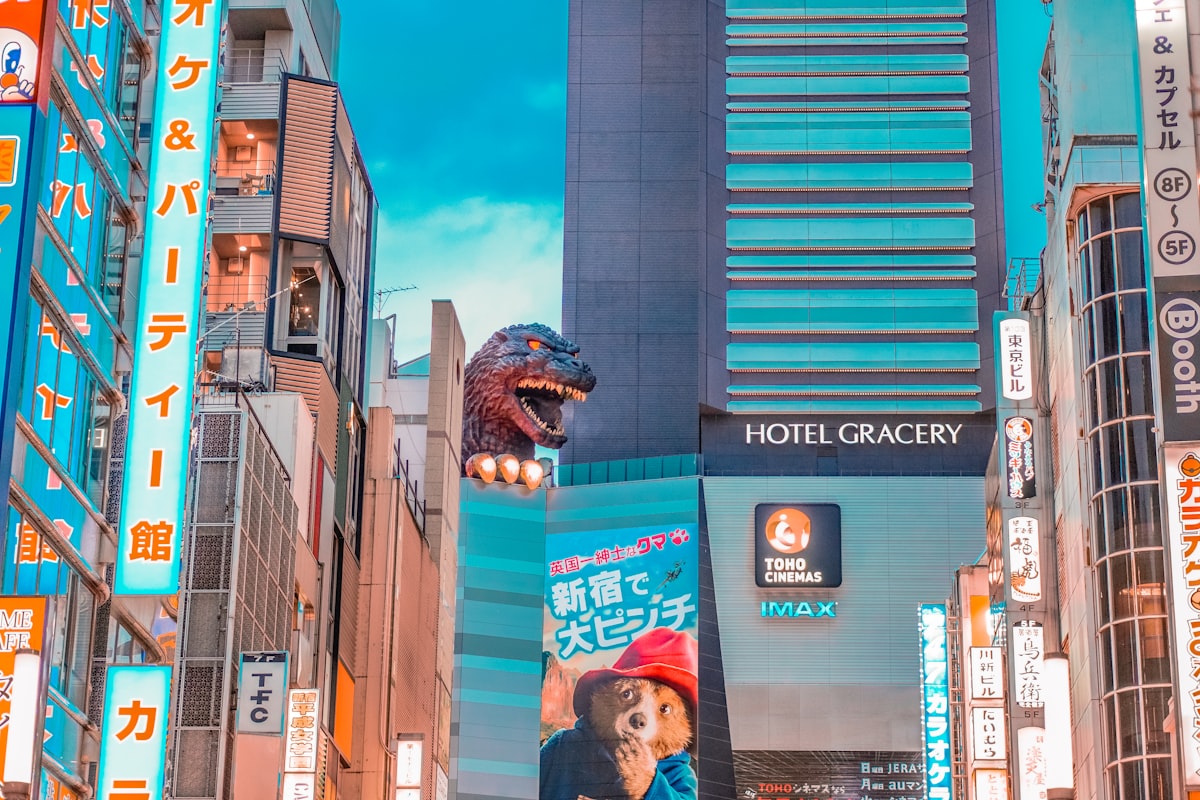
The 12-meter Godzilla Head looming over the Toho Building is Kabukicho’s unofficial mascot, and it’s the single most photographed spot in the district. Installed in 2015, the life-sized bust peers down from the eighth-floor terrace of Hotel Gracery Shinjuku, roaring and breathing “smoke” on the hour between noon and 8 p.m.
You can shoot it for free from street level on Central Road. For a closer look, head to the eighth-floor Godzilla café terrace — technically for hotel guests, but a café purchase usually gets you access. Come at dusk to catch it both lit and roaring, then again by day for cleaner photos. It’s open and visible around the clock.
2. Explore Tokyu Kabukicho Tower
Opened in 2023, Tokyu Kabukicho Tower reshaped the district’s skyline — a 48-floor entertainment complex packing hotels, cinemas, a live venue, and food into one glittering building. It’s the clearest sign that Kabukicho is reinventing itself for a new generation of visitors.
Start on the second floor at Shinjuku Kabuki Hall (Kabukicho Yokocho), a food-stall arcade themed around retro Showa-era alleys, where each stall represents a different Japanese region. Higher up you’ll find Zepp Shinjuku for live music, Theater Milano-Za for stage shows, and 109 Cinemas Premium with reclining seats and Dolby Atmos. Even if you don’t buy a ticket to anything, the tower is worth wandering — it’s air-conditioned, photogenic, and open late.
3. Catch a Blockbuster at Toho Cinemas Shinjuku
Sitting directly beneath the Godzilla Head, Toho Cinemas Shinjuku is one of Tokyo’s flagship movie theaters, with IMAX and 4DX screens. Watching a film here — Japanese blockbuster or Hollywood import — is an easy, air-conditioned break that doubles as a very Kabukicho experience.
Japanese cinemas run assigned seating, so book online or at the kiosk and pick your spot. Most foreign films screen in the original language with Japanese subtitles (look for 字幕), while some show dubbed (吹替) — double-check before buying. Tickets run around ¥2,000, with cheaper rates on Cinema Day (the 1st of each month). Bonus: the ticket lobby offers one of the closest indoor views of Godzilla.
4. Beat the Bosses at the Arcades and Game Centers
Kabukicho’s game centers are a rite of passage, and they’re at their liveliest by afternoon. Multi-floor arcades stack claw machines, rhythm games, retro cabinets, and photo booths (purikura) into loud, neon-soaked towers you can lose an hour in for a few hundred yen.
Look for the big GiGO and Taito Station branches around the district’s edges near Shinjuku Station. Ground floors are usually crane games loaded with anime prizes; upper floors hide fighting games, drum machines, and driving sims. Bring ¥100 coins, and don’t be shy about watching a local clear a rhythm game before you try. It’s cheap, screen-free-in-spirit fun that works for all ages and any weather.
5. Refuel with Ramen and Local Gourmet
You do not go hungry in Kabukicho. The district is wall-to-wall with ramen counters, gyoza joints, sushi, and yakiniku, many open 24 hours — a lifesaver whether it’s lunch or a 4 a.m. craving.
For ramen, the surrounding Shinjuku blocks hide famous shops like Fuunji (rich tsukemen dipping noodles) a short walk toward the west side. Inside Kabukicho, look for tonkotsu chains, standing sushi bars, and Korean BBQ along Okubo’s edge to the north. Order at the vending machine out front where you see one: insert cash, press your dish, hand the ticket to the counter. It’s fast, cheap, and gloriously local.
6. Find Calm at Hanazono Shrine
Tucked on Kabukicho’s eastern edge, Hanazono Shrine is the district’s quiet counterweight — a centuries-old Shinto shrine surrounded by vermilion torii gates and towering trees, steps from the neon. Locals stop here to pray for business success, which feels fitting given the neighborhood.
It’s free, open daytime hours, and takes ten peaceful minutes to walk through. Look for the “inari” fox statues and the small Geinō Asama shrine, patronized by performers. If your timing is lucky, you’ll catch a flea market (usually Sundays) or a festival — the Tori-no-Ichi rooster fairs each November are a spectacle. It’s also the natural gateway to Golden Gai next door, making it a perfect pivot from day into evening.
Kabukicho What to Do at Night
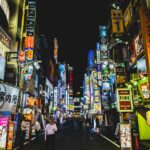
Now the district earns its “Sleepless Town” nickname. Night is when the neon fully ignites — but it’s also when a little know-how pays off. When it comes to Kabukicho what to do after dark, the picks below are all fun, safe, and worth your time.
7. Catch a Wild Show at the Samurai Restaurant
The spiritual successor to the legendary (now-closed) Robot Restaurant, the Samurai Restaurant is peak Kabukicho spectacle: lasers, taiko drums, dancing robots, samurai, and a fever dream of costumes packed into a basement theater. It’s gloriously over-the-top, unapologetically for tourists, and genuinely unforgettable.
Shows run multiple times nightly and last around 75 minutes. Book ahead online, as slots sell out, and expect to pay roughly ¥8,000 with an optional drink or bento. Is it “authentic” Japan? No — and it doesn’t pretend to be. It’s a high-energy variety show that leans into Kabukicho’s love of maximalist entertainment, and few first-timers walk out disappointed.
8. Swing at the Batting Cages or Sing Until Dawn
For hands-on fun, Kabukicho delivers two classics: rooftop batting cages and all-night karaoke. The neighborhood’s batting center lets you take cuts against a pitching machine under the neon — a cheap, oddly cathartic ¥400-or-so way to blow off steam surrounded by salarymen doing the same.
Karaoke is the other essential. Chains like Karaoke-kan and Big Echo rent private rooms by the half-hour, stocked with English songbooks, cheap drinks, and often free time deals late at night. A room for a group can cost as little as a few hundred yen each per hour before the drinks add up. Both stay open into the small hours, making them a perfect anchor when the last train has gone.
9. Solve a Mystery at Tokyo Mystery Circus
Near Tokyu Kabukicho Tower, Tokyo Mystery Circus is a multi-floor complex devoted to real-life escape games and immersive “riddle-solving” attractions. It’s one of the smartest, most social things to do in Kabukicho if you want an experience that isn’t food or drink.
Some rooms are language-dependent, but the venue offers English-friendly and non-verbal attractions — check the current lineup online before you go. Games run roughly ¥3,000–4,000 per person and last 60–90 minutes, ideal for couples or small groups. It’s a rare Kabukicho activity that’s sober-friendly, indoors, and open late, bridging the gap between daytime sightseeing and a night out.
10. Eat Under the Lanterns at Omoide Yokocho
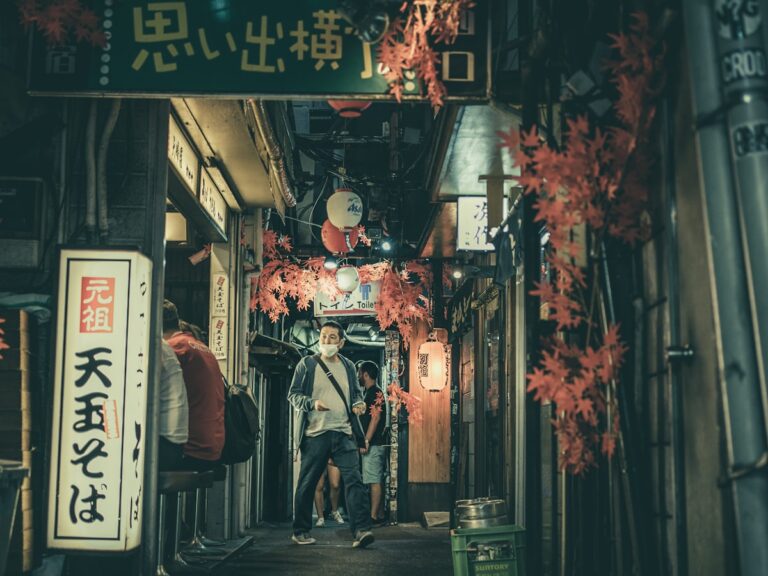
Just west of Kabukicho by the train tracks, Omoide Yokocho (“Memory Lane,” and less politely “Piss Alley”) is a warren of tiny, smoke-filled counters slinging yakitori, motsu-nikomi stew, and cold beer since the postwar years. It’s the antidote to the towers — cramped, atmospheric, and deeply nostalgic.
Squeeze onto a stool, point at the skewers on the grill, and order beer or a highball. Most stalls seat six to ten people, so go early (before 7 p.m.) to snag a spot, and expect a small seating charge at some counters. Our full Omoide Yokocho guide covers which alleys and stalls are worth your time and how to order without a word of Japanese.
11. Bar-Hop Through Golden Gai
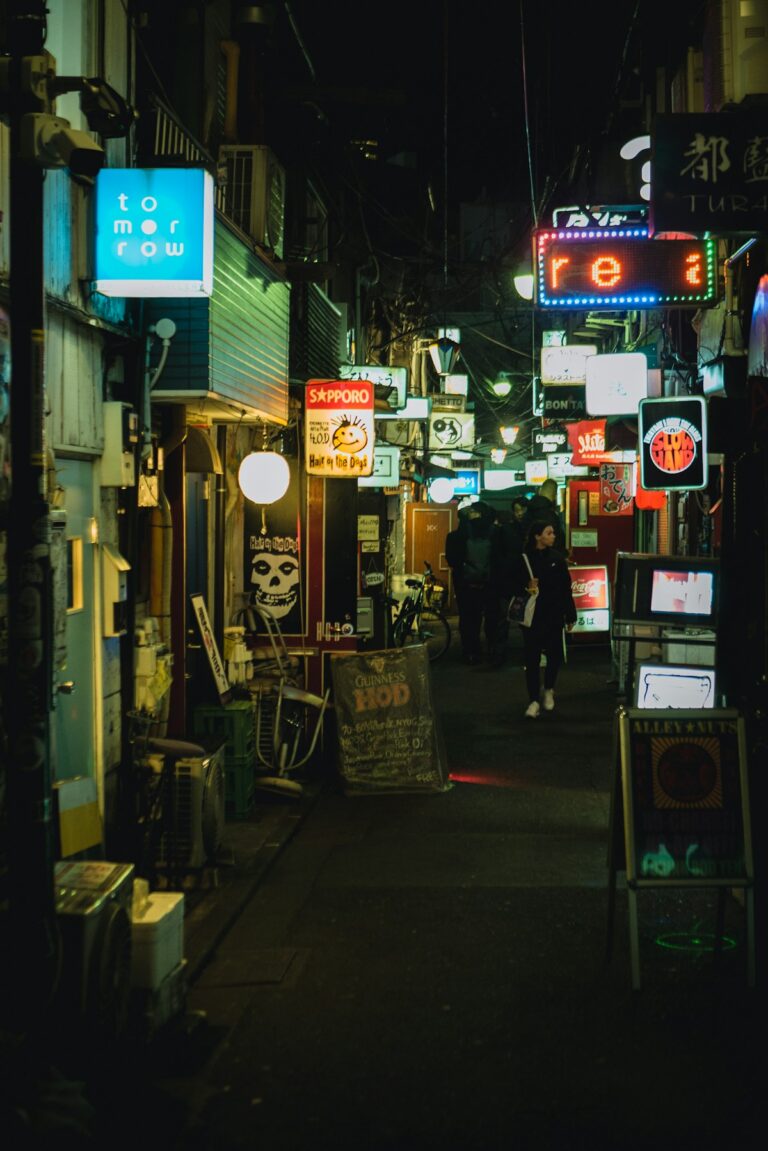
On Kabukicho’s eastern flank, Golden Gai is a labyrinth of some 200 minuscule bars crammed into six wooden alleys, each seating just a handful of drinkers. Every bar has its own theme and owner, and no two nights are ever the same. It’s the most beloved drinking maze in Tokyo.
Watch for seat charges (¥500–1,500), which are normal here and posted on many doors — read the sign before you sit. Some bars welcome tourists warmly; others are regulars-only, and that’s fine. Start with an English-friendly spot and let the night unfold. Our Golden Gai guide explains the seat-charge system, which bars welcome newcomers, and the unwritten rules that keep the vibe intact.
12. Soak It Off at Thermae-Yu
When your feet give out, Thermae-Yu is Kabukicho’s full-scale hot-spring bathhouse — real onsen water trucked in from Nakaizu, plus saunas, outdoor baths, and lounging areas, right in the middle of the neon. It’s open until the early morning, so it doubles as a place to reset (or wait out the last train).
Entry runs around ¥3,000 (higher on weekends and late night), with towels and amenities available to rent. Note the standard Japanese onsen rules: wash before bathing, and visible tattoos may not be permitted, so check ahead if that applies to you. After a long day and night in Kabukicho, sinking into an open-air bath under the city glow is a fittingly Tokyo way to end things.
Where the Real Nightlife Begins
Everything above is the accessible, first-timer-friendly Kabukicho. But the district also has a deeper after-dark layer — hostess clubs, themed bars, live houses, and the yokocho drinking culture that gives Shinjuku its reputation. That’s a rabbit hole worth exploring with a little guidance.
If you want to go beyond the highlights, our Shinjuku nightlife guide maps out the bars, districts, and experiences that make the area Tokyo’s undisputed nightlife capital.
A Quick Word on Staying Safe
Kabukicho is safe to walk, but it has a well-earned reputation for scams aimed at tourists — inflated bills, aggressive touts, and “free guide” traps around the main drags. The rule is simple: never follow a tout into a bar, and never let a stranger lead you somewhere off your plan.
Stick to venues you’ve chosen yourself, know the seat charge before you sit, and pay attention to posted prices. For the full rundown of common tricks and how to sidestep them, read our Kabukicho scam-avoidance guide before your night out. A few minutes of prep keeps a great evening from turning into a bad story.
What do you do in Tokyo After 10?
Join our Tokyo Nightlife Private Tour
You deserve better than overpriced bars and missed opportunities. We’re here for you.
Make the Most of Kabukicho — With a Local
Kabukicho rewards the curious, but its best corners — the bars that don’t appear on Google Maps, the alleys where the touts don’t go, the counters where the owner remembers your name — are hard to find on a first visit. That’s exactly where a local guide changes everything.
If figuring out what to do in Kabukicho after 10 p.m. feels overwhelming, our Tokyo After 10 private night tour is built for it: a fully customizable evening where a Tokyo local walks you through the district’s hidden bars, backstreets, and late-night food, safely and at your pace. It’s the fastest way to experience the real Kabukicho — day highlights behind you, and the sleepless city ahead.