

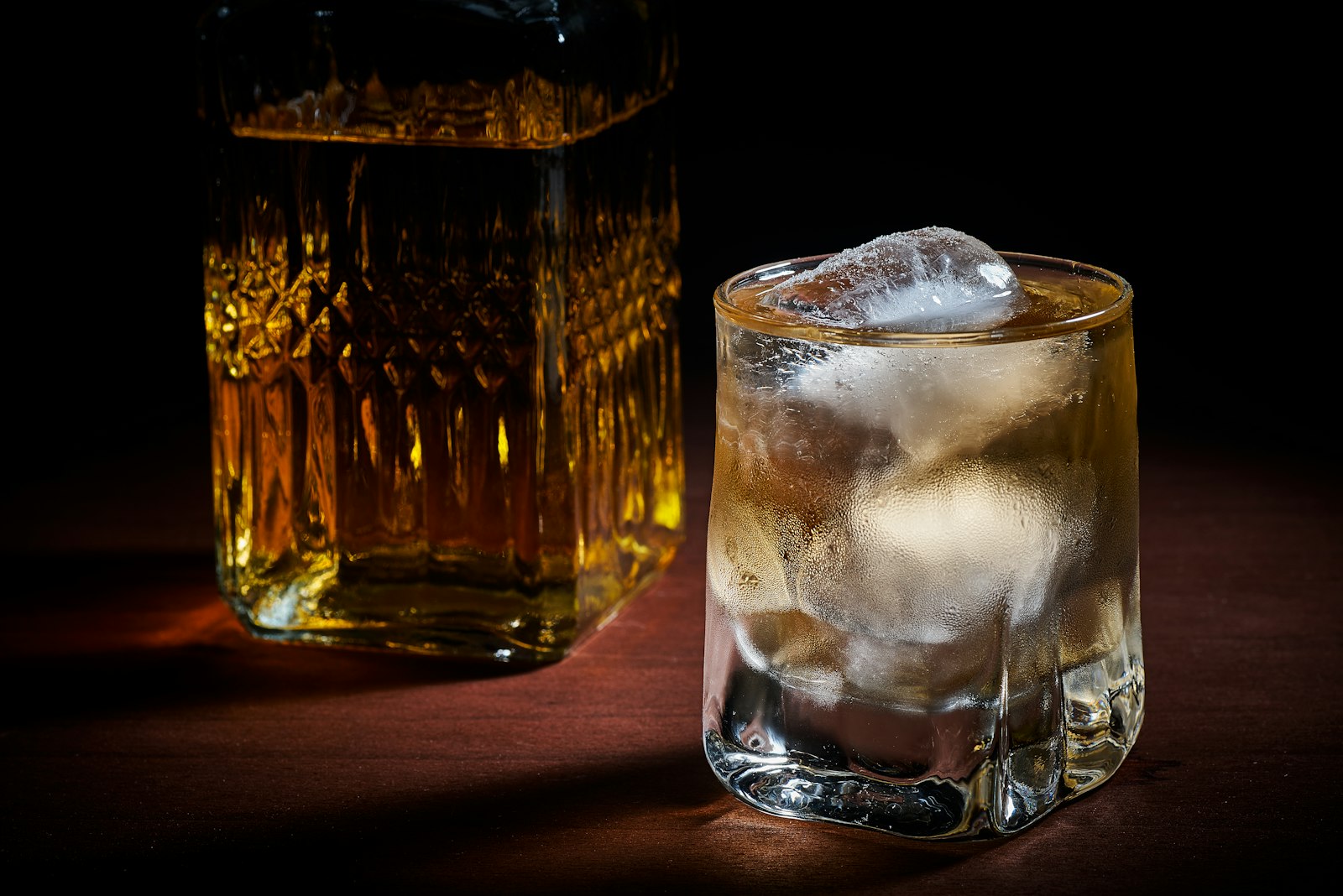
Photo by <a href="https://unsplash.com/@dresitos?utm_source=tokyodeepnightlife&utm_medium=referral">Andres Haro Dominguez</a> on <a href="https://unsplash.com/?utm_source=tokyodeepnightlife&utm_medium=referral">Unsplash</a>
Walk into almost any izakaya in Tokyo after 7pm and listen to the orders. You’ll hear “nama” (draft beer), of course — but you’ll hear “haibōru” just as often. The whisky highball in Japan is not a cocktail-bar novelty. It’s the everyday drink of office workers, students and grandparents alike, and the story of how it got there is really a story of Suntory, highball culture and one of the most successful drink revivals anywhere.
This guide explains what a Japanese highball actually is, how Suntory built (and then rebuilt) the habit, why Japanese drinkers pair it with almost everything, and how to order one yourself — with the exact words to use at the counter.
Contents
- What Is a Japanese Highball?
- How Suntory Built Highball Culture in Japan
- Why Japanese People Love Highballs
- Styles of Japanese Highball You’ll Meet
- How to Order a Highball in Japan
- Where to Drink a Highball in Tokyo
- What do you do in Tokyo After 10?Join our Tokyo Nightlife Private Tour
- Drink Tokyo’s Highball Culture with a Local
- About the Author
What Is a Japanese Highball?
At its simplest, a highball is whisky topped with carbonated water, served cold in a tall glass. There’s no sugar, no syrup and usually no garnish beyond an optional twist of lemon. Most bars mix it at roughly one part whisky to three or four parts soda, which lands it in the same strength range as a strong beer.
Two things make the Japanese version feel different from a “whisky soda” back home:
- Obsession with carbonation. Japanese bartenders chill the glass, the whisky and the soda, and they stir as little as possible so the bubbles survive. The result is sharper and fizzier than most people expect.
- It’s built for food. A highball in Japan is rarely drunk on its own. It’s the default partner for fried chicken, yakitori and salty bar snacks.
Highball vs chu-hi vs sour
Menus can be confusing, because Japanese uses “highball” loosely. Here’s the quick version:
- Haibōru (ハイボール) — whisky and soda. If nothing else is specified, this is what you get.
- Chū-hai (酎ハイ) — short for “shōchū highball.” Shōchū (a Japanese distilled spirit) with soda, often flavored. Canned chū-hai has been sold in Japan since the 1980s.
- Sawā (サワー) — “sour.” In practice, a chū-hai with citrus, like a lemon sour.
So a “lemon sour” and a “highball” might look identical in the glass, but one is shōchū and the other is whisky. If you want the whisky version, say haibōru.
How Suntory Built Highball Culture in Japan
You can’t talk about the highball in Japan without Suntory. The company didn’t invent whisky and soda, but it spent the better part of a century teaching Japan to drink it.
The square bottle, 1937
Suntory opened Yamazaki, Japan’s first malt whisky distillery, in the 1920s. In 1937, founder Shinjiro Torii released a blended whisky in a squat, tortoiseshell-patterned bottle. It was officially called “Suntory Whisky,” but drinkers nicknamed it Kakubin — “square bottle” — and the name stuck. That bottle is still the backbone of the modern highball. You can read the brand’s own account on the Suntory Kakubin page.
Post-war Torys Bars and the salaryman’s drink
Highballs were already being mixed in Japan by the 1920s, but they took off after World War II, when people wanted something cheap and easy to drink. Suntory’s affordable Torys whisky fed a wave of casual “Torys Bars,” the first of which opened in 1950. In 1958 the brand gave the era a face: Uncle Torys, a cartoon everyman who unwinds with a glass after work.
In a country that drank mostly beer and sake, whisky diluted with water or soda was an easier sell than whisky neat. The lighter serve suited Japan’s taste for lower-alcohol drinks alongside food, and the “whisky and soda after work” ritual became part of the salaryman image of the high-growth decades. (If that world interests you, our guide to Japanese drinking culture explained for visitors covers the wider picture.)
The long slump
Then tastes moved on. Through the 1980s and 1990s, beer, chū-hai and wine took over, and whisky started to look like something your boss drank. By 2008, Japan’s whisky market had been shrinking for 26 years in a row, according to Metropolis’s account of the revival.
2008: the Kaku highball revival
In September 2008, Suntory went all in on one idea: stop selling whisky as a serious sipping drink and sell it as a refreshing, cheap, food-friendly glass you order instead of your second beer. The campaign had three moving parts:
- Izakaya first. Sales teams persuaded pubs to put the “Kaku highball” on their menus. About 5,000 establishments had signed up by the end of 2008, and the campaign kept widening from there.
- Highball machines. Suntory introduced a tap that dispenses whisky and highly carbonated soda together, like draft beer, so every glass comes out the same — fast, cold and fizzy, even on a packed Friday night.
- TV commercials that gave permission. Ads starring the actress Koyuki showed a relaxed bar where ordering a highball was the obvious, stylish thing to do, and showed how easy one was to make at home.
It worked. The whisky slump reversed, “Kaku-hai” (角ハイ) entered everyday vocabulary, and the canned Kaku highball became a convenience store staple. Suntory even has an official “Kakubin Highball Day” on October 8. For the Japanese whisky industry, the highball wasn’t just a drink — it was the rescue plan. Today, the highball in Japan is Suntory culture in a glass: a company campaign that turned into a national habit.
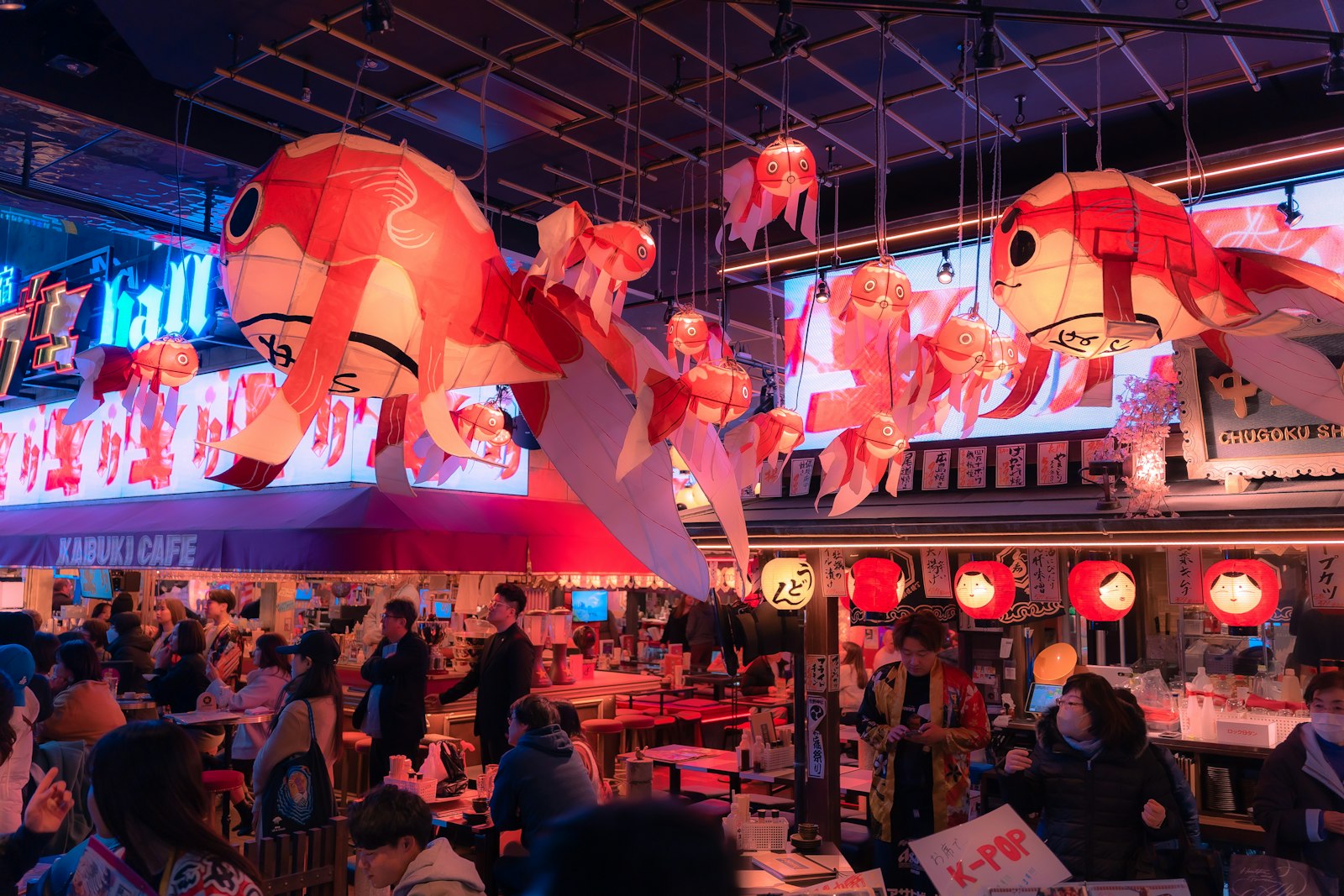
Why Japanese People Love Highballs
Marketing only works if the product fits real life. Here’s why the highball stuck in Japan when so many drink trends faded.
It’s built to go with food
Japanese drinking almost always happens with food. A highball is dry, bubbly and slightly smoky or malty, which cuts through the oil of karaage (fried chicken) and the salt-sweet glaze of yakitori in a way a heavy beer doesn’t. Suntory leaned into this deliberately — later commercials put the highball next to plates of karaage, and “highball and fried chicken” is now almost a single phrase. For the best pairing, try one at a smoky counter from our guide to yakitori in Tokyo at night.
Lighter than whisky, less filling than beer
A glass of neat whisky is a commitment. A pint of beer fills you up. A highball sits in between: easy on alcohol, and with no sugar added. Over a long evening of small plates, that matters. Many Japanese drinkers start with toriaezu nama (“a beer for now”) and switch to highballs for the rest of the night.
It’s fast, consistent and everywhere
Thanks to the machines, a chain izakaya can pour a perfect highball in seconds. Thanks to cans, you can drink the same thing on a train platform (discreetly) or in a hotel room. The highball in Japan is available at every price point, from a convenience store fridge to a hotel bar.
In a group, you order rounds quickly and nobody wants to wait for a complicated cocktail. A highball is the drink you can order without thinking, that won’t make you the odd one out, and that lets you keep pace with colleagues without falling over. It’s the social glue of the izakaya table.
Looking for Adult Entertainment Services in Tokyo? Download this
I’ve spent over a decade exploring and studying Japan’s adult entertainment scene firsthand. If you’d like detailed insider information—including how to choose the right shop, what services are available, and tips for avoiding common mistakes—check out our exclusive E-book.
Styles of Japanese Highball You’ll Meet
Not every highball in Japan tastes the same. These are the four you’re most likely to meet.
The izakaya Kaku highball
The standard. Kakubin and soda from a machine or poured by hand, served in a tall glass or a heavy beer mug (jokki) with plenty of ice and often a squeeze of lemon. Cheap, reliable and designed for volume.
The Samboa-style highball (no ice)
The Kansai region has its own tradition. The Samboa bars trace their history back to 1918, and their highball contains no ice at all: well-chilled whisky, a whole bottle of Wilkinson soda, a twist of lemon peel — and no stirring. Because there’s no ice melting, the last sip tastes like the first. Samboa has several bars in Kansai and Tokyo; in Tokyo, Time Out lists Samboa Bar Ginza in a basement at 5-4-7 Ginza, near exit B7 of Ginza Station.
The craft bar highball
At serious cocktail and whisky bars, the highball is treated as a test of skill. Expect hand-cut ice, a specific whisky chosen for the glass, and a bartender who pours the soda down the ice so the bubbles stay intact. You may be offered a choice of whiskies — Yamazaki, Hakushu or something smoky — for a more complex drink.
The can
Canned highballs are a whole convenience store aisle in Japan. They’re fine for a picnic or a hotel room, but they lack the sharp fizz of a fresh pour, so don’t judge the whole culture by one can.
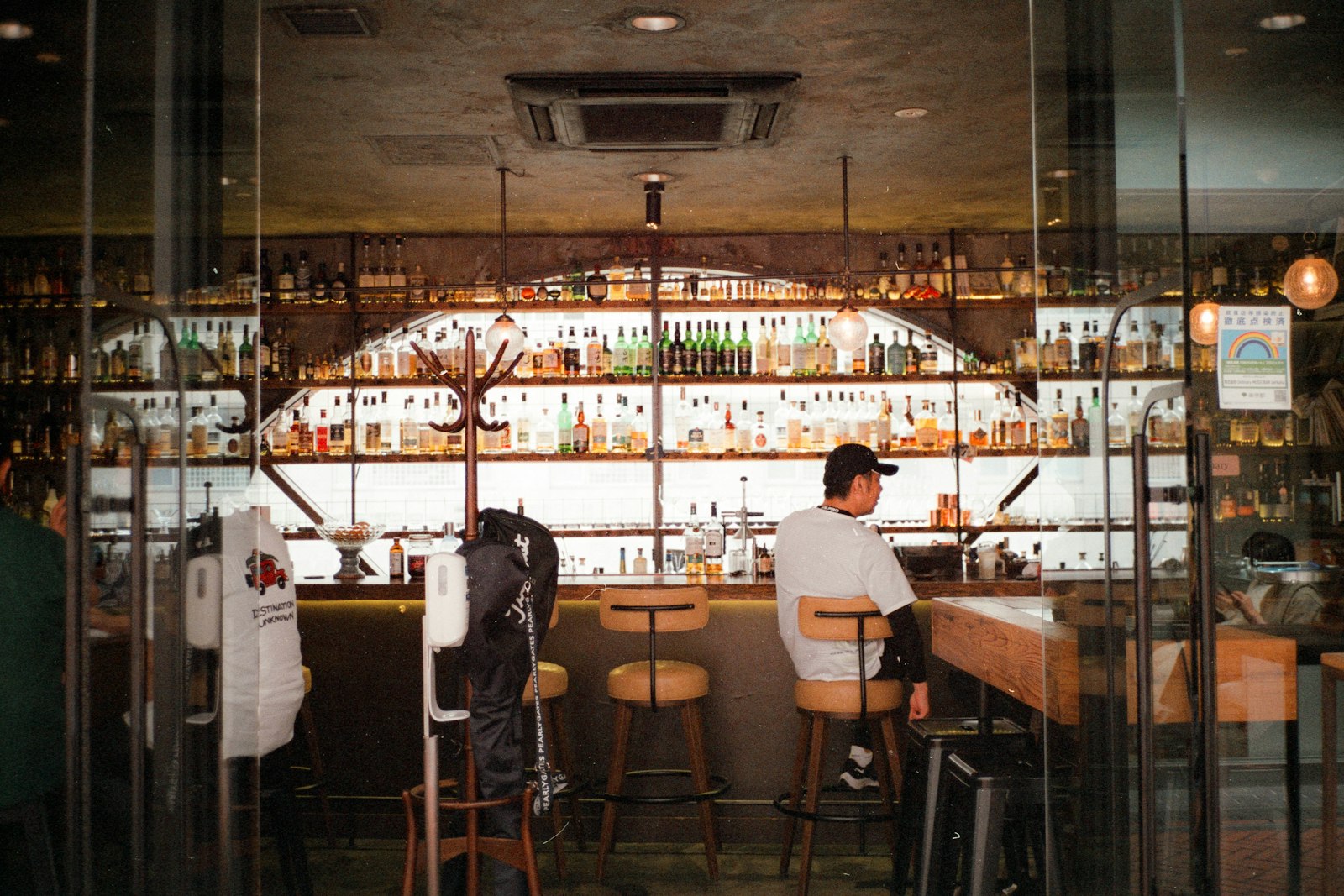
How to Order a Highball in Japan
You need very little Japanese. These phrases cover almost everything:
- Haibōru kudasai (ハイボールください) — A highball, please.
- Kaku-hai kudasai (角ハイください) — A Kakubin highball, please.
- Koi-me de (濃いめで) — Make it strong (more whisky).
- Usu-me de (薄めで) — Make it light.
- Remon nashi de (レモンなしで) — No lemon.
- Mō ippai (もう一杯) — One more.
Many izakaya list “濃いめ” (strong) as a separate menu item, sometimes for a small extra charge. Some also offer flavored versions such as ginger or cola highballs. If you’re joining a group, the usual order is beer for the first toast and highballs after — our izakaya etiquette guide for foreigners explains the toast (kanpai) and the rest of the unwritten rules.
Where to Drink a Highball in Tokyo
Because highballs are everywhere, the question is less “where can I find one” and more “what kind of night do you want.”
- Chain and neighborhood izakaya — for the machine-poured Kaku highball with karaage. This is the most authentic, everyday version.
- Standing bars and yokocho alleys — tiny counters in Shinjuku, Shinbashi and Yurakucho, where the highball is cheap and the crowd is mostly after-work locals.
- Samboa Bar Ginza — for the no-ice Kansai style.
- Whisky bars — for a hand-made highball with Japanese single malts. Our Tokyo whisky bar guide lists verified places to try.
A tip most guides skip: if you want to taste the difference between styles, order a machine highball at an izakaya early in the evening, then a hand-made one at a bar later. Side by side, the craft of the Japanese highball becomes obvious.
What do you do in Tokyo After 10?
Join our Tokyo Nightlife Private Tour
You deserve better than overpriced bars and missed opportunities. We’re here for you.
Drink Tokyo’s Highball Culture with a Local
The highball is easy to order but hard to fully appreciate on your own. To really understand the highball in Japan — Suntory culture, izakaya rituals and all — you need to drink it where locals do. The best versions are often in places with no English menu, down alleys you’d walk straight past, where the regulars will happily tell you why their bar’s highball is the best in the city.
If you’d rather skip the guesswork, our Tokyo After 10 nightlife private tour takes you through the izakaya, standing bars and hidden counters where locals actually drink — highball in hand, with a guide who knows which door to open next. Kanpai!









