

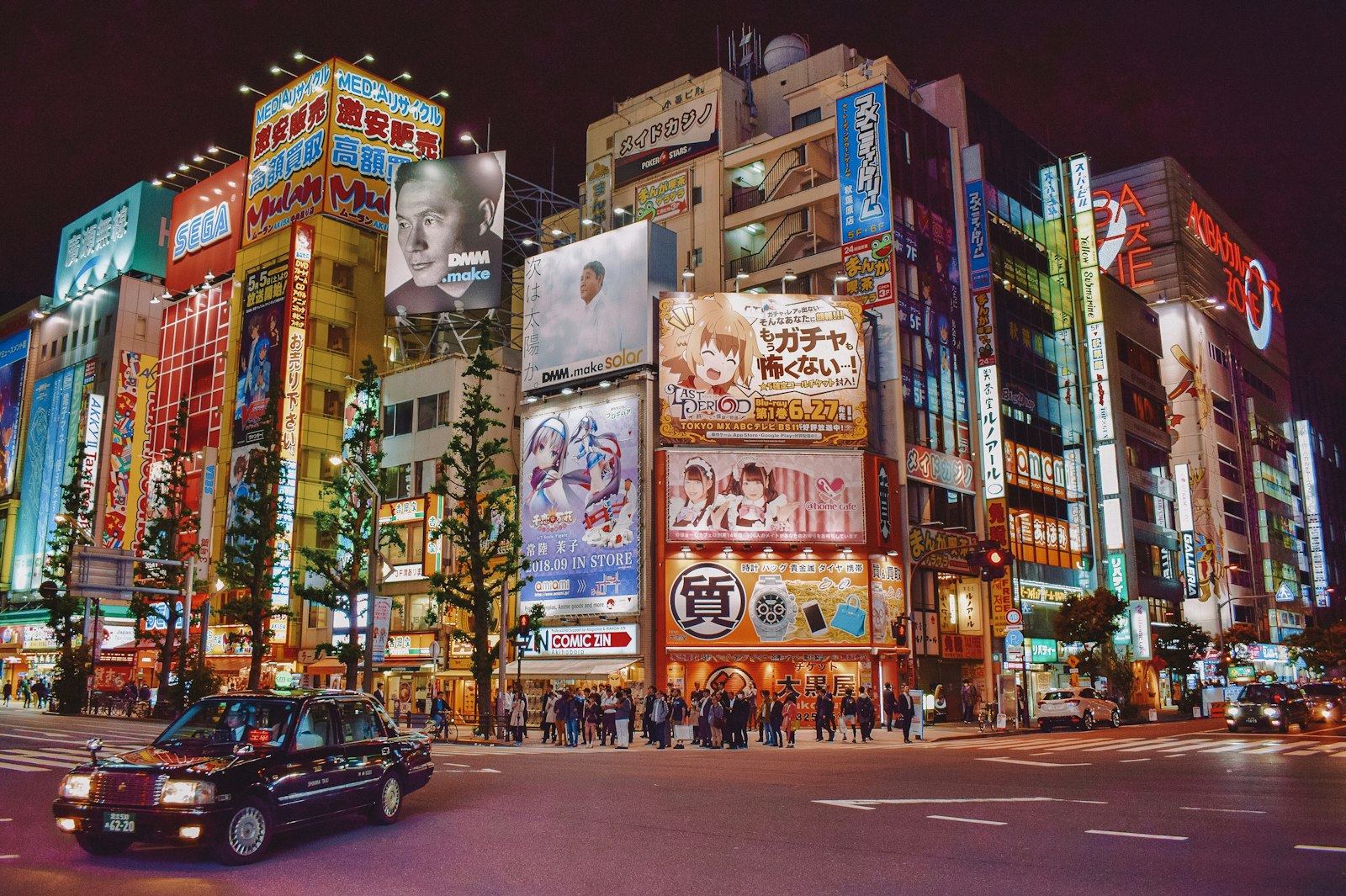
Photo by <a href="https://unsplash.com/@thattravelblog?utm_source=tokyodeepnightlife&utm_medium=referral">Dave Weatherall</a> on <a href="https://unsplash.com/?utm_source=tokyodeepnightlife&utm_medium=referral">Unsplash</a>
Most visitors only see Nakano in daylight. They ride the Chuo Line one stop past Shinjuku, spend two hours digging through vintage figures at Nakano Broadway, and head back before dinner. That’s a mistake. Nakano nightlife is one of the best-kept secrets on the west side of Tokyo: a dense grid of izakaya, standing bars and tiny counters where the crowd is local, the prices are fair and nobody is trying to pull you in off the street.
What makes the neighborhood different is the mix. In one evening you can browse manga that’s been out of print for forty years, drink coffee under a wall of rubber kaiju, and end up elbow to elbow with office workers over grilled skewers. This guide walks you through how a night in Nakano actually flows, from the arcade to the alleys, and what to know before you go.
Contents
- Why Nakano Nightlife Is Worth the Trip from Shinjuku
- Start at Nakano Broadway: The Otaku Heart of the Neighborhood
- The Subculture Side of Nakano After Dark
- Fureai Road and Showa Shindo: Nakano’s Izakaya Alleys
- Nakano Rengazaka: The Quieter South Side
- A Sample Nakano Nightlife Route
- Practical Tips for Nakano Nightlife
- What do you do in Tokyo After 10?Join our Tokyo Nightlife Private Tour
- Explore Nakano Nightlife with a Local Guide
- About the Author
Why Nakano Nightlife Is Worth the Trip from Shinjuku
Nakano sits just west of Shinjuku on the JR Chuo Line, and the Tokyo Metro Tozai Line also stops here. That short hop changes the whole mood. Instead of neon touts and cover-charge traps, Nakano nightlife gives you a neighborhood that still feels like it belongs to the people who live in it.
Three things set it apart:
- Subculture is the backdrop, not a gimmick. Nakano Broadway has been a collector’s destination for decades, and the bars around it reflect that crowd.
- Drinking happens in alleys, not clubs. Nakano nightlife is bar-and-izakaya territory. If you want a dance floor, go to Shibuya or Roppongi. If you want conversation at a counter, you’re in the right place.
- It’s walkable. Everything in this guide is within about ten minutes on foot of Nakano Station.
If you’ve enjoyed the alleys of Kichijoji further down the same line, the feel is similar. Our Harmonica Yokocho Kichijoji guide covers that neighborhood, and Nakano makes a natural second stop on a Chuo Line evening.
Start at Nakano Broadway: The Otaku Heart of the Neighborhood
Walk out of the North Exit of Nakano Station and you’re immediately inside Nakano Sun Mall, a covered shopping arcade. At night it’s lit up and busy with commuters heading home. Follow it to the end and you reach Nakano Broadway (5-52-15 Nakano, Nakano-ku).
A Brief History of Nakano Broadway
Nakano Broadway opened in 1966 as an upscale shopping and apartment complex, complete with a rooftop garden and pool. The residential floors above still exist; the shopping floors below slowly turned into something nobody planned. In 1980, a secondhand manga shop called Mandarake opened inside. It grew into dozens of specialist branches spread across the building, and Nakano Broadway became one of Tokyo’s great hunting grounds for anime, manga, vintage toys, idol goods and Showa-era curiosities.
Today the shopping floors run from the basement (a supermarket and food stalls) up to the fourth floor. The upper floors are where most of the hobby shops are packed in, including independent alternative manga store Taco Ché. There’s also an unexpected number of luxury watch dealers, a quirk long-time visitors love to point out.
Timing Your Visit
This is the part most guides skip: Nakano Broadway is a daytime and early-evening place. The official Tokyo tourism site lists the building at 10:00–20:00, but hours vary by store and floor, and many hobby shops don’t open until around noon. Some shops also close on Wednesdays.
So the smart plan for a night of Nakano nightlife is to arrive in the late afternoon, shop until the shutters start coming down, then move into the bars. Check the official GO TOKYO listing for Nakano Broadway for current information before you go.
Bar Zingaro: Takashi Murakami’s Café-Bar
On the second floor of Nakano Broadway you’ll find Bar Zingaro, a café-bar co-opened by contemporary artist Takashi Murakami and Fulgen Coffee. Murakami runs several spaces in the building, including the Hidari Zingaro gallery, and Bar Zingaro is the one where you can sit down.
It works as a coffee bar by day, with cold brew and seasonal shaved ice, but it also serves sake, beer and cocktails. Some drinks aren’t on the printed menu, so ask the bartender. It’s a good transition point: you can stay inside the Broadway atmosphere while you switch from shopping mode to drinking mode.
The Subculture Side of Nakano After Dark
Nakano’s otaku identity doesn’t stop at the Broadway doors, and that’s what gives Nakano nightlife its flavor. The surrounding streets have a handful of bars and cafés that lean hard into a single theme. If you’re coming from Akihabara and want something less commercial, this is it. (For more options across the city, see our anime bar Tokyo guide.)
Daikaiju Salon: A Bar Run by Monsters
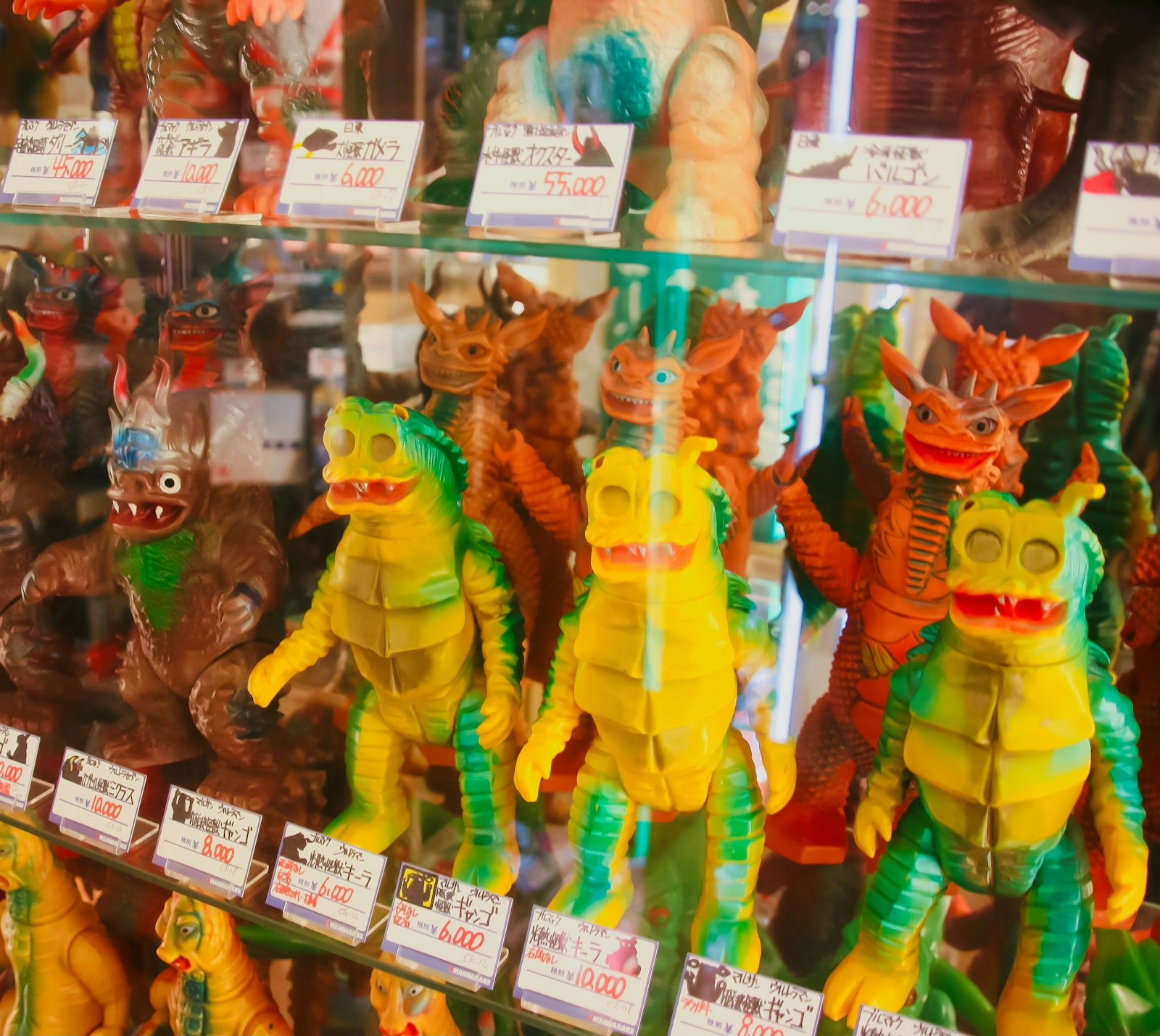
The standout is Daikaiju Salon (1-14-16 Arai, Nakano-ku), a kaiju-themed restaurant and bar run under the supervision of film director Takao Nakano. It’s on the Yakushi Ai Road shopping street, about an 8-minute walk from Nakano Station, which makes it an easy add-on after Broadway.
From the outside it looks like a toy shop. Inside, every shelf is crowded with monster figures and plush creatures, masks line the walls, and classic tokusatsu shows play on the TV. The signature drink is the “DaikaiJuice,” served with a kaiju-shaped stir stick, and the omurice comes with a monster face drawn in ketchup. You may also meet Mucho, the resident kaiju hostess.
A few practical notes:
- Cash only, according to the official Tokyo tourism listing.
- Hours have changed over the years, so check the bar’s official site before heading over.
- It’s as much a café as a bar, which makes it a good first stop before a heavier night of drinking.
Fureai Road and Showa Shindo: Nakano’s Izakaya Alleys
Once the shops close, the real Nakano nightlife begins in the lanes on the north side of the station. This is where locals drink, and where Nakano nightlife is at its most authentic.
Fureai Road
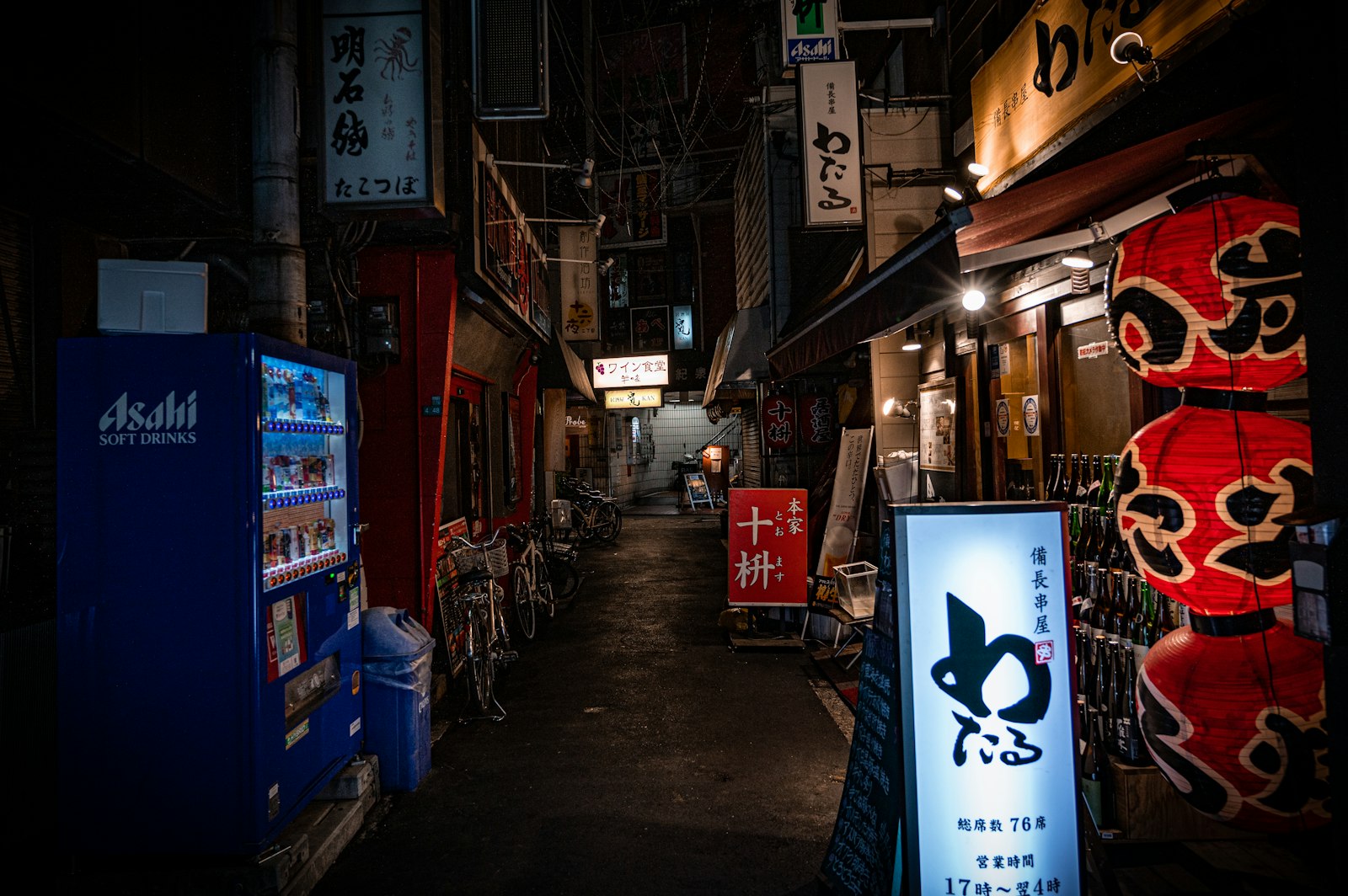
Fureai Road is the biggest food-and-drink zone in Nakano, reached from the North Exit. It’s a tight network of narrow, dimly lit lanes packed with izakaya, small bars, ramen counters and tachinomi (standing bars). The places here are tiny, often a single counter, and most are independently run rather than chains.
How to approach it:
- Walk one full loop before you pick a place. The lanes are short, and seeing what’s busy tells you a lot.
- Look for visible menus and prices. Many spots post them by the door. If there’s no menu and nobody inside, move on.
- Expect a small seating charge at some sit-down izakaya. It usually comes with a small dish and is normal, not a scam.
- Go small and move often. One drink and one or two plates per stop is the local rhythm.
Showa Shindo
Running off Nakano Sun Mall, the Showa Shindo shopping street is known for old-fashioned, brightly lit izakaya where you can easily end up chatting with the regulars. Some counters here seat only a handful of people, so it’s better for one or two travelers than for a big group.
The best time is roughly 19:00 to 22:00 on a weeknight, when after-work drinkers fill the seats and the atmosphere is at its warmest. Friday is lively but tight on space. If you like this kind of alley drinking, our roundup of the best yokocho in Tokyo lists more neighborhoods with the same spirit.
Looking for Adult Entertainment Services in Tokyo? Download this
I’ve spent over a decade exploring and studying Japan’s adult entertainment scene firsthand. If you’d like detailed insider information—including how to choose the right shop, what services are available, and tips for avoiding common mistakes—check out our exclusive E-book.
Nakano Rengazaka: The Quieter South Side
Cross to the South Exit and Nakano changes character. Nakano Rengazaka is a short brick-paved slope lined with restaurants and bars, softly lit at night and noticeably calmer than the north side. It’s the grown-up end of Nakano nightlife, suited to couples or anyone who wants a slower second half of the evening.
Aonisai: Sake on Rengazaka
For sake, Aonisai is the place to know. It’s on the first floor of the Matsui Building (3-35-7 Nakano, Nakano-ku), about two minutes on foot from the South Exit. The bar keeps a rotating list of over 40 sakes from breweries around Japan, priced at a single uniform rate, and you choose the pour size: small, medium or large. That makes it an easy place to taste several styles without committing to a full bottle.
The food leans toward seasonal small plates, such as corn tempura and slow-cooked beef tendon stew. Its reservation page lists dinner at around ¥4,000 per person. It fills up quickly on weekends, so book ahead through TableCheck or arrive early.
A Sample Nakano Nightlife Route
Here’s a simple evening that strings everything together:
- 16:00–18:30 | Nakano Broadway. Browse Mandarake and the upper-floor shops while they’re open.
- 18:30 | Bar Zingaro. A coffee or a first drink on the second floor as the building winds down.
- 19:15 | Daikaiju Salon. Walk over via Yakushi Ai Road for a kaiju-themed drink and a bite.
- 20:30 | Fureai Road or Showa Shindo. Two or three short izakaya stops with the locals.
- 22:30 | Rengazaka. Finish with sake on the quieter south side.
Avoid Sunday nights if you can, as many small independent bars take the day off or close early.
Practical Tips for Nakano Nightlife
Getting there. Nakano Station is served by the JR Chuo Line, the Chuo-Sobu Line and the Tokyo Metro Tozai Line. From Shinjuku it’s one stop on the rapid Chuo Line.
Getting back. Last trains are the main constraint on any Tokyo night out. Check your connection before your final round. Our Tokyo last train time guide explains how late lines run and what to do if you miss one.
Cash. Much of Nakano nightlife still runs on cash, and many small bars are cash only. Bring enough yen and don’t rely on cards in the alleys.
Language. English menus are hit and miss once you leave the tourist-friendly spots. Pointing at what your neighbor is eating works surprisingly well, and a few basic Japanese phrases go a long way.
Pair it with Koenji. Koenji is the next stop west on the Chuo Line and has a strong live music and vintage scene. If you have energy left, it’s an easy add-on.
What do you do in Tokyo After 10?
Join our Tokyo Nightlife Private Tour
You deserve better than overpriced bars and missed opportunities. We’re here for you.
Explore Nakano Nightlife with a Local Guide
Nakano nightlife rewards people who know where to look. The best counters don’t have English signs, the smallest bars only seat five, and the difference between a great night and a frustrating one is often just knowing which door to open.
If you’d rather skip the guesswork, a local guide can take you straight to the spots that never show up on Google Maps and handle the ordering and introductions for you. Our Tokyo After 10 private nightlife tour is built for exactly that: a night out shaped around what you actually enjoy, with someone who drinks in these neighborhoods every week.









