Photo by <a href="https://unsplash.com/@mosdesign?utm_source=tokyodeepnightlife&utm_medium=referral">mos design</a> on <a href="https://unsplash.com/?utm_source=tokyodeepnightlife&utm_medium=referral">Unsplash</a>
The first time you push open the door of a Tokyo bar with five stools, a moment of silence usually follows. The bartender looks up, the two regulars at the counter glance over, and everyone quietly works out whether you fit. Small bars in Tokyo run on that kind of unspoken negotiation, and once you understand it, they become the most memorable part of a night out in this city.
This guide is not just a list of places. It walks you through what actually happens inside small bars in Tokyo — from reading the door to settling the bill — and the manners that turn you from “the tourist who wandered in” into a guest the master is happy to see again.
Contents
- What Counts as a Small Bar in Tokyo?
- Why a Few Seats Change Everything
- Where to Find Small Bars in Tokyo
- Your First Visit, Step by Step
- Small Bar Manners in Tokyo: Do’s and Don’ts
- Useful Phrases for Tiny Bars in Tokyo
- Solo, Couple or Group: Which Small Bar Suits You?
- What a Night in Small Bars Costs
- Small Bars in Tokyo: Frequently Asked Questions
- What do you do in Tokyo After 10?Join our Tokyo Nightlife Private Tour
- Explore Tokyo’s Smallest Bars With Someone Who Knows Them
- About the Author
What Counts as a Small Bar in Tokyo?
In Japanese, people often call these places semai bā (narrow bars) or simply refer to them by the owner: “Let’s go to Mama’s place,” “Let’s go see the master.” The defining features are simple:
- One counter, few seats. Many hold somewhere between five and ten people. Tokyo’s official tourism site notes that many bars in Shinjuku Golden Gai seat only five or six.
- One person running the show. The owner or a single bartender pours, cooks, chats and takes payment.
- A personality, not a concept. The music, the bottles on the shelf and the conversation all reflect whoever is behind the counter.
That last point matters most. A large bar sells drinks. Small bars in Tokyo sell an evening with a specific person and the regulars who come for that person. Keep that in mind and almost every rule below starts to make sense.
Why a Few Seats Change Everything
When a bar has 80 seats, you can ignore everyone around you. When it has six, you are effectively a guest in someone’s living room. That changes the experience in three ways.
Conversation is part of the product. The bartender may ask where you are from, and the person next to you may join in. Many travelers say their best Tokyo memories started with a stranger at a tiny counter recommending the next bar.
Every seat is the owner’s income. With so few stools, one person nursing a single drink for three hours is a real cost to the business. This is why seat charges exist and why ordering steadily is expected.
The mood is fragile. One loud group can change the whole room. Owners are protective of their regulars, which explains why some doors carry “members only” or “regulars only” signs.
Where to Find Small Bars in Tokyo
You can find tiny counter bars in almost every neighborhood, but a few areas pack them densely enough for a first-timer to explore on foot.
Shinjuku Golden Gai
According to GO TOKYO, the city’s official tourism guide to Shinjuku Golden Gai, around 280 bars are squeezed into six narrow alleys a short walk from Shinjuku Station’s east exit. Most open around 8pm, some are members-only, and the area asks visitors not to take photos without permission or drink in the street. One example that is easy for visitors is Albatross, which Time Out lists as spread over three storeys with a ¥500 table charge — a rare small bar where a group of four has a chance of fitting. For a full area breakdown, see our Golden Gai guide to 200+ bars.
Shibuya Nonbei Yokocho
Next to the JR tracks near Shibuya Station, Nonbei Yokocho (“Drunkard’s Alley”) is a Showa-era lane that GO TOKYO describes as holding 39 small bars and eateries. It is a good contrast to the scale of modern Shibuya: you can step from the scramble crossing into a counter that fits a handful of people within minutes.
Neighborhood bars beyond the famous alleys
Areas like Koenji, Shimokitazawa and Ebisu are full of small bars in Tokyo that see few tourists. These are more rewarding but less forgiving: English menus are rare, and the house rules are not posted anywhere. Build confidence in Golden Gai or Nonbei Yokocho first.
Your First Visit, Step by Step
Here is what a typical visit looks like, and what to do at each stage.
1. Read the door before you open it
Look for signs about charges, “members only” (kaiin-sei) or “regulars only” (jōren nomi). Many Golden Gai bars post their seat charge in English on the door because so many visitors ask. If a door says members only, respect it and move on — there are dozens more within a few steps.
2. Open the door and ask
Don’t just walk in and sit down. Open the door, hold up the number of people with your fingers, and ask “Ii desu ka?” (Is it okay?). If the master crosses their arms in an X or says “ippai desu” (we’re full), smile, say thank you and try the next bar. It is rarely personal: the bar may genuinely be full, or the regulars may be holding seats.
3. Take the seat you’re given
The bartender will often point you to a specific stool. Seating in tiny bars is arranged so regulars and newcomers are balanced, and coats and bags go where the staff indicate — usually a hook or under the counter.
4. Order promptly
Order your first drink within a minute or two of sitting down. A highball or a beer is never wrong. If you’re unsure of what to say, our guide on how to order in a Japanese bar has the phrases that actually work.
5. Expect a seat charge and a small snack
Many small bars add a seat or table charge to the bill, and some serve a small snack (otōshi) automatically. Guides to Golden Gai commonly put these charges somewhere between ¥500 and ¥1,500 per person, though each bar sets its own and some charge nothing. It is not a scam; it is the cost of the seat. Read what the otoshi charge is and why Japanese bars use it before you go.
6. Pay at the counter
When you’re ready, say “O-kaikei onegai shimasu” (the bill, please). Payment usually happens right there at the counter. Bring cash — many small bars in Tokyo do not take cards, and the ones that do may not advertise it.
7. Leave warmly
A simple “Gochisōsama deshita” (thank you for the drinks) on your way out is the single best thing you can do to be welcomed back.
Small Bar Manners in Tokyo: Do’s and Don’ts
| Do | Don’t |
|---|---|
| Ask before entering and accept a “full” politely | Walk in and sit down uninvited |
| Keep your group to two or three people | Bring five friends into a six-seat bar |
| Order a drink every 30–45 minutes or so | Nurse one drink all night |
| Match the volume of the room | Talk loudly on your phone at the counter |
| Ask before taking any photos | Photograph regulars, the bartender or the interior without asking |
| Carry cash in small notes | Assume cards are accepted |
| Offer the master a drink if the mood is right | Leave a cash tip on the counter |
Group size is the most common mistake
Most friction between visitors and owners comes from group size. A party of five arriving at a six-seat bar either fills the room or gets turned away. If you’re in a bigger group, split up into pairs and agree on a time to meet, or choose a multi-floor bar.
Photos: always ask first
Many regulars come to tiny bars precisely because they are private. Golden Gai explicitly asks visitors not to photograph without permission. If you want a picture of your drink, a quick “Shashin ii desu ka?” (Is a photo okay?) costs nothing and earns respect.
Buying the master a drink instead of tipping
Tipping is not part of Japanese bar culture, and leaving coins on the counter can cause confusion. If you’re enjoying yourself, the local way to say thanks is to offer the bartender a drink: “Masutā mo nanika nonde kudasai” (please have something yourself, master). It will appear on your bill, and it is a genuine gesture of appreciation.
Know when to give up your seat
If the bar fills up and people are waiting at the door, finishing your drink and moving on is considered good manners. Small bars in Tokyo are designed for hopping, and most regulars visit two or three in a night.
Looking for Adult Entertainment Services in Tokyo? Download this
I’ve spent over a decade exploring and studying Japan’s adult entertainment scene firsthand. If you’d like detailed insider information—including how to choose the right shop, what services are available, and tips for avoiding common mistakes—check out our exclusive E-book.
Useful Phrases for Tiny Bars in Tokyo
- Futari desu. Ii desu ka? — Two people. Is it okay?
- Osusume wa nan desu ka? — What do you recommend?
- Okawari onegai shimasu. — Another one, please.
- Shashin ii desu ka? — May I take a photo?
- O-kaikei onegai shimasu. — The bill, please.
- Gochisōsama deshita. — Thank you (for the food and drinks).
Even if your pronunciation is shaky, trying a few words of Japanese changes the tone of the room immediately.
Solo, Couple or Group: Which Small Bar Suits You?
Solo travelers have the easiest time. A single person can almost always squeeze in, and bartenders tend to introduce lone guests to the people beside them. If you’ve ever wondered whether drinking alone at a counter is strange in Japan — it isn’t. It’s normal.
Couples do well too, though you’ll be sitting shoulder to shoulder with strangers. Treat it as part of the experience rather than a date-night setting.
Groups of four or more should look for bars with extra floors or table seating, or split up. Asking the first bar’s master for a recommendation of a place that can hold your group is perfectly acceptable.
If you’re curious about the related world of hostess-style counters run by a “mama,” our explainer on snack bars in Japan, their prices and etiquette covers how they differ from ordinary small bars.
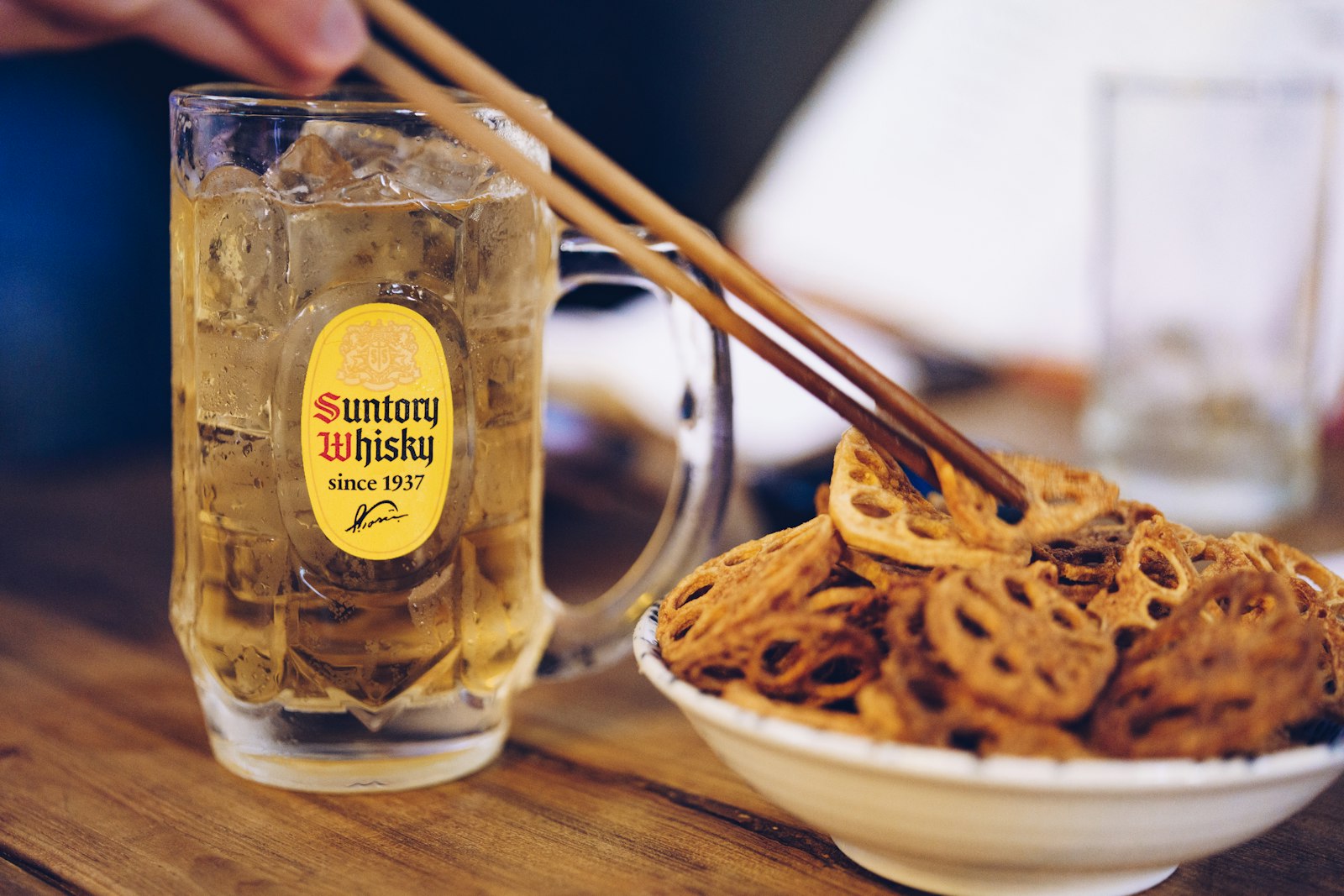
What a Night in Small Bars Costs
Because every bar sets its own prices, there is no single figure, but a realistic budget has three parts:
- Seat or table charge at each bar you enter (often a few hundred to around ¥1,500).
- Drinks, which vary widely by bar style — a simple highball bar and a craft cocktail bar can differ significantly.
- Extras, such as a drink for the master or a snack.
The key point for budgeting is that bar hopping multiplies the seat charge. Three bars in a night means three seat charges, so it often makes sense to stay for two or three drinks rather than one at each stop.
Small Bars in Tokyo: Frequently Asked Questions
Do small bars in Tokyo accept foreigners? Most do, and many in Golden Gai actively welcome visitors. A minority are members-only or prefer Japanese speakers, usually because communication is difficult for a single bartender. Respect the sign and move on.
Do I need to speak Japanese? No, but a few phrases help a lot. Bars in heavily visited areas often have someone who speaks some English.
What time should I go? Many small bars in Tokyo open in the evening and get busy after 9pm. Arriving early in the night, especially on weekdays, gives you the best chance of a seat and a conversation with the bartender.
Can I smoke inside? It depends on the bar. Look for a sign at the entrance and ask if unsure.
What do you do in Tokyo After 10?
Join our Tokyo Nightlife Private Tour
You deserve better than overpriced bars and missed opportunities. We’re here for you.
Explore Tokyo’s Smallest Bars With Someone Who Knows Them
The hardest part about small bars in Tokyo is the first door. Which bars welcome newcomers, which are only for regulars, and which master will happily walk you through the menu? Locals learn this over years. Visitors usually only have a few nights.
That’s exactly why our Tokyo After 10 nightlife private tour exists. A local guide takes you to counter bars that are happy to have international guests, handles the introductions and translation, and explains the unwritten rules as you go — so you can spend your night enjoying the bar instead of wondering whether you’re allowed in.