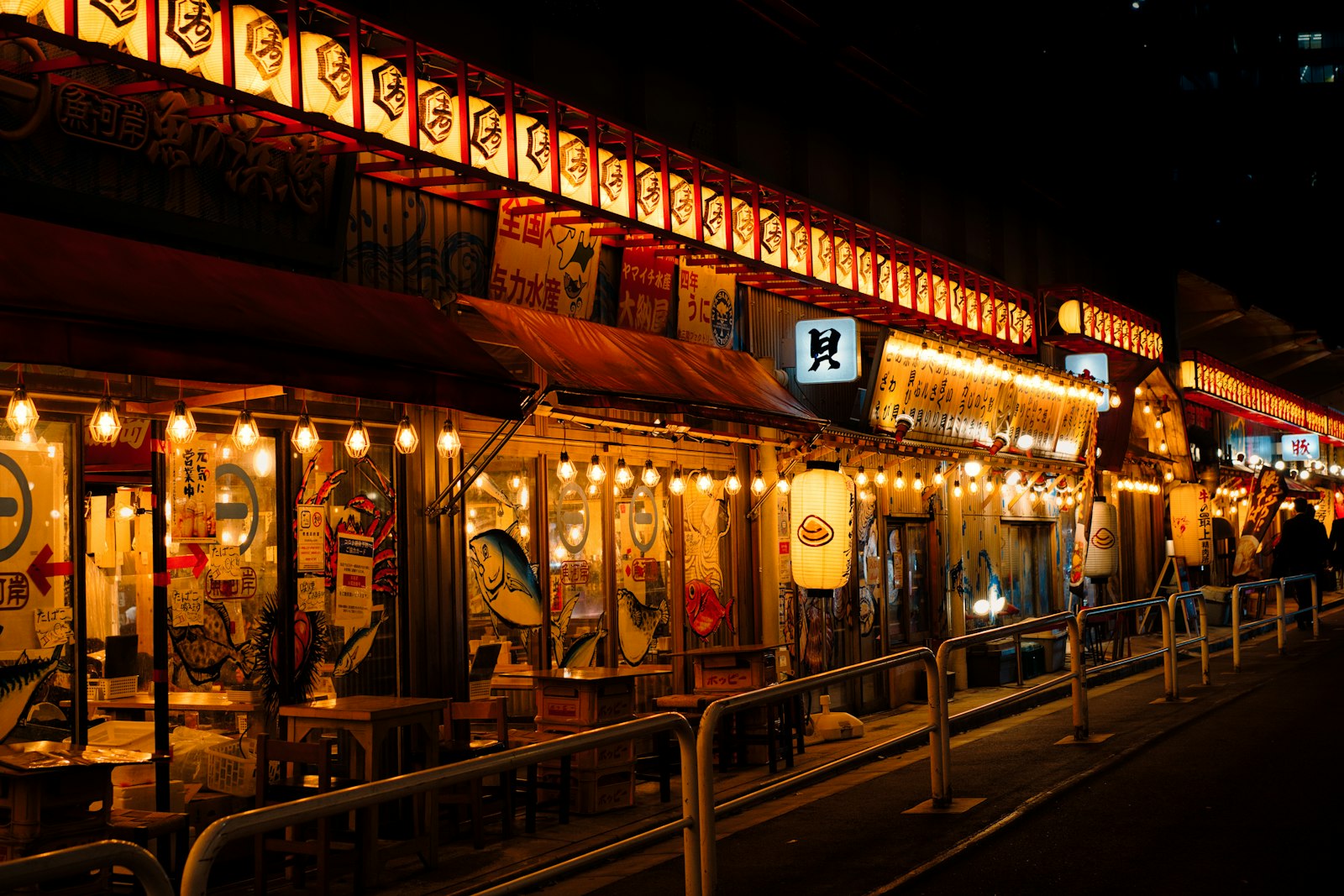
Photo by <a href="https://unsplash.com/@jasebloor?utm_source=tokyodeepnightlife&utm_medium=referral">Jase Bloor</a> on <a href="https://unsplash.com/?utm_source=tokyodeepnightlife&utm_medium=referral">Unsplash</a>
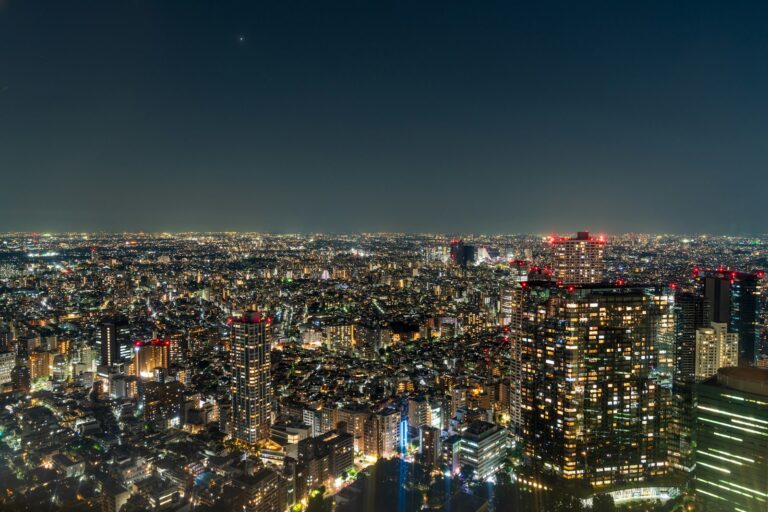
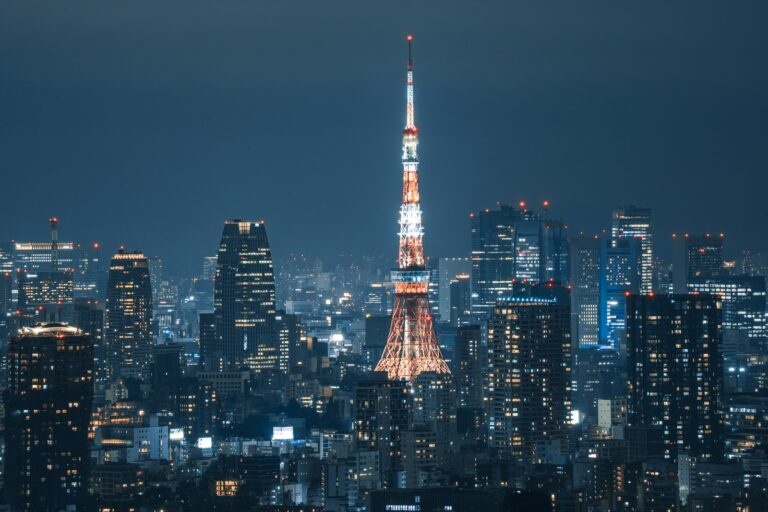
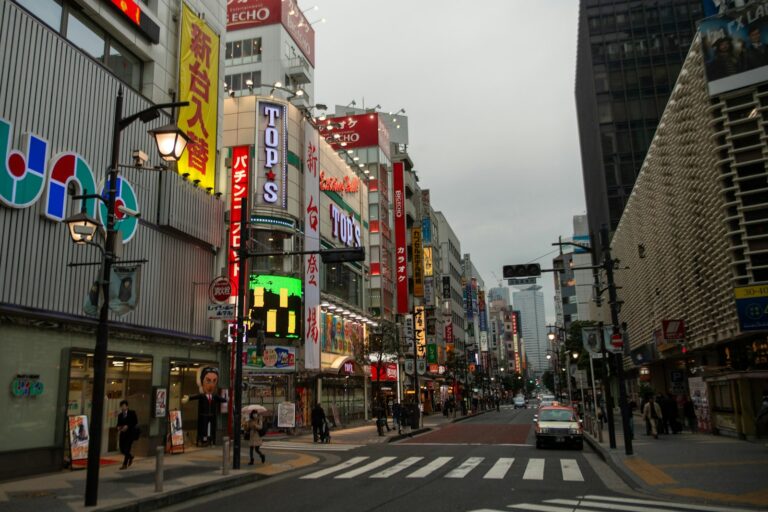
Every Tokyo nightlife guide gives you the same four names: Shinjuku, Shibuya, Roppongi and Ginza. Few of them line those districts up against each other and tell you how they actually differ. This guide does that. Here are the four big Tokyo nightlife neighborhoods compared on the things that shape your night: atmosphere, crowd, cost, how far English gets you, safety, and how late things run.
The short version: they are not interchangeable. Shinjuku is a maze of tiny bars, Shibuya is young and loud, Roppongi is international and runs late, and Ginza is quiet, polished and expensive. Pick the wrong one for your mood and you’ll spend the evening thinking the fun is happening somewhere else.
Contents
- Tokyo Nightlife Neighborhoods Compared at a Glance
- Shinjuku: The All-Rounder
- Shibuya: Young, Loud and Built Around Music
- Roppongi: The International Party District
- Ginza: Quiet, Polished and Proudly Expensive
- Head-to-Head: Which Tokyo Nightlife Neighborhood Wins?
- Which Neighborhood Fits Your Trip?
- Practical Tips That Apply in Every District
- What do you do in Tokyo After 10?Join our Tokyo Nightlife Private Tour
- Skip the Guesswork and See the Best of Each Neighborhood
- About the Author
Tokyo Nightlife Neighborhoods Compared at a Glance
Before the detail, here’s how the four districts stack up. Cost is relative ($ = cheapest, $$$$ = priciest), because a night out in any of these areas can be cheap or very expensive depending on where you sit down.
| Shinjuku | Shibuya | Roppongi | Ginza | |
|---|---|---|---|---|
| Vibe | Chaotic, layered, endlessly varied | Young, loud, music-driven | International party zone | Hushed, grown-up, refined |
| Best for | Bar hopping, tiny bars, izakaya | Clubs, live music, casual drinks | Clubbing in English, late nights | Craft cocktails, whisky, fine dining |
| Typical crowd | Everyone: salarymen, tourists, creatives | Students and twenty-somethings | Expats, tourists, business travelers | Executives, couples, serious drinkers |
| Relative cost | $–$$$ | $–$$ | $$–$$$ | $$$–$$$$ |
| English-friendliness | Mixed: good in tourist spots, limited in alleys | Moderate | High | Moderate in top bars |
| Main caution | Touts in Kabukicho | Street drinking ban, weekend crowds | Touts and drink spiking | Bills add up fast |
| Dress code | Casual | Casual to streetwear | Smart-casual for clubs | Smart; dress up |
A quick note on prices: many Tokyo bars add a seating charge or a small compulsory snack (otoshi) to the bill. It’s normal, not a scam, but it means the drink price on the menu is rarely your final cost.
Shinjuku: The All-Rounder
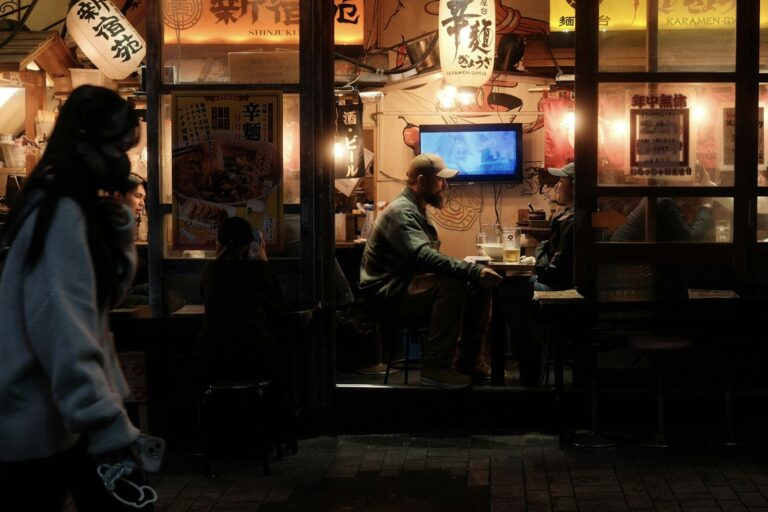
If you only have one night, Shinjuku is the safest bet. No other district packs so many kinds of nightlife into a short walk from one station. You can eat yakitori under the train tracks, drink in a bar with five seats, wander Kabukicho’s neon, and end up in Ni-chome, Tokyo’s best-known LGBTQ+ bar district, all without catching a train.
What Makes Shinjuku Different
The defining feature is scale at a tiny size. Golden Gai squeezes a remarkable number of micro-bars into six narrow lanes. GO TOKYO, the city’s official tourism site, puts the count at around 280, and other guides say 200 or more. Most hold fewer than ten people, and many open around 8pm. Some welcome tourists with English signs; others are clearly for regulars. Respect the “members only” signs and move on.
On the west side of the station, Omoide Yokocho is the smoky, standing-room counterpart: a strip of yakitori stalls and small drinking counters that fill up from early evening.
Then there’s Kabukicho: big, bright and the most photographed nightlife street in Japan. It’s fun to walk through, but it’s also where most of Shinjuku’s tout-related problems happen.
Shinjuku’s Weak Spots
Shinjuku isn’t a great clubbing area compared with Shibuya or Roppongi. It’s a bar-and-izakaya district first. And because it’s so big, first-timers often spend half the night just trying to find the “good” alley. For a deeper look, read our Shinjuku vs Shibuya nightlife comparison.
Choose Shinjuku if: you want variety, you like small bars and talking to strangers, or it’s your first night in Tokyo.
Shibuya: Young, Loud and Built Around Music
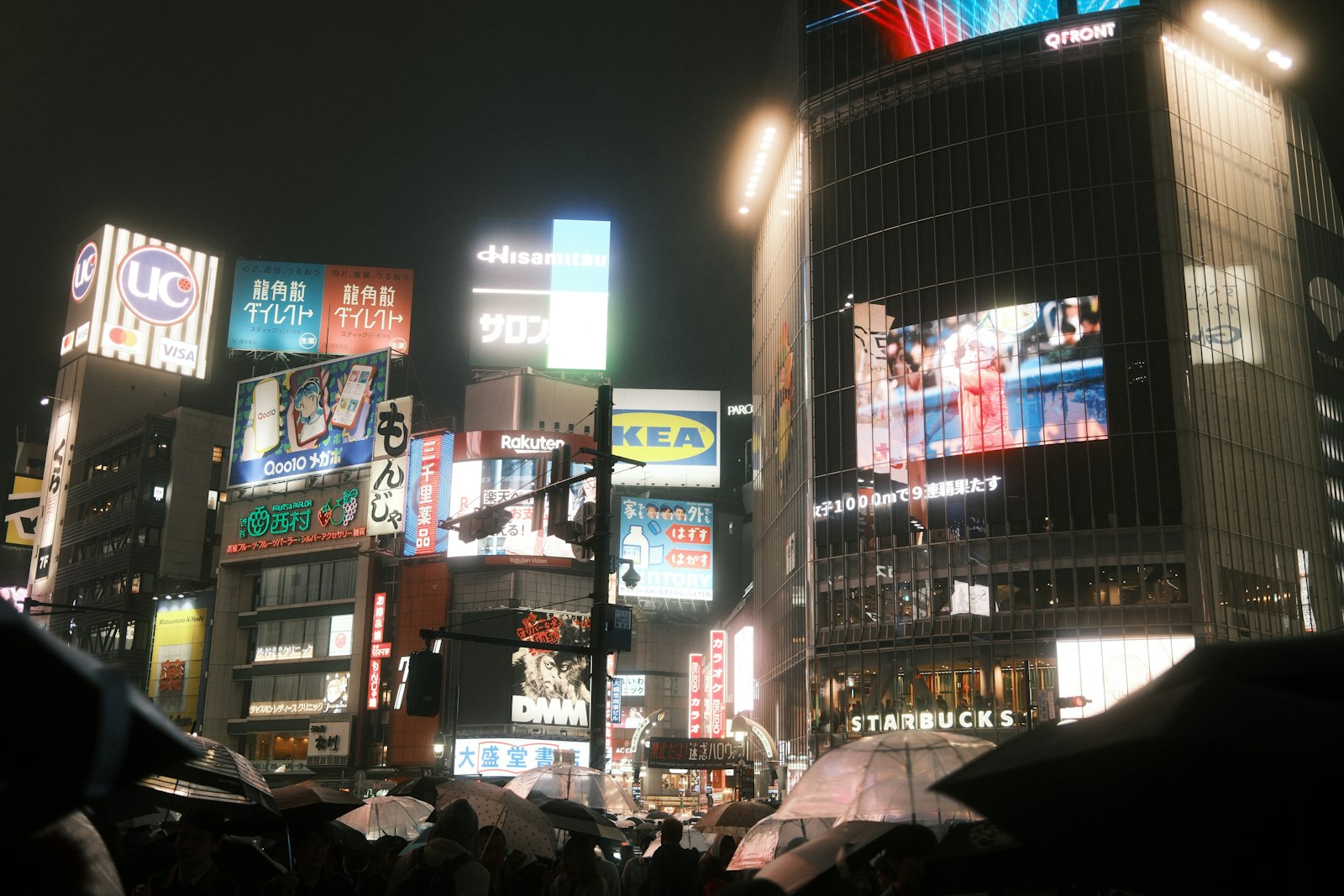
Shibuya runs on music. It’s packed with clubs, live houses, record-bar-style spots and karaoke towers, and the crowd skews noticeably younger than in Shinjuku or Ginza. On a Friday night, the area around the Scramble Crossing and Center Gai feels like a festival that never got permission.
What Makes Shibuya Different
Shibuya is the best of the four if you want to dance with a mostly Japanese crowd rather than a mostly foreign one. It also has its own pocket of old Tokyo: Nonbei Yokocho (“Drunkard’s Alley”), a post-war lane of tiny bars beside the JR tracks just a few minutes from the station. GO TOKYO lists 39 small bars and eateries there, so it’s a gentler, more compact alternative to Golden Gai.
Shibuya’s Weak Spots
Street drinking is no longer part of the Shibuya scene. Since October 2024, a ward ordinance has banned drinking on the street around Shibuya Station from 6pm to 5am every day of the year, as reported by The Japan Times. There’s no fine, but the convenience-store-beer-on-the-crossing era is over.
The crowds can also be overwhelming at weekends, and many venues are aimed at a younger, Japanese-speaking audience.
Choose Shibuya if: you’re under 35, you want to dance, or you care more about the music than the cocktail list.
Roppongi: The International Party District
Roppongi has the most international nightlife in Tokyo. For decades it’s been the go-to district for expats, embassy staff and tourists, and that shows: more English on menus, more staff who speak it, and a club scene used to foreign guests. If you want to go out without worrying about the language barrier, Roppongi makes it easy.
What Makes Roppongi Different
Roppongi has two sides. Around the main crossing, it’s loud, late and club-heavy. A few blocks away, around Roppongi Hills, Tokyo Midtown and the quieter streets toward Nishi-Azabu, you’ll find calmer cocktail bars and upscale restaurants. Plenty of visitors never leave the main strip and miss the better half of the neighborhood. Our Roppongi nightlife guide maps out both.
Roppongi’s Weak Spots
Roppongi’s reputation comes with real caveats. The U.S. Embassy in Tokyo has repeatedly warned visitors about drink spiking and credit-card overcharging in Roppongi and Kabukicho, and street touts are a constant presence on the main strip. The rules are simple:
- Never follow a tout into a bar, however good the deal sounds.
- Don’t accept drinks from strangers or leave your glass unattended.
- Check prices and charges before you order, and keep an eye on your card.
Roppongi is also more expensive on average than Shinjuku or Shibuya, with club entry and drink prices to match.
Choose Roppongi if: you want to party in English, you’re traveling with an international group, or you want the latest-running club scene.
Looking for Adult Entertainment Services in Tokyo? Download this
I’ve spent over a decade exploring and studying Japan’s adult entertainment scene firsthand. If you’d like detailed insider information—including how to choose the right shop, what services are available, and tips for avoiding common mistakes—check out our exclusive E-book.
Ginza: Quiet, Polished and Proudly Expensive
Ginza is the opposite of Kabukicho. By day it’s Tokyo’s luxury shopping district; at night, it becomes a grown-up world of cocktail bars, whisky bars, sushi counters and members-only clubs, many hidden on the upper floors of plain-looking buildings.
What Makes Ginza Different
Ginza is where Japanese bartending is taken most seriously. Star Bar Ginza, a basement bar run by Hisashi Kishi, a former international cocktail champion, is famous for precise classic cocktails, especially its Sidecar. It’s the kind of place where you sit at the counter, keep your voice down and watch the craft. For more spots like it, see our guide to Ginza bars at night.
Ginza also has a cheaper edge. Corridor Gai (Korido-gai), which runs alongside the JR tracks toward Shimbashi, is lined with izakaya and bars full of office workers on weekday evenings, and the under-the-tracks pubs around Yurakucho are some of the most atmospheric in the city.
Ginza’s Weak Spots
Ginza is the priciest of the four, and many high-end bars expect guests to dress the part. It also winds down earlier. It’s a district for a long dinner and two perfect drinks, not for dancing until dawn.
Choose Ginza if: you value quality over quantity, you’re on a date or a business trip, or you want to see Japanese bartending at its best.
Head-to-Head: Which Tokyo Nightlife Neighborhood Wins?
Comparing Tokyo nightlife neighborhoods one pair at a time makes the choice easier. Here’s how the most common match-ups play out:
- Shinjuku vs Shibuya: Shinjuku for bars and variety; Shibuya for clubs and a younger crowd. If you can’t decide, they’re only a few minutes apart on the JR Yamanote Line, so do both.
- Roppongi vs Shibuya: Both are big clubbing areas. Roppongi is more international and English-friendly; Shibuya is more local and generally cheaper.
- Ginza vs Roppongi: Both cater to people with money to spend. Ginza is about quiet craft and tradition; Roppongi is about energy and late nights.
- Shinjuku vs Ginza: Shinjuku is a dozen cheap rounds in a dozen tiny bars. Ginza is two excellent drinks in one beautiful room.
Which Neighborhood Fits Your Trip?
With the four Tokyo nightlife neighborhoods compared side by side, the best one depends on who you are and what you want from the night:
- First-time visitor: Shinjuku. It has a bit of everything, and it’s easy to reach from most hotels.
- Solo traveler: Shinjuku’s Golden Gai, where small bars make conversation easy.
- Couple: Ginza for a refined night, or Shibuya’s Nonbei Yokocho for something more relaxed.
- Group of friends: Shibuya or Roppongi, depending on whether you want a local or an international crowd.
- Business traveler: Ginza, which is close to Tokyo Station and full of quiet bars that are good for conversation.
- Night owl: Roppongi or Shibuya, where clubs keep going after the trains stop.
If you’re still torn, our ranking of the best neighborhoods for nightlife in Tokyo adds smaller districts like Shimokitazawa, Ebisu and Ueno.
Practical Tips That Apply in Every District
Whichever neighborhood you choose, a few rules hold across the city:
- Watch the last train. Most Tokyo trains stop running around midnight. After that, it’s a taxi or staying out until the first trains around 5am.
- Carry cash. Many small bars, especially in Golden Gai and the yokocho alleys, are cash-only.
- Expect cover charges. Seat charges and otoshi snacks are standard, so budget for them.
- Ignore touts everywhere. This is the most important tip on this list, not only for Roppongi and Kabukicho.
- Be polite in small bars. Order a drink per person, don’t overstay at busy times, and ask before taking photos.
What do you do in Tokyo After 10?
Join our Tokyo Nightlife Private Tour
You deserve better than overpriced bars and missed opportunities. We’re here for you.
Skip the Guesswork and See the Best of Each Neighborhood
Seeing these Tokyo nightlife neighborhoods compared on paper only helps so much. The best bars in each district are often up an unmarked staircase, behind an unlabeled door or in an alley that Google Maps barely shows. Knowing which ones welcome foreigners, and which to avoid, takes years of going out in this city.
That’s why we created Tokyo After 10, our private nightlife tour. A local guide takes you through the tiny bars, standing counters and late-night spots that match your mood, handles the Japanese and the house rules, and keeps you away from the tourist traps. You get the best of Tokyo after dark without wasting a night on the wrong street.