Photo by <a href="https://unsplash.com/@adalivisuals?utm_source=tokyodeepnightlife&utm_medium=referral">Manuel Velasquez</a> on <a href="https://unsplash.com/?utm_source=tokyodeepnightlife&utm_medium=referral">Unsplash</a>
If you have one night in Tokyo and you’re staring at a map trying to decide between two stations four kilometres apart, here’s the thing nobody tells you: the Shinjuku vs Shibuya nightlife question isn’t about which district is “better.” It’s about what kind of night you actually want, and how you feel about not understanding what’s happening around you.
Both are genuinely world-class. Both will be busy on a Tuesday. The difference is in texture — how loud, how young, how deep, how much of a hand you need held. Get that match right and you’ll have the night you came to Tokyo for. Get it wrong and you’ll spend three hours wandering past bars you were too unsure to enter.
Contents
- The Short Answer on Shinjuku vs Shibuya Nightlife
- Shinjuku Nightlife: Density and the Deep End
- Shibuya Nightlife: Clubs, a Younger Crowd, and a Softer Landing
- Head-to-Head: Shinjuku vs Shibuya Nightlife Compared
- What a Night Actually Costs
- Roppongi vs Shinjuku Nightlife: Where the Third Option Fits
- Getting Home: The Last Train Problem
- Safety: What to Watch For in Each District
- So Which One Should You Pick?
- What do you do in Tokyo After 10?Join our Tokyo Nightlife Private Tour
- Skip the Guesswork
- About the Author
The Short Answer on Shinjuku vs Shibuya Nightlife
Pick Shibuya if you’re in your twenties, you want clubs and DJs, you’d rather be around an international crowd, and you want a night that’s easy to figure out on your own.
Pick Shinjuku if you want range — a ¥1,000 standing bar, a six-seat dive, a jazz basement and a hostess club all within a ten-minute walk — and you don’t mind that some doors won’t open for you.
Pick Roppongi if English service and predictability matter more to you than atmosphere. More on that below.
Now the detail, because the short answer glosses over the parts that actually decide your night.
Shinjuku Nightlife: Density and the Deep End
Shinjuku’s advantage is sheer variety packed into walkable ground. Within about fifteen minutes on foot you move through four completely different drinking cultures.
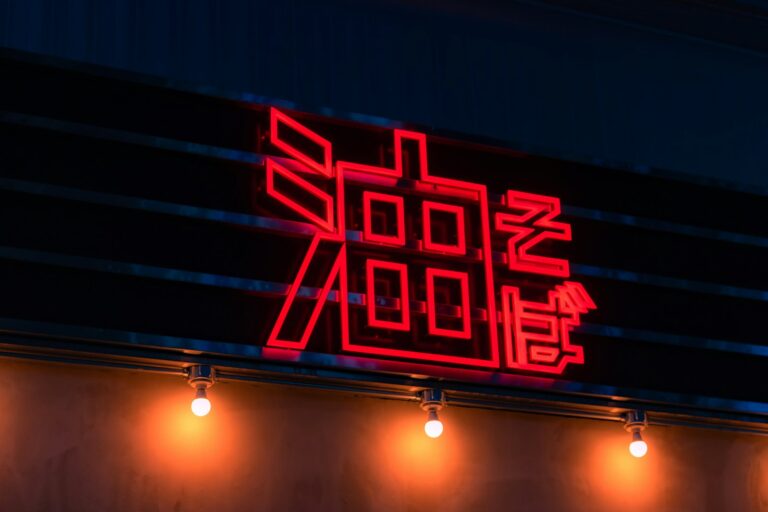
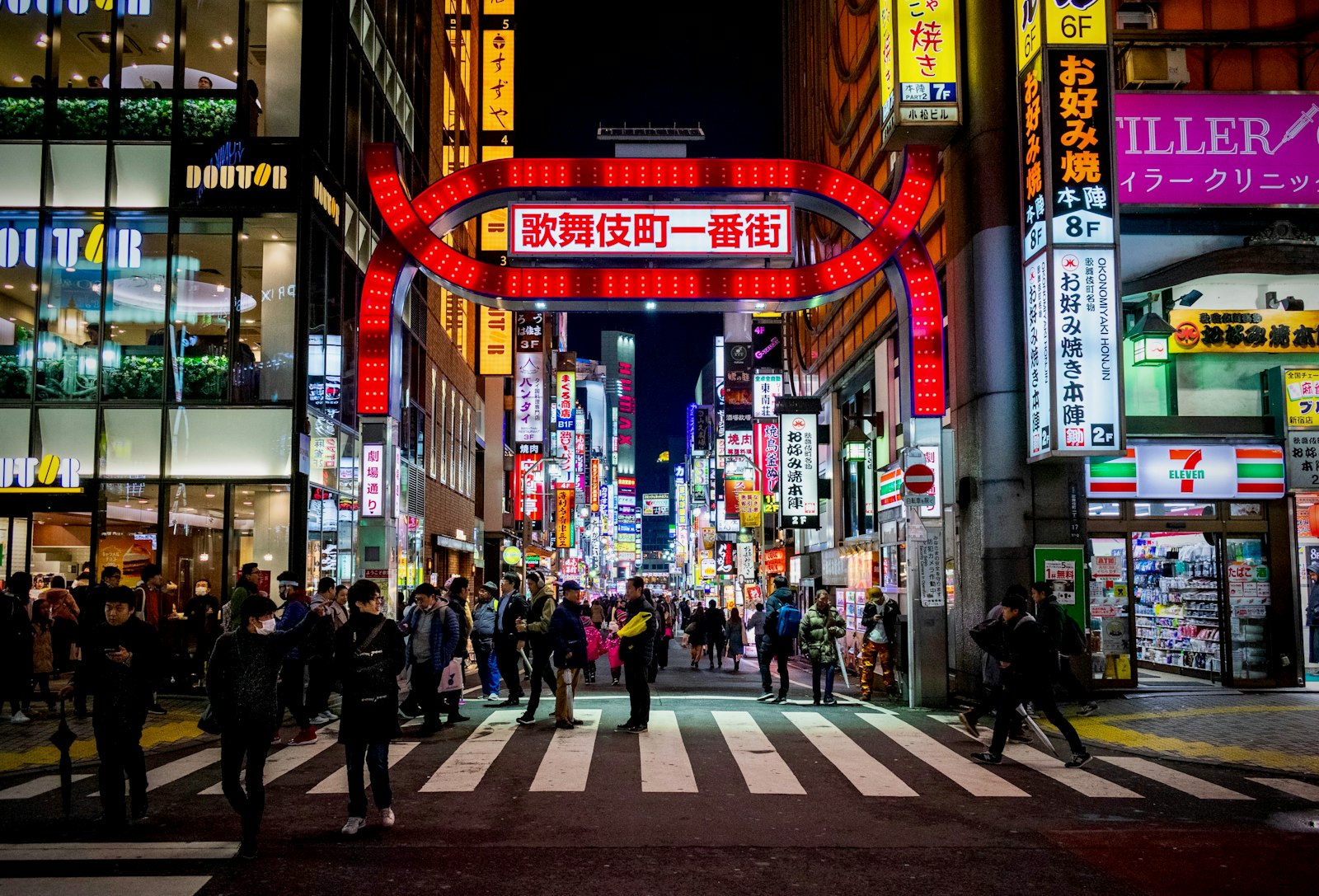
Kabukicho is the headline act — Japan’s largest entertainment district, dense with izakaya, karaoke towers, game centres, host and hostess clubs, and a lot of neon competing for your attention. It’s also where the most tourist-targeted hustle happens, which we’ll get to.
Golden Gai is the one you’ve seen on Instagram: roughly 200 shoebox bars stacked across six narrow lanes, most seating six to ten people. This is where the Shinjuku experience gets misunderstood. Many Golden Gai bars charge a cover — commonly ¥500–¥1,500 per person, sometimes ¥2,000 at the better-known spots — and that fee is normal, not a scam. It’s how a bar with eight seats stays open. Check the sign at the door before you sit down; more bars now post the charge in English. Bring cash: most are still cash-only.
The other Golden Gai truth: not every bar wants you. Some post “regulars only” or “no tourists.” That isn’t personal — it’s a 60-year-old bar protecting a room where everyone knows each other. Read the door, and if it’s closed to you, walk twenty steps to the next one.
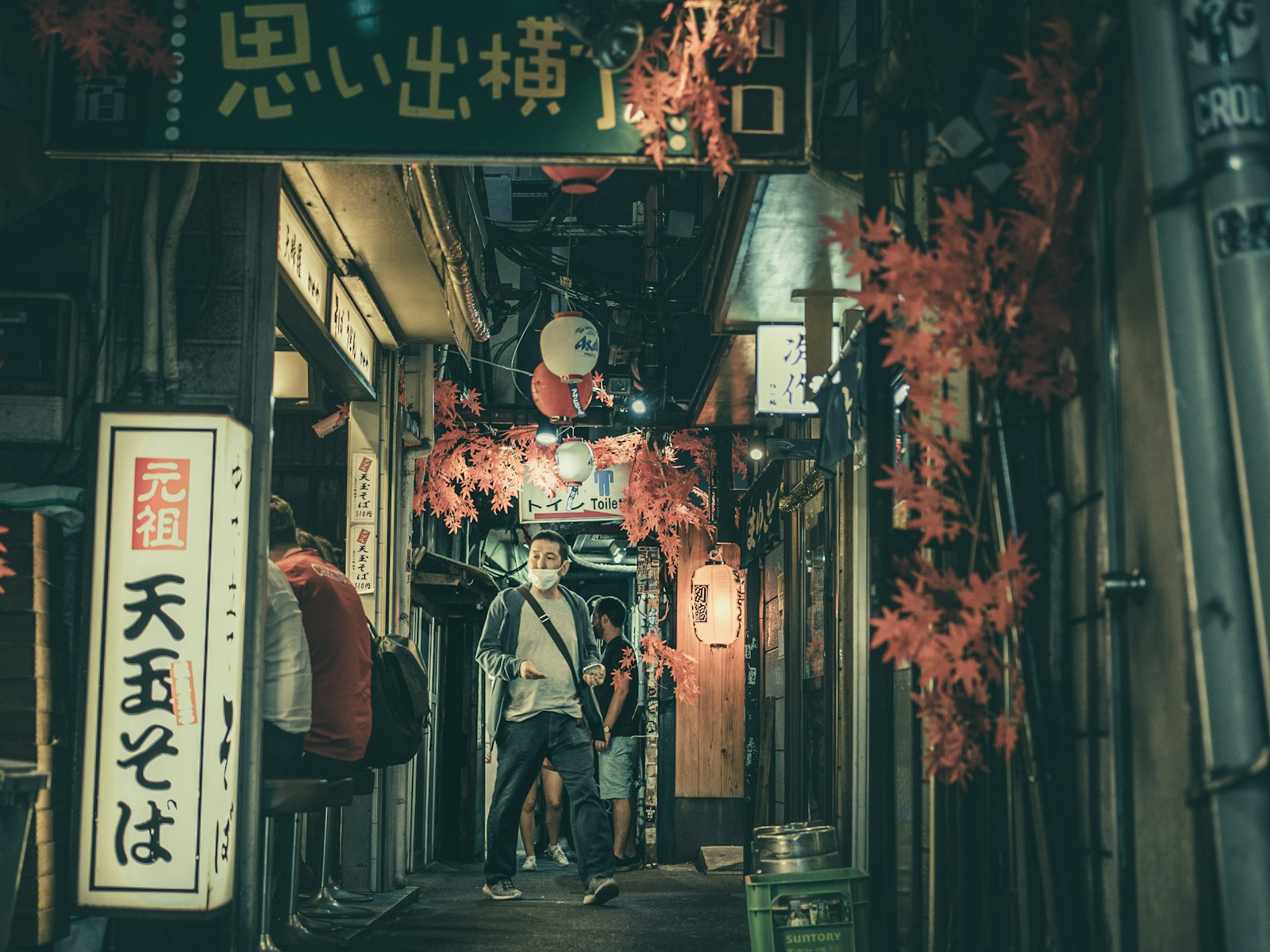
Omoide Yokocho — “Memory Lane,” about 60 tiny stalls of yakitori smoke and highballs under the train tracks — is the low-commitment version. Stand, eat three skewers, drink, move on.
Shinjuku Ni-chome is Tokyo’s LGBTQ+ nightlife district and one of the densest in the world. It’s welcoming, it’s fun, and it stays up very late.
That’s Shinjuku’s real pitch: on a single night you can do cheap-and-loud, tiny-and-intimate, and deeply weird without ever getting on a train. For a fuller breakdown of the area, our Shinjuku nightlife guide walks through each pocket in detail.
The trade-off is friction. Shinjuku is less pre-packaged for visitors. English menus are common but not guaranteed. You will occasionally get politely turned away. If that sounds like an adventure, this is your district. If it sounds like a bad evening, keep reading.
Shibuya Nightlife: Clubs, a Younger Crowd, and a Softer Landing
Shibuya skews younger and louder, and it’s built around music in a way Shinjuku isn’t.
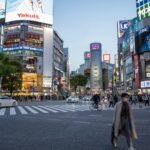
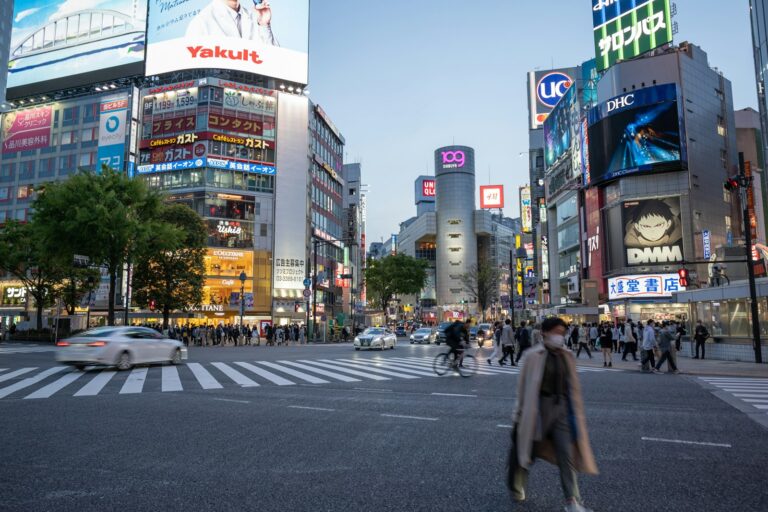
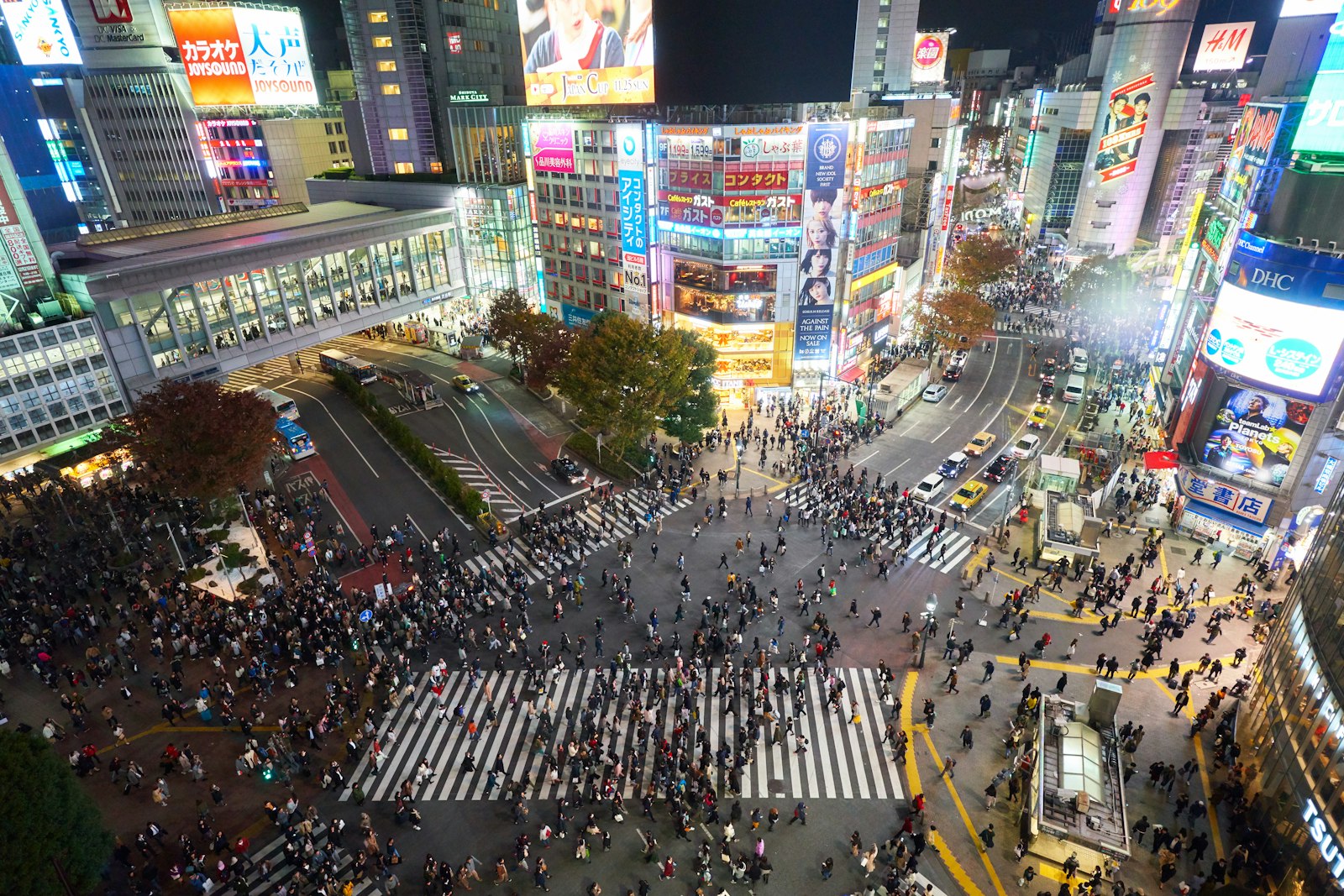
Dogenzaka, the hill running up from the Scramble Crossing, is the club district. WOMB is the long-running landmark — a multi-floor venue that runs late, typically closing around 4:30am. Door prices there commonly land in the ¥3,000–¥5,000 range depending on the lineup, with advance tickets usually cheaper than paying at the door. That pricing is fairly representative of Shibuya’s bigger clubs, though anything with a touring international DJ goes higher.
Center-Gai is the chaotic pedestrian spine — chain izakaya, cheap eats, convenience stores, and a lot of people in their early twenties. It’s not sophisticated. It’s not trying to be.
Nonbei Yokocho (“Drunkard’s Alley”) is Shibuya’s answer to Golden Gai, and it’s underrated. An alley barely two metres wide with around 40 bars, most seating four to eight people, most opening around 6pm. Because it’s smaller and less famous than its Shinjuku rival, you’re more likely to end up genuinely talking to the person next to you.
Shibuya Yokocho at Miyashita Park is the modern, frictionless option — a regional-food alley on the ground floor of the mall, a three-minute walk north of the station, open from late morning until late night. English menus, card payment, no mystery. It’s the safest first stop in Tokyo if you’re nervous.
Shibuya’s real advantage is the on-ramp. You can have a great night here on your first evening in Japan without doing homework. Our Shibuya nightlife guide covers the specific streets worth your time.
The trade-off: less depth. Shibuya has fewer of the strange, tiny, decades-old rooms that make Tokyo drinking culture what it is, and it thins out faster once you leave the club circuit.
Head-to-Head: Shinjuku vs Shibuya Nightlife Compared
| Shinjuku | Shibuya | |
|---|---|---|
| Crowd | Wide age range, more locals and salarymen | Skews under 30, heavily international |
| Signature scene | Tiny bars, yokocho alleys, deep nightlife | Clubs and DJ nights |
| Ease for first-timers | Moderate — some doors won’t open | Easy — most venues expect visitors |
| Variety | Exceptional | Good but narrower |
| Late-night options | More 24-hour spots and after-hours choices | Strong until club close, then quiet |
| Transport | About 12 lines through Shinjuku Station | About 9 lines through Shibuya Station |
| Where it gets risky | Kabukicho touts | Dogenzaka touts, drink-spiking reports |
What a Night Actually Costs
Budget is where the Shinjuku vs Shibuya nightlife decision gets concrete. Rough, realistic numbers for one person:
A Shinjuku bar-hopping night: ¥8,000–¥12,000. Three bars, cover charges included, two drinks each. Add food at a yokocho stall and you’re around ¥10,000. You can do it for ¥5,000 if you stick to standing bars and skip the cover-charge places entirely.
A Shibuya club night: ¥8,000–¥15,000. Entry ¥3,000–¥5,000, drinks ¥800–¥1,200 each inside, plus whatever you spend before you go in. Buy the advance ticket — it’s usually about ¥1,000 cheaper and it guarantees you get through the door on a busy night.
Two budget notes that catch people out. First, cash. Golden Gai, Nonbei Yokocho and most small bars in both districts are still cash-only in 2026 — pull out ¥15,000–¥20,000 before you start. Second, the ride home, which we’ll cover in a moment, can easily add ¥3,000 to your night.
Legal drinking age in Japan is 20, and clubs will check ID — bring your passport, not a photo of it.
Looking for Adult Entertainment Services in Tokyo? Download this
I’ve spent over a decade exploring and studying Japan’s adult entertainment scene firsthand. If you’d like detailed insider information—including how to choose the right shop, what services are available, and tips for avoiding common mistakes—check out our exclusive E-book.
Roppongi vs Shinjuku Nightlife: Where the Third Option Fits
The Roppongi vs Shinjuku nightlife comparison is a different question from Shinjuku vs Shibuya, because Roppongi isn’t competing on atmosphere — it’s competing on ease.
Roppongi is Tokyo’s most international nightlife district. English is spoken almost everywhere, door policies are relaxed, and most organised pub crawls run from here for exactly that reason. If you’re travelling solo, don’t speak any Japanese, and want a night where nothing is confusing, Roppongi genuinely delivers.
But you’re trading away the thing that makes Tokyo nightlife distinctive. Roppongi feels like an international nightlife district that happens to be in Japan; Shinjuku feels like Japan. The music scene doesn’t match Shibuya’s, and the atmosphere doesn’t match Shinjuku’s.
Roppongi also carries the highest concentration of the tout problem. Street promoters who speak good English approach solo travellers and small groups near the main crossing and steer them toward specific bars. Foreign governments — including the UK’s Foreign, Commonwealth & Development Office in its Japan travel advice — have repeatedly flagged drink-spiking and inflated-bill incidents in a small number of Roppongi and Kabukicho venues.
That’s a small number of venues, not the district. Hotel bars, the clubs inside Roppongi Hills and Tokyo Midtown, and established venues carry essentially none of this risk. Our Roppongi nightlife guide covers which places are worth the trip.
The honest ranking: Shinjuku for depth, Shibuya for music and energy, Roppongi for ease.
Getting Home: The Last Train Problem
This decides more nights than people expect. Last trains from major Tokyo hubs including Shinjuku and Shibuya generally run somewhere between 11:30pm and 12:30am — earlier than most visitors assume, and the exact time depends on your line and direction. Check your specific route before you go out.
Miss it and your options are a taxi, an all-night venue, or a capsule hotel. A taxi between Shibuya and Shinjuku is only about 4km and runs roughly ¥2,500–¥3,500 late at night — late-night fares carry about a 20% surcharge between 10pm and 5am. Use the GO app; S.RIDE and Uber also work across the 23 wards, and after last train the queues at street-side ranks in both districts get long.
This is where Shinjuku has a structural edge. It has more 24-hour venues, more karaoke boxes that will happily hold you until 5am, and more train lines to get you out in the morning. In Shibuya, once the clubs close at 4:30am you’re waiting for the first train with everyone else.
Practical move: decide before your second drink whether you’re catching the last train or staying out until the first one. The expensive nights are the ones spent hovering in between.
Safety: What to Watch For in Each District
Tokyo is one of the safest large cities in the world, and both districts are safe to walk at night. The risk here is commercial, not physical.
The one rule that prevents almost every bad story: never follow a tout into a venue. Not in Kabukicho, not on Dogenzaka, not in Roppongi. If someone approaches you on the street offering a bar, a club, or a girls bar, keep walking. Legitimate bars in Tokyo do not need to recruit you from the pavement.
Beyond that: check the posted charges before you sit, pay as you go rather than running a tab, keep an eye on your card, and don’t leave a drink unattended. A 2026 travel alert flagged drink-spiking and card-fraud incidents concentrated in Kabukicho, Roppongi, Shibuya and Ikebukuro — all four of Tokyo’s busiest nightlife zones.
None of this should scare you off. It’s the same short list of precautions you’d take in any major city’s nightlife district. If you want the detail, our Tokyo nightlife scams and safety guide breaks down exactly how the common setups work. For general trip planning and official visitor information, the Japan National Tourism Organization is the reliable starting point.
So Which One Should You Pick?
Boiled down, Shinjuku vs Shibuya nightlife comes down to three questions: how old is your group, how much friction can you tolerate, and what time are you going home?
Choose Shibuya if you are: under 30, into club music, travelling with friends, on your first night in Tokyo, or nervous about language. It’s the easier, louder, more forgiving option.
Choose Shinjuku if you are: curious about how Japanese people actually drink, comfortable improvising, interested in tiny bars over big rooms, planning to stay out past the last train, or on your second or third visit to Tokyo.
Choose Roppongi if you are: solo, want guaranteed English, and value predictability over character.
And if you have two nights? Do Shibuya first and Shinjuku second. Shibuya gives you your footing; Shinjuku rewards you once you have it. Doing it in the other order tends to make Shibuya feel thin.
What do you do in Tokyo After 10?
Join our Tokyo Nightlife Private Tour
You deserve better than overpriced bars and missed opportunities. We’re here for you.
Skip the Guesswork
Here’s the part that’s hard to solve from a blog post. The best rooms in Shinjuku are six-seat bars with no English sign, no website, and an owner who decides at the door whether tonight is a night for strangers. You can’t research your way in. You either know someone, or you don’t.
That’s the entire reason guided nightlife exists in this city — not to walk you between landmarks, but to open doors that don’t open on their own and to translate the ten seconds of conversation that turns a bar from awkward into your best night in Japan.
If you’d rather spend your night drinking than deciphering, our Tokyo After 10 nightlife tour takes small groups through the bars local guides actually drink in — across Shinjuku, Shibuya and beyond — with someone who can read the room, the menu, and the door sign.
Either way: bring cash, check your last train, and ignore anyone who approaches you on the street. Do those three things and both districts will treat you well.