

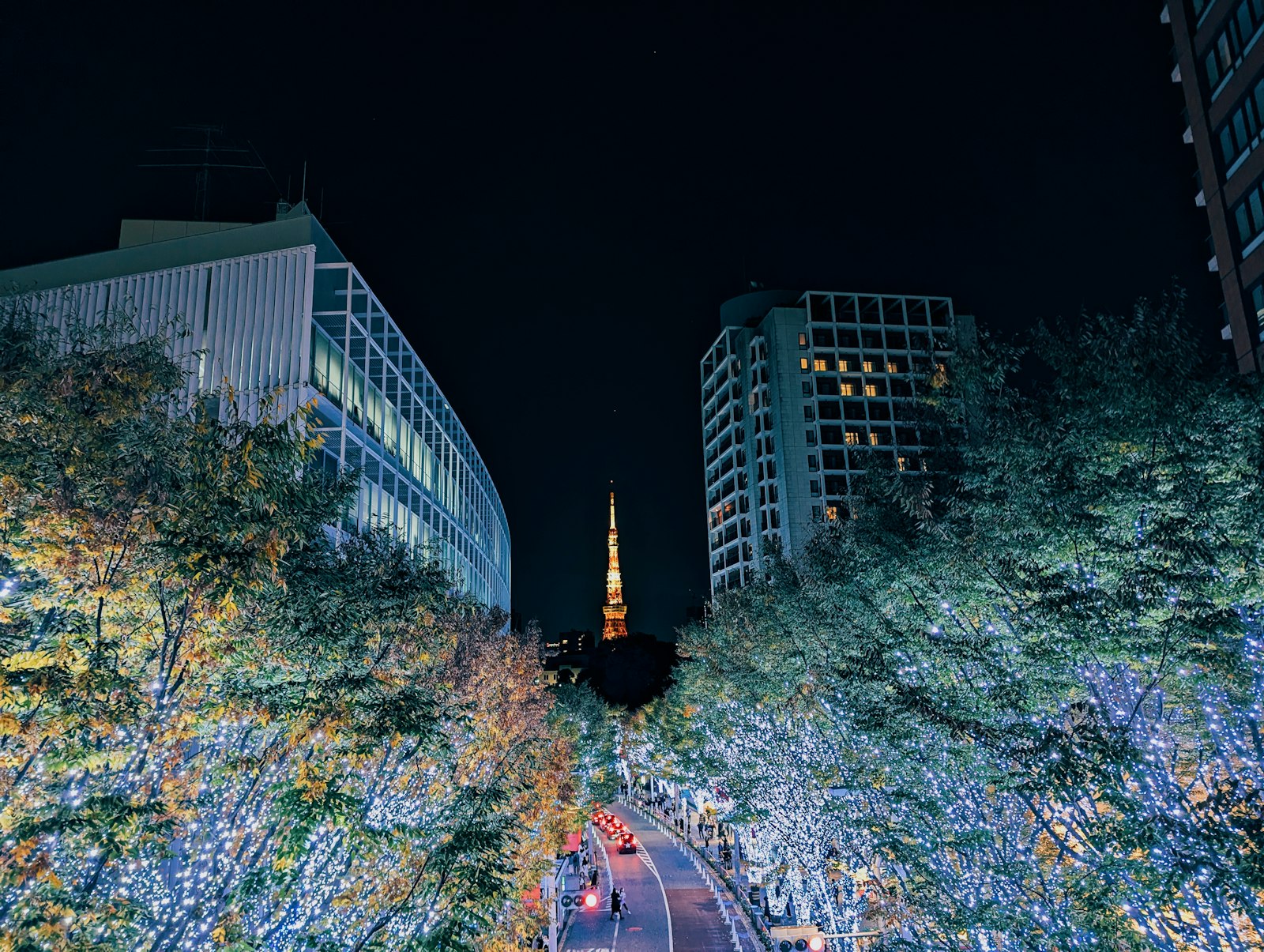
Photo by <a href="https://unsplash.com/@notethanun?utm_source=tokyodeepnightlife&utm_medium=referral">note thanun</a> on <a href="https://unsplash.com/?utm_source=tokyodeepnightlife&utm_medium=referral">Unsplash</a>
Most winter guides to Tokyo stop at the lights. They tell you where the illuminations are, then leave you standing on a cold street at 7 pm wondering what’s next. That’s the part locals have figured out. Tokyo nightlife in winter works best as a pair: an hour walking under the trees, then a warm counter, a pot of oden and a drink that’s served hot.
Tokyo winters are dry and mostly sunny, but the nights get cold, often only a few degrees above freezing. That changes how the city goes out, and it shapes Tokyo nightlife in winter more than anything else. Izakaya fill up earlier, steam fogs the windows of yakitori stalls, and hot sake and oden become the default order.
This guide pairs Tokyo’s best-known winter illuminations with a warm place to eat and drink nearby. You get five walkable routes, what to order once you’re inside, and a few practical tips that most guides skip.
Contents
- Why Tokyo Nightlife in Winter Is Underrated
- Tokyo Winter Illuminations: The Basics
- 5 Winter Night Routes: Illuminations Paired with Warm Izakaya
- 1. Marunouchi Illumination → Drinks Under the Tracks at Yurakucho
- 2. Yebisu Garden Place → Ebisu Yokocho
- 3. Roppongi Hills and Tokyo Midtown → Oden in the Midtown Basement
- 4. Shinjuku South Exit → Omoide Yokocho
- 5. Asakusa and Skytree → Old-School Oden and Hoppy Street
- Looking for Adult Entertainment Services in Tokyo? Download this
- What to Eat and Drink on a Winter Night in Tokyo
- Practical Tips for Tokyo in Winter at Night
- Is Tokyo Nightlife Good in Winter?
- What do you do in Tokyo After 10?Join our Tokyo Nightlife Private Tour
- Skip the Guesswork: See Tokyo’s Winter Nights with a Local
- About the Author
Why Tokyo Nightlife in Winter Is Underrated
Summer gets the festivals and fireworks. Spring gets the cherry blossoms. Winter, roughly December to February, quietly has some of the best evenings of the year, yet Tokyo nightlife in winter rarely gets its own guide.
Here’s why it’s worth planning around:
- The lights are free. Almost every major illumination in central Tokyo costs nothing to walk through.
- It gets dark early. Sunset comes before 5 pm in December, so the lights are on before dinner and you don’t have to stay out late to see them.
- Food is at its seasonal best. Winter is the season for oden, hot pot (nabe) and warm sake, and Tokyo’s small drinking alleys are built for exactly this kind of eating.
- Skies are clear. Winter is Tokyo’s driest season, which means crisp night views and few rained-out plans.
The trade-off is the cold. The trick is to structure your night so you’re never outside for too long: lights first, then indoors, then maybe a second stop.
Tokyo Winter Illuminations: The Basics
Winter illuminations in Tokyo usually switch on in November and run until Christmas. Some continue into February or early March. Most light up from late afternoon until around 11 pm.
A few things to know before you go:
- Dates change every year. As of late September 2026, most venues haven’t announced their 2026–27 schedules. The dates in this guide come from the 2025–26 season and are meant as a guide to the usual pattern. Check the official sites before you go.
- Christmas is the peak. Many displays, especially in Roppongi, end on December 25. After that, the list gets shorter.
- Weekend evenings are crowded. If you can, go on a weeknight, or right after the lights come on.
For an up-to-date list, the city’s official guide, GO TOKYO’s Winter Illumination Guide, is the best place to check once the new season is announced.
5 Winter Night Routes: Illuminations Paired with Warm Izakaya
Each route below starts with lights and ends at a warm table within walking distance. Think of them as ready-made plans for Tokyo nightlife in winter. Walk the lights first while you’re still warm from the train, then head indoors.
1. Marunouchi Illumination → Drinks Under the Tracks at Yurakucho
The lights: Marunouchi Naka-dori, the tree-lined street running from the Tokyo Station area toward Yurakucho, is wrapped in champagne-gold LEDs every winter. In the 2025–26 season, Metropolis Japan reported around 820,000 lights on more than 340 trees, running from mid-November to February 15. It’s one of the longest-running displays in Tokyo, so it’s a safe pick for a January or February trip.
The warm-up: Walk south along Naka-dori and you end up at Yurakucho, where izakaya are tucked into the brick arches under the elevated train tracks. Trains rumble overhead, grills smoke at the entrance and salarymen crowd around small tables with their coats still on. It’s the opposite of Marunouchi’s polished avenues, just a few minutes away. Our guide to Yurakucho’s gado-shita bars under the tracks covers how to pick a spot and what to order.
Why it works in winter: The walk is short and flat, and the lights end right where the izakaya begin.
2. Yebisu Garden Place → Ebisu Yokocho
The lights: Yebisu Garden Place is known for its Baccarat chandelier, a huge crystal piece displayed outdoors each winter, alongside a 10-meter Christmas tree. In the 2025–26 season, the illumination ran from November 8 to March 1, from 4 pm to 11 pm, according to Japan Guide. That makes it one of the few big displays still on in late February.
The warm-up: From the Garden Place, walk back toward Ebisu Station to Ebisu Yokocho, a covered alley of small pubs about two minutes from the JR East Exit (1-7-4 Ebisu, Shibuya). According to GO TOKYO, it’s packed with yakitori stalls, oden counters, seafood-focused bars and wine bars under red aka-chochin lanterns.
Because it’s covered, Ebisu Yokocho stays surprisingly warm even on a cold night. Seating is shared and close together, so it’s easy to strike up a conversation with the next table.
Why it works in winter: It’s Tokyo nightlife in winter at its simplest: a complete night in one neighborhood, and the covered alley means you’re out of the wind.
3. Roppongi Hills and Tokyo Midtown → Oden in the Midtown Basement
The lights: Roppongi has two of Tokyo’s most photographed displays. Keyakizaka Street at Roppongi Hills is lined with blue-and-white LEDs, with Tokyo Tower in the background. A short walk away, Tokyo Midtown lights up its garden with gold lights and runs a Christmas market and an outdoor ice rink. In 2025, both ran from early-to-mid November until December 25, roughly 5 pm to 11 pm.
The warm-up: Tokyo Midtown has a winter-appropriate option right in the building. GO TOKYO lists Kayanoya Dashioden on the B1 floor of the Midtown Galleria, the Fukuoka dashi brand’s first oden restaurant. The broth uses konbu, bonito, shiitake and grilled flying fish (ago). It’s a refined take on oden and an easy first try for visitors.
If you’d rather keep going after dinner, Roppongi is one of Tokyo’s most international late-night areas, with bars and clubs running well past the last train.
Why it works in winter: Two major displays and a hot dinner in one area, and much of the night is spent indoors.
4. Shinjuku South Exit → Omoide Yokocho
The lights: The Minamilumi illumination lights up the area around the South Exit of Shinjuku Station, connecting several shopping complexes. In 2025–26 it ran from November 12 to February 15. It’s not the grandest display in Tokyo, but it’s right on the way to one of the city’s most atmospheric drinking alleys.
The warm-up: Cross to the west side of the station and you’re at Omoide Yokocho, a narrow lane of tiny yakitori counters. In winter, the smoke from the grills and the heat of a packed counter make the tiny shops feel even cozier. Most places seat fewer than ten people, so be ready to squeeze in. Our Omoide Yokocho guide explains how the alley works and where first-timers should start.
Why it works in winter: Shinjuku gives you the most options after dinner, from Golden Gai’s tiny bars to karaoke, so you can keep the night going without another train ride.
5. Asakusa and Skytree → Old-School Oden and Hoppy Street
The lights: Tokyo Skytree Town usually runs a winter Christmas event with illuminated plazas and a Christmas market, and Senso-ji’s lit-up gates are worth seeing after dark in any season.
The warm-up: Asakusa is where old Tokyo’s winter food feels most at home. Asakusa Oden Otafuku opened in 1915 and is one of the city’s oldest oden restaurants, according to GO TOKYO. It simmers around 30 oden ingredients in a konbu and bonito broth and has appeared in Michelin’s Bib Gourmand.
For something louder and cheaper, head to Hoppy Street, a row of open-front izakaya near Senso-ji known for slow-simmered stews (nikomi) and the beer-flavored drink Hoppy. The street-side seating is half-outdoors, so bring a warm layer, and grab a bowl of nikomi as soon as you sit down. Read our Hoppy Street guide before you go.
Why it works in winter: It’s the best area to taste old Tokyo’s winter comfort food, with Senso-ji and Skytree nearby.
Looking for Adult Entertainment Services in Tokyo? Download this
I’ve spent over a decade exploring and studying Japan’s adult entertainment scene firsthand. If you’d like detailed insider information—including how to choose the right shop, what services are available, and tips for avoiding common mistakes—check out our exclusive E-book.
What to Eat and Drink on a Winter Night in Tokyo
Winter changes what’s on the menu, and food is half the fun of Tokyo nightlife in winter. Look for these at izakaya from December onward:
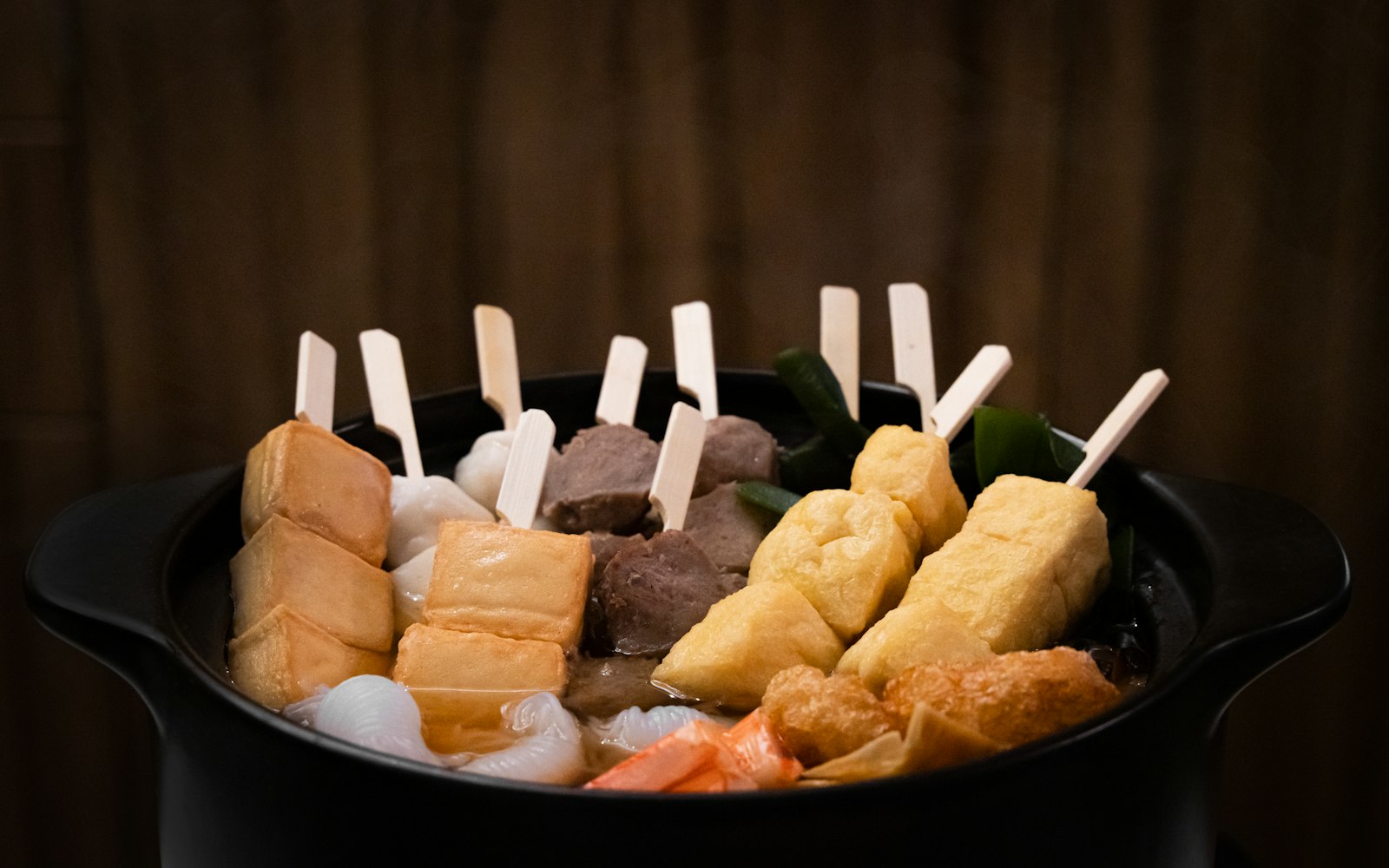
- Oden — Daikon, eggs, fish cakes and konjac simmered in dashi. Order a few pieces at a time; it’s usually priced per item. Tokyo-style (Kanto) oden often uses a darker, soy-based broth. GO TOKYO notes that Otakou in Nihonbashi, open since 1923, keeps a Kanto-style broth that has been topped up for decades.
- Nabe (hot pot) — A shared pot cooked at the table. Popular winter versions include motsu-nabe (offal hot pot) and yosenabe (a mixed seafood and vegetable pot). Usually ordered for two or more.
- Nikomi — Stewed beef tendon or offal in miso or soy broth. Cheap, rich and a Tokyo izakaya classic.
- Atsukan (hot sake) — Sake served warm, often in a small flask. Ask for atsukan for hot or nurukan for lukewarm. Warming brings out a softer, rounder flavor in many sakes.
- **Hot shochu with water (oyuwari)** — Shochu cut with hot water. Popular with regulars and lighter than it sounds.
- Hot umeshu — Plum wine served warm, often available by request. A good choice if you don’t drink sake.
Not sure how ordering works at a Japanese pub? Our guide to izakaya etiquette for foreigners covers the cover charge, how to order and how to pay.
Practical Tips for Tokyo in Winter at Night
A little planning makes a big difference on a cold night. These are the tips we give friends asking about Tokyo nightlife in winter.
Dress in layers, not one big coat. Trains, department stores and izakaya are heated, often warmly. A thin down jacket with layers underneath is easier than a heavy coat you can’t take off. At a small counter, there’s often nowhere to hang a coat, so smaller is better. Heat packs (kairo), sold at every convenience store, are what locals slip into their pockets.
Wear shoes you can slip off. Some izakaya have raised tatami seating where you remove your shoes. Laced winter boots become a hassle fast.
Go early, especially in December. December is bonenkai season, the year-end parties held by companies and friend groups. Popular izakaya get booked out by large groups, especially on Fridays. Arrive around 5:30 to 6 pm, or book ahead for sit-down restaurants.
Know the New Year schedule. Many small, independently run restaurants and bars close for several days around January 1. Chains and hotel bars usually stay open. If your trip falls over New Year, check before you go.
Mind the last train. Cold nights make waiting for the first train at 5 am much less fun. Plan your route home before your second drink.
Is Tokyo Nightlife Good in Winter?
Yes. In some ways, Tokyo nightlife in winter is better than in summer. You get free light displays, fewer rainy nights and the best season for comfort food and hot sake. The main drawback is the cold, and a well-planned route that keeps you moving between lights and warm rooms solves most of it.
If you’re visiting between November and Christmas, you’ll catch the most illuminations. From January to February, the list is shorter, but Marunouchi, Yebisu Garden Place and Shinjuku’s South Exit usually stay lit, and the izakaya are at their coziest.
What do you do in Tokyo After 10?
Join our Tokyo Nightlife Private Tour
You deserve better than overpriced bars and missed opportunities. We’re here for you.
Skip the Guesswork: See Tokyo’s Winter Nights with a Local
The hardest part of Tokyo nightlife in winter isn’t finding the lights. It’s knowing which tiny door leads to a warm counter with a free seat, what to order once you’re there, and which places are actually worth your limited nights in the city.
That’s what a local guide is for. On Tokyo After 10, Kokyo Tours’ private nightlife tour, a guide who lives here takes you through the alleys, bars and izakaya that don’t show up on Google Maps. They’ll order for you, explain the menu and make sure you get into places you’d walk past on your own. It’s an easy way to turn a cold evening into the best night of your trip.









