

Photo by <a href="https://unsplash.com/@jaison333?utm_source=tokyodeepnightlife&utm_medium=referral">Jaison Lin</a> on <a href="https://unsplash.com/?utm_source=tokyodeepnightlife&utm_medium=referral">Unsplash</a>
Is Tokyo nightlife safe? Short answer: yes, far safer than most big cities you’ve probably partied in. Salarymen nap on the last train with their phones in their laps. People walk home alone at 3 a.m. without a second thought.
But you’ve probably also read the other stories: the tourist who woke up to a huge credit card bill, or the friendly guy in Kabukicho who “knew a great bar.” Those stories are real too. They just describe a very specific kind of trouble that is easy to avoid once you know what it looks like.
This guide gives you the honest picture. We’ll cover what actually goes wrong for visitors, which areas need a bit more care, whether it’s safe to walk in Tokyo at night, and how a normal night out tends to play out. We won’t give you a list of vague warnings. You’ll know what’s worth worrying about and what isn’t.
Contents
- Is Tokyo Nightlife Safe? The Honest Answer
- What Actually Goes Wrong: The Real Risks in Tokyo Nightlife
- Is It Safe to Walk in Tokyo at Night?
- What a Normal Night Out in Tokyo Actually Looks Like
- Is Tokyo Nightlife Safe for Solo Travelers and Women?
- How to Stay Safe in Tokyo Nightlife: 8 Rules That Cover Almost Everything
- Is Tokyo Nightlife Safe? Myths vs. Reality
- Frequently Asked Questions
- What do you do in Tokyo After 10?Join our Tokyo Nightlife Private Tour
- Enjoy Tokyo After Dark Without the Guesswork
- About the Author
Is Tokyo Nightlife Safe? The Honest Answer
By international standards, Tokyo is one of the safest places on earth to go out at night. Japan ranks 10th in the Global Peace Index 2026, and street violence against strangers is rare. Stations, convenience stores and main streets stay bright and busy late into the night.
So why do government travel advisories still mention Tokyo’s nightlife? Because the risk here is a different shape from what most visitors expect. It isn’t someone jumping you in a dark alley. It’s a bar bill, a spiked drink, or an unauthorized card charge.
Here’s the simplest way to think about it:
- Your body is very safe. Random assaults and muggings are unusual, even late at night.
- Your wallet needs attention. Nearly every serious problem tourists report starts with money: an overpriced bar, a disputed tab, a card used without permission.
- Your judgment is the weak point. Most trouble happens after several drinks, in a venue someone else chose for you.
Keep those three points in mind and the rest of this guide will make sense.
What Actually Goes Wrong: The Real Risks in Tokyo Nightlife
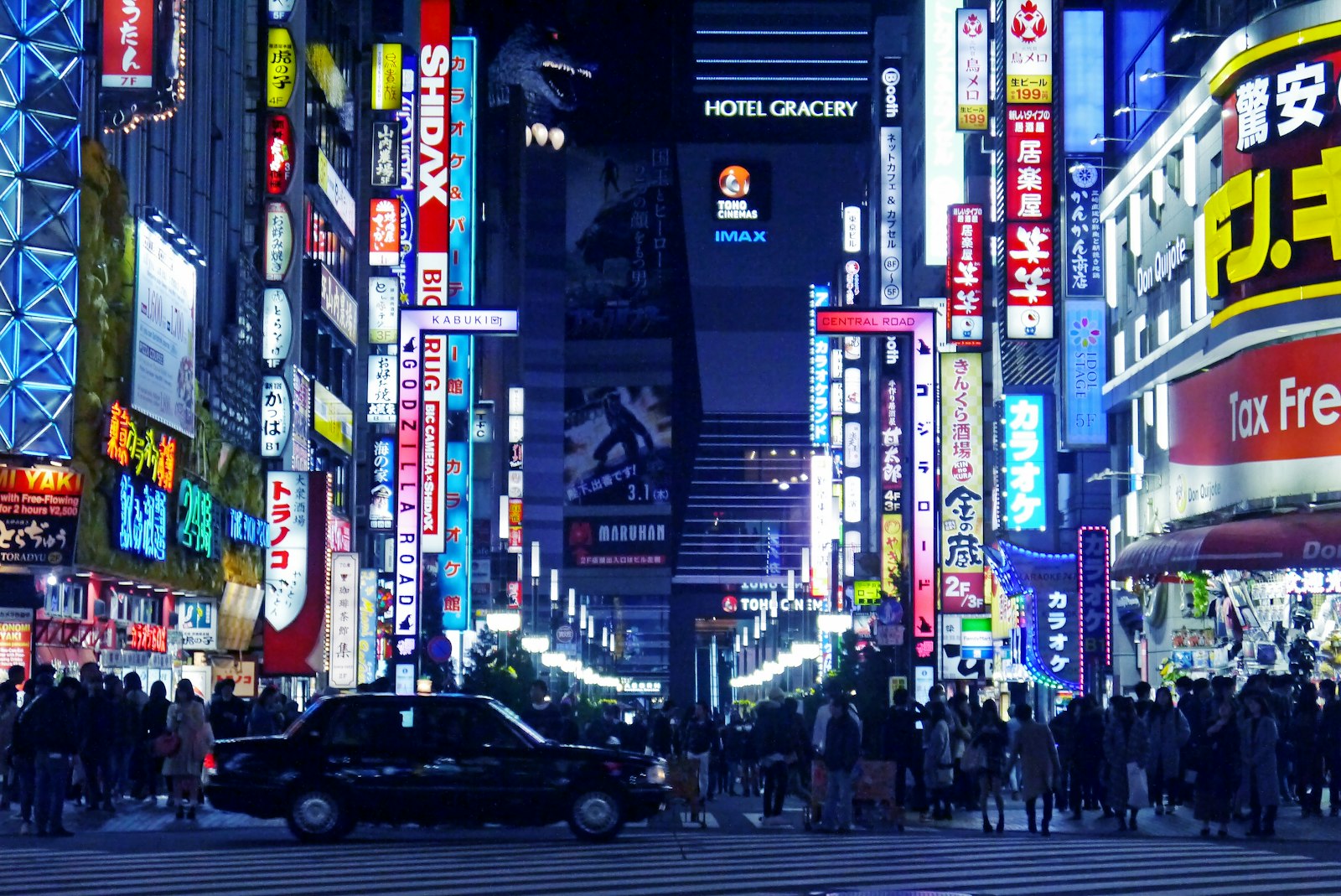
Every serious warning about Tokyo nightlife points to the same pattern. The UK government’s Japan travel advice reports “increased reports of drink spiking and credit card fraud.” It names four Tokyo areas that Japanese police have flagged: Kabukicho, Roppongi, Shibuya and Ikebukuro. It also notes that most British victims were targeted in Kabukicho.
Street touts leading you to the wrong bar
The trouble almost always starts with a street tout, known in Japanese as a kyakuhiki. According to the same UK advisory, victims are typically “approached in English” by touts who then lead them into bars.
The pitch sounds harmless: cheap drinks, no cover charge, a fun crowd. The bar at the end of it is often a small room up a staircase with no price list on the wall. Touting is restricted under local rules in Tokyo, so anyone working the street this way is already outside the system. That alone tells you enough.
Drink spiking and card fraud
The worst version of this scam combines a tout, a spiked drink and your credit card. Victims describe waking up with little memory of the night and card charges they never agreed to. The UK advisory puts the losses at anywhere from hundreds to tens of thousands of pounds.
This is rare compared to the number of people who go out every night. But it’s the single most serious risk in Tokyo nightlife, and it is almost entirely avoidable (more on that below).
Bill disputes that turn ugly
Even without spiking, a surprise bill can escalate fast. The UK government warns that some British nationals “have been arrested at clubs and bars following disputes with staff and doorpersons over excessive bar bills.” A heated argument with a bouncer tends to go badly for a foreign visitor who can’t explain themselves in Japanese.
If you want to understand how overcharging bars (bottakuri) operate, our guide to preventing rip-offs in Kabukicho breaks down the tactics step by step.
The boring risks: too many drinks and the last train
Most bad nights in Tokyo aren’t dramatic at all. People drink faster than they planned, lose track of time and miss the last train. That leaves you with an expensive taxi, a long walk or a night in a manga café.
None of this is dangerous, but it’s the most common way a good night turns into a frustrating one. Check your line’s last departure before you head out. Our Tokyo last train survival guide shows how to plan around it.
Is It Safe to Walk in Tokyo at Night?
Yes, and this is where Tokyo really stands apart. Is it safe to walk in Tokyo at night on your own? For the vast majority of visitors, walking back to the hotel after midnight is completely normal.
A few things make walking at night feel different here than in many cities:
- Streets stay lit and populated. Convenience stores, vending machines and late-running restaurants mean few streets are fully dark.
- **Police boxes (koban) are everywhere.** Busy stations and nightlife areas have them, and officers will help with directions or problems.
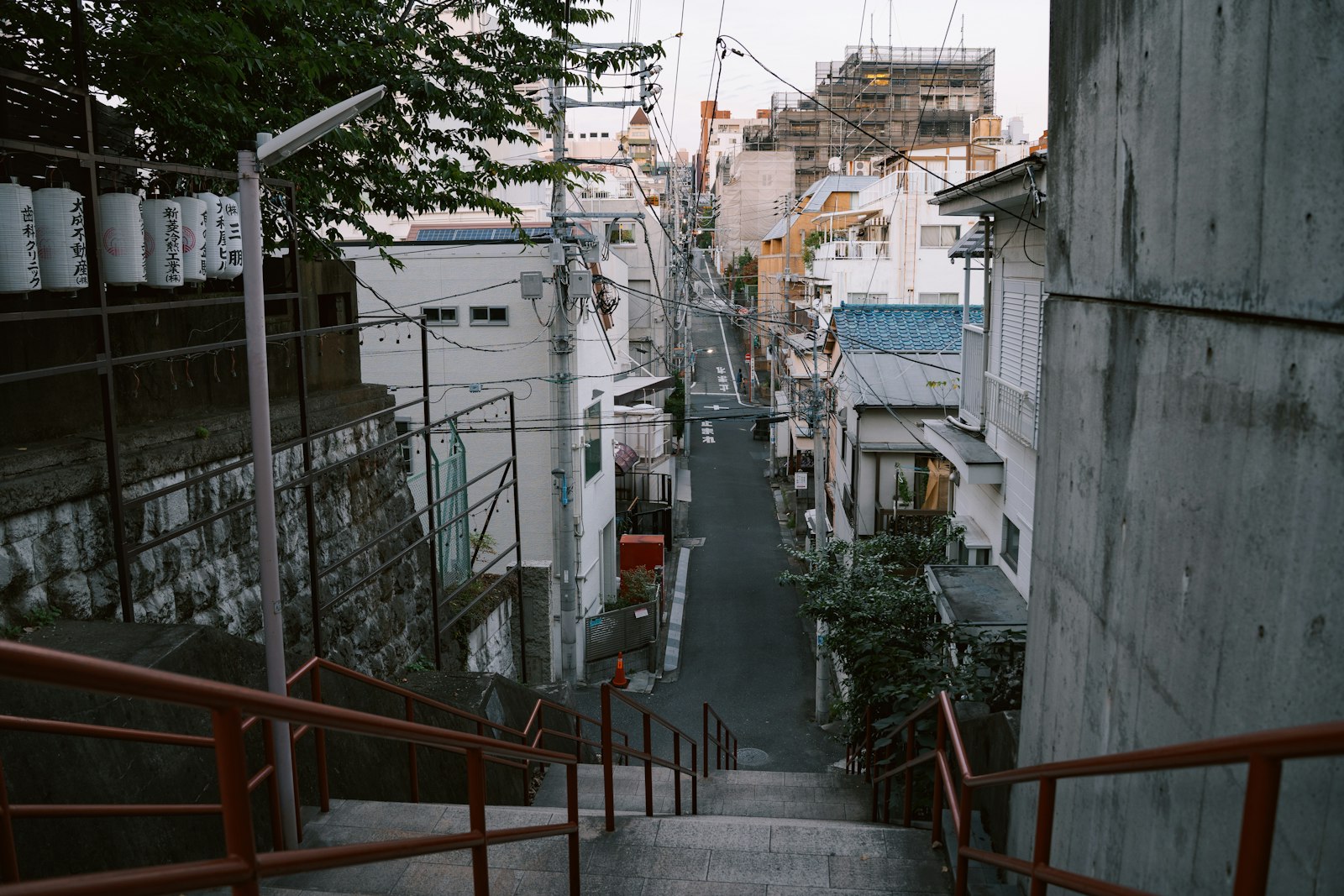
- Residential streets are quiet, not threatening. A dark, silent side street in a residential area feels very different from one in a big Western city. It’s usually just people asleep.
Where walking at night needs a little more care
The places that need extra attention aren’t the dark, empty ones. They’re the loud, crowded entertainment zones where touts work and people are drunk.
- Kabukicho (Shinjuku): Fine to walk through and look around. Ignore anyone who approaches you, and don’t follow anyone up a staircase.
- Roppongi: A popular clubbing area with an international crowd. It’s also one of the areas specifically named in drink-spiking warnings, so watch your glass.
- Shibuya: Busy and mostly harmless, but crowded late at night. Since October 1, 2024, public drinking has been banned every day from 6 p.m. to 5 a.m. around Center Street, Miyashita Park, the east side of the station and the Maruyamacho club district.
- Ikebukuro: Large nightlife district around the station. Same rules as Kabukicho: enjoy it, but choose your own venues.
In all four areas, the risk isn’t the street itself. It’s what happens if you let a stranger decide where you go next.
What a Normal Night Out in Tokyo Actually Looks Like
Warnings can make Tokyo sound tense. It isn’t. Here’s how a typical, uneventful night out tends to go for visitors who follow a few simple habits.
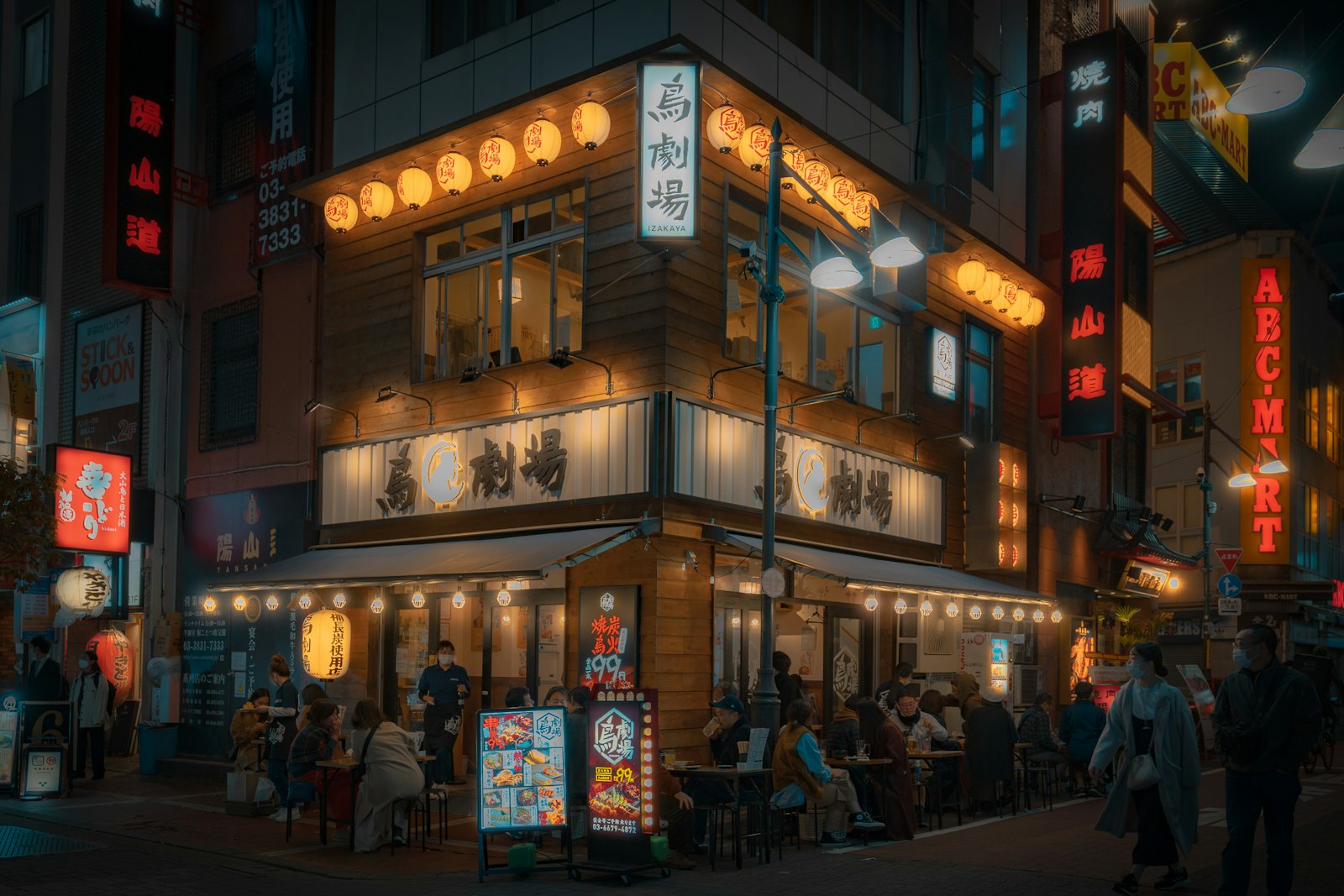
You start around 7 p.m. at an izakaya you picked from reviews, with a menu showing every price. After dinner you wander through a yokocho alley, where tiny bars list their seating charge on a sign by the door. Somewhere along the way, a man in a suit walks alongside you and says “Bar? Girls? Cheap drinks?” You shake your head, keep walking, and he gives up within a few steps.
Around midnight you check your train app and realize the last train is close. You either head to the station or decide to stay out and take a taxi later. You walk back through quiet streets, stop at a convenience store for water, and get home without anything happening.
That’s the realistic experience for most people. The difference between that night and the horror stories usually comes down to one decision: following the tout instead of walking past.
Looking for Adult Entertainment Services in Tokyo? Download this
I’ve spent over a decade exploring and studying Japan’s adult entertainment scene firsthand. If you’d like detailed insider information—including how to choose the right shop, what services are available, and tips for avoiding common mistakes—check out our exclusive E-book.
Is Tokyo Nightlife Safe for Solo Travelers and Women?
For solo travelers, Tokyo is one of the easiest cities in the world to go out alone. Counter-seat bars, standing bars and ramen shops are built for single customers. Nobody finds it strange to drink by yourself.
Solo female travelers
Many women travel solo in Tokyo and go out at night without problems. Violent street crime is rare, and busy areas stay crowded until late. The same drink-safety rules apply to everyone: don’t leave your glass unattended, and don’t accept drinks from strangers.
Two things are worth knowing. Crowded trains can have gropers, which is why many lines run women-only cars during rush hours. And in entertainment districts, some men approach young women to recruit them for hostess work. A firm “no” and walking away is enough.
Solo men
Solo men are the main target for touts in Kabukicho and Roppongi, because they’re seen as more likely to accept a “girls bar” or “show” pitch. If you want to explore that side of Tokyo, research specific venues in advance rather than taking a street offer. Our guide to going out alone on a Tokyo night tour covers easy ways to meet people without the risk.
How to Stay Safe in Tokyo Nightlife: 8 Rules That Cover Almost Everything
You don’t need a long checklist. These eight habits prevent nearly every problem visitors report.
- Never follow a street tout. Not to a bar, a club, a show or a “free” anything. Pick venues yourself.
- Check prices before you sit. Look for a menu or a sign showing drink prices and any seating charge. If there isn’t one, ask. If the answer is vague, leave.
- Watch your drink. Don’t leave it unattended and don’t accept drinks from people you just met. The UK advisory suggests asking a trusted friend to keep an eye on your glass.
- Carry a set amount of cash. Leave most of your cards at the hotel and bring one card with a sensible limit. Turn on transaction alerts in your banking app.
- Pay as you go when possible. Many small bars take cash per round, which keeps the bill easy to follow.
- Know your last train. Check it before your second drink, not after your fifth.
- Stay calm in a bill dispute. Don’t argue with staff or bouncers. Call the police on 110 and wait for them.
- Save the emergency numbers. Dial 110 for police and 119 for an ambulance or fire. For help in English, JNTO’s Japan Visitor Hotline (050-3816-2787) runs 24 hours a day, 365 days a year.
For a longer checklist covering etiquette, taxis and what to carry, see our full Tokyo nightlife safety tips.
Is Tokyo Nightlife Safe? Myths vs. Reality
A lot of what people believe about going out in Tokyo is either outdated or exaggerated. Here’s a quick reality check.
“Kabukicho is dangerous, so avoid it.” Not quite. Kabukicho is worth seeing and full of ordinary restaurants and bars. The danger is specific: touts and bars without clear prices. Walk through, look around and choose where you go.
“Nothing bad ever happens in Japan.” Also not true. Japan is very safe, but government advisories exist for a reason. Relaxing completely is how visitors end up in the one bad venue on the block.
“Foreigners get targeted everywhere.” Most bars, izakaya and clubs in Tokyo are honest businesses that treat foreign guests well. The scams cluster in a handful of districts and almost always start with a street approach.
“You need to speak Japanese to be safe.” No. You just need to recognize the pattern: a stranger approaches you and wants to take you somewhere. Saying no in English works fine.
Frequently Asked Questions
Is Tokyo safe at night for tourists?
Yes. Violent crime against tourists is rare, and walking around at night is normal. The main risks are financial: overpriced bars, touts and card fraud in a few entertainment districts.
Is Kabukicho safe at night?
It’s safe to walk through and explore. The risk comes from following touts or entering bars without posted prices. Most British victims of drink spiking and card fraud reported being targeted in Kabukicho, according to the UK government.
Is Roppongi safe at night?
Roppongi is a popular area for clubs and bars, but it’s one of the areas named in drink-spiking warnings. Stick to well-known venues, keep an eye on your drink and don’t follow touts.
What number do I call in an emergency in Japan?
Dial 110 for police and 119 for ambulance or fire. JNTO’s Japan Visitor Hotline (050-3816-2787, or +81-50-3816-2787 from overseas) offers 24-hour help in English.
Is it safe to walk in Tokyo at night alone?
For most people, yes. Main streets and residential areas are calm and well lit. In busy nightlife districts, stay alert, ignore anyone who approaches you and don’t let strangers lead you anywhere.
What do you do in Tokyo After 10?
Join our Tokyo Nightlife Private Tour
You deserve better than overpriced bars and missed opportunities. We’re here for you.
Enjoy Tokyo After Dark Without the Guesswork
So, is Tokyo nightlife safe? Overwhelmingly, yes. The streets are safe to walk, the people are welcoming, and the city keeps going long after midnight. The only real traps are in a few districts, and they only work if you let a stranger choose your next bar.
That’s also the hardest part for first-time visitors. The best spots in Tokyo don’t have touts outside or English signs, and figuring out which staircase leads somewhere good takes local knowledge.
If you’d rather skip the guesswork, our Tokyo After 10 nightlife private tour pairs you with a local guide who takes you to trusted bars and hidden spots, handles the ordering and makes sure you catch your ride home. You get the real Tokyo night, and someone else deals with the details.









