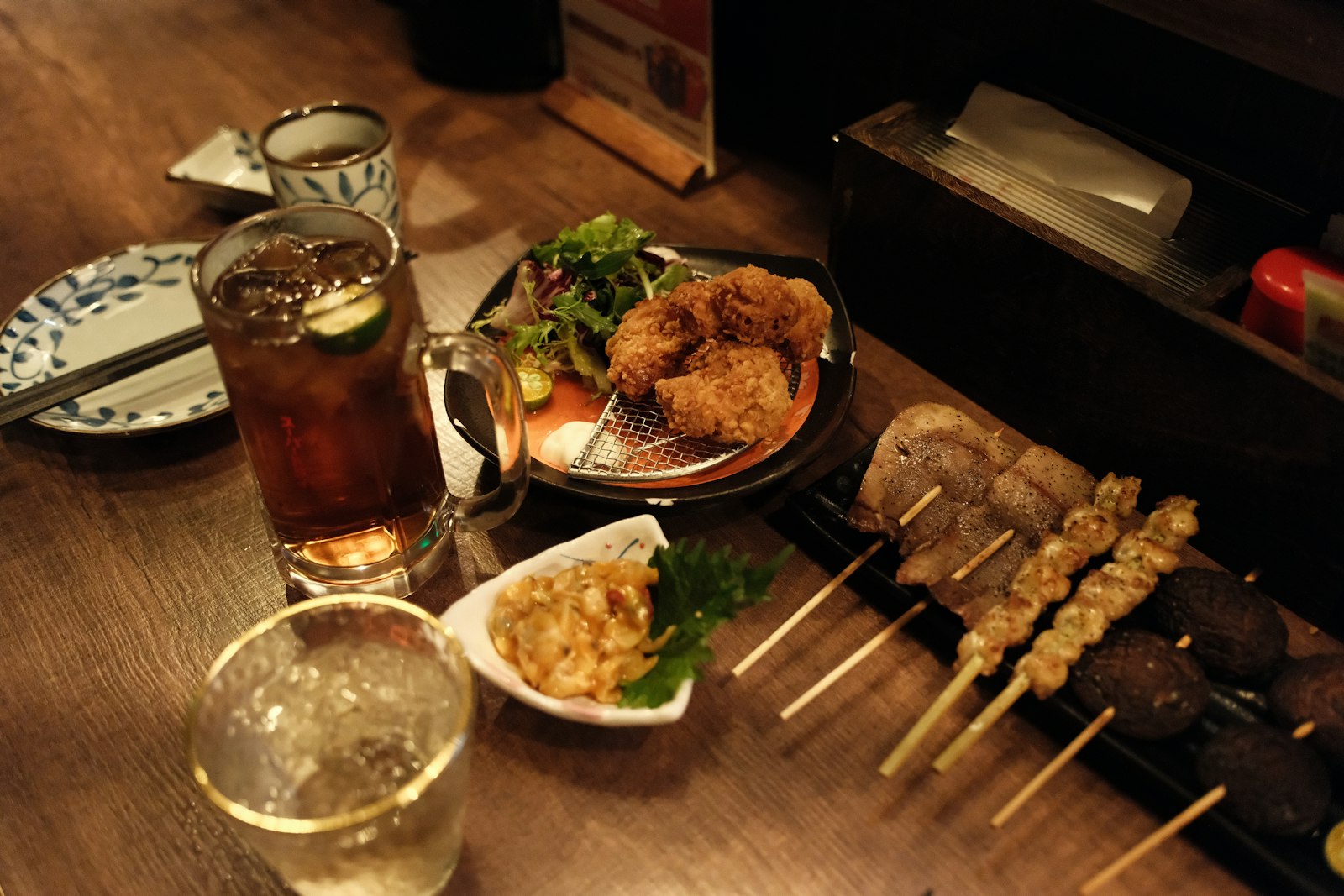
Photo by <a href="https://unsplash.com/@startdig?utm_source=tokyodeepnightlife&utm_medium=referral">Dean Zhang</a> on <a href="https://unsplash.com/?utm_source=tokyodeepnightlife&utm_medium=referral">Unsplash</a>
You’ve seen the photos: a frosty draft beer at an izakaya, highballs at a tiny Golden Gai counter, a can of chu-hi from a convenience store on the walk home. Before you join in, it helps to know the rules. The Japanese drinking age is 20. That applies to everyone, including tourists, and it holds even though Japan lowered its age of adulthood to 18 in 2022.
This guide covers what the law actually says, who gets carded and where, which ID to carry, where you can and can’t drink in public, and the one area where Japan is far stricter than most countries: drinking and driving (yes, bicycles count).
Contents
- The Japanese Drinking Age at a Glance
- Why Is the Japanese Drinking Age 20 and Not 18?
- What the Law Actually Says
- Who Gets Carded? ID Checks in Japan
- What ID Should Tourists Carry?
- Public Drinking in Japan: Where Can You Drink?
- Drinking and Driving in Japan: Near-Zero Tolerance
- Drinking Etiquette That Goes With the Law
- If You’re 18 or 19 and Visiting Japan
- FAQ: Japanese Drinking Age
- What do you do in Tokyo After 10?Join our Tokyo Nightlife Private Tour
- Enjoy Tokyo After Dark, the Right Way
- About the Author
The Japanese Drinking Age at a Glance
If you only have a minute, here’s the short version:
- Legal drinking age: 20, for buying and for drinking. Beer, sake, wine and spirits are all covered.
- Tourists: The same rule applies to foreign visitors. Being legal back home doesn’t count.
- Who gets punished: Mainly the businesses that sell or serve alcohol to under-20s, plus parents and guardians who don’t stop it.
- ID: Carry your passport. Staff can ask you to prove your age, especially at clubs.
- Public drinking: Generally allowed in Japan, but restricted in some areas, notably around Shibuya Station at night.
- Driving: Japan’s limit is very low, and passengers, drink providers and car lenders can be punished too. This includes cycling.
Why Is the Japanese Drinking Age 20 and Not 18?
This is where a lot of visitors get confused. In April 2022, Japan’s Civil Code reform lowered the age of adulthood from 20 to 18. Eighteen-year-olds can now sign contracts and get a credit card without a parent’s consent.
The drinking age didn’t move. The law was simply renamed to make the line explicit. The old “Minor Drinking Prohibition Act” became the Act on the Prohibition of Drinking by Persons Under the Age of Twenty (二十歳未満ノ者ノ飲酒ノ禁止ニ関スル法律). The same goes for smoking, which also stays at 20, and for betting on public sports like horse racing.
So in Japan, you can be a legal adult at 18 and still be two years away from your first legal beer.
How the drinking age in Japan compares with other countries
For context, here’s how the Japanese drinking age compares with common home countries of visitors:
| Country | Legal drinking / purchase age |
|---|---|
| Japan | 20 |
| United States | 21 |
| United Kingdom | 18 |
| Australia | 18 |
| Most of the EU | 16–18, depending on country and drink |
| Canada | 18 or 19, depending on province |
If you’re 18 or 19 and coming from the UK, Australia or Europe, this is the rule most likely to catch you out.
What the Law Actually Says
Japan’s underage drinking law is short and dates back to 1922, but it has been strengthened over the years. Three points matter for travelers.
Under-20s may not drink
The core rule behind the Japanese drinking age is simple: people under 20 must not drink alcohol. In practice, the law is aimed at stopping access. Police can confiscate alcohol held by someone under 20 for drinking.
Businesses carry the heaviest penalty
According to Japan’s National Tax Agency, a 2000 amendment raised the penalty for a business that knowingly sells or serves alcohol to someone under 20. It went from a token fine to a fine of up to ¥500,000. A liquor retailer convicted under this law can also lose its liquor sales license.
That second point explains why Japanese shop and bar staff take ID seriously. For a convenience store or a bar, serving one underage customer can put the whole business at risk.
Sellers are required to check age
A 2001 amendment added a duty for businesses that sell or serve alcohol to take steps to prevent underage drinking, with age checks as the main example. The National Tax Agency’s guidance to retailers includes:
- Checking the age of customers who look underage
- Displaying alcoholic drinks separately from soft drinks
- Removing older alcohol vending machines that can’t restrict access by minors
- Training staff on how to check age
You can read the original government notice (in Japanese) on the National Tax Agency website.
Who Gets Carded? ID Checks in Japan
Here’s what most guides won’t tell you: the Japanese drinking age is enforced mostly at the counter, not on the street. In everyday life, ID checks in Japan are less frequent than in the US. But they are not rare, and they are not random. It depends heavily on where you are.
Convenience stores and supermarkets
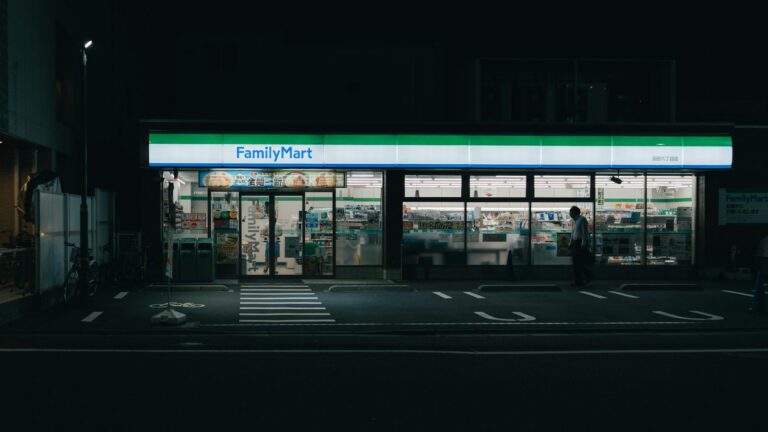
When you buy alcohol at a convenience store, the register usually shows an age confirmation screen. You tap a button to confirm you’re 20 or older. If you look young, the clerk can and may ask to see ID before completing the sale.
Izakaya and casual bars
At a typical izakaya or neighborhood bar, staff rarely ask adults for ID. That said, groups that look young, especially students, can be asked. Some chains will ask everyone in a group to confirm their age at the start of a nomihodai (all-you-can-drink) course.
Nightclubs
Clubs are where ID checks are most consistent. Most Tokyo clubs card everyone at the door, and many are strictly 20+. No ID often means no entry, even if you’re clearly over 30. Our guide to Tokyo club entry age and ID rules for foreigners covers door policies in detail.
Alcohol vending machines
Alcohol vending machines still exist in Japan, but they are far less common than drink machines. The newer ones are designed to restrict purchases by minors, in line with the government guidance above.
What ID Should Tourists Carry?
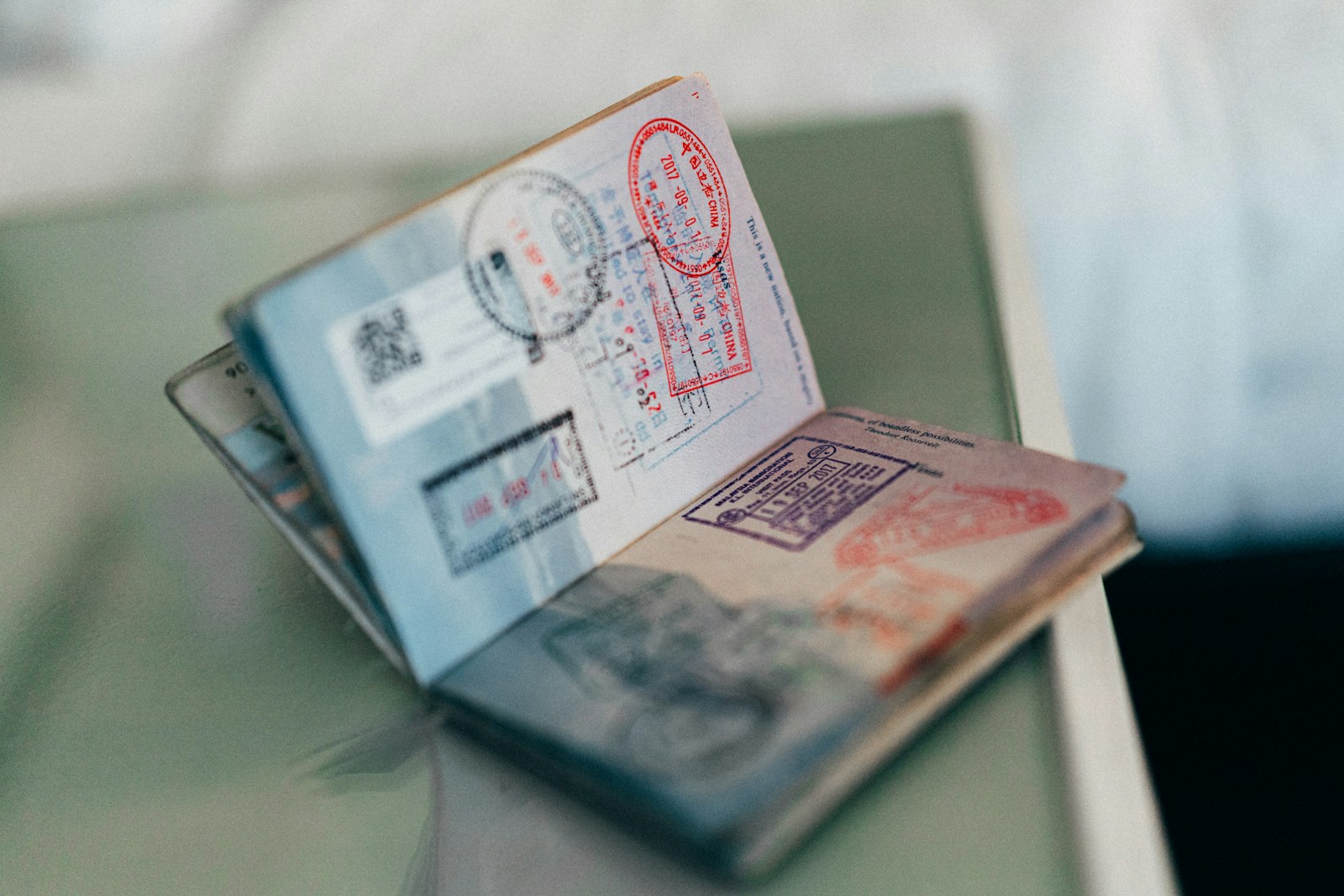
Bring your passport. For short-term visitors, it’s the most reliable ID for proving you meet the Japanese drinking age, and Japan’s immigration law already requires foreign visitors to carry it at all times.
A few practical tips:
- Carry the original. Clubs often won’t accept photos or photocopies.
- Your home driver’s license may not work. Some venues accept foreign licenses, but many don’t. The passport is the safest bet.
- Japan residents can use their residence card (zairyu card).
If you’re worried about losing your passport on a big night out, keep it in a zipped inside pocket rather than a back pocket or open bag.
Looking for Adult Entertainment Services in Tokyo? Download this
I’ve spent over a decade exploring and studying Japan’s adult entertainment scene firsthand. If you’d like detailed insider information—including how to choose the right shop, what services are available, and tips for avoiding common mistakes—check out our exclusive E-book.
Public Drinking in Japan: Where Can You Drink?
Unlike many countries, Japan has no national law against drinking in public. You’ll see people sipping canned drinks at hanami picnics under the cherry blossoms, at summer fireworks festivals, and on park benches. Drinking on local trains isn’t illegal either, though it’s considered bad manners on crowded commuter lines. Long-distance trains such as the shinkansen are a different story, and having a beer with your bento is common.
The big exception is Shibuya. Shibuya Ward has an ordinance banning street drinking in designated areas around Shibuya Station. The rule originally focused on Halloween and New Year’s Eve. In October 2024 it was expanded into a year-round ban from 6pm to 5am. There’s no fine, but staff and police will ask you to stop. The Japanese drinking age still applies outdoors, so under-20s can’t join in even where street drinking is allowed.
A few unwritten rules apply everywhere:
- Take your empty cans and bottles with you. Public trash bins are scarce.
- Keep the noise down in residential streets after dark.
- Being visibly drunk and causing a disturbance can get you police attention, even where drinking itself is allowed.
Drinking and Driving in Japan: Near-Zero Tolerance
The Japanese drinking age is only half the story. Drink-driving is the area where Japan’s alcohol laws are much stricter than at home for most visitors. If you plan to rent a car, assume that any drinking means no driving.
Penalties for drivers
Japan has two levels of drink-driving offense:
- Driving under the influence of alcohol (酒気帯び運転): for breath alcohol of 0.15 mg per liter or more, which is far below many countries’ limits. Penalty: up to 3 years in prison or a fine of up to ¥500,000.
- Drunk driving (酒酔い運転): being unable to drive properly because of alcohol. Penalty: up to 5 years in prison or a fine of up to ¥1,000,000.
Both also come with license points that can lead to revocation.
Passengers and drink providers are liable too
Japan is unusual here. According to prefectural police materials, the following people can also be punished:
- Whoever lent the car to a driver who had been drinking. They face the same penalties as the driver.
- Passengers who ride with a driver they know has been drinking.
- People who served or supplied alcohol to someone they knew would drive.
In other words, if your friend has had a beer and offers you a lift, the right answer is no. Both of you are at risk.
Yes, bicycles count
Since November 1, 2024, cycling under the influence (at the same 0.15 mg/L breath threshold) has been a criminal offense in Japan. It carries up to 3 years in prison or a fine of up to ¥500,000. People who lend a bike or serve alcohol to someone who will cycle can also be punished. Rental bikes and shared e-bikes after a night out are a bad idea.
If you need to get a car home, Japan has a handy service called daiko (代行): a driver comes to you, often with a second driver, and drives you home in your own car. For tourists, a taxi or the last train is simpler.
Drinking Etiquette That Goes With the Law
Knowing the legal drinking age in Japan keeps you out of trouble. Knowing the etiquette makes you a welcome guest. A few basics:
- Wait for “kanpai.” Nobody drinks until everyone has a glass and the group toasts together.
- Pour for others, not yourself. Keep an eye on your neighbors’ glasses, and they’ll keep an eye on yours.
- It’s fine to say no. Non-alcoholic beer, oolong tea and soft drinks are on almost every menu. Nobody is entitled to push a drink on you.
- Eat while you drink. Izakaya food is designed to go with alcohol, and it helps you pace yourself.
For the full picture, see our guide to Japanese drinking culture explained and our rules guide to izakaya etiquette for foreigners.
If You’re 18 or 19 and Visiting Japan
Being under the Japanese drinking age doesn’t mean staying in your hotel. You can still:
- Go to izakaya with friends and order soft drinks or non-alcoholic options. Food is half the fun anyway.
- Explore night neighborhoods like Shinjuku, Shibuya and Asakusa on foot.
- Sing at karaoke, though local rules restrict late-night entry for under-18s.
- Catch live music, since many small venues are not age-restricted in the same way clubs are.
What you shouldn’t do is borrow a friend’s ID or ask an older friend to buy for you. The business that serves you takes the legal hit, and it’s an easy way to sour a trip.
FAQ: Japanese Drinking Age
What is the Japanese drinking age? It’s 20. You must be 20 or older to drink or buy alcohol in Japan.
Does the Japanese drinking age apply to tourists? Yes. Foreign visitors follow the same rule as Japanese citizens, regardless of the drinking age in their home country.
Is the drinking age in Japan 18 now? No. Adulthood was lowered to 18 in April 2022, but the drinking and smoking ages stayed at 20.
Can I drink in public in Japan? Generally yes, but some local areas restrict it. Shibuya bans street drinking near Shibuya Station from 6pm to 5am year-round. Always clean up after yourself.
What happens if a bar serves someone under 20? The business can be fined up to ¥500,000, and a liquor retailer can lose its license. That’s why staff take ID checks seriously.
Can I ride a bicycle after drinking in Japan? No. Since November 2024, cycling under the influence is a criminal offense, with penalties of up to 3 years in prison or a ¥500,000 fine.
What do you do in Tokyo After 10?
Join our Tokyo Nightlife Private Tour
You deserve better than overpriced bars and missed opportunities. We’re here for you.
Enjoy Tokyo After Dark, the Right Way
Once you’re over the Japanese drinking age and carrying your passport, Japan is one of the best places in the world for a night out. Bars stay open late, the trains are safe, and a single alley can hold a dozen tiny bars with six seats each. The hard part isn’t the law. It’s knowing which doors to open, how a cover charge works, and which places actually welcome first-timers.
If you’d rather skip the guesswork, our Tokyo After 10 nightlife private tour pairs you with a local guide who knows the rules, the etiquette and the bars that don’t show up on Google Maps. You bring the passport, and we’ll handle the rest.