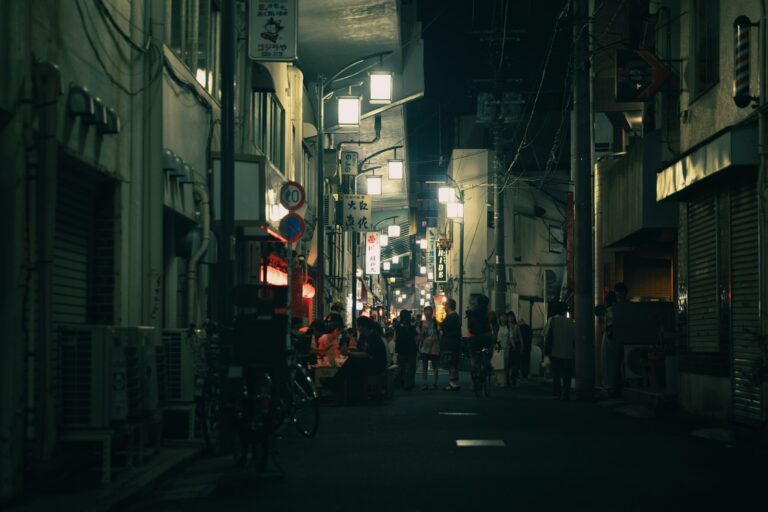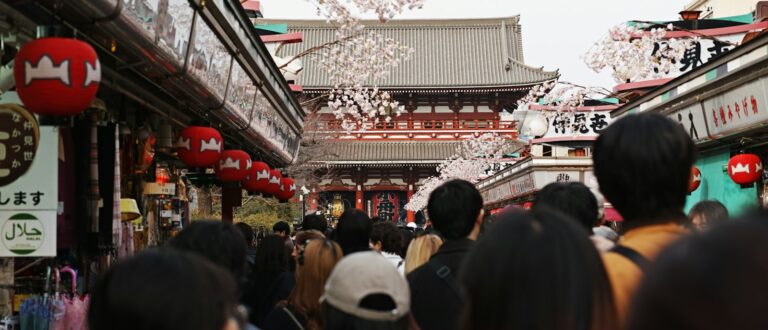
Photo by <a href="https://unsplash.com/@leio?utm_source=tokyodeepnightlife&utm_medium=referral">Leio McLaren</a> on <a href="https://unsplash.com/?utm_source=tokyodeepnightlife&utm_medium=referral">Unsplash</a>
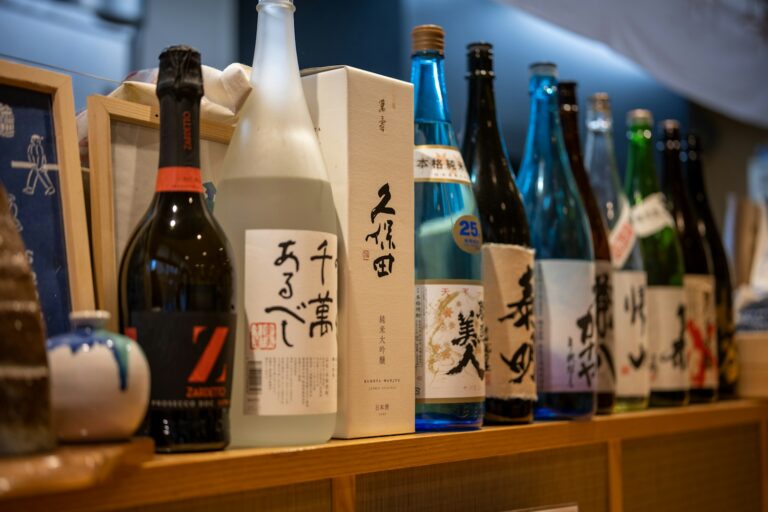
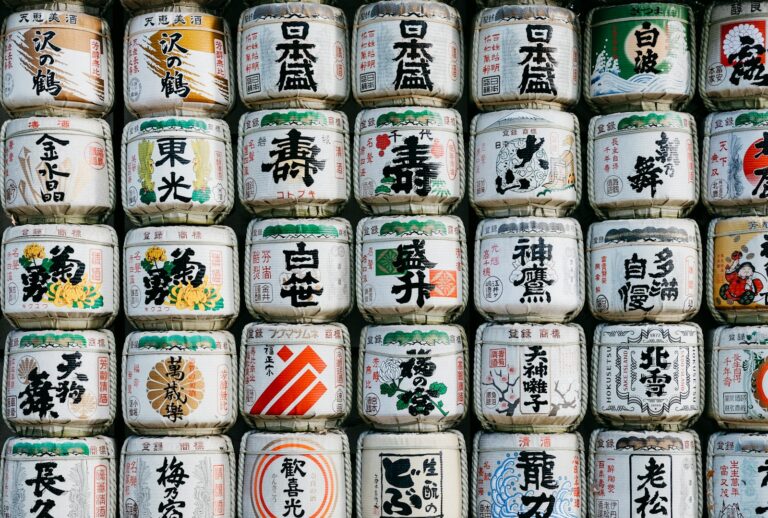
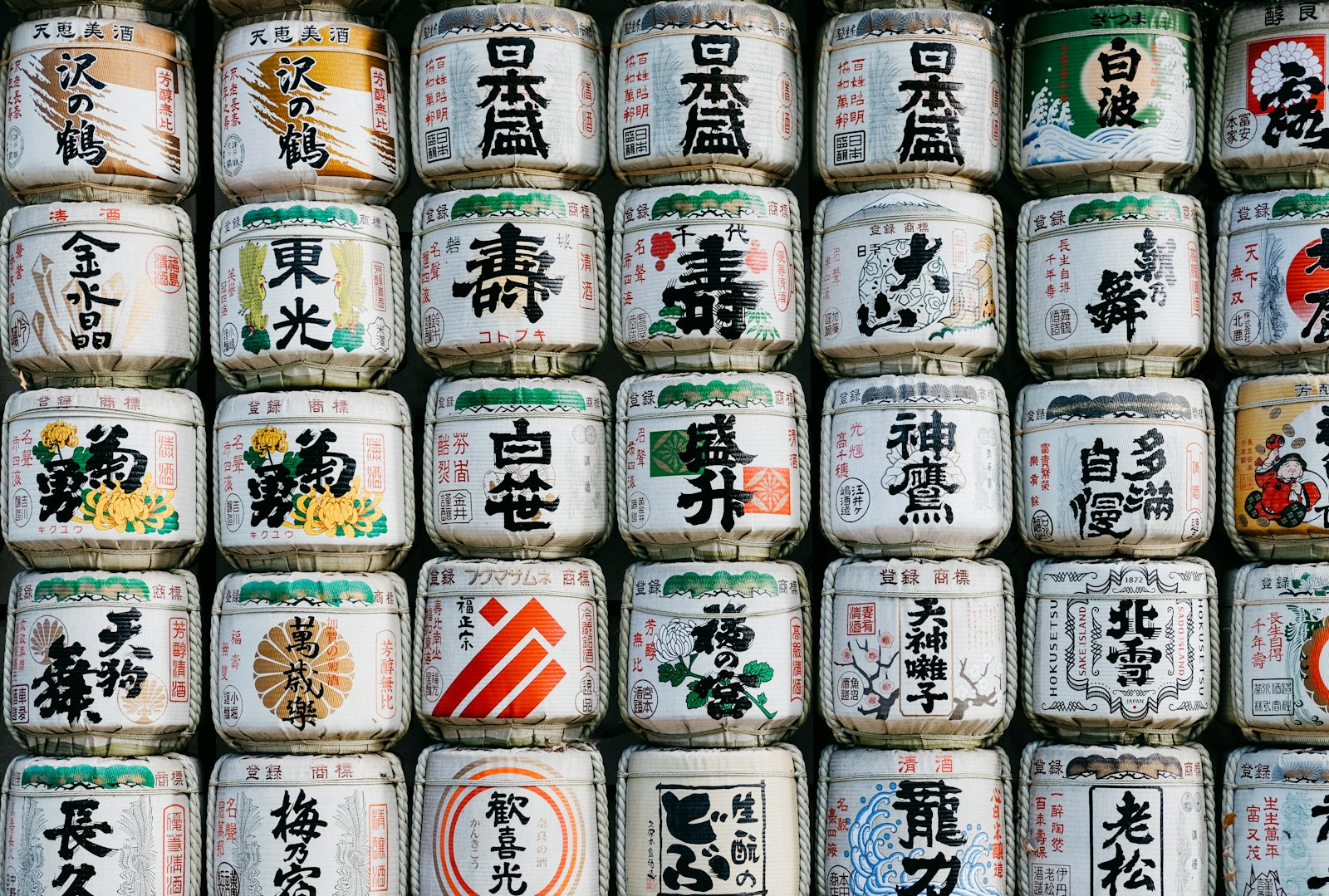
Walk into almost any izakaya in Tokyo and you’ll be handed a drinks menu with a wall of sake names written in brushy kanji. Most first-time visitors point at something random, get a glass of whatever the house pours, and decide sake “tastes like rubbing alcohol.” That’s a shame, because Japanese sake tasting in Tokyo is one of the easiest, cheapest ways to understand the country, and the city has places built specifically for people who know nothing yet.
This guide is for exactly that person. You’ll get a five-minute crash course on the words printed on a sake label, the three different formats of tasting you’ll find around the city, and seven beginner-friendly spots, from a ¥100 tasting counter run by the national sake makers’ association to an all-you-can-taste bar in Shinjuku and a brewery in Tokyo’s western hills. Addresses, hours and prices were checked against each venue’s official website (or, where noted, other published listings) in September 2026. They do change, so confirm before you travel.
Contents
- Why Tokyo Is the Easiest Place to Start Japanese Sake Tasting
- Sake Basics for Beginners: What the Label Is Telling You
- Three Ways to Do Sake Tasting in Tokyo
- 7 Beginner-Friendly Spots for Japanese Sake Tasting in Tokyo
- Quick Comparison: Which Tokyo Sake Tasting Spot Fits You?
- How to Taste Sake Like You Know What You’re Doing
- Useful Japanese Phrases for Ordering Sake
- Sake Tasting Etiquette and Common Beginner Mistakes
- Planning Your Sake Tasting Day in Tokyo
- FAQ: Japanese Sake Tasting in Tokyo
- What do you do in Tokyo After 10?Join our Tokyo Nightlife Private Tour
- Want Someone to Show You Tokyo’s Best Sake Counters?
- About the Author
Why Tokyo Is the Easiest Place to Start Japanese Sake Tasting
Sake is brewed all over Japan, and the famous brewing regions are far from the capital. But Tokyo is where bottles from all of those regions end up. Liquor shops, standing bars and tasting rooms here pour sake from across the country side by side, so you can compare a light, fragrant bottle from one prefecture with a rich, savory one from another in a single sitting.
The other advantage is the format. Tokyo has a long tradition of kaku-uchi (角打ち), drinking by the glass inside a liquor shop. Several of the city’s best sake retailers have turned that habit into proper tasting counters. You pay per small pour, you’re not committing to a whole bottle, and you can buy what you liked on the way out.
For a broader picture of how drinking fits into Japanese social life, from kanpai to pouring for others, our guide to Japanese drinking culture explained is a good companion read.
Sake Basics for Beginners: What the Label Is Telling You
You don’t need to memorize anything to enjoy sake tasting in Tokyo. But knowing four or five words turns a confusing menu into a useful one. The definitions below come from the Japan Sake and Shochu Makers Association’s label guide.
Junmai, honjozo, ginjo and daiginjo
The most important number on a label is the polishing ratio (seimai-buai, 精米歩合). It shows how much of each rice grain is left after polishing. A ratio of 60% means 40% of the grain was polished away. The more the rice is polished, the more “premium” the category.
| Category | Polishing ratio | What it means for you |
|---|---|---|
| Junmai (純米) | No minimum | Only rice, koji and water. Often fuller, with more savory umami |
| Honjozo (本醸造) | 70% or less | A small amount of distilled alcohol added. Usually clean and food-friendly |
| Ginjo / Junmai Ginjo (吟醸) | 60% or less | Typically fruity and aromatic |
| Daiginjo / Junmai Daiginjo (大吟醸) | 50% or less | The most polished category, often the most fragrant and delicate |
Here’s the insider point most beginners miss: the highest category is not automatically the best-tasting one. Daiginjo is elegant, but a good junmai served warm with grilled food can be far more satisfying. Treat the categories as flavor styles, not a ranking.
Sweet or dry: the sake meter value
Some labels and menus show a nihonshu-do (日本酒度), or sake meter value. Below zero usually suggests sweeter; above zero usually suggests drier. If you know you like dry white wine, ask for something karakuchi (辛口, dry). If you prefer softer, rounder drinks, try amakuchi (甘口, sweet).
Three more words you’ll see
- Namazake (生酒): Unpasteurized sake. Often fresh and lively.
- Genshu (原酒): Undiluted sake, so the alcohol content is higher than usual. Sake is typically around 15% alcohol, a bit stronger than wine.
- Nigori (にごり): Cloudy sake, usually creamy in texture.
Temperature changes everything
Sake is one of the few drinks served across a wide range of temperatures. Chilled sake is often called reishu (冷酒), room temperature hiya (冷や), and warmed sake kanzake (燗酒), or atsukan when served hot. The same bottle can taste completely different at each. If a bar offers to warm something for you, say yes at least once.
Three Ways to Do Sake Tasting in Tokyo
Before picking a venue, decide which format fits your trip. They’re very different experiences.
1. Self-serve, all-you-can-taste bars. You pay for a time block and pour for yourself from fridges full of bottles. It’s the best format for groups and for people who learn by trying lots of things. The downside is that nobody explains what you’re drinking unless you ask.
2. Kaku-uchi counters inside liquor shops. You stand at a counter in a sake shop and order small pours, often as a flight of two or three. Staff at the better shops know their bottles well. It’s short, cheap and a great first step. For more on how standing bars work in general, see our tachinomi Tokyo standing bar guide.
3. Educational or guided tastings. A tasting room or brewery walks you through styles in a structured way. You’ll learn the most, and it’s the least intimidating option if you’re completely new.
7 Beginner-Friendly Spots for Japanese Sake Tasting in Tokyo
1. Japan Sake and Shochu Information Center (Toranomon)
Best for: Complete beginners who want to learn, cheaply, on a weekday.
If you only do one thing, start here. The center is run by the Japan Sake and Shochu Makers Association, the industry’s national body, and it’s designed as an introduction rather than a bar. According to the center’s official page, paid tastings start from ¥100 per cup, three-type tasting sets are available, and around 50 items are on offer at any time. The bottles rotate, so you’ll see sake from different breweries across Japan depending on when you go.
- Address: Japan Sake Makers Toranomon Building 1F, 1-6-15 Nishi-Shimbashi, Minato-ku
- Access: 3 minutes from Exit 9 of Toranomon Station (Tokyo Metro Ginza Line); 8 minutes from JR Shimbashi Station (Hibiya Exit)
- Hours: Weekdays 10:00–18:00
- Closed: Saturdays, Sundays, national holidays and the New Year period
The one catch: it’s closed on weekends. The center also posts occasional early-closure notices on its website, so check the news section before heading over.
2. SAKE MARKET (Shinjuku and Akihabara)
Best for: Groups, evenings, and anyone who wants to try a lot of sake without watching the bill.
SAKE MARKET is the all-you-can-taste option. You pick a time plan, grab a cup and pour for yourself from refrigerators stocked with around 100 types of sake. According to the official SAKE MARKET website, plans at both branches are ¥1,500 for 30 minutes, ¥2,700 for 90 minutes and ¥3,800 with no time limit (tax included), plus a ¥2,700 daytime plan on weekends. Bringing your own food or ordering delivery is allowed, as long as it isn’t strong-smelling. Menus include English.
- Shinjuku: 6F, Shinjuku Watasei Tama Building, 3-9-9 Shinjuku, Shinjuku-ku. Right next to Exit C6 of Shinjuku-sanchome Station
- Akihabara: 10F, HULIC &New AKIHABARA, 4-4-2 Sotokanda, Chiyoda-ku. Walk from the Electric Town (Denki-gai) Exit of JR Akihabara Station along Chuo-dori
- Hours: Weekdays 18:00–23:00 (last order 22:30); weekends 12:00–16:00 (last order 15:30) and 18:00–23:00 (last order 22:30)
- Closed: No regular holidays
Two things to know. Payment is cashless only. And minors can’t enter, even with a parent. Because nobody walks you through the bottles, it helps to read the label basics above first, then use the fridge as a chance to compare a junmai against a daiginjo yourself.
3. WASAKE Sake Experience (Asakusa)
Best for: Pairing sake tasting with a day of sightseeing in Asakusa.
WASAKE is a sake tasting shop with English-speaking staff and more than 50 sake labels from around Japan. It uses a token system: you buy tokens at the entrance and use them at temperature-controlled self-service stations. Published listings, including HOTEL TAVINOS Asakusa’s guide, give prices of ¥2,000 for 3 tokens, ¥3,600 for 6 and ¥5,600 for 10, admission included. Guided tastings at the counter are also offered.
- Address: The Asakusa Residence 101, 1-11-1 Asakusa, Taito-ku
- Access: 3 minutes from Asakusa Station (Tsukuba Express); 4 minutes from Tawaramachi Station (Tokyo Metro Ginza Line)
- Hours: Listings disagree, so check WASAKE’s official website or social media before you go
Senso-ji is within walking distance, which makes this an easy stop before or after visiting the temple.
4. IMADEYA GINZA (GINZA SIX)
Best for: Tasting premium bottles with knowledgeable staff, in the middle of a Ginza shopping day.
IMADEYA is a respected sake retailer, and its branch on the basement level of GINZA SIX has a kaku-uchi counter. GO TOKYO, the city’s official travel guide, describes a range of around 400 kinds of sake in the shop, including several very high-end brands. According to IMADEYA’s official kaku-uchi page, the counter keeps around 20 types of sake and wine available, you can order two- or three-sake comparison flights, English service is available, and no reservation is needed.
- Address: GINZA SIX B2F, 6-10-1 Ginza, Chuo-ku
- Access: Direct connection from Ginza Station (Tokyo Metro Ginza and Hibiya Lines), about 1 minute on foot
- Kaku-uchi hours: 14:00–20:00 (last order 19:30)
Prices vary by bottle, so check the pour price before you order a flight of something rare.
5. Ginza Kimijimaya
Best for: A short, casual stop with a local-shop atmosphere.
Kimijimaya’s first shop opened in Yokohama in 1875, according to GO TOKYO. Its Ginza branch is a sake shop with a small standing bar in front. Kimijimaya’s official store page says the standing bar serves more than 10 kinds of sake, with tasting sets on weekends. It’s the kind of place where you can drop in for two glasses and be back on the street in half an hour.
- Address: Konya Building 1F, 1-2-1 Ginza, Chuo-ku
- Access: 1 minute from Exit 3 of Ginza-itchome Station (Tokyo Metro Yurakucho Line)
- Hours: Monday–Saturday 10:30–20:00; Sundays and holidays 10:30–19:00
- Closed: Open daily except the New Year period
Because IMADEYA and Kimijimaya are both in Ginza, you can easily compare two very different takes on the kaku-uchi in one afternoon. If you want to keep going after the shops close, our guide to Ginza bars at night picks up where these counters leave off.
6. Isego Honten Nakameguro
Best for: Weekend afternoons and a neighborhood feel away from the tourist center.
Isego Honten was founded in 1706, according to GO TOKYO, which also notes that the Nakameguro shop stocks 300 to 400 kinds of sake and pours more than 10 sake and 10 shochu at its counter. It’s a relaxed place to taste slowly, and Nakameguro’s canal-side streets make a pleasant walk afterward.
- Address: 1F, 1-20-2 Aobadai, Meguro-ku
- Access: 7 minutes from the main gate of Nakameguro Station (Tokyu Toyoko Line / Tokyo Metro Hibiya Line)
- Kaku-uchi hours: Weekdays 15:00–18:30; Saturdays and Sundays 12:00–18:30 (shop open 10:00–19:00)
- Closed: Tuesdays and national holidays
Details are from Isego Honten’s official store page. Note the early finish: this is an afternoon stop, not a late-night one.
7. Sawanoi (Ozawa Shuzo), Ome: A Sake Brewery Day Trip Within Tokyo
Best for: Seeing where sake is actually made, without leaving Tokyo Prefecture.
Most people don’t realize Tokyo has working sake breweries. Ozawa Shuzo, maker of the Sawanoi brand, sits in the green hills of Ome in western Tokyo. It dates to the Genroku era, according to GO TOKYO. According to the official brewery tour page, tours run at 11:00 and 13:00 on weekdays and at 11:00, 12:30 and 14:00 on weekends and holidays. They last about 40 minutes and cost ¥700 (tax included), with reservations required by the day before.
After the tour, the brewery’s tasting corner in the Sawanoien grounds serves around 10 sake. The official tasting corner page lists a first pour at ¥300–¥600 in a 90ml cup, with refills ¥100 cheaper. It’s open 10:30–16:30.
- Address: 2-770 Sawai, Ome-shi, Tokyo
- Access: 5 minutes on foot from the South Exit of Sawai Station (JR Ome Line)
- Closed: Mondays (Tuesday if Monday is a holiday) and the New Year period
The official tour page doesn’t say whether tours are held in English, so ask when you book. The tasting corner itself needs no language at all.
Quick Comparison: Which Tokyo Sake Tasting Spot Fits You?
| Spot | Format | Price guide | Best time |
|---|---|---|---|
| Japan Sake and Shochu Information Center | Educational tasting counter | From ¥100 per cup | Weekday daytime |
| SAKE MARKET | Self-serve, all-you-can-taste | ¥1,500–¥3,800 | Evenings, weekend lunch |
| WASAKE Sake Experience | Token self-service + guided | From ¥2,000 for 3 tokens | Combined with Asakusa sightseeing |
| IMADEYA GINZA | Kaku-uchi (premium) | Varies by bottle | Afternoon to 20:00 |
| Ginza Kimijimaya | Kaku-uchi (casual) | Varies by bottle | Daytime to early evening |
| Isego Honten Nakameguro | Kaku-uchi (neighborhood) | Varies by bottle | Weekend afternoons |
| Sawanoi (Ozawa Shuzo) | Brewery tour + tasting | Tour ¥700; tastings ¥300–¥600 | Day trip, not Mondays |
Looking for Adult Entertainment Services in Tokyo? Download this
I’ve spent over a decade exploring and studying Japan’s adult entertainment scene firsthand. If you’d like detailed insider information—including how to choose the right shop, what services are available, and tips for avoiding common mistakes—check out our exclusive E-book.
How to Taste Sake Like You Know What You’re Doing
You don’t need a sommelier’s vocabulary. A simple routine will teach you more than any amount of reading.
- Go light to heavy. Start with a fragrant ginjo or daiginjo, then move to fuller junmai, and save aged or cloudy sake for last. Rich styles overwhelm delicate ones if you drink them first.
- Smell before you sip. Note whether it smells like fruit (melon, apple, banana are common descriptions), steamed rice, or something nutty.
- Take a small sip and hold it. Is it sweet or dry? Light or full? Does the flavor disappear quickly or linger?
- Compare in pairs. The fastest way to learn is to taste two sake side by side that differ in one thing: junmai versus daiginjo, or the same sake cold versus warm.
- Eat something. Sake was made to go with food. A pickle, a piece of cheese or a bite of grilled fish can transform a sake that seemed plain on its own.
- Take a photo of the label. If you find something you love, the photo is the easiest way to find it again in a shop.
Useful Japanese Phrases for Ordering Sake
Staff at the tourist-facing spots above speak some English, but these phrases help at any counter and are always appreciated.
- Nihonshu, kudasai. (日本酒ください) — Sake, please.
- Osusume wa nan desu ka? (おすすめは何ですか?) — What do you recommend?
- Karakuchi / amakuchi (辛口 / 甘口) — Dry / sweet.
- Nomikurabe setto (飲み比べセット) — Tasting flight.
- Hiya de / kan de (冷やで / 燗で) — At room temperature / warmed.
- Kore wa doko no osake desu ka? (これはどこのお酒ですか?) — Where is this sake from?
Asking where a sake is from is an especially good question. Staff at sake shops usually love talking about the brewery, and it’s how you end up with a recommendation you’d never have found on your own.
Sake Tasting Etiquette and Common Beginner Mistakes
Sake tasting in Tokyo is relaxed, but a few habits will make you a welcome guest.
- Don’t linger at busy standing counters. Many kaku-uchi counters are small. Enjoy your flight, then make room if people are waiting.
- Follow each venue’s food rules. SAKE MARKET welcomes outside food; most shop counters don’t. If in doubt, ask.
- Pace yourself. Sake is typically around 15% alcohol, and small pours add up quickly across several venues. Drink water between glasses.
- Don’t judge by price alone. An expensive daiginjo isn’t a guarantee you’ll like it more than a ¥300 pour of something rustic.
- Bring ID. The legal drinking age in Japan is 20, and some venues don’t allow minors inside at all.
If your sake tasting turns into dinner at an izakaya, the rules shift a little: pouring for your companions, ordering in rounds and paying at the end. Our izakaya etiquette for foreigners guide covers all of it.
Planning Your Sake Tasting Day in Tokyo
Opening hours are the thing that trips people up. Many of the best tasting counters are daytime and early-evening operations, while the all-you-can-taste bars open later. A little planning lets you chain them together.
Weekday plan (Toranomon, Ginza and Shinjuku). Start mid-afternoon at the Japan Sake and Shochu Information Center, which closes at 18:00. Toranomon and Ginza stations are two stops apart on the Tokyo Metro Ginza Line, so head to Ginza next. IMADEYA GINZA’s counter pours until 20:00 (last order 19:30), and Kimijimaya is open until 20:00 Monday to Saturday. If you still have energy, SAKE MARKET’s evening session runs until 23:00.
Weekend plan (Nakameguro or Asakusa, then Shinjuku). The information center is closed on weekends, so start at Isego Honten Nakameguro, whose counter opens at 12:00 on Saturdays and Sundays. Alternatively, spend the day in Asakusa with a stop at WASAKE. Finish at SAKE MARKET, which also runs a weekend daytime session from 12:00 to 16:00.
Day trip plan (Ome). Book a Sawanoi brewery tour at least a day ahead, avoid Mondays, and time your visit around the tour slots. The tasting corner closes at 16:30, so taste after an 11:00 or early-afternoon tour rather than leaving it until late in the day.
FAQ: Japanese Sake Tasting in Tokyo
How much does sake tasting in Tokyo cost? It can be very cheap. The Japan Sake and Shochu Information Center starts at ¥100 per cup, and the Sawanoi tasting corner lists first pours from ¥300. All-you-can-taste plans at SAKE MARKET run from ¥1,500 for 30 minutes to ¥3,800 with no time limit.
Do I need to speak Japanese? No. SAKE MARKET has English menus, IMADEYA GINZA offers English service, and WASAKE has English-speaking staff. At smaller shop counters, pointing at a bottle and asking for osusume (a recommendation) works fine.
Do I need a reservation? Not for most tasting counters. IMADEYA GINZA says no reservation is needed. The Sawanoi brewery tour is the exception: book by the day before.
What sake should a beginner try first? Order a flight that compares styles, such as a junmai and a junmai daiginjo, or try one sake both cold and warm. You’ll learn more from the contrast than from any single “best” bottle.
Can I take sake home? Most of the shops above sell bottles. Rules on carrying alcohol depend on your airline and your home country’s customs limits, so check both before you buy a suitcase’s worth.
What do you do in Tokyo After 10?
Join our Tokyo Nightlife Private Tour
You deserve better than overpriced bars and missed opportunities. We’re here for you.
Want Someone to Show You Tokyo’s Best Sake Counters?
Tasting counters and all-you-can-taste bars are a great start. But some of the most memorable sake in Tokyo is poured in tiny izakaya and bars with no English sign, where the owner picks your next glass based on what you just drank. Finding those places alone, and working out the menu once you’re inside, is the hard part.
If you’d rather spend your evening drinking than searching, a local guide can take you to places that welcome visitors and handle the ordering and conversation. Our Tokyo After 10 nightlife private tour is a private, custom night tour, so you can tell your guide you want a sake-focused night and build the route around it.