Photo by <a href="https://unsplash.com/@tokyoluv?utm_source=tokyodeepnightlife&utm_medium=referral">TOKYOLUV</a> on <a href="https://unsplash.com/?utm_source=tokyodeepnightlife&utm_medium=referral">Unsplash</a>
Tokyo takes jazz more seriously than almost any city outside the United States. On any given evening you can pick between a world-famous supper club, a cramped basement where Japanese legends have played for sixty years, and a silent room where the only performer is a turntable. A jazz bar Tokyo night can mean any of those, and they cost, sound and feel completely different.
This guide covers eight places we checked against official websites or current listings in September 2026. Where a charge, set time or address couldn’t be confirmed, we left it out rather than guess. You’ll also find how charges work, the unwritten rules of a listening bar, and how to string two venues into one evening.
Contents
- Three Kinds of Jazz Bar in Tokyo
- Jazz Bar Tokyo Night at a Glance
- Supper Clubs: The Big-Stage Jazz Night in Tokyo
- Live Houses: Where Tokyo’s Jazz Scene Actually Plays
- Jazz Kissa and Listening Bars in Tokyo
- Last Chance: Body & Soul Closes in September 2026
- Jazz Bar Etiquette in Tokyo
- How to Plan a Jazz Bar Tokyo Night
- What do you do in Tokyo After 10?Join our Tokyo Nightlife Private Tour
- Want a Local to Plan the Night?
- About the Author
Three Kinds of Jazz Bar in Tokyo
Before picking a venue, decide what kind of night you want. Tokyo’s jazz scene splits into three very different formats.
- Supper clubs. Big-name artists, reserved seats, full dinner menus and a proper ticket price. Blue Note Tokyo and Cotton Club are the two best known.
- Live houses. Smaller rooms, a music charge instead of a ticket, and mostly Japanese musicians. This is where the local scene lives: Shinjuku Pit Inn, NARU, SOMETIME.
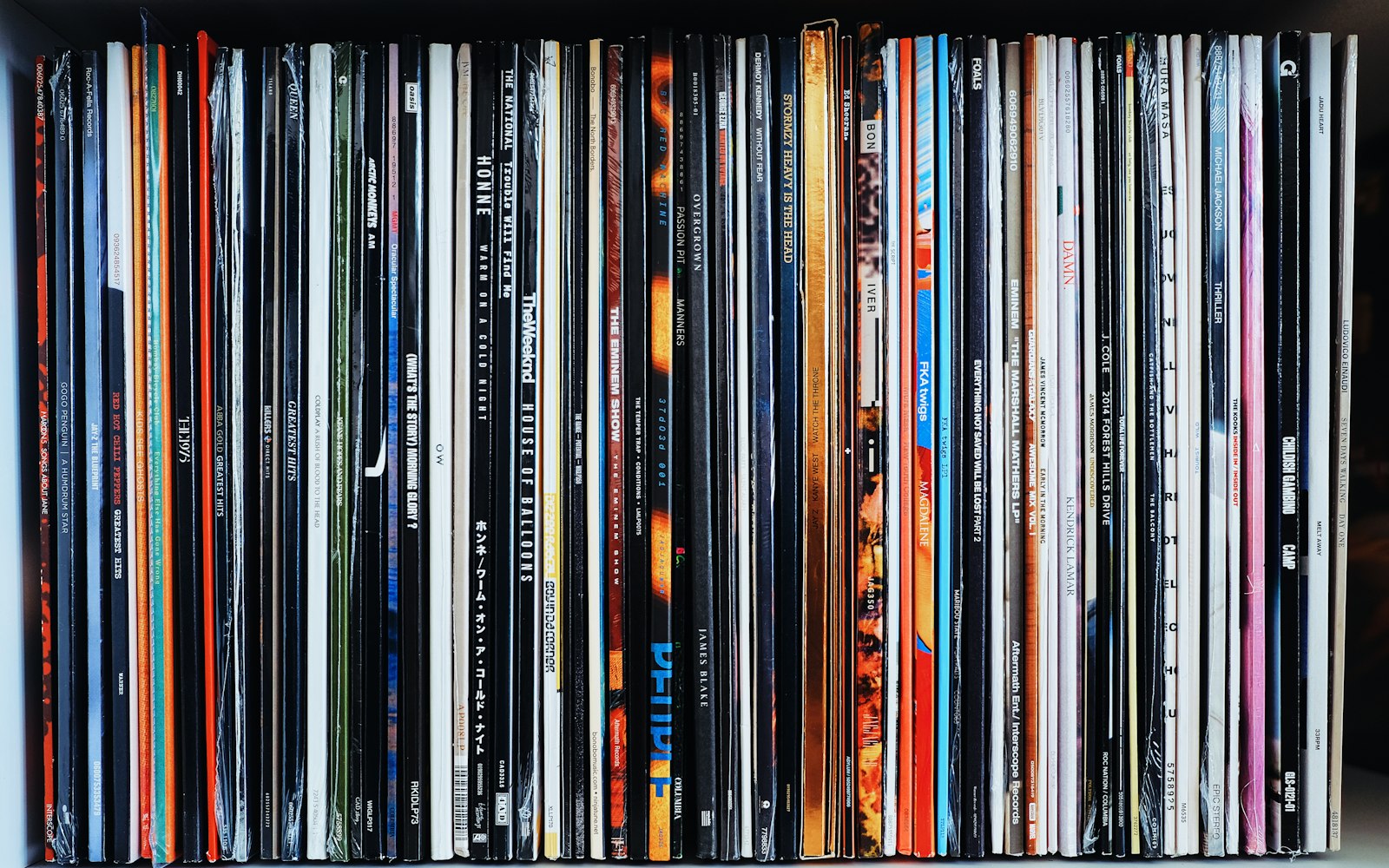
- Jazz kissa and listening bars. No band at all. The music comes from records played on a serious sound system, and the room is built around listening. DUG, JBS and Bar Martha fall into this group, each with its own level of strictness.
Jazz kissa (short for jazz kissaten, “jazz café”) took off in Japan in the 1950s and 60s, when records were expensive and most people couldn’t afford good speakers at home. The habit of sitting quietly and giving an album your full attention survived, and it’s the part of Japanese jazz culture visitors find most surprising.
Jazz Bar Tokyo Night at a Glance
| Venue | Area | Type | What you pay | Booking |
|---|---|---|---|---|
| Blue Note Tokyo | Minami-Aoyama | Supper club | Seat charge per show + food and drink | Online, card payment |
| Cotton Club | Marunouchi | Supper club | Charge per show + food and drink | Online or phone |
| Shinjuku Pit Inn | Shinjuku | Live house | Evening shows from ¥3,300 incl. one drink | Online or phone, by the day before |
| JAZZ HOUSE NARU | Ochanomizu | Live house | Music charge from ¥3,500 + drinks | Recommended |
| SOMETIME | Kichijoji | Live house / restaurant | Check the schedule | Recommended |
| DUG | Shinjuku | Jazz kissa & bar | ¥550 table charge after 18:30 | Walk-in |
| JBS | Shibuya | Record bar | Check at the door | Walk-in |
| Bar Martha | Ebisu | Listening bar | Drinks; no reservations | Walk-in only |
Supper Clubs: The Big-Stage Jazz Night in Tokyo
1. Blue Note Tokyo (Minami-Aoyama)
Blue Note Tokyo opened in November 1988 as the Japanese outpost of the New York club, with Tony Bennett on its first stage. It moved to its current, larger space in 1998 and remains the place to see international headliners in an intimate setting.
The club sits at 6-3-16 Minami-Aoyama, about eight minutes on foot from Omotesando Station. The payment system trips up first-timers, so here’s how it works according to the Blue Note Tokyo first-timer page:
- You pay the seat charge online by credit card when you book.
- Food and drinks are paid separately at the cashier on the night, and everyone must order at least one item.
- Doors open 30 minutes before the first set, and food orders stop when the show begins. Arrive early if you want dinner.
Ticket prices depend entirely on the artist, so check the schedule rather than relying on a number from an old blog post.
2. Cotton Club (Marunouchi)
Cotton Club is a live restaurant on the second floor of the Tokyo Building TOKIA, 2-7-3 Marunouchi, about three minutes from the Marunouchi South Exit of Tokyo Station. It opened in 2005 and runs in a similar style to Blue Note: dinner, drinks and a set from Japanese or international artists.
It’s the easiest jazz club in Tokyo to reach if you’re staying near Tokyo Station or Ginza. Phone reservations are taken from 12:00 to 19:00, and charges vary by show. After the last set, the Ginza lounges are a short walk away; our guide to Ginza bars at night picks up where the music ends.
Live Houses: Where Tokyo’s Jazz Scene Actually Plays
3. Shinjuku Pit Inn (Shinjuku)
If you only visit one jazz club in Tokyo, many musicians would tell you to make it Pit Inn. It opened on Christmas Eve 1965, originally planned as a coffee shop for car fans, hence the name. It soon became the base for players like Sadao Watanabe and a stop for visiting Americans such as Elvin Jones.
Today it’s in a basement at 2-12-4 Shinjuku, about three minutes from Shinjuku-sanchome Station. According to the official Pit Inn site, evening shows open at 19:00 and start at 19:30, with admission from ¥3,300 including one drink. Afternoon shows start at 14:00 and cost less.
Book online or by phone up to 22:30 the day before. People with reservations enter first, which matters because the room fills up for well-known names. Expect plain seating in rows facing the stage and very little service during sets. You’re here for the music.
4. JAZZ HOUSE NARU (Ochanomizu)
NARU has been playing jazz in Ochanomizu since 1969, when it opened as a sister shop to a jazz café in Yoyogi. The club is in a basement at 2-1 Kanda-Surugadai, and past performers include McCoy Tyner, Wynton Marsalis and Jimmy Cobb.
The pricing is refreshingly transparent. The official site gives a real example: a ¥800 beer plus the ¥3,500 music charge comes to ¥4,300 before tax. The charge covers both sets, which start at 19:00 and 20:30 and run about 60 minutes each.
Seats go right up to the grand piano, so you can sit close enough to watch the musicians’ cues. The kitchen had paused food service at the last update, so eat before you arrive.
5. SOMETIME (Kichijoji)
Kichijoji calls itself a jazz town, and SOMETIME, open since 1975, is the reason. It’s in a basement at 1-11-31 Kichijoji-Honcho, and it works as a restaurant as much as a club.
Lunch runs from 12:00 to 17:00. The evening session runs from 18:00 to 22:00, with live sets at 19:00 and 20:30. On weekends and holidays there are also daytime sets at 13:00 and 14:30. It’s open every day except New Year.
Kichijoji is a relaxed alternative to Shinjuku, and SOMETIME works well for a first live jazz experience in Tokyo. Check the schedule on the official site for each night’s music charge.
Looking for Adult Entertainment Services in Tokyo? Download this
I’ve spent over a decade exploring and studying Japan’s adult entertainment scene firsthand. If you’d like detailed insider information—including how to choose the right shop, what services are available, and tips for avoiding common mistakes—check out our exclusive E-book.
Jazz Kissa and Listening Bars in Tokyo
6. DUG (Shinjuku)
DUG is the easiest way into jazz kissa culture. It’s in a basement on Yasukuni-dori at 3-15-12 Shinjuku, next to the Piccadilly cinema. Owner Hozumi Nakadaira is also a well-known jazz photographer, and his portraits of musicians hang on the brick walls. Haruki Murakami was a regular.
It’s open from 12:00 to 23:30. Before 18:30 it’s a coffee spot. From 18:30 it becomes a bar with a ¥550 table charge and more than 100 cocktails, and weekday happy hour runs from 18:30 to 20:00. Conversation is fine here, which makes DUG a gentle first step before a stricter listening bar.
DUG is a short walk from Shinjuku-sanchome and works well with Pit Inn. Our Golden Gai guide has ideas for a nightcap in the same neighborhood.
7. JBS: Jazz, Blues & Soul (Shibuya)
JBS is a tiny second-floor bar at 1-17-10 Dogenzaka, a few minutes’ walk up the slope from Shibuya’s Mark City entrance. Owner Kazuhiro Kobayashi runs it on his own, and the only decoration is his collection of more than 10,000 records.
The name tells you what you’ll hear: jazz, blues and soul, all chosen by Kobayashi. The room is small, there’s no food, and the atmosphere is quiet but not silent. Keep your voice low and don’t ask for songs. Current opening hours and prices aren’t published anywhere official, so carry cash and be flexible.
If you’re making a night of it in the area, our Shibuya nightlife guide covers the back streets around Dogenzaka.
8. Bar Martha (Ebisu)
Bar Martha is the strictest listening bar on this list, and people seek it out for exactly that reason. It’s at 1-22-23 Ebisu, open from 19:00 to 3:00, every day except a few days at year-end and a five-day summer break. There are no reservations.
The house rules are posted on the operator’s website, and they’re firm:
- Keep your voice down. Loud talking interrupts the music.
- No photos. That covers the room, your drink, the records and the sound system.
- No social media. The company says it doesn’t want its bars shared online.
Go with one other person at most and plan to listen more than talk. For a serious music fan, a late jazz bar Tokyo night at Martha is the calmest end to an evening the city offers.
Last Chance: Body & Soul Closes in September 2026
Body & Soul has been one of Tokyo’s most loved jazz clubs for more than 50 years, and it has announced it will close at the end of September 2026. It now operates in Udagawacho, Shibuya. The standard music charge is ¥4,500 per person for two sets, which start at 19:30 and 21:00. If you’re in Tokyo before October, check the schedule and go.
Jazz Bar Etiquette in Tokyo
Jazz rooms in Tokyo are friendly to visitors, but the expectations are different from a noisy bar back home.
- Talk between songs, not during them. This applies at live houses too. Applause after solos is welcome; chatting through a ballad isn’t.
- Understand the charges. Most places add a music charge or table charge on top of drinks. It’s normal, not a scam, and venues usually list it on their schedule.
- Order something. A one-drink minimum is common. At supper clubs it’s often a written rule.
- Ask before taking photos. Many live houses restrict filming during sets, and listening bars like Martha ban photos entirely.
- Bring cash. Card payment is standard at the big clubs but less certain at small bars.
How to Plan a Jazz Bar Tokyo Night
The best evenings pair a live set with a listening bar afterward. Three routes that work:
- Shinjuku classic. An early drink at DUG during happy hour, the 19:30 set at Pit Inn, then back to Shinjuku-sanchome for a nightcap.
- Aoyama to Ebisu. Dinner and a headliner at Blue Note Tokyo, then a taxi to Bar Martha, which stays open until 3:00.
- Easygoing west side. The 19:00 set at SOMETIME in Kichijoji, with plenty of time to get back into central Tokyo afterward.
Live sets usually finish by around 22:00, which leaves you close to last-train time. Check our Tokyo last train guide before you commit to a late listening bar.
What do you do in Tokyo After 10?
Join our Tokyo Nightlife Private Tour
You deserve better than overpriced bars and missed opportunities. We’re here for you.
Want a Local to Plan the Night?
Tokyo’s best jazz rooms don’t advertise. Many are basements with Japanese-only signs, charges that change nightly and rules nobody explains out loud. That’s a lot of the appeal, and also why so many visitors walk past them.
If you’d rather spend the evening listening than working out where to go, our Tokyo After 10 private nightlife tour pairs you with a local guide who knows the city after dark. Tell them you love jazz, and they’ll build the night around the music.