Photo by <a href="https://unsplash.com/@mateokross?utm_source=tokyodeepnightlife&utm_medium=referral">Mateo Krossler</a> on <a href="https://unsplash.com/?utm_source=tokyodeepnightlife&utm_medium=referral">Unsplash</a>
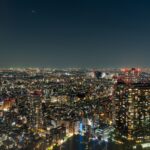
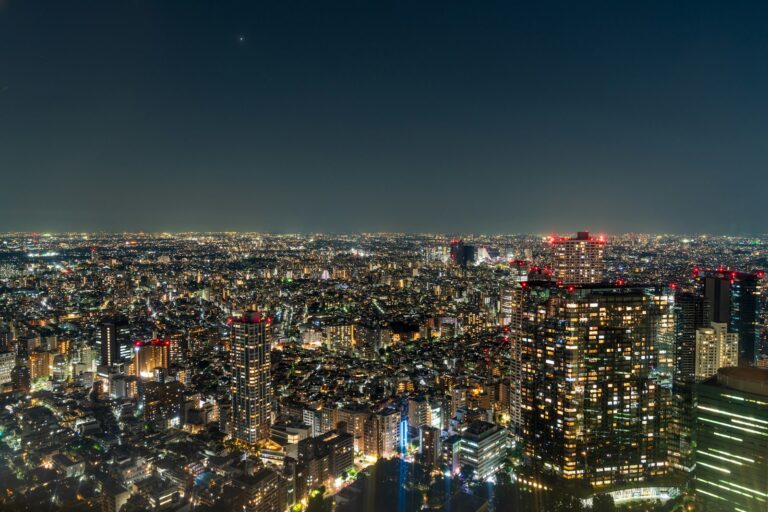
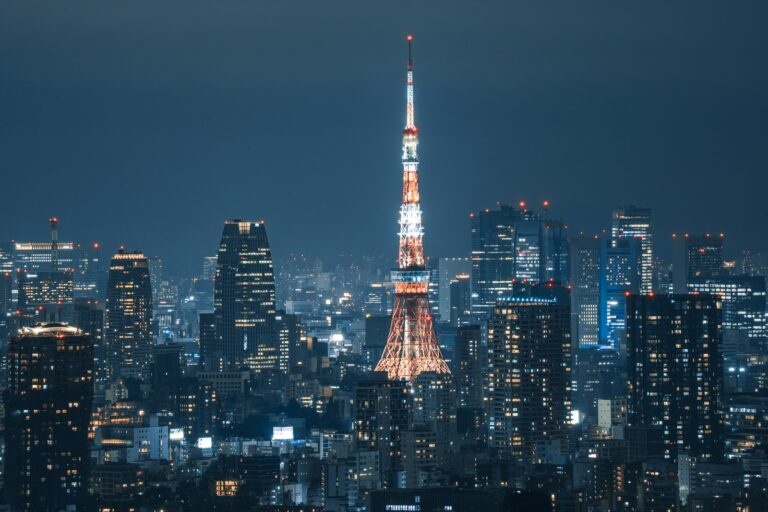
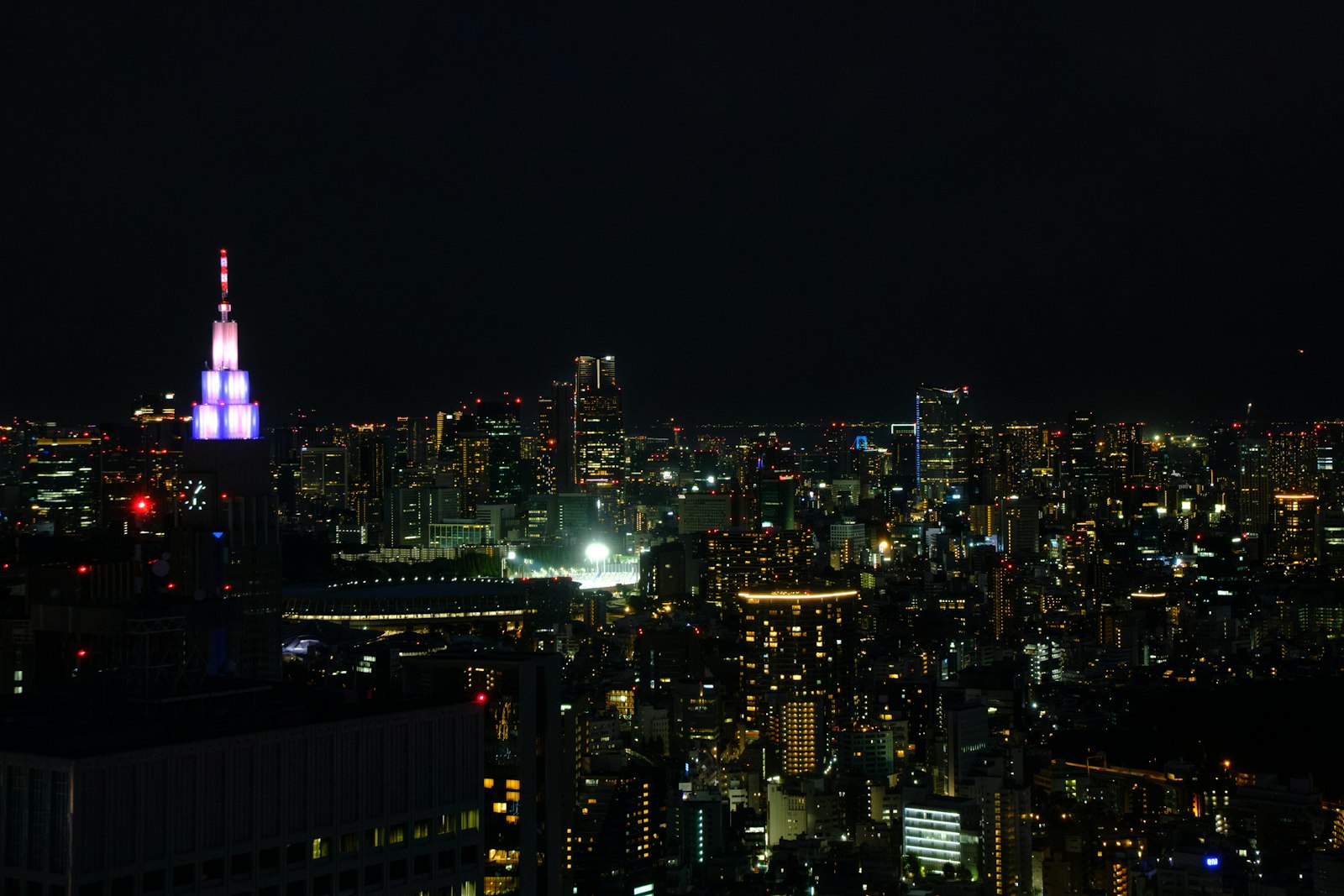
Most of Tokyo’s big observation decks charge you a few thousand yen to look at the city lights. The Tokyo Metropolitan Government Building night view costs nothing. From 202 meters up in Shinjuku, you get a full sweep of the skyline — Skytree glowing in the east, the endless grid of lit-up office towers, and on clear evenings, the dark silhouette of Mt. Fuji fading into the sunset.
Locals just call the building “Tocho.” This guide covers what you actually need to know before you go: which of the two observation decks stays open late, the best time to arrive, how to combine the view with the free projection mapping show on the building’s facade, and where to head in Shinjuku once you’re back on the ground.
Contents
- Tokyo Metropolitan Government Building Night View at a Glance
- Why the Tocho Observation Deck Is Worth It at Night
- Best Time to See the Tokyo Metropolitan Government Building Night View
- How to Get to the Tocho Observation Deck
- Tokyo Night & Light: The Free Projection Mapping Show
- Tips for Photographing the Tokyo Night View from Tocho
- What to Do After the Tokyo Metropolitan Government Building Night View
- Frequently Asked Questions
- What do you do in Tokyo After 10?Join our Tokyo Nightlife Private Tour
- From Free Views to a Night Only Locals Know
- About the Author
Tokyo Metropolitan Government Building Night View at a Glance
Here are the essentials, based on the official visitor information from the Tokyo Metropolitan Government and GO TOKYO, the city’s official travel site:
- Height: Both observation decks sit on the 45th floor of Main Building No. 1, 202 meters above ground
- Admission: Free — no tickets, no reservations
- South Observatory: 9:30–22:00 (last entry 21:30). Closed on the 1st and 3rd Tuesday of each month
- North Observatory: Opens at 9:30 but normally closes in the late afternoon. It stays open until 22:00 on days the South Observatory is closed. Closed on the 2nd and 4th Monday of each month
- Holiday closures: Both decks close over the New Year holiday period and on building inspection days
- Access: About 1 minute from Exit A4 of Tochomae Station (Toei Oedo Line), or roughly a 10-minute walk from the west side of JR Shinjuku Station
The key takeaway for a night visit: the South Observatory is your night-view deck on most days. If you show up after dark expecting to choose between the two towers, you’ll usually find only one open. Closing days shift to the next weekday when they fall on a national holiday, and temporary closures do happen, so check the official site on the day you plan to go.
Why the Tocho Observation Deck Is Worth It at Night
It’s free — and that changes how you use it
Because there’s no ticket, there’s no pressure to “get your money’s worth.” You can pop up for 20 minutes on your way to dinner, or arrive before sunset and stay for the whole transition from daylight to city lights. That flexibility is the real luxury here. It also makes Tocho one of the easiest additions to any Shinjuku evening.
The view is different from Tokyo’s other towers
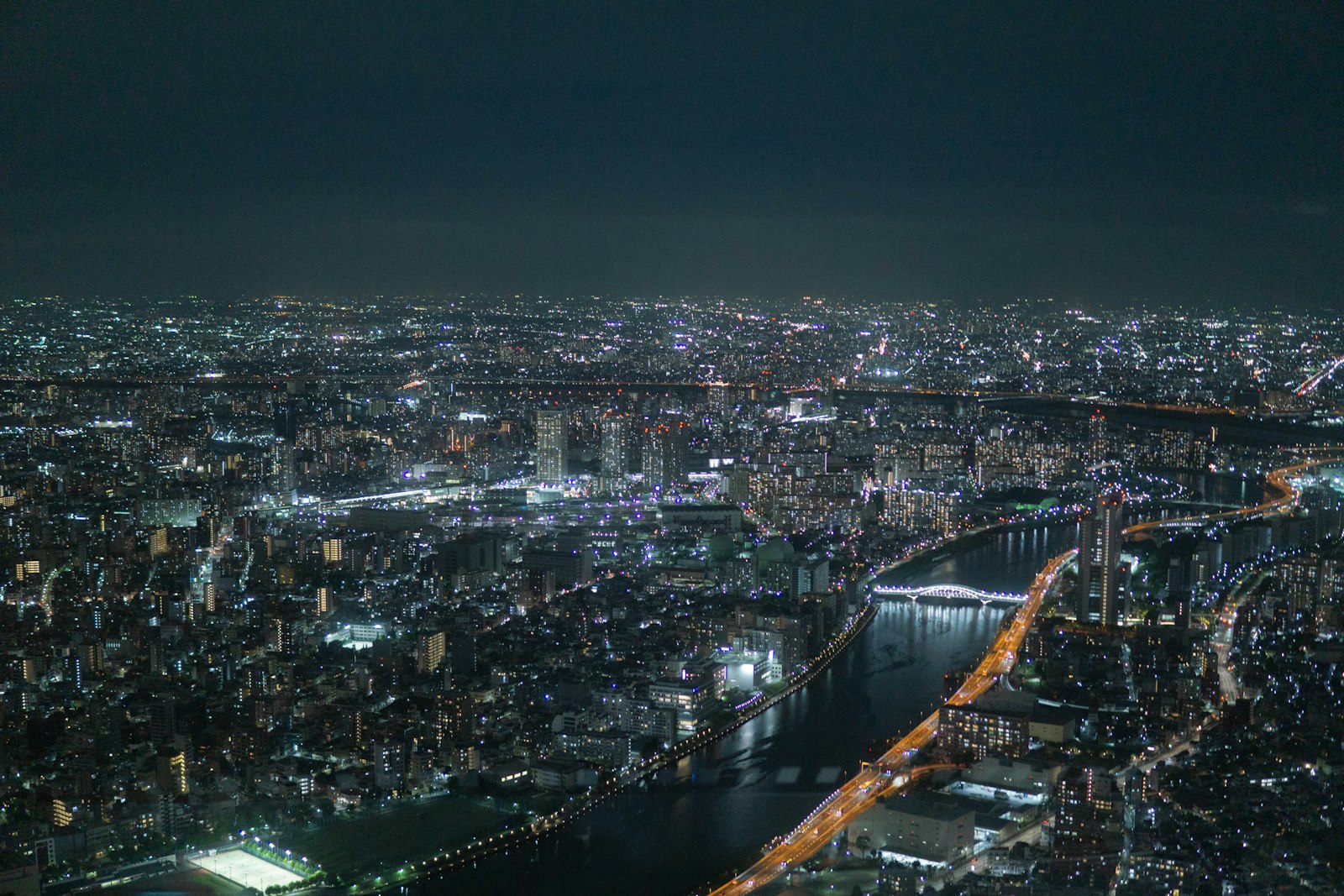
From Shinjuku, you’re looking at Tokyo from its western edge. That means the densest cluster of high-rises — the West Shinjuku skyscraper district — is right below you, and the rest of the city spreads out toward the bay. GO TOKYO notes that you can see Tokyo Skytree and Tokyo Bay from the decks, plus Mt. Fuji on clear days. Photo panels around the observatories help you identify the landmarks.
If you’re comparing options, our guide to the Tokyo Skytree night view explains what you get from the city’s tallest tower. Many travelers do both: Skytree for sheer height, Tocho for a free Shinjuku-side perspective.
Honest downsides
The Tokyo Metropolitan Government Building observatory is a government facility, not a polished tourist attraction. Expect glass windows with some reflections at night, rather than an open-air rooftop. The decks are enclosed, so serious night photographers will be fighting glare. There’s also a cafe and gift shop on the floor, which some visitors find takes away from the atmosphere. For a free view of this quality, though, those are small trade-offs.
Best Time to See the Tokyo Metropolitan Government Building Night View
Arrive before sunset, not after
The single best tip: get there 30 to 40 minutes before sunset. You’ll see the city in daylight, catch the sky turning orange behind the western mountains, and then watch the lights switch on across the city. That twilight window — the “magic hour” when the sky is deep blue but not yet black — is when photos look their best.
In late autumn and winter, sunset in Tokyo comes early, around 4:30 pm. That’s a big advantage: you can catch the full sunset-to-night sequence and still have your entire evening free for dinner and drinks.
Winter is the clearest season
Cooler, drier air means less haze. GO TOKYO notes that autumn and winter mornings give the clearest views. That same crisp air also helps at dusk, when Mt. Fuji is most likely to appear as a silhouette against the sunset. In summer, humidity often hides Fuji completely.
Weekdays are calmer
There’s no reservation system, so visitors line up for the dedicated elevator. Weekday evenings are usually calmer than weekends and holidays. If you do find a queue at the base, it tends to move steadily, since people come and go rather than staying for a set time slot.
How to Get to the Tocho Observation Deck
By train
- Tochomae Station (Toei Oedo Line): The closest option. Exit A4 puts you about a minute from the building
- JR Shinjuku Station: Exit on the west side and walk through the West Shinjuku skyscraper district. It takes roughly 10 minutes, and the walk past the lit-up towers is part of the experience at night
Finding the elevator
Head to the 1st floor of Main Building No. 1 (the twin-towered building), where a dedicated observation-deck elevator takes you straight to the 45th floor. Signs guide you to the entrance for whichever deck is open that day. The ride is quick, and before you know it, you’re looking down at Shinjuku’s skyline.
Looking for Adult Entertainment Services in Tokyo? Download this
I’ve spent over a decade exploring and studying Japan’s adult entertainment scene firsthand. If you’d like detailed insider information—including how to choose the right shop, what services are available, and tips for avoiding common mistakes—check out our exclusive E-book.
Tokyo Night & Light: The Free Projection Mapping Show
Once you’ve seen the view from the top, come back down for the second free show of the evening. TOKYO Night & Light is a projection mapping display beamed onto the facade of the Tokyo Metropolitan Government Building itself.
The scale is remarkable. According to GO TOKYO, the projection covers about 13,904 square meters of the building, from the 4th to the 32nd floor. In February 2024, Guinness World Records recognized it as the “largest architectural projection-mapped display (permanent).”
Here’s how it works:
- Cost: Free, with no tickets or reservations
- Schedule: Multiple shows each evening, starting after sunset and running until about 21:45
- Length: Each show lasts around 15 minutes, with shows roughly every 30 minutes
- Weather: Shows are canceled in bad weather
- Programs: The content changes throughout the year, so even repeat visitors may see something new
Start times shift with the seasons because the shows begin after dark. In the November-to-January period, they start earlier in the evening than in summer. Check the official Tokyo Projection Mapping Project site for the current schedule and programs before you go.
You watch the show from ground level outside the building, not from the observation deck. The ideal plan for a winter evening looks like this:
- Ride up to the South Observatory about 30–40 minutes before sunset
- Watch the sunset and city lights come on
- Head down and catch one of the projection mapping shows
- Walk back toward Shinjuku Station for dinner and drinks
That’s a complete, free Tokyo night experience before you’ve spent a single yen.
Tips for Photographing the Tokyo Night View from Tocho
The enclosed glass deck makes night photography tricky, but these simple habits help a lot:
- Kill the reflections. Press your phone or lens close to the glass, and use your hand or a dark jacket to block light from behind you
- Shoot at blue hour. The 20–30 minutes after sunset give you a dark-blue sky instead of a black one, which makes the skyline pop
- Turn off your flash. It only bounces off the glass
- Brace instead of using a tripod. Steady your phone against the window frame or railing to cut down on shake in low light. Be considerate of other visitors at the window
- Use night mode. Most modern phones handle city lights well if you hold still for a few seconds
For more ideas on capturing Shinjuku after dark, our Shinjuku nightlife guide covers the neon-soaked streets on the east side of the station — a completely different look from the clean skyscraper views at Tocho.
What to Do After the Tokyo Metropolitan Government Building Night View
This is where most guides stop — and where your night in Shinjuku really begins. Since the South deck closes at 22:00 and the projection shows end around 21:45, you’ll be back on street level with plenty of night ahead of you.
Omoide Yokocho: smoke, lanterns and yakitori
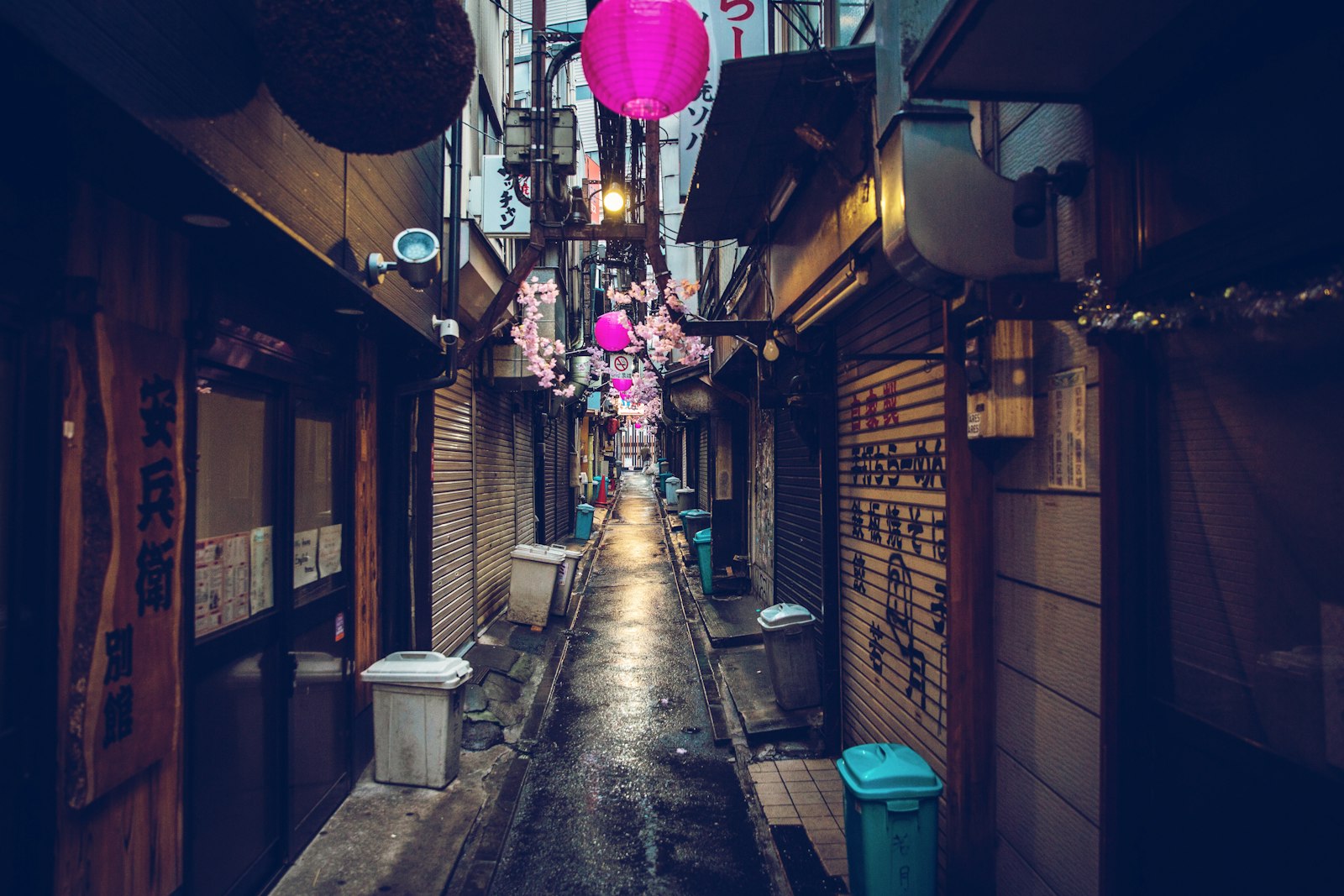
A short walk back toward the west side of Shinjuku Station brings you to Omoide Yokocho, the narrow alley of tiny yakitori counters and drinking stalls. After the sweeping views from 202 meters up, squeezing onto a stool in a smoky lane is the perfect contrast. Our first-timer’s guide to Omoide Yokocho explains how to choose a stall and order with confidence.
Keep the views going at a rooftop bar
If one skyline view isn’t enough, Tokyo has plenty of bars where you can enjoy the lights with a drink in hand. See our roundup of rooftop bars in Tokyo with a night view for spots across the city.
Cross to the east side
Golden Gai and Kabukicho are on the east side of Shinjuku Station, so you can walk there after dinner. This is where the area’s nightlife gets dense, loud and occasionally confusing for first-time visitors.
Frequently Asked Questions
Is the Tokyo Metropolitan Government Building observation deck free?
Yes. Both the South and North observatories are free to enter, and no reservations are required. The TOKYO Night & Light projection mapping show is also free.
Which observation deck is open at night?
On most days, the South Observatory, which is open until 22:00 with last entry at 21:30. The North Observatory usually closes in the late afternoon, but stays open until 22:00 on days when the South Observatory is closed.
Can you see Mt. Fuji from the Tocho observation deck?
On clear days, yes. Your best chances are in autumn and winter, when the air is drier and less hazy. At sunset, Fuji often appears as a dark silhouette against the sky.
How long should I spend there?
Allow 30 minutes for the view alone. If you plan to catch the sunset and then a projection mapping show, set aside about 1.5 to 2 hours.
Is it worth it compared to paid observatories?
For a free attraction, the Tokyo Metropolitan Government Building night view is excellent value. Paid decks are taller and often more polished, but Tocho offers a wide Shinjuku-side panorama that costs you nothing. That leaves more budget for the rest of your night.
What do you do in Tokyo After 10?
Join our Tokyo Nightlife Private Tour
You deserve better than overpriced bars and missed opportunities. We’re here for you.
From Free Views to a Night Only Locals Know
The Tocho observation deck shows you Tokyo from above: millions of lights, perfectly ordered, with no idea what’s happening inside them. The real night lives down at street level, in the eight-seat bars, the izakaya with no English signs, and the alleys you’d walk straight past without knowing they were there.
If you’d like to see that side of the city without the guesswork, our Tokyo After 10 nightlife private tour pairs you with a local guide who takes you into the places that don’t show up on Google Maps. Start your evening with the free skyline at Tocho, then let someone who lives here show you what’s going on beneath all those lights.