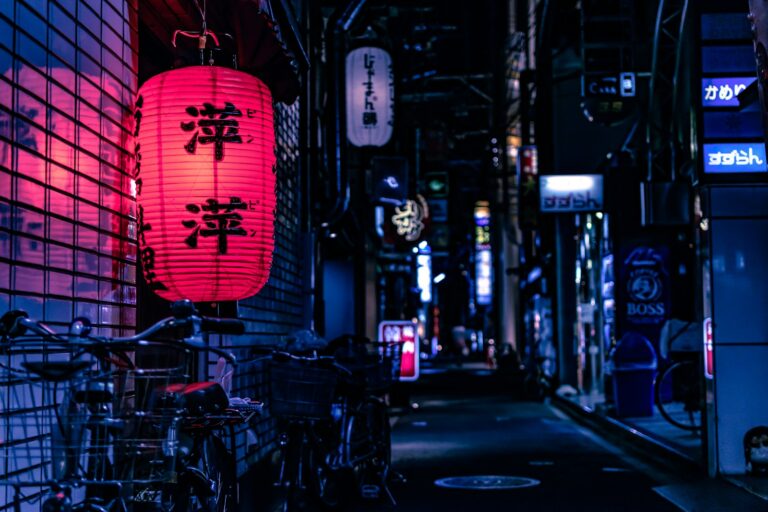
Photo by <a href="https://unsplash.com/@gaspanik?utm_source=tokyodeepnightlife&utm_medium=referral">Masaaki Komori</a> on <a href="https://unsplash.com/?utm_source=tokyodeepnightlife&utm_medium=referral">Unsplash</a>
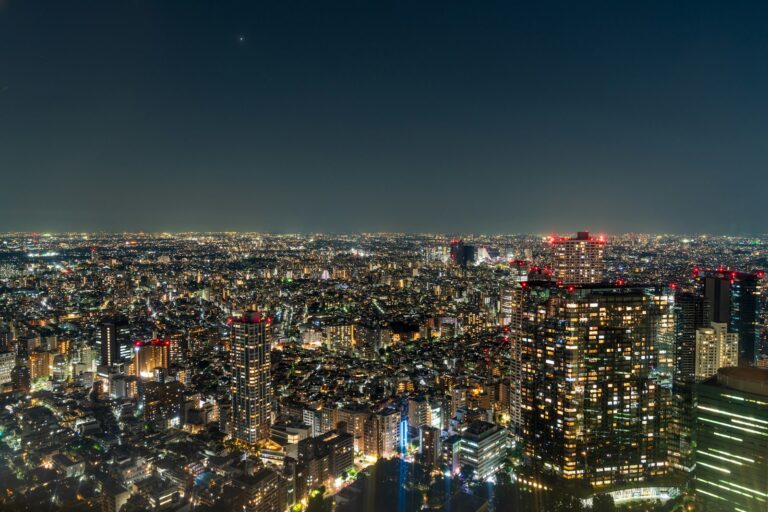
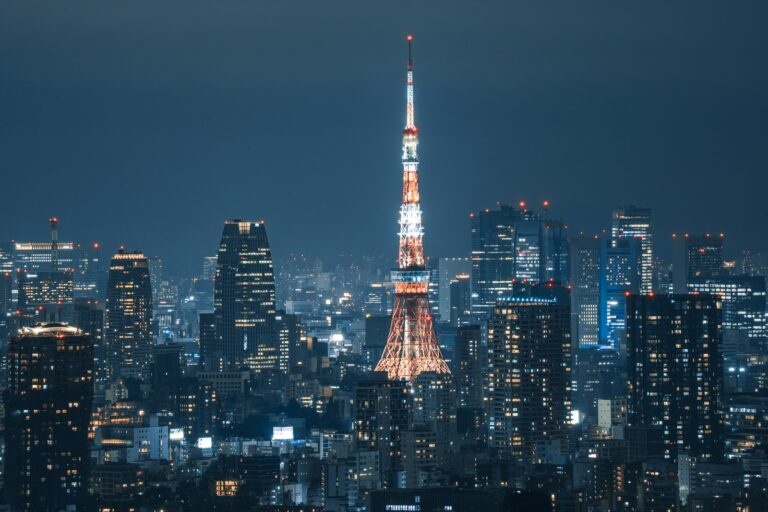
Every guidebook calls Tokyo a “city that never sleeps.” So does Tokyo ever sleep, or is that just a nice line? The honest answer is: parts of it do, and parts of it don’t. Around midnight the trains stop and most of the city goes quiet. A few neighborhoods, though, stay bright and busy until the first train of the morning.
This guide follows Tokyo through the night, hour by hour. You’ll see which areas go dark, which stay awake, and why the people who live here are some of the most tired city dwellers in the world. If you’re planning a late night out, you’ll also know how to handle the time between the last train and the first.
Contents
- The Short Answer: Does Tokyo Ever Sleep?
- Why Tokyo Is Called the City That Never Sleeps
- But Tokyo’s People Barely Sleep at All
- Tokyo at Night, Hour by Hour
- Which Parts of Tokyo Never Sleep?
- How to Spend a Sleepless Night in Tokyo
- Tips for Staying Out Late in Tokyo
- Frequently Asked Questions
- What do you do in Tokyo After 10?Join our Tokyo Nightlife Private Tour
- See Tokyo’s Sleepless Side With a Local
- About the Author
The Short Answer: Does Tokyo Ever Sleep?
Yes, most of Tokyo sleeps. But it never sleeps all at once.
Tokyo is not one city center. It is a cluster of many centers, and each one keeps its own hours:
- Residential areas like Setagaya, Nerima, or the streets behind any suburban station are silent by midnight. You’ll hear vending machines humming and the odd bicycle.
- Office districts like Marunouchi and Otemachi empty out fast. Once the last office worker goes home, these streets can feel almost abandoned.
- Nightlife hubs like Kabukicho in Shinjuku, Shibuya, and Roppongi keep going. Bars, clubs, karaoke boxes, and ramen counters stay open until the trains start again.
So when people ask whether Tokyo sleeps, the real question is where you are standing at 3 a.m.
Why Tokyo Is Called the City That Never Sleeps
The nickname comes from a few things that surprise first-time visitors.
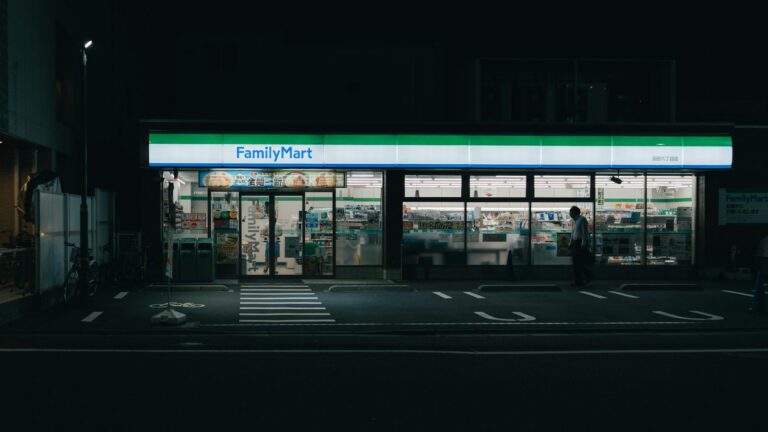
Convenience stores almost never close. The big chains (7-Eleven, Lawson, and FamilyMart) run most of their stores 24 hours a day. You can buy a hot meal, a coffee, or a phone charger at 4 a.m. on almost any block.
Food is available all night. Many branches of gyudon (beef bowl) chains such as Yoshinoya and Sukiya serve around the clock. In nightlife areas, some ramen shops are busiest after midnight.
Big stores stay open too. MEGA Don Quijote Shibuya Honten is listed by the city’s official tourism site, GO TOKYO, as generally open 24 hours. It’s a strange and fun place to walk around in the middle of the night.
There’s even a 24-hour hot spring bath. Thermae-Yu, in Kabukicho 1-chome, Shinjuku, says on its official site that it is open 24 hours a day, every day of the year.
With all of this, it’s easy to see why Tokyo got its reputation.
But Tokyo’s People Barely Sleep at All
Here’s the twist. The city may sleep, but its residents often don’t sleep enough.
A 2010 survey by the food company Ajinomoto compared office workers in five cities. Tokyo workers slept just under six hours on an average weekday. That was the shortest of all five cities, less than New York (6 hours 35 minutes) and much less than Shanghai (7 hours 28 minutes).
Data from the wearable tracker company Jawbone in 2014 told a similar story. Tokyo users had the shortest average sleep of the cities in its comparison, at around 5 hours 44 minutes. These numbers come from older surveys and consumer devices, so take them as a rough picture rather than hard science. Still, the pattern is clear.
Why so little sleep? Long working hours, long commutes, and after-work drinking with colleagues all play a part. That’s also why you’ll see so many people asleep on the train. In Japan this is called inemuri, or napping in public, and nobody thinks it’s rude.
So the “city that never sleeps” is partly true in a way most travelers don’t expect. It’s the people, not just the streets, who stay awake.
Tokyo at Night, Hour by Hour
To really answer “does Tokyo ever sleep,” it helps to follow the night from start to finish.
7 p.m. – 10 p.m.: The Busiest Time of Night
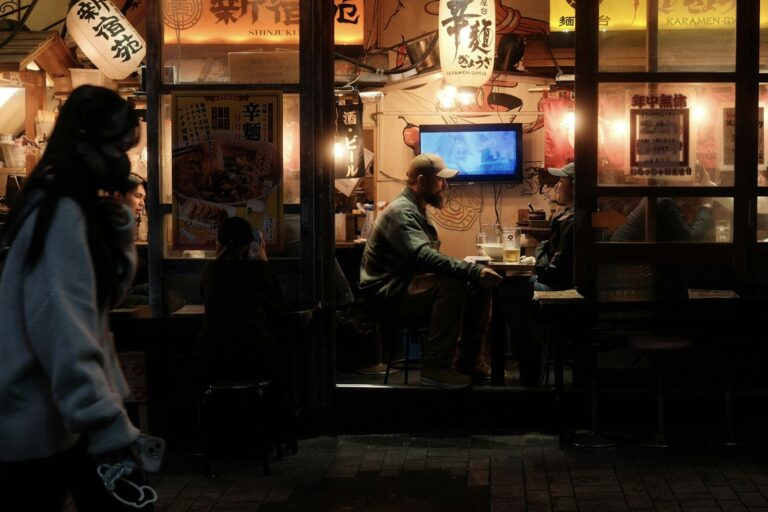
This is when Tokyo is most alive. Office workers pour into izakaya (Japanese pubs), and the narrow alleys around big stations fill with smoke from yakitori grills. Restaurants are full, and you may need to wait for a table.
Many sit-down restaurants stop taking food orders around 10 or 11 p.m. If you want a proper dinner, eat before then.
10 p.m. – Midnight: The Race for the Last Train
After 10 p.m. the crowd starts to change. The first group goes home. The second group, often younger, moves to bars, karaoke, or clubs.
The big event of the night is the last train, called shuden. On most lines it leaves somewhere between about 11:30 p.m. and 12:30 a.m., depending on the line and direction. Both JR East and Tokyo Metro moved their last trains earlier in spring 2021, so old blog posts may list times that are now wrong. Always check a route app on the day. We explain the details in our Tokyo last train survival guide.
Taxis also get more expensive at this point. According to the Tokyo Hire-Taxi Association’s official price list, fares rise by 20% between 10 p.m. and 5 a.m.
Midnight – 2 a.m.: The City Splits in Two
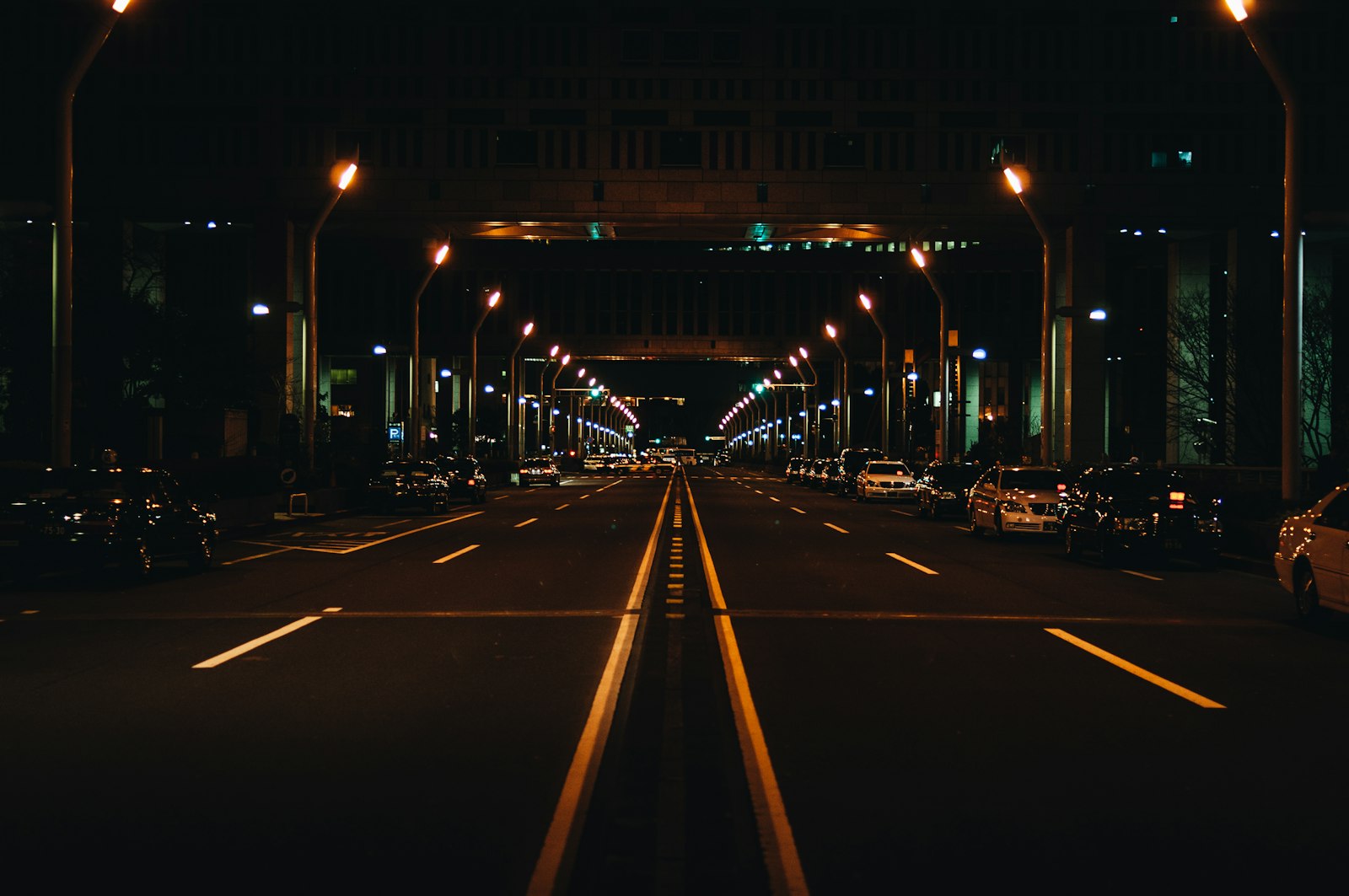
Once the trains stop, Tokyo splits. Most of the city switches off. Shops pull down their shutters, office towers go dark, and side streets become very quiet.
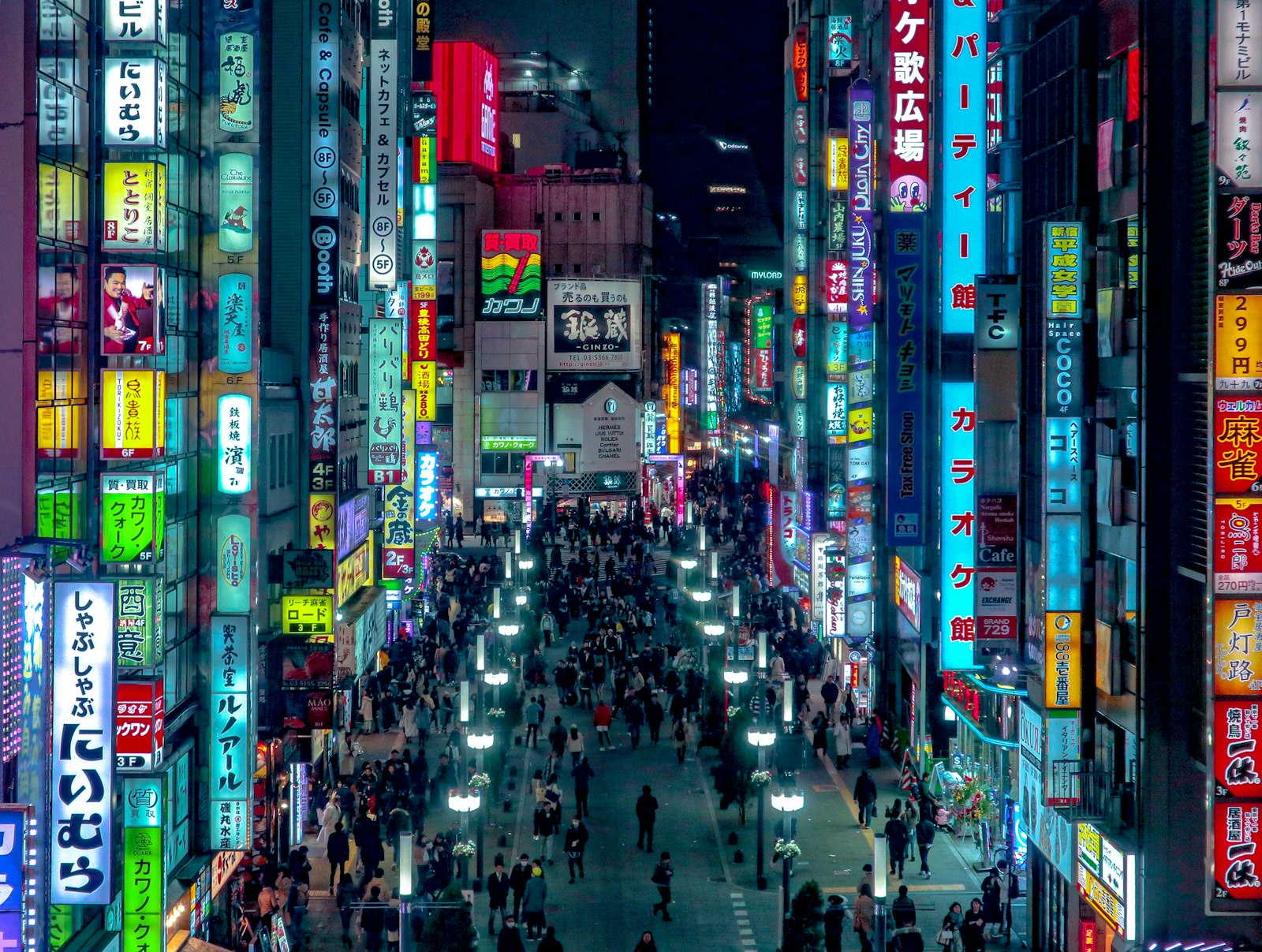
In the nightlife districts, though, this is when the second half of the night begins. People who missed the last train (on purpose or not) settle in until morning. Bars in Shinjuku Golden Gai, clubs in Shibuya and Roppongi, and all-night karaoke rooms are busy. For specific ideas, see our list of late-night Tokyo spots open after midnight.
2 a.m. – 5 a.m.: The Quietest Hours
This is when Tokyo comes closest to sleeping. Even in Shinjuku, the streets thin out. The people still around are mostly:
- Clubbers waiting for the first train
- Groups singing in karaoke booths until dawn
- People in internet cafés or manga cafés, which many use as a cheap place to rest
- Night-shift workers, taxi drivers, and delivery trucks
It’s a calm, slightly strange time. The neon is still on, but the energy is low. If you’re out at 4 a.m., a bowl of ramen or a beef bowl tastes very good.
5 a.m. – 7 a.m.: Tokyo Wakes Up Again
The first trains start running at around 5 a.m., a little earlier on some lines. Clubbers in wrinkled clothes share the platform with early commuters in neat suits. It’s one of the funniest sights in Tokyo.
Other parts of the city are already hard at work. At Toyosu Market, Tokyo’s main wholesale fish market, the tuna auction runs from roughly 5:30 to 6:30 a.m. on market days. To watch from the lower observation deck, you need to apply in advance through the official lottery. The market is also closed on Sundays, national holidays, and some Wednesdays, so check the calendar first.
Looking for Adult Entertainment Services in Tokyo? Download this
I’ve spent over a decade exploring and studying Japan’s adult entertainment scene firsthand. If you’d like detailed insider information—including how to choose the right shop, what services are available, and tips for avoiding common mistakes—check out our exclusive E-book.
Which Parts of Tokyo Never Sleep?
If you want to stay up all night, go to an area that’s built for it. These are the main ones.
Shinjuku (Kabukicho and Golden Gai)
Shinjuku is Tokyo’s biggest all-night district. Kabukicho has bars, karaoke, and restaurants open until morning. Next to it, Golden Gai is a maze of tiny bars, many with only a handful of seats. Our Golden Gai guide explains how cover charges work and which bars welcome visitors.
Kabukicho also has touts and some rip-off bars, so stay alert. Don’t follow anyone who approaches you on the street.
Shibuya
Shibuya is younger and more club-focused. On Friday and Saturday nights the area around the station stays busy well past midnight. The famous crossing is much quieter at 3 a.m. than in the evening, which makes it a good time for photos.
Roppongi
Roppongi has long been the international nightlife area, with many bars and clubs that are used to foreign guests. It’s lively on weekends, but it also has more aggressive touts than most areas. Choose places you’ve researched in advance.
Ikebukuro and Ueno
These areas have plenty of izakaya, karaoke, and late-night food, but they are more local and a little less busy after 2 a.m. They’re good choices if you want a late night without the big crowds.
How to Spend a Sleepless Night in Tokyo
Missed the last train? Or want to see the city at its strangest? Here are some ways to fill the night.
- Sing until morning. Many karaoke chains run all night and offer packages that last until the first train. It’s often cheaper than a taxi home.
- Soak in a hot bath. Thermae-Yu in Kabukicho is open 24 hours, so you can rest in a hot spring bath at 3 a.m.
- Go shopping at 2 a.m. MEGA Don Quijote in Shibuya is generally open 24 hours and full of snacks, souvenirs, and odd gadgets.
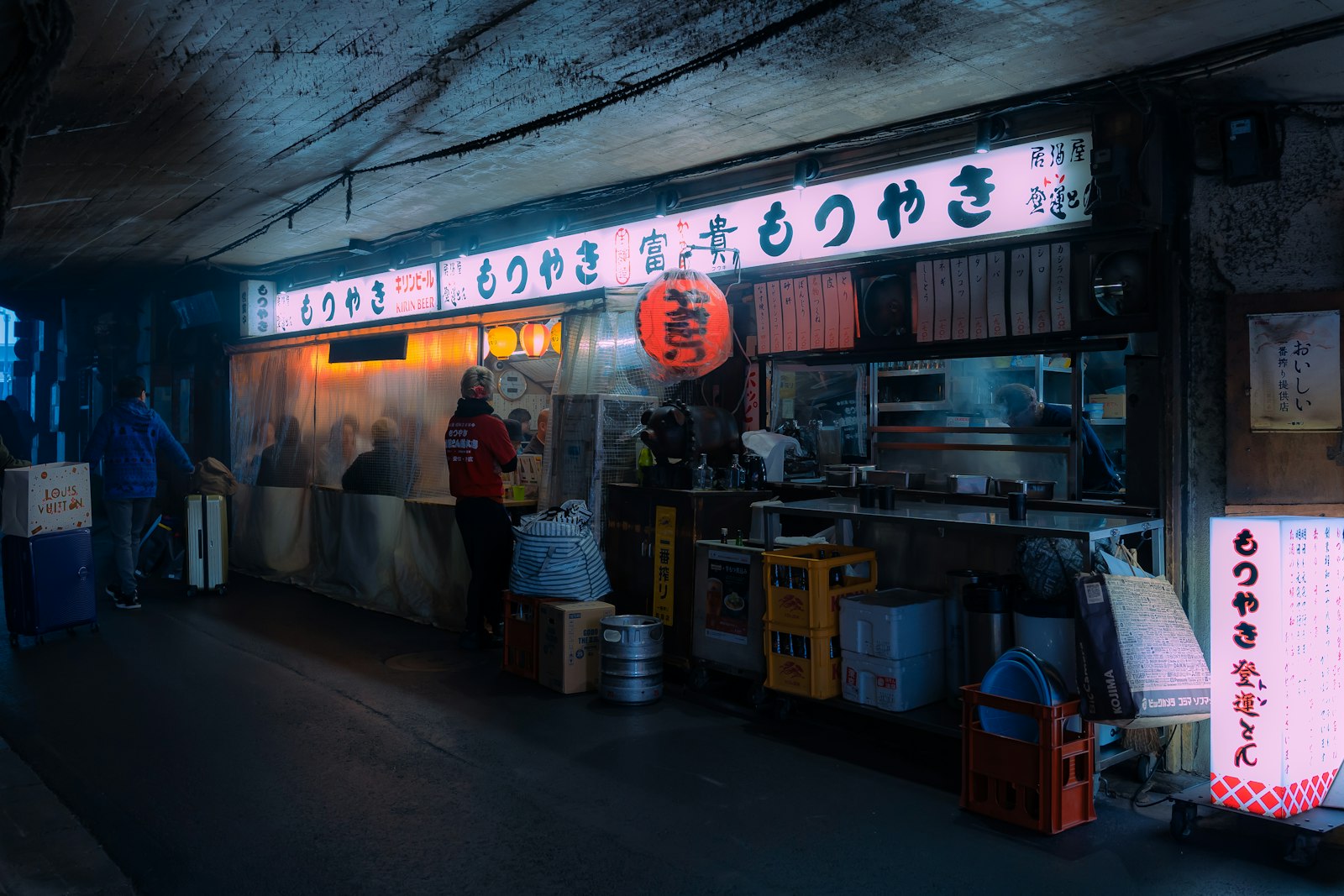
- Eat ramen or a beef bowl. Late-night ramen is a Tokyo tradition. Look for a line of locals at 1 a.m.; it’s usually a good sign.
- Watch planes at sunrise. The Terminal 3 observation deck at Haneda Airport is open 24 hours, according to the official Haneda Airport site. It can close in bad weather.
- Take a taxi home. If you’re tired, a taxi is easy to find in nightlife areas. Just remember the 20% late-night surcharge. Our guide to taking a taxi at night in Tokyo explains how to hail one and what to expect.
Tips for Staying Out Late in Tokyo
A few simple rules will make your night much easier.
- Decide early: last train or first train? Either go home before about midnight or plan to stay out until around 5 a.m. The time in between is the hardest part of the night.
- Bring cash. Many small bars and local places still prefer cash, even though cards are now more common.
- Check for cover charges. Many bars charge a seat fee, sometimes with a small snack called otoshi. This is normal, not a scam.
- Keep your voice down outside. Even in busy areas, people live nearby. Loud groups on residential streets late at night are a common complaint.
- Trust your feeling. Tokyo is very safe, but nightlife areas still have touts and overpriced bars. If something feels wrong, walk away.
Frequently Asked Questions
Does Tokyo ever sleep completely?
No. Even at 4 a.m. there are convenience stores, taxis, some restaurants, and nightlife venues open. But most residential and office areas are very quiet between about 1 a.m. and 5 a.m.
Is Tokyo more of a 24-hour city than New York?
They’re different. New York’s subway runs all night, while Tokyo’s trains stop around midnight. On the other hand, Tokyo has convenience stores on nearly every corner, and these stay open 24 hours. Tokyo’s late nights are concentrated in a few districts rather than spread across the whole city.
Is it safe to walk around Tokyo at night?
Generally, yes. Tokyo is one of the safest large cities in the world. The main risks at night are in nightlife districts: drink-price scams, aggressive touts, and drinking too much. Use common sense and stick to places you’ve checked.
What time do trains stop in Tokyo?
Most last trains leave between about 11:30 p.m. and 12:30 a.m., and first trains start around 5 a.m. Times vary by line and station, so check a route app before you go out.
What do you do in Tokyo After 10?
Join our Tokyo Nightlife Private Tour
You deserve better than overpriced bars and missed opportunities. We’re here for you.
See Tokyo’s Sleepless Side With a Local
So, does Tokyo ever sleep? Most of it does. But the parts that stay awake are some of the most interesting places in the world to spend a night: tiny bars with six seats, karaoke until sunrise, steaming ramen at 3 a.m., and first-train platforms full of tired clubbers.
The hard part is knowing where to go. Many of the best bars have no English sign, and some areas have places you’d want to avoid. If you’d like someone who knows these streets to show you around, our Tokyo After 10 nightlife private tour takes you into Tokyo’s late-night side with a local guide. You’ll see how the city really lives after dark, without the guesswork.