Photo by <a href="https://unsplash.com/@d_ks11?utm_source=tokyodeepnightlife&utm_medium=referral">Dominic Kurniawan Suryaputra</a> on <a href="https://unsplash.com/?utm_source=tokyodeepnightlife&utm_medium=referral">Unsplash</a>
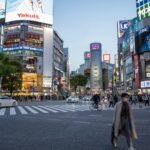
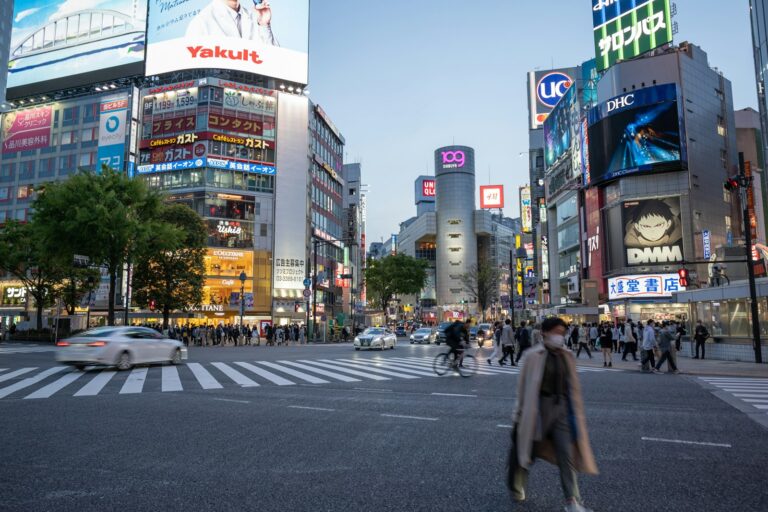
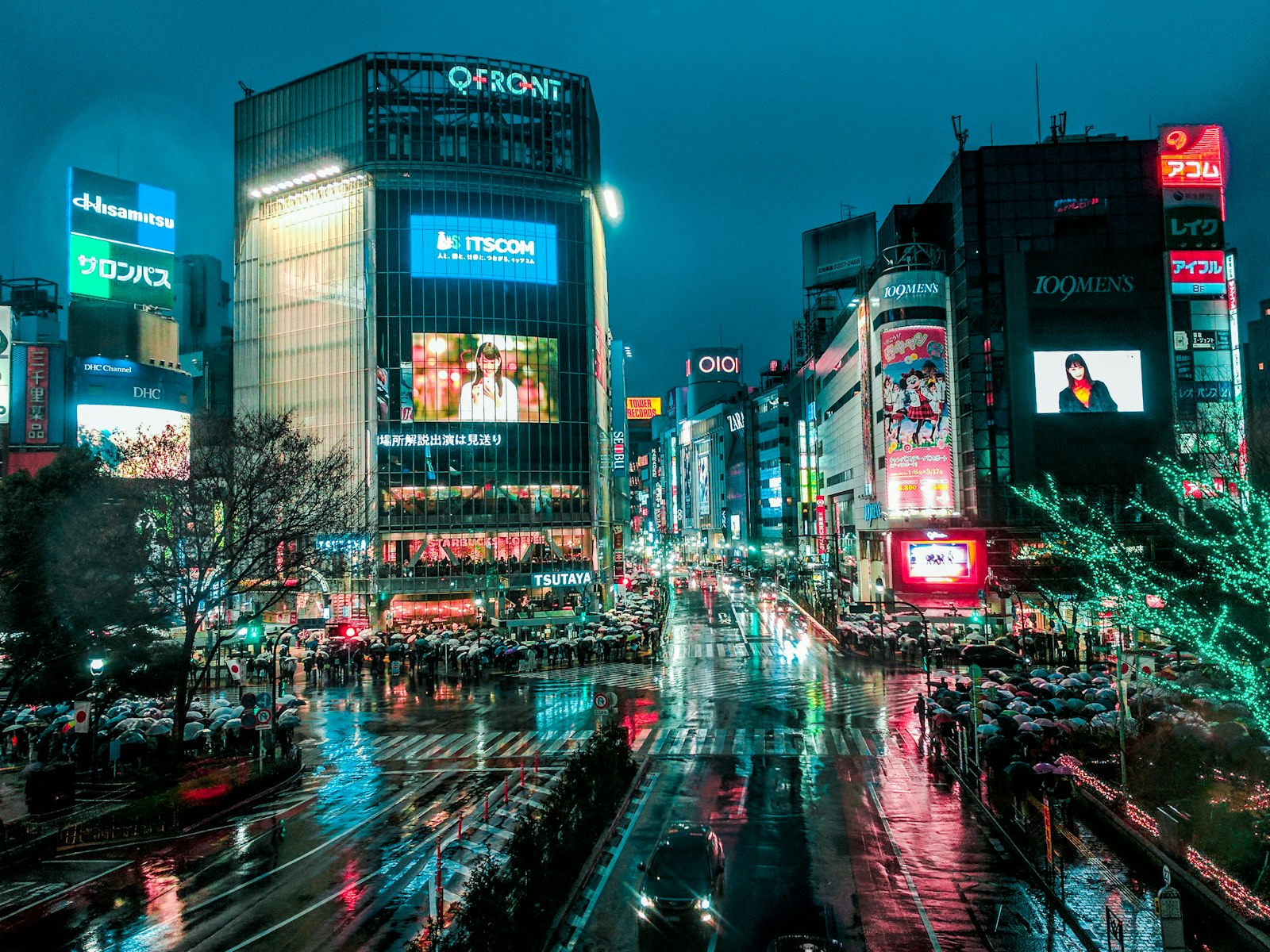
Stand at the Scramble Crossing at 8pm and Shibuya looks like one giant neon shopping street. It isn’t. A few minutes’ walk in almost any direction, the crowds drop away and you’re in lantern-lit alleys, second-floor rooms with five stools, and basement bars with no sign at street level. A good Shibuya bar hopping tour is really just a way of getting into those places, whether you book a guide or plan the route yourself.
This guide covers both. You’ll get what guided tours actually include, the three back-alley pockets worth knowing, six places we could verify against official listings, two sample routes, and a checklist for choosing a tour.
Contents
- What a Shibuya Bar Hopping Tour Actually Looks Like
- Guided Shibuya Bar Hopping Tour vs Going Solo
- The Back-Alley Map: Three Pockets Most Visitors Miss
- Etiquette for Tiny Hidden Bars
- Six Verified Stops for a Self-Guided Shibuya Bar Hopping Tour
- Two Sample Routes for a DIY Shibuya Bar Crawl
- What a Shibuya Bar Hopping Night Costs
- How to Choose a Shibuya Bar Hopping Tour
- Shibuya Bar Hopping Tour FAQ
- What do you do in Tokyo After 10?Join our Tokyo Nightlife Private Tour
- Skip the Guesswork: Let a Local Open the Door
- About the Author
What a Shibuya Bar Hopping Tour Actually Looks Like
Look through the listings on the big booking platforms and most guided tours follow the same basic shape:
- Meeting point: near the Scramble Crossing or the Hachiko statue, usually in the early evening.
- Length: roughly 2.5 to 3.5 hours.
- Stops: three or four venues, typically a mix of izakaya, a yokocho alley, and one “hidden” bar.
- What’s included: this varies the most. Some tours bundle dinner and all-you-can-drink. Others include a set number of drinks, and some only cover the guide, so you pay for whatever you order.
- Age limit: 20 and over, since 20 is Japan’s legal drinking age.
The differences that matter are in the details. A tour that seats you in a reserved room at a large izakaya is a very different night from one that squeezes you into a six-seat counter bar. Before you book, work out which of those you actually want.
Guided Shibuya Bar Hopping Tour vs Going Solo
Plenty of travelers skip the Shibuya bar hopping tour, go it alone, and have a great time. Others spend an evening wandering past closed doors and end up at a chain pub. Here’s a fair way to decide.
A guided tour makes sense if:
- It’s your first night in Tokyo and you don’t read Japanese menus.
- You want the tiny bars, where a regular or a guide makes the introduction much easier.
- You’re in a group and want seats held rather than splitting up at the door.
- You want someone else to handle the bill, cover charges, and the last-train timing.
Going solo makes sense if:
- You’re comfortable walking into a room where nobody speaks English.
- You’d rather sit at one bar for two hours than rotate through four.
- You’re on a tight budget. Pay-as-you-go drinking in Shibuya can cost less than a tour that includes everything.
Either way, the back-alley geography below is the same. If you want the wider picture of the district first, including clubs and the late-night timeline, our local’s guide to Shibuya nightlife covers it.
The Back-Alley Map: Three Pockets Most Visitors Miss
Every good Shibuya bar crawl ends up in some combination of these three areas. They sit on different sides of the station, so it helps to know roughly where each one is before you set off.
Nonbei Yokocho: Drunkard’s Alley by the Tracks
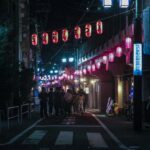
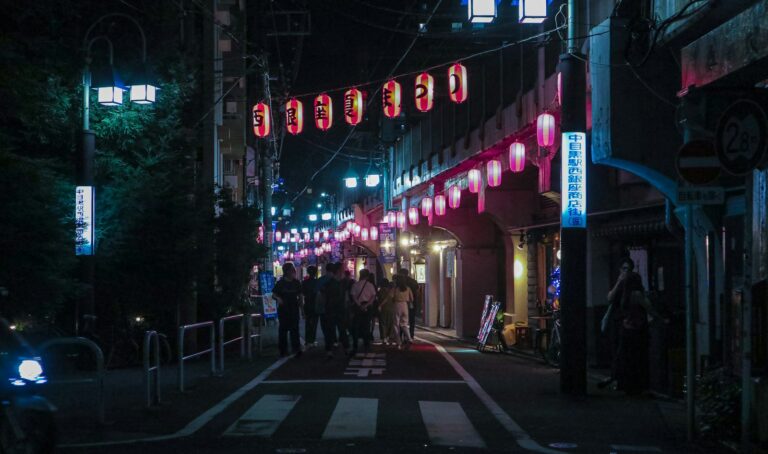
From the Hachiko exit, walk north along the JR tracks toward Miyashita Park. After a few minutes you’ll find a narrow strip of lanterns on your right. That’s Nonbei Yokocho, literally “Drunkard’s Alley.”
According to the official GO TOKYO guide to yokocho alleys, it dates back to the early 1950s. It’s known for yakitori shops but also has izakaya and bars so small that four or five people fill them. Local Shibuya culture site Shibuya Bunka traces its origin to around 1950. After the postwar black market near Dogenzaka was cleared, stall operators chosen by lottery were moved onto land along the Shibuya River, with space for about forty shops. Roughly forty tiny shops still line the two-storey alley today.
It’s the most photographed part of any Shibuya bar hopping tour, and also the one where manners matter most. More on that below.
Hyakkendana: The “Hundred Shops” Above Dogenzaka
Walk up Dogenzaka from the station and turn into the side streets on your right. You’re now in Hyakkendana, whose name means roughly “a hundred shops.” In the early Showa era this was an entertainment district of cinemas and playhouses. It was devastated in the wartime air raids and rebuilt afterwards.
Today it’s a tangle of narrow lanes that most visitors never enter, partly because it sits right beside Maruyamacho’s love hotels. That’s exactly why it works for a bar crawl. Old music cafés, record bars, and small counters sit next to newer places, and it feels like a different Shibuya from the one ten minutes downhill.
Udagawacho and Okushibu: Where the Crowds Thin Out
Head northwest past Center Gai and the streets get quieter. Udagawacho gradually becomes what locals call Okushibu (“inner Shibuya”), a name that usually covers Kamiyamacho and Tomigaya, the neighborhoods behind Bunkamura heading toward Yoyogi Park. It’s roughly a ten-minute walk from the Crossing, with independent restaurants and small bars rather than big chains. This is the pocket to aim for if you want a calmer second half to the night.
Etiquette for Tiny Hidden Bars
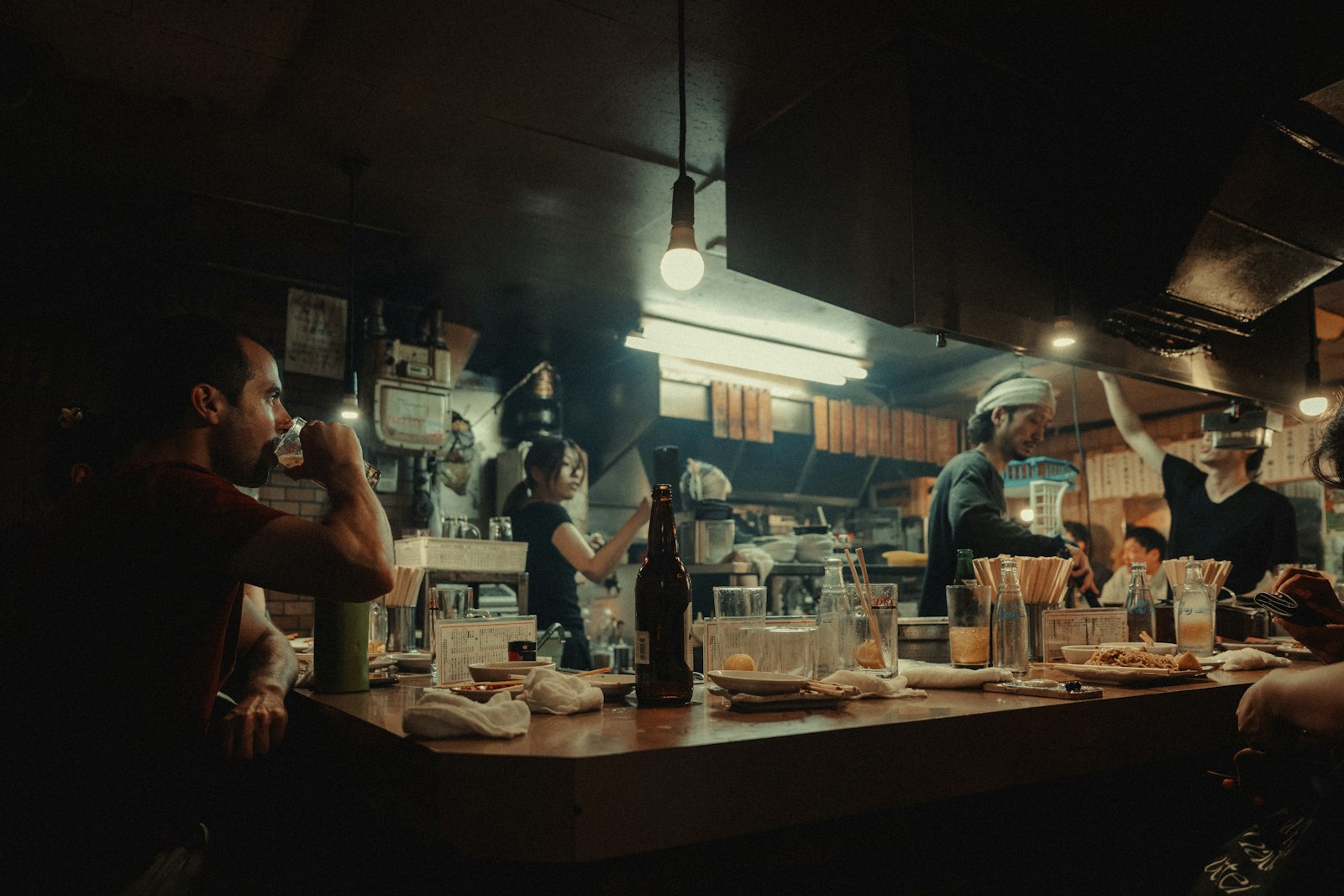
Whether you’re on a Shibuya bar hopping tour or exploring alone, small bars run on a few unwritten rules. Knowing them is the difference between a warm welcome and a polite “sorry, full.”
- Look before you walk in. If every stool is taken, move on. A shop with five seats has no “squeeze in.”
- Some doors are regulars-only. A few places turn away first-time visitors. That’s about protecting a tiny room, not about foreigners. Don’t argue; there’s another bar a few doors down.
- Expect a charge. Many small bars add a seat charge, or serve otoshi, a small appetizer you didn’t order, charged per person. It’s standard practice, not a scam.
- Ask before taking photos, especially of the owner or other customers. Don’t block the alley to take pictures from outside.
- Keep your voice down. Several of these places are one room with thin walls in a residential-feeling lane.
- Don’t camp. In a six-seat bar, one drink over two hours is awkward. Order steadily or move on.
Our guide to izakaya etiquette for foreigners goes deeper on ordering, toasting, and paying.
Six Verified Stops for a Self-Guided Shibuya Bar Hopping Tour
We kept this list short on purpose. Small bars in Shibuya open and close quickly, and many older guides still recommend places that are gone. Each stop below was checked against its official site or a current listing in September 2026. Hours can still change, so confirm before you go.
1. TIGHT (Nonbei Yokocho)
A small cocktail bar on the second floor of Nonbei Yokocho, up a steep staircase. Its Tabelog listing shows five seats plus standing room, hours of 19:00–2:00, and credit cards accepted (Visa, Mastercard, Amex), which is useful in an alley where cash is still the default. TIGHT opens late and stays open late, so it works well as your last stop close to the station.
2. JBS — Jazz, Blues & Soul (Dogenzaka)
On the second floor of a building at 1-17-10 Dogenzaka. JBS is a listening bar built around the owner’s personal record collection, with thousands of LPs lining the walls. Kobayashi-san is behind the counter. You come here to sit, drink, and listen to one album after another. It closes around 23:00, so put it early in the night.
3. Lion (Hyakkendana)
Not a bar but a meikyoku kissa, a classical music café, and one of the most atmospheric stops in Hyakkendana. Lion opened in 1926 and was rebuilt in 1950 after the war on its original design. You’ll find it at 2-19-13 Dogenzaka. Chatting and photography are not allowed inside, and it holds scheduled record concerts at 15:00 and 19:00. Arrive for the 19:00 concert as a quiet start before a louder night.
4. Bar Bossa (Udagawacho)
A bossa nova wine bar at 41-23 Udagawacho, opened in 1997 by owner-bartender Hayashi-san. The room is dim and the music is kept low. There are about twenty seats in all: a short counter plus small tables. Its Tabelog listing gives hours of 19:00–24:00 Monday to Saturday, closed Sundays and public holidays, with a service charge added and cards accepted. It’s a good choice for couples, or for a slower drink on the Okushibu side.
5. Bar Ishinohana (Shibuya 3-chome)
For serious cocktails, go here. Bartender Shinobu Ishigaki’s bar is in a basement at 3-6-2 Shibuya, about a minute’s walk from Exit C1 of Shibuya Station. The official Ishinohana site lists a ¥500 cover charge per person and hours of 17:00–24:00 (last order 23:00). It’s closed Wednesdays, Thursdays, and Japanese public holidays. The site also notes hours may change, so check before you go. Opening at 17:00 makes it an easy first stop before dinner.
6. The SG Club (Jinnan)
At 1-7-8 Jinnan, north of the station, bartender Shingo Gokan’s bar is split in two. Upstairs is Guzzle, playful and casual. Downstairs is Sip, modeled on art deco Manhattan speakeasies. It was ranked No. 23 on The World’s 50 Best Bars 2024 and No. 65 on the 2025 list. It’s less a hidden secret than a destination, but it’s the easiest way to see what Tokyo bartending can do in one visit.
Looking for Adult Entertainment Services in Tokyo? Download this
I’ve spent over a decade exploring and studying Japan’s adult entertainment scene firsthand. If you’d like detailed insider information—including how to choose the right shop, what services are available, and tips for avoiding common mistakes—check out our exclusive E-book.
Two Sample Routes for a DIY Shibuya Bar Crawl
These routes work around the opening days and closing times above, and both end within walking distance of the station.
Route A: Old Shibuya (Monday–Saturday)
- 19:00 — Lion for the evening concert, then a short walk through Hyakkendana.
- Around 20:00 — JBS on Dogenzaka, while it’s still open.
- Around 21:30 — Cross over to Udagawacho for Bar Bossa.
- Late — Finish at TIGHT in Nonbei Yokocho, right by the tracks.
Route B: Cocktails (not Wednesday or Thursday)
- 17:00–18:30 — Bar Ishinohana, early, before it fills up.
- Dinner — Anywhere in between; the station area is full of options.
- Late evening — The SG Club, Sip or Guzzle depending on your mood.
- Nightcap — TIGHT, or wander Nonbei Yokocho for whichever door has a free stool.
Whichever route you pick, decide early whether you’re catching the last train or staying out until the first one. Our Tokyo last train survival guide explains how to plan around it.
What a Shibuya Bar Hopping Night Costs
Shibuya bar hopping tour prices vary too much between operators to quote a single number, so compare what’s actually included (see the checklist below). For a self-guided night, plan around these costs:
- Cover and seat charges: Ishinohana charges ¥500 per person. Other small bars add a service charge or serve otoshi. Assume every stop adds something before your first drink.
- Yokocho eating and drinking: One guide to Nonbei Yokocho suggests budgeting about ¥3,000–5,000 per person at a food-serving shop, covering otoshi, a couple of dishes, and a couple of drinks.
- Cash: TIGHT and Bar Bossa list card acceptance, but many of the smallest yokocho shops are still cash-only. Carry enough yen for the night.
Three or four stops add up quickly. If you’re trying to control costs, a tour with a fixed number of drinks included can work out cheaper than it looks.
How to Choose a Shibuya Bar Hopping Tour
If you decide to book a Shibuya bar hopping tour, these are the questions that separate a good tour from a forgettable one:
- Are the stops local or chains? Look for named areas like Nonbei Yokocho, Hyakkendana, or Okushibu rather than vague promises of “hidden spots.”
- How big is the group? Tiny bars can’t take fifteen people. A large group usually means large venues.
- What exactly is included? Count the drinks, check whether food is a full meal or snacks, and ask whether cover charges are covered.
- When does it end? A tour that finishes at 23:30 leaves you time to catch a train. One that finishes after midnight means a taxi or a very late night.
- Private or shared? Private tours can change the route on the fly. Shared tours are cheaper but follow a fixed plan.
- Is it bookable in advance? A legitimate tour never recruits on the street. If someone approaches you on Dogenzaka offering a bar tour or cheap drinks, walk away. Our breakdown of Tokyo nightlife scams explains how those setups work.
Shibuya Bar Hopping Tour FAQ
How long is a typical Shibuya bar hopping tour? Most guided tours run about 2.5 to 3.5 hours and visit three or four venues. A self-guided crawl can be as long or short as you like, but four stops in one evening is already a full night.
Do I need to bring ID? Yes. The drinking age in Japan is 20, and tours and venues may ask for proof. Carry your passport or residence card.
Can I go bar hopping in Shibuya alone? Yes. Solo drinking at a counter is completely normal in Tokyo, and small bars are often easier to get into as one person than as a group of four.
Is Nonbei Yokocho open every day? The alley itself is always there, but each shop sets its own days and hours. Some close on Sundays. If you’re visiting early in the week, check the individual bars you want.
What’s the best night for a Shibuya bar crawl? Friday and Saturday are the busiest, which means more atmosphere but fewer free stools in tiny bars. Early in the week is quieter, but watch closing days: Bar Bossa is closed Sundays, and Ishinohana is closed Wednesdays and Thursdays.
Are hidden bars in Shibuya more expensive? Not necessarily. Expect cover or seat charges more often than at big pubs, but drink prices at small bars are often reasonable. The expensive nights are usually the ones that start with a tout.
What do you do in Tokyo After 10?
Join our Tokyo Nightlife Private Tour
You deserve better than overpriced bars and missed opportunities. We’re here for you.
Skip the Guesswork: Let a Local Open the Door
Everything in this guide is doable on your own. But some of the best rooms in Shibuya have five seats, no English sign, and an owner who’s more relaxed when a familiar face walks in first. A guide article can’t give you that.
That’s the idea behind our Tokyo After 10 private night tour. It’s a private, custom night out with a local guide who plans the evening around the kind of night you want, handles the ordering and the charges, and gets you out before the last train, or keeps you out after it. No touts, no surprise bills, no standing in an alley wondering if you’re allowed in.
However you do it, start early, respect the small rooms, and let at least one stop surprise you.
Venue details, hours, and charges in this guide were checked in September 2026 against official websites and current listings. Small bars change hours often, so confirm directly with each venue before you go.