Photo by <a href="https://unsplash.com/@naturalphotos08?utm_source=tokyodeepnightlife&utm_medium=referral">Natural Photos</a> on <a href="https://unsplash.com/?utm_source=tokyodeepnightlife&utm_medium=referral">Unsplash</a>
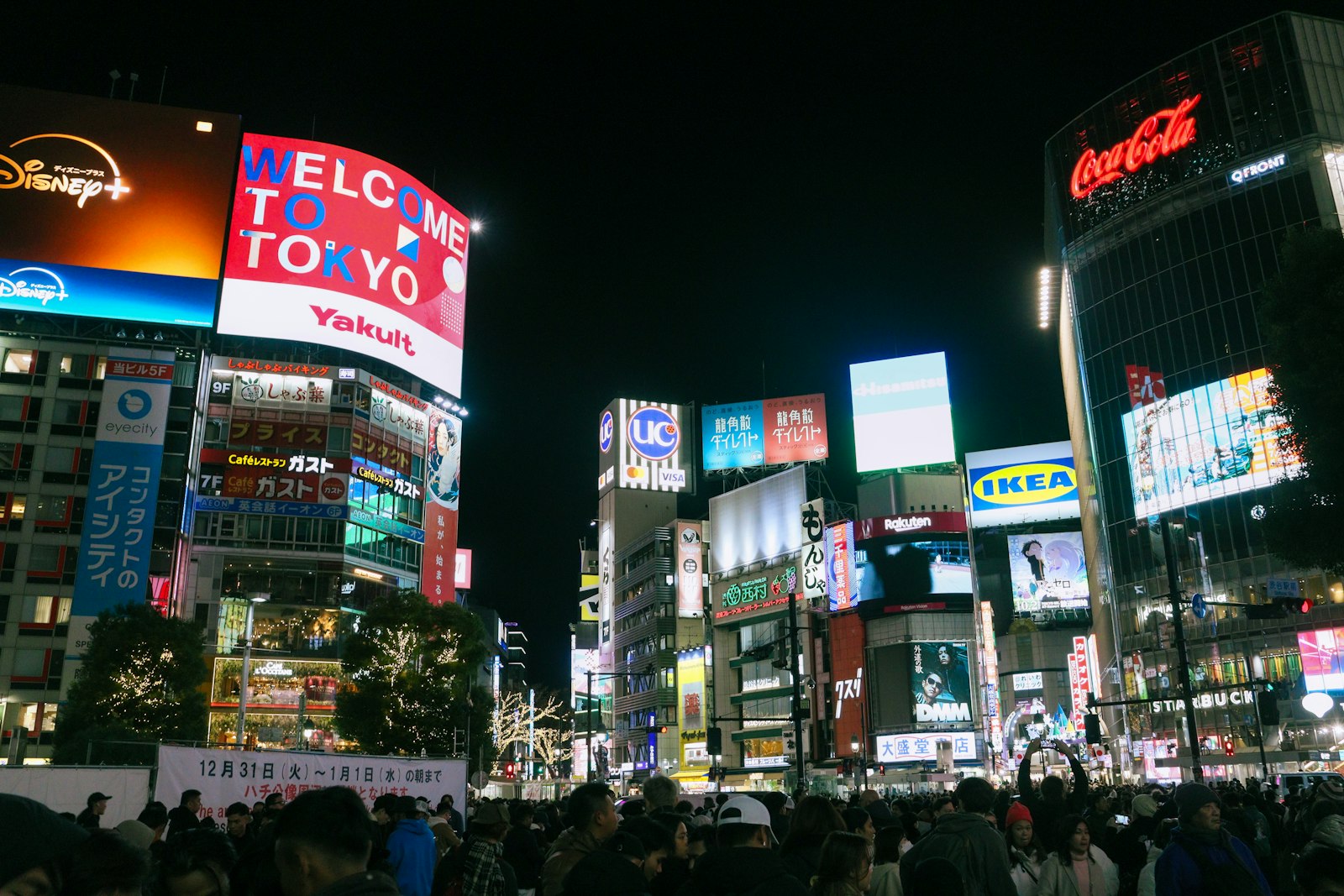
Shibuya is where Tokyo’s twenty-somethings go out, and the drinking scene reflects that. Walk up Dogenzaka on a Friday and you’ll pass a dozen buildings with backlit signboards stacked six tenants high, most of them small counter bars staffed by women in their twenties. Going into a girls bar in Shibuya is one of the cheaper, lower-commitment ways to spend an hour in that world — if you understand the pricing before you sit down.
This guide covers what these places actually are under Japanese law, why Shibuya’s version feels different from Kabukicho’s, what the bill is made of, how to spot a rip-off door, and what to say once you’re inside. No venue recommendations here — girls bars in this district turn over fast, and a list of names would be stale within a season. What doesn’t go stale is knowing how the system works.
Contents
- What a Girls Bar Actually Is (And Why the Counter Matters)
- Why the Girls Bar Scene in Shibuya Feels Younger Than Kabukicho’s
- Where to Find a Girls Bar in Shibuya: Three Zones
- What a Girls Bar in Shibuya Costs: The Bill, Line by Line
- Girls Bar or Concept Cafe? Shibuya Blurs the Line
- The Tout Problem: Never Follow Someone Who Approaches You
- Etiquette: What to Say and What Not to Do
- Will Anyone Speak English?
- A Realistic Shibuya Night, With the Last Train In It
- What do you do in Tokyo After 10?Join our Tokyo Nightlife Private Tour
- When It’s Worth Bringing Someone Who Knows the Door
- About the Author
What a Girls Bar Actually Is (And Why the Counter Matters)
A girls bar in Shibuya is a small room — usually ten to twenty seats — where the staff are young women working behind the counter. They pour your drink, they talk to you, and the conversation is the product. You are not buying a date and you are not buying anything physical.
The counter isn’t a design choice. It’s the law.
Most of these venues operate as a shinya shurui teikyo inshokuten — a late-night liquor-serving food business, which is a notification filed with the police, not an entertainment license. Under that status, settai (接待) is prohibited. Settai means sitting beside a customer, drinking one-on-one at their table, entertaining them personally. A venue that wants to do that needs a full fuzoku eigyo entertainment licence, and licensed venues in most of Tokyo have to close by midnight.
So the rule is simple and very useful to know:
- Staff stay behind the counter → girls bar. Can legally trade until 5am.
- Staff sit down next to you → kyabakura (hostess club). Different licence, different prices, earlier close.
If a woman leaves the counter and sits beside you in a venue advertising itself as a girls bar, something is off — either the venue is operating outside its notification, or you’re about to be billed at hostess club rates. For the full comparison, see our breakdown of girls bars vs kyabakura vs snack bars.
Why the Girls Bar Scene in Shibuya Feels Younger Than Kabukicho’s
Kabukicho is Japan’s densest nightlife district and it plays that role professionally: bigger venues, harder sales, more of everything. Shibuya is a student and young-professional district, and its counter bars inherit that character.
What that means in practice for a girls bar in Shibuya:
- Staff skew younger. Many are university students working part-time shifts, which is legal and normal in this category.
- Prices sit lower. Shibuya’s baseline set charges tend to undercut Kabukicho’s, and the aggressive upsell is less constant.
- The styling is trendier. Shibuya venues lean into gyaru, streetwear and cafe-adjacent aesthetics rather than the formal hostess look.
- It’s a stop, not a destination. People here use a girls bar as one hour between dinner and a club, not as the whole night.
The trade-off is that Shibuya has fewer venues set up for foreign customers than Kabukicho does. Kabukicho has spent years building English-capable shifts because tourists go there. A girls bar in Shibuya mostly serves a domestic crowd, so the door is less predictable — you’re trading tourist infrastructure for a room full of actual locals.
Where to Find a Girls Bar in Shibuya: Three Zones
A girls bar in Shibuya is almost never at street level. They’re on the third, fifth, seventh floor of narrow buildings, listed on a signboard by the elevator. Three areas hold most of them.
Dogenzaka
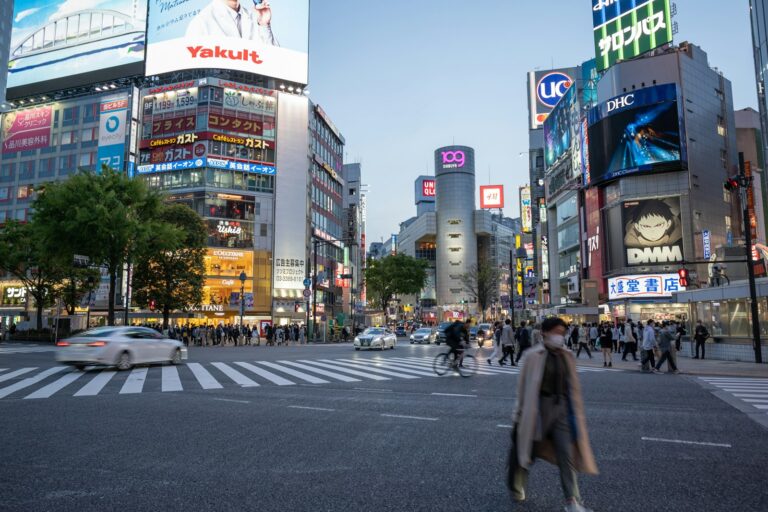
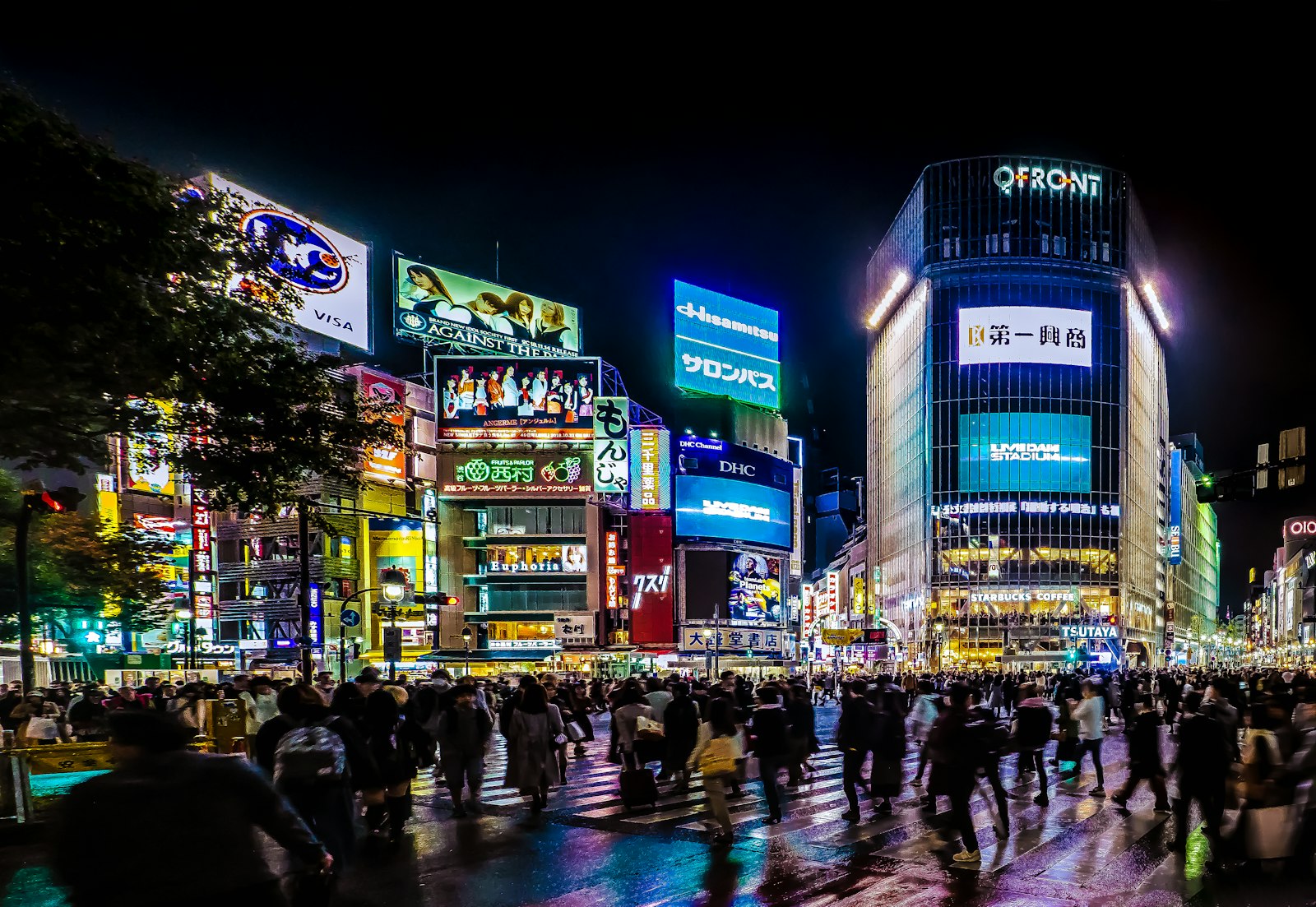
The slope running southwest from the scramble crossing is the densest concentration. Buildings here stack bars, karaoke, clubs and love hotels in the same elevator shaft, and the signboards are dense enough that reading them takes a minute. It’s also where the touting problem is worst — more on that below.
Center Gai and Udagawacho
Center Gai is the pedestrian street straight off the crossing, and Udagawacho runs parallel behind it. This zone is louder, younger and more mixed: record shops and streetwear downstairs, bars upstairs. A girls bar in Shibuya’s Center Gai zone is the most likely of the three to be beginner-friendly, because the regular customers are students rather than salarymen on expense accounts.
The Maruyamacho Edge
Past Dogenzaka toward Shinsen, Maruyamacho is Shibuya’s club district and its love hotel district at the same time. There are counter bars here, but this is the least casual corner of the three and not where you’d want to open a door at random on a first visit. Our Shibuya nightlife local guide maps the wider area if you want to plan a full evening around it.
What a Girls Bar in Shibuya Costs: The Bill, Line by Line
This is where people get caught out. The price of a girls bar in Shibuya isn’t one number — it’s four, and the drink price on the menu is the least important of them. Here’s what Japanese nightlife listing sites report as typical across the category, and it matches what you’ll see quoted on Shibuya signboards.
**The set charge (セット料金 / setto ryokin). Your seat, for a fixed block of time. Usually ¥2,000–4,000 for 60 minutes**, though some venues sell 30- or 40-minute blocks. At many places this includes basic free-flow drinks — shochu, whisky highballs, beer. This is the single most important number to confirm at the door.
**Extension (延長 / encho).** When your set runs out, staff will ask if you want to extend. Expect the same as the original set charge, sometimes up to 1.5 times it. Say no clearly if you’re done; there’s no obligation.
Staff drinks (キャストドリンク). You’ll be asked if you want to buy a drink for the woman serving you. Typically ¥700–1,100, sometimes more. This is the core revenue model — it’s how staff earn. Buying one is normal and buying none is also fine, but a shift where nobody buys anything gets cold quickly.
**Nomination (指名 / shimei). Not every girls bar has this, but where it exists it’s usually ¥500–1,000** to request a specific staff member.
Service charge. Some venues add 10–20% on top of everything. It should be printed on the menu or the price board.
Realistic total: budget ¥5,000–10,000 per person for an hour or so. If you’re being quoted well outside that, ask why before you sit. For the mechanics across Japan generally, including the fees that vary most by district, see our girls bar price system guide.
A word on payment: many small Shibuya venues are cash-only or have card minimums. Carry enough yen that you’re never negotiating at the register.
Girls Bar or Concept Cafe? Shibuya Blurs the Line
Shibuya used to be straightforwardly a girls bar district with almost no concept cafes. That changed after 2020 — concept cafes (konkafe) have expanded fast here, and the two categories now sit in the same buildings with similar-looking signage.
They are not the same thing:
| Girls bar | Concept cafe | |
|---|---|---|
| Service style | Staff behind the counter, one long conversation | Staff move between tables, lighter contact |
| Main draw | The conversation | The theme or world-building |
| Drinks | Alcohol-focused | Soft drinks, light food, alcohol varies |
| Hours | Evening to early morning | Often daytime into the evening |
For a traveler, the practical difference is what you get for the money. A concept cafe gives you a costumed, photogenic environment and briefer interaction. A girls bar in Shibuya gives you an hour of actual conversation with one or two people. If what you want is to talk to someone local, the counter is the better purchase.
Looking for Adult Entertainment Services in Tokyo? Download this
I’ve spent over a decade exploring and studying Japan’s adult entertainment scene firsthand. If you’d like detailed insider information—including how to choose the right shop, what services are available, and tips for avoiding common mistakes—check out our exclusive E-book.
The Tout Problem: Never Follow Someone Who Approaches You
The single biggest risk in finding a girls bar in Shibuya isn’t the venue — it’s the street outside it. And it’s a solved problem as long as you follow one rule: do not go anywhere with a person who stops you on the pavement.
Shibuya City has banned this outright. The Shibuya City ordinance on the prevention of touting in public places, in force since 2014, prohibits touting, waiting for customers and scouting in public places across every category of business in the ward. Violations carry a fine, and the ward publishes the names of businesses and operators it takes action against on its own website.
Read that backwards: anyone touting for a bar on Dogenzaka or Center Gai is already operating a venue that breaks the local ordinance to fill seats. That is not the establishment you want holding your credit card. The classic outcome is an upstairs room, an unexplained bill several times what you expected, and a staff member between you and the door.
The fix is mechanical:
- Choose the building yourself, from the signboard.
- Before sitting, ask for the total: set charge, how many minutes, service charge, whether drinks are included.
- If the answer is vague or the price board is missing, leave. There are hundreds of other doors.
- Keep an eye on the clock so the extension question doesn’t surprise you.
Our Tokyo nightlife scams and safety guide goes deeper on how these operations are structured citywide.
Etiquette: What to Say and What Not to Do
The rules inside a girls bar in Shibuya are short, and following them is the difference between a good hour and an awkward one.
Do:
- Greet the staff and say it’s your first time — hajimete desu works fine.
- Talk about ordinary things. Where you’re from, what you’ve eaten in Tokyo, music, what she’s studying. Curiosity is welcome.
- Buy at least one drink for whoever’s serving you if you’re staying the full set.
- Pay attention to your set time and settle up cleanly.
Don’t:
- Reach across the counter. Physical contact is out, and staff will report it.
- Steer the conversation to sex. It kills the shift and it’s the fastest way to be politely cut off.
- Ask for a phone number or social media. Most venues prohibit contact exchange and you’re putting her job at risk by asking.
- Get visibly drunk. Free-flow sets tempt people into this and it’s the most common reason someone gets asked to leave.
The underlying logic: she’s at work, on a shift, and the job is conversation. Treat it as you would any other service interaction where the person is good at their job.
Will Anyone Speak English?
Sometimes. English at a girls bar in Shibuya depends on who happens to be on shift that night rather than on the venue itself. The district’s customer base is domestic, so English capability is incidental, not policy.
What actually works:
- Ask at the door before you commit — eigo daijobu desu ka? (“is English okay?”).
- A translation app on the counter is completely normal and often becomes part of the fun.
- Don’t rely on an app to settle pricing. Confirm numbers in writing or on the price board before you sit.
- Being told no isn’t rejection of you personally. Some venues decline foreign customers specifically because they can’t guarantee the billing gets explained clearly — which, in fairness, is the responsible call.
Two or three doors may turn you away before one works. That’s normal, and it costs you nothing but ten minutes.
A Realistic Shibuya Night, With the Last Train In It
An hour at a counter bar works best as a middle chapter, not the whole book.
- 19:00–21:00 — Dinner in the backstreets off Center Gai, or an izakaya round.
- 21:00–22:30 — One girls bar in Shibuya. One set, maybe an extension if it’s going well.
- 22:30 onward — A club in Maruyamacho, a second bar, or a walk down to the crossing.
- Around 00:40 — Last trains start leaving Shibuya. The Yamanote’s final departures land in roughly that window depending on direction, and it varies by line and by night, so check your actual route that evening.
Miss it and you’re choosing between a taxi, a capsule hotel or staying out until the 4:30am first train — which is exactly why a girls bar in Shibuya is licensed to run until 5am. Plenty of people who miss the last train end up back at a counter until sunrise, and the venues know it.
What do you do in Tokyo After 10?
Join our Tokyo Nightlife Private Tour
You deserve better than overpriced bars and missed opportunities. We’re here for you.
When It’s Worth Bringing Someone Who Knows the Door
Shibuya rewards local knowledge more than most districts, because the good venues are invisible from the street and the bad ones advertise hardest. If you read Japanese, you can work the signboards yourself. If you don’t, you’re choosing a girls bar in Shibuya from a list of names you can’t read, in a building you’ve never entered, with a price structure you’ll only learn after sitting down.
That’s the gap a guide closes. Our Tokyo After 10 nightlife tour is built around exactly this problem — a local takes you into places that work for foreign guests, handles the pricing conversation at the door, and translates when the app isn’t enough. You get the counter, the conversation and none of the arithmetic anxiety.
Either way, the same three things keep you out of trouble: pick your own door, ask the total before you sit, and watch the clock. Do that and a girls bar in Shibuya is one of the better-value hours in Tokyo nightlife — an actual conversation with someone who lives here, for less than a round of cocktails in Ginza.