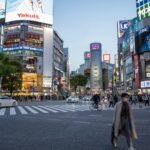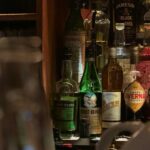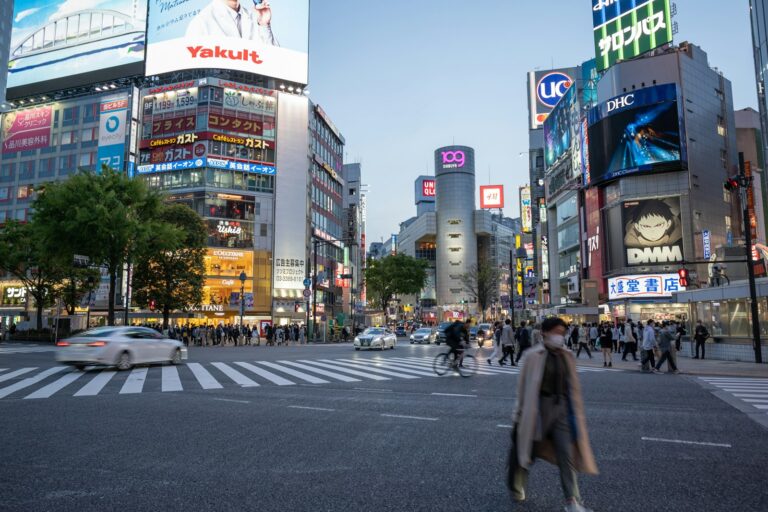
Photo by <a href="https://unsplash.com/@susannschuster?utm_source=tokyodeepnightlife&utm_medium=referral">Susann Schuster</a> on <a href="https://unsplash.com/?utm_source=tokyodeepnightlife&utm_medium=referral">Unsplash</a>
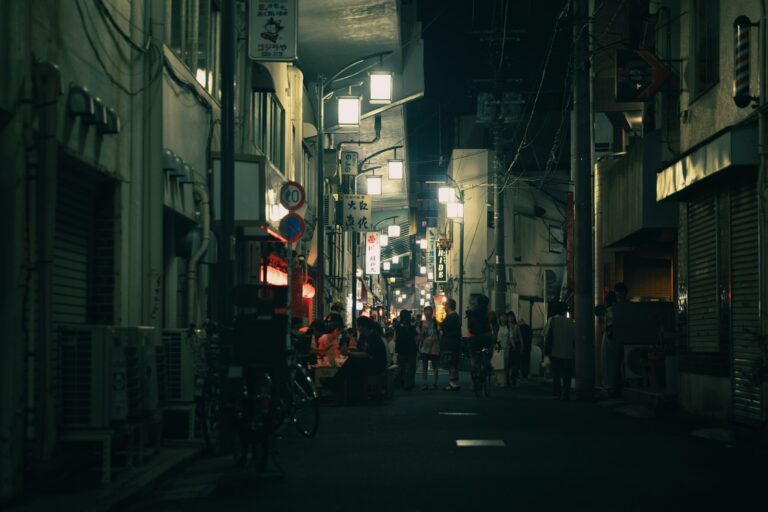
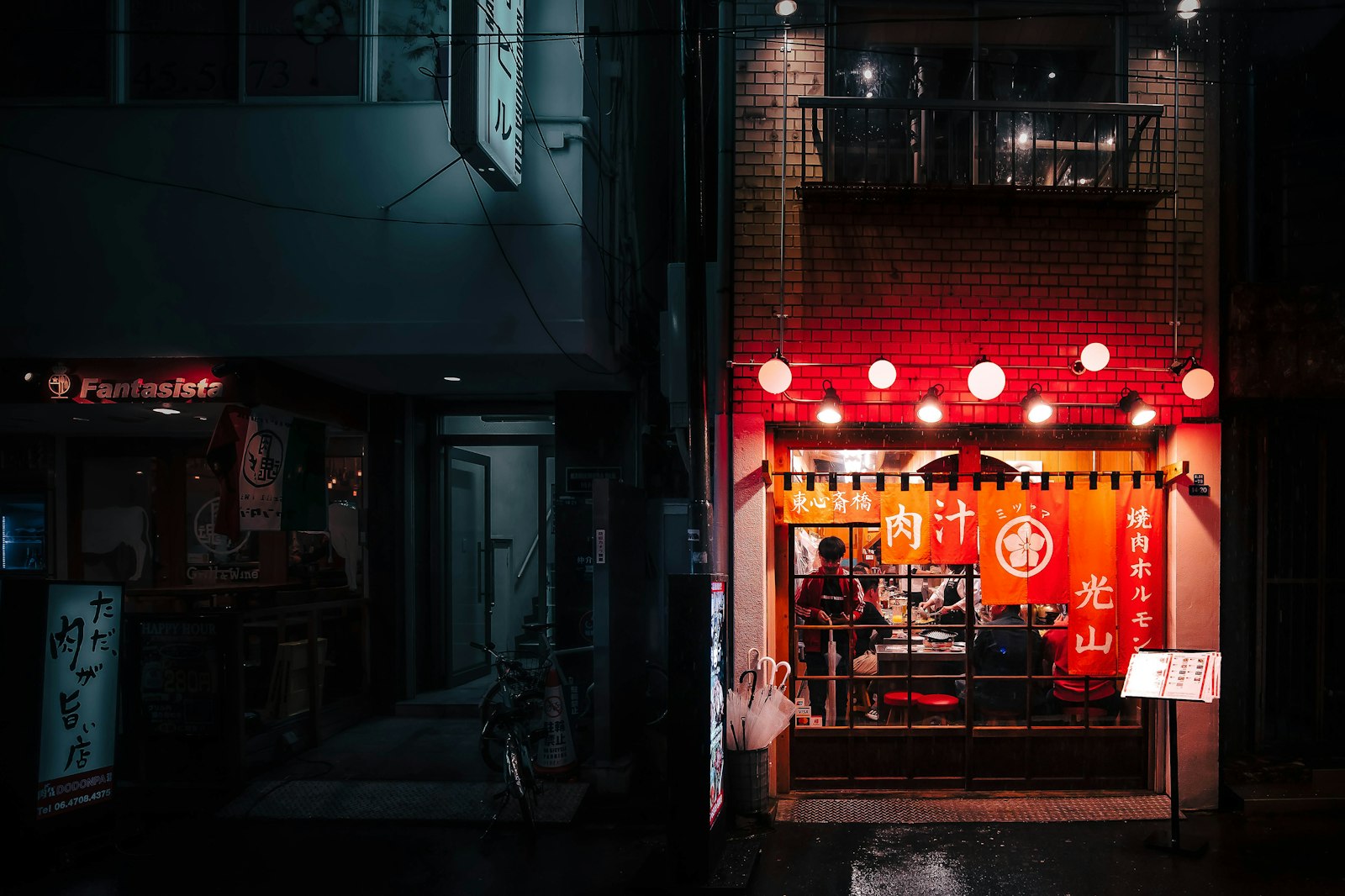
At about six on a weekday evening, something shifts around Tokyo’s business stations. Suit jackets come off, ties loosen, and small groups of coworkers drift out of the ticket gates and into lantern-lit side streets. Within half an hour, the izakaya are full and the first kanpai of the night is ringing out. This is salaryman drinking culture in Tokyo, and it is one of the most accessible slices of everyday Japanese life a visitor can step into.
Most articles about it stop at the sociology: long hours, loyalty to the company, the drunk businessman asleep on the last train. That’s part of the story. But if you’re actually in Tokyo and want to share that first cold beer with the office crowd, you need something more practical. This guide covers where salarymen really drink, what time to show up, how the night unfolds, what to order, and how to fit in as an outsider. Facts about the places named here were checked against official tourism and company sources in September 2026.
Contents
- What Salaryman Drinking Culture Really Is
- How a Salaryman Night Out Unfolds
- Where to Experience Salaryman Drinking Culture in Tokyo
- Tachinomi: The Easiest Way In
- What Salarymen Drink (and What You Should Order)
- How to Fit In as a Visitor
- Salaryman Drinking Culture Is Changing
- If You Don’t Drink Alcohol
- A Simple Plan for Your First Salaryman Night
- What do you do in Tokyo After 10?Join our Tokyo Nightlife Private Tour
- Drink Like a Local With Someone Who Knows the Doors
- About the Author
What Salaryman Drinking Culture Really Is
A salaryman (サラリーマン) is a white-collar company employee, the archetypal suited office worker of postwar Japan. The drinking culture built around them grew out of an idea that still carries weight in many workplaces: that the office is for formality, and the bar is where people actually talk.
There’s even a word for it. Nominication is a blend of nomu (to drink) and the English “communication.” According to Nippon.com, the term first appeared in the Japanese media in the 1980s, with the concept featured in a 1984 Asahi Shimbun article. The idea is simple: after a few drinks, juniors can raise problems they’d never mention at a desk, managers loosen up, and teams bond.
Nomikai: the company drinking party
The formal version is the nomikai (飲み会), a drinking party organized by a team or department. They cluster around predictable points in the Japanese business calendar:
- Kangeikai (welcome parties), especially in April when the fiscal year starts and new graduates join
- Sobetsukai (farewell parties) when someone transfers or retires
- Bonenkai (year-end “forget the year” parties) through December
- Shinnenkai (New Year parties) in January
This is why December in Shimbashi or Shinjuku feels noticeably louder than a random Tuesday in June. If you visit in early December, you’ll see salaryman drinking culture at full volume.
The casual after-work drink
The everyday version is smaller and looser. Two or three coworkers stop for ippai (one drink) on the way to the station, which usually becomes three. There’s no seating chart and no speeches. This informal version is the one you, as a visitor, can realistically share a room with. For the deeper etiquette behind both, our guide to Japanese drinking culture explained covers kanpai rules, pouring for others and the order of a night in detail.
How a Salaryman Night Out Unfolds
The rhythm of a Tokyo after-work drink is surprisingly consistent. Knowing it helps you pick the right moment to walk in.
Early evening: the first round. Offices empty in waves from early evening onward. The first groups hit standing bars and izakaya near the station. The opening order is often toriaezu nama (“a draft beer for now”), followed by a few quick dishes like edamame or yakitori.
The main event (ichijikai). The first venue is where the bulk of the eating and talking happens. At a formal nomikai this might run two hours on an all-you-can-drink (nomihodai) plan.
The second round (nijikai). Groups shrink and move on to a smaller bar, a karaoke box or a snack bar run by a mama-san. Those who want to leave usually slip away here without offense.
The finish. Some end with shime no ramen, a bowl of noodles to close the night. Then comes the race for the last train. Trains in Tokyo generally stop running around midnight, which is why the station platforms are at their liveliest just before. Our Tokyo last train survival guide explains how to time your own night so you’re not stuck paying for a taxi.
Fridays are the peak. The Japanese even have a word for it: hanakin, short for “flower Friday,” the night everyone lets loose before the weekend.
Where to Experience Salaryman Drinking Culture in Tokyo
You can find office workers drinking near almost any big station. A few districts, though, are defined by it.
Shimbashi: “hallowed ground for salarymen”
If you only visit one neighborhood, make it Shimbashi. The official GO TOKYO travel guide describes it as “hallowed ground for salarymen,” famous for places to relax, drink and let off steam after work. It’s surrounded by corporate offices, and the lanes around the station are packed with small izakaya, yakitori counters and standing bars.
Start at SL Square (SL広場), the plaza outside the JR Shimbashi Station Hibiya exit with a real steam locomotive parked in the middle. The locomotive nods to Shimbashi’s history as the starting point of Japan’s railways. The square is also, as the Minato City tourism association notes, a place Japanese viewers know from TV on-the-street interviews. When a news show wants the opinion of “the average salaryman,” this is where the camera crew goes.
Across from the square stands the New Shimbashi Building (ニュー新橋ビル). Despite the name, it was completed in February 1971. Its lower floors, from the basement up to the fourth floor, are a warren of eateries, bars, discount ticket shops and massage parlors aimed squarely at office workers. The basement in particular feels like a time capsule of Showa-era drinking. The building has long been slated for redevelopment, so it’s worth seeing while it still stands.
From SL Square, walk into the side streets on the west side of the station at around 7pm. You won’t need a specific bar recommendation. Look for a place with an open door, a few jackets on hooks, and a menu written on paper strips on the wall.
Yurakucho and Hibiya OKUROJI: drinking under the tracks
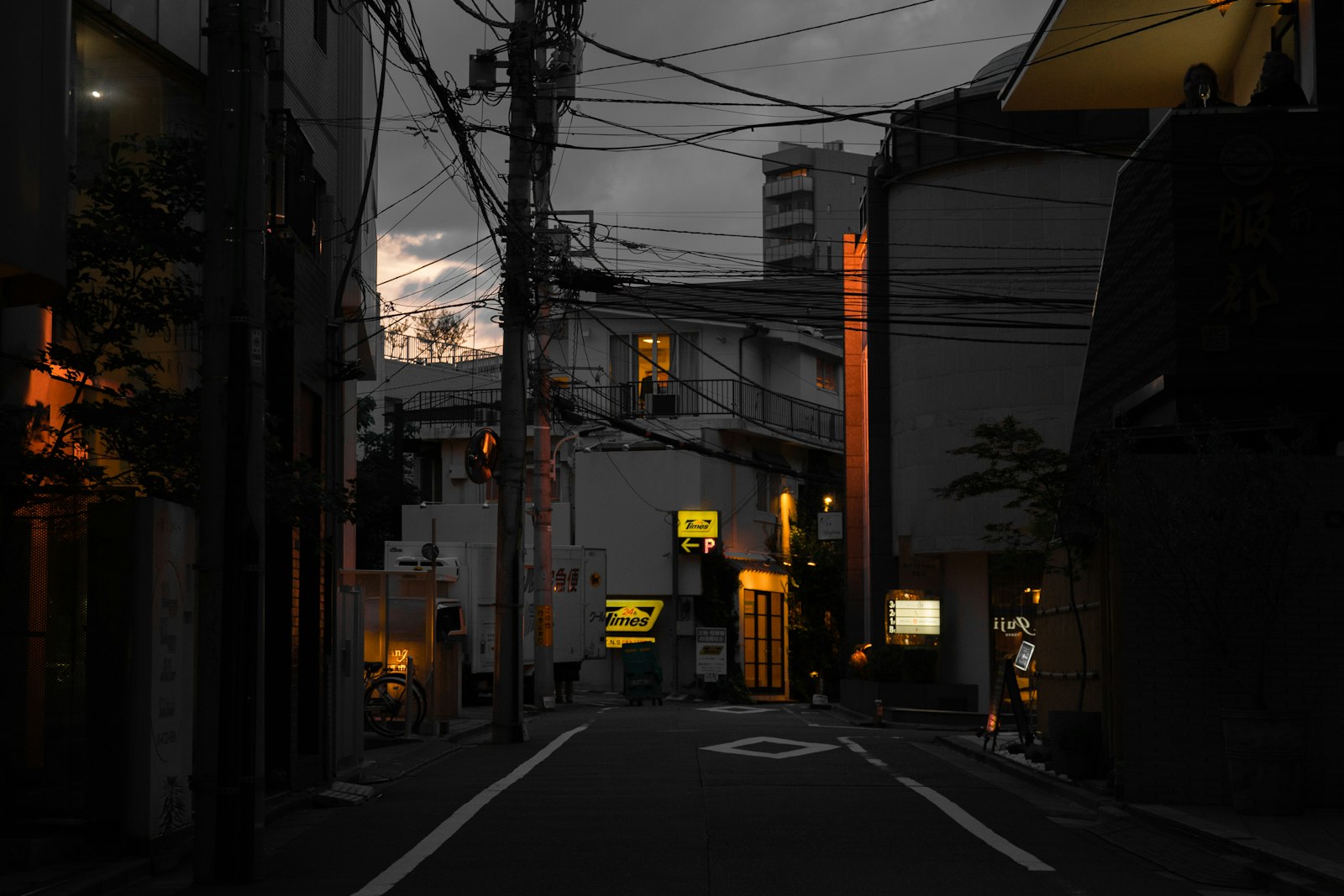
One stop north of Shimbashi, the elevated JR tracks toward Yurakucho shelter a long line of izakaya built into the railway arches. The official Tokyo guide also points to the traditional-style alleys of Shimbashi-Yokocho and Yuraku-Yokocho around Shimbashi Station.
For something calmer, Hibiya OKUROJI runs under the tracks between Shimbashi and Yurakucho stations. GO TOKYO describes it as a 300-meter stretch of restaurants, cafes, bars and shops. The restored brick arches feel more polished than the older stretches, which makes it a gentler introduction if a smoky yakitori counter feels like too much on night one.
Akabane: the senbero capital
For the budget end of salaryman drinking culture, head north to Akabane. According to GO TOKYO’s Akabane guide, drinkers crowd into the lantern-lit alleys of Akabane Ichibangai and OK Yokocho around the east exit “from early afternoon.” It’s about 20 minutes from Shinjuku on the JR Saikyo Line, or 17 minutes from Tokyo Station on the JR Takasaki Line.
Akabane is famous for senbero (せんべろ), a slang term combining sen (1,000 yen) and berobero (drunk). The idea is a place where roughly a thousand yen buys you a couple of drinks and a snack. It’s less “corporate party” and more “retired salaryman with a newspaper and a highball,” which is its own authentic version of the culture.
Shinjuku’s west side
Next to Shinjuku Station’s west exit, the tiny alley bars of Omoide Yokocho have fed commuters yakitori and beer for decades. It’s now heavily visited by tourists, but at early evening on a weekday, you’ll still see plenty of suits squeezed onto the stools between trains home.
Tachinomi: The Easiest Way In
If you’re nervous about walking into an izakaya full of coworkers, start at a tachinomi (立ち飲み), a standing bar. These are where salarymen stop for one quick drink before the train, and they’re built for solo customers.
Standing bars work well for visitors for a few reasons:
- Low commitment. Nobody expects you to stay long. One drink and two small plates is normal.
- Low cost. No seats means lower prices and, often, no table charge.
- Natural conversation. You’re shoulder to shoulder at a counter, so chatting with the person next to you happens on its own.
Many standing bars use a cash-on-delivery system, where you pay for each order as it arrives, sometimes by leaving coins in a small tray. Watch what the regulars do. Our Tachinomi Tokyo standing bar guide walks through ordering and payment step by step.
What Salarymen Drink (and What You Should Order)
The drinks menu at a salaryman izakaya is short and practical. Here’s what you’ll see most:
- Nama biru (draft beer). The default first drink. Order nama chu for a medium mug.
- Highball. Japanese whisky with soda, cheap, light and endlessly refillable.
- Chuhai / sour. Shochu with soda and fruit, often lemon (remon sawa).
- Hoppy. A classic of old-school Tokyo drinking. According to the official Hoppy Beverage website, it was first made in Akasaka in 1948 as a beer-like drink, and it’s traditionally mixed with shochu. Order a set and you’ll get a bottle of Hoppy plus a glass with shochu. When the shochu runs out, ask for naka (the “inside”) to refill it.
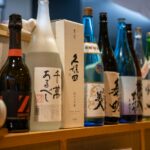
- Sake and shochu. Common later in the night, often poured to overflowing into a glass sitting in a wooden box.
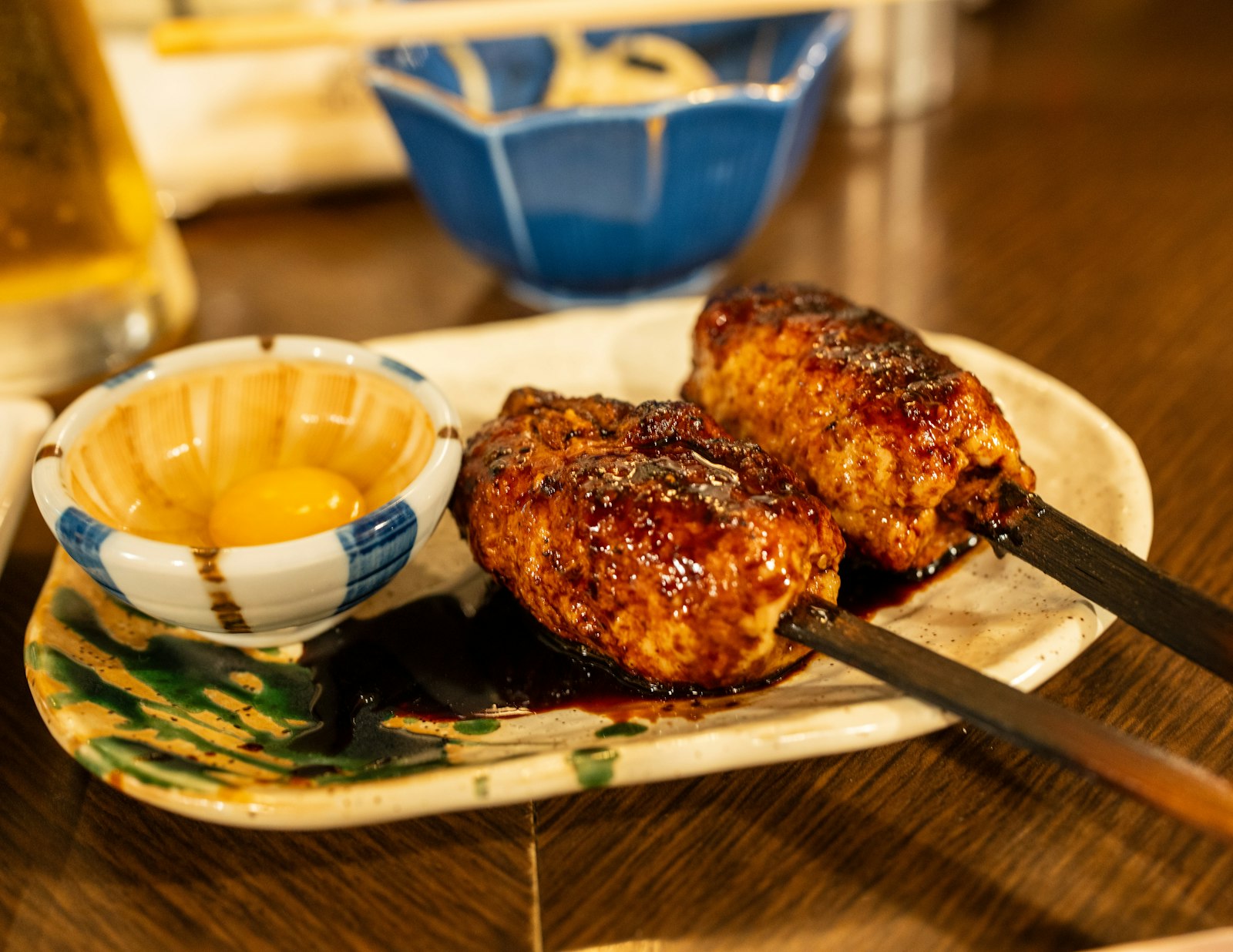
Food leans toward plates that go well with alcohol: yakitori, karaage (fried chicken), sashimi, potato salad and simmered dishes. Order a few at a time. Salarymen graze rather than eat one big meal.
About the table charge
At a sit-down izakaya, you’ll probably receive a small dish you didn’t order. That’s otoshi, a seating charge that arrives as food. It’s usually a few hundred yen per person and it’s not a scam. Standing bars and some chains skip it.
Looking for Adult Entertainment Services in Tokyo? Download this
I’ve spent over a decade exploring and studying Japan’s adult entertainment scene firsthand. If you’d like detailed insider information—including how to choose the right shop, what services are available, and tips for avoiding common mistakes—check out our exclusive E-book.
How to Fit In as a Visitor
Most after-work bars have no problem with a curious traveler who follows the house rules. A few habits make the difference between a warm welcome and a slightly awkward evening.
Keep your group small. Tiny bars may have eight seats. A party of two or three can usually squeeze in; a group of six probably can’t.
Wait for kanpai. If you’re drinking with others, don’t sip until everyone has a glass and you’ve toasted together.
Say the magic phrase. Otsukaresama desu roughly means “thanks for your hard work” and is the standard after-work greeting. Using it with the person beside you is a friendly icebreaker.
Pour for others, not yourself. If you’re sharing a bottle, top up your companions’ glasses and let them fill yours.
Don’t photograph people without asking. Plenty of office workers don’t want their night out on social media, especially near their office.
Mind the volume, then match the room. Some izakaya are raucous. Some are quiet. Take your cue from the tables around you.
For the complete list of dos and don’ts, see our izakaya etiquette for foreigners guide.
If someone invites you to join
It does happen, particularly at counters and standing bars later in the evening. Joining for a drink is usually harmless fun. Still, use normal judgment. Be careful with anyone who approaches you on the street rather than in a bar, and never follow a stranger to a “second venue” you can’t see the prices for. That’s a classic setup in entertainment districts, not a salaryman tradition.
Salaryman Drinking Culture Is Changing
The Tokyo scene you’ll see today isn’t the same as the one from the bubble era. The pandemic cut deeply into company drinking parties, and they haven’t fully returned.
According to Nippon.com, a 2024 Tokyo Shoko Research survey found that only 59.6% of companies held year-end or New Year parties, almost 20 percentage points below 2019. A Persol Research Institute survey found almost 80% of respondents considered criticism for skipping drinking parties to be harassment. Japan’s per capita alcohol consumption has also fallen by about a quarter over 30 years, according to National Tax Agency data cited in the same report.
Yet the picture isn’t a simple decline. In a 2024 Job Soken survey, 68.8% of employees in their twenties said they wanted to attend a year-end party, compared with 40.3% of those in their fifties. Younger workers seem less interested in forced, all-night drinking with the boss and more open to shorter, voluntary get-togethers.
For visitors, that means two things. The old-school salaryman drinking culture in Tokyo still exists, especially in Shimbashi, Yurakucho and Akabane. But you’ll also see more mixed-gender groups, more non-drinkers ordering oolong tea without anyone batting an eye, and earlier finishes.
If You Don’t Drink Alcohol
You can still experience the after-work atmosphere. Nearly every izakaya serves oolong tea, soft drinks and non-alcoholic beer, and ordering them is completely normal. Raise your glass of tea for kanpai like everyone else. The food, the noise and the counter conversation are the real experience anyway.
A Simple Plan for Your First Salaryman Night
If you want to try this on your own, here’s a route that works on any weekday:
- Around 6:30pm: Arrive at JR Shimbashi Station and step out the Hibiya exit to SL Square.
- 6:45pm: Wander the basement of the New Shimbashi Building and the lanes on the station’s west side. Pick a standing bar for one drink.
- 7:30pm: Move to a sit-down izakaya for yakitori and a few rounds.
- 9:00pm: Walk north under the tracks toward Hibiya OKUROJI and Yurakucho for a quieter second stop.
- Before 11:30pm: Check your last train and head home, or keep going.
It’s easy to plan on paper. The harder part is choosing which unmarked door to open, reading a handwritten Japanese menu, and knowing which bars welcome newcomers and which are strictly for regulars.
What do you do in Tokyo After 10?
Join our Tokyo Nightlife Private Tour
You deserve better than overpriced bars and missed opportunities. We’re here for you.
Drink Like a Local With Someone Who Knows the Doors
Salaryman bars are some of the most rewarding places to drink in Tokyo precisely because they aren’t designed for tourists. That’s also what makes them hard to crack on a short trip. Many have no English menu, no online presence and a clientele that has been coming for years.
If you’d rather spend your evening drinking than searching, a local guide can take you straight to the counters that welcome visitors, handle the ordering and translate the conversation with the office worker who wants to know where you’re from. Our Tokyo After 10 nightlife private tour is a private, custom night tour, so you can tell your guide you want the after-work izakaya scene and build the evening around it.