Photo by <a href="https://unsplash.com/@yuya_uzu?utm_source=tokyodeepnightlife&utm_medium=referral">Yuya Uzu</a> on <a href="https://unsplash.com/?utm_source=tokyodeepnightlife&utm_medium=referral">Unsplash</a>
Your first night out in a Tokyo club can feel like a test you didn’t study for. Do you need your passport? Why is nobody here at 11pm? What happens when the trains stop? This Tokyo clubbing guide answers those questions in the order you’ll actually face them — from the moment you leave your hotel to the first train home at dawn.
The short version: Tokyo is one of the easiest big cities in the world to go clubbing in, as long as you know a handful of rules that locals take for granted. Get those right and the night takes care of itself.
Contents
- Why Clubbing in Tokyo Feels Different
- Tokyo Club Entry Rules: What to Bring to the Door
- How Much Does a Club Night in Tokyo Cost?
- When to Go Out: Timing Your Tokyo Club Night
- Where to Go Clubbing in Tokyo: The Main Areas
- Club Etiquette in Tokyo: Unwritten Rules for First-Timers
- Safety Tips for Clubbing in Tokyo
- Tokyo Clubbing Guide in Practice: A Sample First Night
- Frequently Asked Questions About Clubbing in Tokyo
- What do you do in Tokyo After 10?Join our Tokyo Nightlife Private Tour
- Skip the Guesswork: Explore Tokyo After Dark With a Local
- About the Author
Why Clubbing in Tokyo Feels Different
If you’re used to clubbing in London, Berlin, or Las Vegas, a few things will surprise you.
The night runs late and ends at sunrise. Most clubs open their doors around 10pm or 11pm, but the dance floor usually doesn’t fill up until after midnight. Many events keep going until about 5am, which lines up neatly with the first trains of the morning. Since Japan amended its Entertainment Business Act in 2016, licensed venues can legally run all night — and the city’s club culture is built around that all-nighter rhythm.
The music is the point. Tokyo has a deep techno and house scene, a big hip-hop crowd, and plenty of EDM-heavy mega-clubs. Many venues book specific events on specific nights, so the same club can feel completely different on a Wednesday and a Saturday.
It’s orderly. Lines are neat, security is polite but firm, and fights are rare. That calm is part of why Tokyo works so well for first-time clubbers — but it also means rules at the door are enforced, not negotiated.
Tokyo Club Entry Rules: What to Bring to the Door
This is the part of any Tokyo clubbing guide that matters most, because getting turned away at the door is the most common way first-timers lose a night.
Bring your physical passport
The legal drinking age in Japan is 20, and clubs check it. Expect to show original photo ID at the door, even if you’re obviously over 30.
For a concrete example of how strict this can be, ZEROTOKYO in Kabukicho states on its official site that entry is limited to guests aged 20 and over, that photo ID is mandatory, and that image files, photocopies, and expired documents are not accepted. A photo of your passport on your phone will not get you in. For most visitors, that means carrying the actual passport.
A foreign driver’s license is sometimes accepted, but policies vary by venue. If you want zero risk, bring the passport.
Check the dress code before you go
Most Tokyo clubs are relaxed about clothes: clean sneakers, jeans, and a decent T-shirt will get you into the majority of places. What trips people up are the “beach” items. ZEROTOKYO’s FAQ, for instance, says there’s no strict dress code but that tank tops, sleeveless shirts, and sandals may be refused, and beach sandals are prohibited outright.
Upscale lounges and VIP-focused clubs can be stricter. If an event page mentions a dress code, take it seriously.
Bring a card (and a little cash)
Payment is less predictable than you’d think. Some newer venues are fully cashless — ZEROTOKYO’s FAQ says it doesn’t accept cash inside and takes credit cards, e-money, and QR payments. Smaller underground clubs, on the other hand, may prefer cash at the door. Carry both, and you won’t be caught out.
Leave the camera at home
Many clubs restrict filming and photography, especially at underground events where the crowd values privacy. ZEROTOKYO requires cameras and recording equipment to go into a coin locker before entry. Phone snaps are usually tolerated in moderation, but flash photography on the dance floor is a quick way to annoy the room.
How Much Does a Club Night in Tokyo Cost?
Prices depend heavily on the venue and the event, so treat these as rough ranges rather than promises:
- Cover charge: often somewhere around ¥1,000–¥4,000 on regular nights, and more for big-name DJ events or weekend headliners
- Drinks included: many covers include one or two drink tickets — look for the words “1D” or “2D” on flyers and event pages
- Drinks inside: a standard drink at a club bar typically costs more than at an izakaya, so budget accordingly
- Lockers: most mid-size and large clubs have coin lockers; bring coins or small bills
Two practical tips help keep costs down. First, check the event page before you go: many clubs list door prices, and some offer cheaper entry before a certain time or with advance tickets. Second, gender-based pricing still exists at some Tokyo clubs, with women sometimes paying less or entering free on certain nights. It varies by event, so check rather than assume.
When to Go Out: Timing Your Tokyo Club Night
Timing is where most first-timers go wrong. Arriving at 10pm usually means an empty room and an expensive wait.
A realistic schedule looks like this:
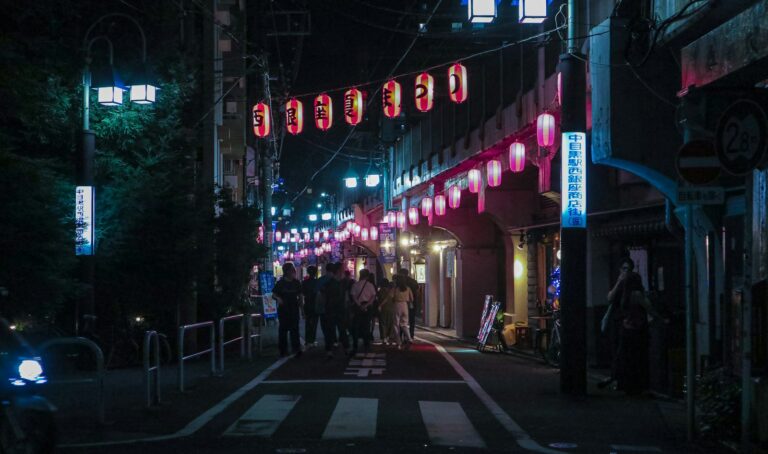
- 8pm–10pm: Dinner and a few drinks at an izakaya or a yokocho alley bar
- 10pm–midnight: A pre-club bar near the venue while the crowd builds
- Midnight–1am: Head to the club — this is when most rooms start to feel alive
- 1am–3am: Peak hours
- Around 5am: The night winds down and the first trains start running
The single most important decision of the night is whether you’re catching the last train or staying until the first one. Tokyo’s trains generally stop running around midnight, and taxis across the city can get expensive fast. For line-by-line details and backup plans, see our Tokyo last train survival guide.
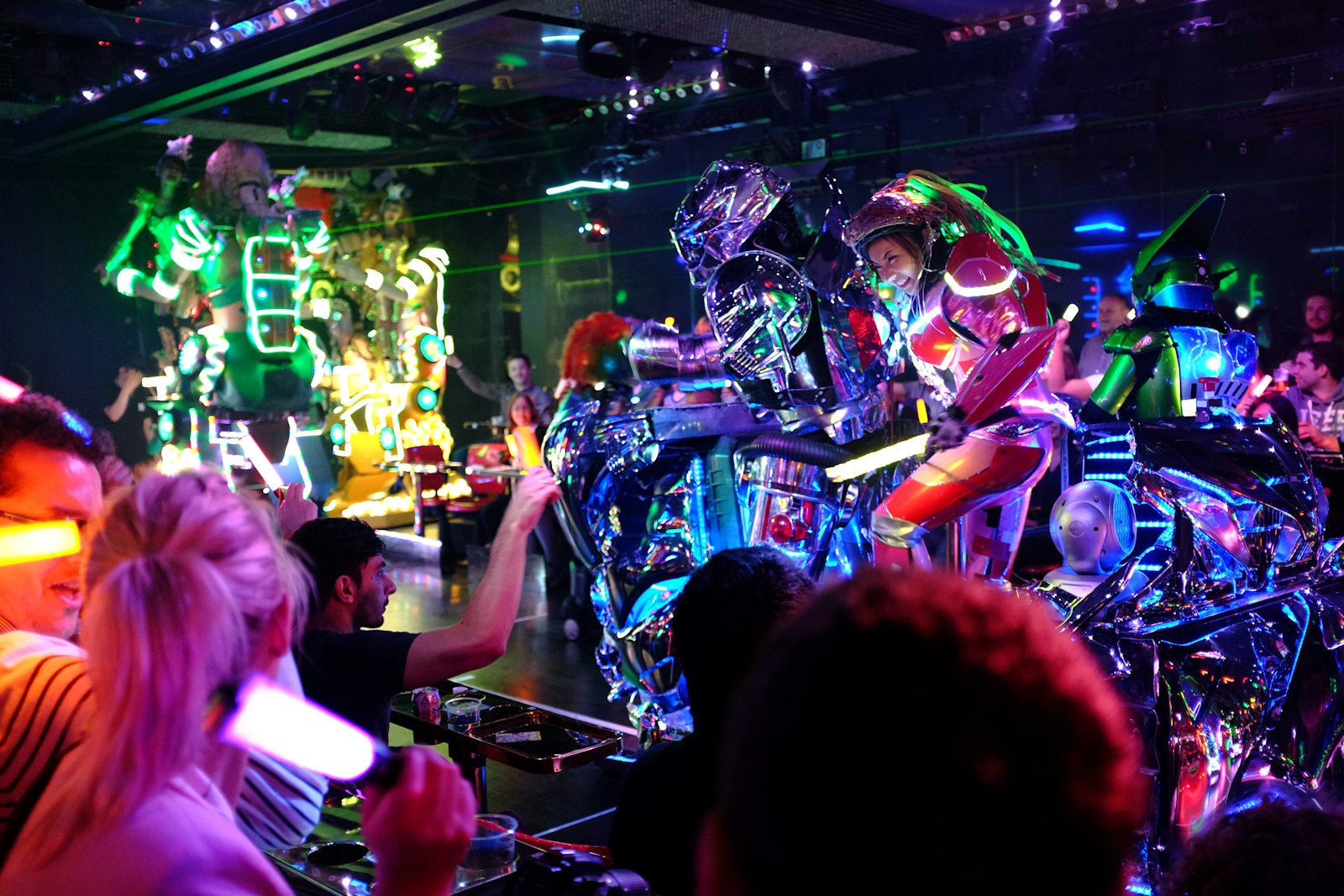
Where to Go Clubbing in Tokyo: The Main Areas
Tokyo doesn’t have one club district — it has several, each with a different personality, and no Tokyo clubbing guide can name a single “best” one for everyone. Picking the right area matters more than picking the “best” club.
Shibuya: the easiest place to start
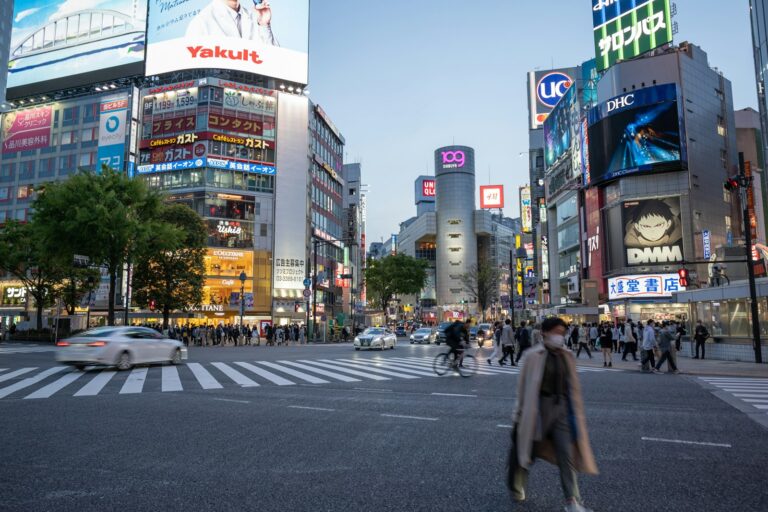
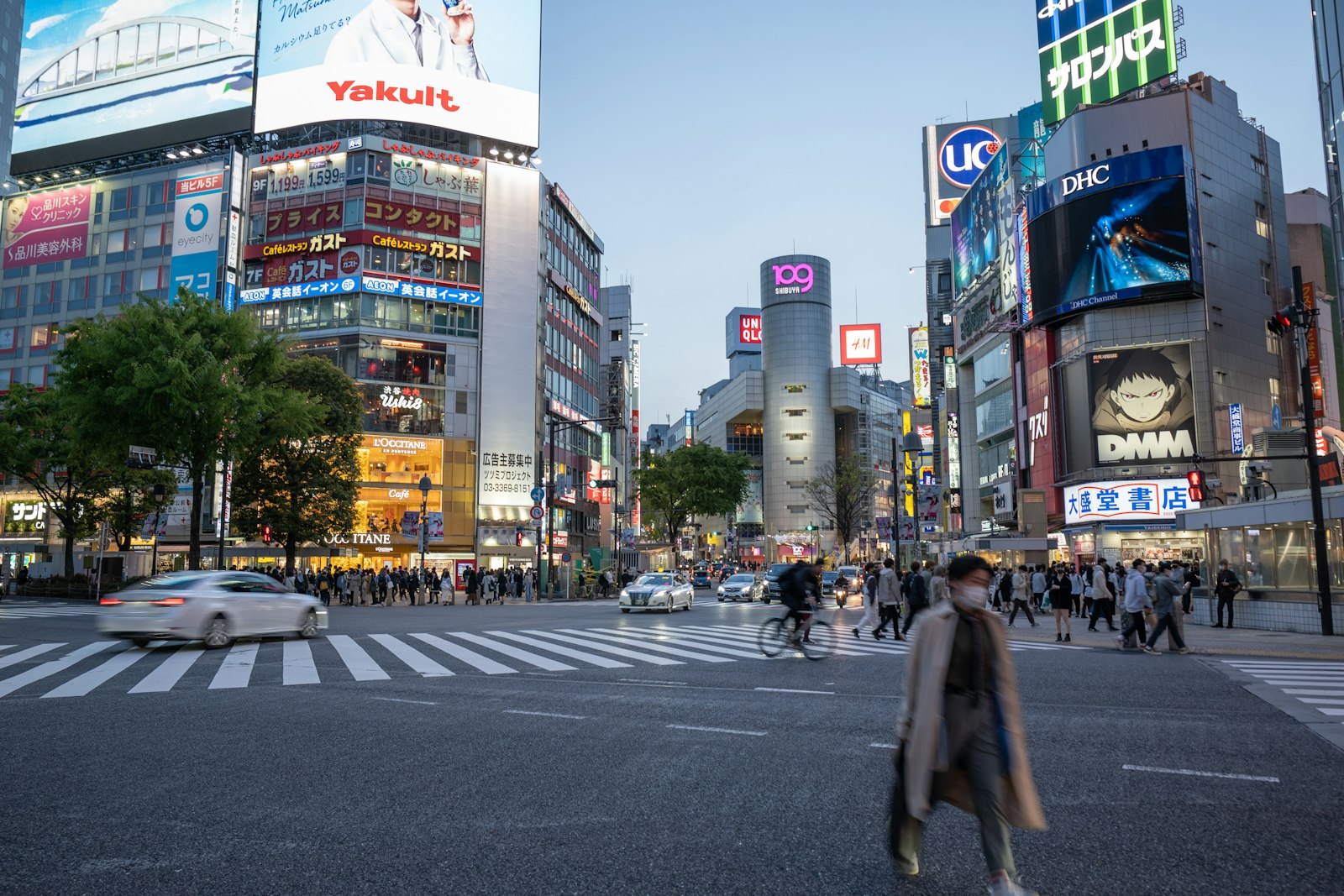
Shibuya is the default recommendation for first-timers, and for good reason. Clubs cluster within walking distance of the station, the crowd is young and mixed, and there’s always something on. The Dogenzaka and Maruyamacho slopes are where many venues sit.
WOMB is Shibuya’s best-known example — its official address is 2-16 Maruyama-cho, Shibuya-ku — and it’s a good barometer of the area’s music-first club culture. For a full area rundown, read our local’s guide to Shibuya nightlife.
Roppongi: international and glossy
Roppongi has long been Tokyo’s most international nightlife district. You’ll hear plenty of English, and the scene leans toward bottle service, VIP tables, and big commercial sound. It’s convenient for travelers who want an English-friendly night, but it’s also the area where you need to be most alert to aggressive street touts. Walk with purpose and treat any unsolicited invitation as a “no.”
Shinjuku (Kabukicho): big-room energy
Shinjuku mixes everything: tiny bars in Golden Gai, izakaya alleys, and large-scale entertainment in Kabukicho. ZEROTOKYO, inside Tokyu Kabukicho Tower, is the flagship example of a modern mega-venue here, with multiple floors of different spaces.
Kabukicho is safe if you use common sense, but it’s also where tourist-targeted scams are most common. The rule is simple: never follow a street tout into a bar or club.
Aoyama, Ebisu, and Nakameguro: for music heads
If you care more about sound systems and DJs than about crowds and VIP tables, the smaller clubs around Aoyama, Ebisu, and Nakameguro are where Tokyo’s underground scene lives. They’re quieter, more local, and less forgiving of rowdy behavior — which is exactly why regulars love them.
Want specific venue names? Our verified list of the best clubs in Tokyo breaks down 15 currently operating clubs by area and music style.
Looking for Adult Entertainment Services in Tokyo? Download this
I’ve spent over a decade exploring and studying Japan’s adult entertainment scene firsthand. If you’d like detailed insider information—including how to choose the right shop, what services are available, and tips for avoiding common mistakes—check out our exclusive E-book.
Club Etiquette in Tokyo: Unwritten Rules for First-Timers
Tokyo club crowds are friendly, but they follow some unspoken norms. Following them makes the night better for everyone — including you.
- Respect personal space. Grabbing, pushing, or dancing up on strangers uninvited is far less tolerated than in many Western clubs.
- Don’t hog the DJ booth. At music-focused venues, crowding the booth for selfies is frowned upon.
- Keep it low-key with photos. A few phone shots are fine at most places; filming whole sets or using flash isn’t.
- Drink at your own pace. Nobody will pressure you to keep up, and staff will act quickly if someone is visibly drunk.
- Tip? No. Tipping isn’t part of Japanese culture, and bartenders won’t expect it.
Safety Tips for Clubbing in Tokyo
Tokyo is statistically a very safe city, but nightlife districts have their own risks. Most problems travelers run into are avoidable.
Ignore street touts. Anyone approaching you on the street with “cheap drinks” or “free entry” is a red flag, especially in Kabukicho and Roppongi. Legitimate clubs don’t need to pull tourists off the sidewalk. Read our guide to Tokyo nightlife scams and how to stay safe before your trip.
Know the price before you drink. At a real club, prices are posted at the door or on the event page. If a venue won’t tell you the price up front, walk away.
Watch your drink. Drink spiking is rare, but not impossible. Don’t leave drinks unattended and don’t accept drinks from strangers.
Plan your ride home before you leave. Save your hotel address in Japanese on your phone, and know whether you’re catching the last train or waiting for the first.
Use official info when in doubt. The Tokyo Metropolitan Government’s official travel site, GO TOKYO, has an overview of nightlife areas and general visitor information.
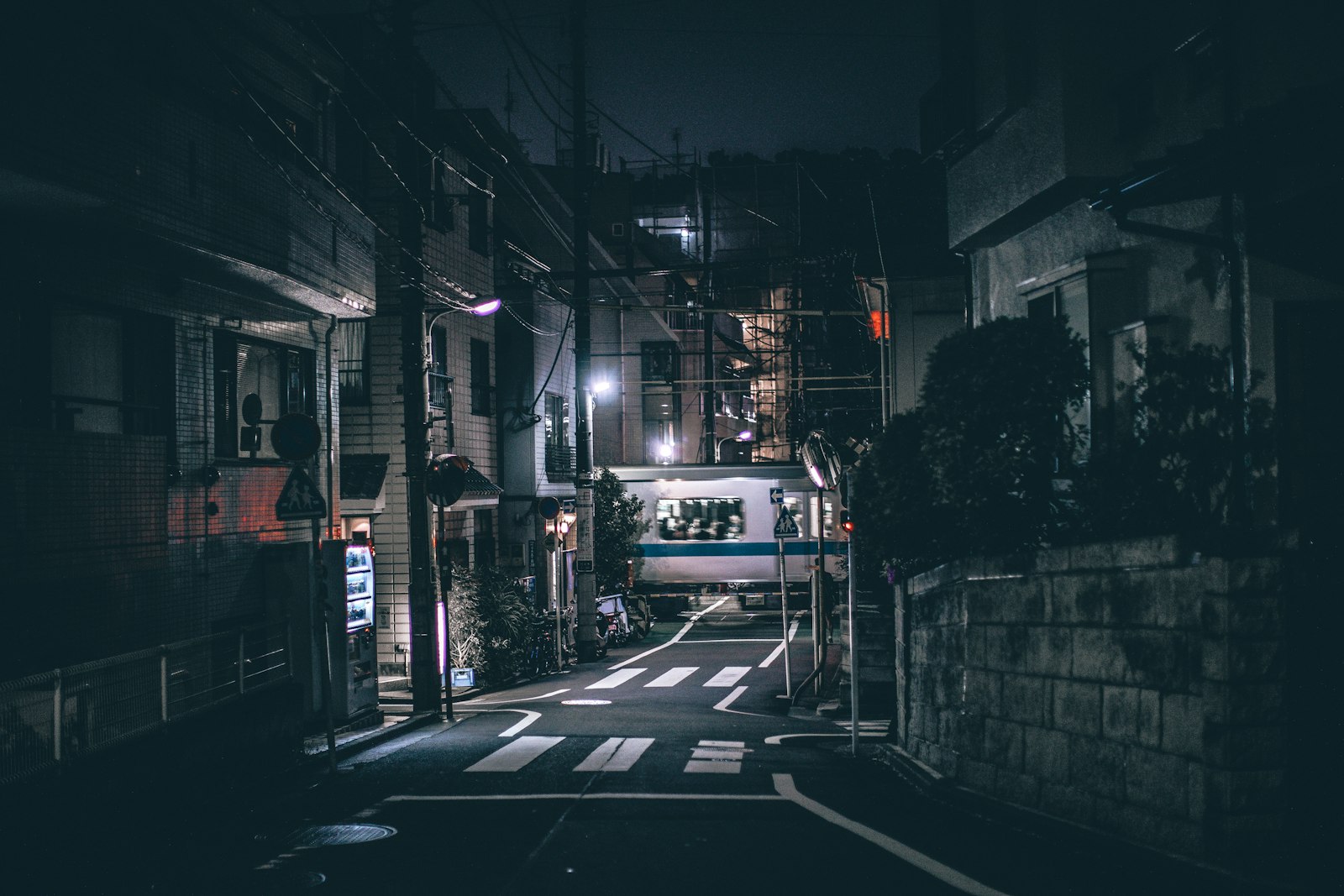
Tokyo Clubbing Guide in Practice: A Sample First Night
Putting this Tokyo clubbing guide together into a single evening, here’s a plan that works for most first-timers:
- 9pm — Dinner in Shibuya. Something casual and filling. Clubbing on an empty stomach is a rookie mistake.
- 10:30pm — Pre-drinks at a small bar. Ask the bartender what’s on tonight — Tokyo bartenders often know the local club calendar better than any website.
- Midnight — Walk to the club. Passport in pocket, card and a little cash on hand, coins ready for the locker.
- Midnight–4am — Dance. Give the headliner time; big DJs often play later in the night.
- Around 5am — First train or a ramen stop. A bowl of noodles as the sun comes up is a Tokyo clubbing tradition in its own right.
If you’re traveling alone, don’t let that stop you — Tokyo is one of the easiest cities in the world to club solo. Music-focused venues in particular are full of people who came alone for the DJ.
Frequently Asked Questions About Clubbing in Tokyo
What is the minimum age for Tokyo clubs?
Night events at Tokyo clubs are generally 20+, matching Japan’s legal drinking age. Expect to show original photo ID.
Can I use a photo of my passport as ID?
Usually not. Venues such as ZEROTOKYO explicitly reject image files, copies, and expired documents. Bring the original.
What time should I arrive at a Tokyo club?
Around midnight is a safe bet for most events. Arriving earlier is fine if there’s discounted early entry, but expect a quiet room.
Is clubbing in Tokyo safe for tourists?
Generally, yes. The main risks are overpriced bars reached through street touts, not violence. Stick to venues you’ve researched and never follow a tout.
What do you do in Tokyo After 10?
Join our Tokyo Nightlife Private Tour
You deserve better than overpriced bars and missed opportunities. We’re here for you.
Skip the Guesswork: Explore Tokyo After Dark With a Local
Tokyo’s club scene is easy to enjoy once you know the rules — but the best part of Tokyo nightlife is often everything around the club: the tiny bar where the bartender tells you which event is worth the cover, the alley izakaya where locals warm up, and the late-night spots you’d never find on Google Maps.
If you’d rather spend your first night out actually enjoying Tokyo instead of figuring it out, our Tokyo After 10 nightlife private tour pairs you with a local guide who knows which doors to open — and which ones to walk past. Start with the guide, and by the time the club opens, you’ll feel like a regular.