Photo by <a href="https://unsplash.com/@jpreet?utm_source=tokyodeepnightlife&utm_medium=referral">Jaipreet Singh</a> on <a href="https://unsplash.com/?utm_source=tokyodeepnightlife&utm_medium=referral">Unsplash</a>
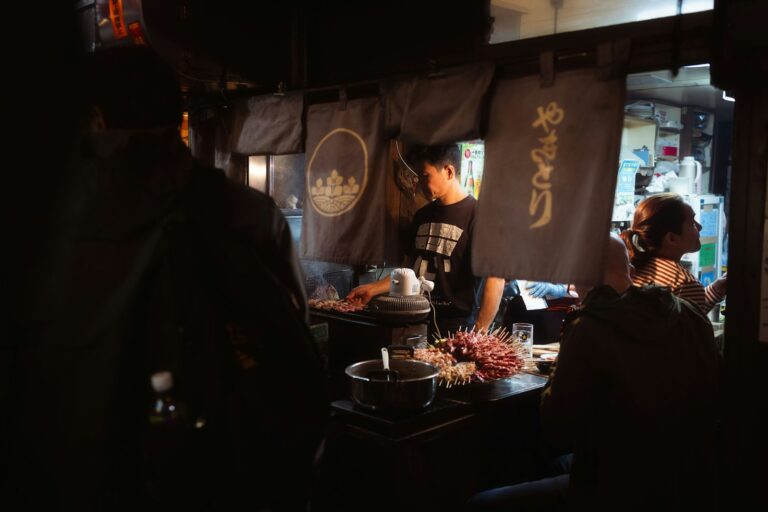
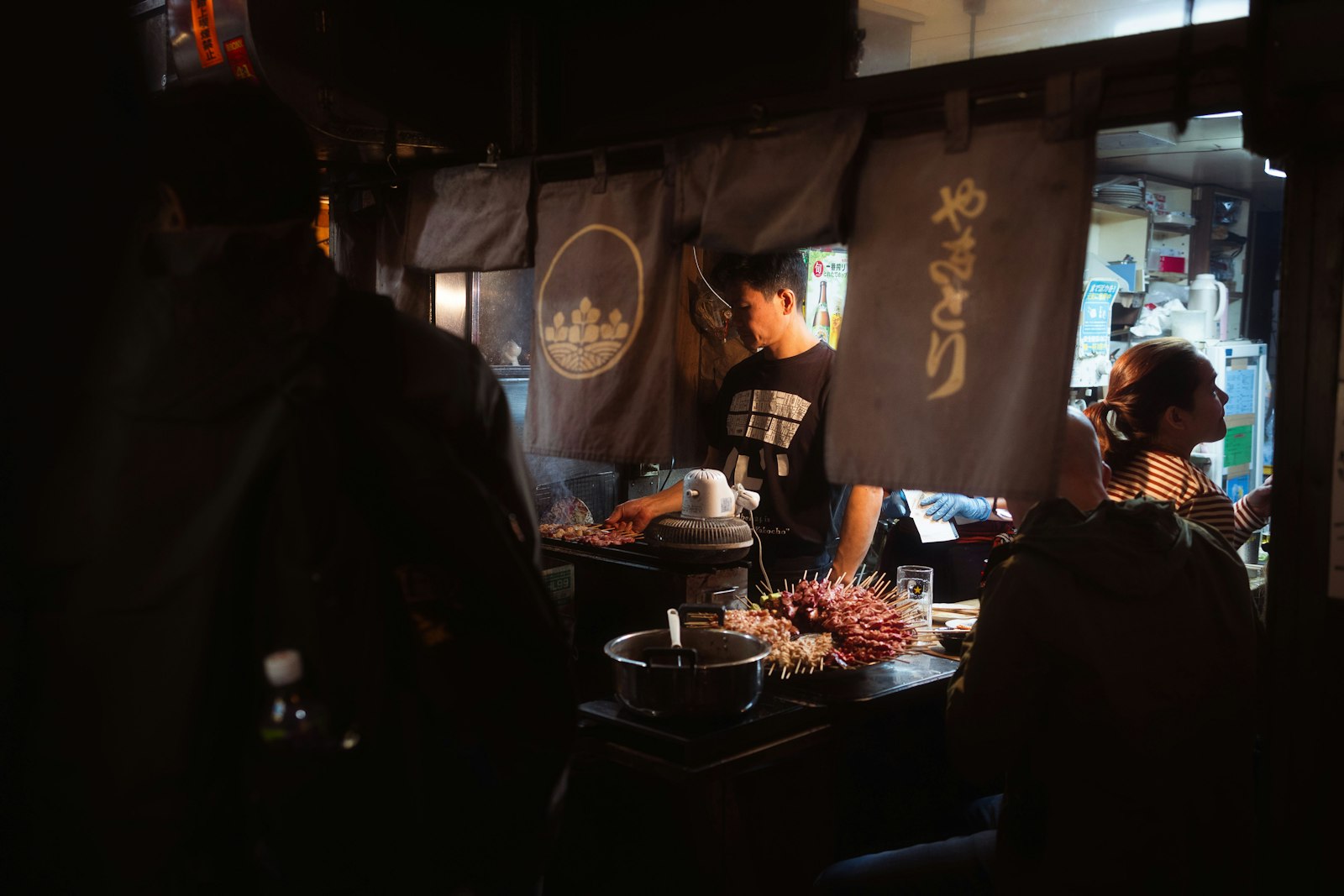
Walk past a Tokyo train station after dark and you’ll usually smell it before you see it: charcoal smoke, sweet soy glaze, and chicken fat hitting hot coals. Yakitori is Tokyo night food at its most honest. It’s cheap, it’s fast, and it’s eaten at a counter elbow to elbow with office workers who’ve been coming to the same grill for decades.
This guide is for anyone who wants to eat yakitori in Tokyo at night without guessing. It covers the three alleys where the scene is most alive, a handful of long-running shops we could verify, what to order, and the small rules that confuse first-timers, such as the charge for a dish you didn’t order.
Contents
- Why Yakitori Belongs to the Tokyo Night
- Yakitori vs. Yakiton: Know What You’re Ordering
- Omoide Yokocho, Shinjuku: The Classic Yakitori Alley
- Yurakucho: Yakitori Under the Tracks
- Nonbei Yokocho, Shibuya: Small, Old, and Easy to Miss
- Toritake Sohonten, Shibuya: Big Skewers, Easy Entry
- How Yakitori Works on a Tokyo Night: Etiquette and the Bill
- A Simple Yakitori Night Plan
- Frequently Asked Questions
- What do you do in Tokyo After 10?Join our Tokyo Nightlife Private Tour
- Eat Yakitori with Someone Who Knows the Counters
- About the Author
Why Yakitori Belongs to the Tokyo Night
Yakitori in Tokyo is built for the night, specifically the hours after work. Most of the classic counters open in the afternoon, fill up once offices empty out, and wind down around midnight. The city’s official travel guide, GO TOKYO, notes that izakaya will likely close at midnight, with last orders taken 30 minutes to an hour before that.
The food fits the rhythm too. Skewers come off the grill a few at a time, so you order a round, drink, talk, and order another. Nobody expects you to finish a full meal and leave. That’s why yakitori is the classic first stop of a Tokyo night rather than the whole evening.
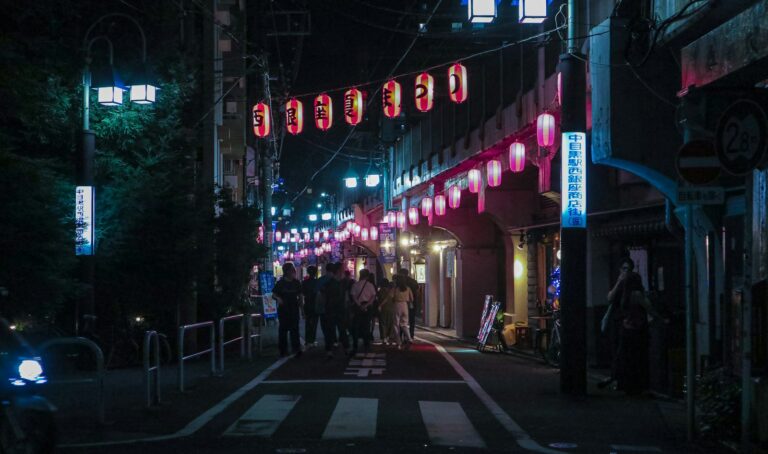
Many of the best places are in yokocho, narrow alleys of tiny bars that grew out of post-war markets near big stations. If you want the bigger picture beyond skewers, our guide to the best yokocho in Tokyo covers ten of them.
Yakitori vs. Yakiton: Know What You’re Ordering
Before you sit down, it helps to know that not every “yakitori” shop grills chicken.
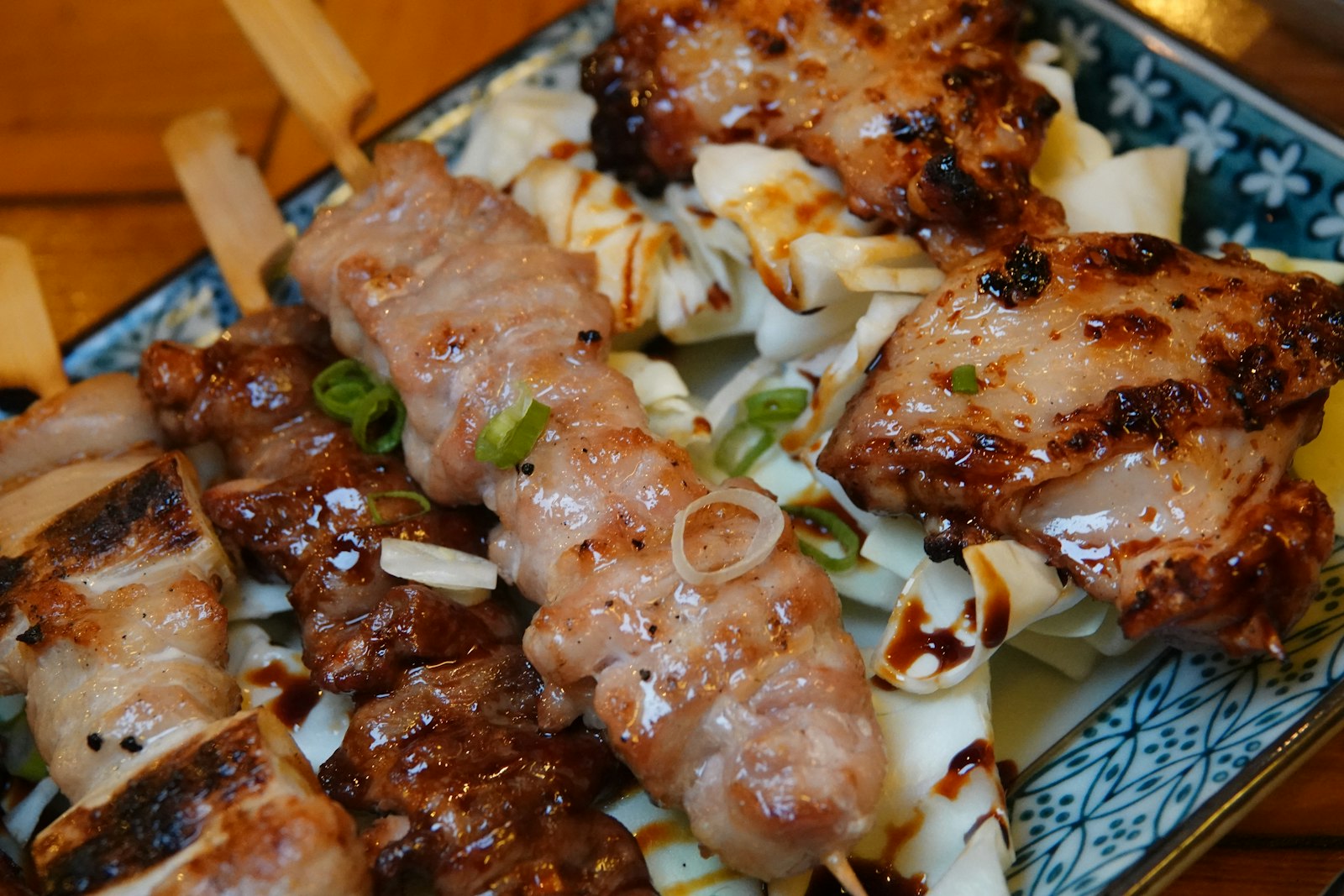
- Yakitori means grilled chicken skewers, from breast and thigh to skin, liver, and heart.
- Yakiton (also called motsuyaki) means grilled pork, usually offal: intestines, tongue, liver, and more.
In the old alleys, the two are often served side by side, and many shops lean heavily toward offal. If you only want chicken, look for 焼き鳥 on the sign or ask for “tori” (chicken). If you’re curious, the pork offal is where the older shops show their skill.
A Short Yakitori Menu Cheat Sheet
Handwritten menus rarely have English. These are the skewers you’ll see most often:
- Negima – thigh meat with pieces of leek between. The safe, classic first order.
- Tsukune – a chicken meatball or patty, often served with a raw egg yolk for dipping.
- Kawa – crispy chicken skin.
- Momo – thigh meat on its own.
- Sasami – tender breast meat, often cooked lightly.
- Reba – liver.
- Hatsu – heart.
- Sunagimo (or zuri) – gizzard, chewy and crunchy.
- Bonjiri – the fatty tail piece.
Each skewer is seasoned either tare (a sweet soy glaze) or shio (salt). If the cook asks “tare? shio?“, that’s the question. A good rule: shio for delicate cuts like sasami and skin, tare for tsukune and liver. When in doubt, say “omakase” and let the cook decide.
Omoide Yokocho, Shinjuku: The Classic Yakitori Alley
If you picture yakitori in Tokyo at night, you probably picture Omoide Yokocho. It sits right by the west exit of Shinjuku Station and, according to the alley’s official website, has its roots in the open-air market that formed in the ruins of Tokyo right after the Second World War. Today it has around 80 premises, including some 60 bars and restaurants, packed into about 2,000 square meters.
The shops are tiny, the counters are open to the lane, and the smoke from the grills drifts straight out into the alley. It’s also where yakiton is at its strongest, so expect plenty of offal on the menus.
Verified Shops in Omoide Yokocho
These details come from each shop’s page on the official Omoide Yokocho site. Hours can change, so treat them as a guide.
- Motsuyaki Kikuya – Founded in 1957. Specializes in motsuyaki (grilled offal) served with sauce or salt, plus motsunikomi (offal stew). Open 15:00–23:30 with no regular closing day. Seats up to 60, which is large for this alley. Accepts cash and QR code payments.
- Isuzu – Yakitori, motsuyaki and offal stew, grilled over charcoal with a sauce whose recipe the shop says dates back more than 70 years. Open every day, 14:00–23:30. Cash only.
- Ichifuji – Yakitori and offal stew, with around sixty years of history, plus tuna dishes you won’t find elsewhere in the alley. Open 15:00–23:00, closed Mondays and Thursdays. Cash only, 22 seats.
- Komatsu – A small yakitori and offal-stew shop with 20 seats. Open every day, 14:00–23:30. Cash only.
For a full walkthrough of the alley, including how to pick a shop and what first-timers get wrong, read our Omoide Yokocho first-timer’s guide.
Yurakucho: Yakitori Under the Tracks
Between Yurakucho and Shimbashi, the arches beneath the elevated railway are filled with small eateries. This is salaryman territory. Workers from Ginza and Marunouchi file in after the office, and trains rumble overhead while the grills smoke below.
The appeal here is atmosphere more than any single shop. Yakitori counters sit next to izakaya and standing bars, and many put stools and small tables right out under the arches. It’s easy to walk the line of arches and pick whichever grill looks busiest.
One well-known name nearby isn’t a yakitori shop at all. Andy’s Shin Hinomoto, established in 1946 under the tracks just south of JR Yurakucho Station, is a fish-focused izakaya run by a British owner. It’s cash only. It’s a handy option if half your group wants sashimi instead of skewers.
Our guide to Yurakucho’s gado-shita dining under the tracks covers the area in more detail.
Nonbei Yokocho, Shibuya: Small, Old, and Easy to Miss
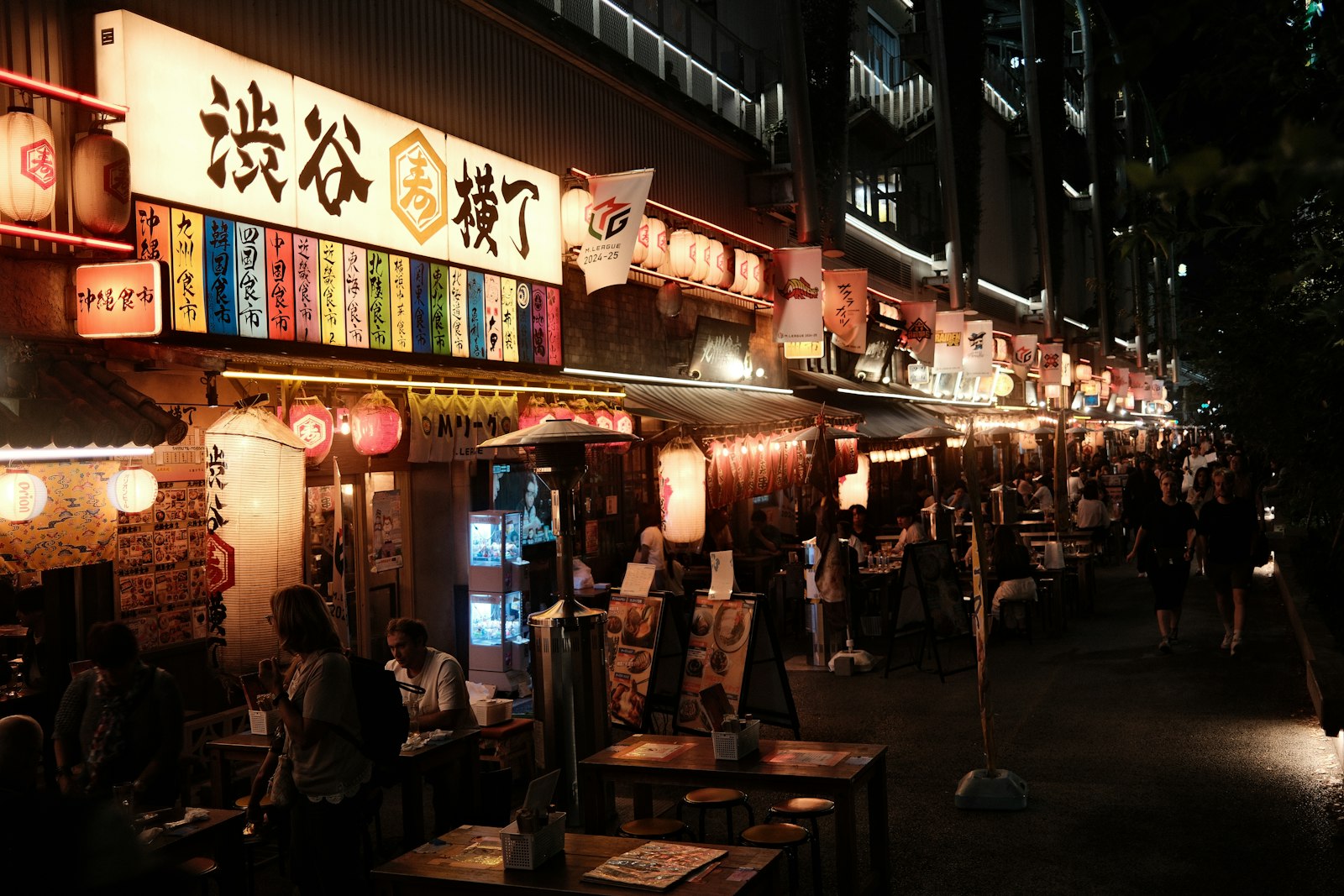
A few minutes’ walk from Shibuya’s scramble crossing, Nonbei Yokocho (“Drunkard’s Alley”) is two short lanes of very small bars. GO TOKYO says it dates back to the early 1950s. Many places seat only a handful of people, so it’s better for twos and threes than for groups.
The best-known yakitori counter here is Torifuku, a long-running shop known for generous pieces of chicken, served as an omakase-style run of skewers. Be aware that it keeps early hours. Listings show it opening at 4 pm and closing in the early evening, and it’s closed on Sundays. If you want to eat here, go early and don’t plan it as a late-night stop.
Looking for Adult Entertainment Services in Tokyo? Download this
I’ve spent over a decade exploring and studying Japan’s adult entertainment scene firsthand. If you’d like detailed insider information—including how to choose the right shop, what services are available, and tips for avoiding common mistakes—check out our exclusive E-book.
Toritake Sohonten, Shibuya: Big Skewers, Easy Entry
If the alley shops feel too cramped, Toritake Sohonten in Dogenzaka is the easy alternative. According to its Tabelog listing, it was established in 1963 and has 128 seats spread across three floors: counter and tables on the first floor, tables upstairs, and a tatami room in the basement.
It’s known for oversized skewers with a bold tare. Unusually for an old yakitori shop, the listing says it accepts credit cards and IC cards like Suica. Reservations are only taken by phone, for groups of five or more arriving by 7 pm. Smaller groups should just walk in. Tabelog lists a typical dinner budget of ¥3,000–3,999 per person.
How Yakitori Works on a Tokyo Night: Etiquette and the Bill
The rules are simple once you know them, and they’re the same in almost every alley.
Order a drink first. Almost every counter expects each person to order at least one drink. Beer, highballs, and shochu are the standard pairings with skewers.
Expect an otoshi. GO TOKYO warns that you’ll probably be served a small appetizer, or otoshi, which comes with a small charge. It isn’t a mistake or a scam. It works as a seating charge.
Bring cash. Most of the Omoide Yokocho shops above are cash only, and that’s normal in the older alleys. Larger shops like Toritake are the exception.
Don’t tip. GO TOKYO is clear on this: don’t tip when paying the bill.
Keep the group small. Many shops seat fewer than 20 people. GO TOKYO advises against visiting yokocho in large groups.
Don’t drink in the street. GO TOKYO also notes that smoking and drinking in the street outside is prohibited. Keep your drink inside the shop.
For the fuller list, including ordering phrases and how to pay, see our guide to izakaya etiquette for foreigners.
A Simple Yakitori Night Plan
If you only have one night for yakitori in Tokyo, here’s a route that works:
- Start early in Shibuya (around 5 pm). Try Torifuku in Nonbei Yokocho before it closes, or go to Toritake if you’d rather not wait.
- Move to Shinjuku for the main event. Take the train to Shinjuku and walk into Omoide Yokocho. Order a few chicken skewers and try at least one piece of offal.
- Finish with a drink. Golden Gai is on the other side of the station if you want a nightcap in a tiny bar.
Alternatively, start in Yurakucho straight after work hours and eat your way along the arches. Just keep an eye on the clock. Last orders come earlier than you think, and so do last trains.
Frequently Asked Questions
What time do yakitori alleys open in Tokyo?
It varies by shop. In Omoide Yokocho, the shops listed above open between 14:00 and 15:00 and close around 23:00–23:30. The busiest stretch is after office hours.
How much does a yakitori dinner cost in Tokyo?
It depends on the shop. For Toritake Sohonten, Tabelog lists a dinner budget of ¥3,000–3,999 per person. Add an otoshi charge at many alley shops, and more if you drink a lot.
Is yakitori in Tokyo at night good for solo travelers?
Very. Counter seating makes eating alone completely normal, and a single seat is often easier to find than a spot for a group.
Can vegetarians eat at a yakitori shop?
Options are limited. Some shops grill vegetables such as leeks or shiitake, but the tare sauce and grill are shared with meat. Ask before you order.
What do you do in Tokyo After 10?
Join our Tokyo Nightlife Private Tour
You deserve better than overpriced bars and missed opportunities. We’re here for you.
Eat Yakitori with Someone Who Knows the Counters
The alleys are easy to find. The hard part is picking the right door, reading a handwritten menu, and knowing which shops welcome first-time foreign guests on a busy night.
If you’d like someone to handle that, the Tokyo After 10 private night tour pairs you with a local guide who can build the evening around smoky counters and alley bars, then keep going long after the grills cool down.