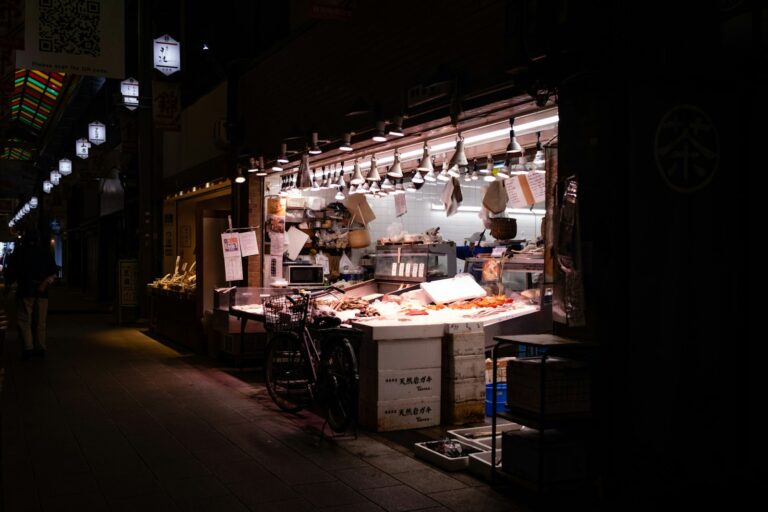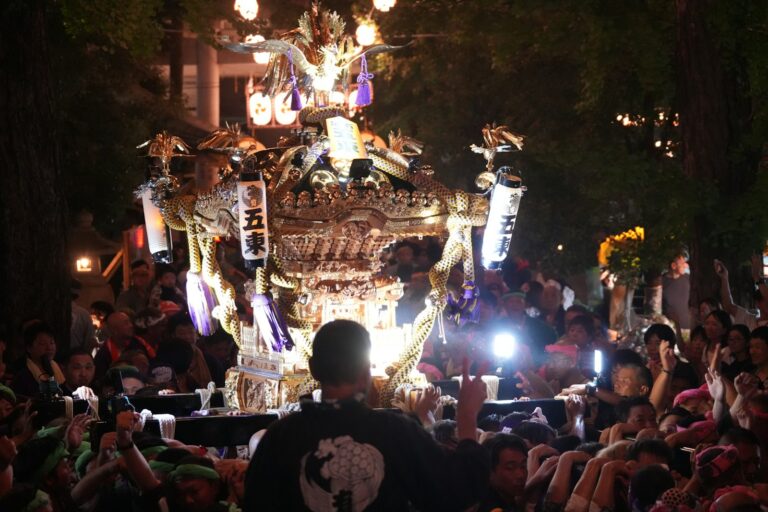
Photo by <a href="https://unsplash.com/@mateokross?utm_source=tokyodeepnightlife&utm_medium=referral">Mateo Krossler</a> on <a href="https://unsplash.com/?utm_source=tokyodeepnightlife&utm_medium=referral">Unsplash</a>
At a hostess club, the thing you are paying for is conversation. Not the drinks, not the room, not the music — the conversation. Which makes the language question less of an inconvenience and more of a structural problem: walk into the wrong venue with no Japanese and you have bought a two-hour block of polite silence at ¥15,000 an hour.
That is the honest starting point, and almost no guide says it out loud. The good news is that finding a hostess club Tokyo English speaking travelers can actually enjoy is genuinely doable in 2026 — there are venues that have built their entire business around international guests, and there are ways to read a room before you commit. The bad news is that “English OK” on a street flyer means nothing at all.
This guide covers the difference: what levels of English actually exist in Tokyo’s hostess scene, which districts are worth your time, what a night costs when English is included in the price, how to book in your own language before you arrive, and the handful of Japanese phrases that carry an entire evening even when nobody at the table is fluent.
Contents
- Why the Language Barrier Hits Harder at a Hostess Club
- Hostess Club Tokyo English Speaking: The Three Tiers That Actually Exist
- Where to Look: Kabukicho, Roppongi, Ginza
- A Venue You Can Verify Before You Go
- What a Night Actually Costs
- Booking in English Before You Land
- Eight Phrases That Carry an Entire Evening
- Using a Translation App Without Killing the Mood
- Etiquette: The Rules That Matter Most When You Can’t Explain Yourself
- The Tout Problem — Where “English OK” Becomes a Trap
- FAQ
- What do you do in Tokyo After 10?Join our Tokyo Nightlife Private Tour
- Skip the Guesswork — Go With Someone Who Knows the Door
- About the Author
Why the Language Barrier Hits Harder at a Hostess Club
If you have already done Golden Gai or an izakaya crawl, you may be wondering what the fuss is about. You pointed at things, you laughed, it worked fine.
A hostess club is a different product. A hostess (キャバ嬢, kyaba-jō) sits beside you at your table and her job for that hour is to keep a conversation alive — asking about your work, your trip, teasing you a little, keeping your glass full. Strip out the language and there is very little left to sell you. She knows this, which is why some venues genuinely prefer not to seat a guest they can’t entertain: it is a bad night for both of you, and she is the one being judged on it.
So the question is not “will they let me in.” In most cases they will. The question is whether the room can deliver the thing you are paying for. That is what you are actually screening for.
For the wider category map — hostess club versus host club versus girls bar versus snack — our hostess club Tokyo guide breaks the venue types down before you pick one.
Hostess Club Tokyo English Speaking: The Three Tiers That Actually Exist
Forget the binary. In practice there are three levels, and knowing which one you are walking into determines your entire night.
Tier 1 — Built for international guests
A small number of Tokyo venues have made foreign visitors their core business. They have an English website with published pricing, English-speaking hostesses on most shifts, staff who will explain the bill line by line, and a reservation channel in English. These places advertise it openly because it is their differentiator, not a favor they are doing you.
This is where a first-timer with no Japanese should start. Full stop.
Tier 2 — One or two bilingual people on shift
Far more common: a mainstream kyabakura where one hostess studied abroad, or a floor manager who handles international guests. English exists, but it is a specific person, and if she has been nominated by another table you are out of luck.
These venues are workable if you call ahead and ask directly — eigo ga hanaseru kyasuto wa imasu ka? (“is there a cast member who speaks English?”). If the answer is a hesitant “maybe,” treat it as no.
Tier 3 — Japanese only, app and gestures
The overwhelming majority. Not hostile, just not equipped. A translation app on the table can carry a surprisingly warm hour here if both sides are game — but you are improvising, and the price you pay is the same as at Tier 1.
Tier 3 is worth doing once you have some Japanese or a Japanese-speaking friend with you. It is a poor choice for a first visit.
Where to Look: Kabukicho, Roppongi, Ginza
Three districts hold most of Tokyo’s hostess clubs, and they sort very differently on the language question.
Roppongi has the highest base rate of English simply because of who lives and works there — the embassy and finance crowd has shaped the nightlife for decades. Your odds of stumbling into Tier 2 by accident are best here. It is also the district with the most aggressive street touting, so the floor and the ceiling are both higher. Our Roppongi nightlife guide covers the area’s bars and clubs in more depth.
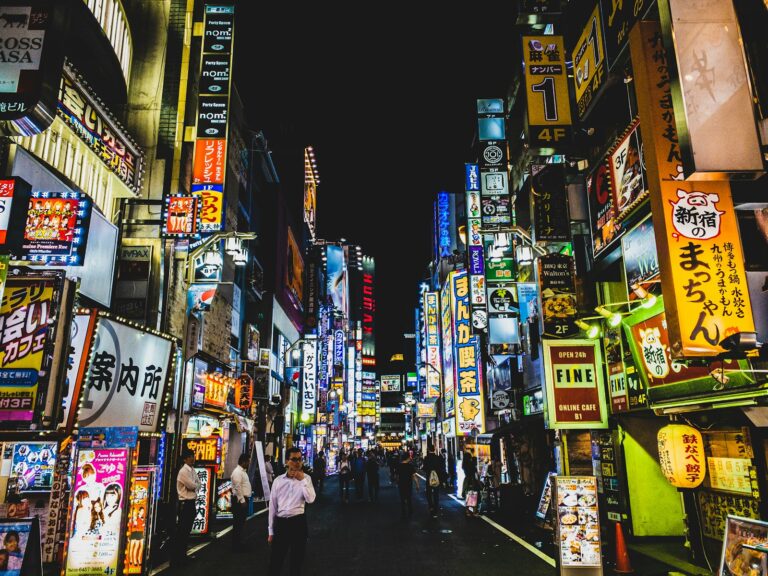
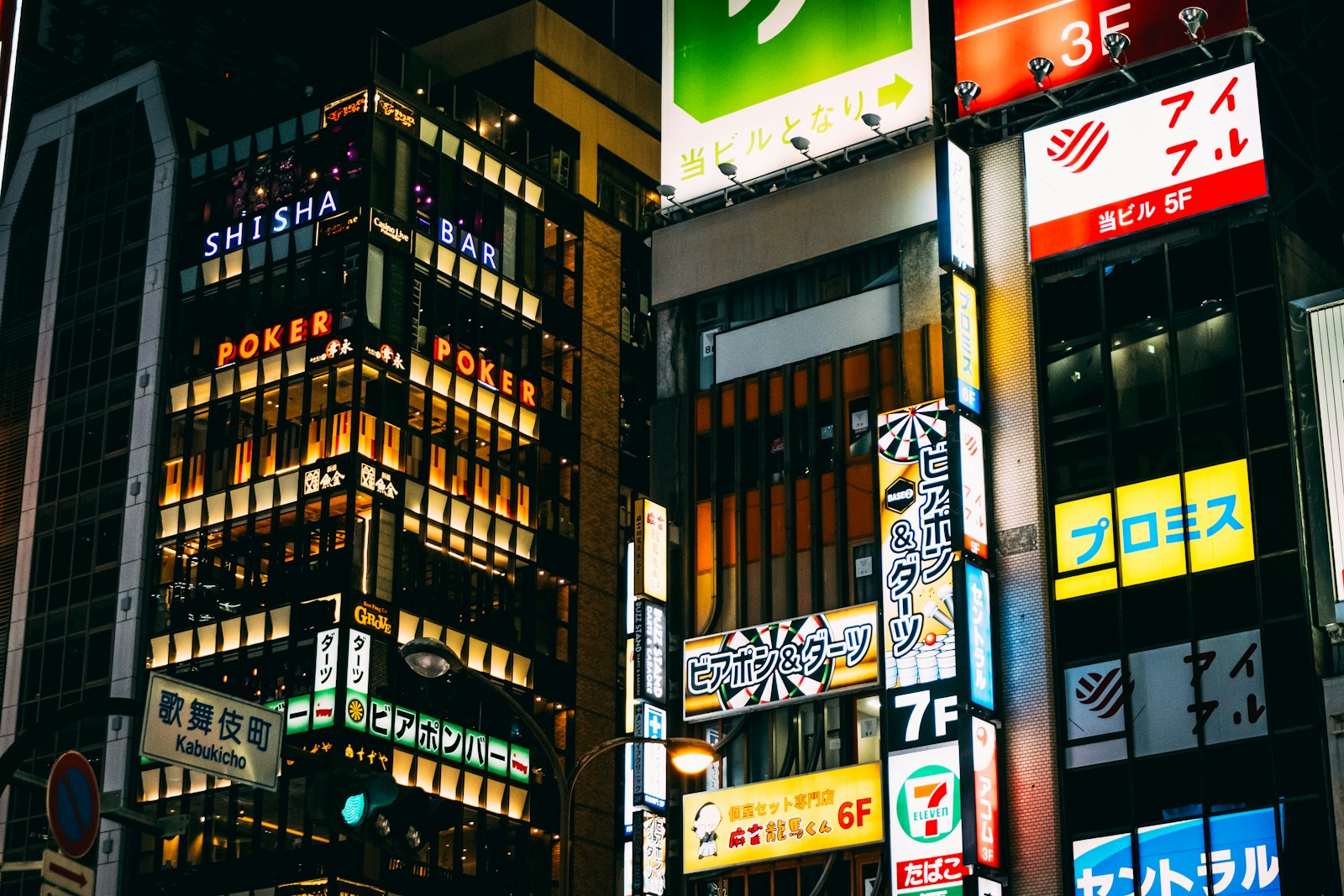
Kabukicho in Shinjuku has by far the largest number of venues, which means it holds both the most foreigner-focused clubs and the most tourist-targeted traps. Density cuts both ways. If you go here, go to a specific named venue you researched in advance rather than browsing.
Ginza is the top of the market and the hardest for a non-Japanese speaker. Many Ginza clubs are effectively members-only or introduction-only, the clientele is corporate, and the conversation is the point in a way that makes a language gap genuinely awkward. Beautiful rooms, wrong first stop.
A Venue You Can Verify Before You Go
Rather than hand you a list of names you can’t check, here is one that publishes everything on its own English site — so you can confirm each detail yourself before booking.
ORIGIN (also listed as Yume ORIGIN) is an English-speaking hostess bar in Kabukicho that has been operating since March 1993. From their own English pages:
- Location: Yukizaki Bldg. 3F, 2-10-8 Kabukicho, Shinjuku City, Tokyo
- Hours: Monday to Saturday, 8:00 PM – 1:00 AM
- Base rate: ¥9,000 per hour, including one glass of Yamazaki
- Drinks by the glass: ¥2,000
- Nomination (designating a specific cast member): ¥3,000
- On top of everything: 20% service charge, then 10% consumption tax
- Booking: online English reservation form, WhatsApp, Instagram DM, or phone; walk-ins accepted but reservations recommended
Run that math before you sit down, because this is exactly how Japanese nightlife billing works everywhere: ¥9,000 base plus two extra glasses at ¥2,000 is ¥13,000, plus 20% service is ¥15,600, plus 10% tax is roughly ¥17,160 for one hour. Nothing hidden — but the sticker price is never the final price.
I am naming one venue rather than ten because a name I can’t source is worse than no name. Use the pattern instead: a venue that publishes hourly rate, drink prices, nomination fee, service percentage and tax on a page you can read is a venue that intends to explain your bill.
What a Night Actually Costs
Across English-language guides and published venue price boards, the 2026 market looks roughly like this:
| Item | Typical range |
|---|---|
| Set fee (seat charge, per hour) | ¥5,000–¥15,000 |
| Nomination fee (shimei) | ¥1,000–¥5,000 |
| Your drink | ¥1,000–¥2,000 |
| Hostess drink (buying her one) | ¥1,000–¥3,000 |
| Extension, per 30 min | ¥3,000–¥8,000 |
| Bottle keep | ¥10,000 and up, steeply |
| Service charge | 10–20% |
| Consumption tax | 10% |
A realistic first visit — one hour, no bottle, a couple of drinks — lands around ¥15,000–¥25,000 per person. Ginza and premium venues start at ¥30,000 and climb fast once champagne is on the table.
Three rules that matter more than any individual number:
- Multiply the menu by roughly 1.3–1.4. Service charge and tax are added at the end, not shown in the headline rate. This surprises people every single night.
- Ask the length of the set before you sit. “One set” might be 40, 50 or 60 minutes. The extension charge starts the second it ends, and nobody will interrupt a good conversation to warn you.
- Confirm whether English support carries a fee. At Tier 1 venues it is included. Some Tier 2 venues charge a nomination fee to seat their English-speaking cast, which is fair — just know it before it appears on the bill.
Bring cash. Card acceptance has improved but is still not universal, and “our machine is down” is a sentence you do not want to hear at 1 AM.
Booking in English Before You Land
The single biggest upgrade to your night costs nothing: reserve in advance, in writing, in English.
A written reservation does three things a walk-in cannot. It confirms an English-speaking cast member is on shift that night. It gets the pricing stated in text you can screenshot. And it means the venue is expecting you, which changes the reception at the door entirely.
Channels that work, in order of reliability:
- The venue’s own English reservation form, if it has one
- WhatsApp or Instagram DM — increasingly the default for foreigner-facing venues, and it gives you a written record
- Your hotel concierge, who will phone in Japanese on your behalf. Underused and extremely effective
- Phone, in English — fine at Tier 1 venues, a coin flip elsewhere
What to put in the message: your name, the date and time, party size, that you don’t speak Japanese, and one direct question — does the price you quoted include service charge and tax? Their answer tells you a great deal about the venue before you ever walk in.
Looking for Adult Entertainment Services in Tokyo? Download this
I’ve spent over a decade exploring and studying Japan’s adult entertainment scene firsthand. If you’d like detailed insider information—including how to choose the right shop, what services are available, and tips for avoiding common mistakes—check out our exclusive E-book.
Eight Phrases That Carry an Entire Evening
You do not need conversational Japanese. You need to handle four specific moments: arriving, ordering, checking the price, and leaving. These cover all of them.
| Japanese | Romaji | When to use it |
|---|---|---|
| 英語を話せる方はいますか? | Eigo o hanaseru kata wa imasu ka? | At the door — is anyone here who speaks English? |
| 初めてです | Hajimete desu | “It’s my first time.” Instantly changes how they explain things |
| お会計はいくらになりますか? | O-kaikei wa ikura ni narimasu ka? | “How much will the bill be?” Ask this before you order |
| セットは何分ですか? | Setto wa nanpun desu ka? | “How long is one set?” |
| 延長しません | Enchō shimasen | “No extension” — the polite way to end at one set |
| 同じものをください | Onaji mono o kudasai | “Same again, please” |
| すみません | Sumimasen | Excuse me / sorry / to get attention. Endlessly useful |
| 楽しかったです、ありがとう | Tanoshikatta desu, arigatō | “That was fun, thank you.” Say it on the way out |
Two of these — the bill question and the set-length question — will save you more money than any other advice in this article.
Using a Translation App Without Killing the Mood
At Tier 2 and Tier 3 venues, your phone becomes a third person at the table. How you use it decides whether that is charming or exhausting.
- Download offline Japanese first. Basement and upper-floor venues frequently have no usable signal.
- Turn on conversation mode and lay the phone flat, screen up, between you. Passing a handset back and forth breaks the rhythm; a shared screen keeps it going.
- Type short sentences. “Where are you from?” translates cleanly. “So what got you into this line of work anyway?” does not.
- Put the phone down every few minutes. Reactions, laughing at the right moment, actually listening — those need no translation and they are most of what makes the hour work.
- Never translate a compliment about her appearance. It reads flat or creepy in Japanese far more often than in English. Ask about food, neighborhoods, music, your terrible attempt at Japanese instead.
Etiquette: The Rules That Matter Most When You Can’t Explain Yourself
Every etiquette rule at a hostess club matters more when you have no shared language, because you cannot talk your way out of a misunderstanding.
No touching. Not her hand, not her shoulder, not “friendly.” This is the line, it is absolute, and violating it ends the night. There is nothing ambiguous about the rule and no cultural nuance you are missing.
No asking for contact details. LINE, Instagram, phone number — it puts her in an impossible spot and many venues have a house rule against it. If a genuine connection happens, the venue’s own after-hours date system exists for exactly that and is priced accordingly.
Don’t photograph anyone. Cameras are off inside almost every venue. Ask before you shoot anything, including the room.
Let her pour. Keeping your glass full is part of the job. Accepting that gracefully is part of being a good guest.
Don’t haggle at the end. If you have a genuine billing dispute, raise it calmly and, if needed, involve the police — Japan takes venue billing fraud seriously. But arguing over a legitimate service charge you didn’t read is not a dispute.
If you want the fuller picture of what an evening looks like start to finish, our kyabakura guide for foreigners walks through a typical night in order.
The Tout Problem — Where “English OK” Becomes a Trap
Here is where language cuts against you hardest.
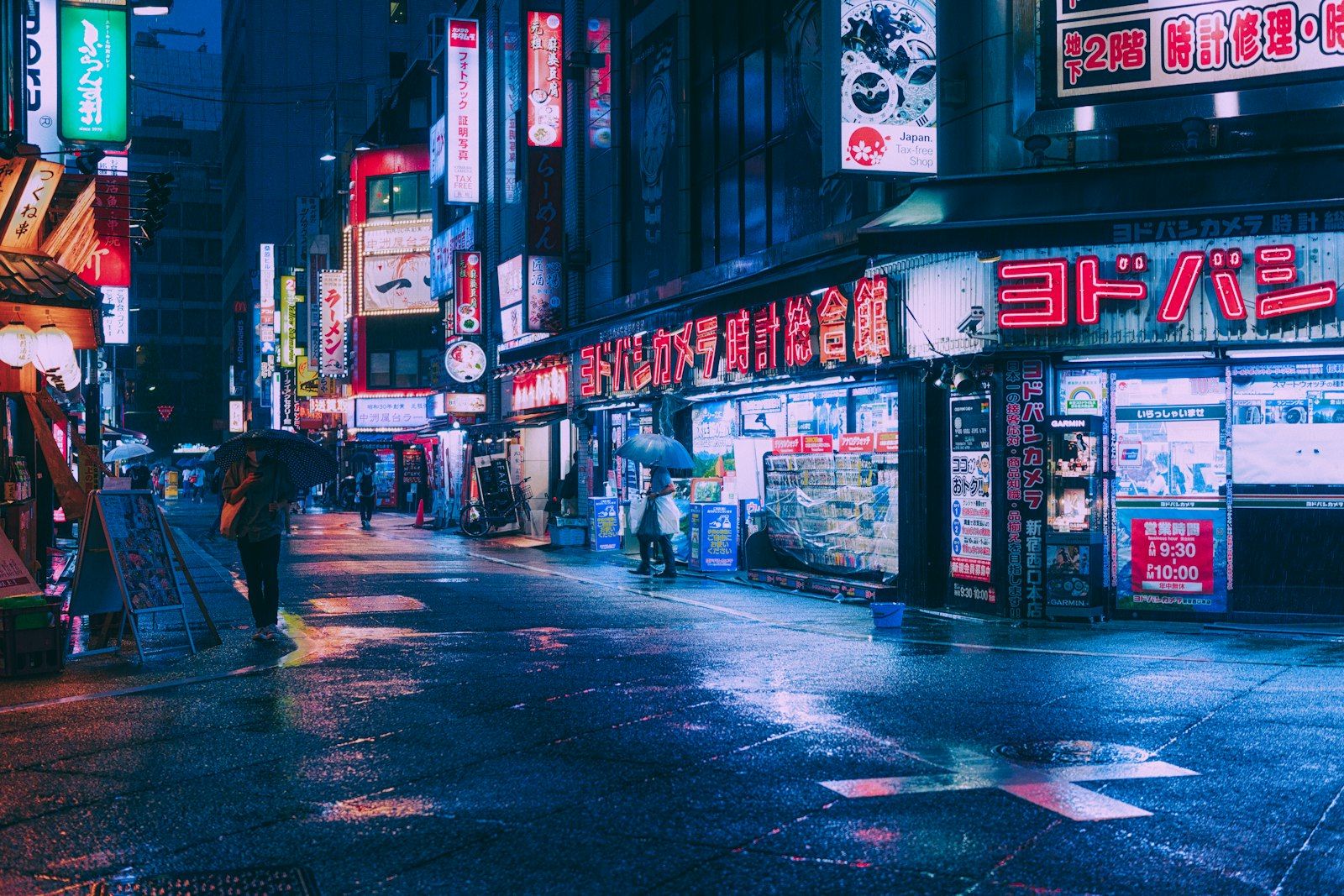
A man on the street in Kabukicho or Roppongi who calls out to you in English is not evidence of an English-friendly venue. It is evidence that he has identified you as a tourist. Street touting for these venues is illegal in Shinjuku, and the establishments that rely on it are, almost by definition, the ones that cannot fill seats on reputation.
The pattern is consistent: a quoted price of “¥3,000, all you can drink,” a walk to a building you didn’t choose, drinks you didn’t order arriving at the table, and a bill of ¥80,000 or more at the end — with a card terminal already in hand. Being unable to read the menu or argue in Japanese is the entire business model.
The defense is simple and it is total: never follow anyone from the street. Not for a discount, not for a “special deal,” not because he was friendly and spoke good English. Go to a venue you chose, whose address you looked up, whose prices you read.
Our Kabukicho scams guide documents how these setups run in detail. Read it before your first night out, not after.
FAQ
Can foreigners go to hostess clubs in Tokyo? Yes at most venues, though some post a Japanese-only policy at the door. It is usually a capacity issue rather than hostility — a tiny venue with no English staff can’t mediate a billing misunderstanding mid-shift. Go to a venue that wants international guests and the question never comes up.
How do I find a hostess club Tokyo English speaking guests can actually book? Start from the venue’s own English website. If it publishes the hourly rate, drink prices, nomination fee, service percentage and tax — and offers a reservation channel in English — it is built for international guests. If the only English you encounter is a man on the street, it is not.
Do I need to speak Japanese? Not at a Tier 1 English-speaking venue. Elsewhere, some Japanese or a translation app makes the difference between an hour of real conversation and an hour of polite smiling.
Is a hostess club the same as a strip club or adult entertainment? No. Hostess clubs are licensed entertainment venues selling conversation and drinks. There is no physical contact and no sexual service — that is a legally and culturally separate category entirely.
Should I nominate a hostess? On a first visit, only if you specifically want the English speaker at your table. Otherwise let the venue seat you and see how the hour goes.
What should I wear? Smart casual clears the bar almost everywhere; a collared shirt and clean shoes are plenty. Ginza expects a jacket. Shorts, sandals and gym clothes will get you turned away.
How long should a first visit be? One set. Sixty minutes tells you whether you’re enjoying yourself, and you can always extend. Booking a long block up front is how first-timers overspend.
What do you do in Tokyo After 10?
Join our Tokyo Nightlife Private Tour
You deserve better than overpriced bars and missed opportunities. We’re here for you.
Skip the Guesswork — Go With Someone Who Knows the Door
You can absolutely do this alone. Book a Tier 1 venue in advance, bring cash, ask the two price questions, ignore every man who calls out to you on the street, and you will have a genuinely great night.
But the reason most travelers never walk through the door isn’t cost — it is not knowing which door. Standing on a Kabukicho corner at 10 PM trying to guess which of forty buildings is legitimate is a real barrier, and it is exactly the part a local guide removes. Someone who knows which venues welcome international guests, who can handle the door conversation, and who can confirm the bill in Japanese before it arrives turns a nervy hour into the story you tell when you get home.
That is what our Tokyo After 10 nightlife tour is built for — a local walking you into the parts of Tokyo’s night that don’t have English websites, with the pricing sorted before you sit down.
Either way, go in informed. The venues that want you there are easy to find once you know the difference between a published price list and a man with a flyer.
Planning a wider night out? Japan’s official tourism site, JNTO, covers transport and late-night logistics — worth checking last-train times before you commit to a second set.