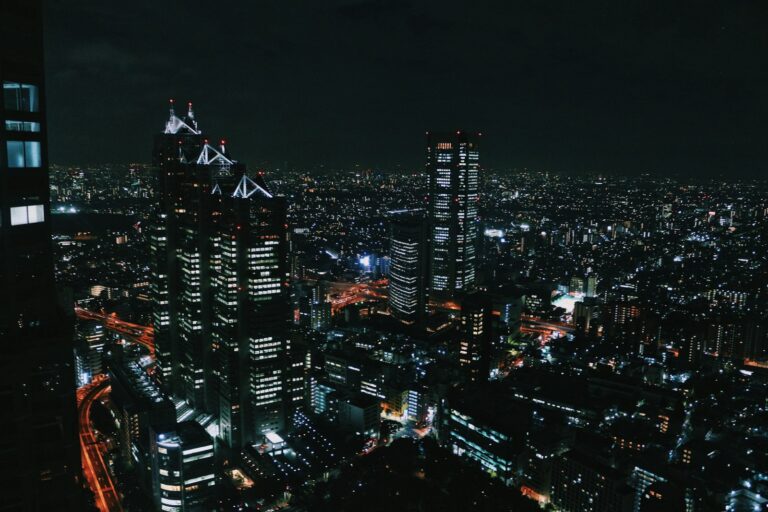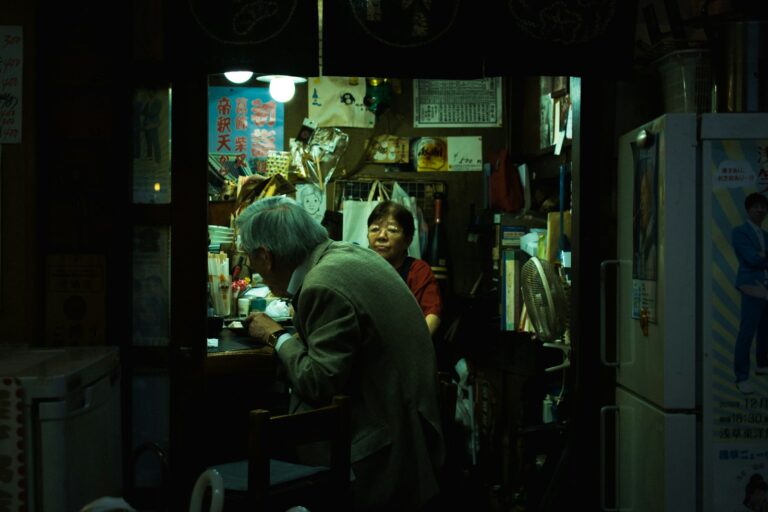
Photo by <a href="https://unsplash.com/@martinballe?utm_source=tokyodeepnightlife&utm_medium=referral">Martin Balle</a> on <a href="https://unsplash.com/?utm_source=tokyodeepnightlife&utm_medium=referral">Unsplash</a>
Most “best clubs in Tokyo” lists point you to the same bottle-service rooms in Roppongi or the biggest Shibuya venues. That’s fine if you want a big night out. But if you came for a heavy sound system, a dark room and a crowd that’s there for the DJ rather than the photo, you want the techno clubs Tokyo underground regulars actually go to. They tend to be small basements with strict rules, and they’re easy to walk straight past.
This guide covers seven of those rooms, all confirmed open and booking parties in 2026. For each one we’ve included what it sounds like, where it is, and how to get through the door without embarrassing yourself. We’ve only listed details we could verify. Where sources disagree, we tell you to check before you go.
Contents
- Why Tokyo’s Underground Techno Scene Is Different
- The Underground Techno Clubs in Tokyo Worth Your Night
- 1. Vent (Omotesando) — The Benchmark
- 2. WWWβ (Shibuya) — Experimental Edge
- 3. Forestlimit (Hatagaya) — The True Hidden Gem
- 4. Aoyama Tunnel & Aoyama Hachi (Shibuya) — Until the Sun Comes Up
- 5. Mitsuki (Dogenzaka, Shibuya) — The Bunker
- 6. Circus Tokyo (Shibuya) — Serious Bookings, Compact Room
- 7. SPREAD (Shimokitazawa) — The Neighbourhood Basement
- What About WOMB?
- How to Navigate Tokyo’s Underground Techno Clubs Like a Local
- Underground Techno Etiquette: Unwritten Rules
- Sample Night: An Underground Techno Route
- What do you do in Tokyo After 10?Join our Tokyo Nightlife Private Tour
- Getting Started With the Tokyo Underground
- About the Author
Why Tokyo’s Underground Techno Scene Is Different
Tokyo’s techno culture goes back to the late 1980s and early 1990s, when Detroit and Chicago records began circulating in the city’s specialist record shops. A generation of Japanese DJs grew up on those imports, and that crate-digging mindset still shapes the scene today. Sets are long, sound systems are taken seriously, and crowds listen closely.
The legal history matters too. For decades Japan’s entertainment business law (fueiho) effectively banned dancing after midnight. A 2015 revision, which took effect in June 2016, finally let clubs that meet conditions on lighting, location and record-keeping apply for a licence to stay open late. Plenty of small rooms still operate under tight restrictions, which is one reason the underground here feels compact and low-key compared to Berlin.
One more thing to know: some older guides still list Contact in Shibuya. It closed in September 2022, when its building was taken down for the Dogenzaka redevelopment. Ignore any list that still recommends it.
The Underground Techno Clubs in Tokyo Worth Your Night
Here are the seven techno clubs Tokyo underground regulars rate most highly, starting with the essentials and moving to the most niche.
1. Vent (Omotesando) — The Benchmark
If you only go to one techno club in Tokyo, most locals will tell you to make it Vent. It’s in the basement of the Festa Omotesando Building (B1F, 3-18-19 Minami-Aoyama, Minato-ku), a short walk from the Omotesando crossing. Time Out has called its sound system one of the best in the capital.
Vent has two rooms. Room 1 hosts the headliners, a mix of leading European DJs and Japanese names. Room 2 is where local crews play. Recent 2026 Resident Advisor listings show parties running from 23:00 to 05:30, with some advance tickets around ¥2,500. Popular nights sell out, so book ahead on RA instead of hoping for door tickets.
Insider tip: Vent is known for a strict no-photo rule, and staff enforce it. Leave your phone in your pocket on the dance floor. The crowd will respect you for it.
2. WWWβ (Shibuya) — Experimental Edge
WWWβ is the basement room of the WWW complex, at B1F Rise Building, 13-17 Udagawacho, Shibuya. In August 2017 the old lounge was rebranded and fitted with a Funktion-One sound system, and since then it has become one of the go-to rooms for forward-thinking electronic music.
Expect techno alongside more experimental, broken and bass-heavy sounds. Bookings here tend to be adventurous rather than crowd-pleasing. It’s a good pick if you want to hear something you haven’t heard a hundred times on YouTube. Because it sits right in central Shibuya, it also fits easily into a bigger night out.
3. Forestlimit (Hatagaya) — The True Hidden Gem
This is the one most visitors never find. Forestlimit opened in March 2010 in a basement at B1F, 2-8-15 Hatagaya, Shibuya-ku, a few minutes from Hatagaya Station on the Keio New Line. It works as a café, music studio and club in one. The programme mixes noise, ambient, underground techno and footwork.
The venue can no longer host all-night parties, so think early-evening and weeknight sessions. Look out for K/A/T/O MASSACRE, a long-running weeknight series that has passed its 500th edition, often tagged techno and bass. Resident DJ Akiram En is a key figure. As an example of pricing, a 2024 show with New York producer Nick Klein cost ¥2,500 at the door plus a one-drink order.
Insider tip: Forestlimit is about as local as Tokyo clubbing gets. Arrive curious, be quiet between sets, and you’ll probably end up chatting with the artists afterwards.
4. Aoyama Tunnel & Aoyama Hachi (Shibuya) — Until the Sun Comes Up
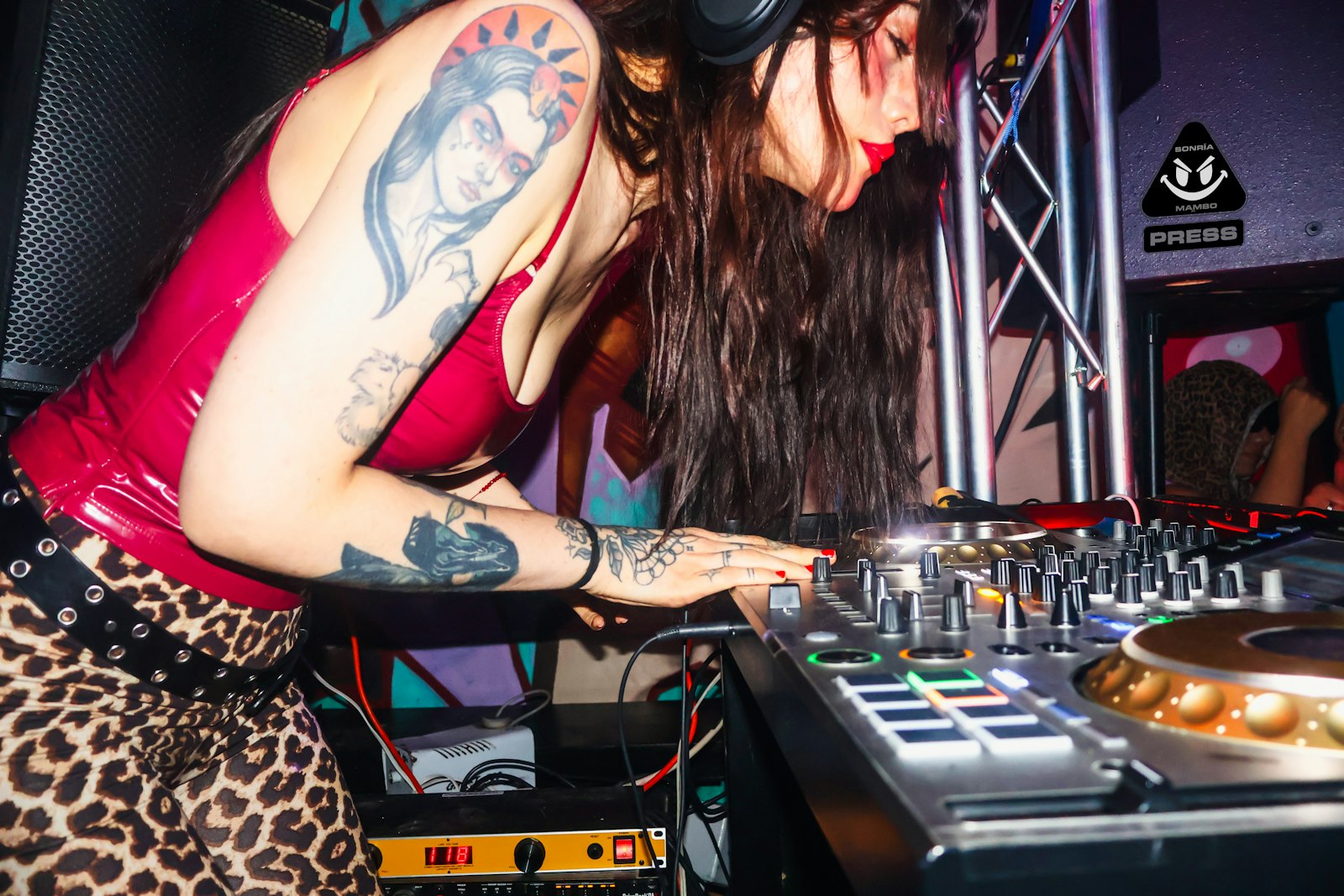
These two venues share one building at 4-5-9 Shibuya, between Shibuya and Omotesando. Aoyama Tunnel is a subterranean lounge in the basement. Aoyama Hachi, which opened in 1996, fills the upper floors with a DJ bar on 2F, the main dance floor on 3F and a lounge on 4F.
Their big draw is the late finish. Parties often run past dawn, well beyond the usual 5:00 close, which suits the after-hours crowd. Admission at Tunnel is usually cheap, and the vibe is friendlier and looser than at Vent. Hours vary a lot from night to night, so check the listing for your date.
5. Mitsuki (Dogenzaka, Shibuya) — The Bunker
Mitsuki (翠月) is a basement club near the top of Dogenzaka. You go through a heavy black door and down a staircase into a dark, orange-lit room that one reviewer said looks more like a bunker than a club. The programme is house, techno and electronic nights run by Tokyo crews and guests, including 2026 bookings such as a REIBU night with Enrico Vivaldi.
Club nights usually run from about 23:00 until 05:00 or 06:00. It’s 20+ only and you’ll need photo ID. Be aware that smoking is allowed inside, which is still common in small Tokyo clubs but can surprise visitors.
6. Circus Tokyo (Shibuya) — Serious Bookings, Compact Room
Circus Tokyo opened in 2015 as the Tokyo sister of Osaka’s Club Circus. It’s at 3-26-16 Shibuya, a short walk from Shibuya Station, and has two floors (B1 and 1F). It’s bigger than the basements above but still intimate, and it books hard-hitting international techno. For example, UK techno veteran Ben Sims played a SECRET WEAPONS night there on 9 October 2026, with advance tickets at ¥3,000 and ¥4,000 at the door.
Circus is a good middle ground: serious music without the queues of the biggest clubs.
7. SPREAD (Shimokitazawa) — The Neighbourhood Basement
Shimokitazawa is known for live houses and vintage shops, and SPREAD brings that indie spirit to electronic music. It’s at Riverstone Building B1F, 2-12-6 Kitazawa, Setagaya-ku, about a minute’s walk from Shimokitazawa Station’s East Exit. Live shows usually start in the early evening, and late-night DJ parties start around 23:30 or midnight.
Practical details: entry is cash at the door, every ticket adds a ¥700 drink charge, and there’s no cloakroom or coin locker, so travel light.
What About WOMB?
WOMB (2-16 Maruyamacho, Shibuya) isn’t underground in the literal sense. It’s a multi-floor institution and probably Tokyo’s best-known techno club abroad. It’s still running in 2026, with techno nights listed on RA. If you want a larger, more polished night between basement sessions, it’s worth a visit. For more big-room options, see our list of the best clubs in Tokyo by area.
Check Resident Advisor, Not Google Maps
Underground venues rarely keep their English websites up to date. Event pages on Resident Advisor list lineups, start times and ticket prices. Many small rooms also post schedules on Instagram or X. Find the party first, then the venue.
Bring Photo ID — Always
Most Tokyo clubs are 20+ and check passports at the door, even if you’re obviously older. A photo of your passport often isn’t accepted. Our guide to Tokyo club entry age, ID rules and dress codes covers what’s accepted.
Respect the No-Photo Culture
Strict venues often put a sticker over your phone camera at the door. Even where there’s no rule, filming the DJ or the crowd is frowned upon in the underground. Smoking areas and outside spaces are generally fine.
Plan Around the Last Train
Trains stop around midnight, and most underground parties only get going after that. Either arrive early and leave before the last train, or commit to staying until the first train around 5:00. Our Tokyo last train survival guide explains how to time it.
Cash and Drinks
Smaller venues often take cash only at the door, and many add a drink ticket to your entry. Carry a few thousand yen in notes and coins for lockers.
Looking for Adult Entertainment Services in Tokyo? Download this
I’ve spent over a decade exploring and studying Japan’s adult entertainment scene firsthand. If you’d like detailed insider information—including how to choose the right shop, what services are available, and tips for avoiding common mistakes—check out our exclusive E-book.
Underground Techno Etiquette: Unwritten Rules
- Don’t talk on the dance floor. Tokyo crowds listen. Take conversations to the bar or the smoking area.
- Don’t crowd the booth. Requesting tracks or leaning over the DJ is a big faux pas.
- Dress down. Black, comfortable and practical beats designer labels. Some venues don’t allow sandals.
- Arrive late, stay late. Before midnight, rooms are often half-empty. The peak is usually between 1:00 and 4:00.
- Be patient with the crowd. Some regulars are wary of tourist groups. Come in small numbers and be respectful, and you’ll be welcome.
Sample Night: An Underground Techno Route
Here’s one way to string a night together:
- 20:00 — Dinner in Shibuya or Omotesando. Eat properly. Most clubs serve drinks, not food.
- 22:00 — Early session at Aoyama Tunnel, or a weeknight show at Forestlimit if you’re there midweek.
- 00:00 — Main event at Vent or Circus Tokyo. Book RA tickets in advance.
- 05:30 — First train home, or head back to Aoyama Hachi if the party is still going.
If you’re new to clubbing in Japan, our beginner-friendly Tokyo clubbing guide walks through a full night step by step.
What do you do in Tokyo After 10?
Join our Tokyo Nightlife Private Tour
You deserve better than overpriced bars and missed opportunities. We’re here for you.
Getting Started With the Tokyo Underground
The best techno clubs Tokyo underground fans love don’t advertise to tourists. They’re behind unmarked doors, they follow unwritten rules, and they run on schedules that change weekly. That’s what makes them great, and also what makes them hard to crack on a short trip.
If you’d like to warm up first with a night in Tokyo’s backstreet bars, a local guide can help. They’ll read the room, deal with the Japanese-only menus, and send you to the dance floor with good tips for the rest of the night. Our Tokyo After 10 nightlife private tour is built for that: you get Tokyo after dark the way locals live it, and then the night is yours.