Photo by <a href="https://unsplash.com/@mosdesign?utm_source=tokyodeepnightlife&utm_medium=referral">mos design</a> on <a href="https://unsplash.com/?utm_source=tokyodeepnightlife&utm_medium=referral">Unsplash</a>
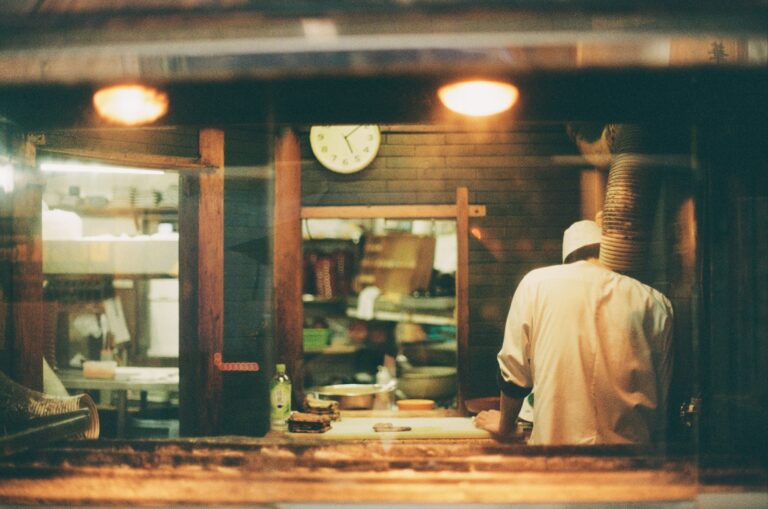
You push open a heavy wooden door, find eight stools, one bartender in a crisp white jacket, and three regulars who all glance up at once. Nobody says anything. Do you sit down? Wait? Bow? This is the moment where a little knowledge of Tokyo bar etiquette turns an awkward pause into one of the best nights of your trip.
The good news: Japanese bar manners are not a test you can fail. Bartenders in Tokyo are used to visitors, and most of the “rules” boil down to being quiet, being patient and respecting a very small space. The tricky part is that almost none of it is written down. Charges appear on your bill that you never ordered, seating works differently than at home, and tipping can cause genuine confusion.
This guide covers the unwritten rules of Tokyo bar etiquette from the door to the bill: what to do when you walk in, how cover charges work, how to order, how to pay, and the small habits that make bartenders happy to see you again.
Contents
- Why Tokyo Bar Etiquette Feels Different
- Before You Go In: Entry Rules
- Walking In: First Impressions Matter
- Charges: Otoshi, Seat Fees and Service Charges
- Ordering Drinks Like a Regular
- Behaving at the Counter
- Paying and Leaving
- Bar-Type Cheat Sheet: Tokyo Bar Etiquette by Venue
- Common Mistakes Travelers Make
- Frequently Asked Questions About Tokyo Bar Etiquette
- What do you do in Tokyo After 10?Join our Tokyo Nightlife Private Tour
- Skip the Guesswork With a Local Guide
- About the Author
Why Tokyo Bar Etiquette Feels Different
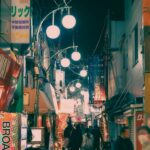
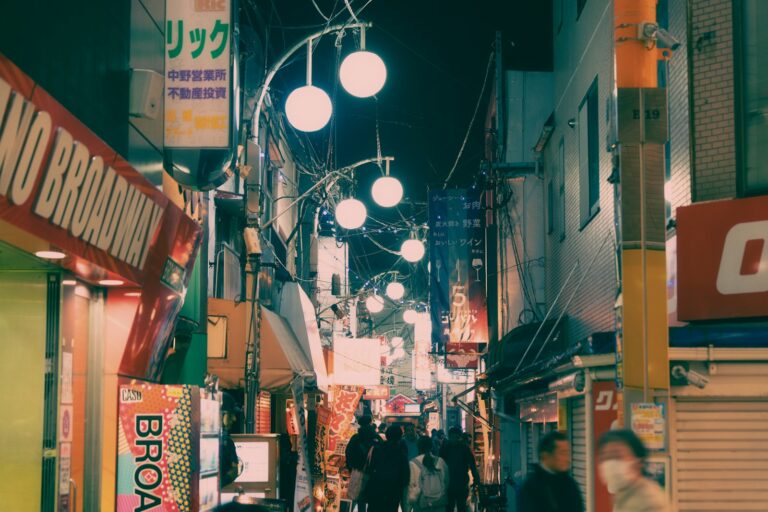
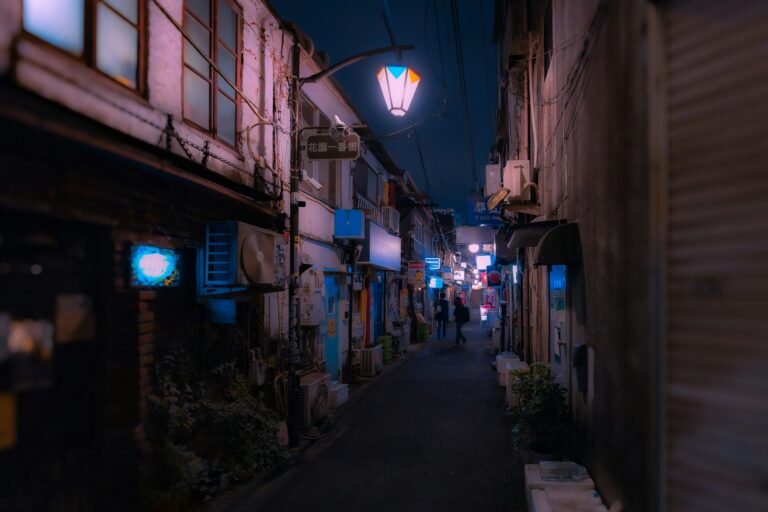
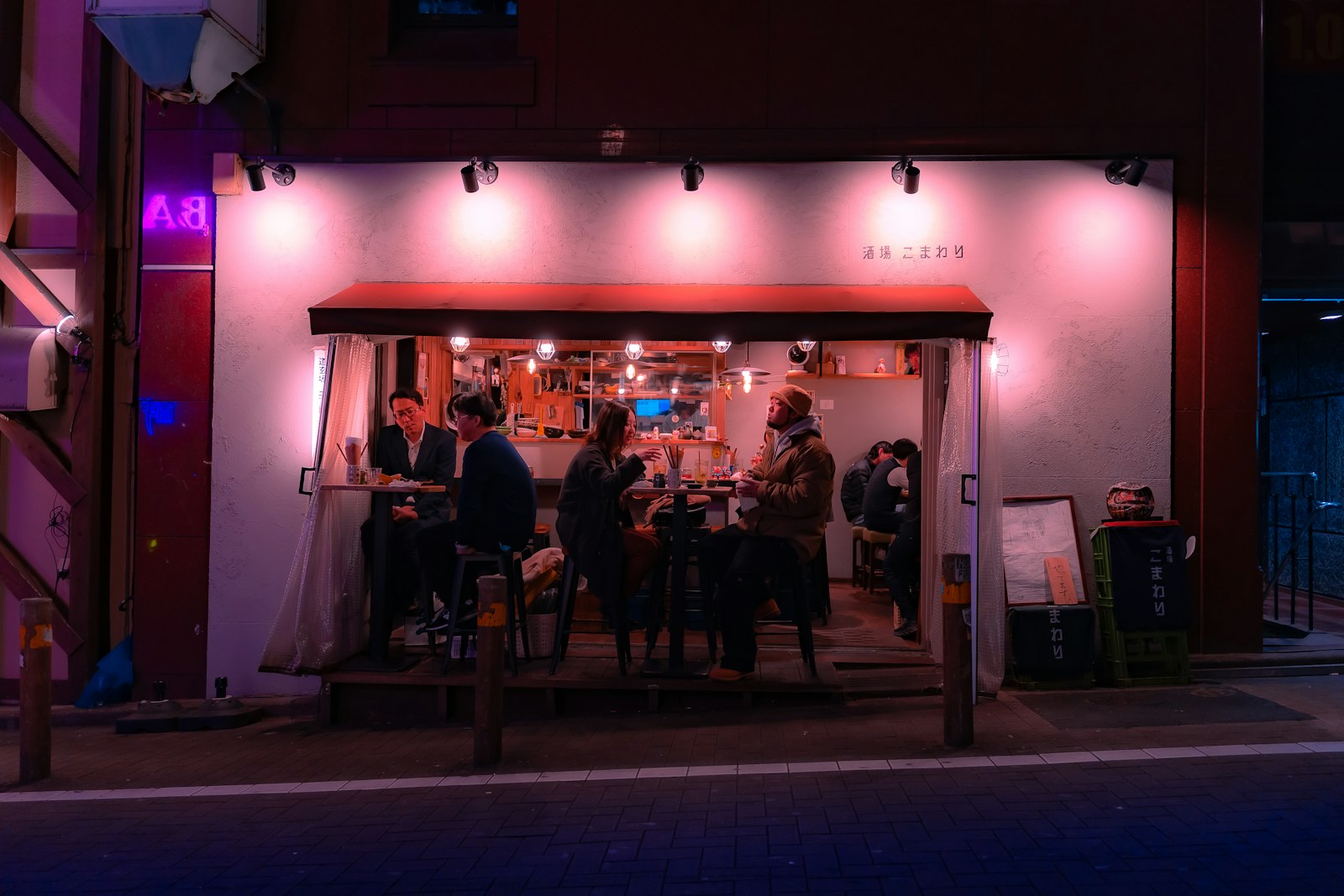
Most bars in Tokyo are small. Many seat fewer than ten people, and some, like the tiny bars of Shinjuku’s Golden Gai, fit only five or six guests shoulder to shoulder. In a room that size, one loud group changes the mood for everyone, so the whole culture is built around not disturbing the people next to you.
Bars here also run more like restaurants than pubs. When every seat is taken, the bar is full, even if there is technically room to stand. The bartender (often called the “master,” or masutā) treats the counter as their stage and the guests as people they are hosting, not just serving. Understanding that host-and-guest relationship explains almost every rule below.
Before You Go In: Entry Rules
1. Check the signs at the door
Before you walk in, look for small signs near the entrance. Some bars post a cover or seat charge, some mark “members only” (会員制, kaiin-sei), and some show whether smoking is allowed. A few bars in nightlife districts also post notices aimed at tourists, including entry restrictions. If a sign says members only or regulars only, respect it and move on. There are hundreds of other bars that will happily welcome you.
2. Bring cash
Card and QR payments are far more common in Tokyo than they were a few years ago, but small counter bars and old-school alleys are still where cash-only places survive. Carry enough yen to cover a few rounds plus any charges, and you will never have to do the awkward walk to a convenience store ATM mid-evening.
3. Keep your group small
Small bars are not designed for groups. As a rough guide, one or two people should sit at the counter, while groups of three or more should look for a bar with tables or call ahead. A group of six walking into a seven-seat bar puts the bartender in an impossible position. If you are planning a night out with a large group, split up or choose bigger venues.
Walking In: First Impressions Matter
4. Greet the bartender and wait to be seated
When you step inside, make eye contact with the bartender and say “Konbanwa” (good evening). Then hold up fingers to show how many people are in your party and wait. The bartender will either point you to seats or let you know the bar is full. Do not simply grab an empty stool, as it may be saved for a regular who stepped out or has a reservation.
5. Do not move seats or rearrange the room
Once you are seated, stay where you were put. Moving to a “better” seat or dragging a stool over to sit with friends disrupts the bartender’s layout and can block other guests. If you would like to move, ask.
6. Read the room before you chat
Japanese bar culture leans quiet. At classic cocktail bars, conversation is soft and the focus is on the drink. In Golden Gai or a lively standing bar, talking with strangers is half the fun. The safest approach is to match the volume of the people around you. For more on how the famous alley works, see our complete Golden Gai guide.
Charges: Otoshi, Seat Fees and Service Charges
7. Expect a cover charge, often with a small snack
This is the single biggest source of confusion for visitors. Many Japanese bars and izakaya add a per-person charge to your bill, sometimes called otoshi or tsukidashi when it comes with a small appetizer, or simply a “seat charge” or “table charge” when it does not. The amount varies widely: a few hundred yen at casual places, and more at upscale cocktail bars. You pay it whether or not you eat the snack.
It is not a scam and complaining about it is considered poor form. Think of it as the price of a seat in a very small room. If you want to know the charge before committing, check the sign at the door or the menu. Our guide on what the otoshi charge is and how Japan bar seat fees work breaks down every variation.
8. Watch for service and late-night charges
Some bars, especially hotel bars and upscale lounges, add a service charge (often around 10%) on top of the cover charge. A small number of bars also add a late-night charge after a certain hour, or a music charge at venues with live performances. These are usually listed on the menu. If the menu is only in Japanese, it is perfectly fine to ask, “Chāji wa arimasu ka?” (“Is there a charge?”) when you sit down.
Ordering Drinks Like a Regular
9. Ask for a recommendation
Many smaller bars have no menu at all. Rather than seeing this as a problem, see it as an invitation. Tell the bartender what you like (sweet, sour, strong, whisky, gin) and say “Osusume wa?” (“What do you recommend?”). In many Tokyo bars, this is how regulars order every night, and bartenders take pride in matching a drink to a guest.
Useful phrases:
- “Sumimasen” – “Excuse me” (to get attention; keep it soft at a quiet bar)
- “Kore o kudasai” – “This one, please”
- “Nama biru o kudasai” – “A draft beer, please”
- “Mō ippai” – “One more”
- “O-kaikei onegaishimasu” – “The bill, please”
For a longer list, our guide on how to order in a Japanese bar covers the phrases that actually work at the counter.
10. Order at least one drink each
Every person in your group should order a drink, even if you plan to leave soon. In bars with only a handful of seats, each stool is the bartender’s income for the night. Ordering a single drink between two people, or sitting for an hour over one glass while the bar is full and people are waiting, is one of the clearer breaches of Tokyo bar etiquette. Non-alcoholic drinks are fine if you are not drinking.
11. Sip, do not shoot
Rounds of shots are not really part of Japanese bar culture. Sake, Japanese whisky and well-made cocktails are meant to be sipped and enjoyed slowly. Some cocktail bars may simply not serve shots. If you want a party-style night, a club or a large bar is a better fit than an eight-seat counter.
12. Pour for others, not yourself
When drinking with Japanese friends or colleagues, especially with bottles of beer or sake on the table, the custom is to refill other people’s glasses and let them refill yours. Pouring your own drink is not a crime, but topping up others is a small gesture that people notice and appreciate. Wait for everyone to have a drink before the first sip, then raise your glass for a “Kanpai!” (cheers).
Looking for Adult Entertainment Services in Tokyo? Download this
I’ve spent over a decade exploring and studying Japan’s adult entertainment scene firsthand. If you’d like detailed insider information—including how to choose the right shop, what services are available, and tips for avoiding common mistakes—check out our exclusive E-book.
Behaving at the Counter
13. Phones, photos and noise
Taking a quick photo of your cocktail is generally fine at modern bars, but photographing other guests or the bartender without asking is not. Some bars, particularly in Golden Gai, post “no photos” signs, and they mean it. Keep phone calls outside, keep your ringer off, and avoid video calls at the counter. In a small room, everyone can hear you.
14. Smoking: check before you light up
Tokyo’s rules on indoor smoking changed significantly in 2020. Under the Tokyo Metropolitan Ordinance to Prevent Exposure to Second-Hand Smoke, bars and restaurants with employees are generally required to be non-smoking indoors, apart from designated smoking rooms. Some small, owner-run bars and dedicated smoking venues may still allow it. Look for the smoking sign at the entrance, and never assume. Even where smoking is allowed, it is polite to ask the people next to you first.
Outside, many central Tokyo wards restrict smoking on the street, so use designated smoking areas.
Paying and Leaving
15. Pay at your seat and do not tip
When you are ready to leave, catch the bartender’s eye and say “O-kaikei onegaishimasu,” or make a small “X” with your index fingers. At most small bars you pay at your seat; at larger places you may pay at the register by the door. Bills are often a single total rather than itemized, which is normal.
Do not leave a tip. Tipping is not part of Japanese bar culture, and leaving coins on the counter can cause confusion, with staff sometimes chasing you down the street to return your “forgotten” change. The best ways to show appreciation are a sincere “Gochisōsama deshita” (“Thank you for the treat”) on your way out, and coming back. Some guests also offer to buy the bartender a drink, which is a common gesture of thanks at many bars. Read more in our guide to tipping in Tokyo bars and what to do instead.
Bar-Type Cheat Sheet: Tokyo Bar Etiquette by Venue
Not every bar follows the same rules. Here is a quick summary:
| Bar type | Atmosphere | Key etiquette points |
|---|---|---|
| Classic cocktail bar | Quiet, formal | Low voices, smart-casual dress, expect a cover or service charge |
| Golden Gai-style micro bar | Chatty, intimate | Check signs for entry rules and photo policy, one drink each minimum |
| Standing bar (tachinomi) | Casual, fast | Order quickly, keep it short, pay per order or at the end depending on the bar |
| Izakaya | Loud, social | Otoshi charge is normal, pour for others, groups welcome |
| Hotel bar | Polished | Service charge likely, dress up a little |
Common Mistakes Travelers Make
A few slips come up again and again:
- Treating the otoshi as a scam. It is a normal charge. Real nightlife scams look very different and usually start with a street tout.
- Following touts. Legitimate bars in Tokyo do not need people on the street pulling you inside. Walking into a bar on someone’s street pitch is the riskiest thing you can do in districts like Kabukicho.
- Ordering one drink and staying all night. At a busy micro bar, this blocks a seat someone else wants.
- Getting very drunk. Being tipsy and cheerful is fine. Being loud, sloppy or sick in a small bar is not, and you may not be welcomed back.
- Forgetting the drinking age. The legal drinking age in Japan is 20, even though the age of adulthood is 18. Some bars and clubs check ID.
For more on basic dos and don’ts at night, the Japan National Tourism Organization’s nightlife guide is a helpful official overview.
Frequently Asked Questions About Tokyo Bar Etiquette
Is it rude to go to a bar alone in Tokyo? Not at all. Solo drinking is common in Tokyo, and the counter is the perfect spot for it. Many regulars come alone and chat with the bartender.
Do Tokyo bars welcome foreigners? The vast majority do. A small number of bars prefer regulars or Japanese speakers and may say so at the door. A polite smile and a “thank you” is the right response. There are plenty of places that will be glad to have you.
What should I wear to a bar in Tokyo? Smart-casual works almost everywhere. Upscale cocktail and hotel bars may expect a collared shirt or similar. At casual standing bars and izakaya, anything neat is fine.
How long should I stay? There is no fixed rule, but at small bars, one to two drinks per stop is common. Bar hopping, moving from one small bar to the next, is a big part of how locals enjoy a night out.
What do you do in Tokyo After 10?
Join our Tokyo Nightlife Private Tour
You deserve better than overpriced bars and missed opportunities. We’re here for you.
Skip the Guesswork With a Local Guide
Once you understand the basics of Tokyo bar etiquette, the city’s drinking scene opens up. The hardest part is not the manners; it is knowing which door to open. Many of the best small bars have no English signage, no online listing and an unspoken preference for guests who come with someone the bartender knows.
That is exactly where a local guide helps. On our Tokyo After 10 nightlife private tour, a local guide takes you to bars that welcome visitors, handles the introductions and ordering, explains any charges before you sit down, and makes sure you spend your night drinking rather than wondering what to do next. You get the real Tokyo bar experience without the awkward pause at the door.